-
Yale University, B.S.
-
Yale University, M.S.
-
Yale University, Ph.D.
-
Yale University, Postdoctoral Fellow
-
Princeton University, Tenured Professor
-
Taught at New York University after retiring in 2007
-
Leading authority in organic chemistry
-
Published 225 academic papers
-
Authored the textbook Organic Chemistry
You think this is just another stellar CV of some Nobel laureate?
Nope, this is merely the academic background of a professor who was just fired by New York University, that's all.
An era of weaponized reporting is the "best" of times
According to a New York Times report on October 3, one of the nation's top chemistry professors, 84-year-old Maitland Jones Jr., was fired by New York University this year.
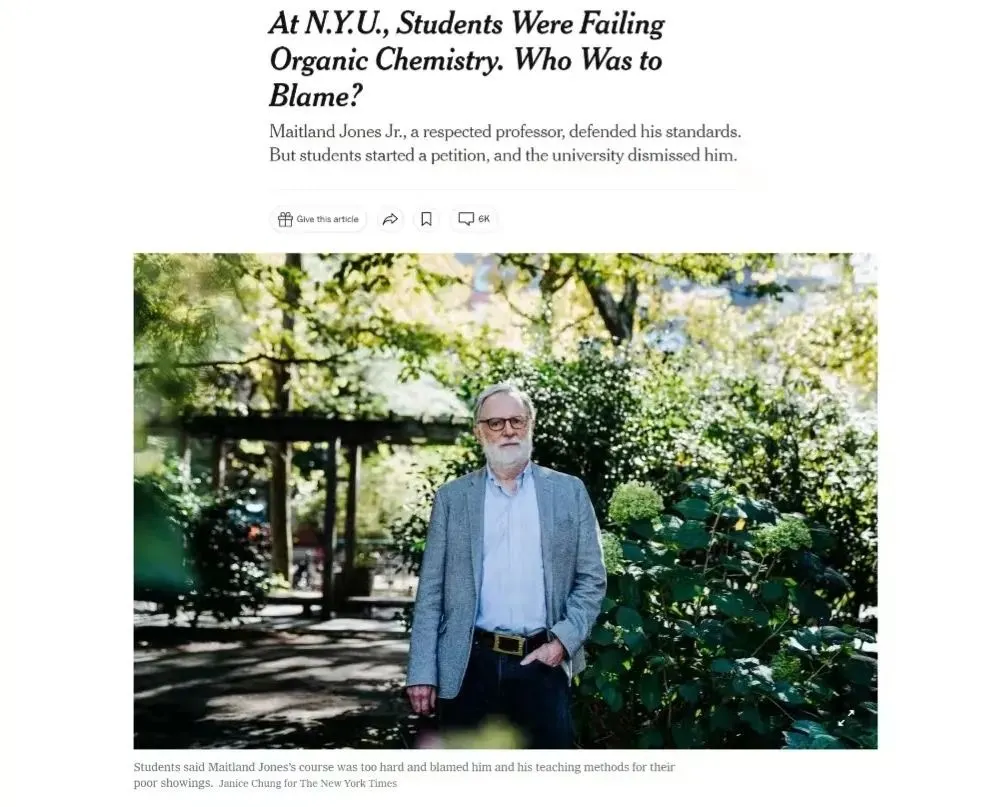
And the reason for Jones's dismissal is "simple": he was reported.
Out of the 350 students in his class, 82 signed a joint petition protesting that his course, Organic Chemistry, was too difficult, which resulted in their generally low exam scores.
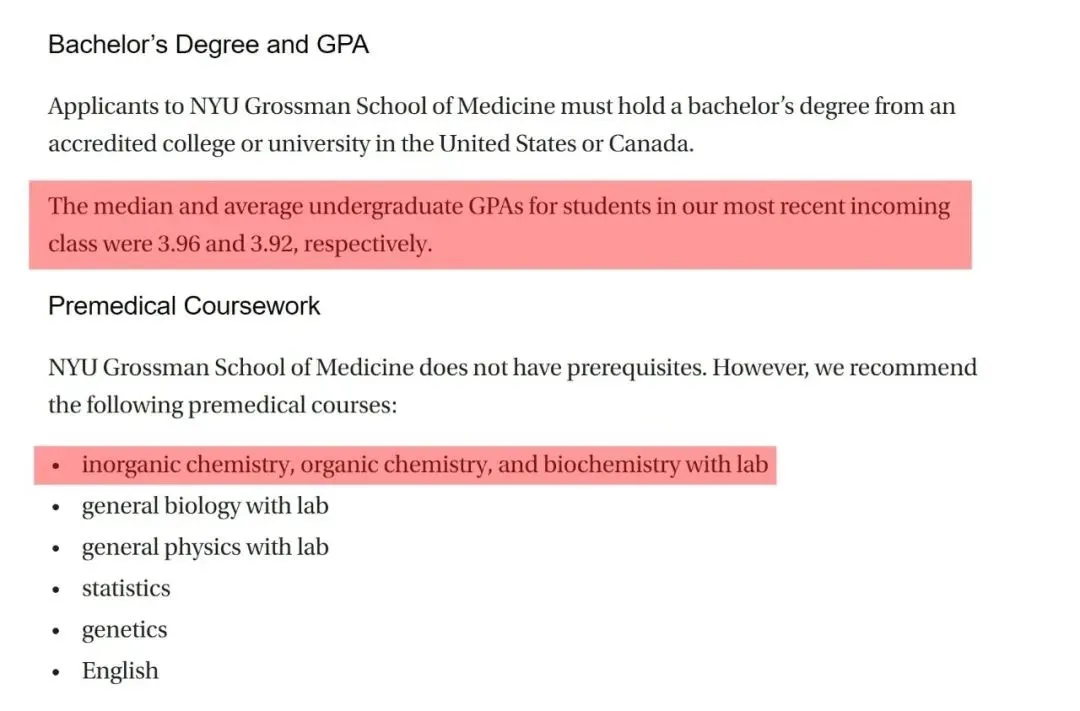
Notably, Organic Chemistry is a key exam subject for master's and doctoral programs at NYU's medical school; if grades are too low, students may lose their eligibility to apply. So for those with future application plans, its importance is self-evident.
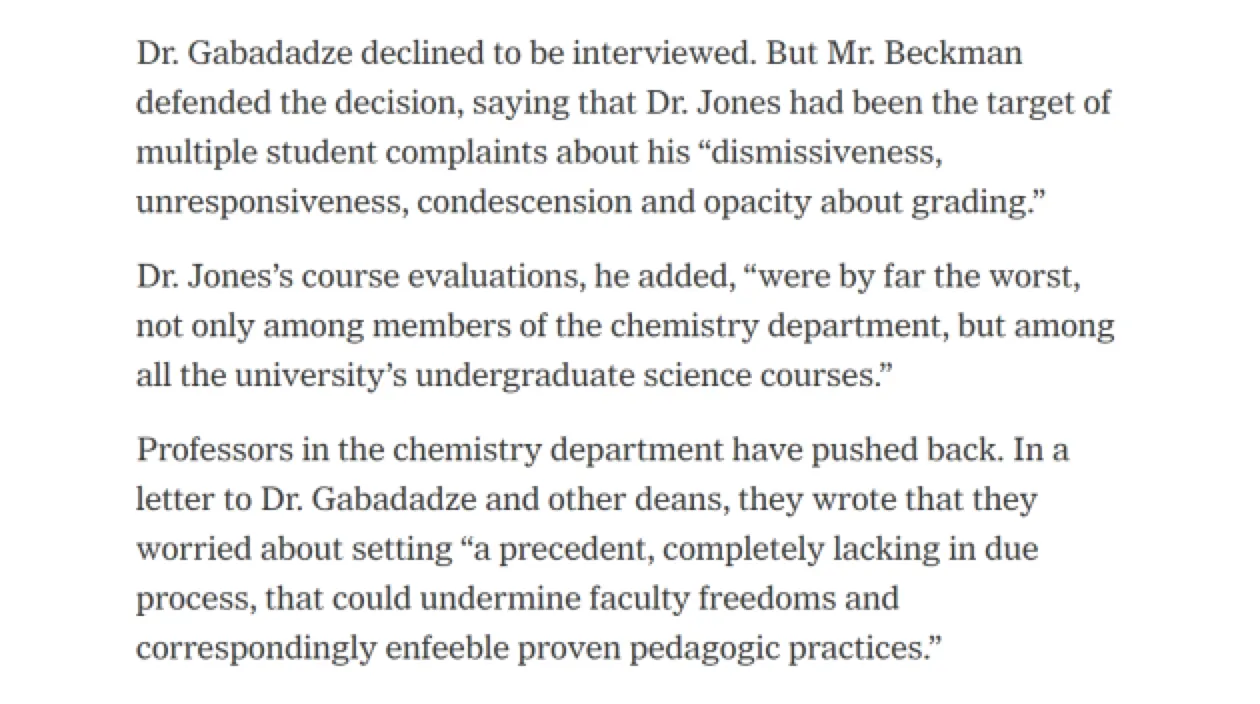
In response, an NYU spokesperson said in an interview that Professor Jones's course had a high withdrawal rate, ranking among the highest not only in the College of Science but across the entire university.
Course evaluations for Organic Chemistry were also very poor, consistently the subject of student complaints, including but not limited to "dismissiveness, unresponsiveness, belittling students, and opaque grading."
However, the New York Times reports that students were shocked by Jones's firing; they had merely wanted to vent about the course's difficulty and a lack of learning resources due to the pandemic, and had never intended for the university to dismiss Professor Jones.
University grade deflation—international students know this pain all too well
This incident sparked wide discussion. Some found it "a ridiculous joke": "Organic chemistry is inherently hard; if you can't handle this pressure, how will you do graduate studies or become a doctor?"
But some international students noted some professors just aren't good: they're condescending and severely deflate grades, teaching one thing but testing another—it's unbearable...
When it comes to overseas universities with lenient entry but strict exit, there are endless stories about grade deflation that international students can tell...
Take Canadian undergraduate students, for example. In their exam system, there's something called a "curve," where professors collectively lower or raise everyone's marks to adjust the class average.
Of course, kind professors are rare; "curve down" is the norm, while "curve up" is like hitting a hidden blind-box prize.
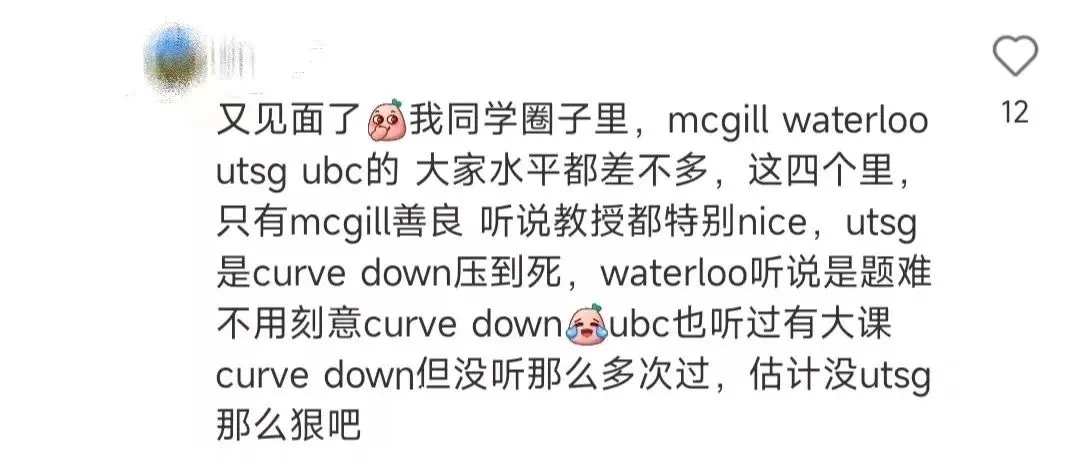

This also leads to generally lower GPAs among Canadian undergraduate students.

Professor "hall of fame/shame" lists have thus been circulating around campus...

While grade deflation exists at American, UK, and Australian universities, it's generally not as severe as in Canada. If there's an exception, it's the University of Sydney, jokingly said to have "grade deflation that even Harvard graduates couldn't withstand."

From the University of Sydney's official statistics, students with a WAM of 85+ are extremely rare; most are concentrated in the 70-75 and below 60 bands. In programs like Project Management, up to 42% of students have a WAM below 60.
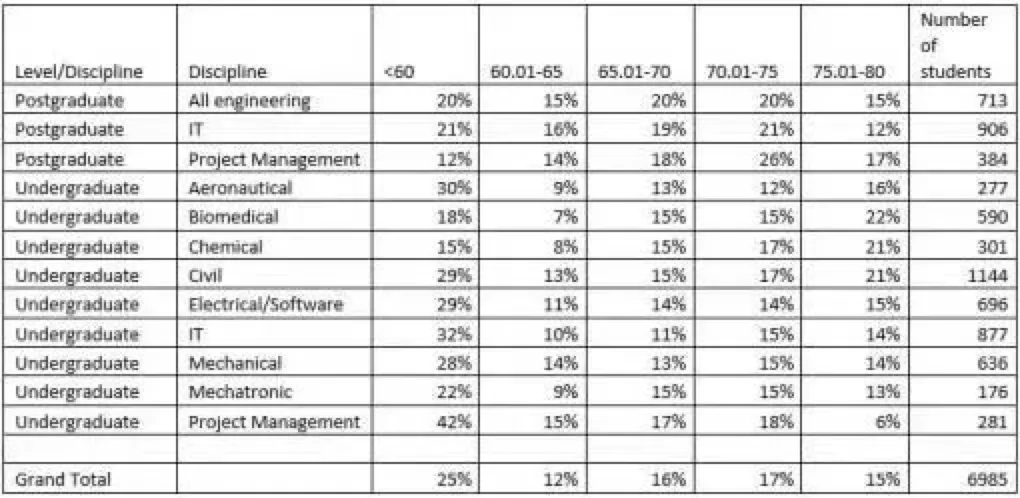
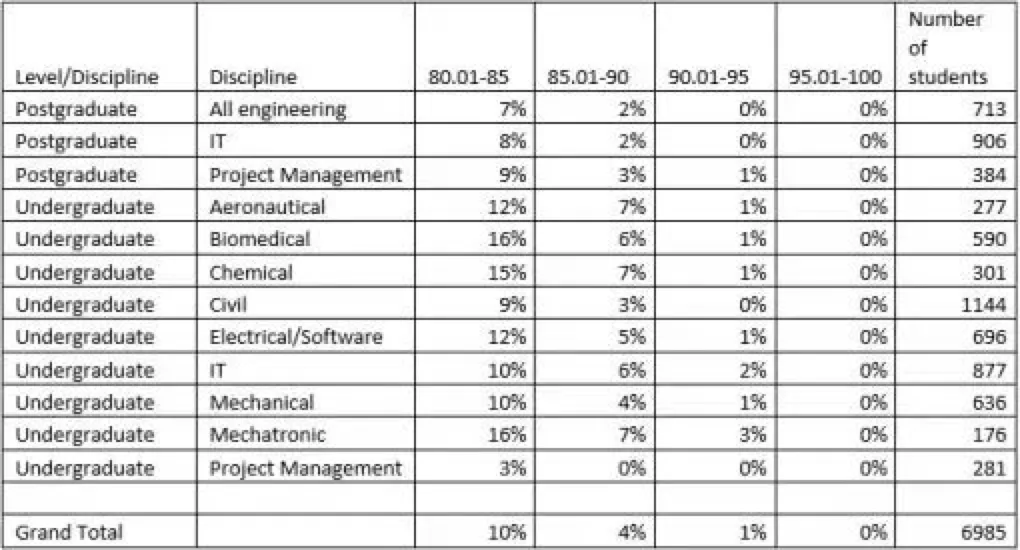
This data was released in 2018; no updates have been issued since. Don't ask why—the university simply "couldn't be bothered to count" anymore.
Not about the group—just looking down on you?
Apart from reasons like maintaining graduation rates, some grade deflation stems from professors' racial discrimination.
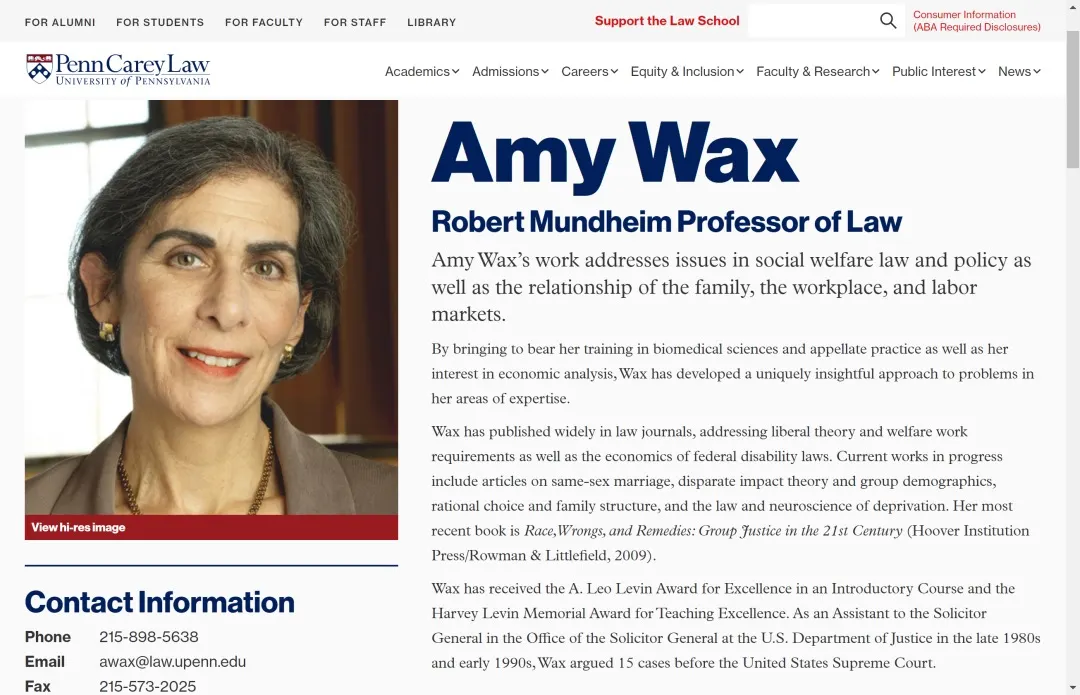
University of Pennsylvania law professor Amy Wax publicly stated earlier this year that "the fewer Asians, the better America will be."
She advocates against "elite" Asian immigration and has repeatedly attacked "black" and "non-white" student groups in 2018 and 2019, saying they are not "needed by America."

Penn Law Dean Theodore Ruger called Wax's comments "anti-intellectual" and "racist." But she remains employed at Penn to this day.
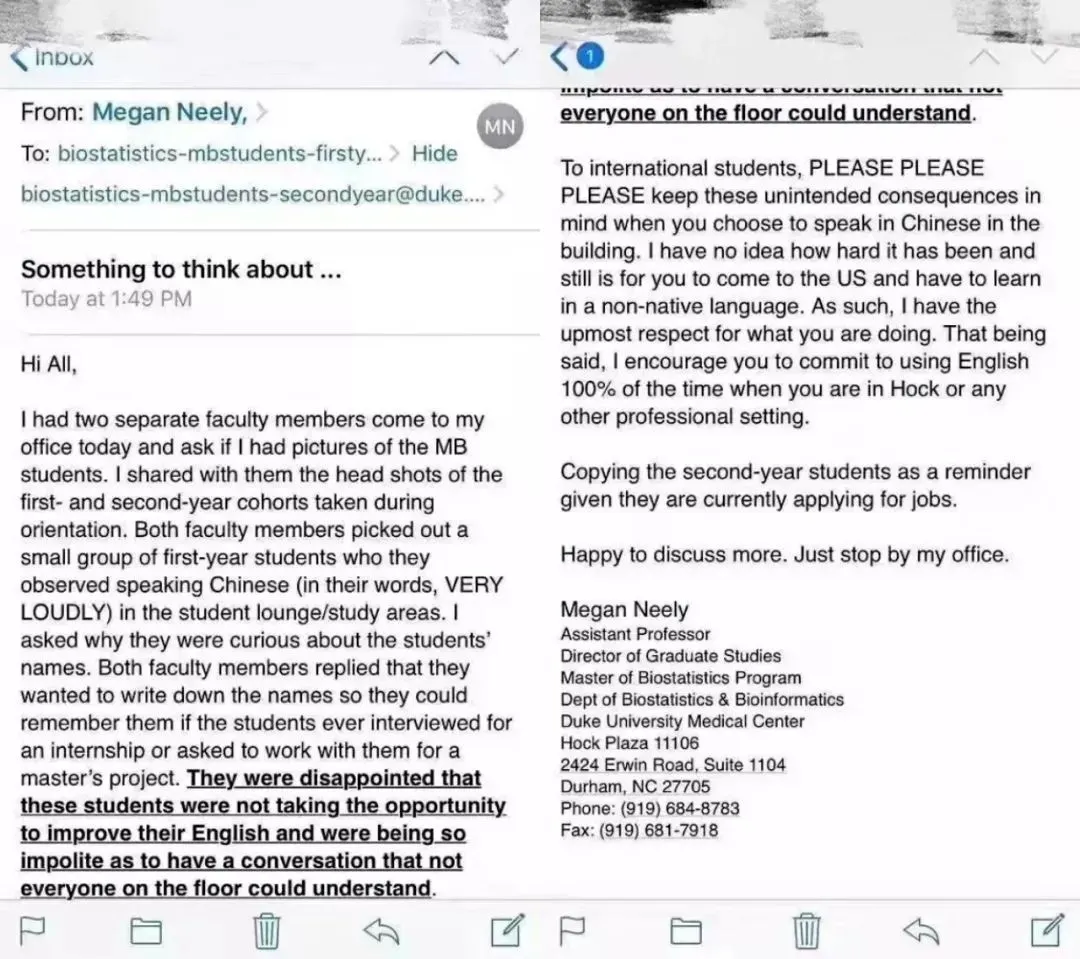
Similarly, Megan Neely, former director of graduate studies in biostatistics at Duke University, once sent a warning email to all students targeting Chinese students, at length emphasizing that speaking Chinese should not occur in the teaching building and demanding that Chinese students speak 100% English.
Not just American universities—an investigation into racial discrimination and campus bullying was conducted at the Bartlett School of Architecture at University College London (UCL).
Over 300 people participated; 27% of students reported experiencing discrimination at UCL's architecture school, and 39% of surveyed students and graduates said they knew someone who had experienced bullying or harassment.
Some professors subjected students to verbal and physical abuse, including pushing, mocking, tearing up assignments, and inappropriate physical contact.
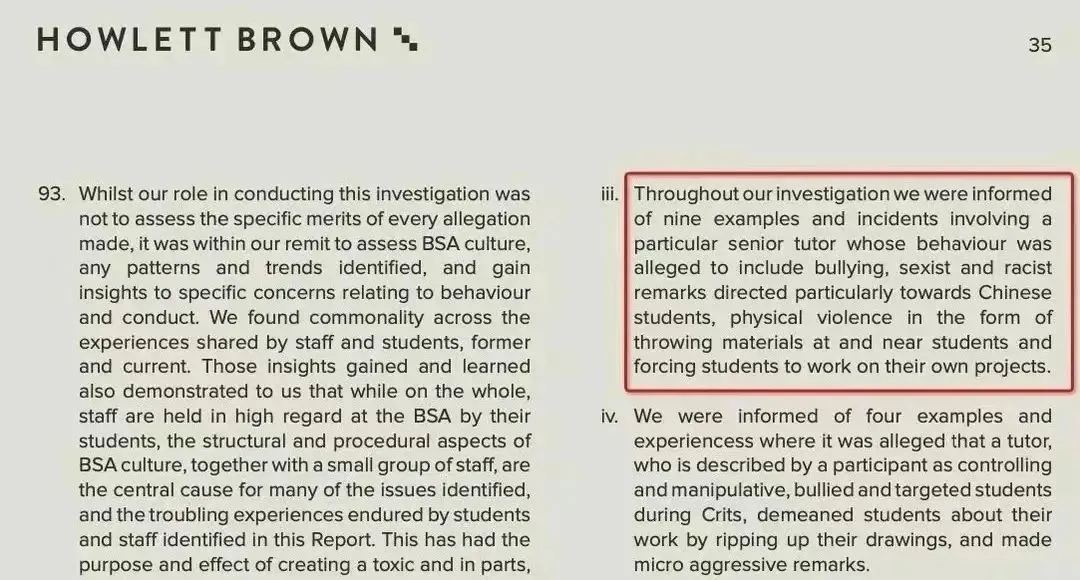
Although Duke and UCL have apologized and taken action on the latter two incidents, it's hard to guarantee that every victim will receive a corresponding response and compensation when such small-scale events recur.
How important is GPA for an undergraduate?
In today's internet, where "anxiety-mongering" and "know-it-all" attitudes prevail, a GPA of 3.4+ can be considered "semi-disabled."
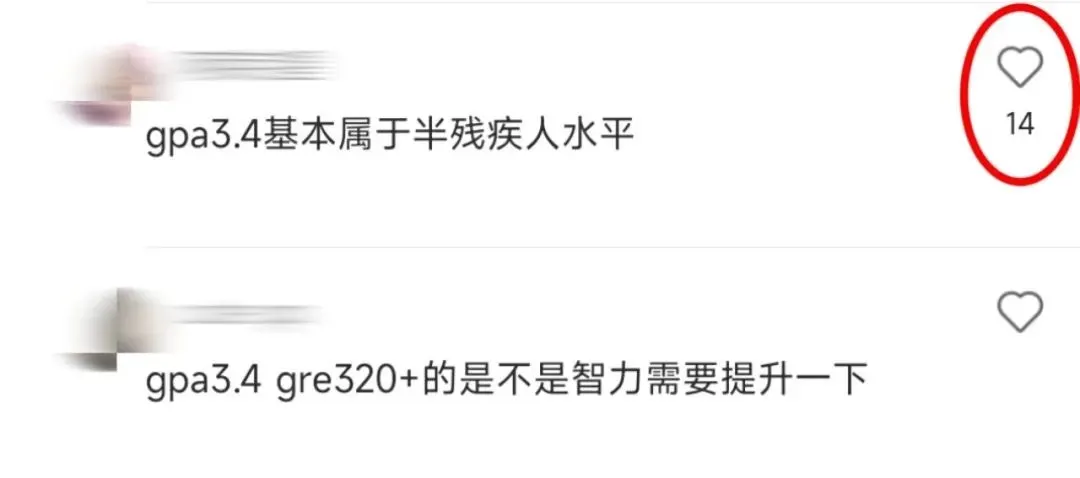
So how important is GPA? It determines whether you can be a "fully functioning person" on social media.
Of course, for those planning graduate studies, GPA matters because a 0.3-point difference could decide whether you get into Stanford or Cornell.
GPA is the first stepping stone for graduate applications
While GPA is not the only factor in graduate school admissions—GRE/GMAT, internships/research, TOEFL/IELTS, essays, recommendation letters, interviews, etc. also affect your outcome—GPA is absolutely the first stepping stone.
Even US universities that value a holistic profile are unequivocal about grade requirements. A GPA too low will make it tough to crack the Top 100.
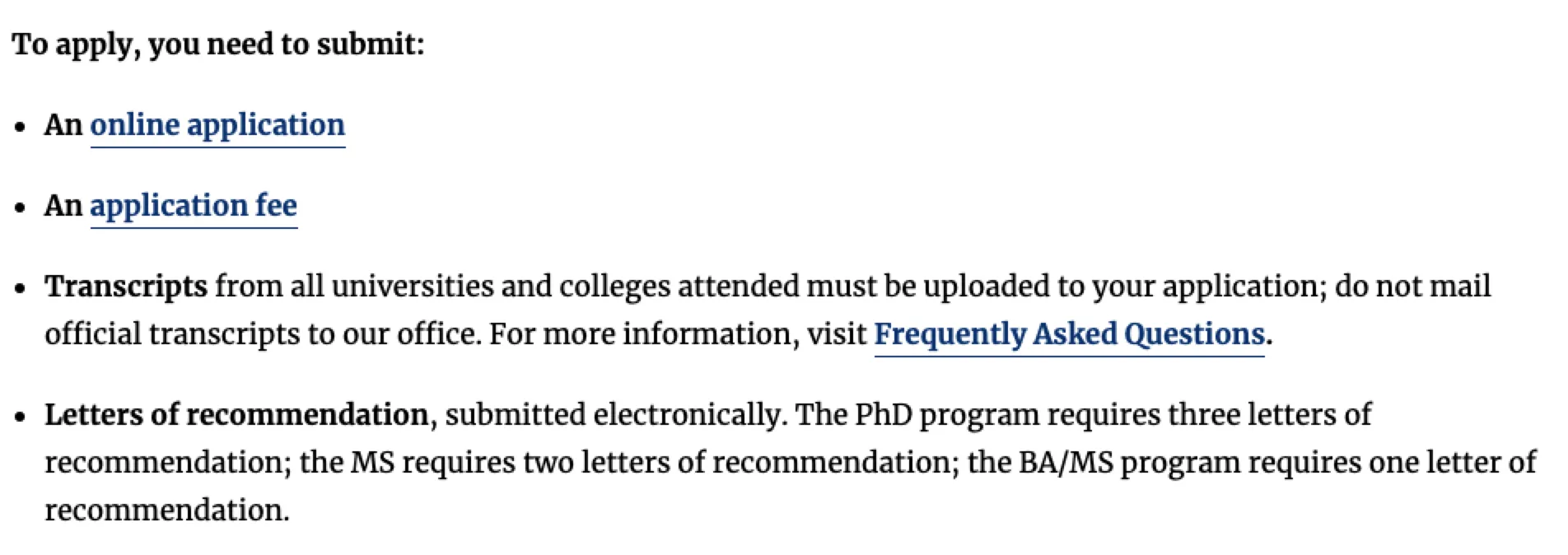
Don't realize the importance of GPA only in your senior year—especially students who need to apply for graduate school should pay early attention to their undergraduate grades. If you don't meet the basic grade requirements, your application may be filtered out in the first round of screening!
Not everyone can overcome a low GPA
In this fast-food information age, the internet is filled with the kind of "comeback" stories people love to see.

"Low GPA student gets into Ivy League," "Low GPA career-changer makes it to a top school," "Working professional with ultra-low GPA succeeds"—these survivor biases are magnified, giving viewers a sense of false hope, thinking they can casually choose a top university even with a low GPA, or even believing a 2.5 can get them into Harvard.
Although most schools' official websites state a GPA of 3.0+ or don't specify a score, applying with a truly low GPA will likely result in rejection. You may meet the minimum GPA requirement but not the admission requirement.
How to maintain a good GPA during undergrad
Leverage all available resources
As the saying goes, to get good grades, choose your professor early and choose wisely. A common way to maintain GPA is to avoid "landmine professors."
Using tools like Rate My Professor or getting advice from upperclassmen who've taken the course are good ways to choose courses/professors.
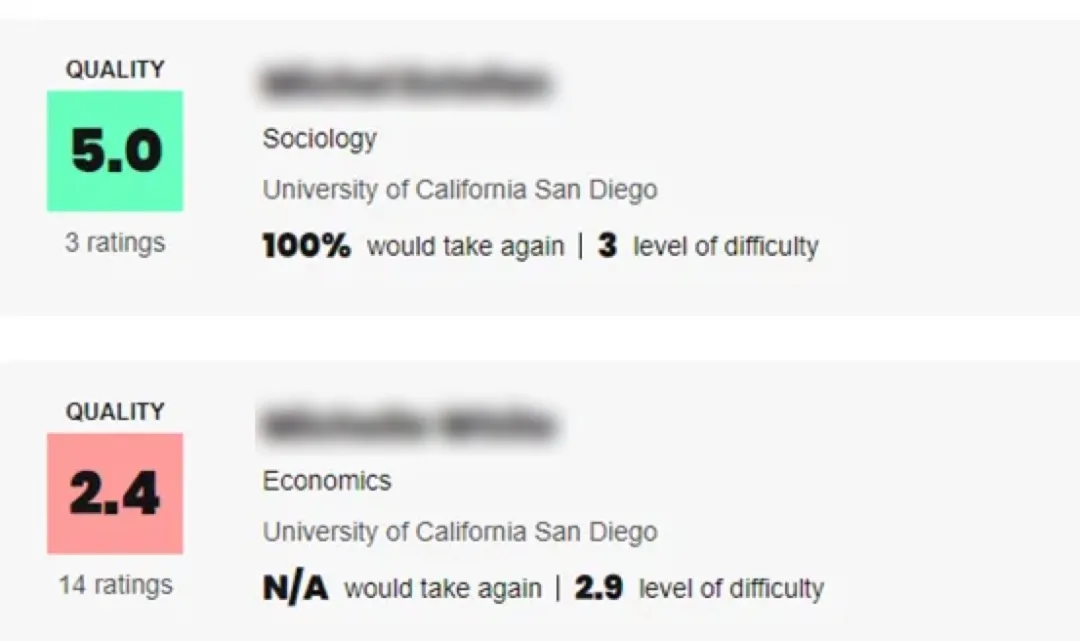
Beyond seizing resources to grab a course with a good professor first, if you unfortunately end up with a tough professor, we recommend making full use of office hours to ask questions and communicate, or spending more time working with your group members—it's also a great way to boost and maintain your GPA.
Use Pass/No Pass wisely
Pass/No Pass, also known as Pass/Fail (or Credit/No Credit), is a common grading option at North American universities.
Schools usually allow students to change some non-major courses (mainly general education) to P/NP, while major courses cannot be changed to P/NP. Typically, the number of credits you can change to P/NP is limited, varying by university.
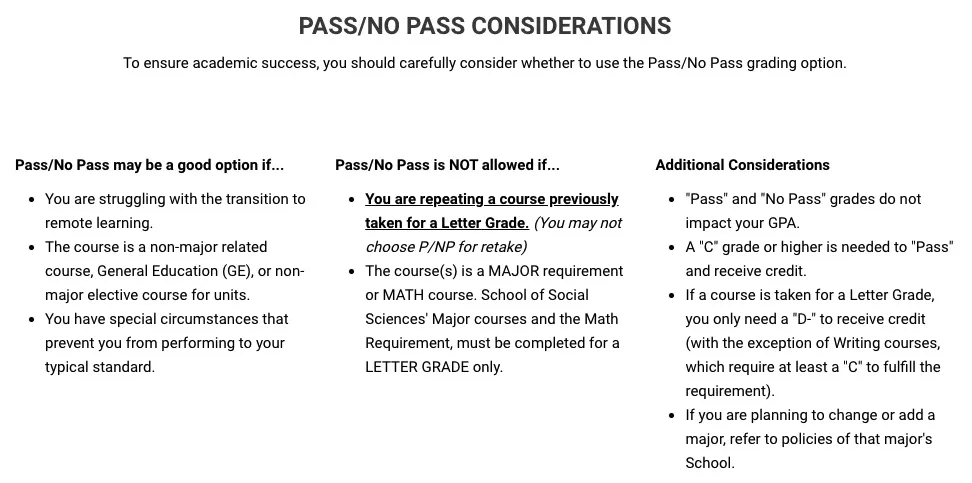
Although P/NP is useful, keep these points in mind:
1. Consult your professor and advisor, and decide whether to go P/F based on school policies, your situation, and course difficulty.
2. Don't switch too many courses to P/NP in one semester; it's recommended to keep letter grades for major courses.
3. Don't completely slack off—even for P/NP non-major courses, if you get a No Pass, you'll have to retake it.
Optimize your course scheduling
University course selection is generally flexible. When picking courses each semester, carefully consider whether your time and energy can keep up with your plan.
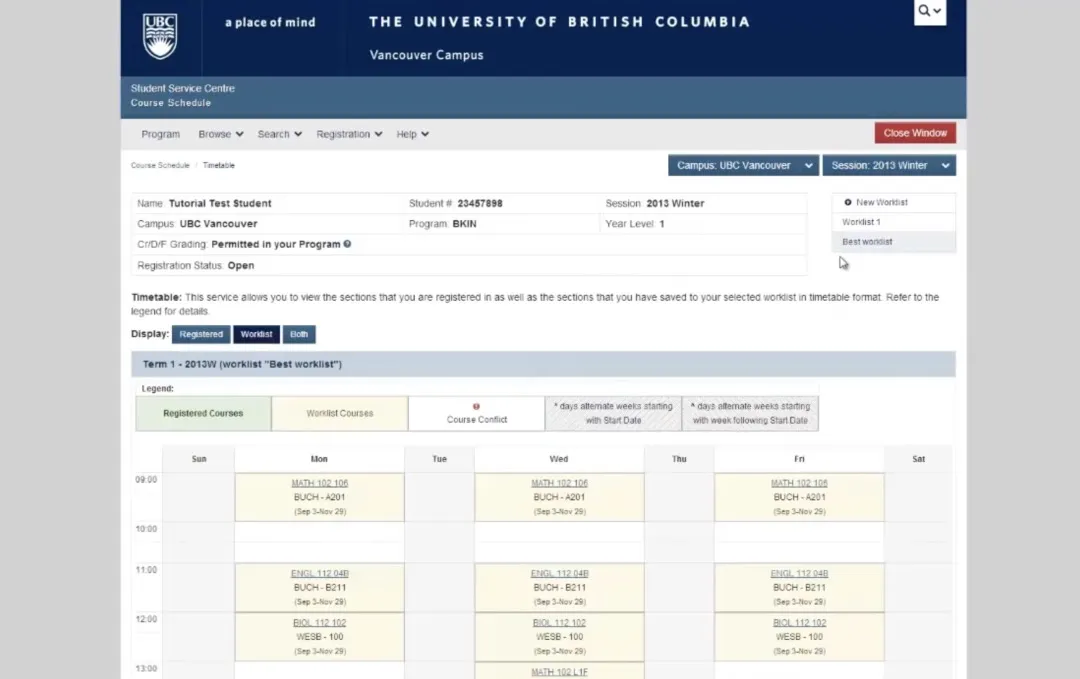
Taking too many courses at once, piling tough courses into one semester, or overloading on project-heavy classes… these can easily lead to wasted effort and a low GPA.
Not everyone can handle the pressure of "graduating in three years." Raising your GPA is the priority; don't put the cart before the horse.
The importance of GPA is self-evident, especially for students planning to study abroad or pursue further education—it remains a crucial evaluation criterion.
We hope students will stay diligent, work hard, and start paying attention to their grades from now on.
Wishing everyone academic success and the fulfillment of your aspirations!