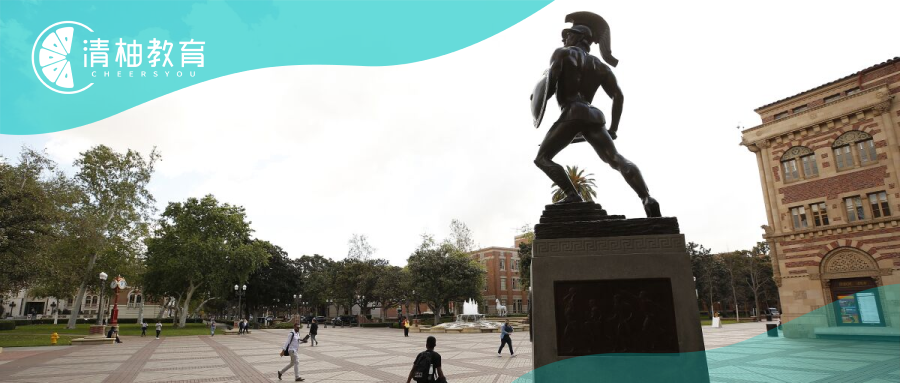
The shocking global U.S. college admissions scandal from three years ago is still fresh in memory. Recently, the University of Southern California has been hit by another admissions scandal.
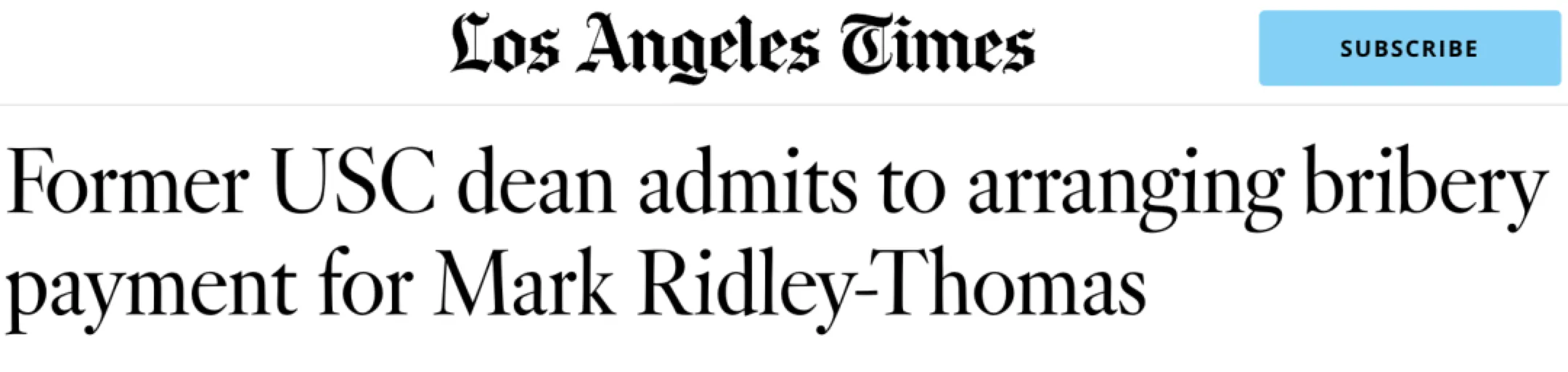
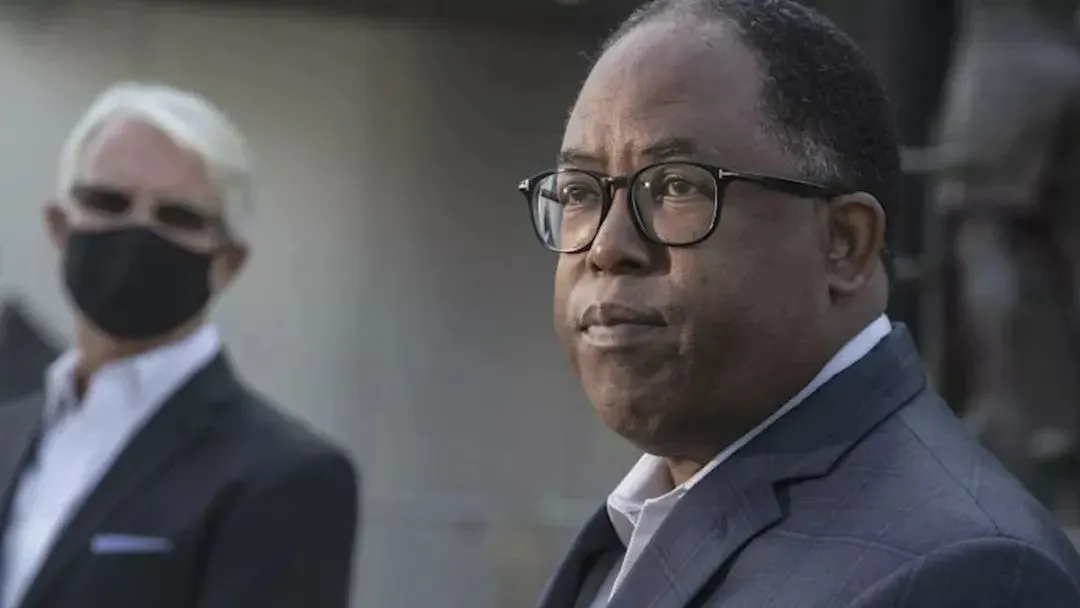
Last month, USC's former dean Marilyn Flynn publicly admitted to accepting bribes and abusing her authority during her tenure. Flynn accepted up to $9 million annually in massive government grants from Los Angeles City Councilmember Mark Ridley-Thomas; as a "quid pro quo," she agreed to provide Thomas's son with a full-scholarship admission spot and a paid professorship.
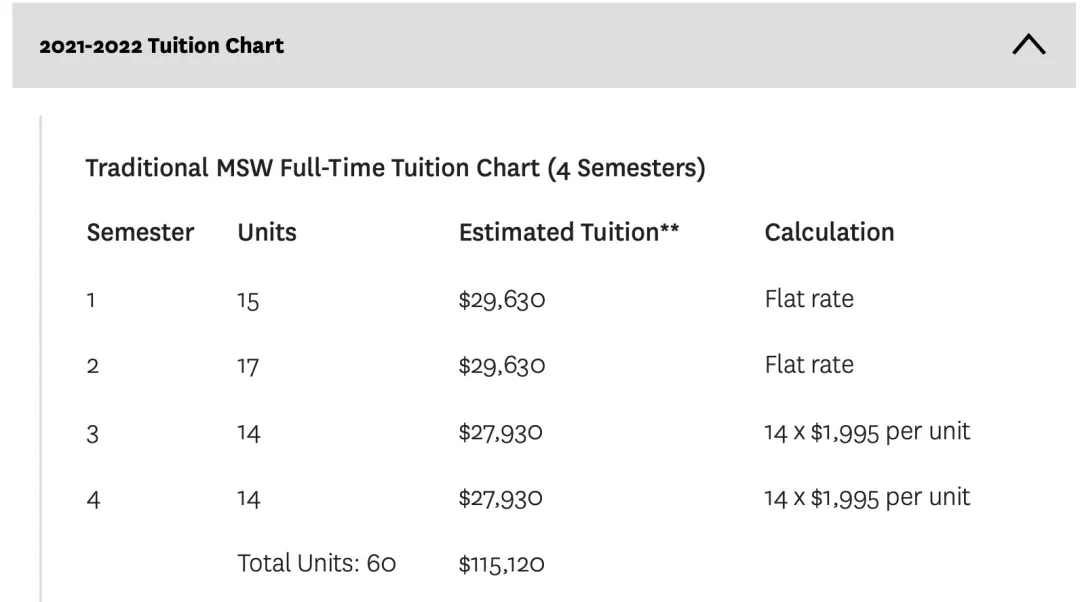
USC's tuition ranks among the top 5 in the nation, over $60,000 per year. The average annual salary for USC professors is $145,000.
With a full scholarship and a professorship, this backroom deal brought "both fame and fortune" to the politician's child.
The USC Admissions Scandal: The Full Story
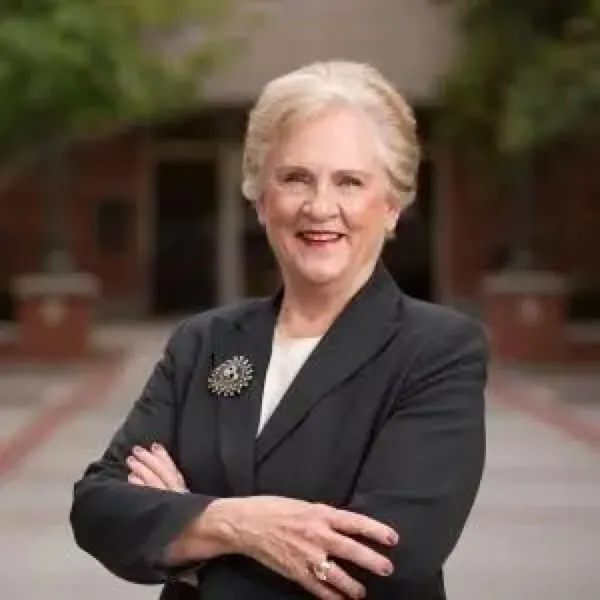
Marilyn Flynn, now 83, served as dean of the USC School of Social Work from 1997 to 2018. Yet even such a respected educational leader could not resist the temptation of exchanging money for power.
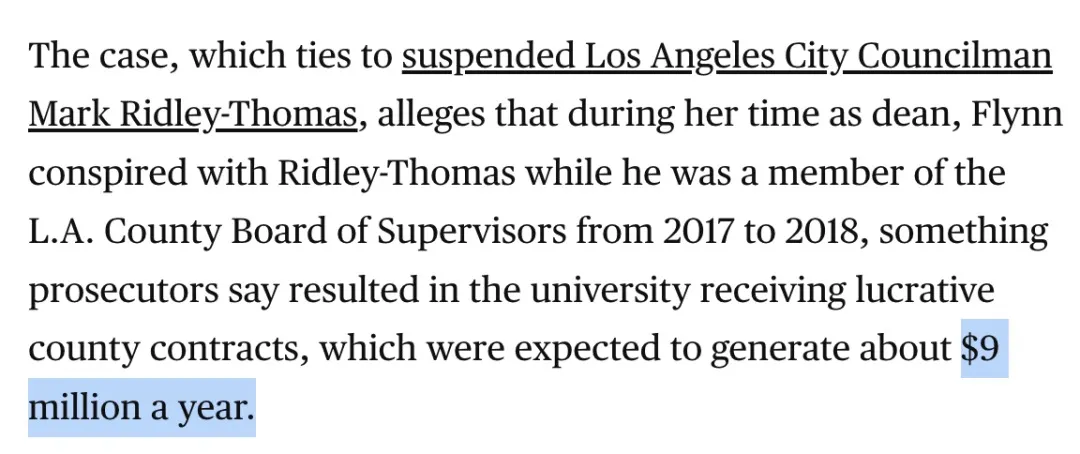
Flynn stated in her plea agreement that she conspired with Councilmember Thomas in 2017-2018 to secure government contracts worth about $9 million per year for the USC School of Social Work.
In exchange, Flynn had to help Thomas's son get into USC with a full scholarship. To fill the school's multi-million-dollar budget shortfall, Flynn took the risk.
She also abused her authority to help Thomas illegally divert campaign funds. In this way, $100,000 from Thomas's campaign war chest was secretly funneled to a nonprofit organization under his son Sebastian's name.
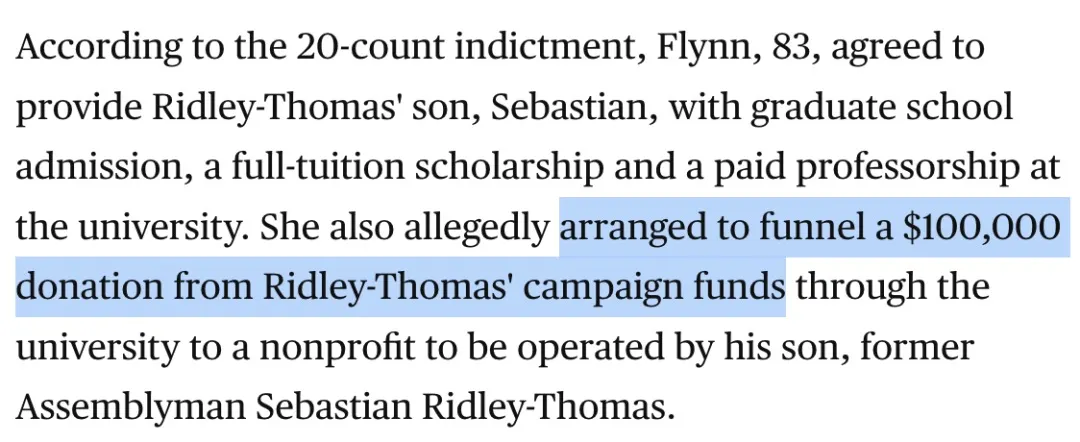
Both are now charged with public corruption, and Flynn is expected to face up to 10 years in prison.
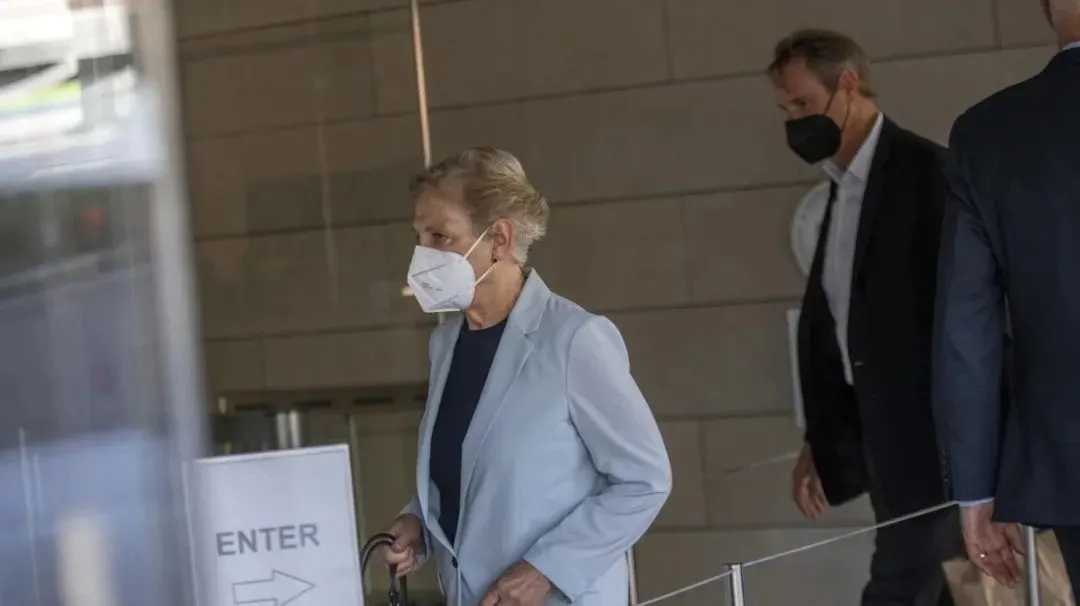
Also implicated in the USC admissions scandal is LA mayoral candidate and Congresswoman Karen Bass. It is reported that in 2011, Bass received a $95,000 full scholarship from USC in exchange for helping the school secure more federal funding.
Prosecutors pointed out that Flynn provided the congresswoman with "advice" on legislation, and the bill later introduced by Bass "fully aligned with Flynn's demands."

Dean Flynn truly went to great lengths for USC, repeatedly crossing red lines just to secure more generous funding, ending up tarnishing her legacy.
But even if not for personal gain, Flynn's actions greatly undermined educational equity.
While ordinary applicants struggle desperately to get into Top 30 universities, officials and their children walk right in, and for free. Not only full scholarships, but after graduation they can even become professors, landing a cushy job, dabbling in politics while teaching—such is the life of the idle rich.
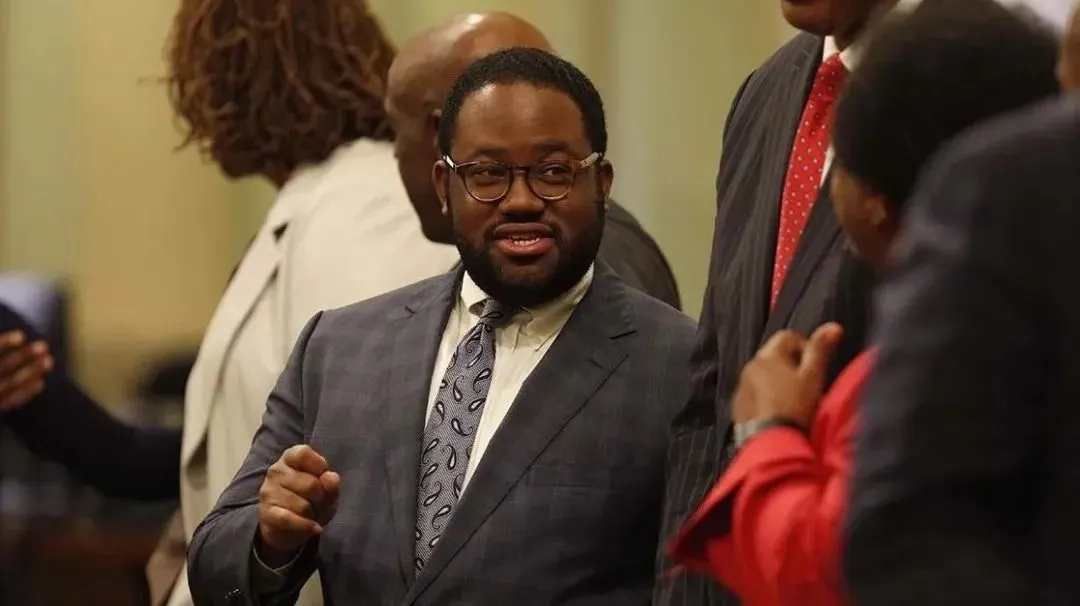
Buying into Elite Schools: The Storm of U.S. College Admissions Fraud
The USC admissions fraud case is not the first in the country, and perhaps not the last.
Three years ago, the "U.S. college admissions scandal" that shook the global education world revealed the harsh truth about elite university admissions.
In 2019, according to U.S. prosecutors, mastermind William Rick Singer, after receiving huge bribes, used fraudulent means such as cheating and bribery to get the children of numerous politicians and business elites into top U.S. universities, with the total amount involved reaching $25 million.
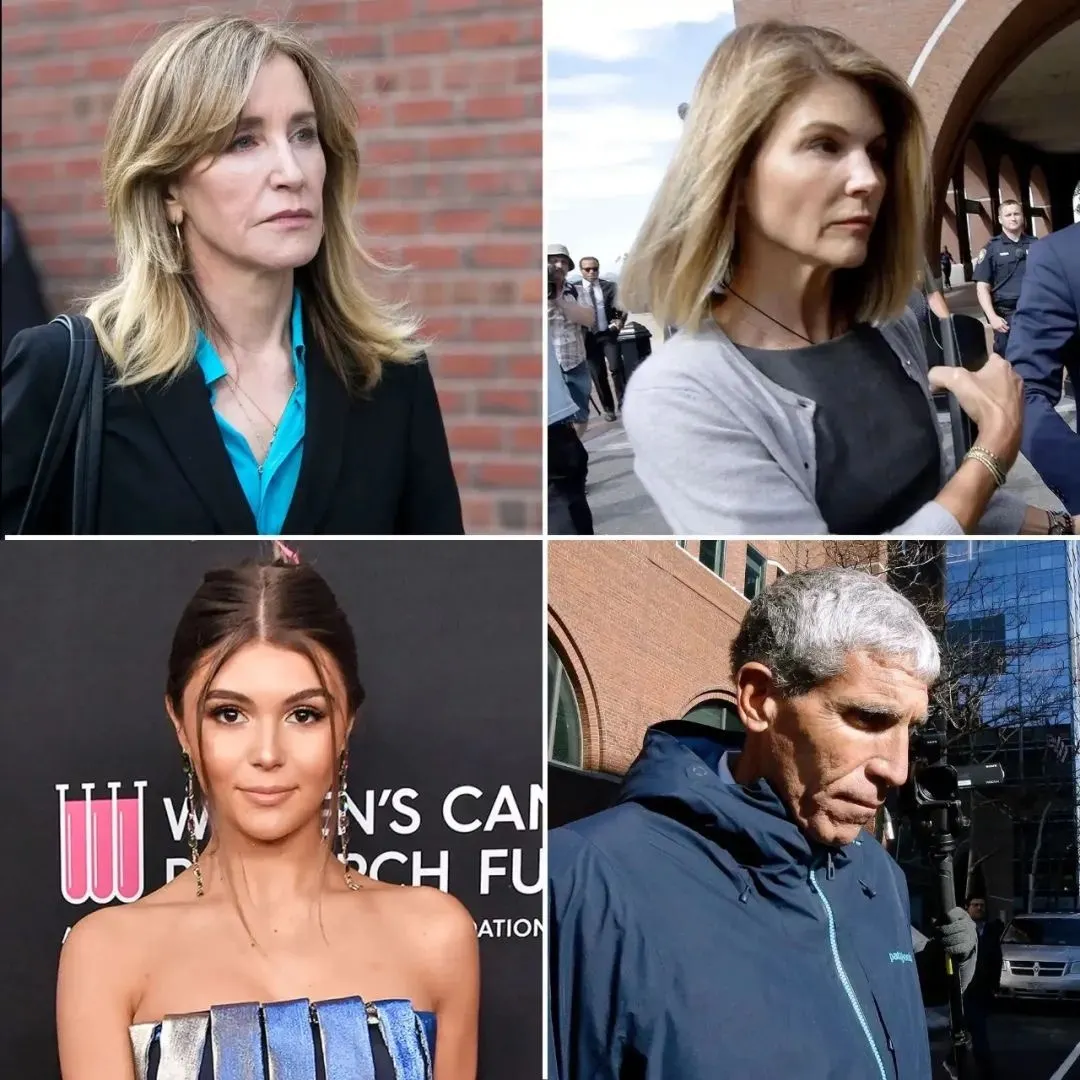
What ordinary applicants see as the ceiling of elite schools is easily attainable for the children of the powerful.
The 33 parents who paid Singer to buy "admission tickets" to elite schools were almost all from the political and business elite, including Hollywood stars, business tycoons, and even a Chinese billionaire. A Zhao, a publicly traded company magnate, shelled out $6.5 million to send his daughter to Stanford.
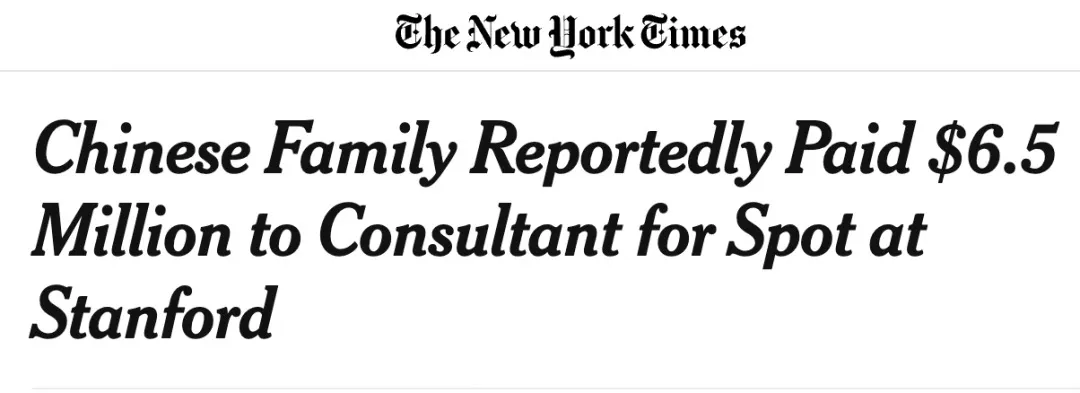
In this global admissions scandal, 50 people were ultimately indicted, and the students who entered elite schools through fraud were all expelled, facing the consequences.
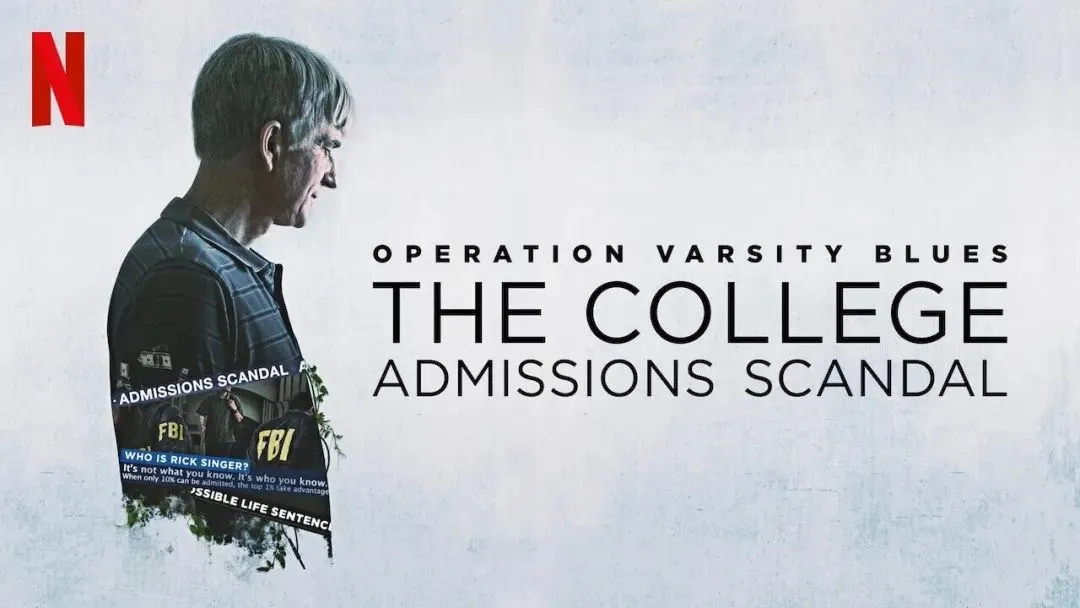
In early 2021, the documentary "Operation Varsity Blues: The College Admissions Scandal" based on this case was released on Netflix, once again ripping open an unavoidable scar in the history of elite U.S. education.
The "Unwritten Rules" of Elite University Admissions
In U.S. universities that stress educational equity, "unwritten rules" are everywhere.
While ordinary people struggle to get into elite schools, the rich have all roads leading to Rome.
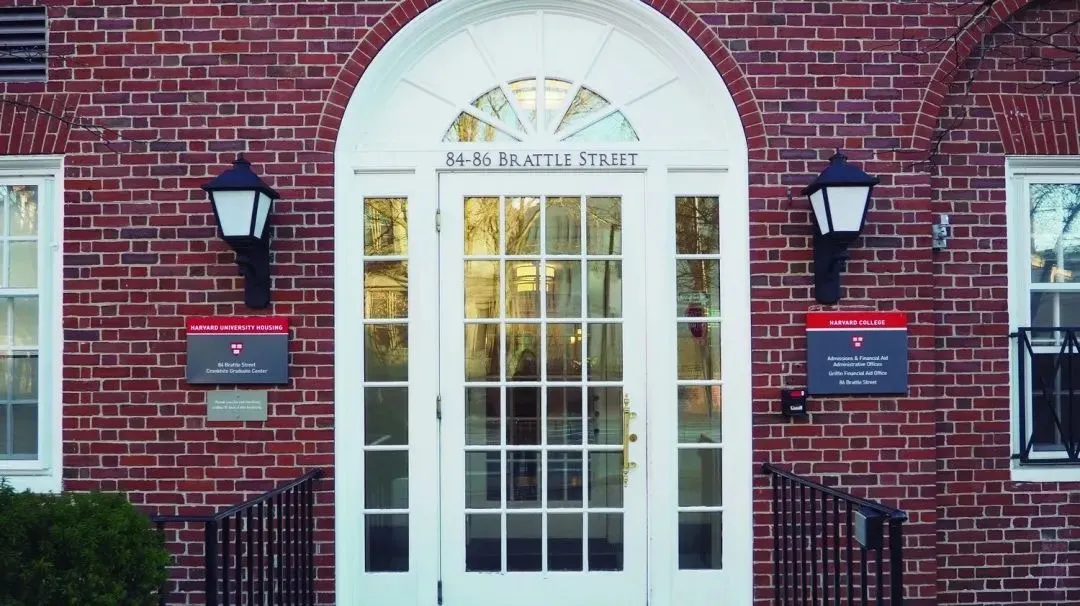
First is legacy preference. This is a tradition at elite U.S. universities, where children of alumni get preferential treatment in admissions.
Take Harvard, for example. With a regular admission rate of only 3.43% for the Class of 2025, the admission rate for legacy children was still as high as 33%.
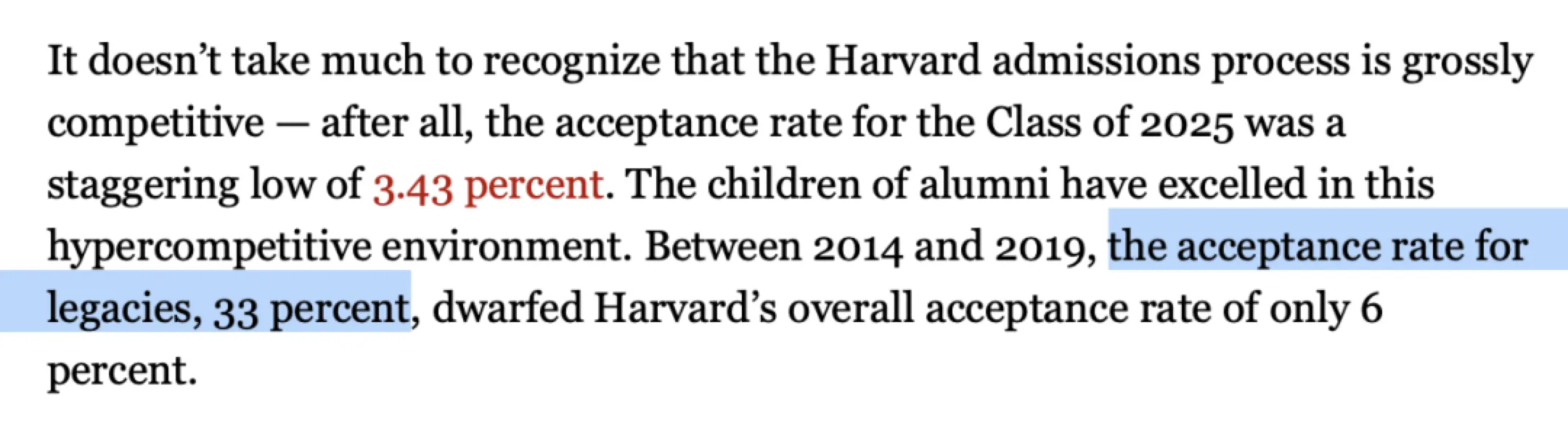
The reason is not hard to guess: Harvard alumni are typically elites in various fields with deep pockets. Nearly one-third of legacy students come from wealthy families with annual incomes over $500,000, many of them born into the top 1% of America's super-rich.
Born in "Rome," they have resources beyond the reach of ordinary people; they are destined to succeed, and the resources they can bring to the school are foreseeable.
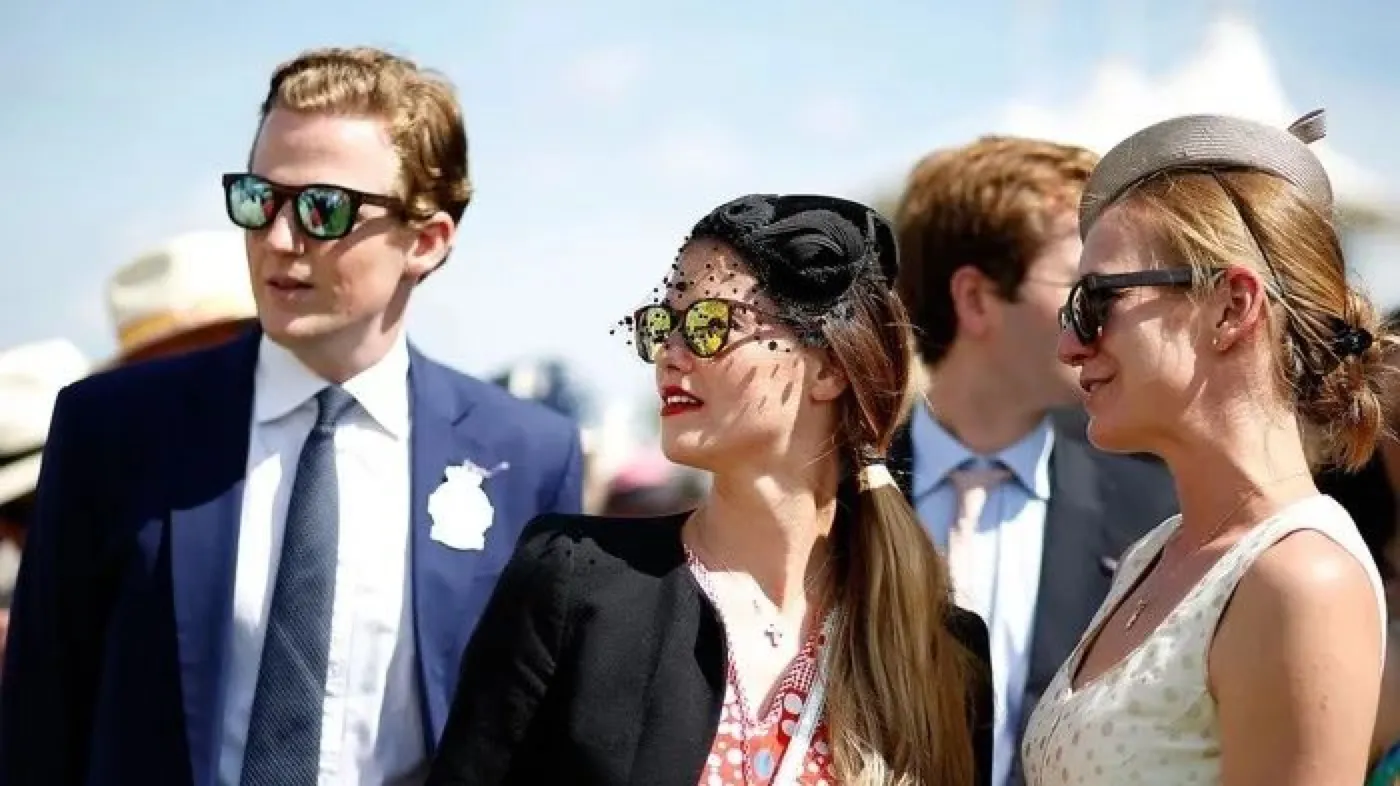
Not just Harvard; for Ivy League schools in general, the admission rate for legacy children is usually 2 to 5 times the overall rate. And those top 1% super-rich kids are 77 times more likely to get into Ivy League schools than children from poor families.
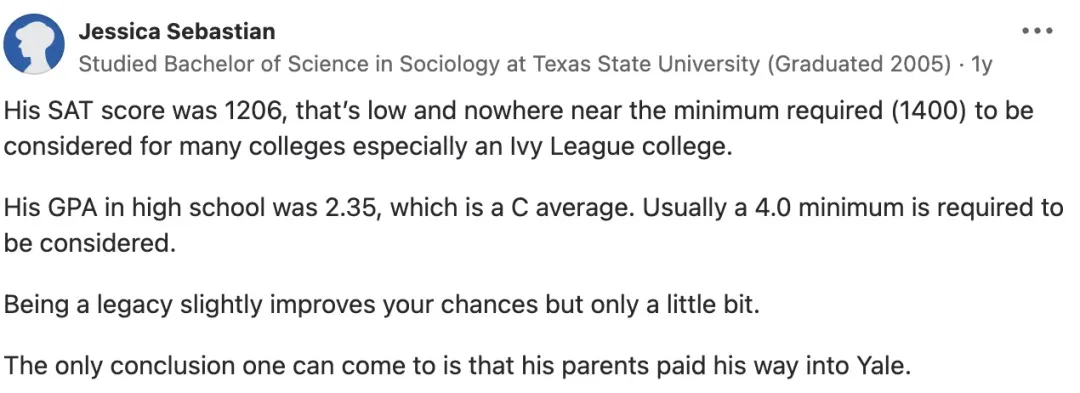
Back in the day, George W. Bush's SAT score was nearly 200 points lower than the average for Ivy League admitted students, and his GPA was only 2.35, yet he still managed to get into Yale thanks to legacy preference.
They say wealth doesn't last three generations, but in reality, it's hard for the poor to rise. The children of the elite maintain their status through education—this is the unspoken "unwritten rule" at top U.S. schools.
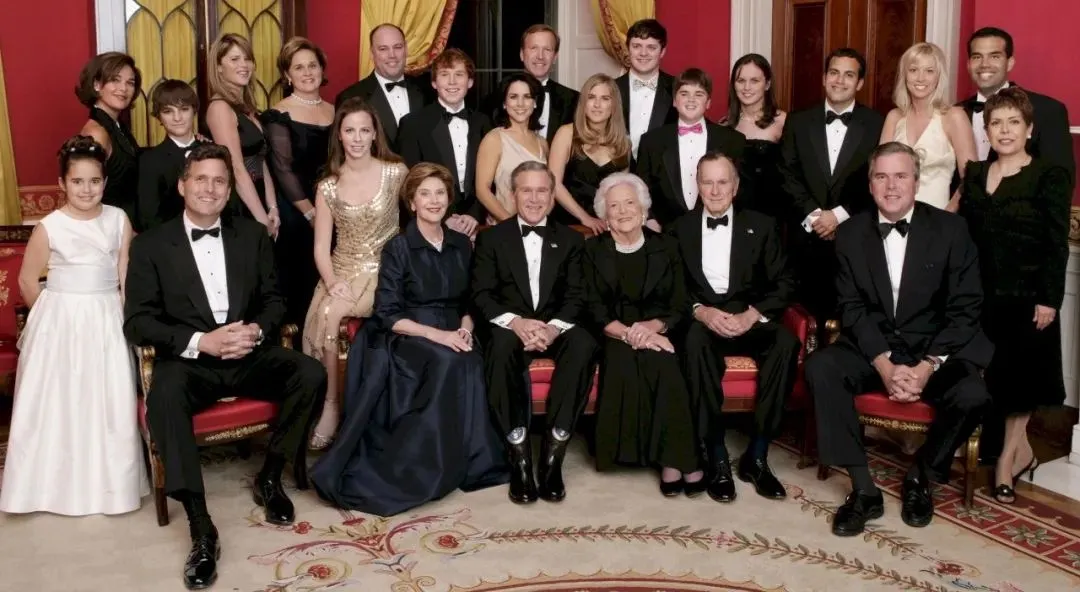
Next is donations.
Top billionaires can donate a building to boost their children's chances of admission to elite schools, or even secure a guaranteed spot.
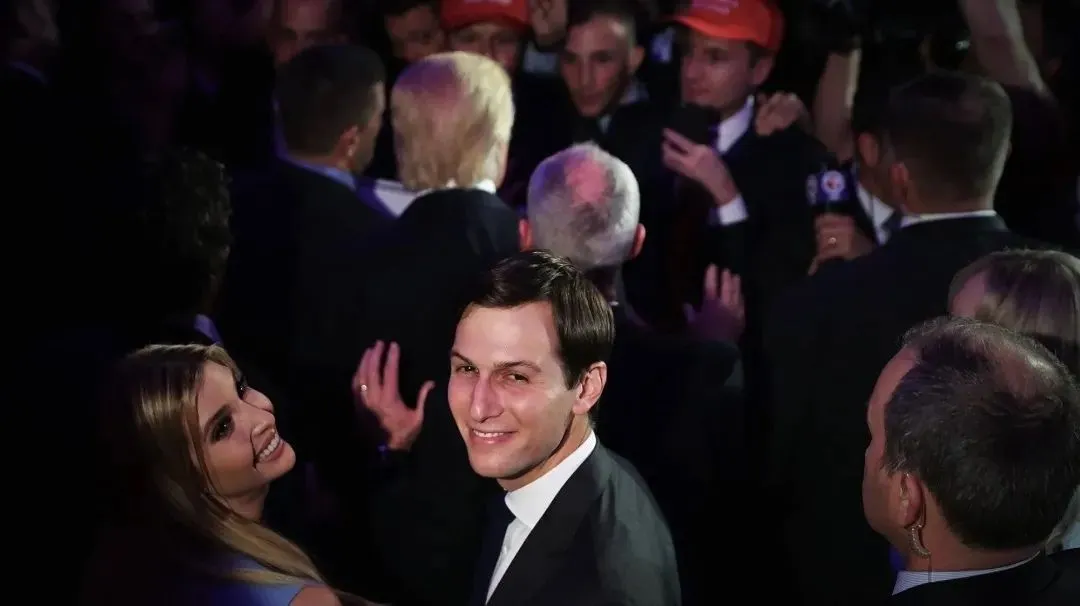
For example, former President Trump's son-in-law Jared Kushner got into Harvard the following year after his father pledged a $2.5 million donation to the university.
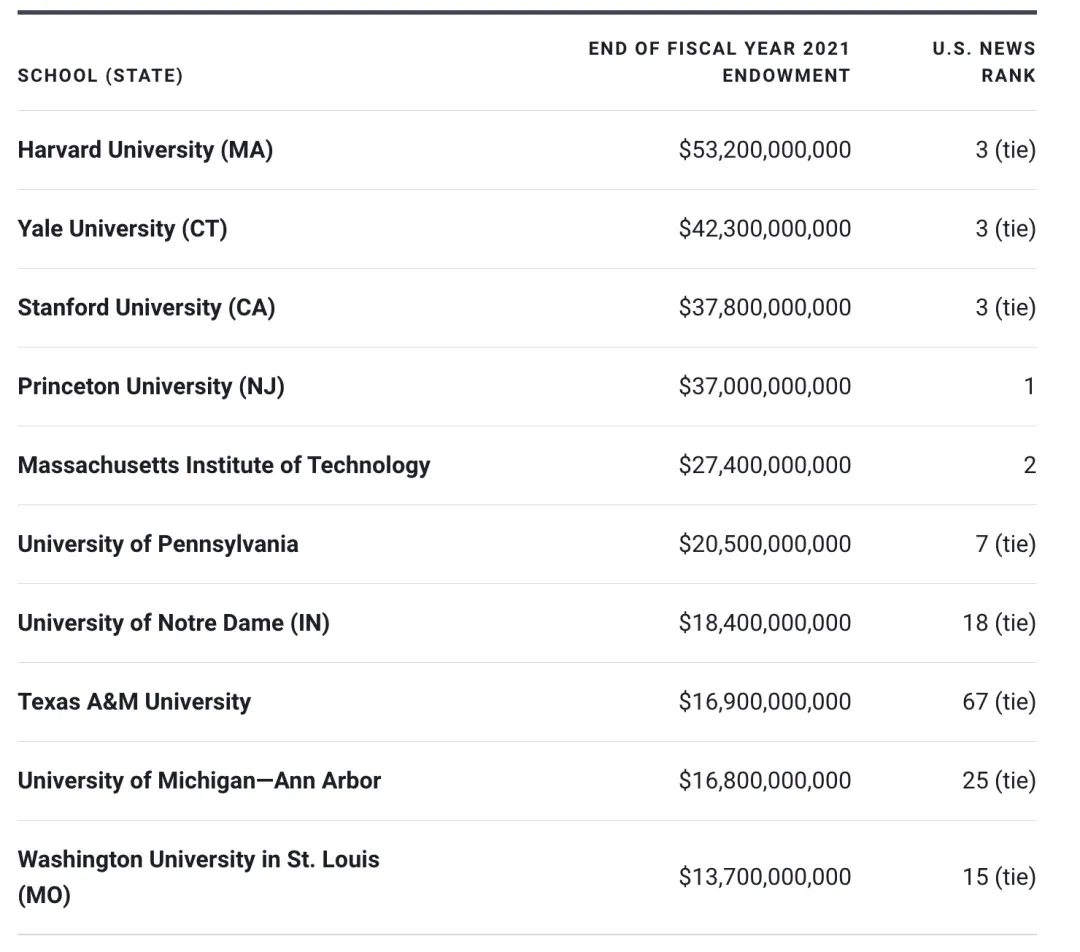
Thanks to various alumni and social donations, some schools are richer than countries. In 2021, Harvard's total endowment reached $53 billion.
The book "The Price of Admission" reveals the various unwritten rules of elite U.S. university admissions.
It's an open secret that the children of the wealthy, celebrities, alumni, and faculty have preferential admission rights. Even special athletic slots for niche aristocratic sports are reserved for the children of upper-class families. Politicians and universities collude to ensure this chain of interests can operate indefinitely.
For a long time, Ivy League schools have been closely tied to old money and the upper class. Although in recent years, schools have intentionally diversified by admitting more African Americans, first-generation college students, and disadvantaged groups, this deep-rooted elitism is hard to shake off.
Ordinary people can only enter through the front door, while the rich can openly walk in through the back door. These privileges squeeze out the spots that should have gone to students from ordinary families—a grave social injustice.
Every ordinary person with dreams, intelligence, and determination to enter a top university deserves a fair chance to compete.
This application season, we've seen too many "evils and monsters." The recent exam leak incident in Macau also caused a huge uproar.
Never rationalize any form of cheating. When you think it's a good deal to buy a leaked standardized test for 20,000 and take the risk, there are richer kids entering top schools with millions of dollars.
Down-to-earth hard work is always the most important; that is the true gift of fate.
I hope everyone takes their applications seriously and receives the offer they desire.