
In North America, besides going from a master's to a PhD, you can also apply directly to a doctoral program right after undergraduate studies.
Whether to pursue a direct PhD or a master's after graduation is a question many undergraduates face. However, the vast majority ultimately still choose to pursue a master's degree first.
The decision between a master's and a direct PhD depends on various factors and varies from person to person. Today, CheersYou(清柚教育) will analyze with you which path is more suitable for you.
What Are the Differences Between a Master's and a Direct PhD?
Curriculum
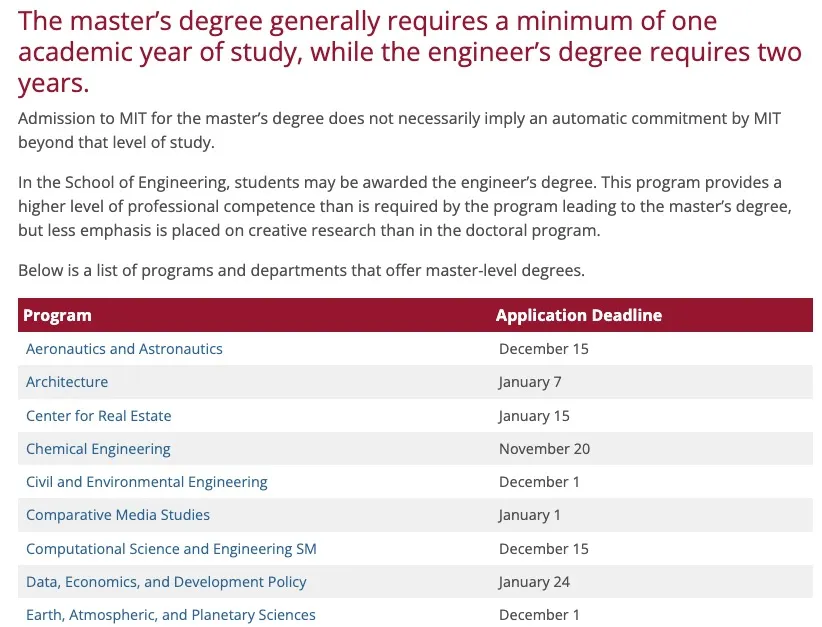
Master's
Master's programs generally last two years, though some are one-year programs. One-year programs offer a more intense pace with a heavier course load, making it difficult to fit in internships during the semester.
In two-year master's programs, the first year focuses on foundational theory, while the second year centers on thesis writing or practical projects. Compared to a PhD, master's programs are shorter and offer more flexible and diverse coursework.
PhD
A PhD program typically takes five years to complete. Completing it in 3-4 years is rare and only achievable by top students; very few can finish early.
Compared to a master's, PhD programs place greater emphasis on building solid research experience and delving deeper into the field of study. Choosing a direct PhD means investing a significant amount of energy into research projects, collecting data, and working closely with advisors and teaching assistants.
The greater difficulty of the curriculum also means many encounter obstacles along the way and are unable to graduate on time.
To ultimately earn a PhD, you must not only fulfill all credit requirements but also successfully pass the final dissertation defense. Without both, you will not receive the degree.
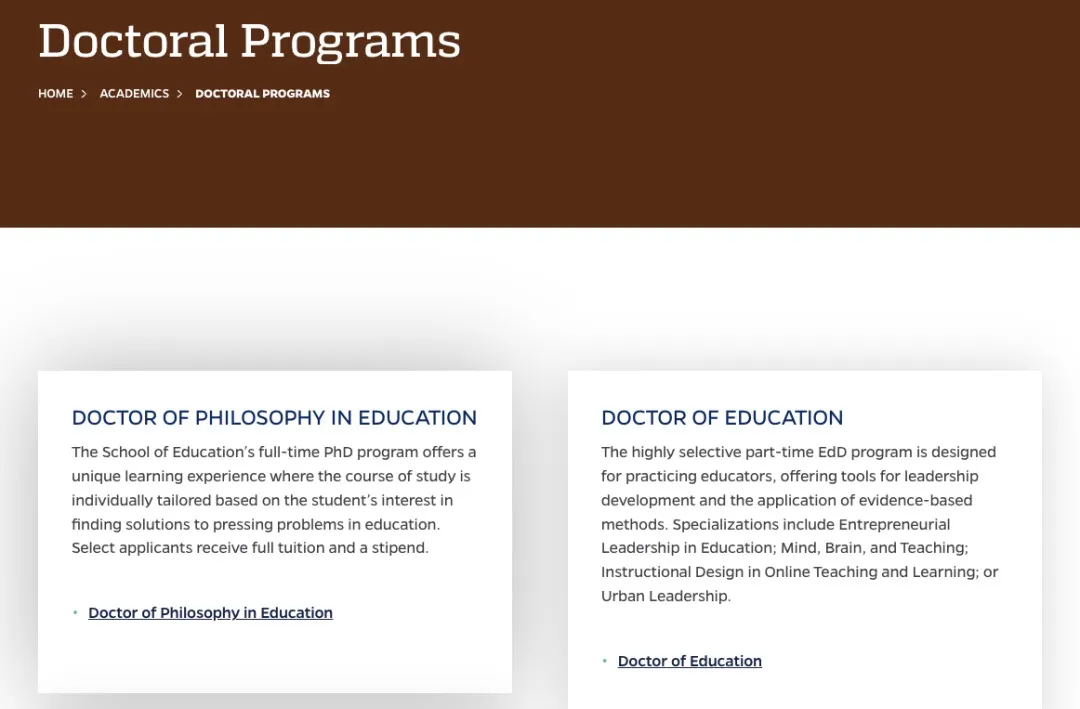
Admission Requirements
Prerequisites for Direct PhD
1. Strong academic record
Undergraduate GPA, without saying, should be as high as possible. To be admitted to a top school, a GPA of 3.8+ is generally essential.
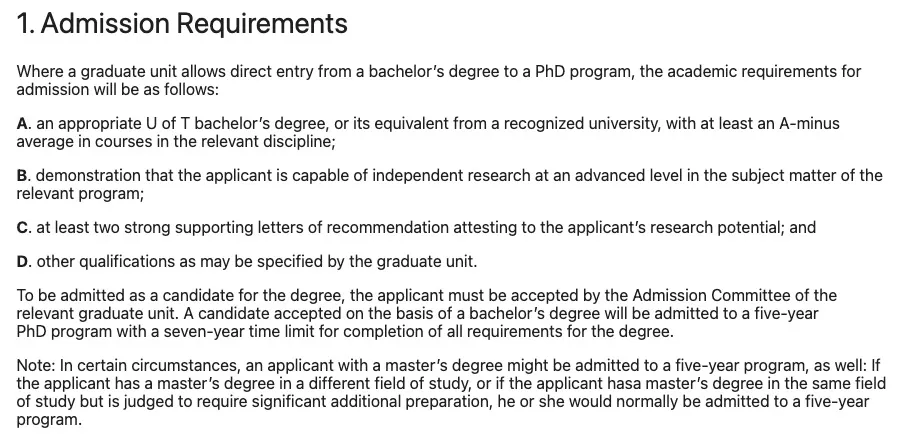
Different programs may also require submission of standardized tests such as TOEFL, GRE, GMAT, or LSAT. To be competitive, these scores need to be high as well.
2. Rich research experience in the relevant field
A PhD is a research-intensive degree. Undergraduate applicants, besides having strong grades, need to demonstrate their research abilities to schools and professors. Therefore, relevant research experience during undergraduate studies is essential.
3. High-quality letters of recommendation
Recommendation letters play a significant role in PhD applications. Compared to other degrees, recommendation letters are critical for PhD admissions. Applicants must pay special attention to whom they choose as recommenders and the content of their letters.
4. Outstanding statements
The personal statement is a key factor in the final admissions decision. Applicants' essays should showcase their previous research achievements and their future research plans if admitted, demonstrating that they are one of the best candidates. Applying for a PhD requires a clear sense of self-positioning and planning.
Basic Requirements for Master's Applications
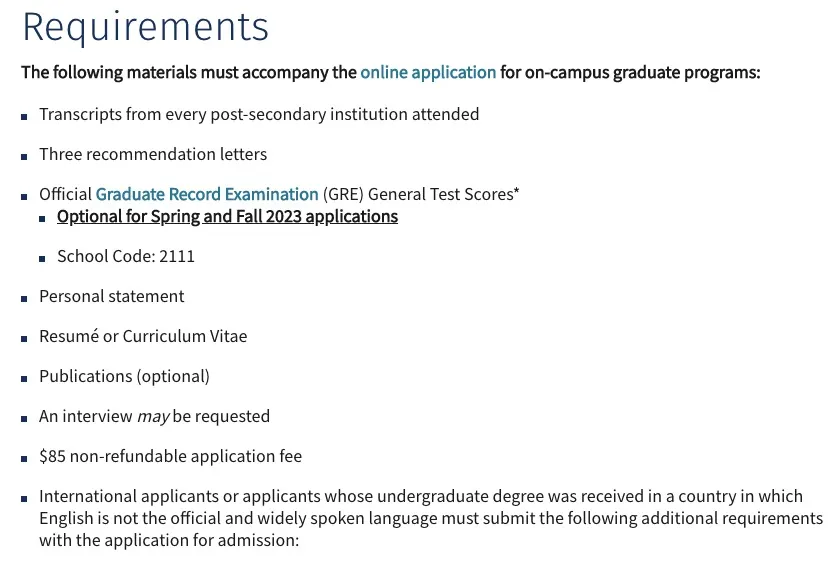
Most graduate schools generally require the following basic application materials for master's programs: GPA, language test scores, GRE/GMAT scores, personal statement, resume, recommendation letters, etc.
In reviewing application materials, master's programs tend to focus more on the applicant's fit with the program and take a more holistic view of their overall background.
Why Do More People Choose a Master's?
More Moderate Admission Difficulty
Compared to the complex application process for a PhD, master's applications are much more lenient. Most schools do not impose strict, special requirements on students' academic background or connections.
Generally, master's applications mainly involve interaction with the school. For a PhD, besides the school, you also need to find a matching advisor and figure out how to effectively "court" them (套磁). Moreover, direct PhD entry is even harder than applying to a PhD from a master's, requiring more effort.
For undergraduates from domestic (Chinese) universities, limited access to educational resources and research opportunities compared to U.S. students puts them at a disadvantage for direct PhD applications, not to mention issues like time zone differences.

Overall, unless you are exceptionally outstanding, it is recommended that undergraduates, especially those from Chinese universities, apply for a master's rather than directly pursuing a PhD.
More Reasonable Timeline
Master's programs in North America provide a more solid professional education and develop stronger independent thinking skills, already a step above undergraduate education.
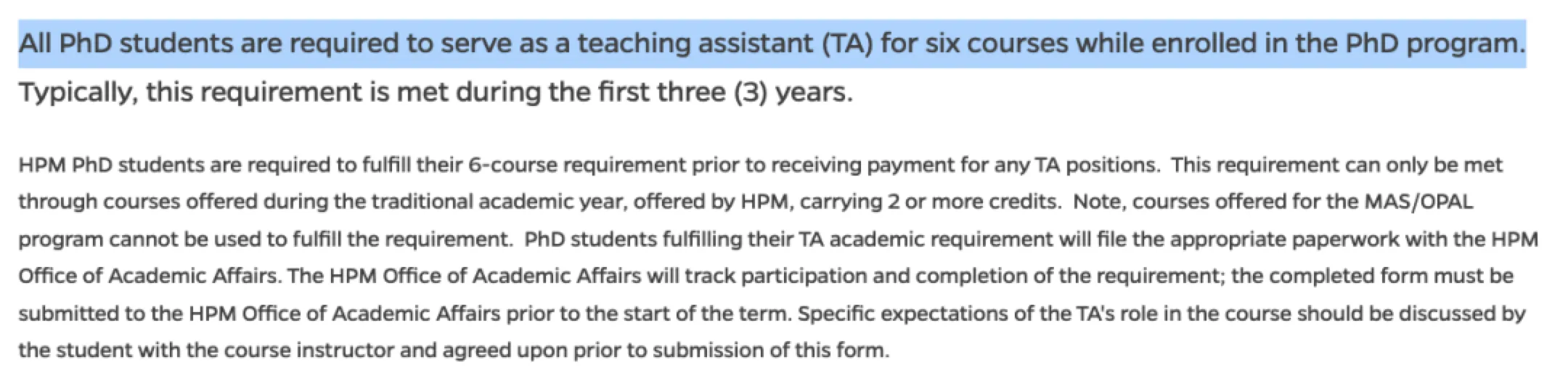
PhD programs, meanwhile, are even more intensive and focused. PhD students are no longer simply "students"; they often have no weekends or breaks and must take on teaching and research assistantships.
For most undergraduates, a master's degree sufficiently enhances their academic competence. Without full confidence, choosing a 1-2 year master's is a more reasonable challenge than a 5+ year PhD.
Broader Future Prospects
During their studies, master's students not only learn more market-aligned professional knowledge but also often benefit from programs that offer related certifications or internship opportunities.
On the other hand, the specialized nature of what PhD students study and do during their programs can, to some extent, limit their future career plans. After graduation, PhD holders mostly continue in academic research.
In today's job market, many companies prefer hiring bachelor's or master's degree holders because PhD hiring costs are too high. Additionally, applying with a PhD for a position also open to undergraduates or master's students often leads to being rejected as overqualified.
Pursuing a PhD, especially a direct PhD, is a decision requiring deep consideration; opting for a master's involves fewer factors to weigh and offers broader life paths.
Many international students choose to pursue a PhD for family or financial reasons, or because the pandemic has worsened the job market, so they'd rather stay in university a bit longer.
But they forget the most important point: whether a PhD truly suits them. First, most students' academic backgrounds do not meet the requirements for direct PhD admission. Second, many who consider a direct PhD do not fully understand doctoral programs or know what they really want.
For undergraduates whose background is insufficient and who are not yet certain they want to fully enter the research field, a master's degree is a wiser choice. Even if they later decide to pursue a PhD, the master's study experience can provide a solid foundation and useful reference for the doctoral application.
We recommend everyone make a rational choice for their graduate education, and we wish all students success in receiving offers from their dream schools!