
Silicon Valley has been a bloodbath lately. With tens of thousands being laid off at a time, everyone is trembling in fear, not knowing when the axe will fall on them.
Amazon laid off 10,000 employees, Meta let go of 11,000, and Twitter cut 3,700...... Even during the 2008 financial crisis, tech giants did not resort to such massive layoffs to "stop the bleeding."

Tech Giants Lay Off Tens of Thousands: Is This Silicon Valley's Darkest Hour?
The first to wield the axe was Elon Musk.
After taking over Twitter, Musk's first move was to clean house of the C-suite, firing the CEO, CFO, COO, CLO, and others all at once.


The COO had been discussing the future with Musk just the day before, only to find himself packing his bags the next day.
However, it's said the fired executives received massive severance packages:
- Former CEO Parag Agrawal: $57 million
- Former CFO Ned Segal: $44.5 million
- Former CLO Vijaya Gadde: $20 million
- Former COO Personette: $19.2 million
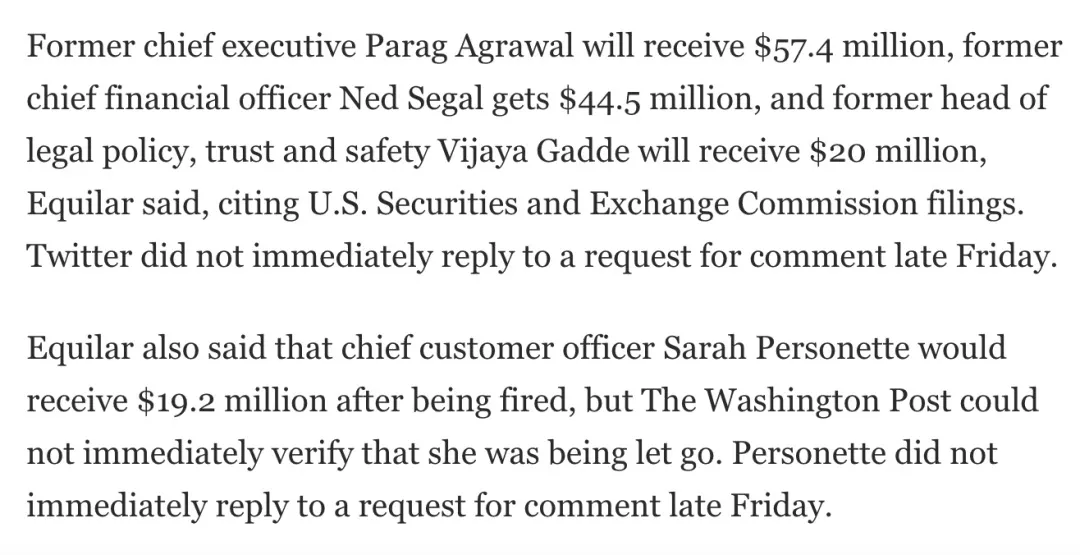
That adds up to over $100 million just for the executive team.
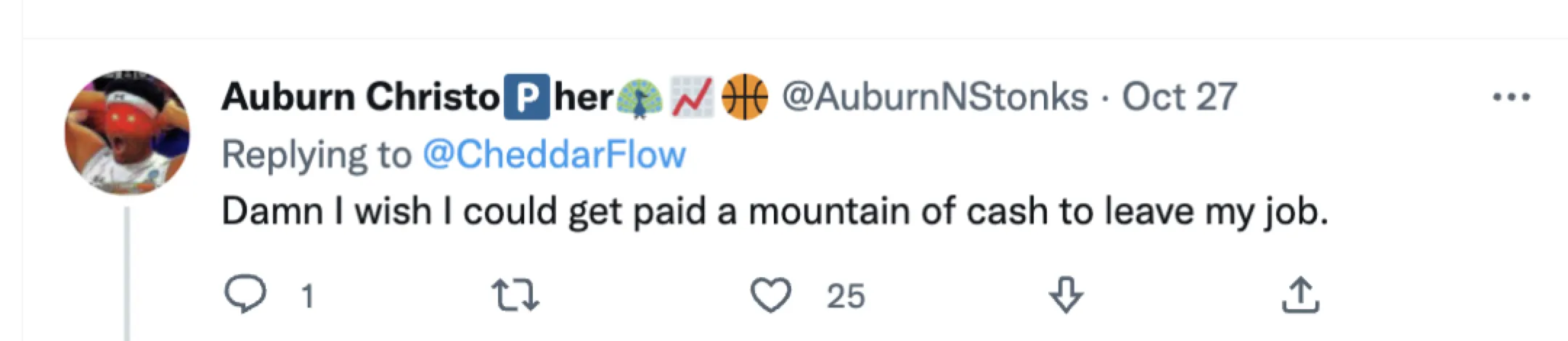
Netizens: Give me that much money and I'll be gone in a heartbeat.
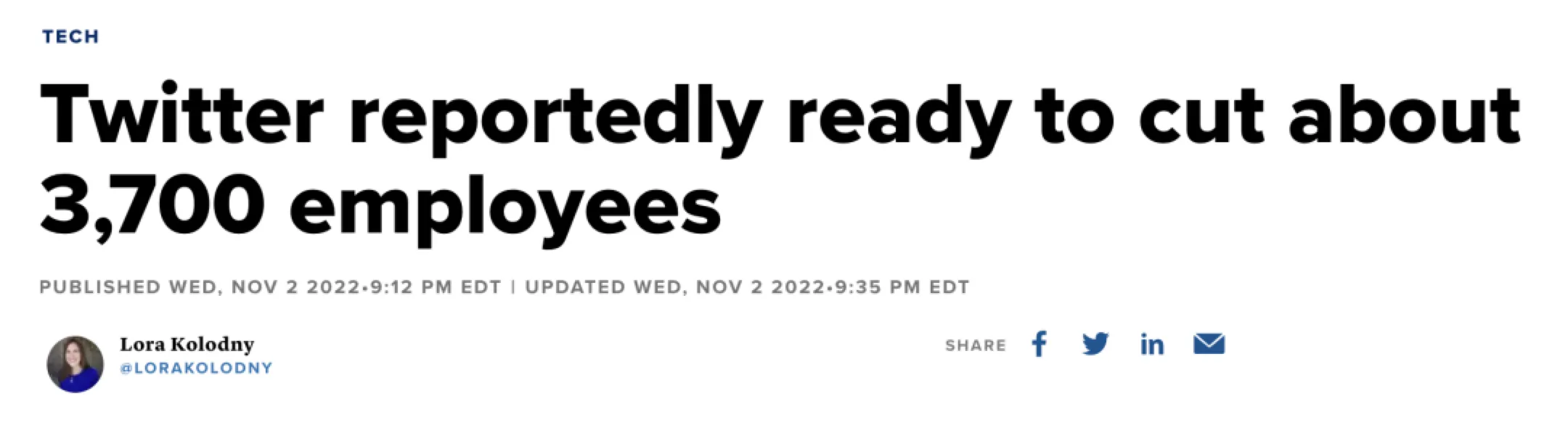
But ordinary Twitter employees weren't so lucky. It's reported that Twitter laid off 3,700 people, which amounts to a staggering 50% of its workforce!
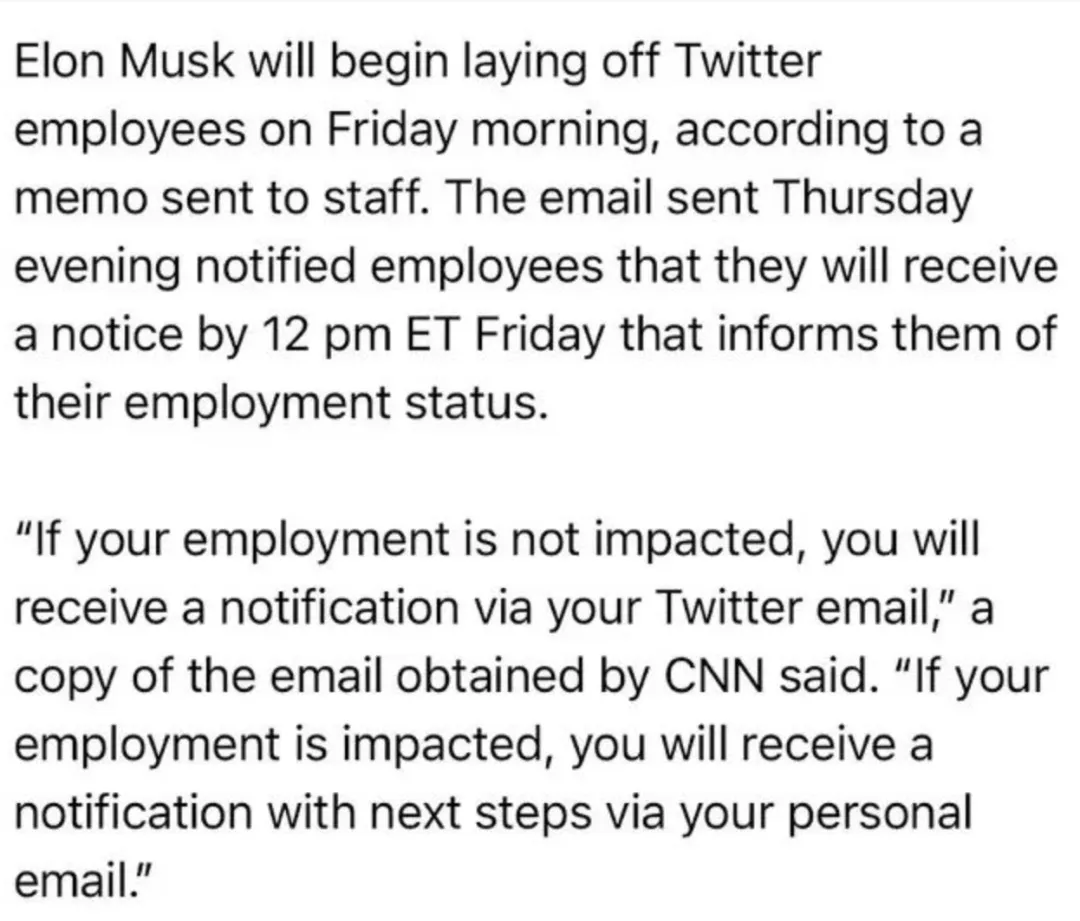
On that Black Friday, November 4, perhaps fearing turmoil from the layoffs, Musk simply shut down the office, and everyone waited at home for the "death sentence."

Employees who kept their jobs received an email at their work address, while those laid off got the news via personal email.
The most absurd thing? Rumor has it they were laid off based on lines of code written. ❓

The layoffs at Twitter happened so fast and on such a large scale that the company briefly fell into chaos, and some dismissed employees indicated they would file a class-action lawsuit.
In response to the strong employee backlash, Musk said he "had no choice" and that it was a necessary cost-cutting measure after the acquisition. He stated that those let go would receive three months' severance.
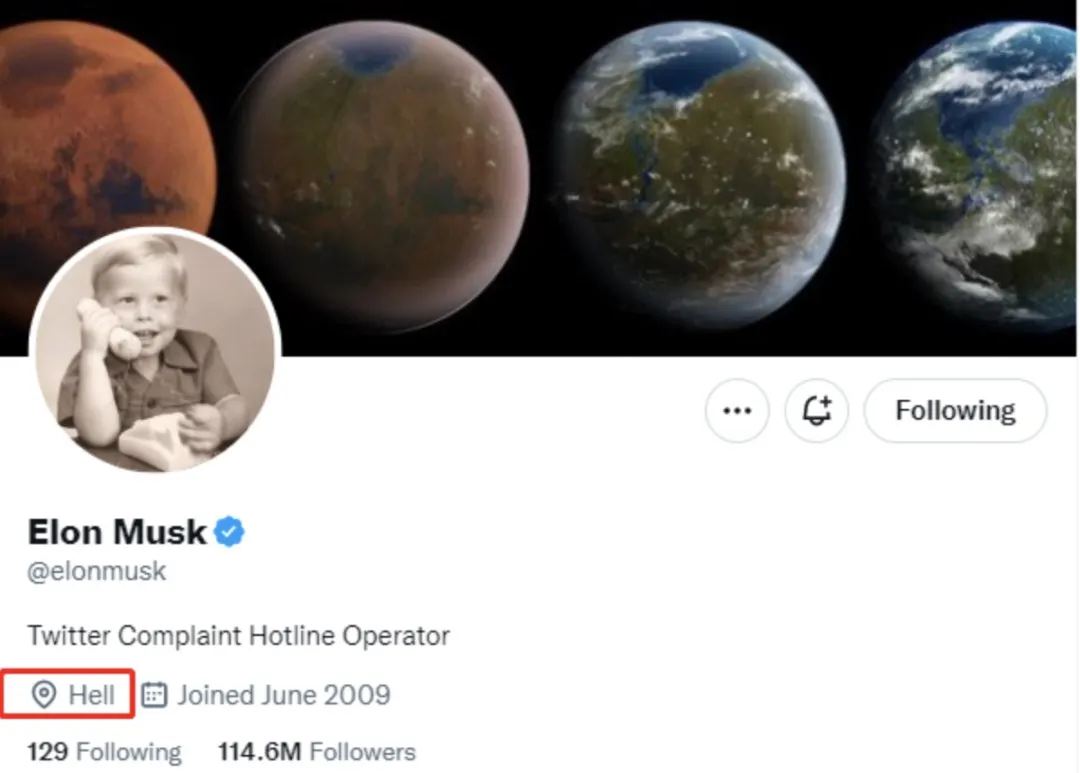
In those days, he changed his Twitter location to "Hell."
In fact, this was just the beginning of Silicon Valley's bloody layoffs.
Meta
Then came Meta.
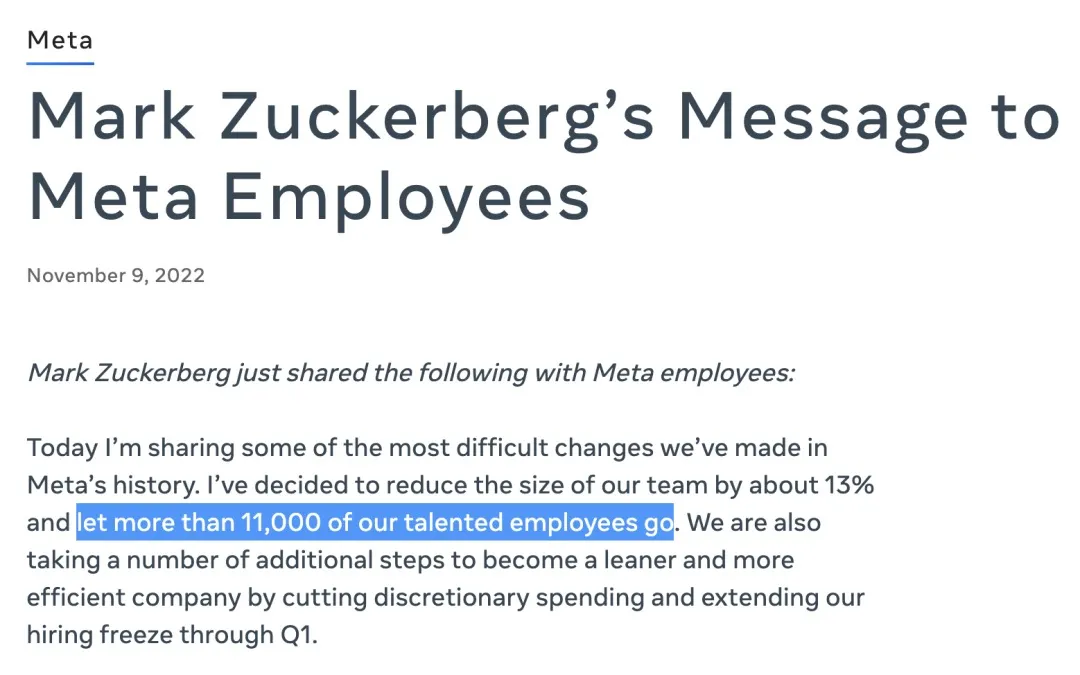
Last week, Mark Zuckerberg announced: Meta is cutting over 11,000 jobs, accounting for 13% of employees. The company plans to further cut costs and will keep a hiring freeze through Q1 next year.
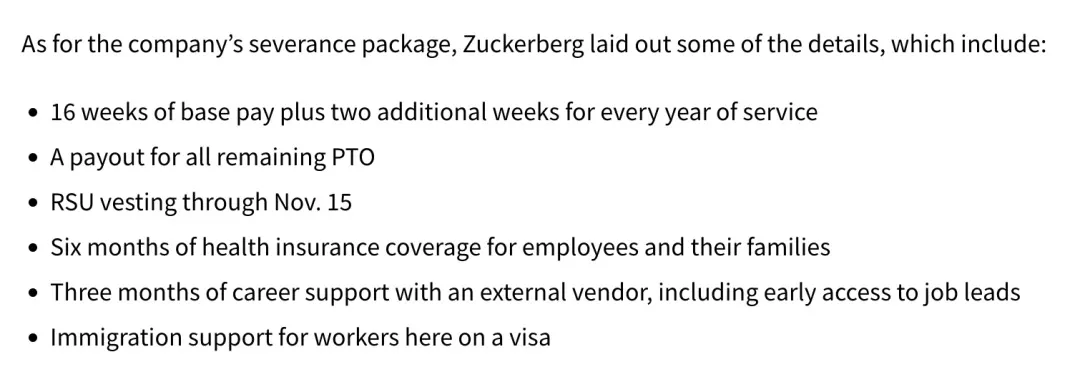
Severance package details:
-
16 weeks of base pay
-
Two additional weeks of base pay for every year of service
-
PTO payout
-
6 months of health insurance for employees and their families
-
3 months of career support
-
Work visa support
For H1B visa holders, this means at least half a year to find a new job (4 months of paychecks + 2 months of Grace period), which is a silver lining in an otherwise dire situation.
With Twitter's ruthless layoffs as precedent, other capitalists suddenly seem more humane.
So what are the criteria for layoffs? It's reported that core teams like Ads will likely let people go based on performance; peripheral teams may be eliminated entirely, regardless of individual ability.

In general, layoffs are not solely based on performance; the main factor is whether your department aligns with the company's future strategic direction. Even if you have outstanding performance reviews, you can still be laid off if your entire department or group is cut.
In this round of layoffs, some were let go along with their own managers, even though they had never received an NS, which stands for Need Support (poor performance requiring improvement).
Amid mass layoffs, how hard ordinary people hustle doesn't make much difference.
If even veterans can't keep their jobs, it's much tougher for newcomers. This year is particularly unfriendly to new graduates; some who had return offers even had them rescinded. It's truly devastating.

Amazon
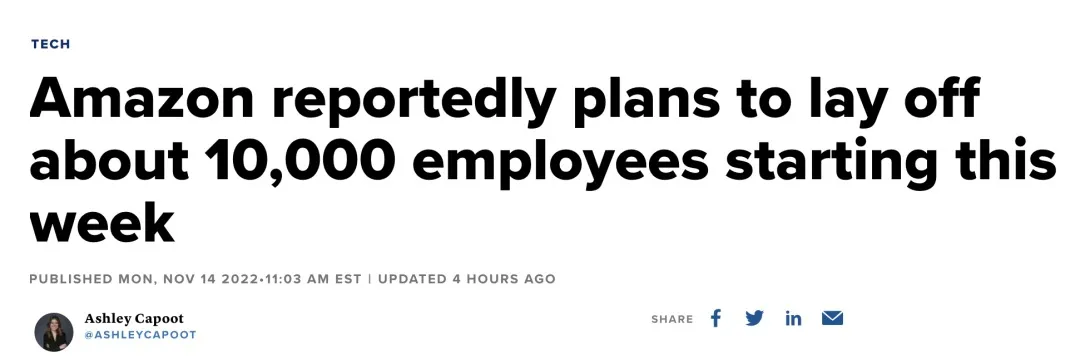
According to media reports, Amazon's top brass plans to lay off about 10,000 employees, which would be the largest layoff in the company's history.
Departments that are burning cash without making profit will be the first to go.

According to internal sources, the Robotics department has already cut 1,200 jobs and will see further layoffs.
Over the next 2-3 weeks, Amazon will lay off at least 10,000 people, with Alexa expected to be hit the hardest. Other peripheral departments like Amazon Music, Amazon Glow, and Amazon Care will also be on the chopping block.

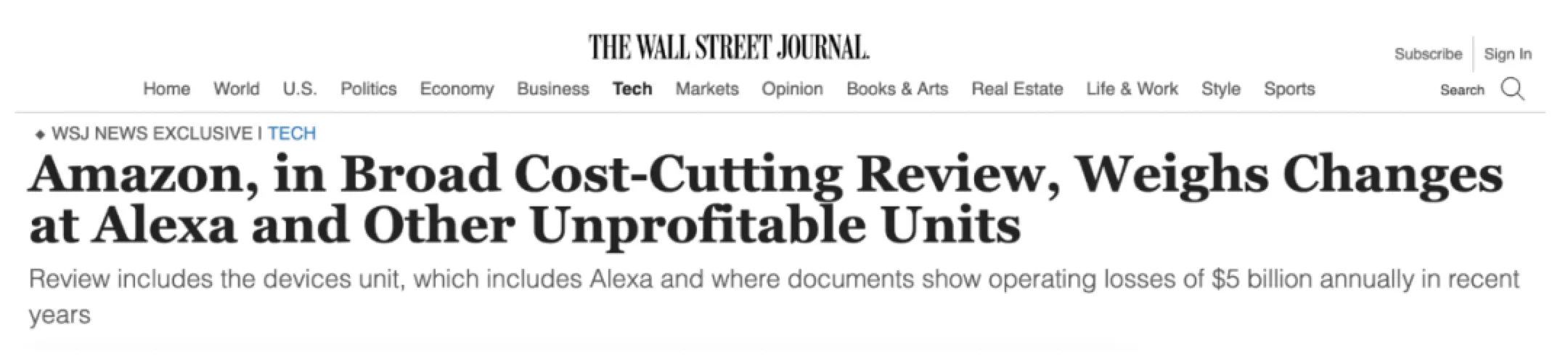
According to the Wall Street Journal, the Amazon Devices division loses $5 billion a year. Alexa alone has over 10,000 employees. If they keep spending without returns, it's a prime target for cutting losses. Once layoffs begin, all Alexa-related teams will be heavily affected—"no one survives" wouldn't be an overstatement.
Everyone at Amazon except those in core departments like AWS and Ads is likely trembling with fear.
Even in good times, Amazon would prune staff via PIP. Now with a crisis, you can bet all unprofitable departments are at risk.
This wave of layoffs is also a red flag for new hires. Even if you joined with a big compensation package, under a layoff scenario, you might be among the first to be sacrificed.

While Google hasn't announced explicit layoffs yet, CEO Sundar Pichai has been heavily hinting at them.
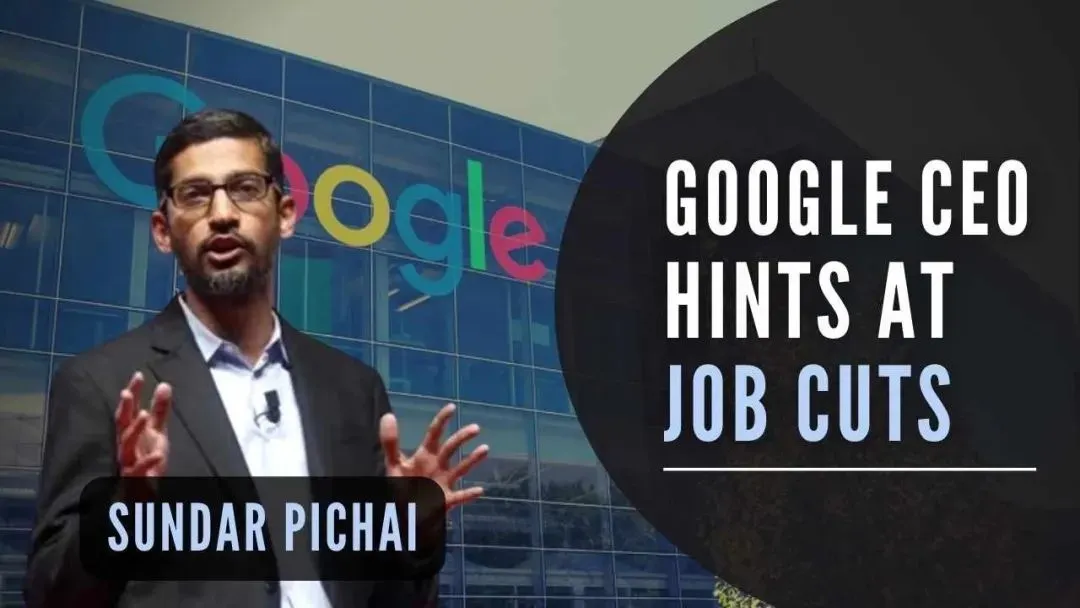
According to CNBC, Google has already been cutting back on various expenses, a typical precursor to layoffs. If budget savings aren't enough to meet projected profit targets, layoffs might well be the next step.
CEO Pichai said that for employees who don't come into the office often, "you (managers) can handle it as you see fit."
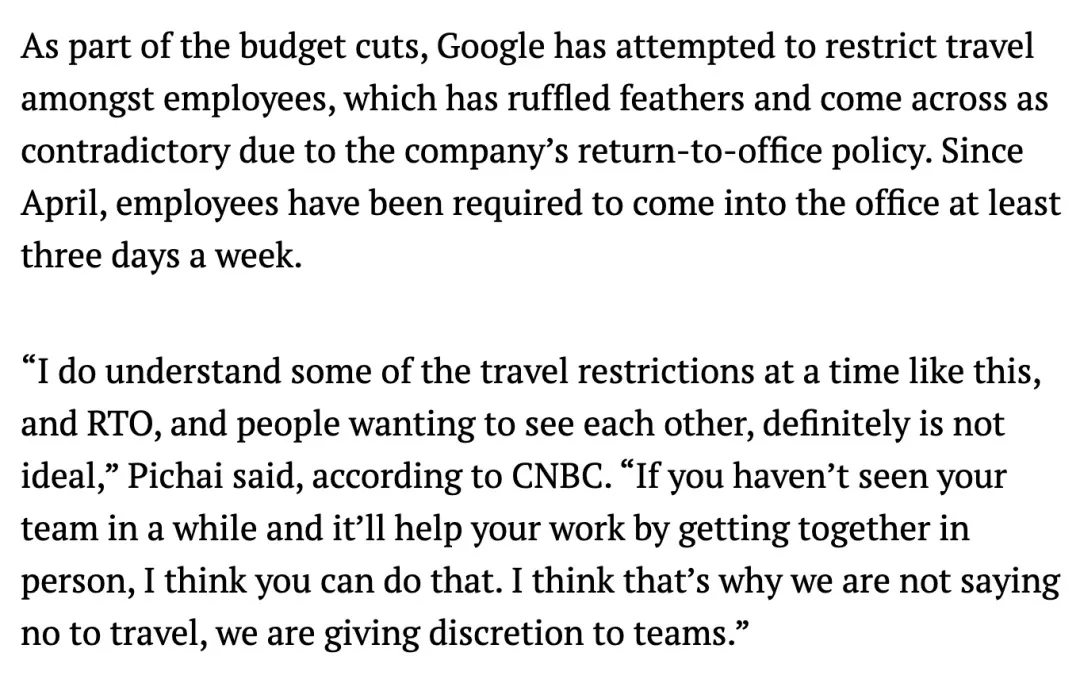
It's pretty clear: much like Musk demanding Twitter employees return to the office, they'll first push out a group voluntarily, then PIP out another batch, then slowly let others go.
It's said that Pichai has mandated that 10% of employees in every Google department must be rated as underperforming (Support Check-in), and some VPs are asking for that figure to reach 12%.
Many employees have already received Support Check-in notices. New hires are the first to be let go; in short, they're like fish on the chopping block.

Tech Industry Job Market Winter: Where Should International Students Go?
Following the Fed's sixth interest rate hike earlier this month, the stock market plunged, and then came the domino-like mass layoffs across tech companies.
In addition to tens of thousands of jobs cut at Meta and Amazon, and Twitter's 50% layoff, we also have:
-
Lyft: 13% layoffs, 700 people
-
Stripe: around 1,100 layoffs
-
Chime: 160 layoffs
Companies that joined the layoff wave earlier include:
-
Netflix: around 450 layoffs
-
Microsoft: 1,100 layoffs
-
Coinbase: 1,100 layoffs
-
Shopify: 1,000 layoffs
-
Snap: over 1,000 layoffs
-
Robinhood: 31% layoffs
-
Tesla: 10% layoffs
............
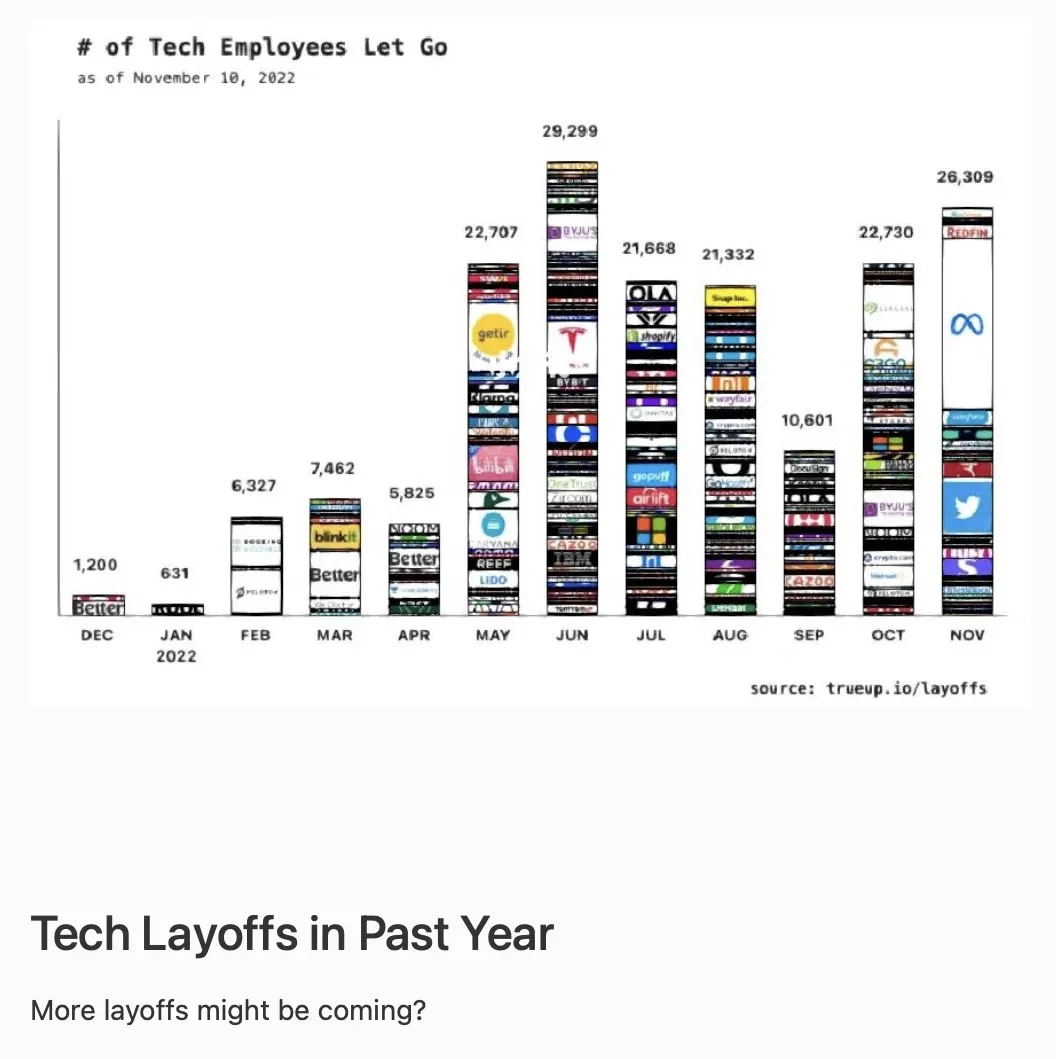
According to CrunchBase, as of mid-November this year, U.S. tech companies have cumulatively laid off 67,000 people, and that number is still growing.
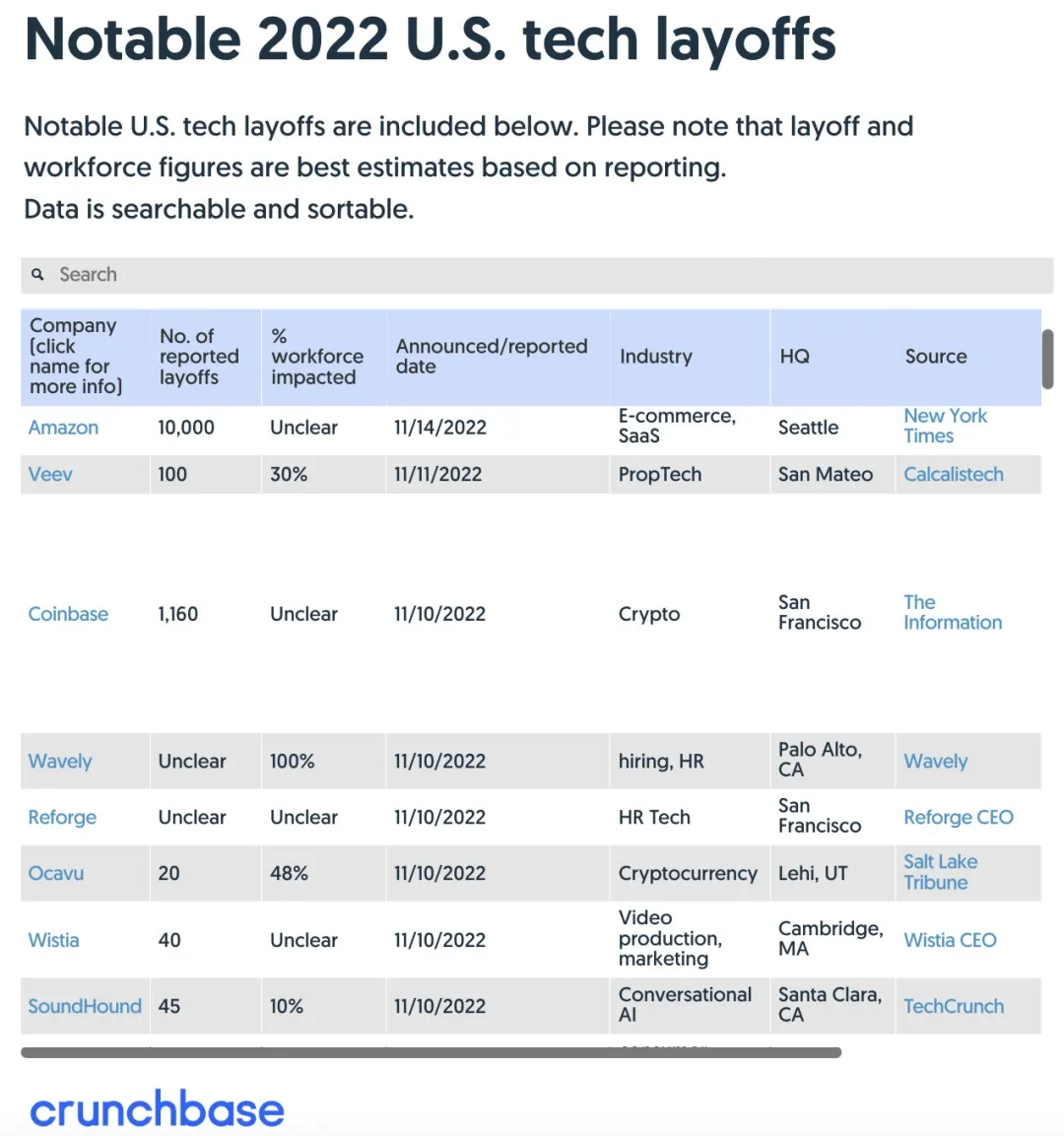
Just as programmers' hefty compensation packages were once the envy of many, the feeling of not knowing when you'll be laid off while saddled with a massive Bay Area mortgage is now utterly despairing.
The internet is flooded with success stories like "landed a tech job in three months after switching" or "transitioned to coding at an older age with zero background," which indeed cater to a certain audience and have fueled a subset of "Silicon Valley housewives."
To the point where, regardless of major, it once seemed like "if you don't switch to coding, you'll die." Even traditionally lucrative fields like law and dentistry in North America were clamoring to pivot to tech.

Those "coding prodigies" who crash-course in 30 days—quality of code didn't matter, their own interests didn't matter. In this era of instant gratification, everyone appears to only care about the size of the paycheck.
One dares to switch, the other dares to hire.
Look at Google's steep employee growth curve—does it match its revenue and profit growth? Now, layoffs of ten or twenty thousand hardly come as a surprise.
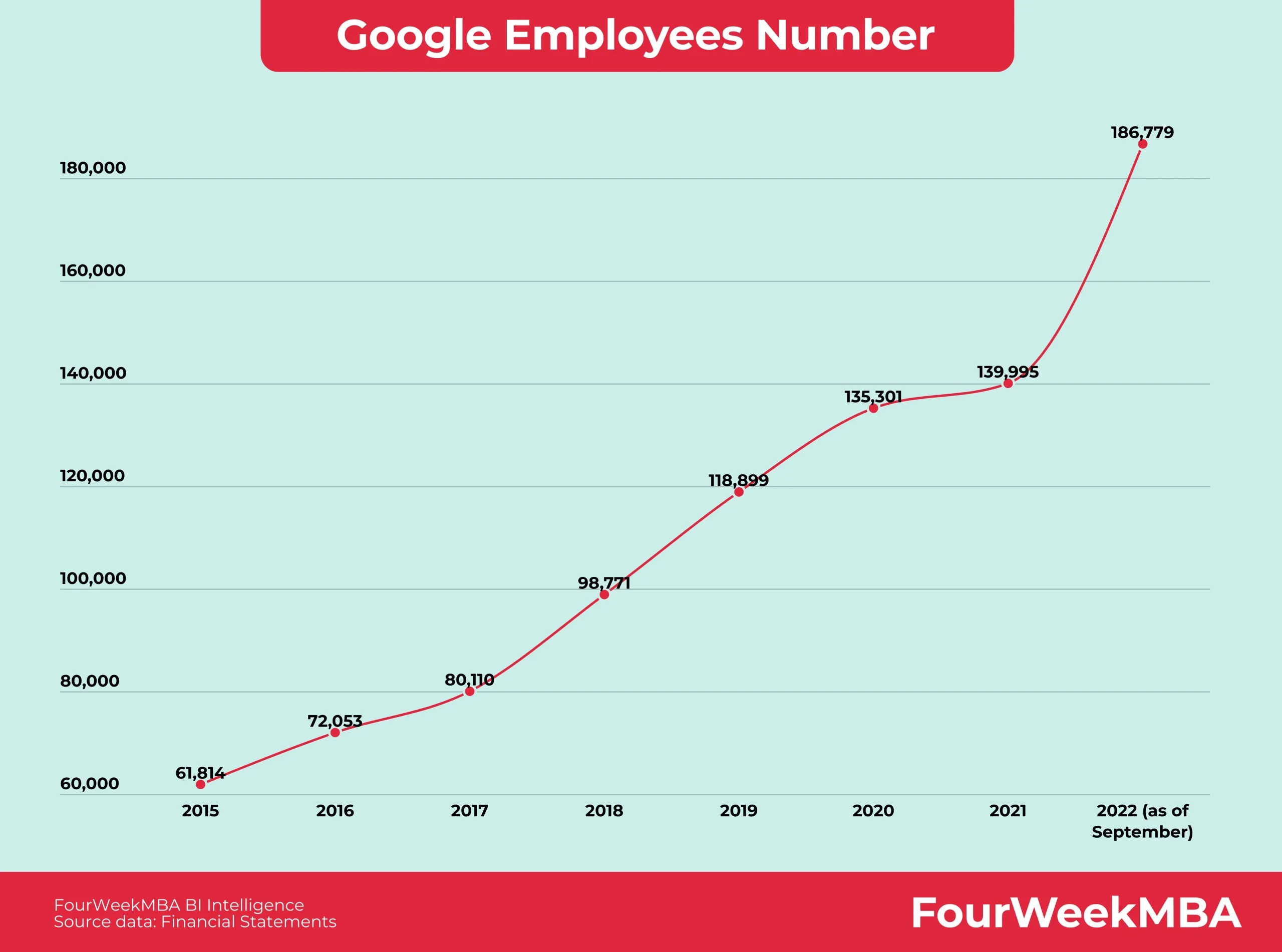
The media is already painting a gloomy picture for tech companies. Will the Silicon Valley myth fall from its pedestal?
In fact, no myth-making movement escapes its curse.
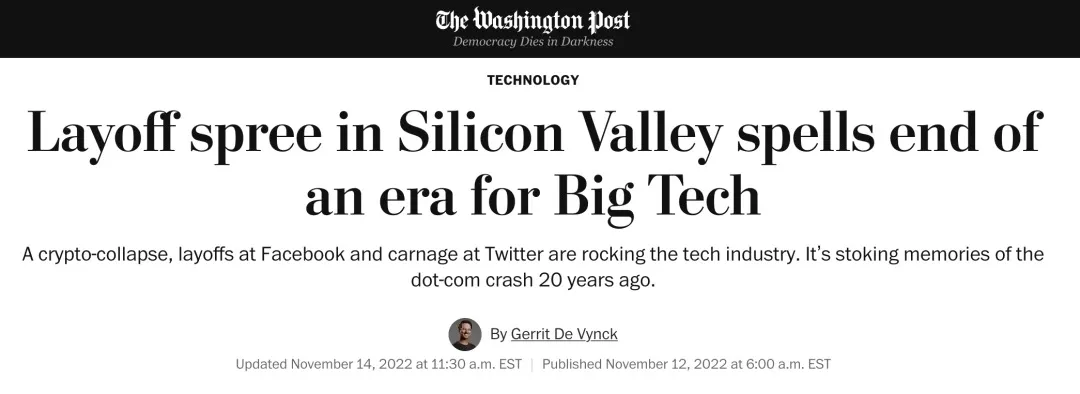
Whether the internet is a bubble is hard to say, but winter is coming, and no one is immune.
For coders at all levels, especially new graduates entering the job market, job hunting will be extremely tough. Even if you land an offer, it might get rescinded. If you face setbacks, don't doubt yourself—keep improving your skills, diligently practice coding problems, and explore different options.
If the outlook seems really grim, consider continuing your studies for the time being. You can always apply again when the industry recovers and hiring picks back up.
For those from non-tech backgrounds who were considering a pivot, this is an opportunity to reflect on what you truly want. Is this red ocean really where you want to or can squeeze your way in?
Every industry has its ups and downs. Rather than blindly chasing the latest trend, it's better to follow your passion.