
First, Columbia's U.S. News ranking plunged, damaging its reputation and leaving it humiliated;
Next, both Harvard and Yale Law Schools, at the top of the list, simultaneously announced their withdrawal from the U.S. News rankings.
Now U.S. News is the one getting slapped in the face...
Why Are Harvard and Yale Joining Forces to "Attack" the Rankings?
As is well known, U.S. News, QS, ARWU, and THE (Times Higher Education) are considered the four major authoritative rankings, even dubbed the "Ivy League" of study abroad circles.
Among them, U.S. News is particularly known for emphasizing academic research and overall institutional reputation.
However, recently the law schools of Harvard and Yale, two top U.S. universities, successively came forward to announce their withdrawal from the U.S. News rankings, accusing them of being flawed.
Once the news broke, netizens around the world once again grabbed their popcorn. Many onlookers who love a good drama even tagged their own alma maters:
Keep hanging in there, maybe in our lifetime we'll go from second to first.
Yale: So What if We're #1? U.S. News Isn't Qualified to Judge
Yale Law School Dean Heather K. Gerken published a statement on the law school's website titled "Why Yale Law School Is Leaving the U.S. News & World Report Rankings."
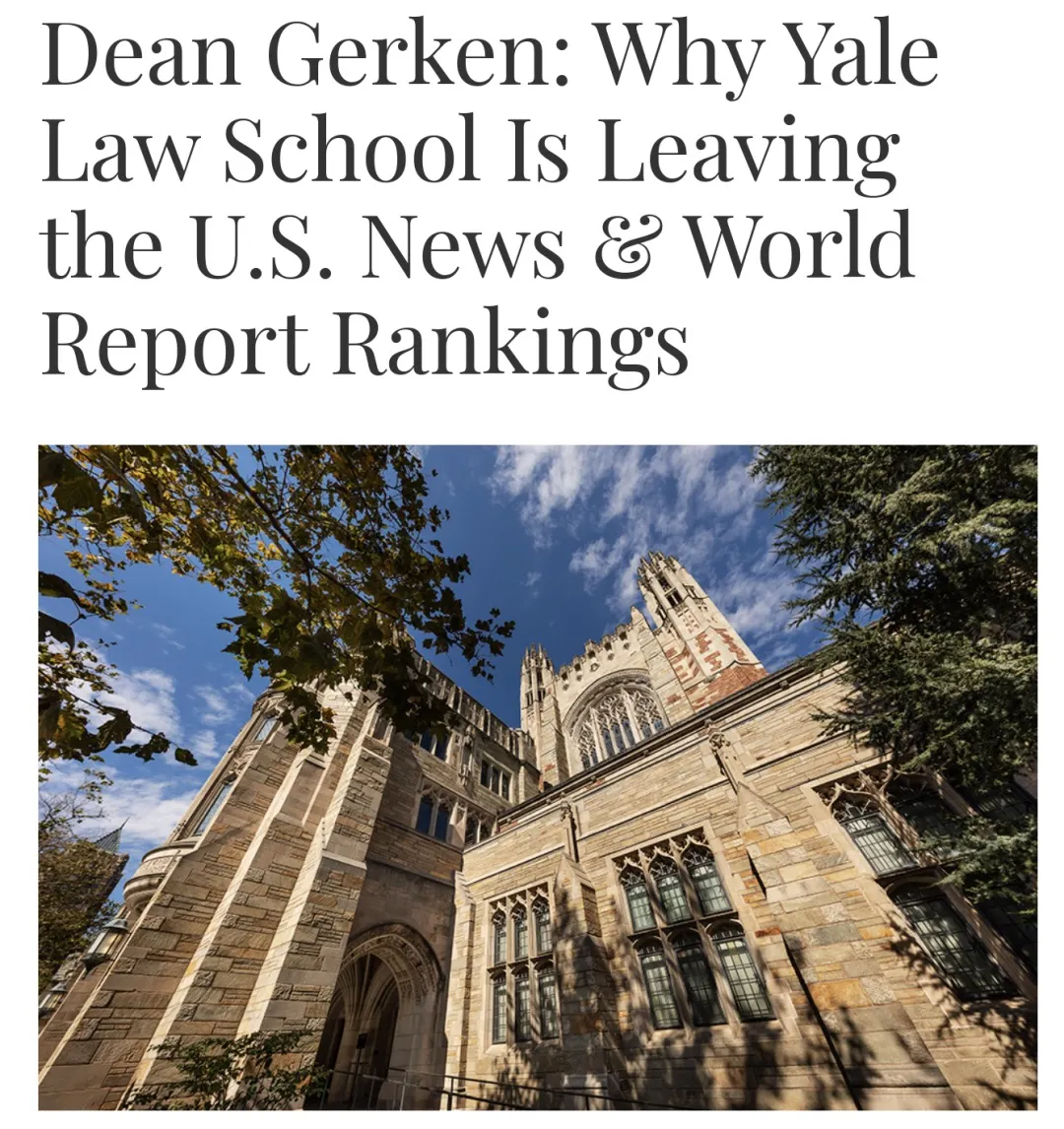
The statement noted that although Yale Law School has topped the rankings every year from the start, it does not take pride in that, and U.S. News is not a tool Yale uses for promotion anyway.
Well, that's a classic case of humblebragging...
The dean stated that U.S. News's evaluation criteria and review conditions contradict the legal philosophy Yale has long promoted. Yale believes the U.S. News rankings discourage law schools from providing critical support to students pursuing public interest careers and devalue graduates pursuing advanced degrees:
👉 Internships as public interest lawyers are not counted as formal employment, which affects ranking metrics
👉 JD graduates who choose to pursue a PhD are classified as unemployed under U.S. News rules
And even though law school deans have repeatedly called for changes, U.S. News has continued to ignore them. In fact, after Yale invested substantial effort and funds to reform the school and improve the law school's quality, it received an even lower "measure" score from U.S. News.
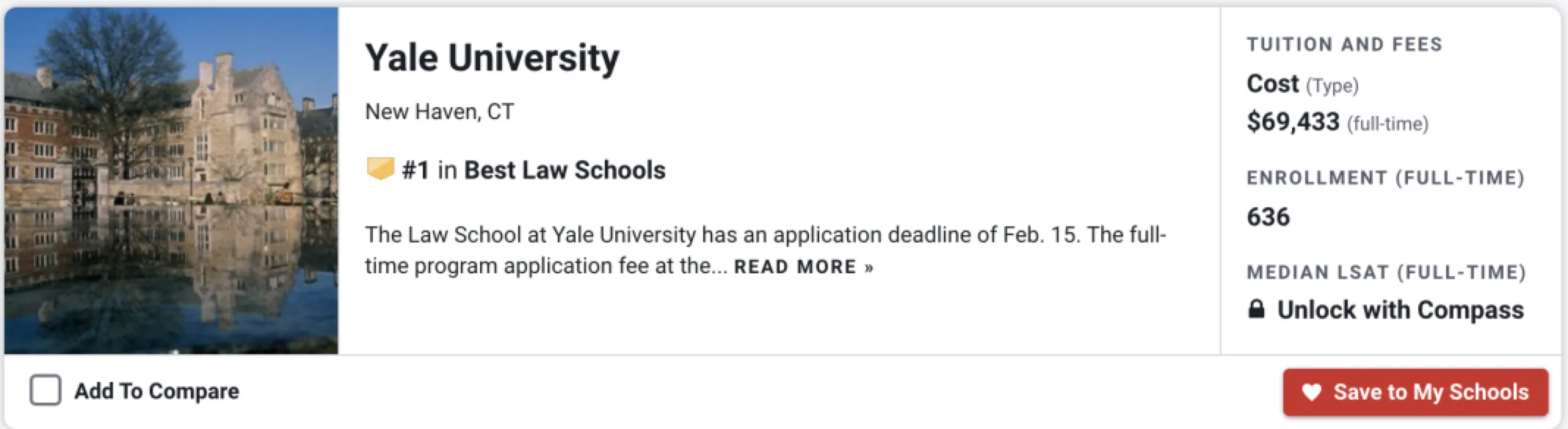
Therefore, Yale has decided it will no longer submit data to U.S. News.
Prospective students wanting to learn about Yale Law School need not worry, Gerken said: "Yale Law School will continue to provide data to future students in an open, transparent, and useful format, ensuring they have the information needed to decide which law school is right for them."
Harvard: After Careful Deliberation, We Are Still Withdrawing
A few hours after Yale's statement, Harvard Law School Dean John Manning notified students via email that Harvard would take the same step.
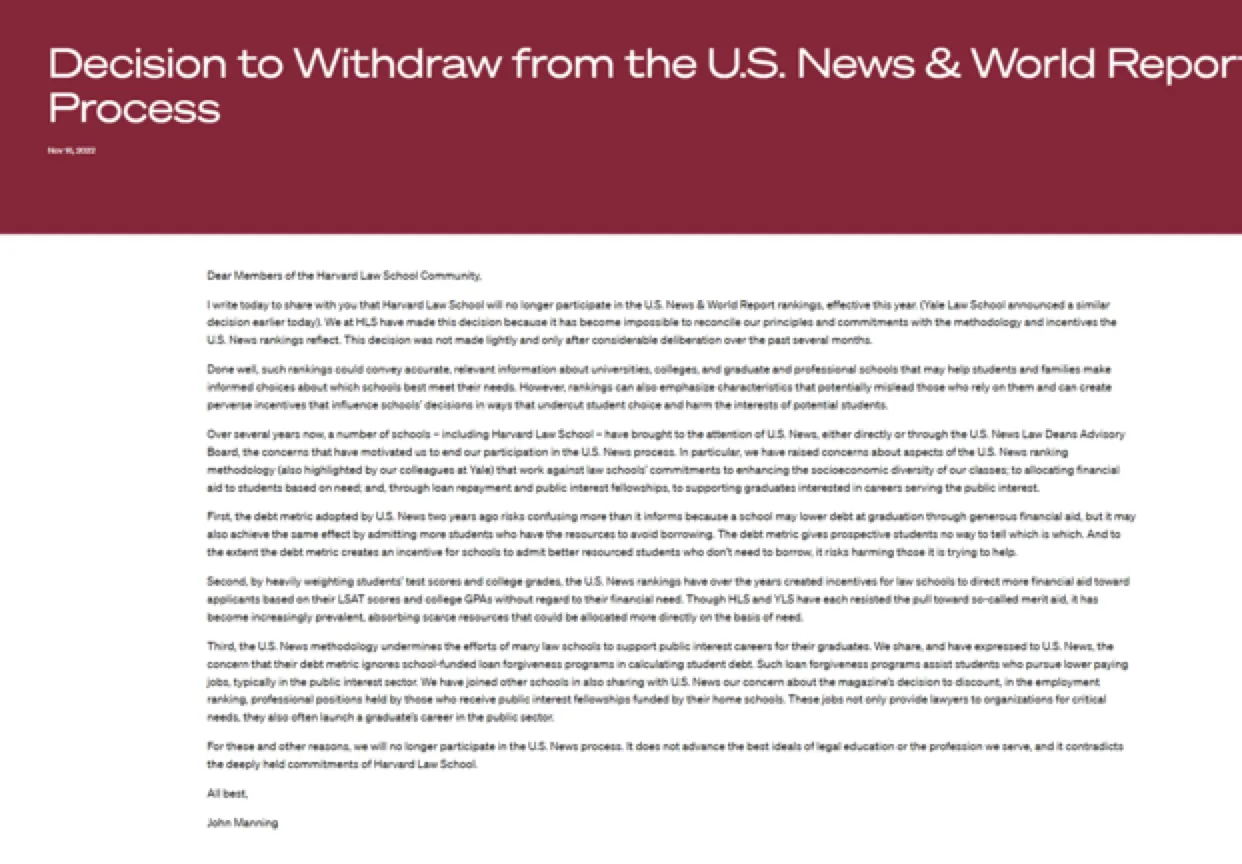
The dean said, "This decision was not made lightly but after months of careful deliberation."
The email similarly questioned U.S. News's ranking criteria, arguing that the entire formula it uses is wrong. Using a one-size-fits-all metric to rank all 192 law schools nationwide completely hinders the progress of legal education and prevents law schools from doing what is best for legal education.
This not only goes against Harvard Law School's commitments but also influences students' judgment and choices, encouraging schools to use improper means to boost their prestige while harming students' interests.
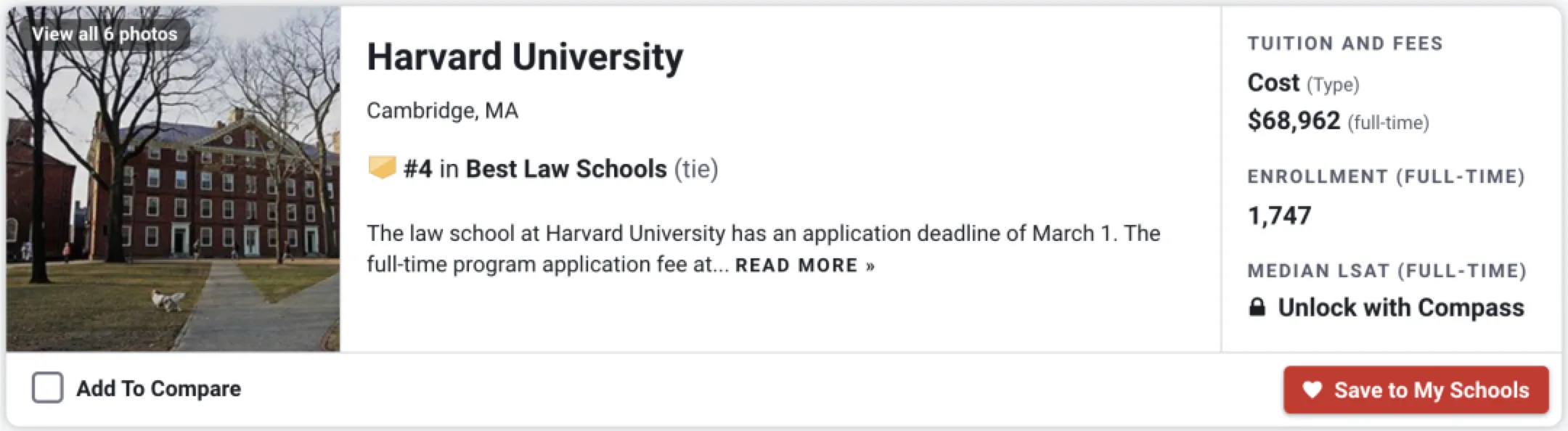
From this, it's clear Harvard and Yale were fully prepared to withdraw from the U.S. News rankings. It's worth noting that Yale Law School ranked #1 in the 2023 U.S. News Best Law Schools, while Harvard ranked #4.
More Law Schools Join the Exodus
Of course, the event continues to unfold. After Harvard and Yale's announcements, Stanford, Columbia, UC Berkeley, Duke, Georgetown, and other prestigious law schools also announced their withdrawal from the U.S. News rankings.
As members of the T14, these law schools have consistently ranked high in U.S. News. But as Berkeley Law's dean put it, "The benefits of continuing to participate in the U.S. News rankings for the school's own reputation have been far outweighed by the negative impact of the rankings on legal education as a whole."
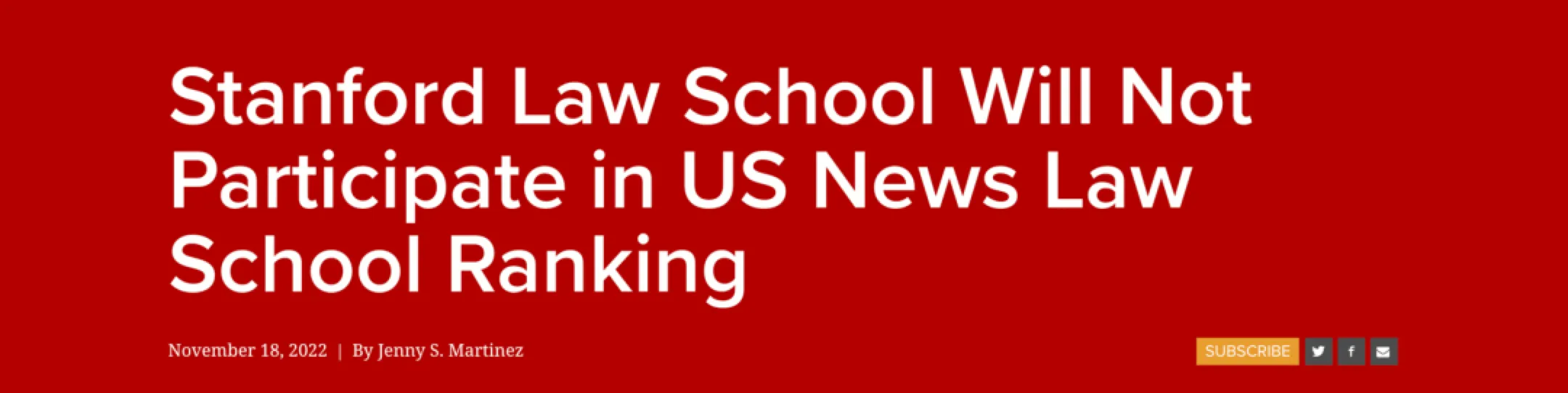
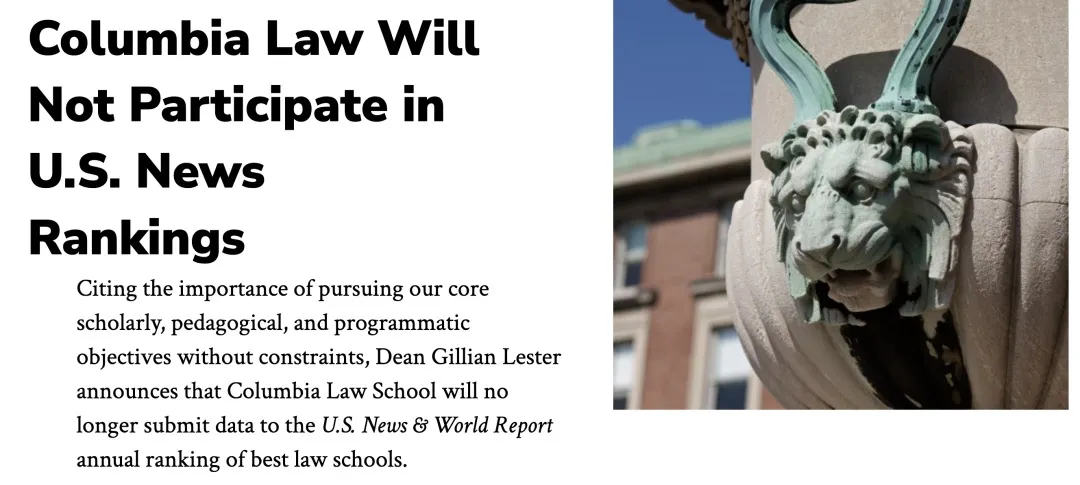
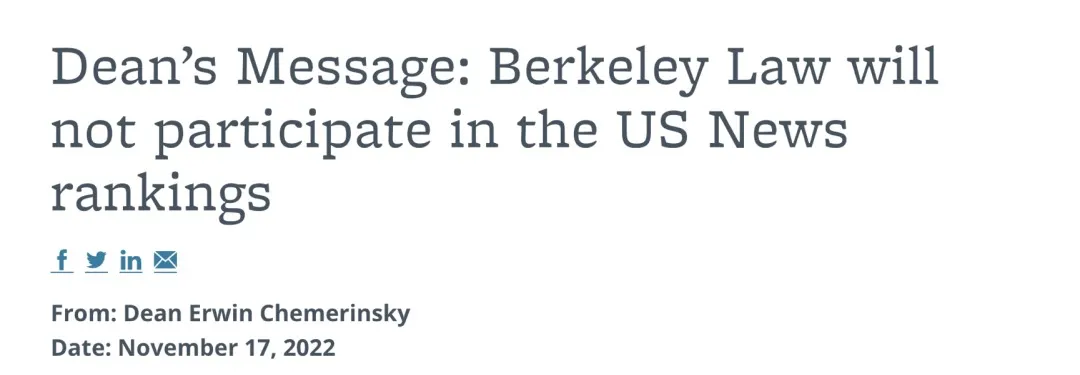
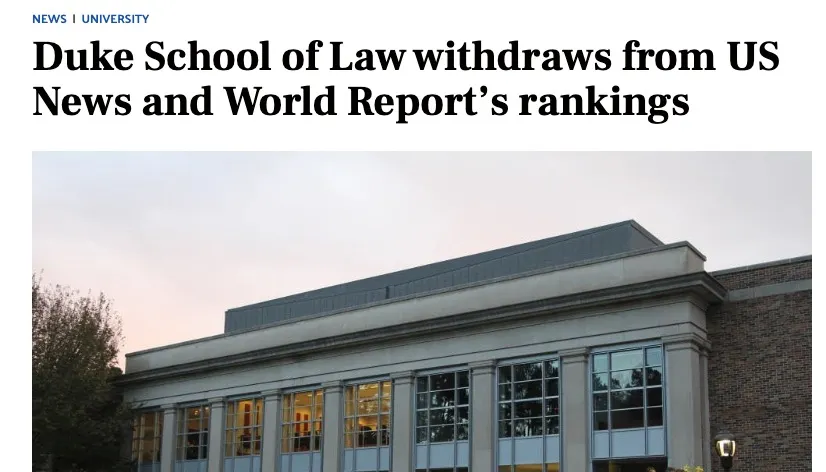
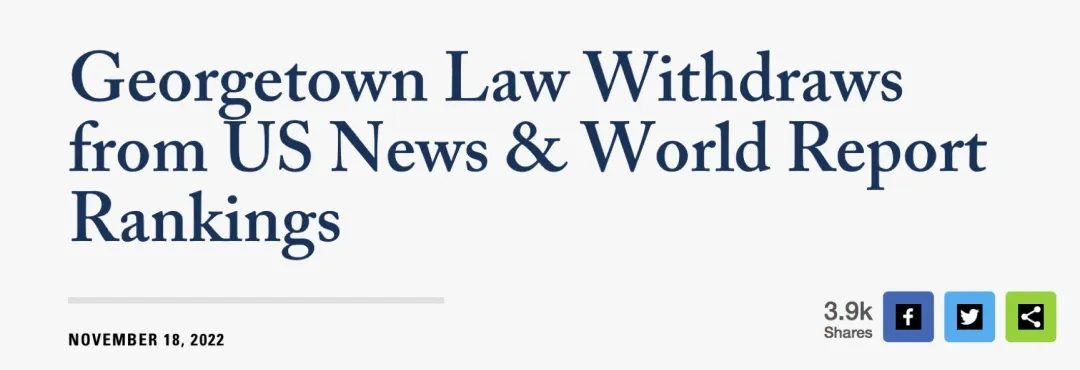
Additionally, Penn Law praised Harvard and Yale for their leading role and said it is also evaluating the issue.
U.S. News: You Withdraw, We'll Keep Ranking
The news of the withdrawals immediately drew high attention from mainstream U.S. media. After a series of schools announced their exits, U.S. News could no longer sit still.
U.S. News Executive Chairman and CEO Eric Gertler responded, "We agree that test scores do not tell the whole story about an applicant, and law schools should make their own decisions about applicant pools based on their mission."
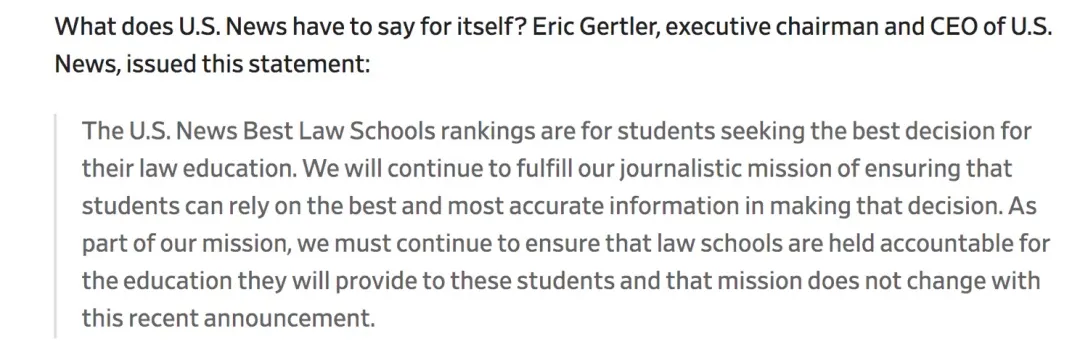
However, the response also made clear U.S. News's stance: "The U.S. News Best Law Schools rankings are designed for students seeking the best decisions in legal education. We will continue to fulfill our journalistic mission to ensure students can rely on the best and most accurate information when making their decisions."
Eric Gertler also stated, "As part of our mission, U.S. News must continue to ensure that law schools are accountable for the education they will provide to these students, and this mission will not change with the recent announcements."
In simple terms: You do your withdrawing, we'll do our ranking!
With that said, we must briefly look back at the previous school that withdrew from the U.S. News rankings: Columbia.
On July 1 this year, after its data accuracy was questioned, Columbia publicly announced it would not participate in the next U.S. News ranking.
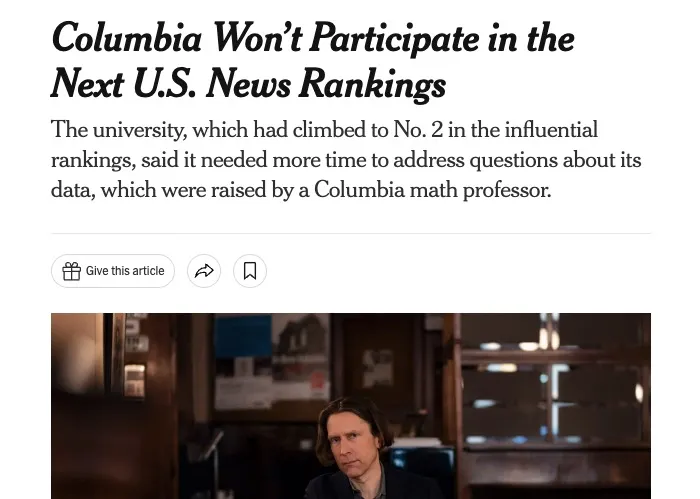
Then in September, U.S. News still ranked Columbia in its 2023 Best Colleges rankings. But because it had withdrawn and didn't submit sufficient data, Columbia dropped from #2 last year to #18.
So next year, will these law schools repeat Columbia's fate this year?
It's Not the First Time U.S. News Has Had a Scandal
In fact, this isn't the first time U.S. News has faced controversy. Back in 2017, POLITICO magazine criticized U.S. News college rankings for exacerbating economic inequality on campuses.
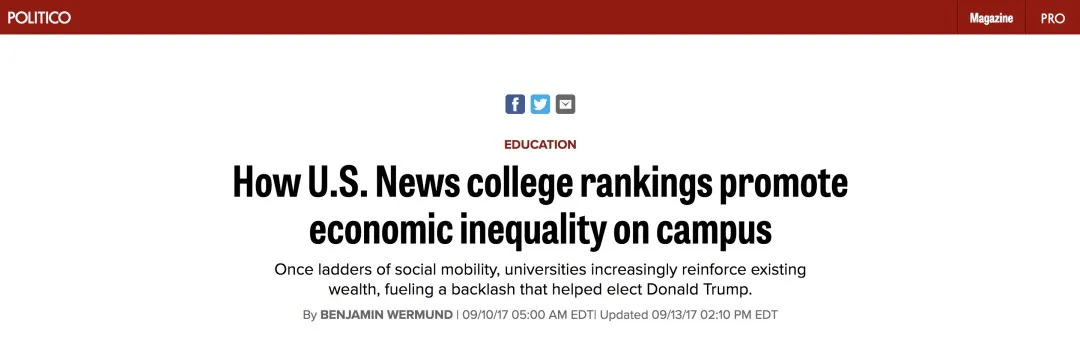
POLITICO noted that the criteria used in U.S. News rankings are so closely watched in academia that some universities have incorporated them into their strategic plans, incentivizing schools to favor wealthier students over less affluent applicants.
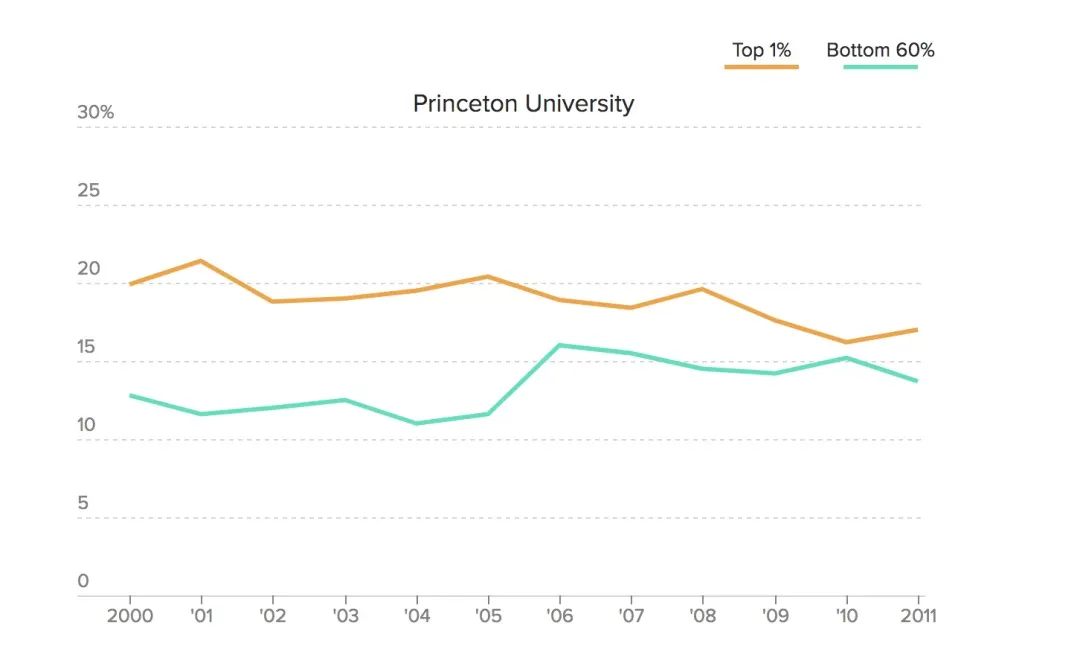
These criteria used by U.S. News can become unofficial benchmarks for admission decisions and financial priorities at some universities, ultimately leading schools to believe that the more they spend, the more elite their student body, and the higher their ranking.
This has also reinforced the dire landscape of American higher education that many perceive.
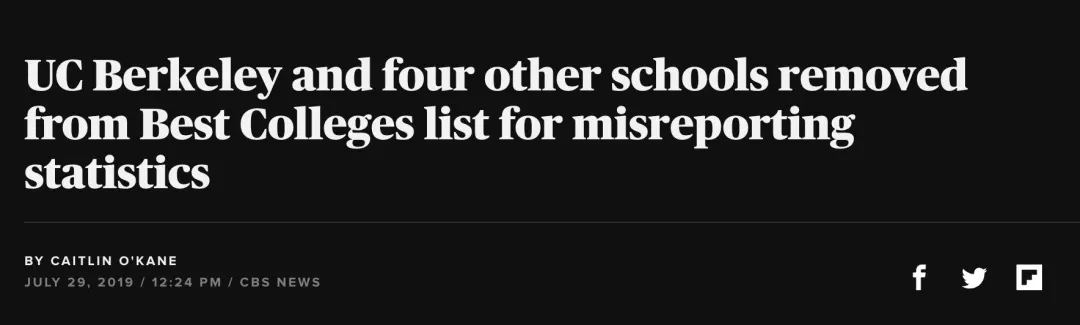
In addition, U.S. News has frequently been hit by "false data" scandals. Apart from Columbia, in 2019 U.S. News issued a statement saying that five U.S. universities, including UC Berkeley, acknowledged misreporting data used to calculate the 2019 Best Colleges rankings.
In 2012, an internal investigation at Emory University found that staff and administrators had deliberately misreported data for at least a decade, falsely presenting admitted students' SAT/ACT scores, class rankings, and GPAs as those of enrolled students to get better-looking numbers.
These erroneous data were also reported to third parties including the U.S. Department of Education and U.S. News at the time.

View Rankings Rationally: "Rankings Obsession" Is Misguided
For a long time, the annual Best Colleges or Best Global Universities rankings released by U.S. News, QS, and other authoritative agencies have been key references for parents and students when choosing schools.
Some domestic companies even directly stipulate that they only hire graduates from the world's top 50 universities, leading to a frequent "rankings obsession." But in reality, rankings are merely a reference and cannot prove whether a school is the best fit for you.
Although these rankings integrate various metrics across different dimensions, cold quantitative numbers alone may not fully demonstrate a school's true value.
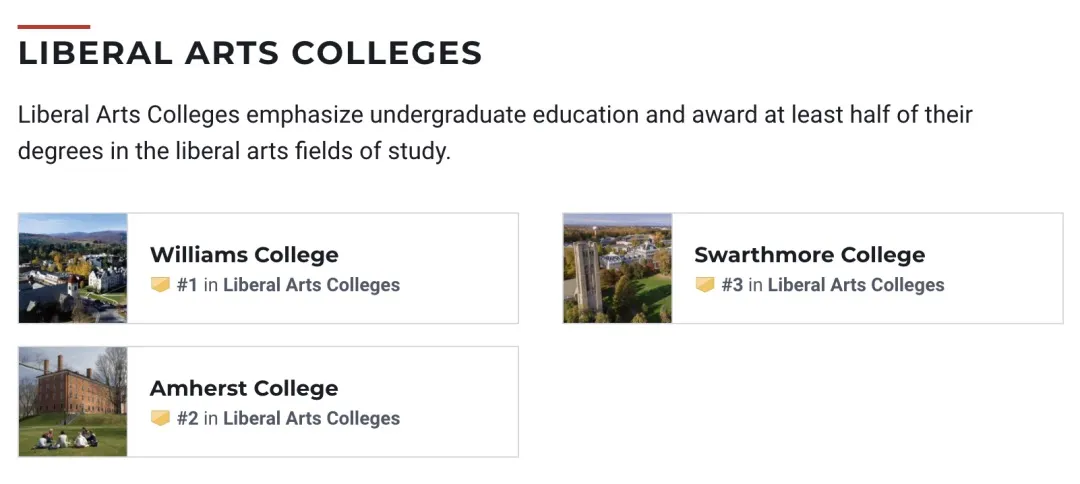
For example, many liberal arts colleges offer far fewer majors or courses than comprehensive universities, so their achievements in certain fields may not be eye-catching, but that doesn't prove they aren't worth attending.
Most public universities have lower tuition and largely rely on state or federal subsidies to maintain daily operations; their alumni donations and educational expenditures cannot compare with those of large private universities.
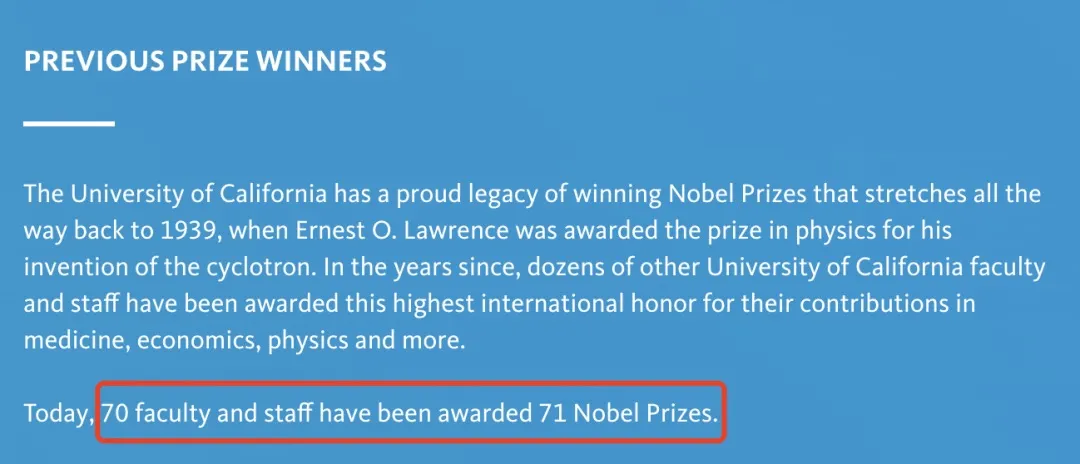
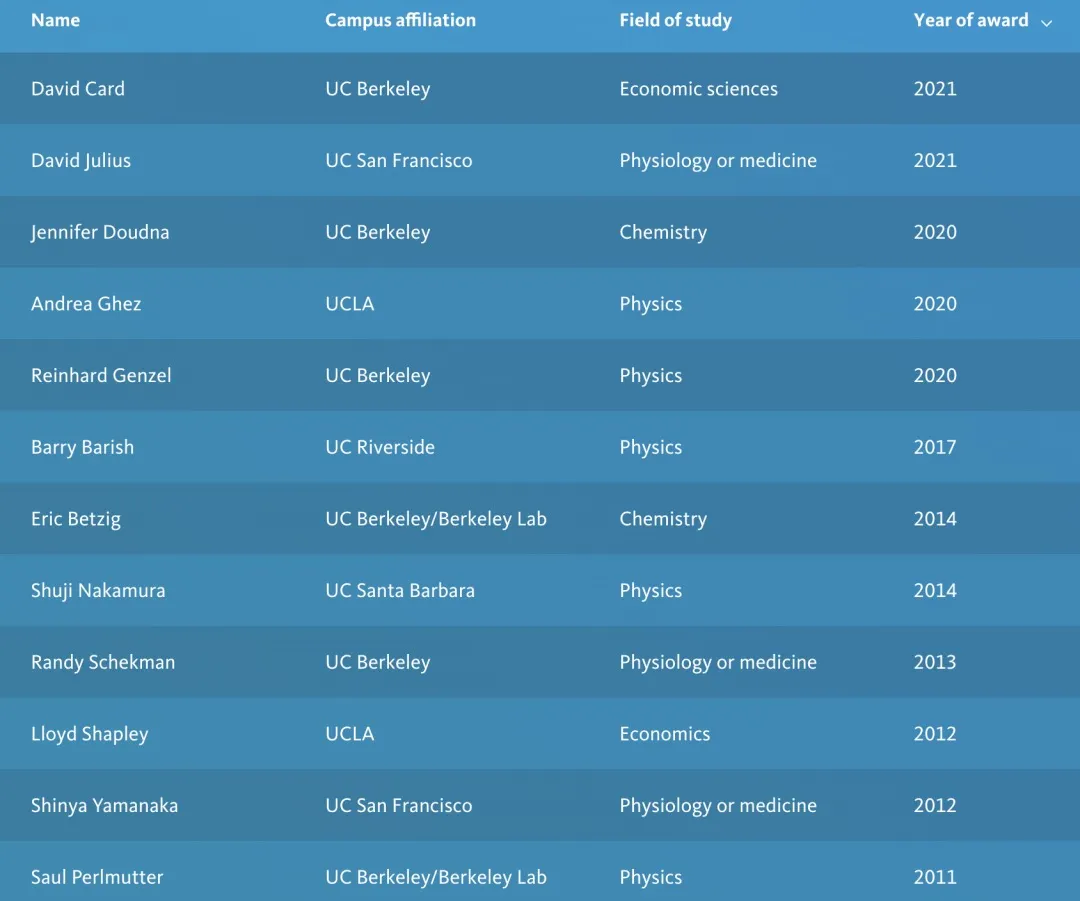
But that doesn't negate the fact that many public schools have outstanding faculty and educational resources. For instance, the University of California system alone has produced over 70 Nobel laureates, which speaks to the quality of its research.
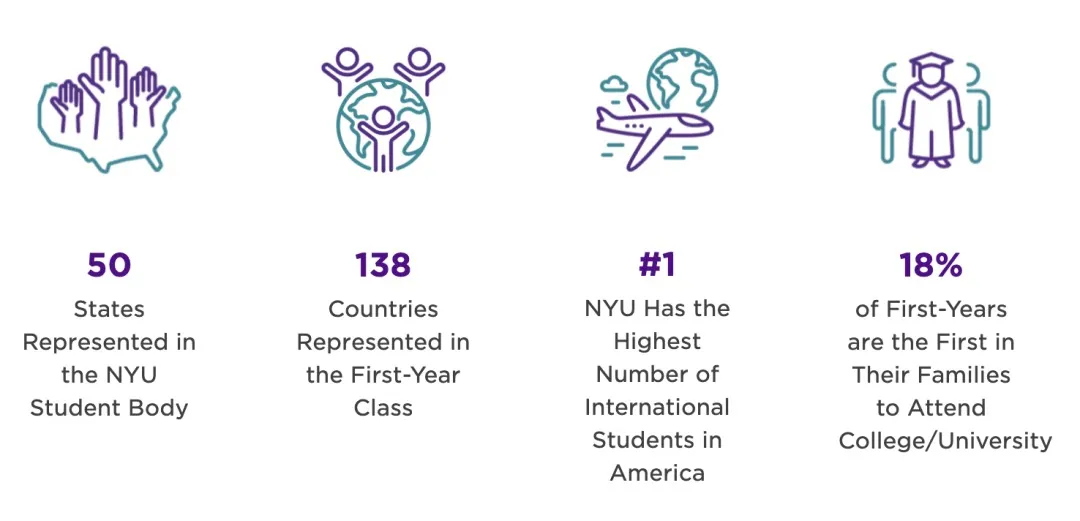
Beyond rankings, factors to consider when applying to study abroad should be more multidimensional and comprehensive, including curriculum design, faculty, location, campus culture, international student ratio, and so on.
And every student and parent should have their own internal yardstick, measuring schools and programs by the factors they care about most to ultimately choose the one that fits them best.
The professor who exposed the Columbia ranking scandal also said that he spent so long investigating Columbia and chose to come forward because he believed the ranking system causes unnecessary anxiety and vicious competition. That is clearly not a healthy educational environment.
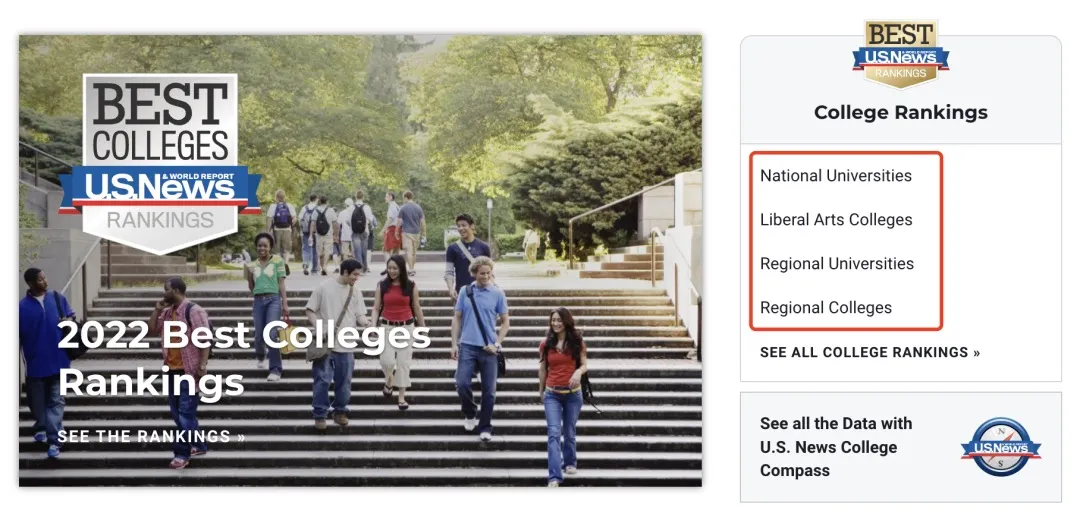
In fact, school rankings come in various dimensions, not just national or global rankings but also public university rankings, liberal arts college rankings, program-specific rankings, student satisfaction rankings, etc.
When using rankings to select schools, you can also examine each school's performance in the fields you wish to study or are interested in, rather than blindly relying on a single reference.
Ultimately, we hope you won't be too constrained by rankings; the most important thing is to choose a dream school that you truly love and that suits you!