Recently, according to UK media reports, new Prime Minister Rishi Sunak plans to raise the bar for studying in the UK: international students will be unable to obtain a UK study visa unless admitted to a top British university.
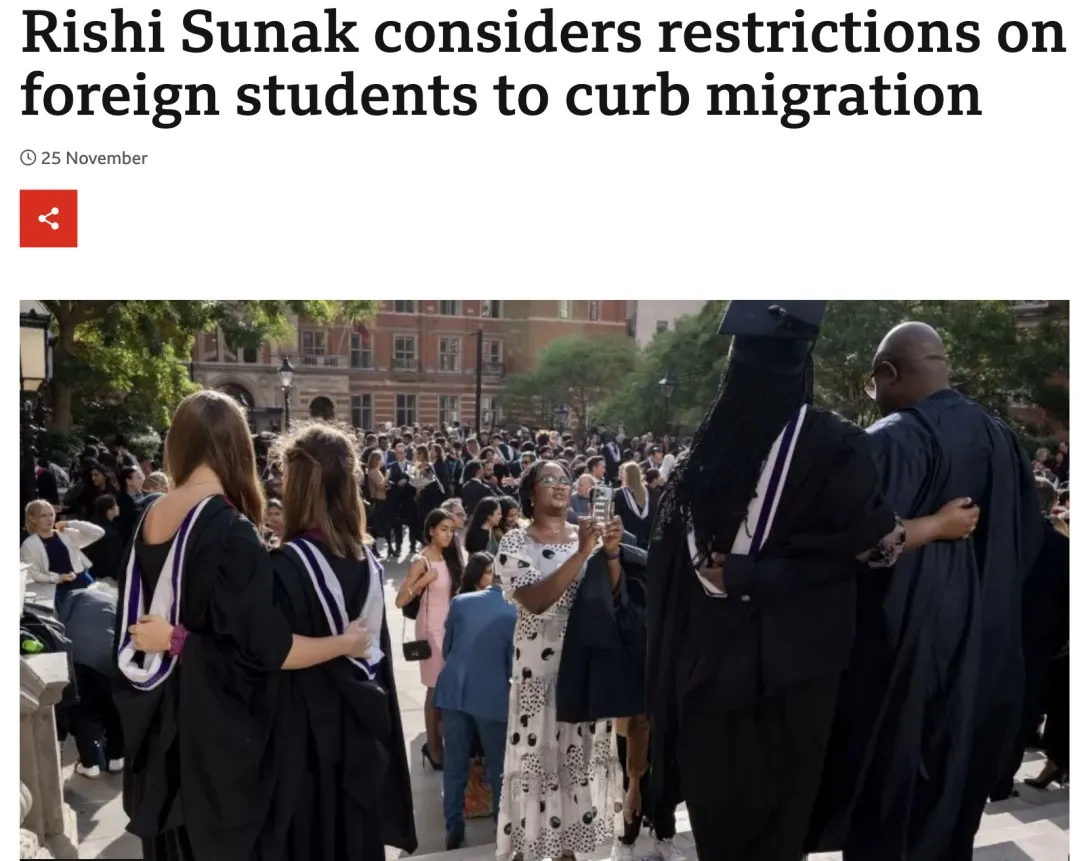
As soon as the news of “no visas for non-top UK universities” broke, it was fiercely criticized by British universities and a host of political figures.
A government immigration adviser warned that the move would bankrupt many universities.
I mean, we thought the former chancellor becoming prime minister would bring some miraculous turnaround to the UK economy; it turns out he’s targeting international students and staging a “suicidal” attack.❓
No visas for non-top UK universities?
According to The Times, Sunak’s plan to restrict international students in the UK includes: limiting recruitment by non-top universities and restricting visas for students' dependents. The main aim is reportedly to reduce migration.
Sunak’s spokesperson said that net migration to the UK had climbed to a record 500,000 by June 2022. Of these, non-EU migrants on student visas accounted for the largest share at 277,000, hence the plan to limit international student numbers.
The spokesperson insisted that Sunak remains supportive of top UK universities, but visa restrictions are needed for students at “low-quality” universities and their dependents in order to reduce migration.
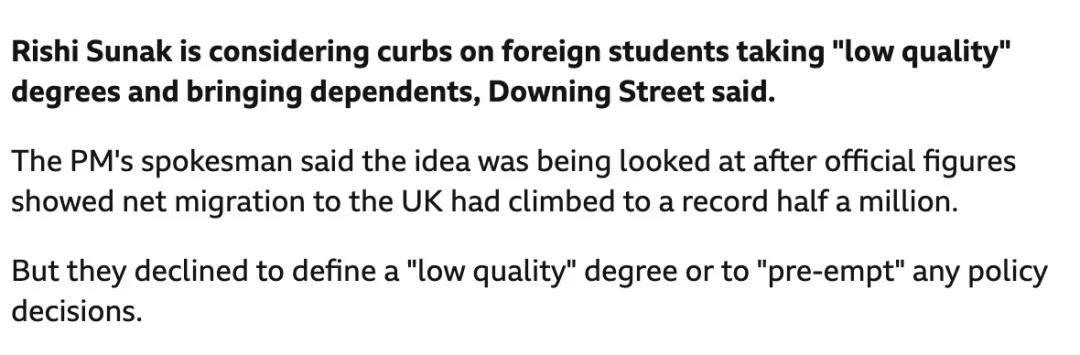
As for what constitutes a “low-quality” university, they refused to define it.
For a while, both high-quality and other universities were left speechless.
If the UK government really goes through with this, it’s unclear whether migration numbers will drop, but British universities would likely go bankrupt first.
Not everyone has a strategic vision. The UK political scene is currently a mess, and everyone’s top priority is shifting blame.
Home Secretary Braverman has previously complained that international students “use student visas to bring family members into the UK” and that “some second-rate schools offer substandard courses that don't meet requirements.”
This lady said: We can no longer control the borders.
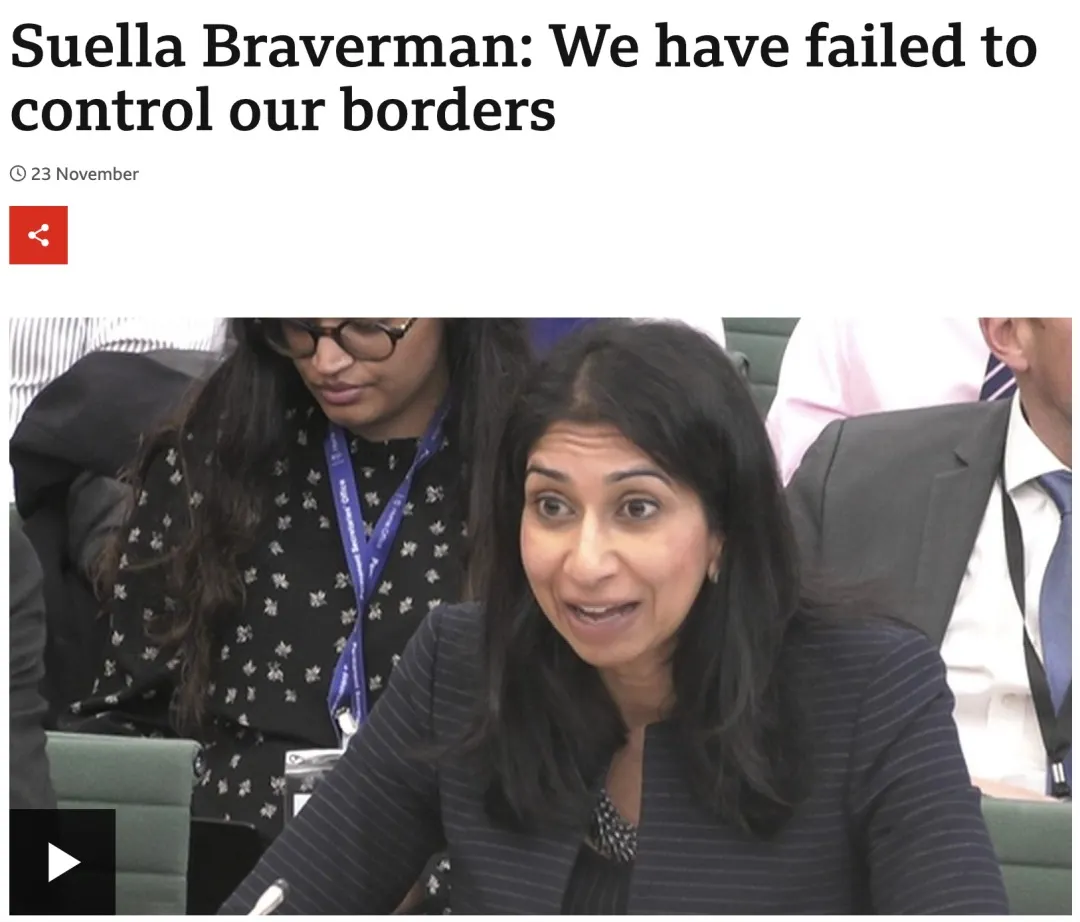
Are international students to blame for border issues too?❓ Fine, fine, they’ve been the professional scapegoats for 20 years.
UK political and educational circles widely oppose
However, when it comes to the feasibility of this policy, there's even infighting within Whitehall.

Chancellor of the Exchequer Jeremy Hunt said that immigration is vital for boosting economic growth.
Cutting the number of international students would worsen the funding problems of UK universities, and some may even face bankruptcy.
In recent years, the proportion of international students in the UK has indeed risen year on year, but the tuition fees and economic contributions they bring to British universities are also very substantial. In the 2020/21 academic year, international students, who made up 22% of the student body, contributed nearly half of the tuition fees, almost like a cash cow.
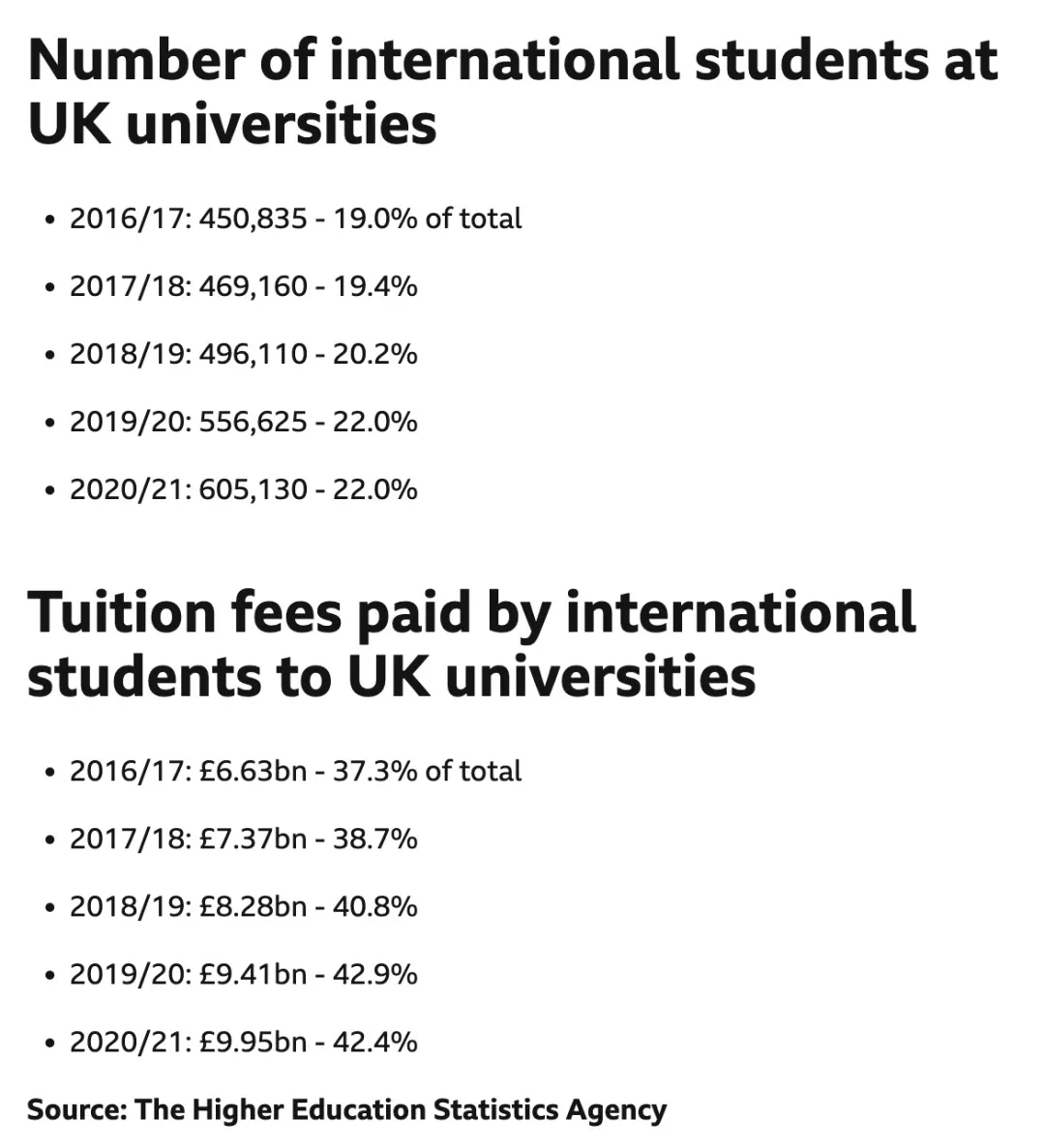
Sunak is now taking aim at international students, which can only be described as playing with fire.
Professor Bell, chair of the UK government’s Migration Advisory Committee, said that most British universities are actually losing money teaching domestic students and make up for this loss by charging international students high fees. If this channel is cut off, British universities will struggle in the future.
He said that universities in London, Cambridge, and Oxford might not be greatly affected, but what about those in Newcastle, the Northeast, Northwest, and Scotland? It’s unimaginable.
He also warned that the policy could lead to a “substantial increase” in tuition fees for UK students to make up for the loss of international student revenue.
The National Union of Students (NUS) said that the UK already faces a skills shortage, and it would be a joke if the government also restricts international students from studying and working in the UK.
Scotland’s Deputy First Minister Swinney called the proposals “stupid”. Education Minister Hepburn warned that they would “severely damage Scotland’s world-class universities.” The Scottish National Party has consistently praised the contributions of international students and other immigrants to Scotland.
I mean, with Sunak messing around like this, Scottish independence might not be far off.
The vice-chancellor of the University of Portsmouth said that international students’ annual tuition fees are on average nearly £10,000 higher than those of domestic students. It was thanks to the growth in international student recruitment in the 2020-21 academic year that the university was able to invest in research and innovation.
In fact, it’s not just about tuition fees; international students contribute as much as £28.8 billion to the UK economy.
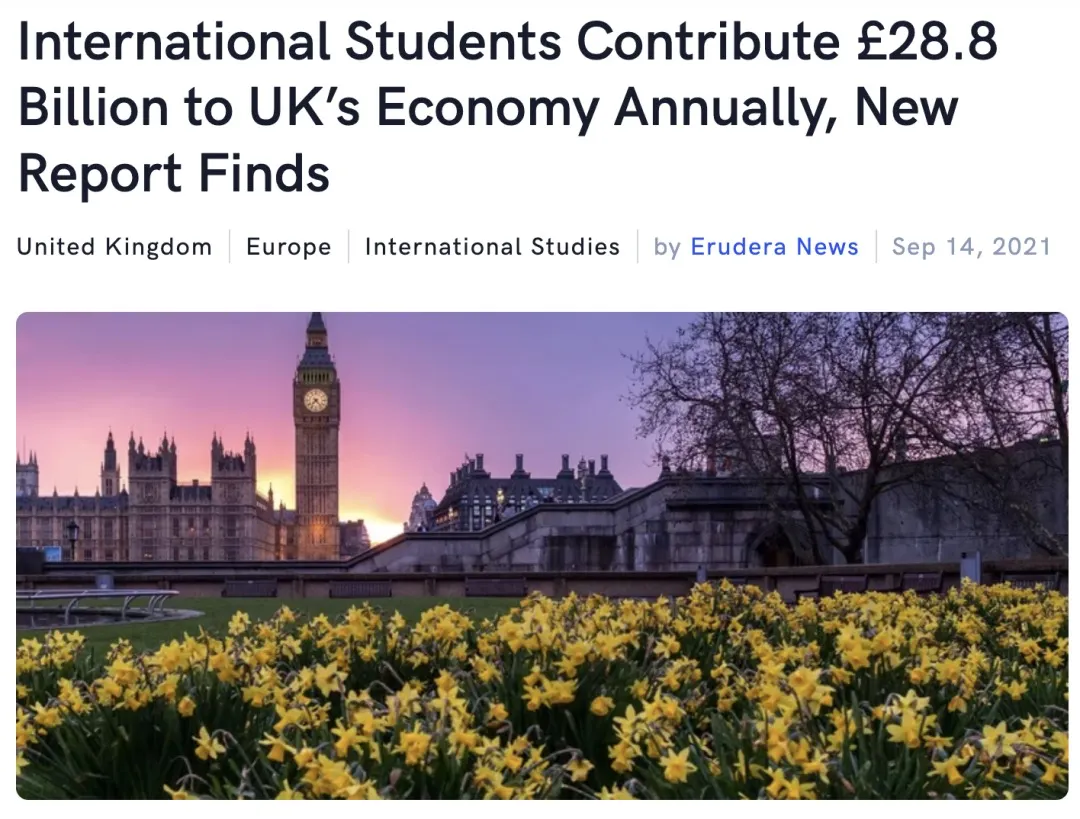
The previous UK government had planned to increase the number of international students to 600,000 by 2030. What kind of historical regression is Sunak pushing?
Is the China-UK “Golden Era” over?
But this guy has been causing trouble since taking office, even making the radical statement a few days ago that the China-UK “Golden Era” is over.
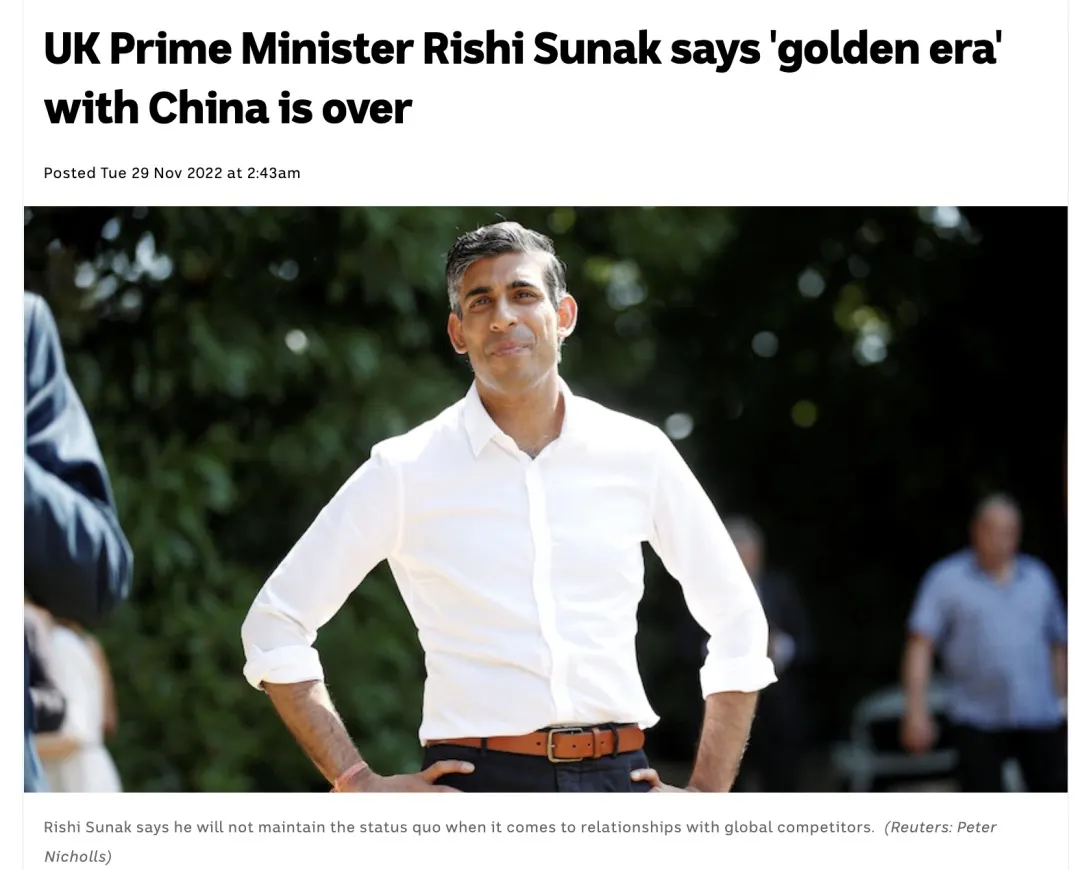
Sunak said that the “Golden Era” of China-UK relations over the past decade has ended, as the two countries have fundamentally different worldviews and values—a contradiction that even trade and economic ties cannot reconcile.
He said the UK needs to change its political attitude toward China. Under his leadership, UK diplomacy toward China will adopt a “robust pragmatism” approach. He didn’t specify how exactly.
In response to Sunak’s speech, a spokesperson for the Chinese Embassy in the UK said: “The root of the UK’s difficulties lies in itself; do not groundlessly accuse China! China urges the UK to abandon prejudice, respect facts, and stop slandering China.”
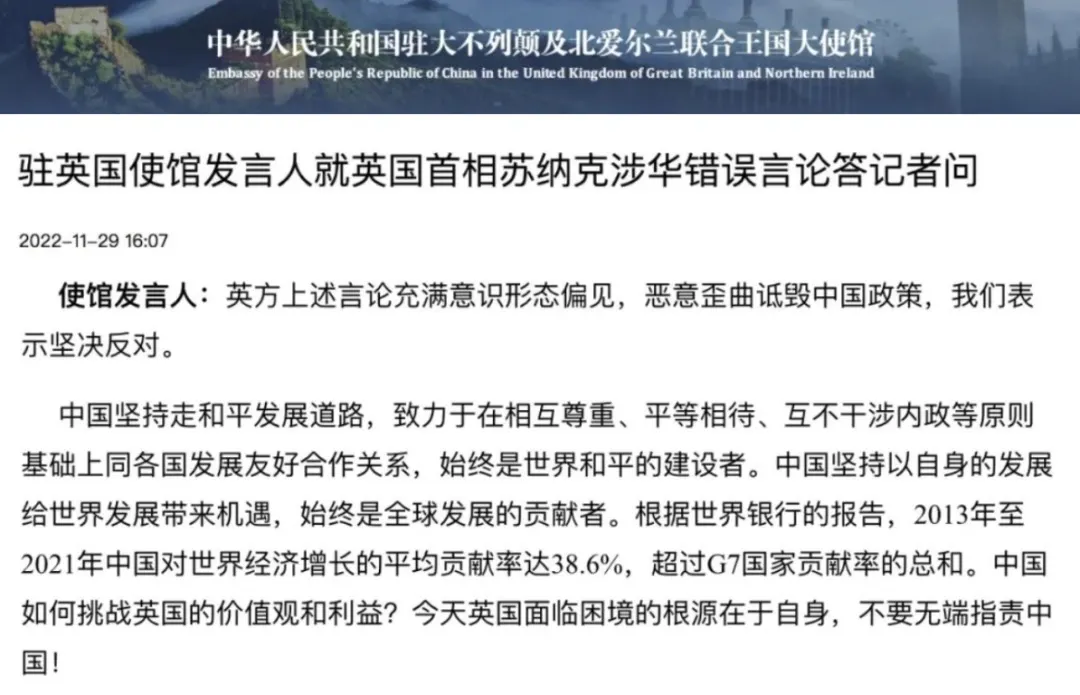
In fact, Sunak’s reiteration of his stance on China, along with the capriciousness of recent UK prime ministers’ attitudes toward China, stems from the UK’s impotent rage over its own difficulties.
The farcical turnover of prime ministers reflects the UK’s unease over its economic slump and political turmoil, as well as its fear of the rise of new great powers.
Perhaps it is not China-UK relations that have ended the “Golden Era,” but the once-glorious British Empire itself.
What about work visa policies for international students in the UK?
Sunak’s radical remarks will inevitably draw widespread opposition from UK universities and political figures, making it highly unlikely that this “international student restriction plan” will be implemented. For now, the UK government remains relatively open regarding international students studying in the UK and work visa policies.
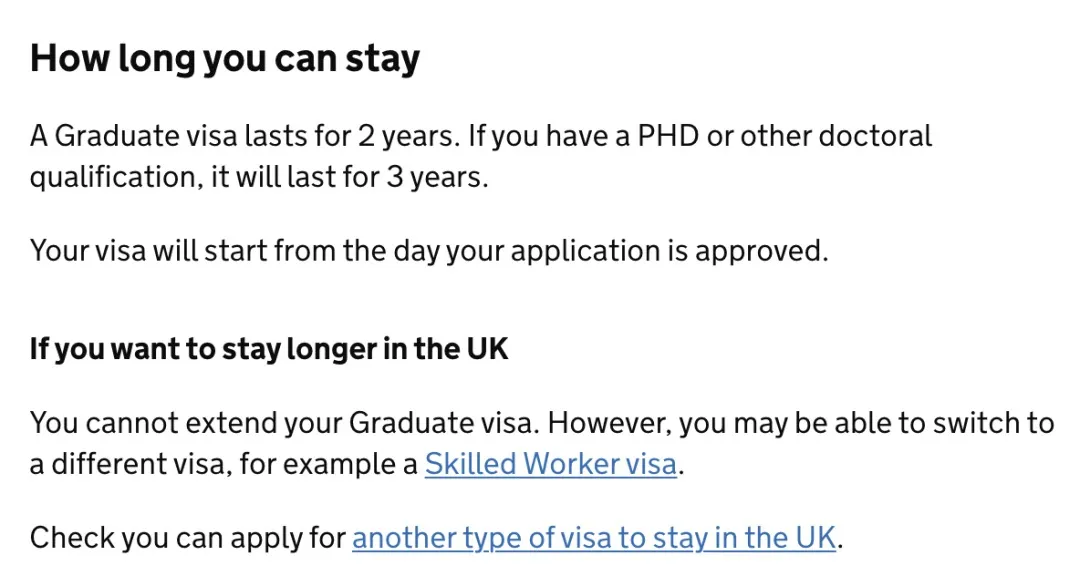
Graduate Route visa
The UK’s Graduate Route (formerly the PSW visa) for international students was reintroduced in 2021. Bachelor’s or master’s graduates can apply to stay in the UK for two years, and PhD graduates for three years.
Benefits of this graduate work visa include:
-
Available throughout the UK
-
No need for employer sponsorship
-
Flexibility to change jobs, including self-employment, volunteering, part-time work, and contract work
-
No restrictions on minimum wage, working hours, or number of visa recipients
This work visa policy provides great convenience for international students who wish to stay in the UK after graduation. For those planning to stay long-term, if they can find suitable employment within these 2-3 years, they can later apply for an employer-sponsored Skilled Worker Visa. Those planning to start their own business can later apply for a Start Up Visa.
HPI Visa
At the end of May this year, the UK government launched the HPI (High Potential Individual) visa, aiming to attract global talent and revitalize the economy.
Unlike the Graduate Route (formerly PSW) for UK graduates, the HPI mainly targets graduates from top non-UK universities worldwide who wish to seek work opportunities in the UK.
Upon approval, bachelor’s or master’s graduates receive an HPI visa valid for two years, and PhD holders for three years.
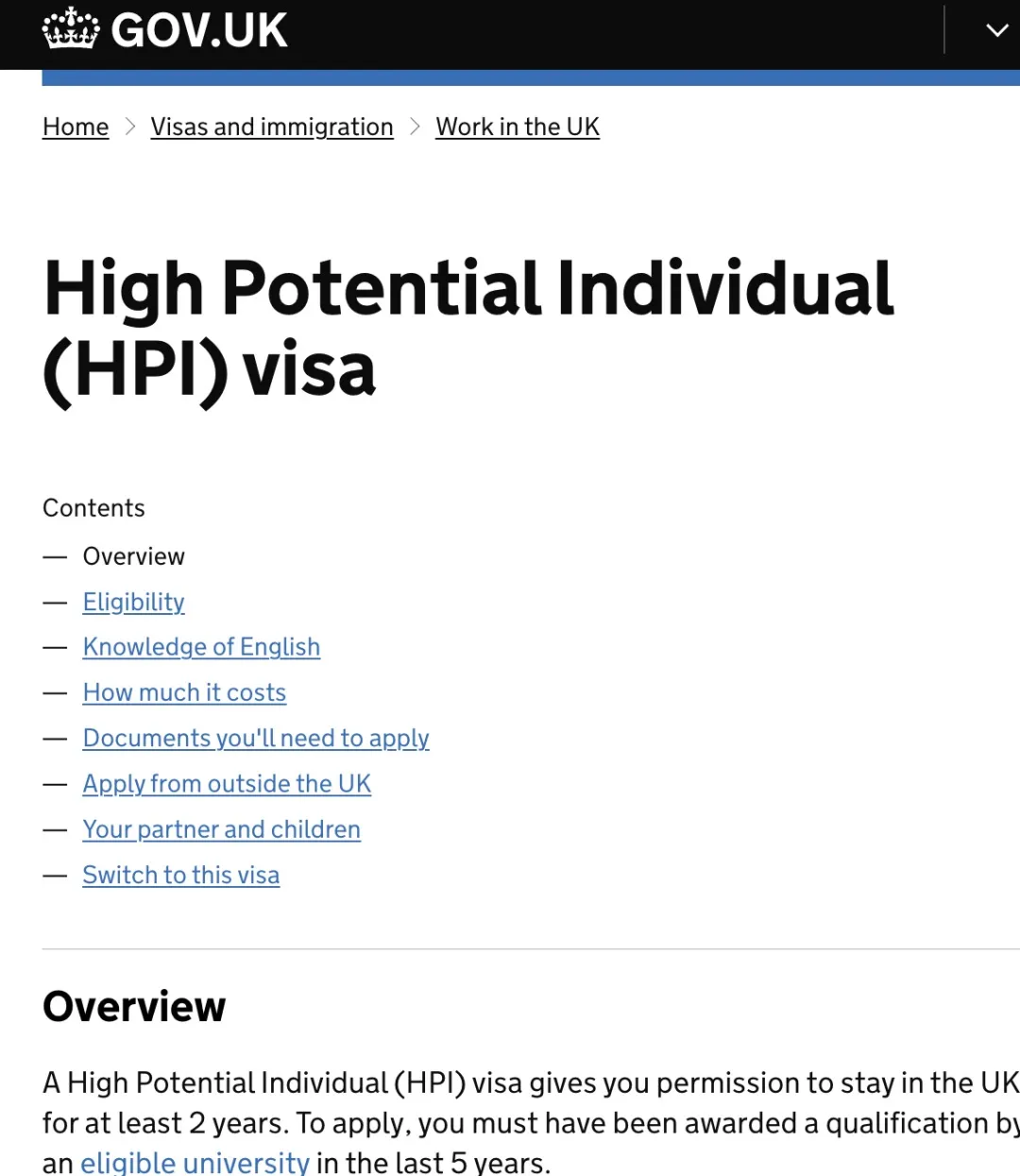
The HPI has wide coverage, no restrictions on recent graduate status, no employer sponsorship required, and a relatively low application threshold. Basically, as long as you graduated within the past five years and your university is on the Global University List, you can “move in with your bags” to work in the UK.
It is lamentable that at the time, Sunak was one of the officials pushing for the HPI, hoping to attract graduates from top global universities through more relaxed policies.
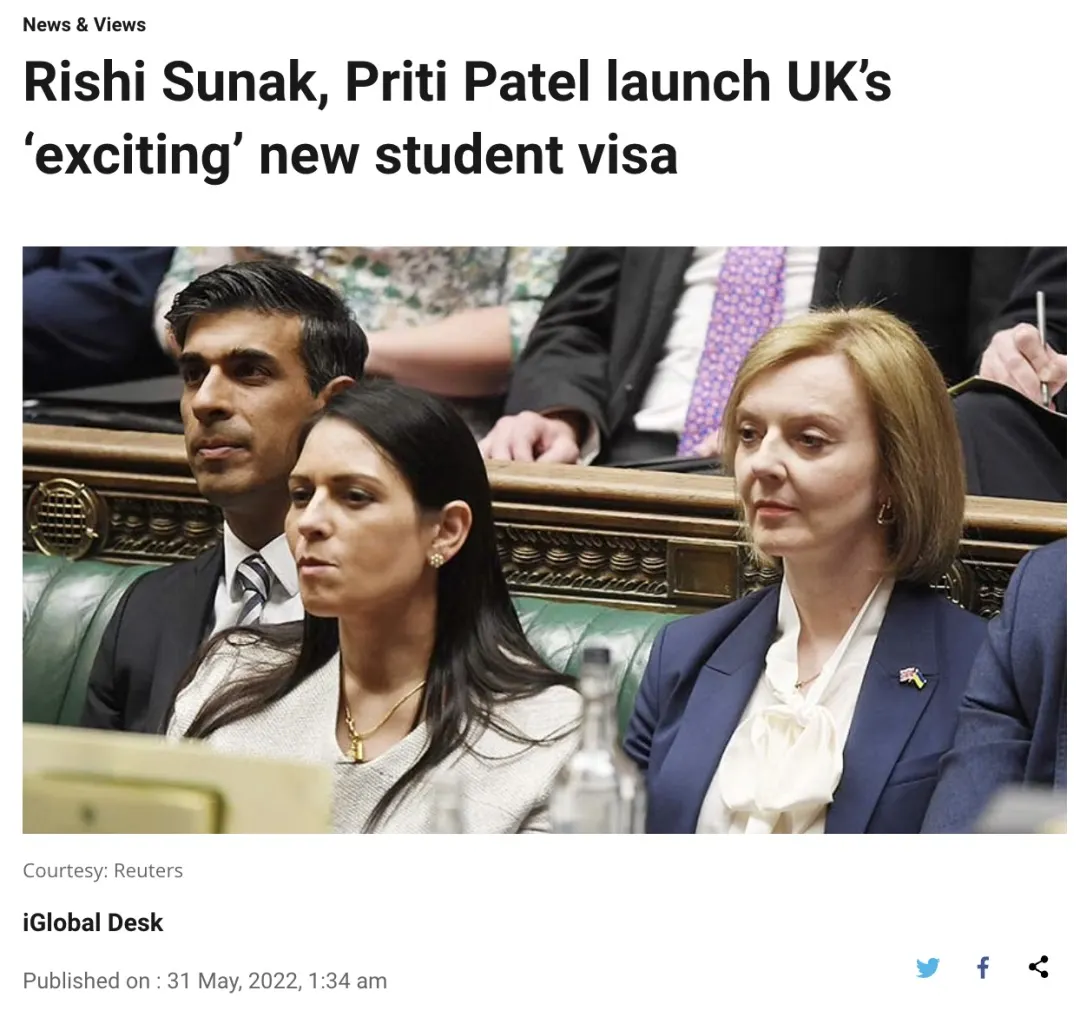
Now that he is prime minister, his stance has changed. Like many politicians, he seems more of an opportunist. Perhaps cracking down on international students and playing the China card are all pledges of fealty for the new prime minister to secure his position.
With UK prime ministers changing so frequently, we need to keep a close eye on study-abroad policies.
For now, international students remain an indispensable source of fresh blood for the UK’s financial and research competitiveness, and it is believed that British universities will actively help them fight for their rights.
Of course, political situations and international relations are unpredictable. Students seeking greater stability may consider applying to multiple countries and regions to achieve a balanced and successful outcome.