CS (Computer Science) and DS (Data Science) are both popular majors for graduate applications. Many students are unclear about the differences between these two majors when choosing a program. The following will detail the curricular differences, future career directions, and the current application status along with program recommendations for both fields.
What Do CS and DS Study, and What Specializations Do They Include?
At the graduate level, research areas are highly specialized. Therefore, in addition to the eponymous foundational programs, there are other programs that fall under these two broad categories.
CS (Computer Science): Besides Computer Science, there may also be programs like Computer Engineering. CS-related majors primarily focus on computer algorithms, software architecture, etc., targeting the logic and construction methods of computer systems themselves. These programs value the ability to solve problems related to the operational logic of computer systems and various software.
DS (Data Science): In addition to Data Science, programs such as Data Analytics, Analytics, Applied Analytics, etc., also belong to the Data category. DS-related majors mainly cover data processing, visualization, and analysis, focusing on data and databases. These programs place greater emphasis on the ability to use computer algorithms, analytical models, and visualization methods to process data and generate conclusions.
What Are the Main Differences in Career Directions Between CS and DS?
CS (Computer Science): It can be said that all industries nowadays rely on computer technology, and any production process dependent on computer systems involves software development and maintenance. Therefore, the employment scope for CS graduates is very broad. Typical CS-related industries include: internet technology companies represented by GOOGLE and Meta (Facebook), software technology companies represented by Oracle and Microsoft, etc. Typical positions include development engineer, operations engineer, etc.
DS (Data Science): In the information age, business operations rely on massive information interactions. Modern enterprises often use data analysis and visualization to support business decisions. Thus, DS graduates also have a wide employment scope, undertaking functions in data analysis and data system construction. From major internet companies like Tencent and Baidu to media enterprises like YouTube and iQIYI, any position that requires processing large amounts of data welcomes DS graduates. Typical position: data analyst.
Both DS and CS have a prominent advantage for staying and working in the U.S.: the STEM designation extends OPT to a total of 36 months, undoubtedly providing more time for job hunting.
A Simple Summary of the Differences Between CS and DS
CS is more technology-oriented, while DS is more practice-oriented. In terms of typical modern enterprise classifications, CS functions like a versatile "back-end" that can adapt to any industry, whereas DS serves as a "middle office" that integrates specific business realities, meaning its specific growth potential is tied to the industry experience accumulated after joining a company.
In terms of salary comparison, CS often has a higher starting salary standard, but DS is not always behind. The key lies in the industry that DS is integrated with. Looking at recent employment trends for U.S. graduates, more and more DS graduates are entering strategic consulting, investment banking, and other sectors, thereby commanding higher salaries and greater career growth.

Current Application Status for CS and DS Graduate Programs in the U.S.
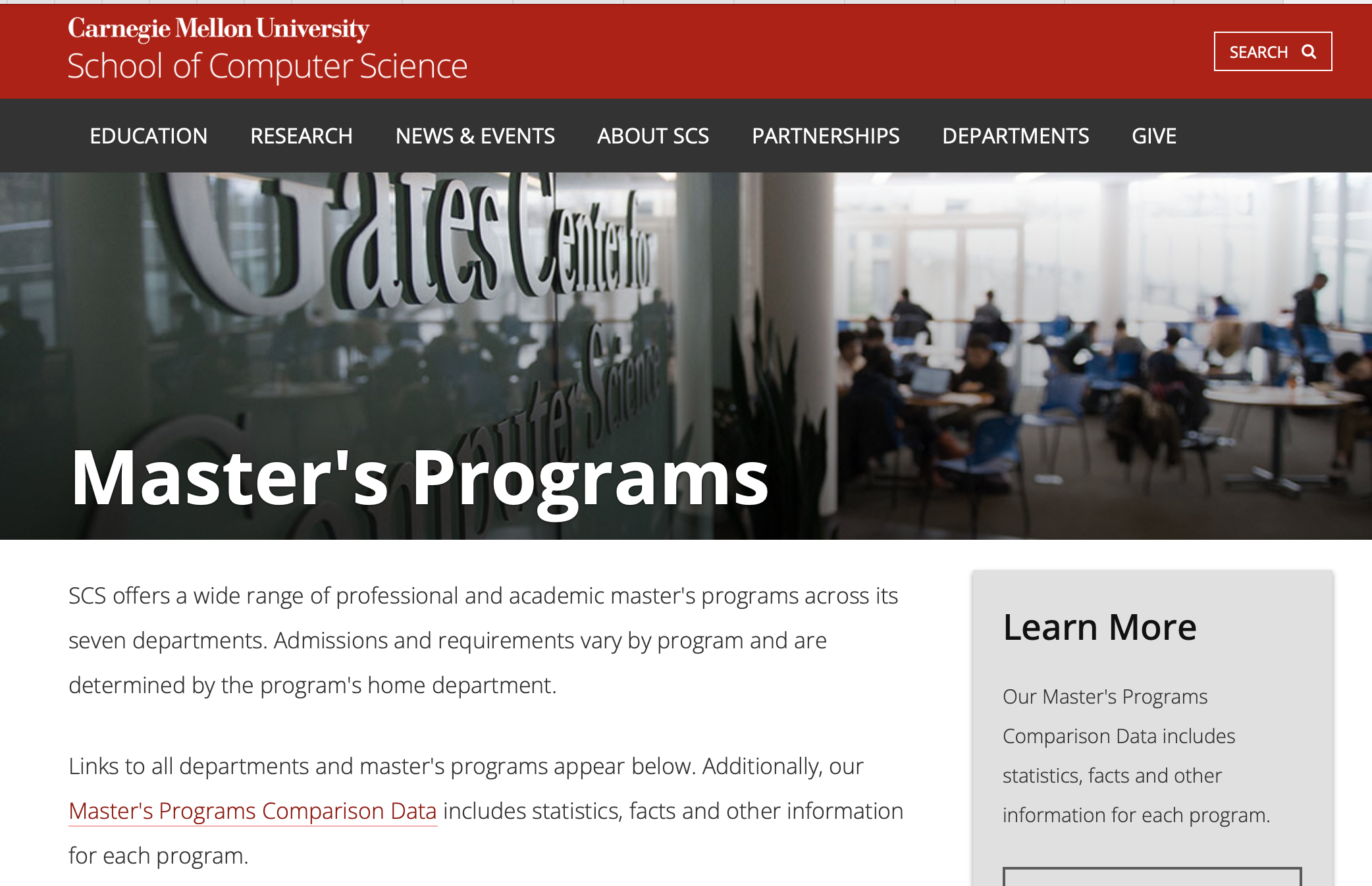
CS, as a traditionally popular major in the U.S., offers a wealth of options across all tiers. CMU, Stanford, UIUC, UT Austin, and Purdue are all strong institutions.
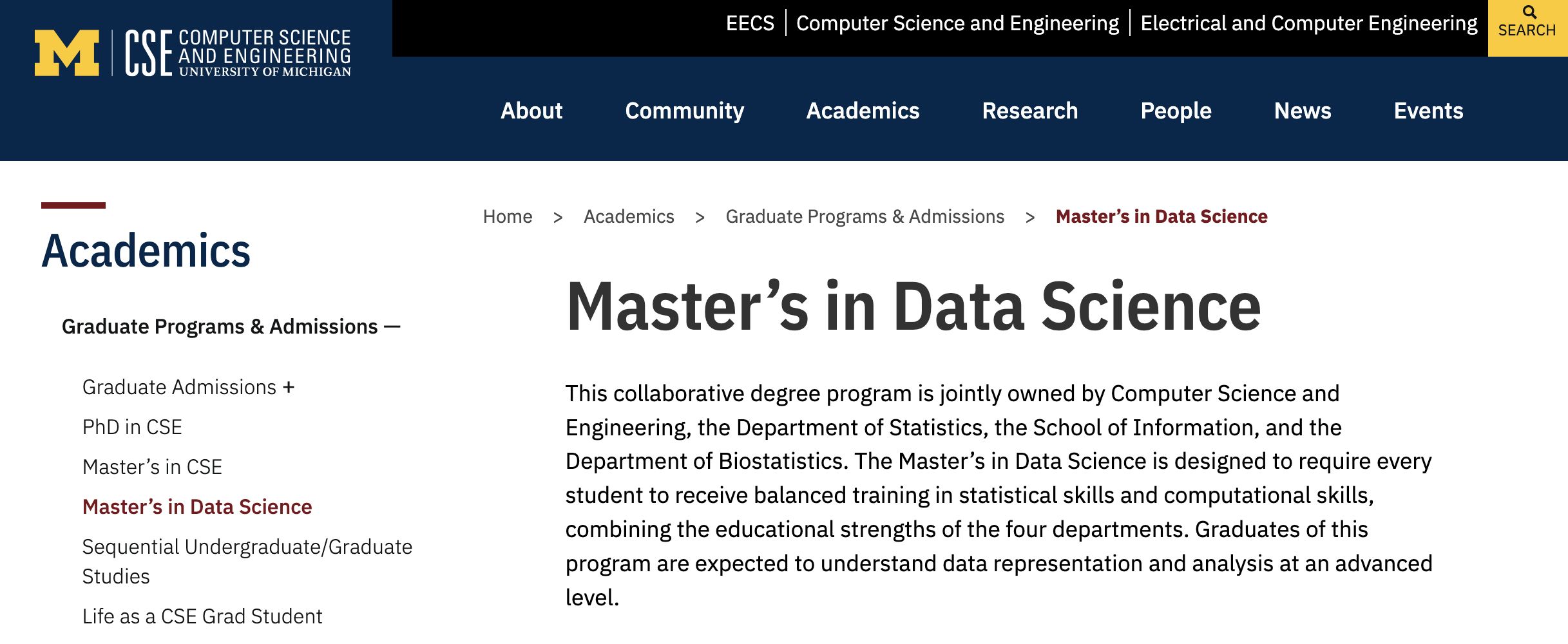
As a relatively newer field, DS programs at universities like MIT, UWashington, and UMich Ann Arbor are also highly competitive.
Recommended High-Value CS and DS Programs
Due to the inherent information asymmetry in studying abroad, many applicants may waste their GPA and miss out on quality programs because of a lack of information channels, or even jeopardize their education plans due to improper school selection. Below are one CS and one DS program recommendation:
CS:
University of Maryland College Park
USNews National University Ranking: 55
USNews Program Ranking: 11
GPA Requirement: 3.5+
GRE Requirement: optional, but 325+ is recommended
TOEFL: 96
A typical specialized institution with modest overall ranking but very strong departmental strength. The campus is in the heart of the East Coast, very close to Washington D.C., making it an excellent choice for students aiming to work in the U.S.
DS:
Georgia Institute of Technology
USNews National University Ranking: 44
USNews Program Ranking: 4
GPA Requirement: 3.5+
GRE Requirement: 325+
TOEFL: 90
Comments: Atlanta is one of the largest cities in the southeastern U.S., and Georgia Tech's DS program boasts significant strength thanks to its very strong CS department. Georgia is near the famous "Research Triangle" in the Southeast and is home to multinational corporations like Coca-Cola and Delta Air Lines. Furthermore, Atlanta, as the birthplace of the FinTech concept, offers broad employment prospects for graduates in the financial sector.
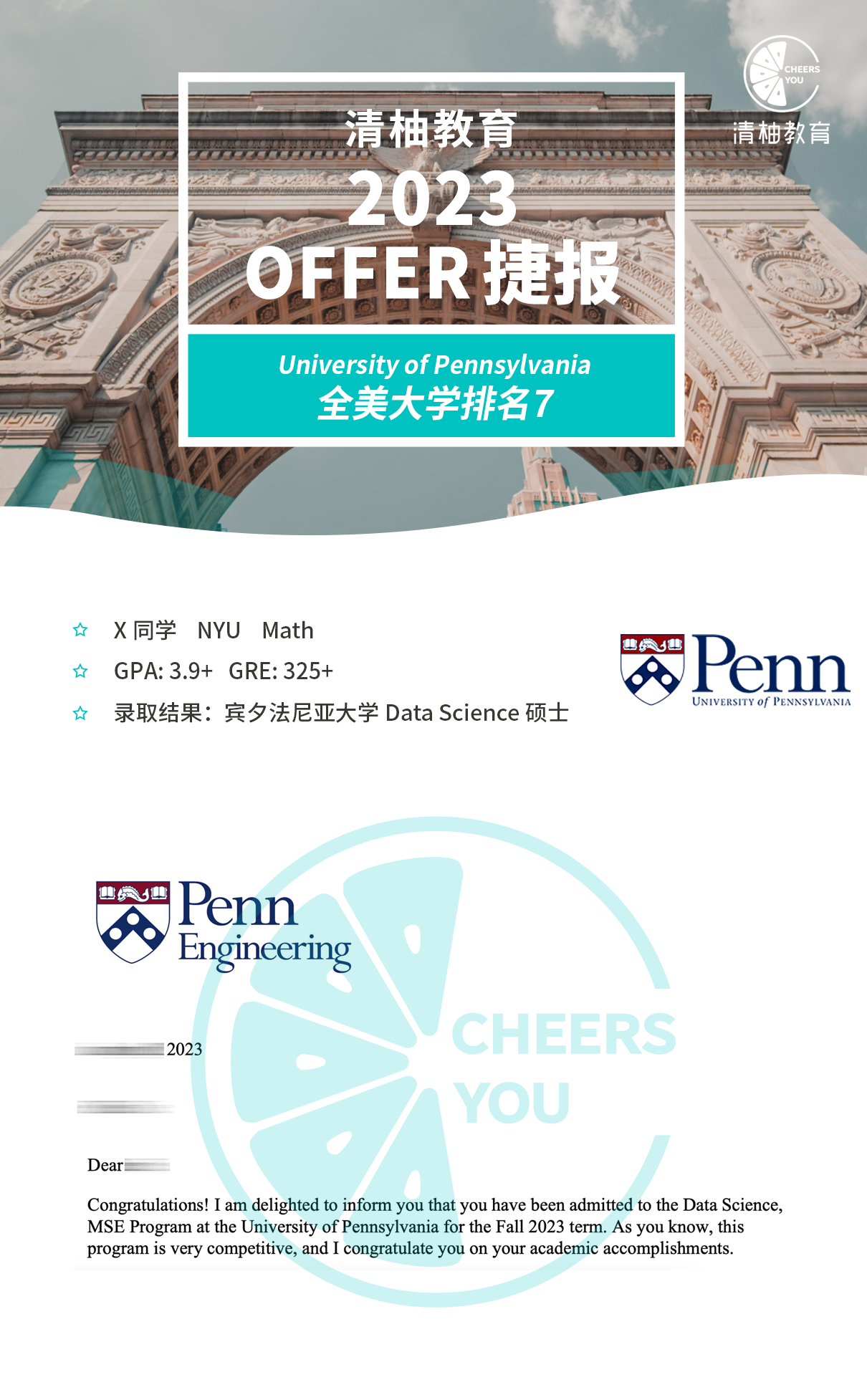
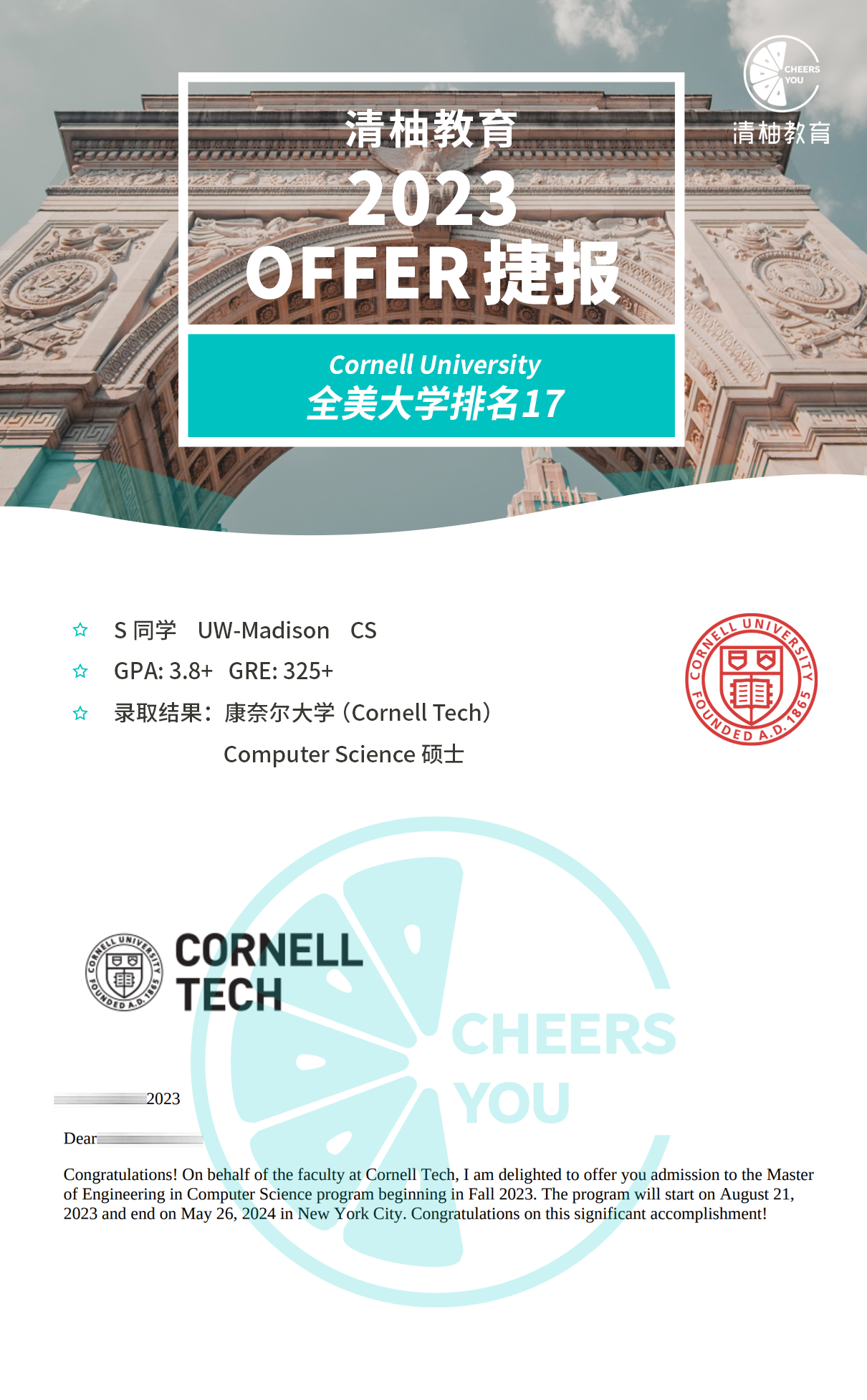
Below are some CS and DS program offers~
If you are interested in pursuing graduate studies in DS or CS, feel free to scan the QR code below and start a one-on-one study abroad consultation right away~
.png)