
The hottest term in study-abroad circles right now is undoubtedly 'career switch to coding,' and the most fiercely contested major is definitely Computer Science (CS). Close behind, Data Science (DS) is also fiercely competitive in applications. Amid this, more and more people are turning to MIS programs to achieve a 'curve into tech' and enter the computer industry. So what exactly is the MIS (Management of Information Systems) program? What is the curriculum like, what career prospects does it offer, and which high-quality U.S. MIS programs are recommended?
CS Is Too Competitive, MIS Becomes a New Route to a Tech Career
How competitive is CS application? Even if you haven't experienced it yourself, you've probably heard about it — the Open Doors Report on International Educational Exchange shows CS ranks among the top three most popular majors for Chinese students; and it also ranks in the top three for global applicants. So with CS applications so intense in recent years, many are turning to MIS as a 'curve into tech' to enter the computer industry. For those looking to switch to coding, MIS is also a priority program to consider.
MIS (Management of Information Systems) Master's Program Analysis
MIS stands for Management of Information Systems, a major that, despite its name suggesting a management focus, is actually an interdisciplinary field built on management science, combined with information science, system science, and computer science.
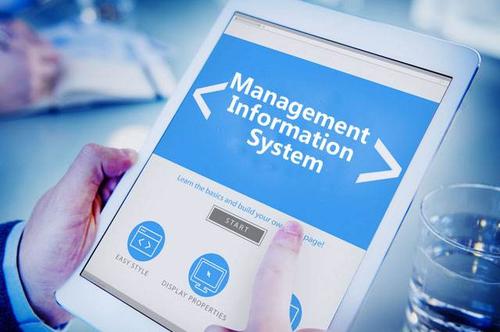
Many students have deep misconceptions about MIS, thinking it's a 'watered-down' program. In fact, most students pursue graduate studies ultimately to improve employment prospects. In 2022, the overall employment environment is saturated, to say the least, and the most sought-after candidates by HR are those with interdisciplinary skills.
News of layoffs at major domestic internet companies has been circulating. Even if you survive the immediate cuts, after 5-10 years as a pure programmer, you're still at risk of being laid off—because there will always be younger people who can work longer hours and accept lower costs. A CS-only coder is essentially in a youth-dependent career. Those who avoid being laid off often think ahead: what can you bring to the company besides coding? What other skills or value can you offer?
So if you pursue an interdisciplinary field like MIS, your career path can also branch into organizational management, such as software development, enterprise information management, and network system management. Beyond the computer industry, fields like finance, logistics/trade, and healthcare all require MIS skills, making MIS more flexible in employment. There are no 'watered-down' programs; what matters most is what you learn from the program that helps your future!
MIS Program Curriculum:
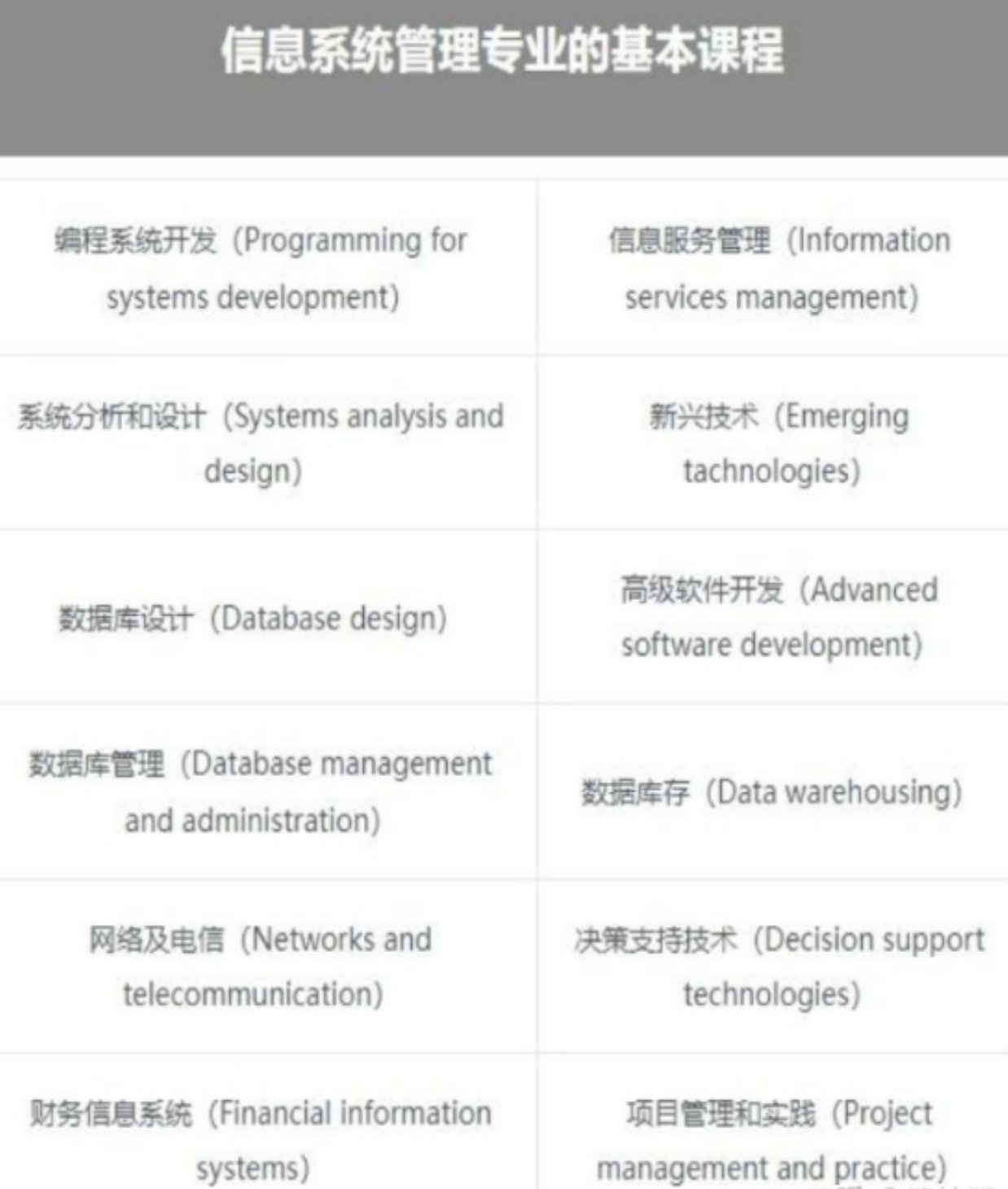
Regarding the curriculum, most MIS technical courses are related to information science, system science, and computer science. While different programs vary, foundational courses are similar, typically covering programming languages like Java, Python, R, along with fundamentals of software and hardware, as well as information system design, data processing, data analysis, and applications.
.jpg?x-oss-process=style/opt-webp)
Program Recommendations:
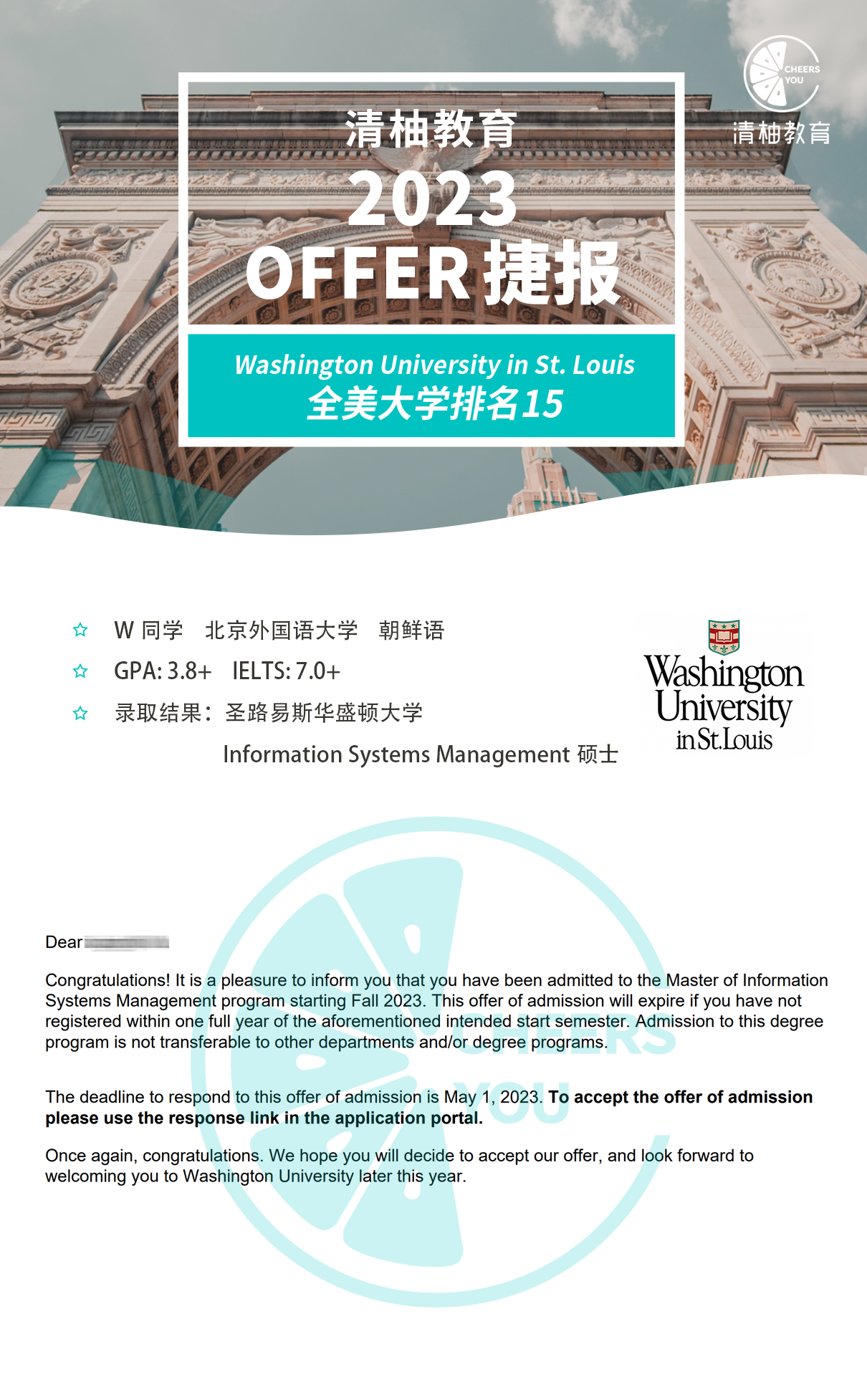
WUSTL — Master's in Information Systems Management
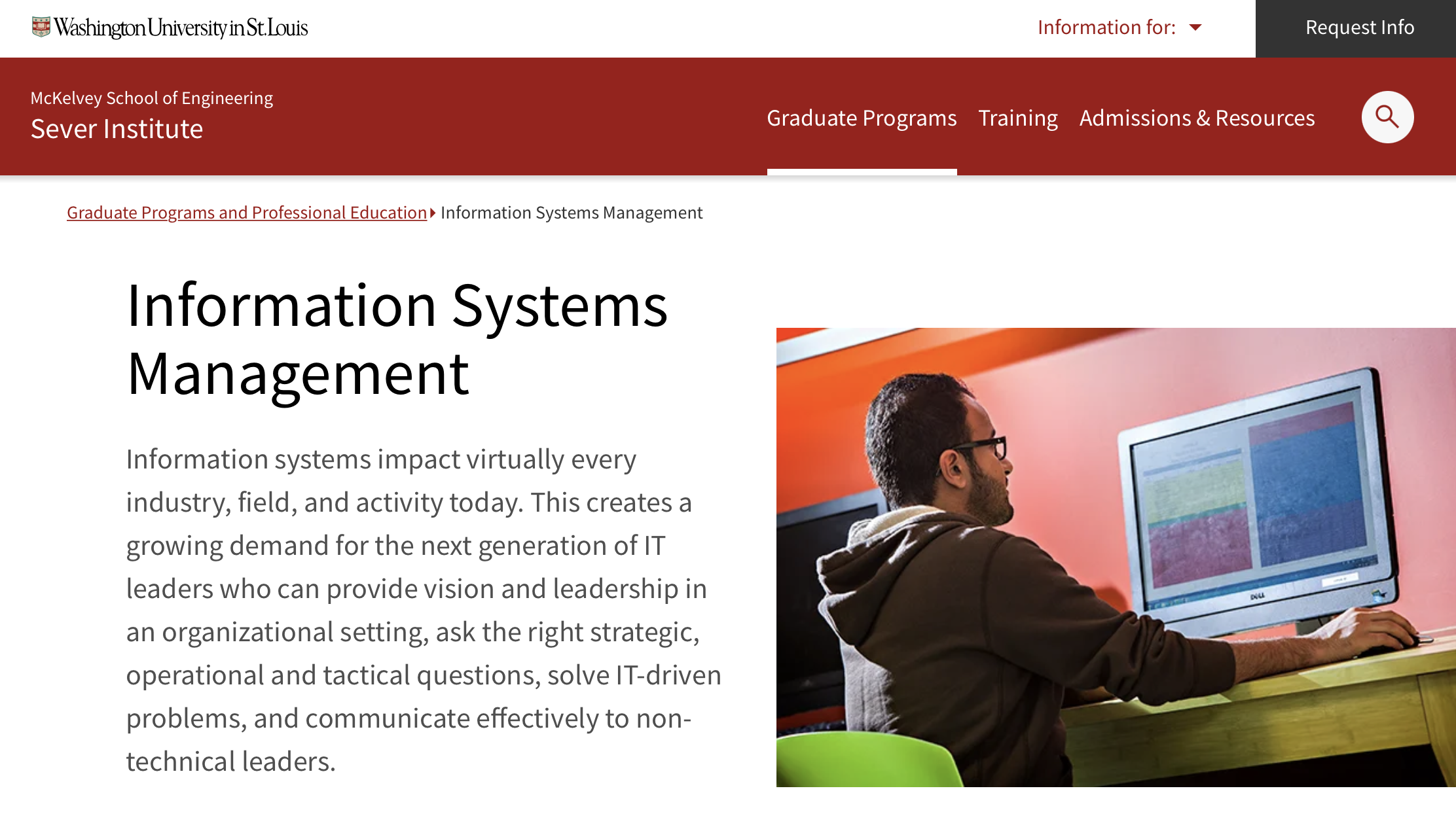
This program is under the McKelvey School of Engineering. Its curriculum is designed based on input from employers, thought leaders, and practitioners, and is taught by leading professionals across the information systems industry. Students learn the managerial and technical acumen needed to lead IT enterprises, including governance, IT architecture and infrastructure, service delivery, data management strategy, risk management, and cybersecurity fundamentals.
Course selection at WUSTL is very flexible. After completing the required courses, students are free to choose the rest. Currently, the program requires 10 courses, with 6 being mandatory and the remaining 4 chosen from specified tracks, but beyond that there are essentially no restrictions. Many students opt for CS-related courses to enhance their technical skills.
Admission Requirements:
GPA: 3.5+
GRE: 320+
Language proficiency: TOEFL 100+ / IELTS 7+
Work experience: Relevant work/internship experience is recommended.
Undergraduate background: Most programs do not have strict requirements for applicants' undergraduate majors. However, those with backgrounds in statistics, mathematics, or computer science may find graduate studies easier.
MIS Career Paths:
MIS career prospects are very broad. The vast majority of graduates find employment as:
Programmer (Software Engineer/Developer), Data Analyst;
Business Analyst, Technical Consultant;
Project/Program/Product Manager; all IT-related roles.
A small minority eventually work in other fields, such as Financial Consultant, Marketing, Sales, etc.
Tech giants like Google, Facebook, Apple, Oracle, Microsoft, Amazon; financial firms like Goldman Sachs, J.P. Morgan, Morgan Stanley; consulting firms like McKinsey & Company, the Big Four accounting firms, and other Fortune 500 companies are all potential employers.
Below are some offers from top MIS programs~
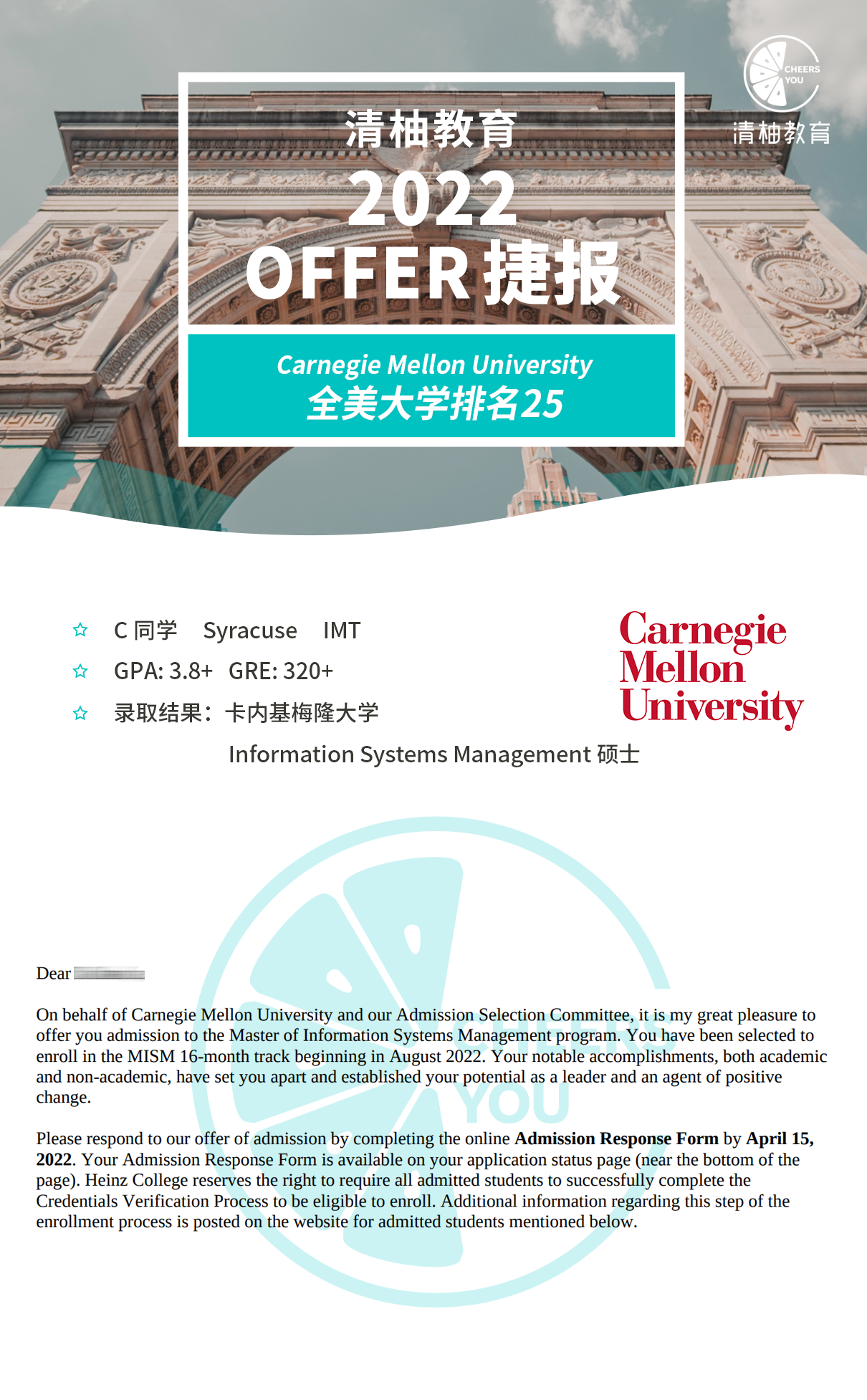
If you're interested in pursuing MIS studies abroad, scan the QR code below to start a one-on-one consultation~
.jpg?x-oss-process=style/opt-webp)