
Statistics is a very popular traditional major for study abroad applications. So, how is the career development for a U.S. Statistics Master's? What are the branches of statistics, and how do their career prospects differ?
Employment Directions for U.S. Statistics Master's
For graduates in Statistics, saying they have trouble finding a job is a humblebrag. In addition to statistics itself, statistics is also the precursor to emerging fields like Business Analytics, Biostatistics, and Data Science. I will then analyze the employment for these three areas: Statistics, Business Analytics, and Data Science.
Career Development Analysis for Statistics Majors
According to employment statistics from the UC Berkeley Statistics program, graduates successfully secured positions at top companies such as Amazon, Google, Citibank, JP Morgan, Microsoft, Deloitte, and Uber, working as data/quantitative/product analysts, etc.
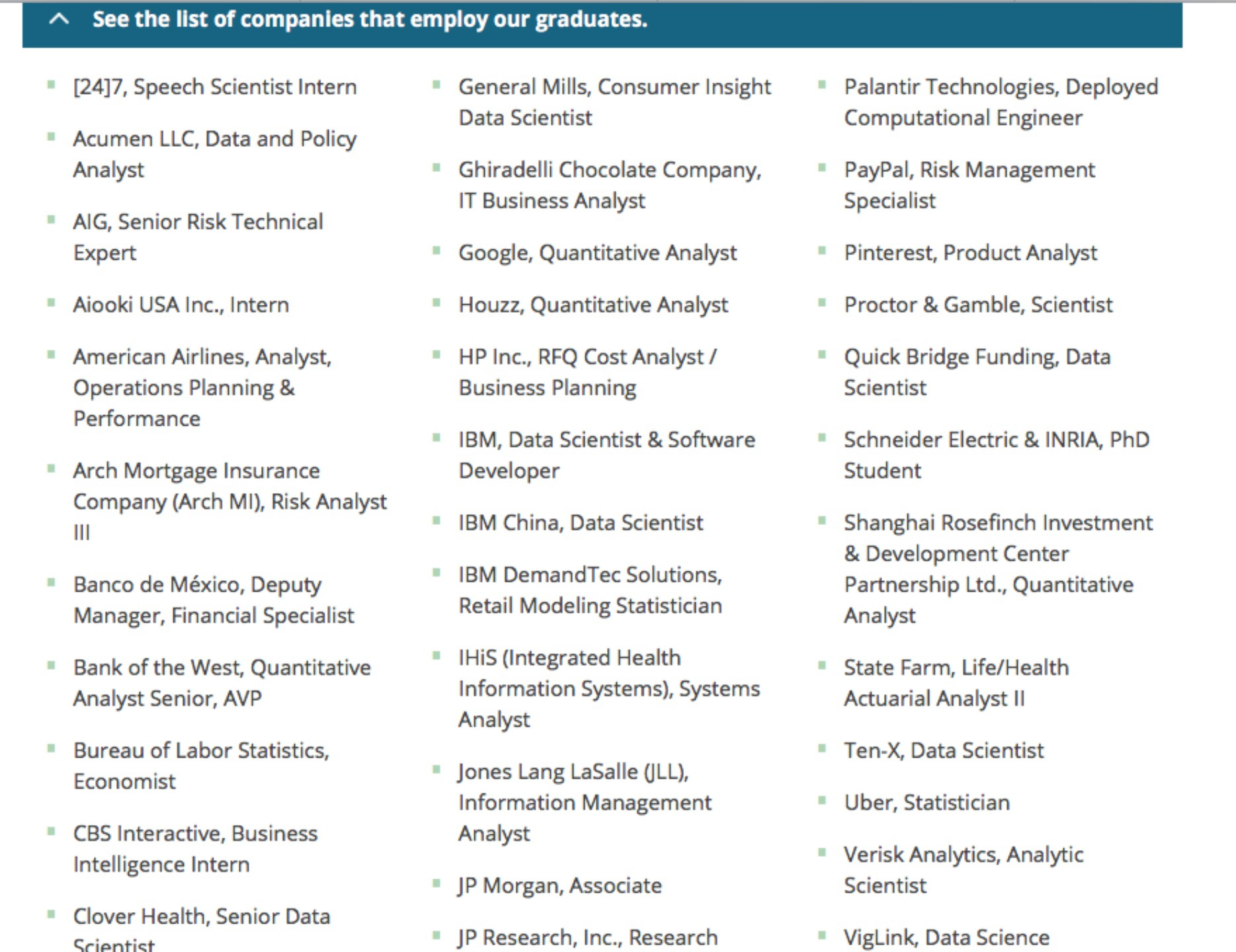
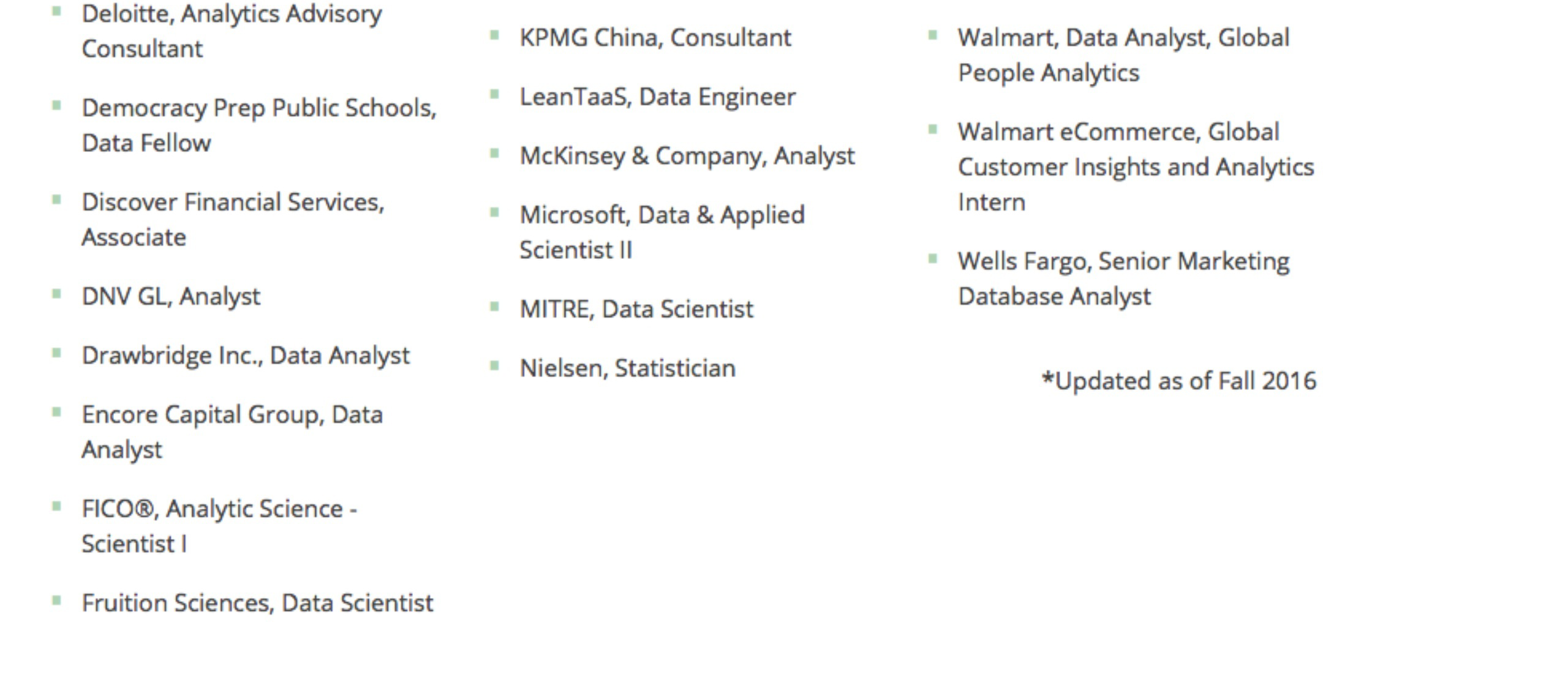
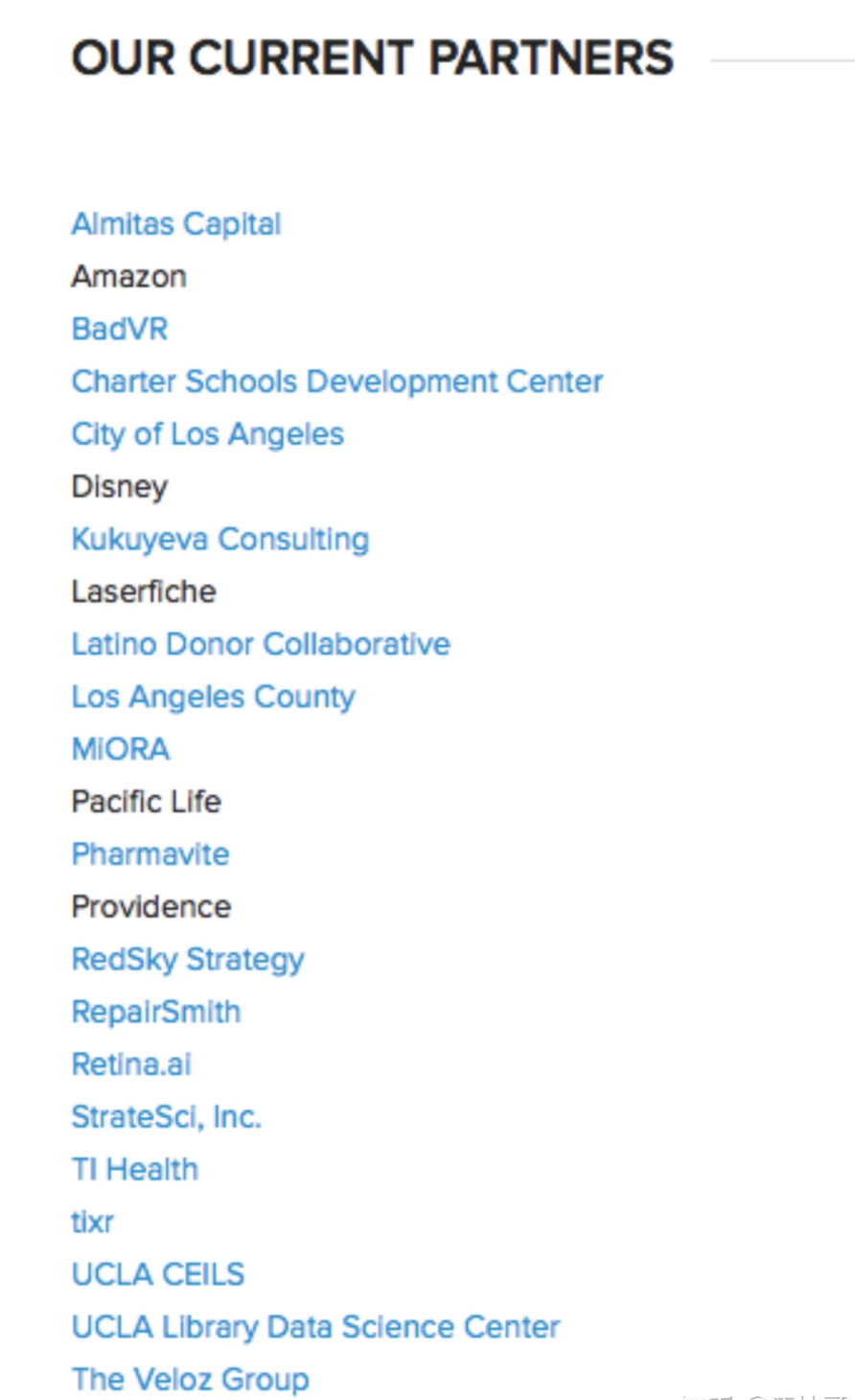
Based on the internship corporate partnerships for UCLA's Statistics program, these companies are mostly very influential locally or across the entire industry. Therefore, it is recommended to aim for a good school where employment resources will not be lacking.
.jpg?x-oss-process=style/opt-webp)
Statistics Subfields: Employment Analysis for Data Science (DS) and Business Analytics (BA)
To meet market and corporate demands, majors in Data Science and Business Analytics have been established one after another. Both are related to statistics, but the proportion of statistics in each varies.
· The Main Prototype of DS: Computer Science
Data Science = 30% Statistics + 50% Computer Science + 20% Application
Big Data DS evolved from computer science and statistics. Its theoretical foundation includes engineering, computer engineering, and computer science. The professional knowledge involved in DS also includes machine learning, cloud computing, optimization, etc.
· The Main Prototype of BA: Applied Statistics
BA= 40% Statistics +30% Computer Science + 30% Business
BA evolved from the Applied Statistics branch under the MS in Statistics, with statistics as its theoretical basis, also incorporating the use of data mining and regression models.
Data scientists are mostly under the IT department. This position is relatively more technical, with main tasks including building predictive models, i.e., machine learning, using existing data to predict unknown data, and automatically providing decision support to business units. This is a core skill of a data scientist.
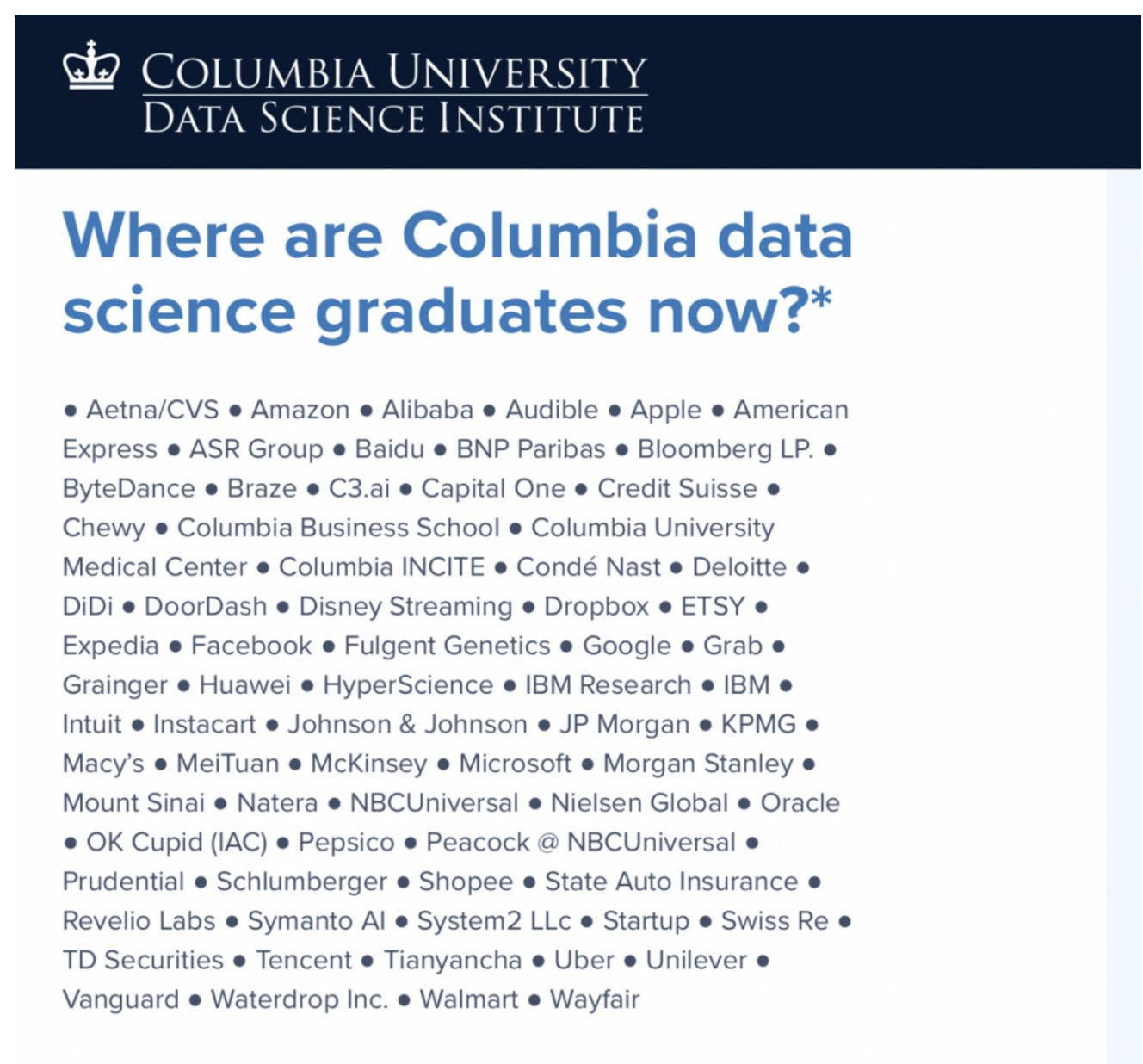
Regarding employment, let's take the career outcomes of Columbia University's DS graduates as an example. They cover a wide range from large tech companies to various technology/manufacturing firms and even to securities firms, investment banks, and the banking industry.
Business Analyst, as the name suggests, acts as a bridge between product and business, generally serving product managers and senior leaders. The data handled is directly related to the business, such as company revenue and profits, and the main work involves producing regular reports to analyze quarterly data to support market decisions.
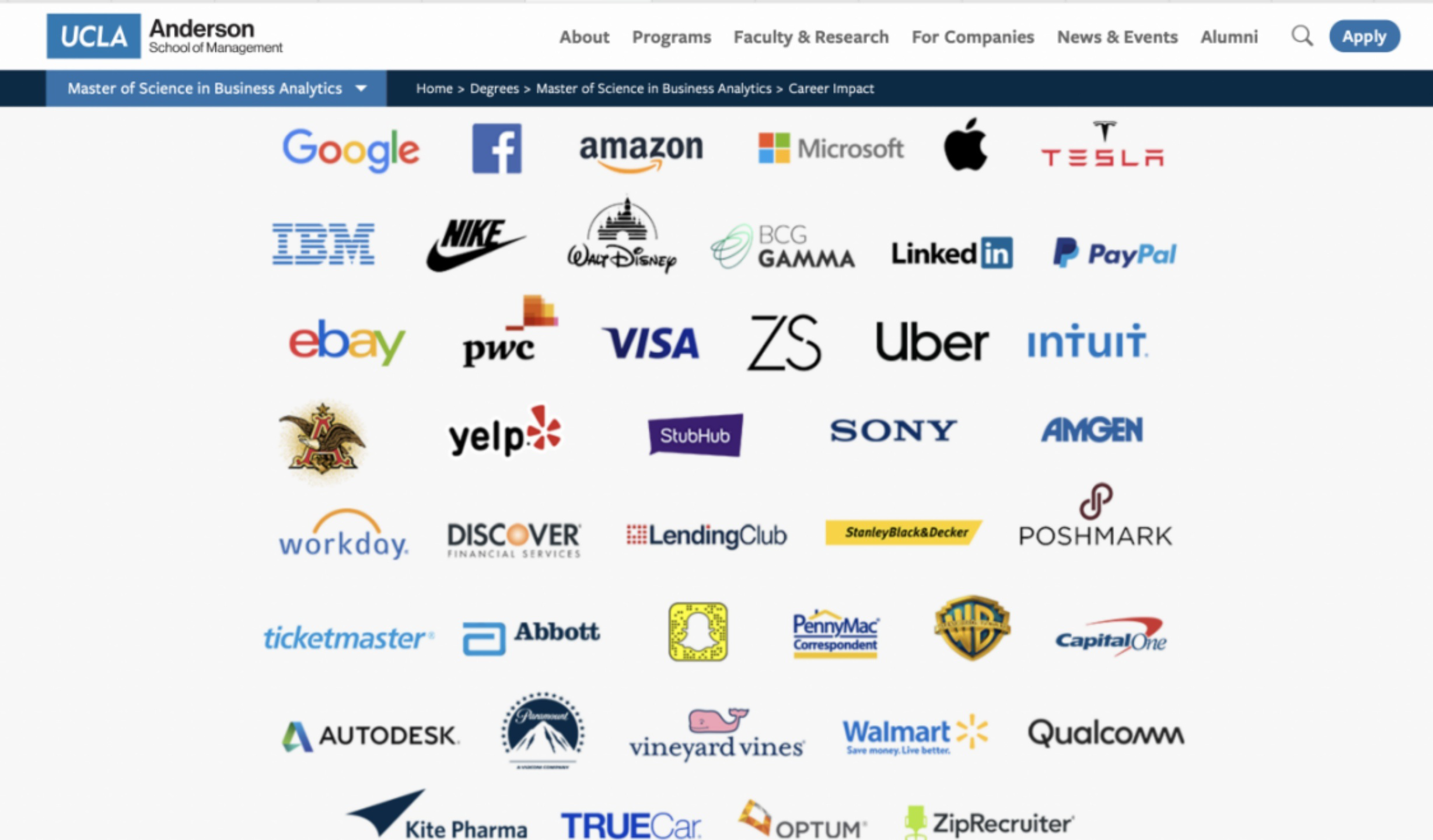
For career paths, you can refer to UCLA's BA program, which covers industries across the U.S. such as fast-moving consumer goods, internet, manufacturing, finance, entertainment, automotive, etc.
In recent years, study abroad applications have become increasingly competitive. Whether it's statistics, business analytics, or data analysis programs, they are all popular choices for international students. If you are planning to apply, be sure to prepare early!
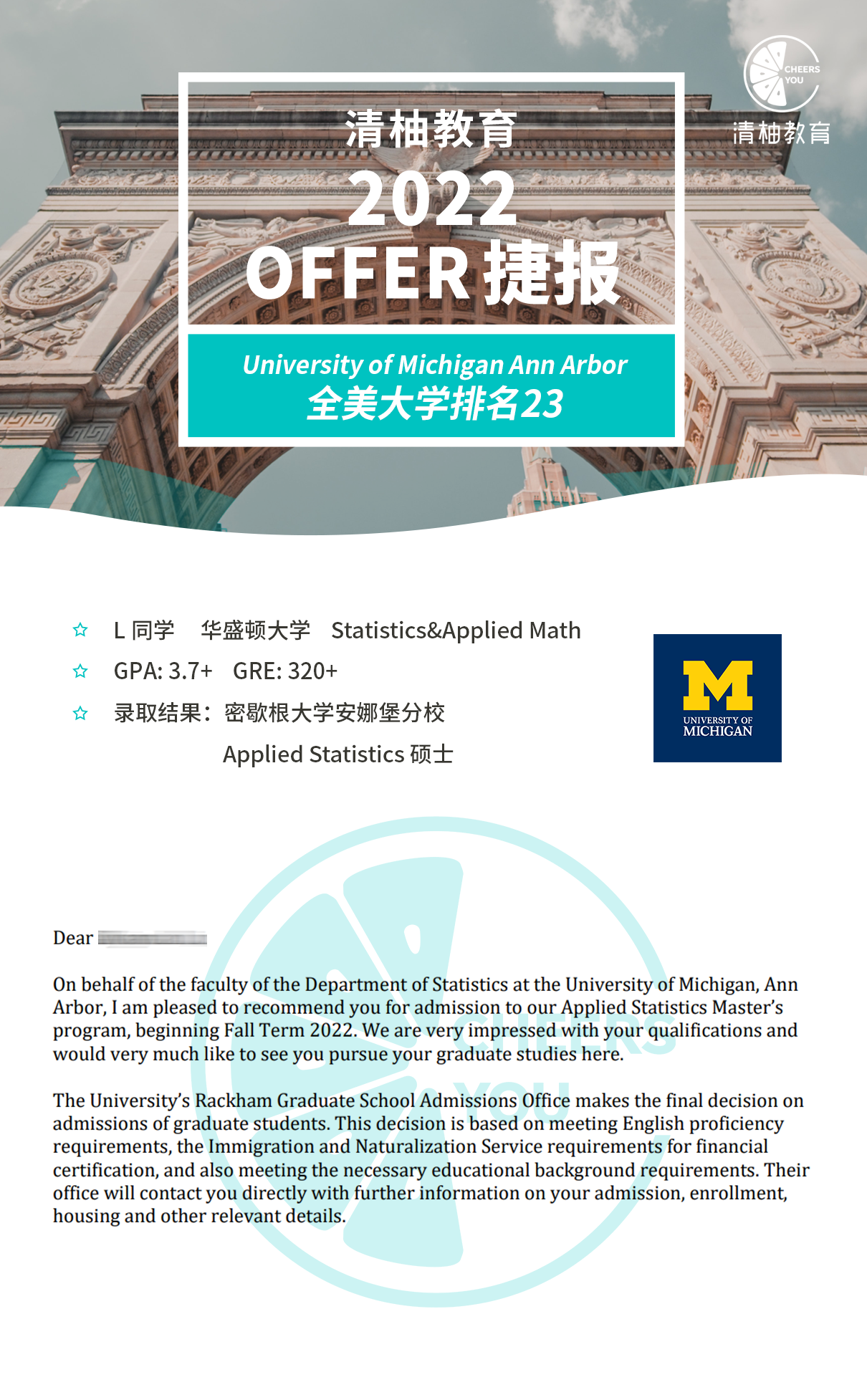
Below are offers from top U.S. universities for Statistics:
If you are interested in studying Statistics at the graduate level, feel free to scan the QR code below to start a one-on-one consultation~
.jpg?x-oss-process=style/opt-webp)