The Financial Engineering program at USC is housed under the top 10 Viterbi School of Engineering and spans three schools—what exactly does this program entail? What courses are offered? What are the career development prospects? And what are the application requirements? Let’s dive in below~
University of Southern California (USC) Overview
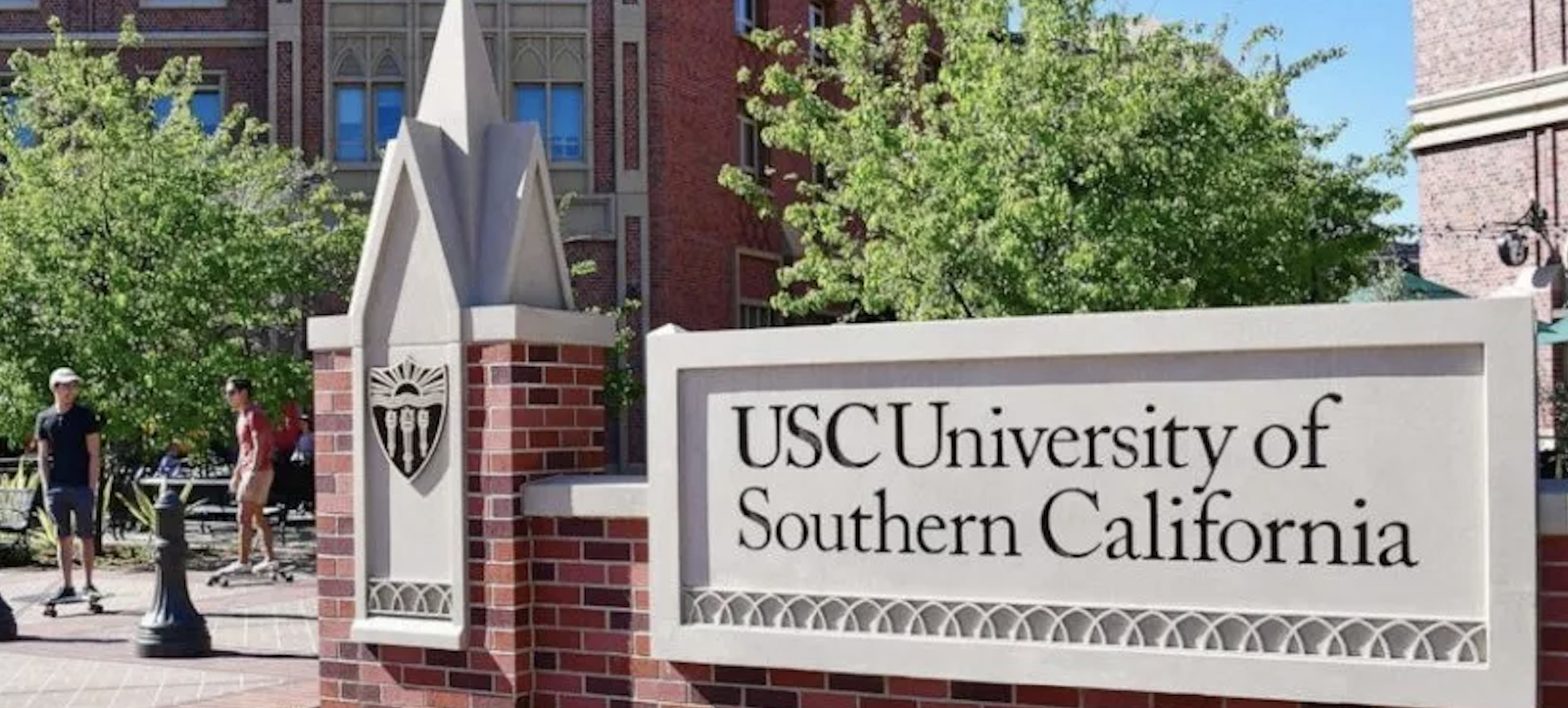
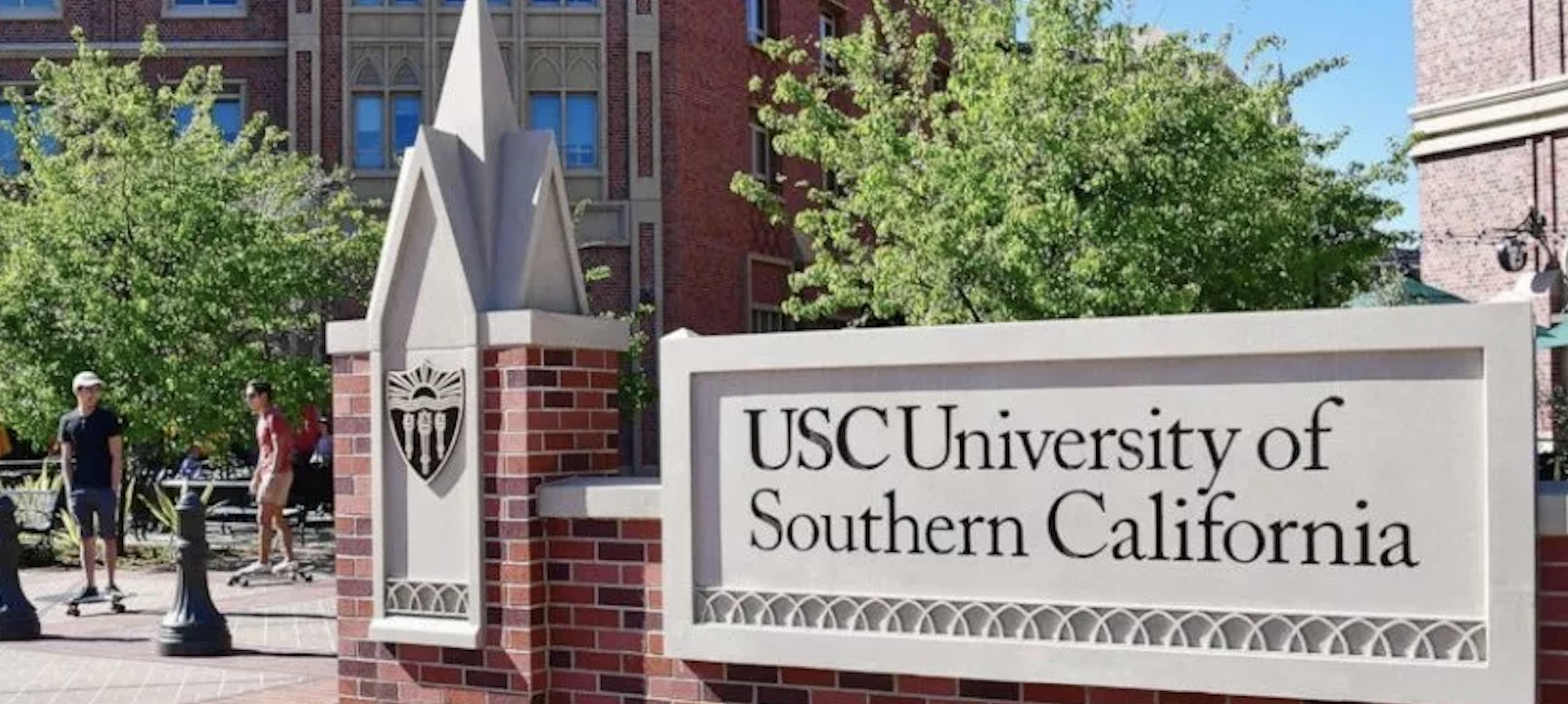
The University of Southern California (USC) is a private research university located in Los Angeles, California. Founded in 1880 by the Methodist Episcopal Church, it is a member of the Association of American Universities and the Association of Pacific Rim Universities. USC counts 10 Nobel laureates among its faculty and alumni, and its alumni have won more Academy Awards than any other university in the U.S. In the latest 2023 U.S. News rankings, USC ranked 25th in National Universities and 22nd in the QS U.S. University Rankings, and has cultivated numerous leaders in aerospace and technology.
Master of Science in Financial Engineering
USC Financial Engineering Program Overview
USC’s Financial Engineering program is one of the most interdisciplinary and sought-after programs. It aims to prepare graduate students with engineering, applied mathematics, or physics backgrounds to apply mathematical and engineering tools to finance. This multidisciplinary education program spans the schools of Engineering, Business, and Letters, Arts and Sciences.
The program focuses on using tools from financial economics, engineering, applied mathematics, and statistics to address problems such as derivative security valuation, strategic planning, dynamic investment strategies, and risk management.
Graduates with these skills are sought after by venture capital and commercial banks, and future career paths include trading firms, hedge funds, insurance companies, corporate risk management, and regulatory agencies.
Advantages of USC’s MS in Financial Engineering:
The USC MS in Financial Engineering is based in the top-10 Viterbi School of Engineering, takes 1.5 years to complete, and is career-oriented. The school provides robust career services and a supportive atmosphere. While specific employment statistics are not published, USC and Viterbi offer ample resources—nearly every day during the first half of the fall semester brings company info sessions and workshops. Major companies attend the career fair.
Who Should Consider USC’s MSFE?
• Students looking to build interdisciplinary knowledge through a year and a half of study
• Those with some undergraduate background in finance or STEM fields
• Students aiming to obtain an OPT STEM extension
• Those interested in careers that combine finance with quantitative data
Careers and Development for USC MSFE Graduates
Financial Engineering is a composite field combining economics, engineering, applied mathematics, and statistics. This highly applied nature helps graduates thrive in various industries.
Specific career paths include financial analyst (economics), software developer (programming), data scientist (applied mathematics), trader (finance), and senior quantitative analyst (statistics), among others.
Alumni from previous classes have pursued opportunities in countries like China, the United States, and Singapore.
Application Timeline and Requirements for USC MSFE
Application Deadlines:
Fall 2022 Admission: Deadline January 15
Scholarship Consideration Deadline: December 15, 2021
Application Requirements:
Online application form, résumé/CV, personal statement, transcripts from all attended institutions, recommendation letters (optional), valid TOEFL or IELTS scores for international students (minimum 6.5), and any supplementary materials.
For more program details, visit the USC website:
https://viterbigradadmission.usc.edu/programs/masters/msprograms/ms-fina...
Below, we present a sample offer for the USC Master of Science in Financial Engineering program~

If you are interested in applying for USC’s MSFE or other graduate programs, scan the QR code below to start a one-on-one consultation~
.jpg?x-oss-process=style/opt-webp)