Whether during political turmoil or economic recession, education remains a sunrise industry in the job market, and education is also one of the popular majors for studying in the U.S. In recent years, the number of students going to the U.S. to study education has been on the rise. The U.S. is known not only for its unique education system that attracts students from all over the world, but also for its diverse and specialized branches in education. So, is it necessary to study education abroad for a graduate degree? What are the branches of education in the U.S.? What are the rankings and admissions preferences for U.S. education programs? And program recommendations for the Education direction!
As is well known, the U.S. has long been the ultimate destination for many students' study abroad dreams, with its higher education quality ranked first in the world. In the latest QS World University Rankings top 100, the U.S. also accounts for 26 universities. With a wide variety of education disciplines, students applying for graduate degrees can certainly choose a major different from their undergraduate studies based on their actual circumstances.
.png)
Branches in the Field of Education
As a highly applied discipline, graduate programs in education cover various areas related to education.
- For example, clinically-oriented educational psychology (mainly studying psychological issues that students face during the practical teaching process, including research on child development, etc.)
- Teaching-oriented language instruction (mainly studying the origin, development, and application of languages, such as Applied Linguistics, TESOL, Language and Literacy)
- Public policy-oriented education policy (mainly studying the impact of politics, economy, religion, language, geographical environment, etc., on education policy, discovering problems in education, and identifying suitable education policies for a specific country or region)
- Technology-oriented educational technology (mainly studying how to use advanced technology to assist teaching and improve teaching quality)
- Culture-oriented educational anthropology (studying the origins of inequality in education, such as race, gender, social class, etc.)
- Management-oriented education management (mainly studying the management of schools, educational institutions, and non-profit organizations, understanding the education system, and enhancing managers' awareness and management capabilities)
There are also recently established programs that meet the demands of the times, such as international education development.
Of course, when considering studying education abroad, it can be understood from two aspects. The first is if you have already decided to study abroad and want to delve into the field of education, then from the perspective of the quality of education, the U.S. can be considered a top choice. The second is from the employment perspective; if you plan to work in the education industry in the future, you need to decide whether to develop your career in the U.S. or return to your home country.
Developing a Career in the U.S.
Generally, 80% of education graduate students end up working in preschool institutions or primary and secondary schools, which in the U.S. usually refers to K-12, from kindergarten to 12th grade. Job responsibilities include developing curriculum plans, inspiring student learning, consulting with parents on related matters, and undertaking school administrative management.
(A special note: For programs in foundational subjects, applicants must have a relevant academic background. Such programs are primarily designed to train teachers for the U.S., requiring additional coursework and passing the teaching credential exam to obtain the relevant qualification. If you only pursue a master's degree, international students have no competitive advantage in this regard.)
Students with special education backgrounds mainly work in special education institutions or other related organizations, engaging in educational practice, theoretical research, and management. Specific positions include campus psychologist, speech therapist, educational researcher, rehabilitation center consultant, etc. The special education services provided by U.S. public schools are free for families, so there is no shortage of students. If there is a shortage of local teachers, immigrants are often needed to fill the gaps, so there are many job opportunities.
In areas with rapid immigrant growth, such as Texas, California, and New York, the demand for TESOL teachers continues to rise (however, most TESOL programs award a Master of Arts in Teaching rather than a traditional Master of Education).
Apart from working in schools, many graduates also choose to work in journalism and communication institutions (publishing houses/newspapers) in planning and editing roles; students with an educational technology background may also work in media or technology companies, or educational software companies, designing/developing market-appropriate courses, etc.
Returning to China for Career Development
As the country pays more and more attention to education and with the development of the education industry, the demand for talent in the education sector is increasing day by day. Teaching is a relatively stable profession, and an increasing number of Master's graduates in education, especially returnees, also tend to choose to work in primary and secondary schools (there is not much difference among the three degrees in overseas education master's programs: Master of Arts, Master of Science, and Master of Education), so pursuing a graduate degree is one of the choices to realize the dream of becoming a teacher.
The domestic higher education system offers good pay and high social status, but with the implementation of the policy prohibiting graduates from teaching at their alma mater, the shortage of university faculty is becoming increasingly apparent. Although a doctoral degree is generally required for teaching positions, some exceptionally outstanding overseas Master's graduates in education, especially those from prestigious U.S. universities, still have opportunities to enter the university system as teachers, counselors, or teaching support staff.
With the development of various learning apps and educational websites, entering the career field that integrates education and technology requires students with an education background and some professional skills in software development or app development. Therefore, international students have innate advantages in this industry. In the curriculum of U.S. education programs, educational technology is an extremely important course that helps students strengthen their foundation in educational technology both conceptually and practically.
Furthermore, cities are now attracting high-end talent, and various public institutions have gradually launched "Top Talent" programs targeting graduates from prestigious universities. Some local education bureaus are also very keen to recruit outstanding graduates with overseas study backgrounds.
U.S. News Rankings of Graduate Education Schools
Top1 University of Pennsylvania
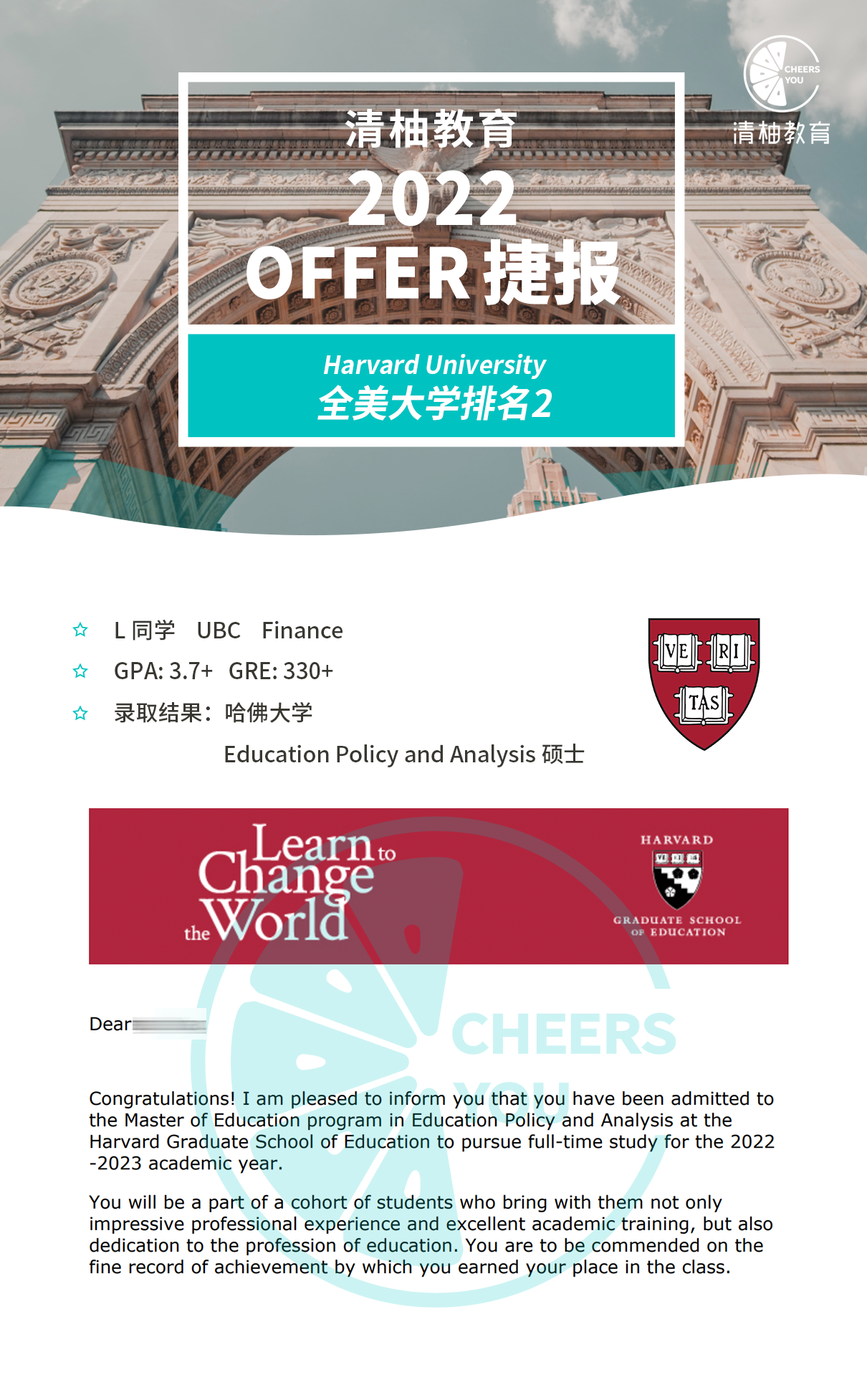
Top2 Harvard University
Top3 University of California-Los Angeles
Top4 New York University
Top5 University of Wisconsin-Madison
Top5 Vanderbilt University
Top7 Columbia University - Teachers College
Top8 University of Michigan-Ann Arbor
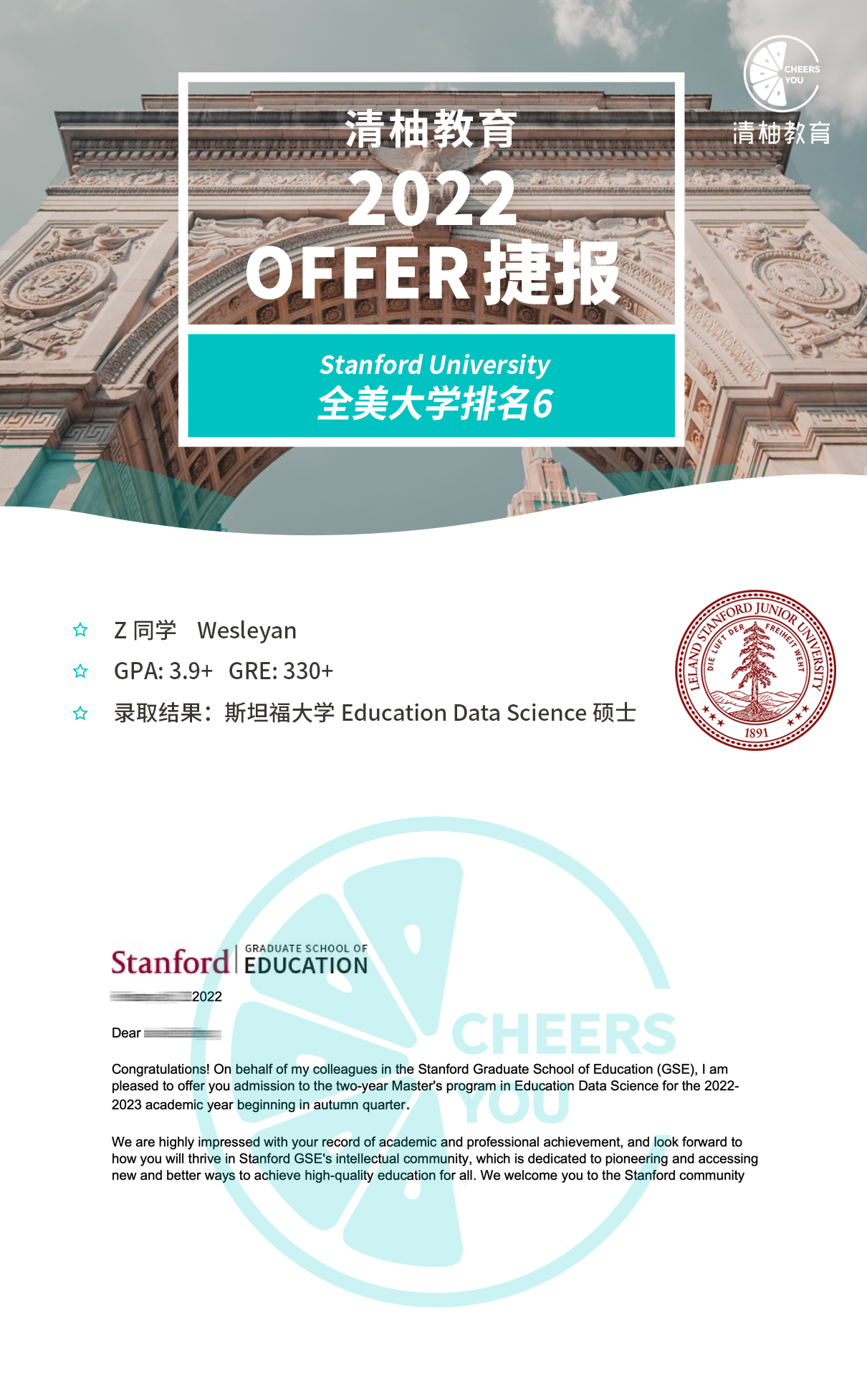
Top9 Stanford University
Top10 University of California, Irvine (UCI)
Full link: https://www.usnews.com/best-graduate-schools/top-education-schools/edu-rankings
.jpg?x-oss-process=style/opt-webp)
Admissions Preferences:
U.S. master's programs in education are diverse and vary from school to school, but relevant work/internship experience is essential;
- Applicants with a background in psychology or sociology have an advantage when applying to educational psychology programs;
- Educational linguistics programs generally recruit students with English or linguistics majors;
- For macro-level education directions such as education policy studies, applicants with backgrounds in sociology, economics, or education have an advantage;
- Educational technology does not strictly require a science background, but having one is a plus; applicants need to have knowledge of computers and networks. School management programs aim to cultivate management talents and require applicants to have management-related work experience.
U.S. graduate education programs tend to be a bit longer, generally 1.5-2 years, which, from another perspective, is more conducive to local internships and employment.
When applying, besides maintaining a high GPA, you also need to prepare for language tests (TOEFL or IELTS) and the GRE, as well as soft background experiences (activities related to your intended graduate major during undergraduate, such as internships, research, publications, etc.).
Overall, given the proper conditions, the application difficulty is not very high, making it a relatively easier choice for students without a relevant background who wish to change majors to gain admission to prestigious schools. However, some programs have limited spots and fierce competition. Therefore, do not apply blindly; conduct a thorough evaluation and highlight your strengths to maximize your chances of getting an offer from your dream school!
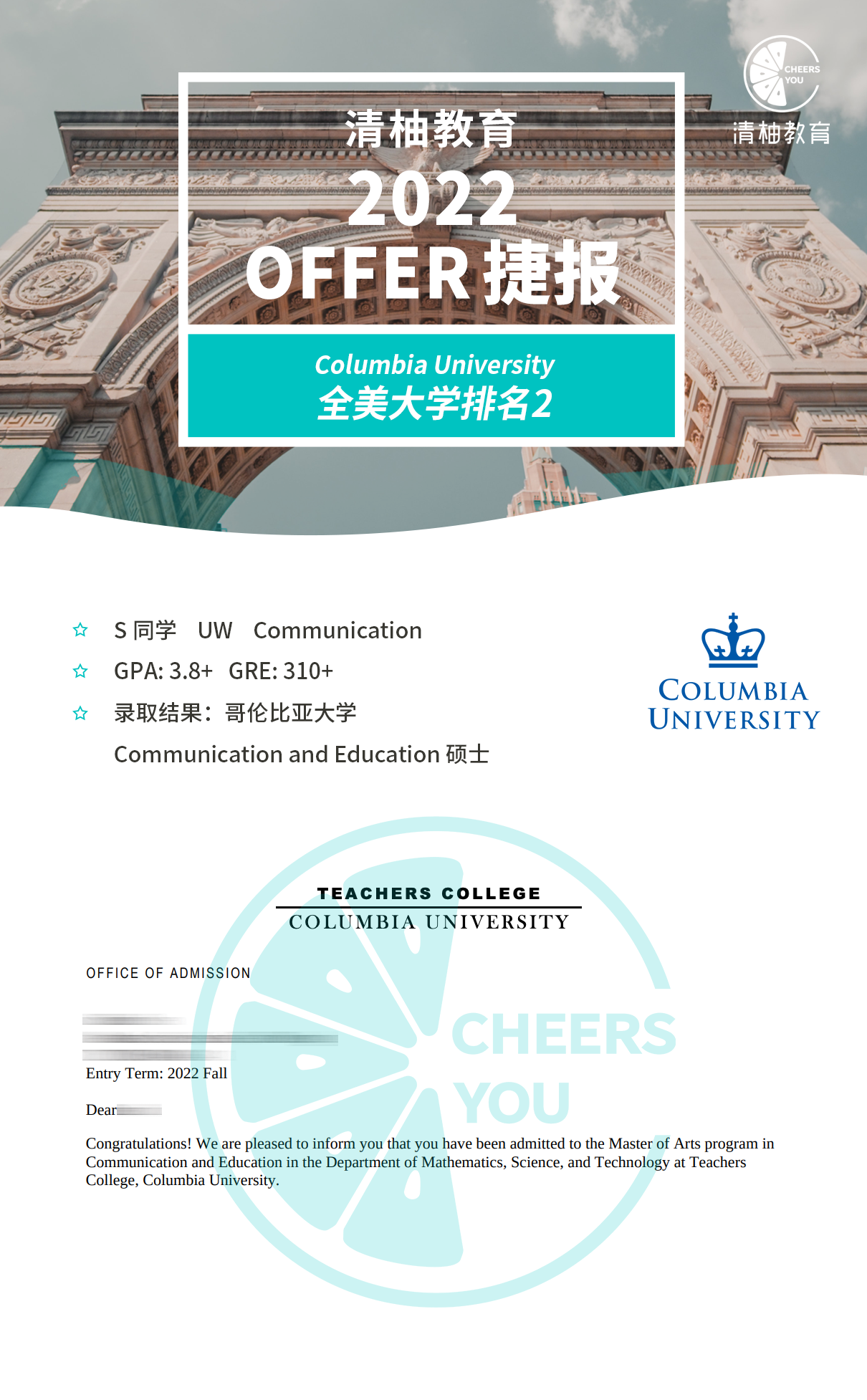
If you are interested in the Education direction, feel free to consult Anne at any time. More case studies from senior students are available to share!
.png)