
“Is an annual cost of one million RMB for studying in the U.S. normal?”
This has been a hot topic on Zhihu recently, with over 400,000 views and sparking lively discussions within the study abroad community...

The original poster shared that their older sister studied at UC Davis, taking on the family’s study abroad expenses. During her undergraduate years, the annual cost was around one million RMB, with one year reaching 1.2 million RMB. Now, wanting to pursue a master’s degree, the family can no longer afford it, prompting the question: is such spending normal?
The responses in the comments were varied. Some felt that “studying in North America is expensive, and one million RMB a year is very normal,” while others believed “this is definitely not the spending level of a typical UC Davis international student.”


While Zhihu users debate how one million RMB is spent, international students on Xiaohongshu (Little Red Book) have started a new challenge — the Monthly Living Expense Challenge.

So far, this topic has garnered over 50 million views. In this challenge, you’ll find living expenses ranging from a few hundred dollars to tens of thousands, making it feel like you can truly sense the vast disparities in the world.

· International students in Boston take on the priciest challenge of $15,000 a month...
· LA students on a fried chicken and fries diet keep it under $3,000...
· A student couple in San Jose, even cooking at home, still managed to keep per capita spending around $6,000...

Beyond that, New Yorkers are the toughest on themselves, trying to spend the least in one of the wealthiest places, redefining “poor student.” Not only do they keep living expenses at $500, but they even look for dining partners only if the per-person meal cost is under $20 — something even domestic workers wouldn’t dare to be so strict about.

For a moment, CheersYou(清柚教育) couldn’t figure out which was more absurd — one million RMB a year at UC Davis or a $20 meal in New York. So “How much does one year of studying abroad really cost?” is surely a question many parents and students are curious about.
Let’s Break Down the Study Abroad Costs!
It’s well known that the tuition for education in North America is very high. However, many prospective international families who have not yet set foot abroad may still lack a sense of whether daily living expenses like food and housing, transportation, shopping, and travel are “too much or too little.”
To help with that, some schools update their Student Budget annually to give an estimate of the cost for one academic year of undergraduate studies.
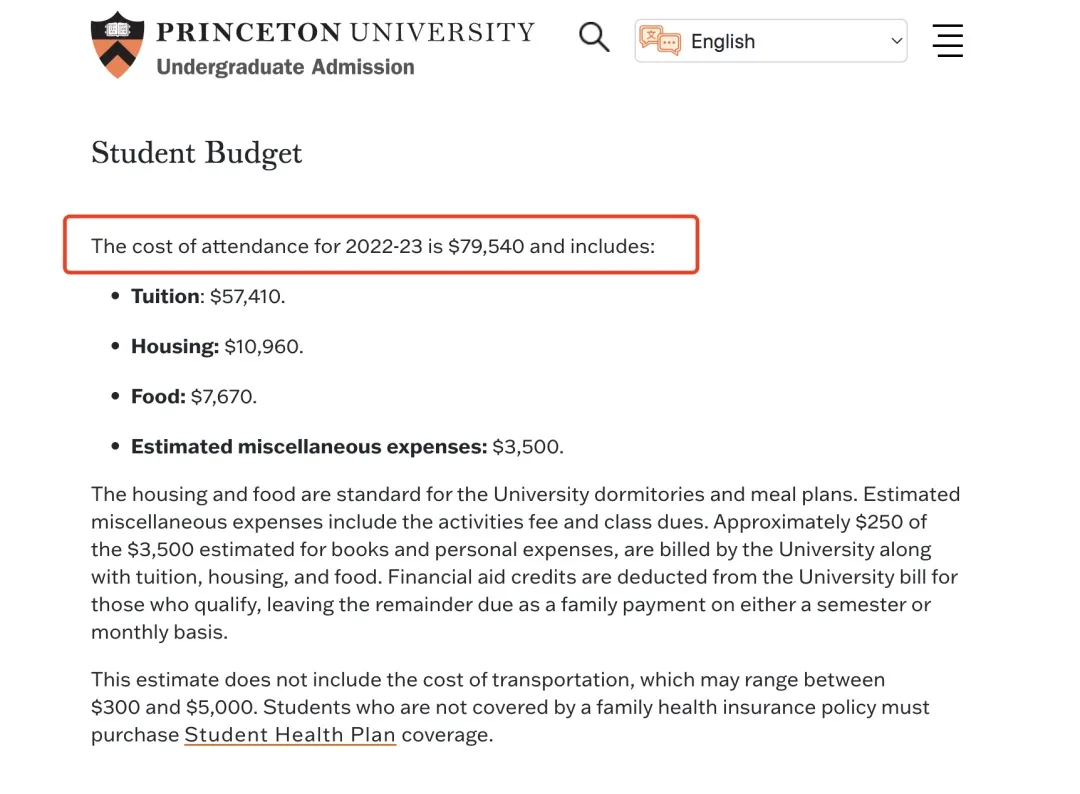
Take Princeton University in the eastern U.S. as an example. Princeton published its 2022-23 estimated budget for undergraduate students, totaling $79,540, which includes $57,410 for tuition.
Compared with UCLA on the West Coast, the difference is not huge. UCLA’s 2022-23 estimated total for undergraduate students is about $68,474, with international student tuition at $44,830.
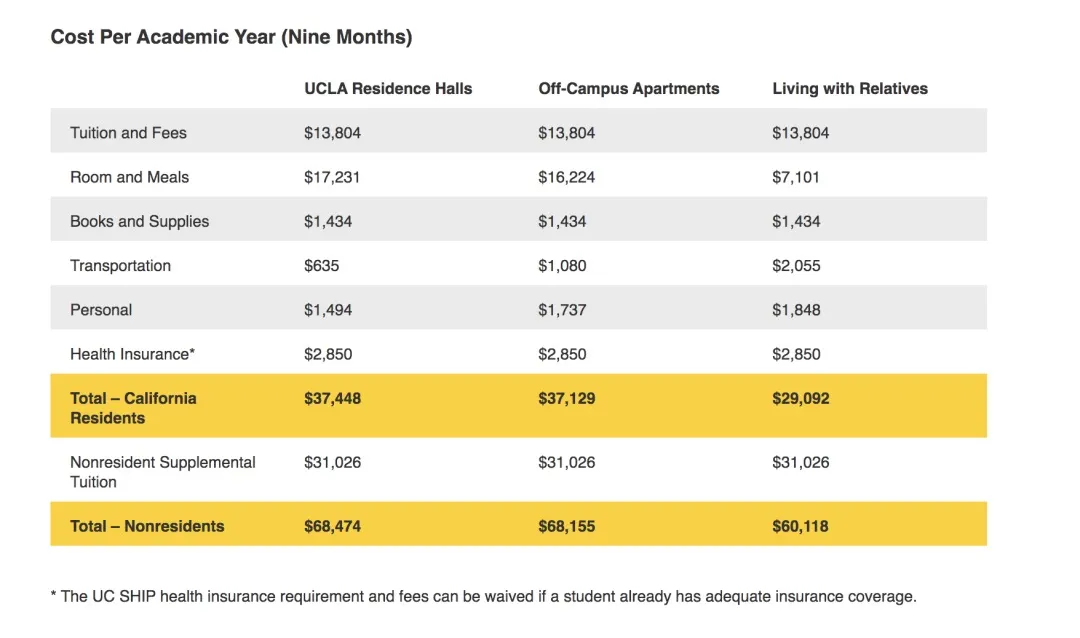
From these tables, it’s easy to see that a year’s total cost for international students includes not only tuition, but also housing, living expenses, transportation, and other costs.
Taking the U.S. as an example, CheersYou(清柚教育) helps you break down each category of study abroad expenses more specifically.
Tuition Really Keeps Going Up
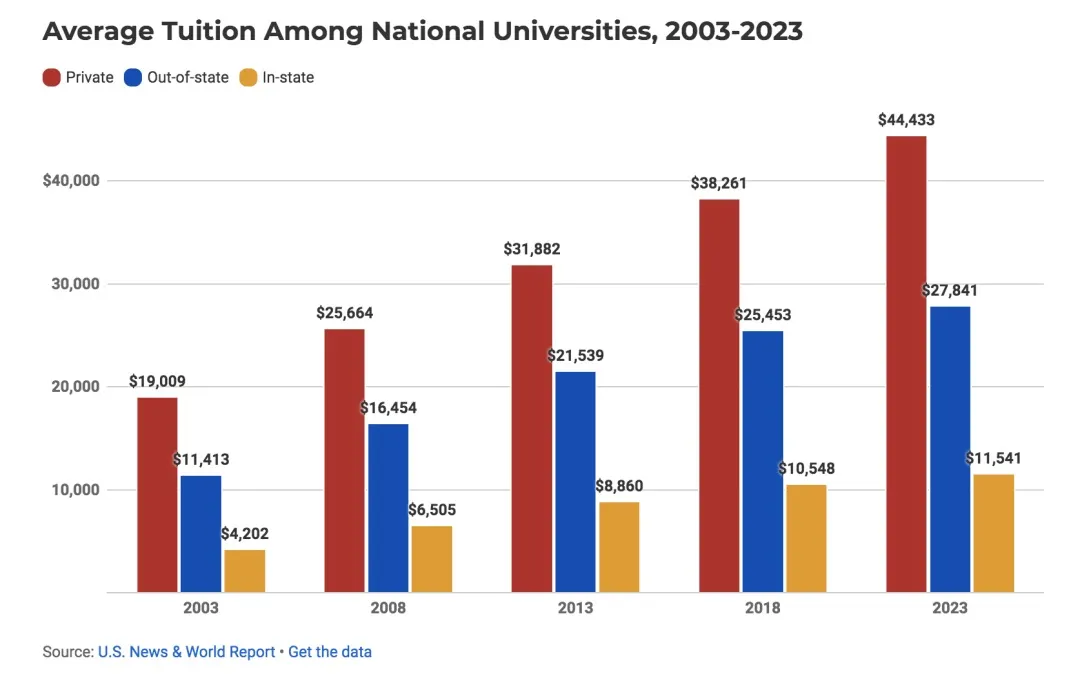
College tuition today is much higher than it was two decades ago. According to U.S. News data, tuition at highly ranked private universities has increased by 144% since 2002.
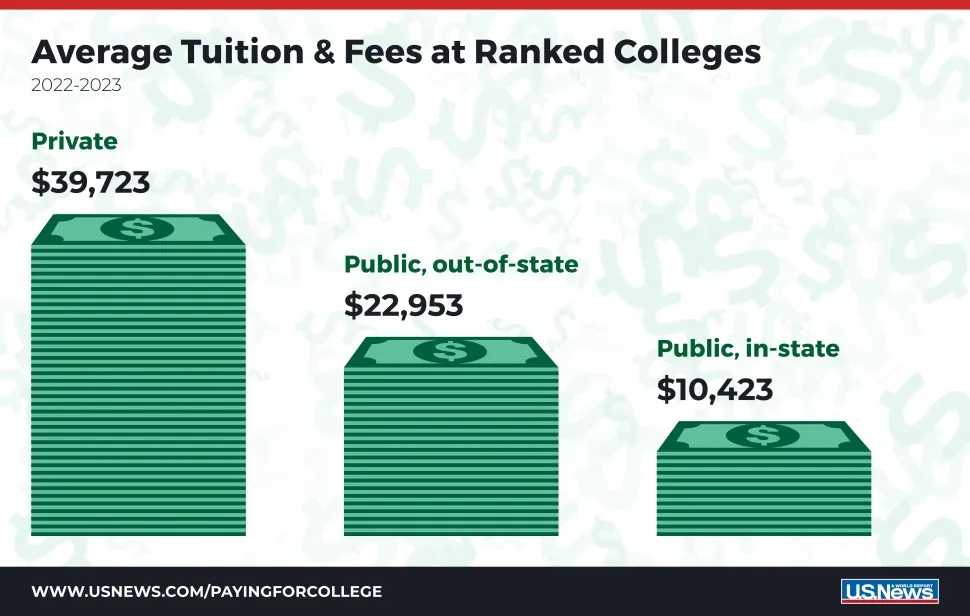
U.S. News data shows that the average in-state tuition at public universities is about 74% lower than the average sticker price at private universities, with figures of $10,423 and $39,723 respectively for 2022-2023. That same year, the average cost for out-of-state students at public universities was $22,953.
Ivy League schools in the U.S. are private universities, so their tuition tends to be relatively high.
Moreover, tuition at some universities rises every year, which adds to the frustration of international students. A Campus Reform report shows that looking at the past four academic years, 27 of the top 30 U.S. universities increased their charges for the following academic year.
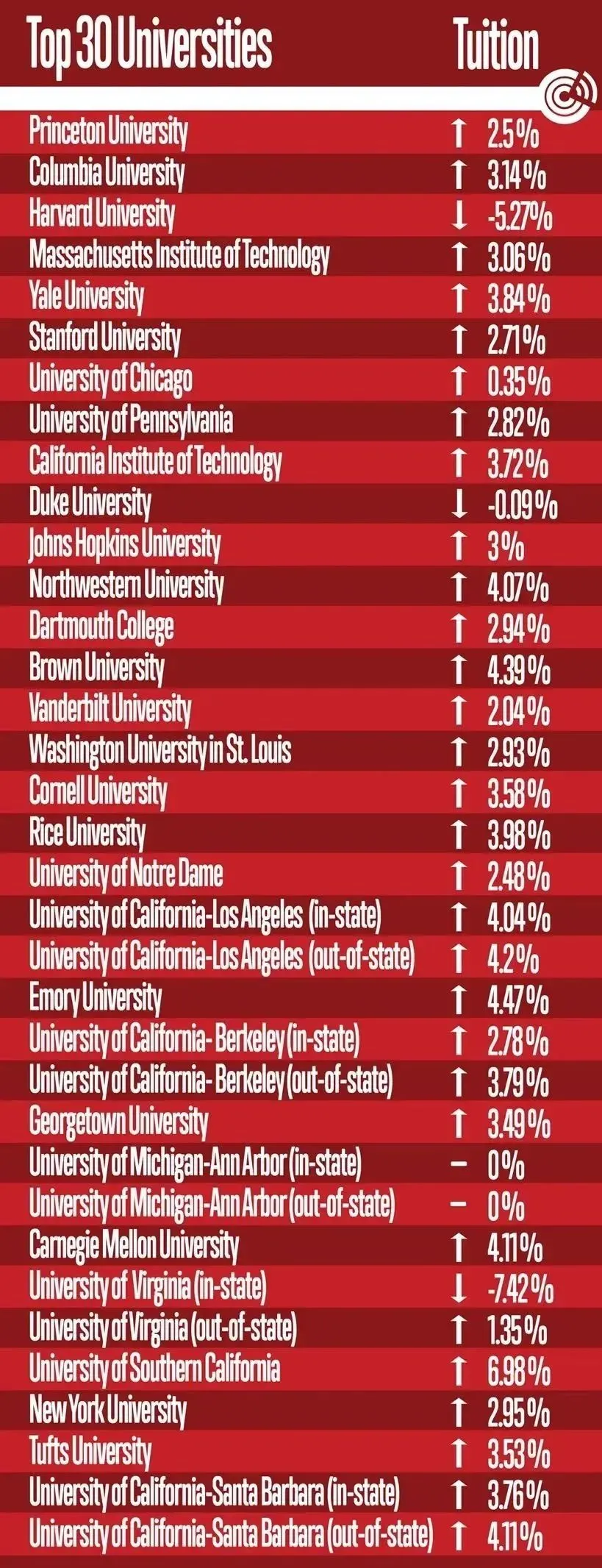
In recent years, not only in the U.S., but also at many renowned universities in Canada, the UK, and elsewhere, tuition has maintained an upward trend. The pressure on study abroad families is palpable.
Where You Live Makes a Big Difference
Different housing options lead to significant differences in accommodation costs for studying in the U.S.
▼ On-Campus Dormitory
On-campus housing costs approximately $10,000–$15,000 per year.
Some schools require students to live on campus, at least for the first year. Dormitory costs can also vary by residential college.
▼ Off-Campus Rental or Shared Housing
Rent costs typically range from $800 to $3,000 per month.
Many international students share an apartment with Chinese peers or friends. Prices vary widely depending on the condition of the rental; in larger cities, well-located and convenient (near subway) places are much pricier.
Living Expenses Fall into Levels 1-4
Besides the above, the living expenses required for international students vary significantly from state to state.
Based on the consumption level of each region and city size, U.S. living expenses are roughly divided into four levels:

➤ Level 1 Cities:
U.S. megacities such as San Francisco, New York, Philadelphia, Los Angeles, Boston, Miami, etc.
Living Expenses: $20,000/year – $25,000/year
➤ Level 2 Cities:
Large U.S. cities like Pittsburgh, Seattle, Dallas, Atlanta, Austin, Detroit, etc.
Living Expenses: $15,000/year – $20,000/year
➤ Level 3 Cities:
Cities in southern, midwestern, and southeastern states such as Texas, Wisconsin, Illinois, Michigan, Utah, Colorado, Georgia, Virginia, North Carolina, etc.
Living Expenses: $10,000/year – $15,000/year
➤ Level 4 Cities:
Cities in states like Oklahoma, Missouri, Louisiana, etc.
Living Expenses: about $10,000/year
(These cost indices are for reference only and vary by individual.)
So, when you add it all up, let’s see 🧐 “How much does one year of studying in the U.S. really cost?”
How to Save and Earn Under High Study Abroad Costs
It’s inevitable that various expenses during study abroad give many students a headache. However, there are actually many “earn and save” tips that are great ways to cut costs.
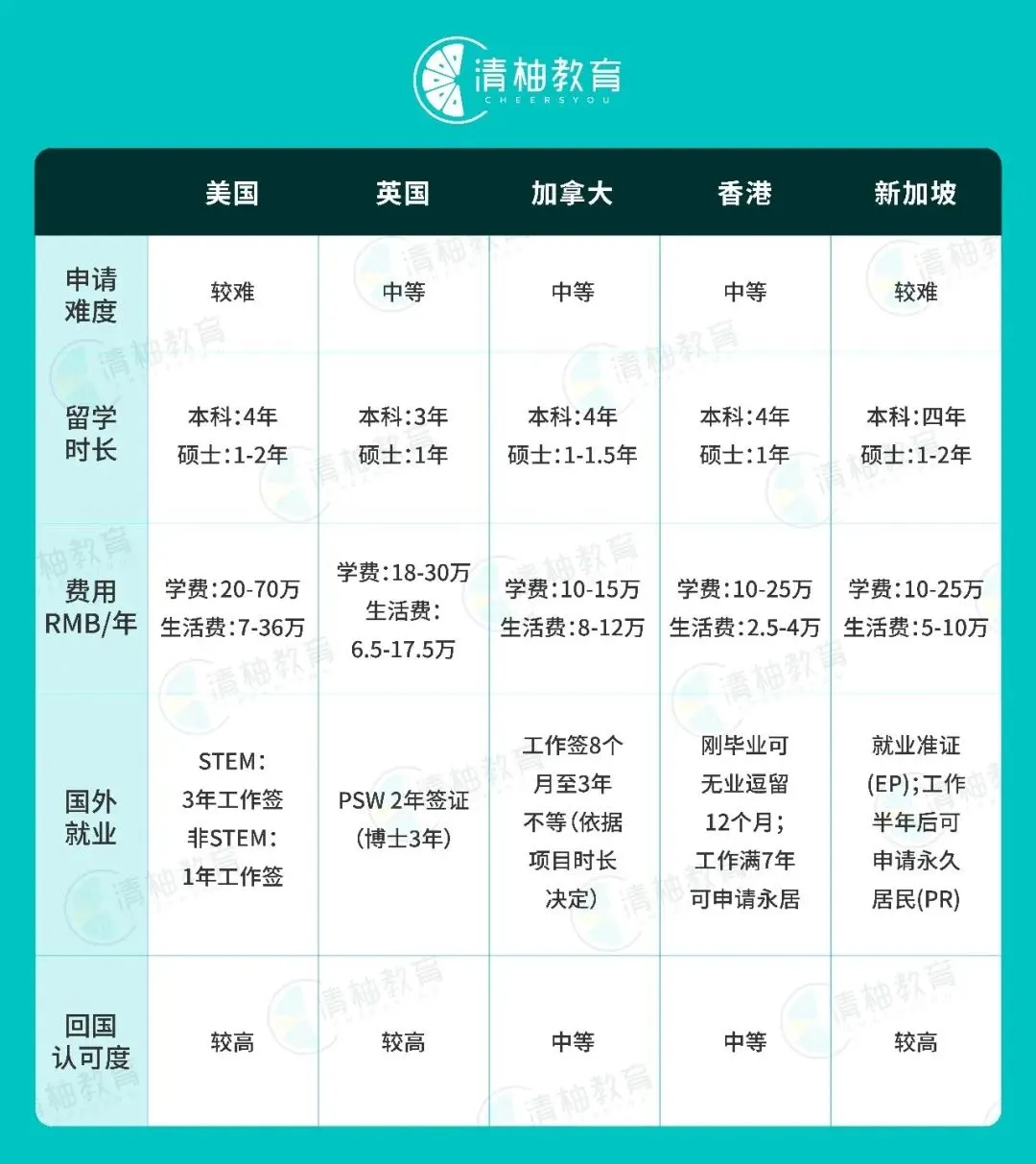
Understand Study Abroad Costs and Advantages in Different Locations
Study abroad costs are a major factor when choosing a destination. Before everything, it’s wise to combine your preferences with a thorough understanding of costs and advantages in different places to find a destination with higher cost-effectiveness. That’s also an important task in deciding where to go!
Learn to Make the Most of School Resources
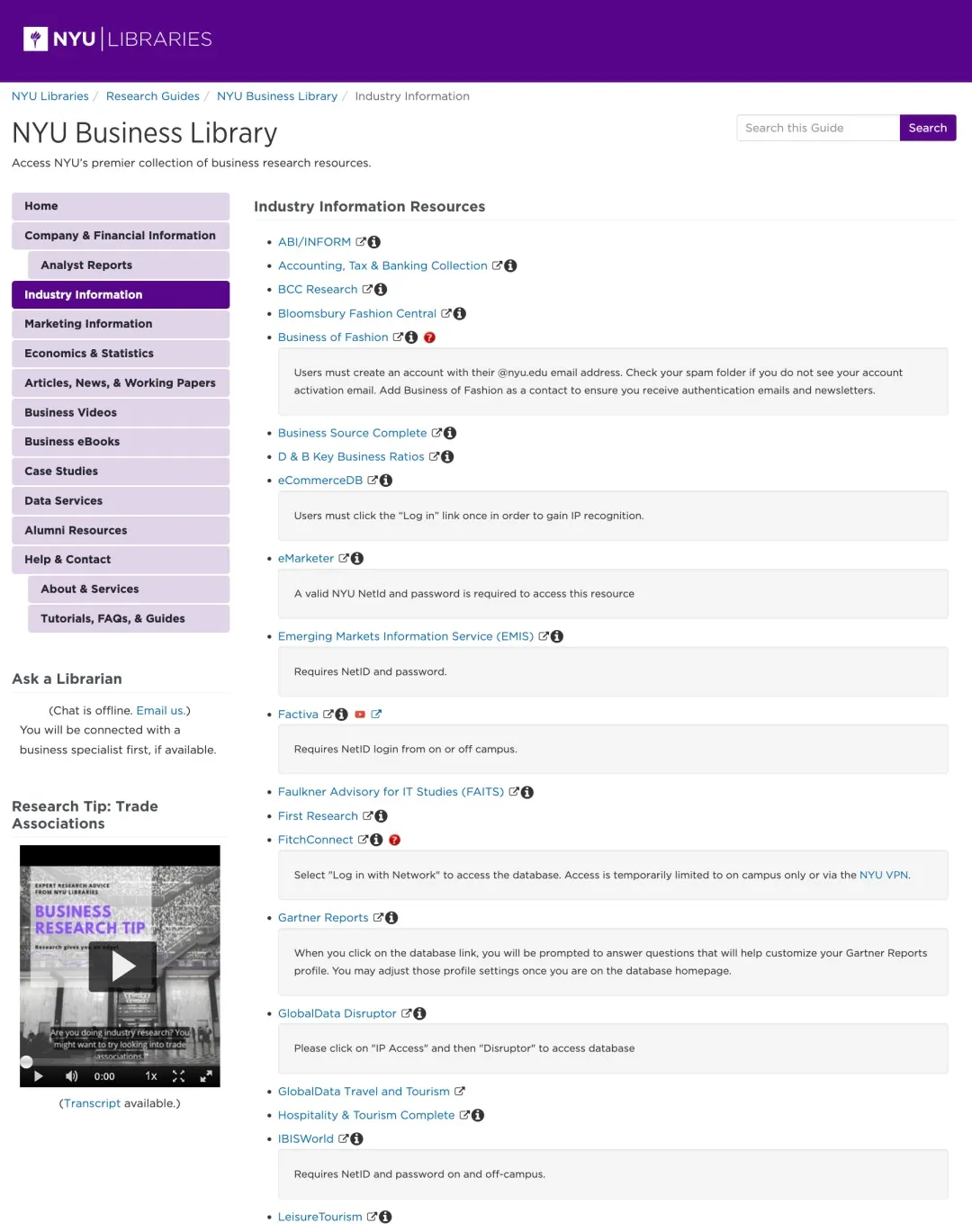
On top of your major courses, making good use of school resources is not only a money-saving trick but also a huge help in study, life, and mental health!
So the expensive tuition isn’t just for high-quality education; the rich resources on campus are also not to be missed.
Strive for Scholarships/Financial Aid
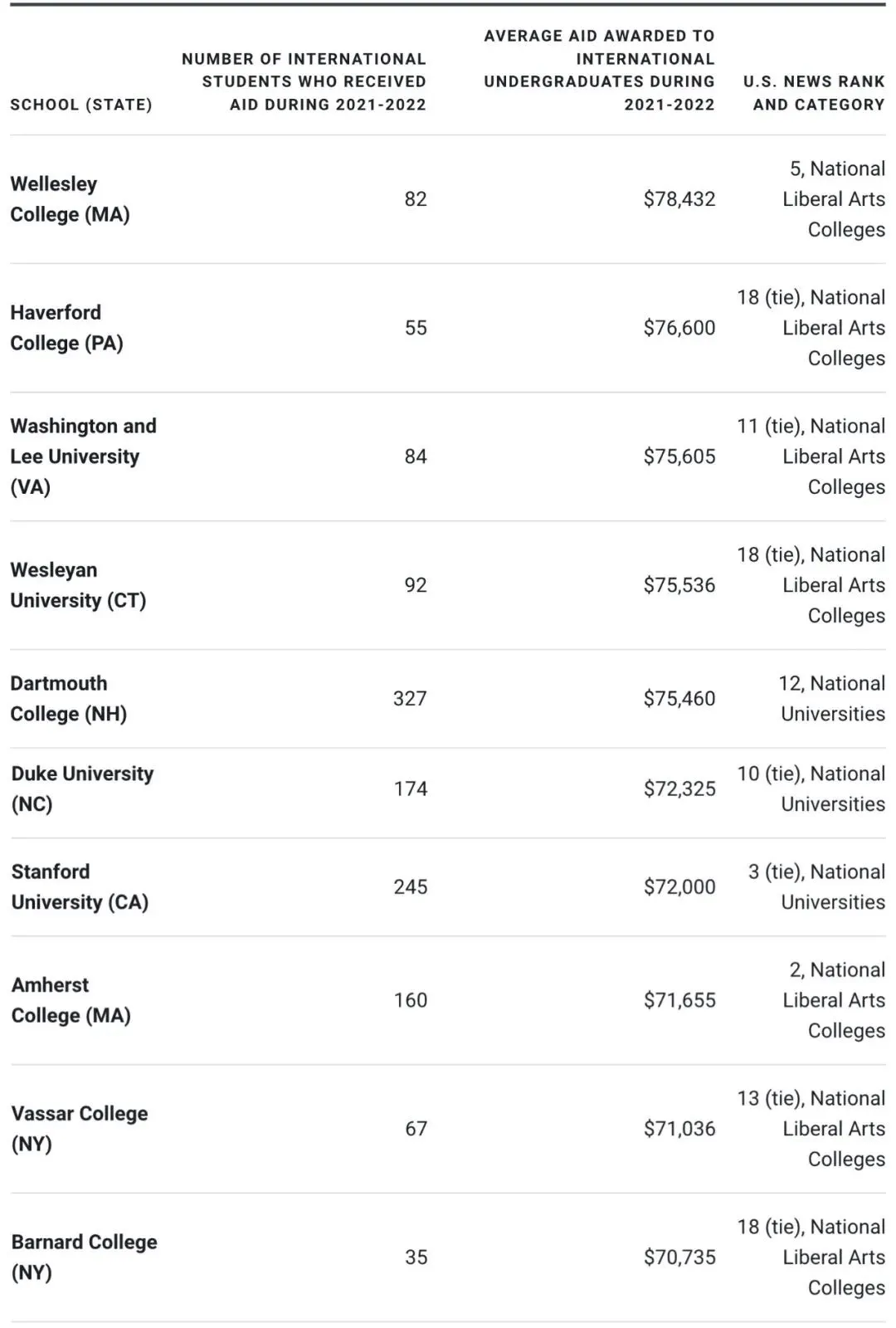
Scholarships are awarded differently at each school: some allocate them directly based on academic ranking, while others require students to apply.
Moreover, according to a U.S. News survey, these 10 U.S. schools are relatively more willing to provide financial aid to international students.
Look for Internship/RA/TA Opportunities
For these opportunities, students need to proactively search. An internship is the most recommended; not only does it pay reasonably well, but it’s also very beneficial for future job hunting.
Research assistant and teaching assistant positions help build skills and offer decent pay. Most importantly, they provide a chance to earn a professor’s recommendation letter, which significantly helps with future graduate school applications.
Don’t Let Money Define Your Study Abroad Experience
As study abroad becomes more market-driven and utilitarian, voices are growing: “Five years in the U.S., over a million spent, monthly salary 4,500 RMB,” “MIT genius a NEET, a prestigious degree is useless”... implying that studying abroad is a low-return choice.
Amidst this, some still firmly believe that studying abroad broadens horizons, enhances academics, and elevates perspective; others mock it as simply a game of burning money for a diploma.
In truth, everyone who chooses to study abroad understands: we invest time, money, energy, emotion, and hope, traveling to a completely unfamiliar place, far from family and friends, not with the immediate goal of landing a high-paying title to prove we made the right decision. More than that, it’s about experiencing the world, ideas, cultures, life choices, and more.
In the show Thirteen Invitations, when Chen Chuanxing spoke about “what ten years in France gave him — a mark of growth and armor for life,” it seemed to capture the best meaning of studying abroad.
“the perspective of the other”
“the shell of life”
“the experience of dispersion”

From “the perspective of the other,” we observe the world as bystanders, forming our own cognitive dimensions; with the “experience of dispersion,” we step out of our comfort zone, live, study, work in a foreign country, encounter problems, and solve them; finally, these experiences become our “shell of life,” enabling us to resist external currents, whether favorable or adverse.
And these are the things from our study abroad life that cannot be erased and will never be forgotten.
So, keep going, don’t rigidly define the purpose of studying abroad. The new world you see after running hard will tell you countless times — your choice was worth it!