Last June, the Shanghai Human Resources and Social Security Bureau (hereinafter referred to as the "Shanghai HRSSB") issued the "Notice on Special Talent Support Measures to Facilitate Work Resumption and Production". Among them, the multiple measures aimed at "intensifying the introduction of overseas talents from world-renowned universities" have drawn particular attention from international students.
In particular, the definition of the world's top 100 universities eligible for settlement—though the authorities had provided guidance (referring to the four major world rankings: QS, US News, THE, and ARWU)—remained a source of doubt as the complete list had not yet been released.
Now, with all four rankings published, the Shanghai HRSSB has finalized the official list of the world's top 100 universities.
Let’s check with CheersYou(清柚教育) to see if your school is on the list!
.gif)
149 Schools in the World’s Top 100?!
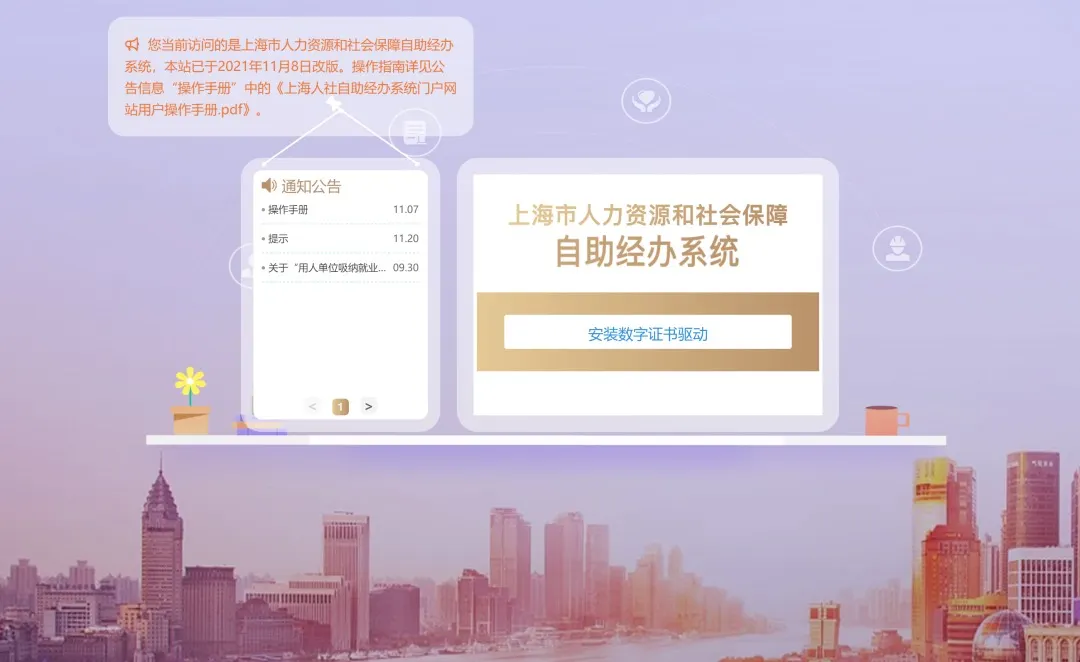
After entering the Shanghai HRSSB website system, you can see that the latest application conditions are updated into 19 categories, with options 18 and 19 being "Returned overseas talents who graduated from a top 50 university" and "Returned overseas talents who graduated from a top 51–100 university". Clicking on the corresponding option reveals the specific list in the system.
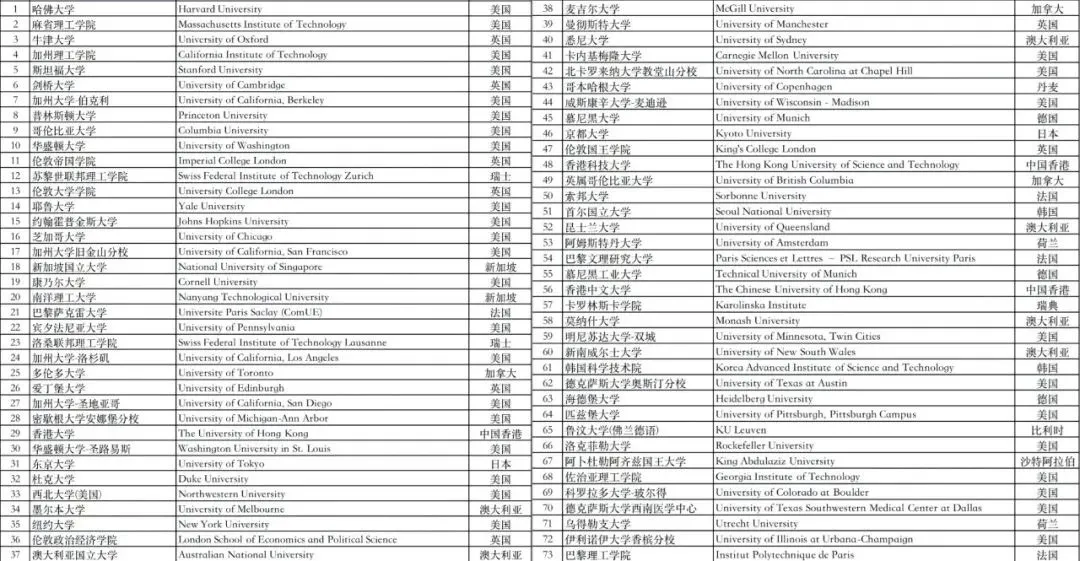
As seen from the list, the combined top 100 institutions from the four rankings total as many as 149!
Among them, 73 are recognized as top 50 universities,
and 76 institutions fall within the 51–100 range.
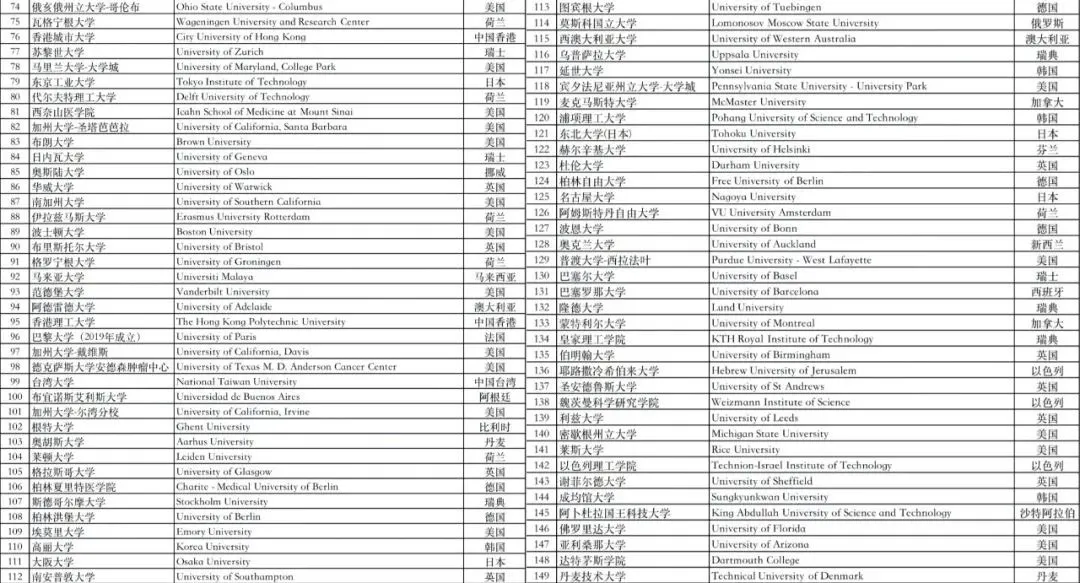
It is worth noting that the London School of Economics and Political Science (LSE), a UK G5 university whose ranking fluctuates, appears at 36th place on this list.
Not the highest, but still enough.
Review of Shanghai’s Overseas Talent Introduction Policy
Settlement Policy
For those who come to work in Shanghai within two years of graduation and have no out-of-city social insurance or individual income tax during their employment:
Graduates from top 50 universities have no requirements for the social insurance contribution base or contribution period; they can apply for settlement directly as long as they work full-time in Shanghai.
Graduates from top 51–100 universities can also apply for settlement after working full-time in Shanghai and paying social insurance for six months.
Frequently Asked Questions
Q: Can applicants with prior qualifications from Sino-foreign cooperative programs, HND, or associate-degree-to-bachelor plus an overseas master’s degree participate in this policy?
A: Yes, they can.
Q: Can an overseas graduate who meets the top 50 list criteria apply during the probation period?
A: No. They must wait until the probation period ends and sign a formal contract of at least 2 years, with more than 3 months remaining on the contract at the time of application.
Q: Can non-recent graduates on the list participate in this policy?
A: Yes, provided they come to work in Shanghai within two years after graduation.
Q: For overseas students who completed a consecutive bachelor’s and master’s program, which school’s ranking is considered?
A: They can choose to apply based on the higher-ranked institution.
Q: Can those who graduate in 2023 still participate in this policy?
A: Yes, this policy is tentatively valid until November 30, 2025.
Other Favorable Policies for International Students
"Green Channel" Program
Shanghai has also opened a "Green Channel" program for talent introduction, giving priority processing to professionals from key enterprises during work resumption and production, as well as overseas graduates from prestigious universities, when they apply for talent introduction services.

"Bole" Talent Scout Reward Program
Shanghai will further increase financial support for the "Bole" Talent Scout Reward Program in human resources services, guiding headhunting agencies to strengthen the recruitment of high-level overseas talent, and has launched a series of free public service projects in human resources.
The reward standards correspond to talent classifications: for recommending and recruiting Category A talents, a one-time reward of RMB 500,000 per person; for Category B talents, a one-time reward of RMB 150,000 per person.
The total annual reward for a single human resources service agency shall not exceed RMB 1 million; if the cumulative amount exceeds 1 million, the reward will be capped at 1 million.
Pujiang Talent Program
The Pujiang Program offers application and funding for four categories: A (scientific R&D), B (enterprise innovation and entrepreneurship), C (social sciences), and D (special urgent needs), with a maximum government grant of RMB 500,000.
For international students, Shanghai also encourages those who have not yet returned but have a clear hiring intention with a local employer or have reached a project landing intention with a local startup park for returned students to apply.
Besides Shanghai, Beijing, Guangzhou, Shenzhen, Hangzhou, Chengdu, Wuhan, Nanjing and other cities have also rolled out competitive measures, as if determined to win this "war for talent".
In recent years, both Hong Kong and first-tier or new first-tier mainland cities have formulated a series of welfare policies to compete for overseas talents, which is undoubtedly very beneficial for our employment and life as international students.
For students planning to return, CheersYou(清柚教育) also recommends paying close attention to recruitment information from major companies and preparing early to get a head start!