Just now, QS released the 2023 QS World University Rankings by Subject.
.png)
The QS World University Rankings by Subject is compiled by the global higher education analysis firm QS Quacquarelli Symonds. This year, it compares the performance of over 15,700 individual university programs at 1,594 institutions across 93 locations worldwide.
QS Subject Rankings are released annually to help prospective students identify top schools in their fields of interest. Let’s take a look at the latest rankings!
2023 QS Subject Ranking Indicators
This year’s QS World University Rankings by Subject evaluates world-class universities across various disciplines, covering 54 specific subjects.
The 2023 QS World University Rankings by Subject are derived from five components:
-
Academic Reputation
-
Employer Reputation
-
Research Citations per Paper
-
H-index (average academic output and impact of the institution)
-
International Research Network (new ranking indicator)
Since research cultures and publication rates differ across disciplines, QS adjusts the weighting of each indicator according to the characteristics of each subject.
Highlights of the 2023 QS Subject Rankings
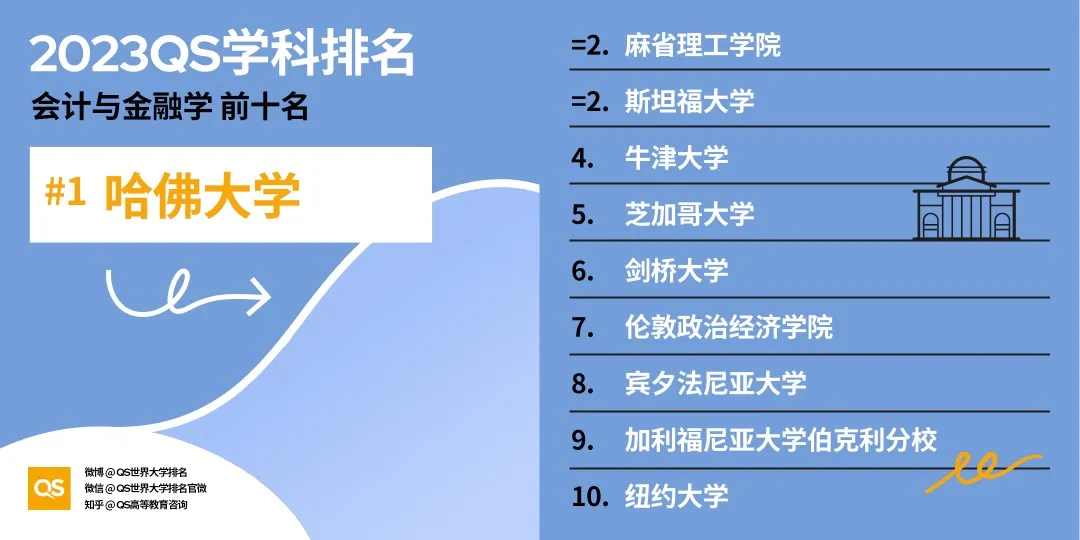
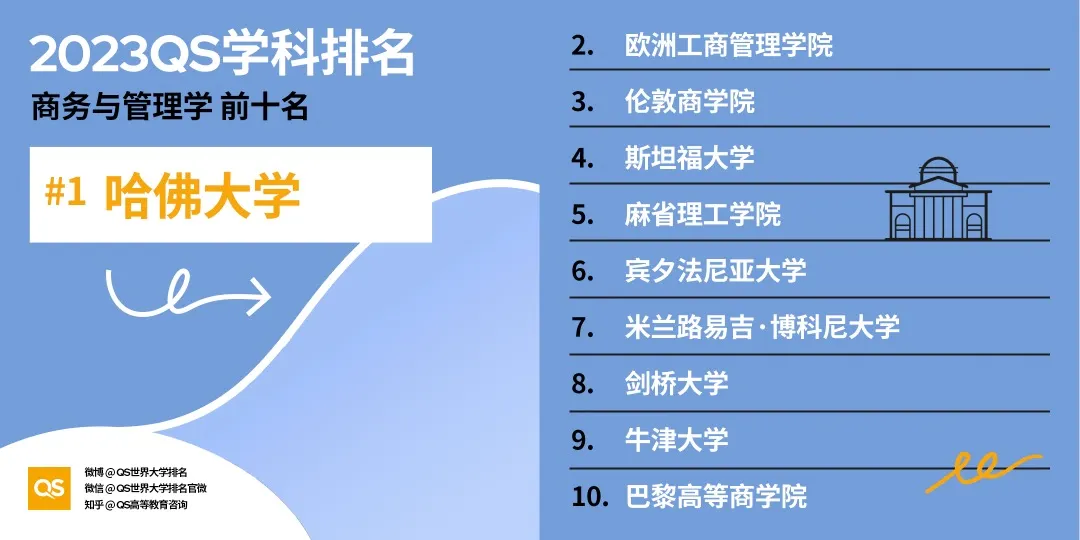
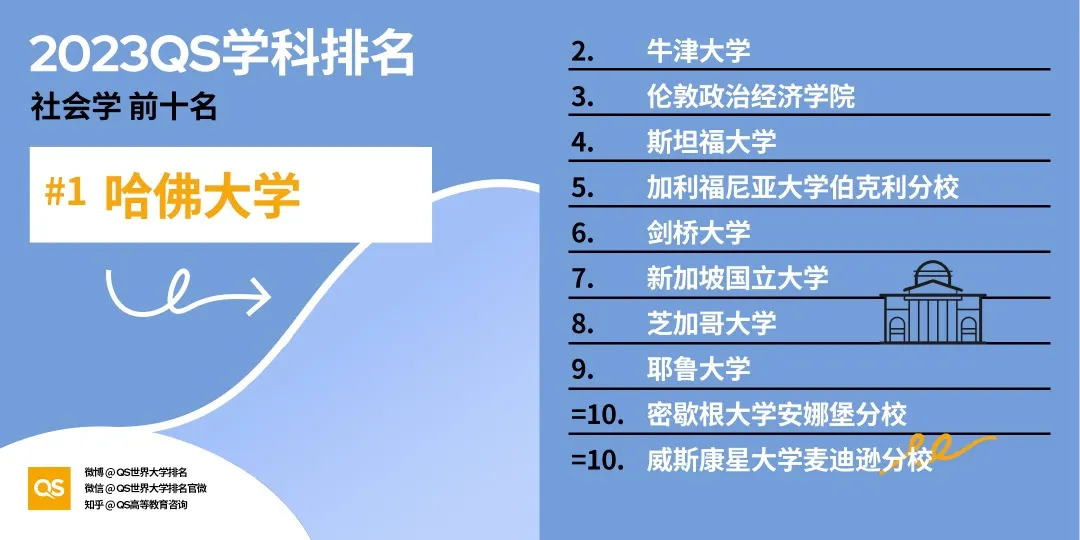
The United States leads in 32 of the 54 subject rankings. Harvard University performed most impressively, claiming the No. 1 spot in 14 subjects—an unshakable position. MIT topped 11 disciplines, matching last year’s count.
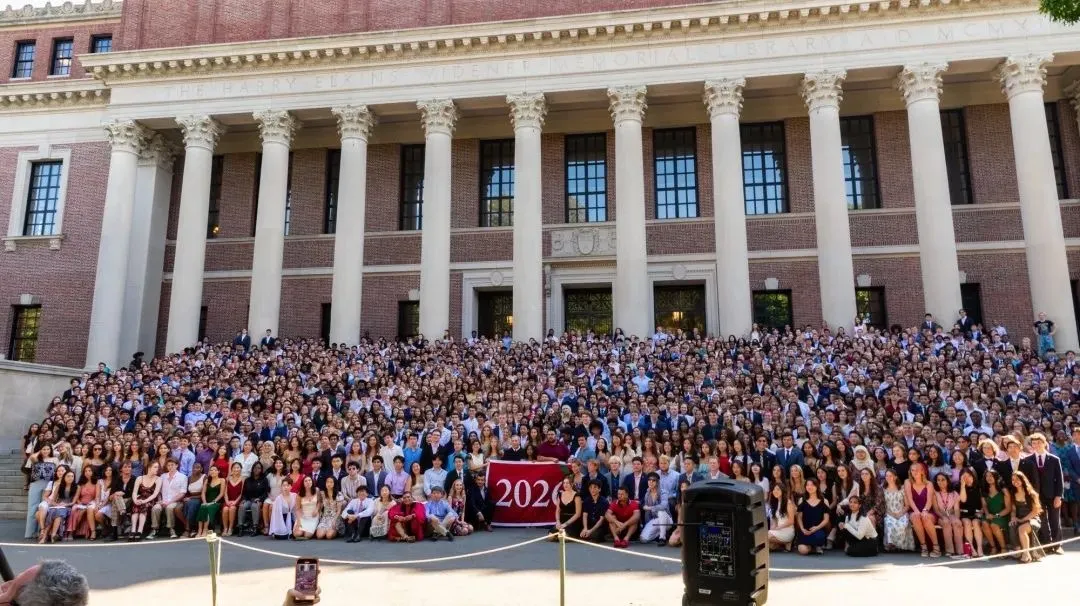
The United Kingdom’s higher education sector remains vibrant. UK universities occupy the top spot in 15 of the 54 subject tables. Traditional powerhouse Oxford remains the UK leader, securing No. 1 in four subjects.
In Europe, ETH Zurich holds the pinnacle in three subject rankings, with Switzerland ranking third globally in higher education.
Australia sends the fourth-highest number of subjects into the rankings.
From mainland China, 99 universities appear in the rankings, ranking third globally in terms of the number of institutions. Its share of subject courses in the top 50 and top 100 also increased, placing fifth and fourth in the world, respectively.
In Asia, the top performer is the National University of Singapore. Singaporean institutions have a presence in the top ten across various subjects.
From Canada, the University of Toronto places 48 subjects in the top 50 this year, making it Canada’s top-performing university.

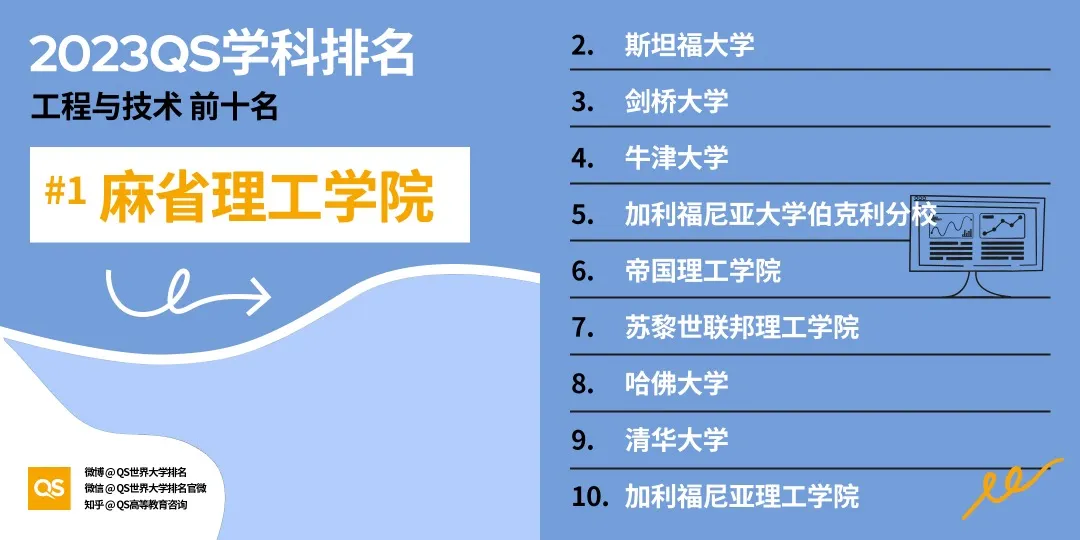
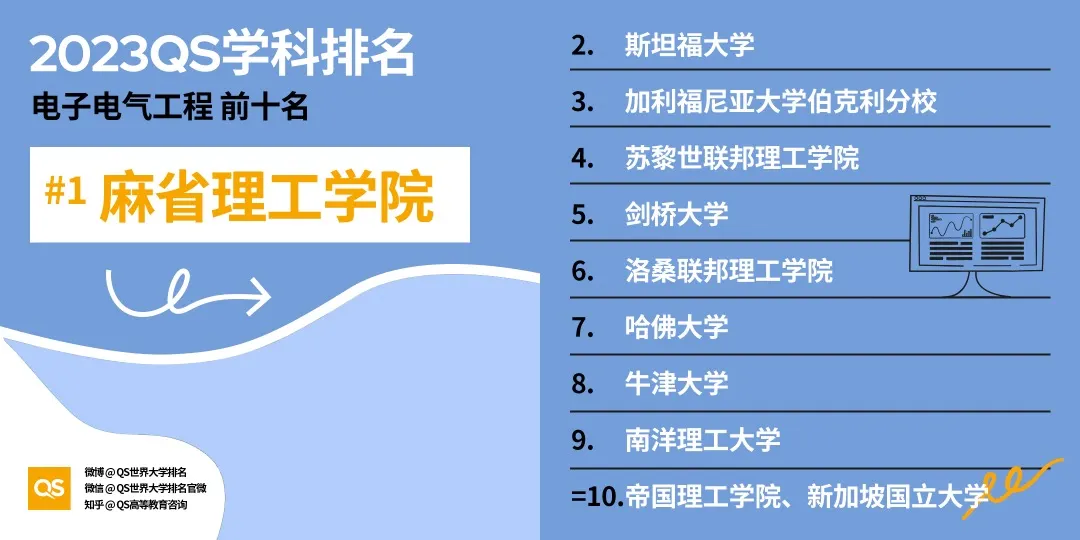
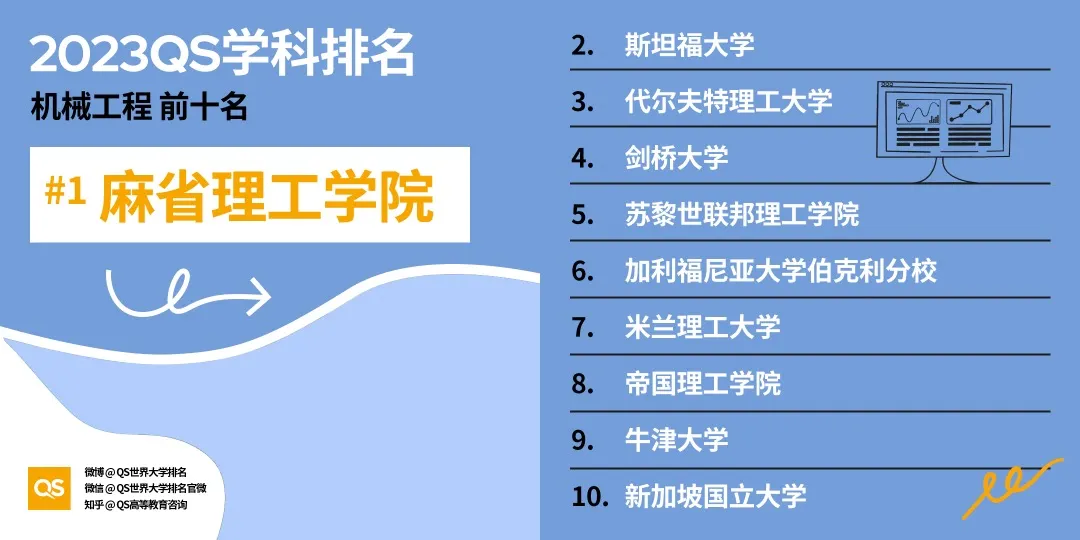
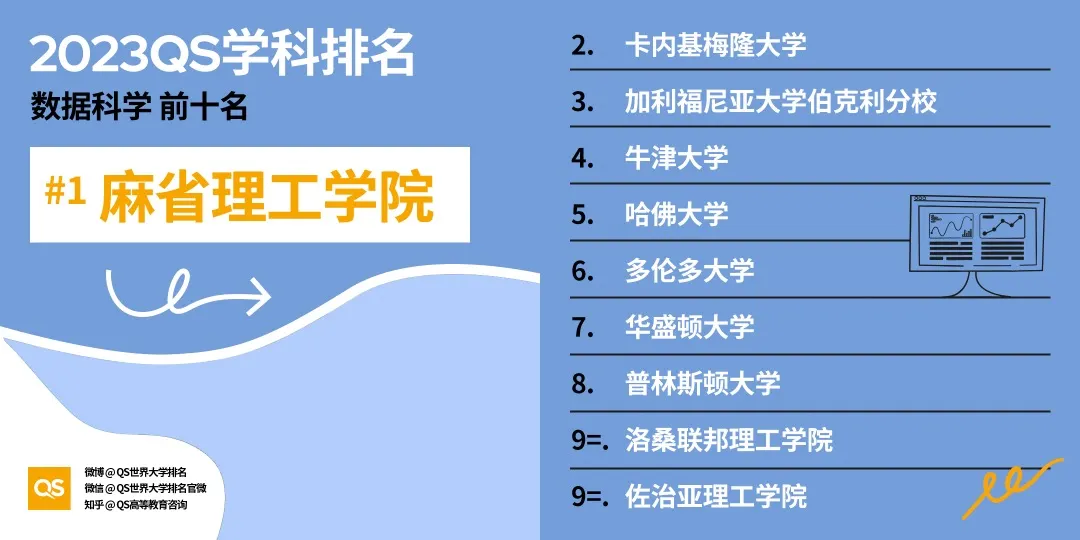
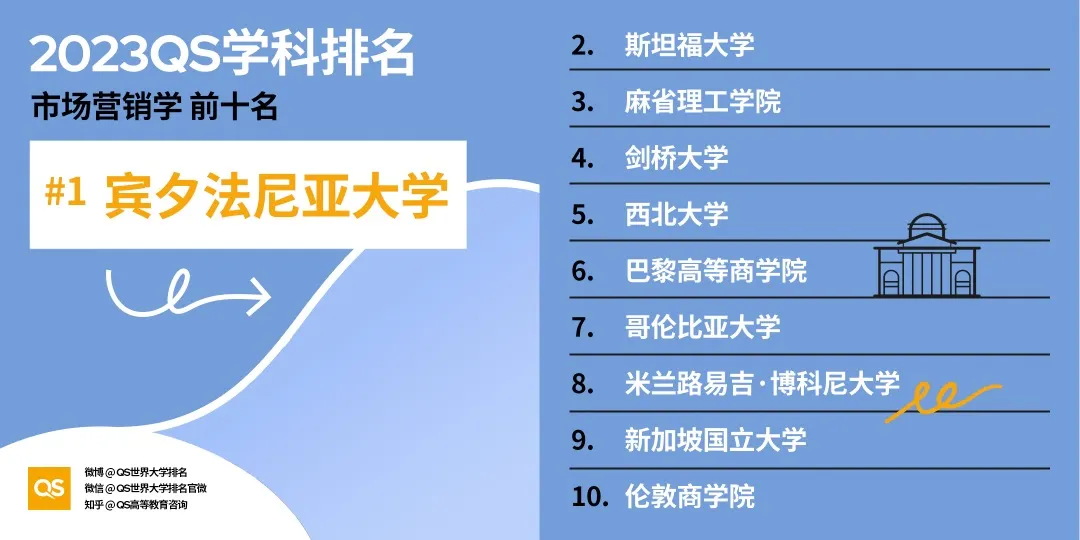
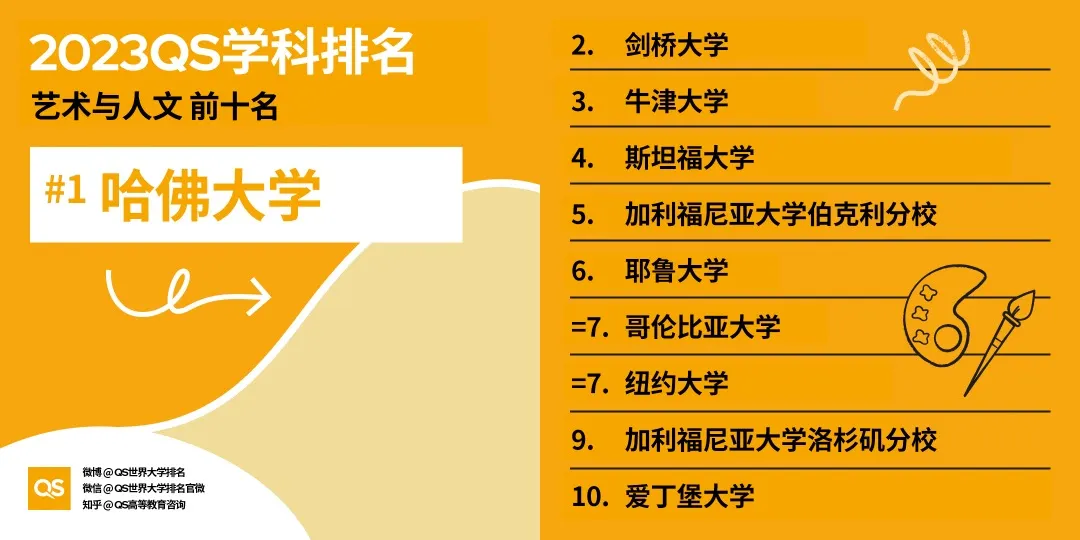
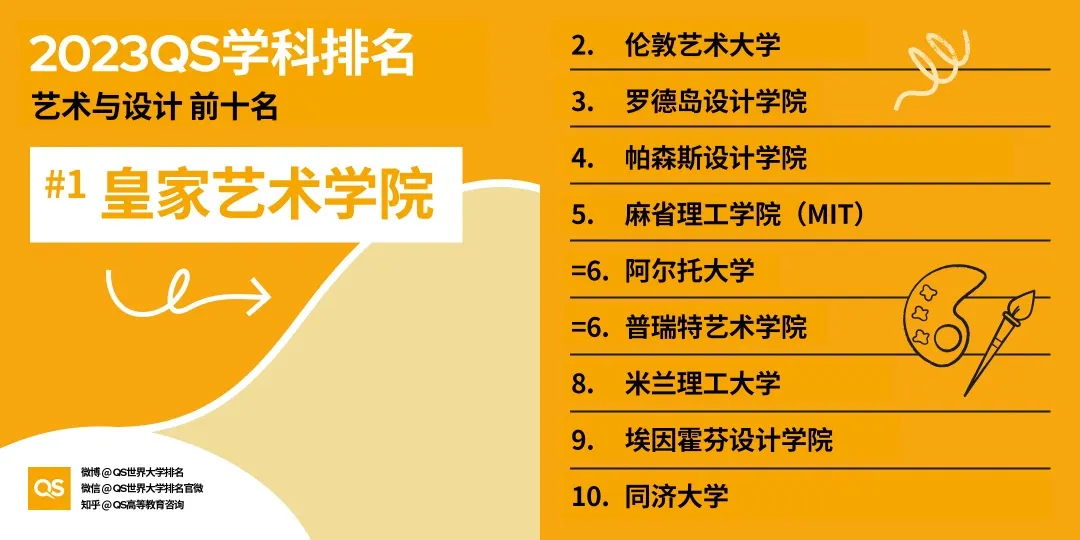
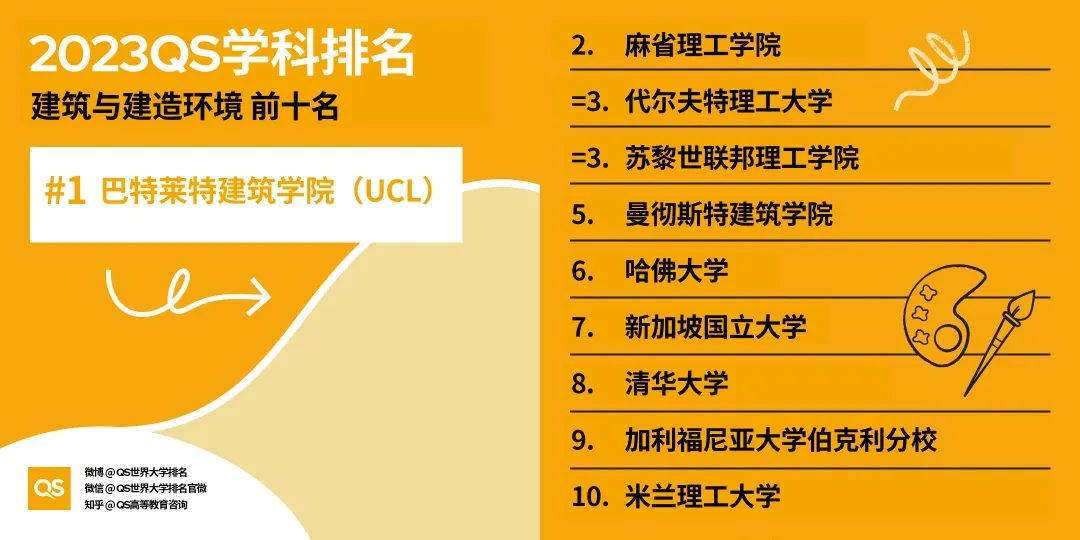
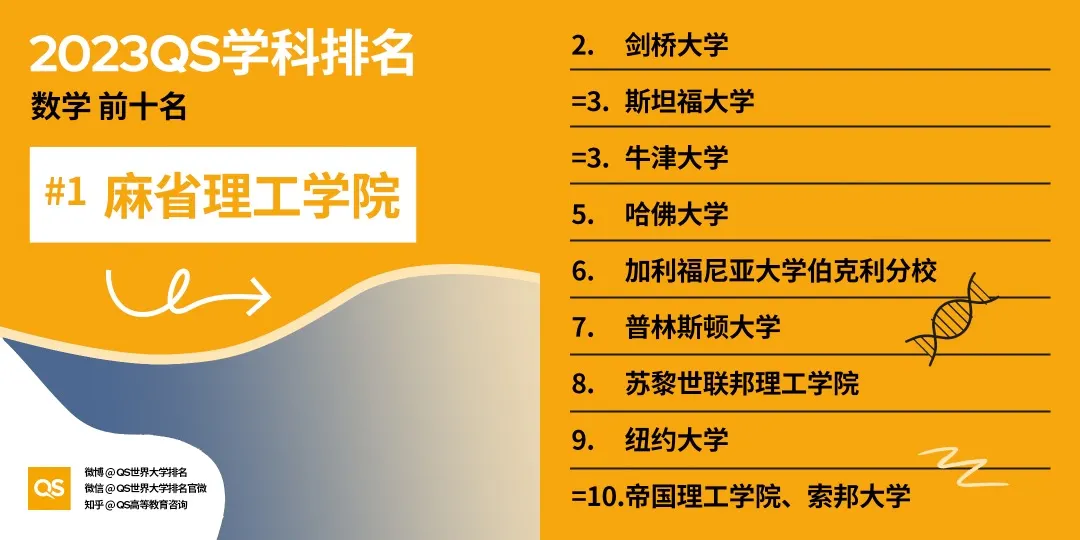
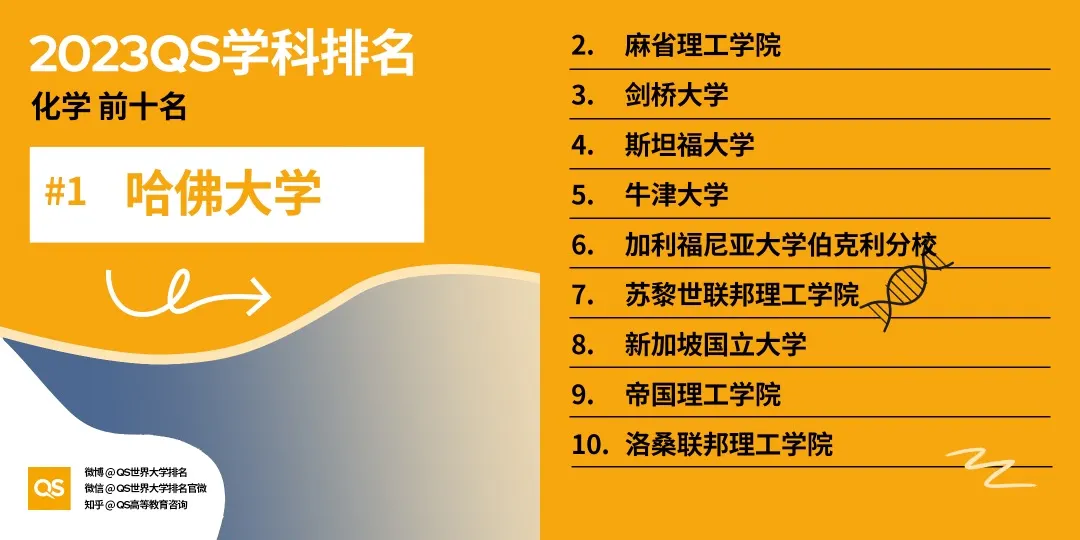
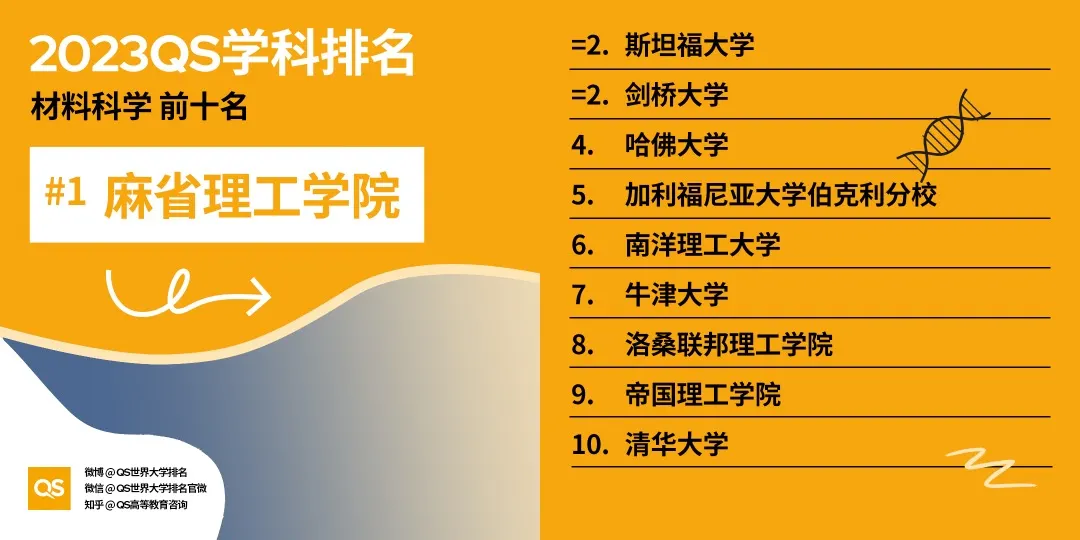
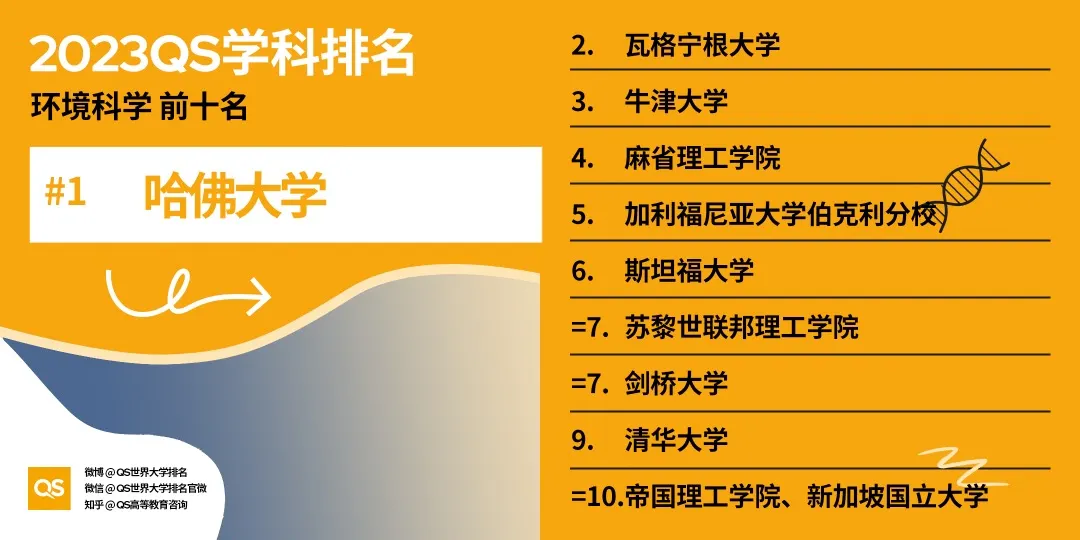
2023 QS Subject Top 10 Rankings (Partial)
Engineering and Technology
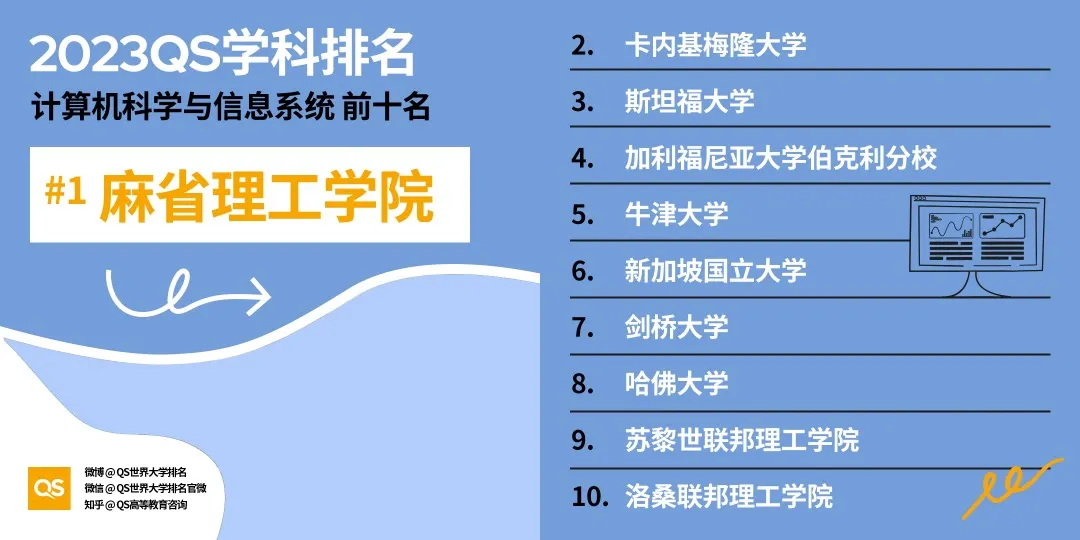
Life Sciences and Medicine
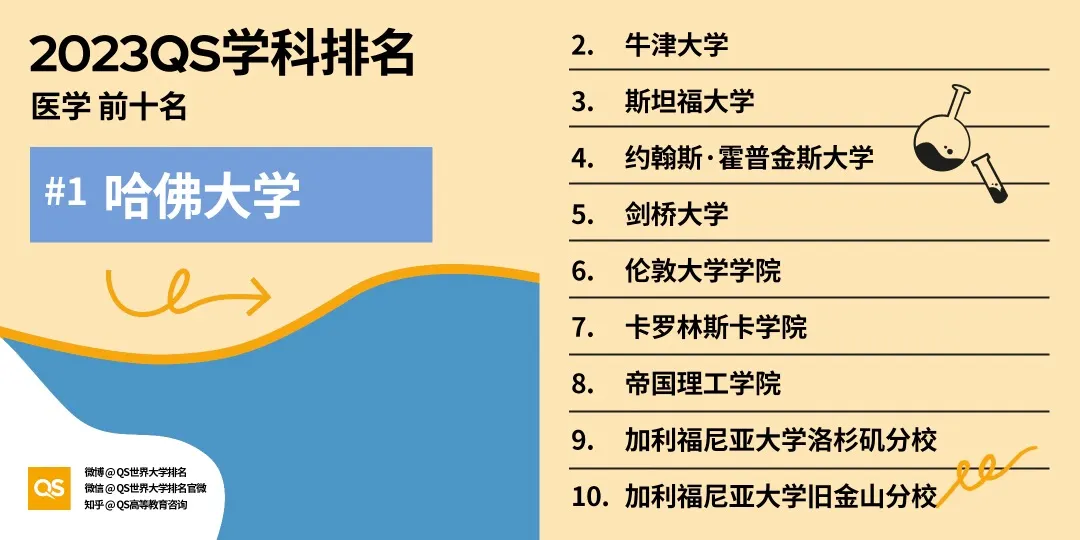
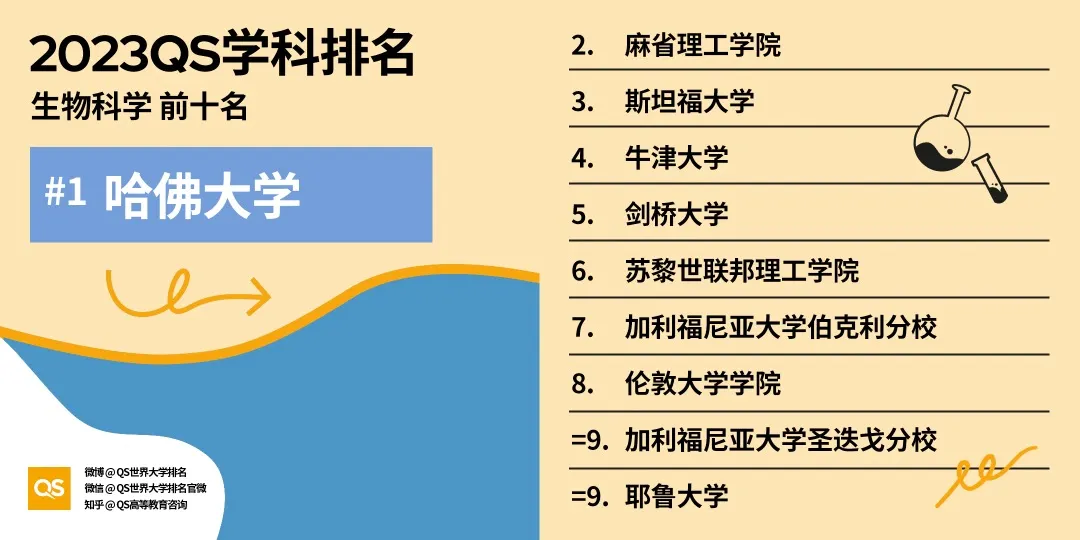
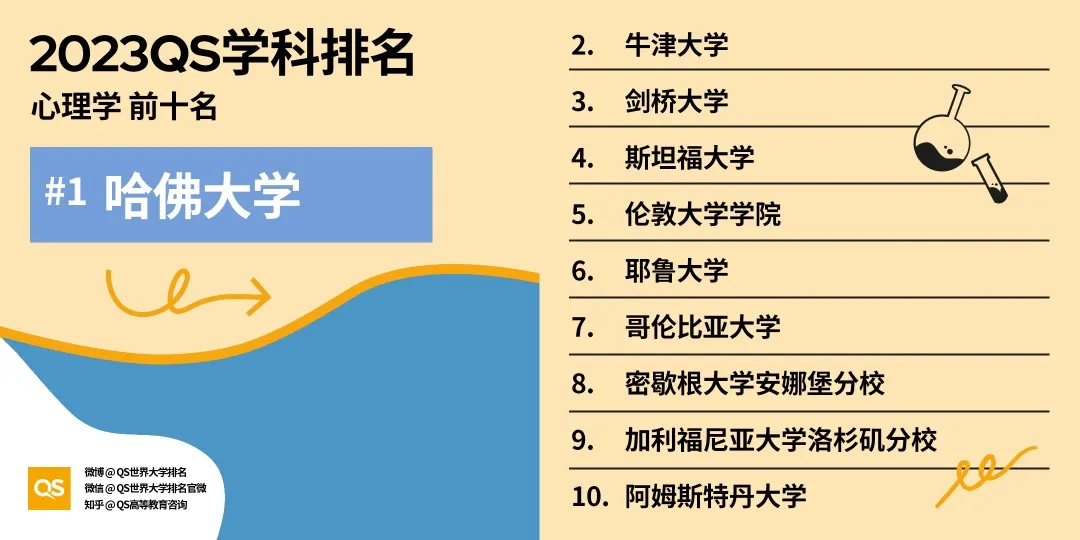
Social Sciences and Management
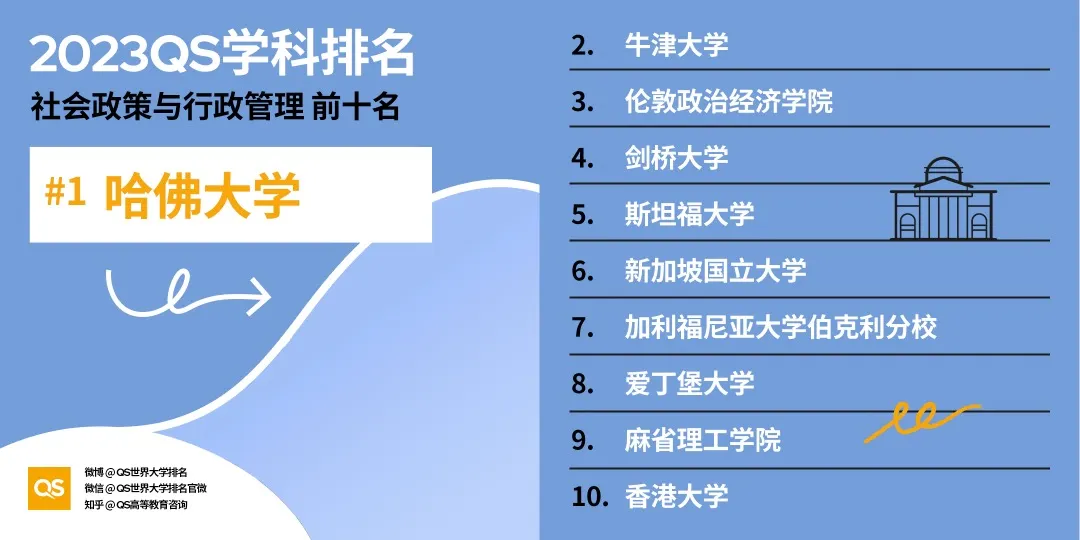
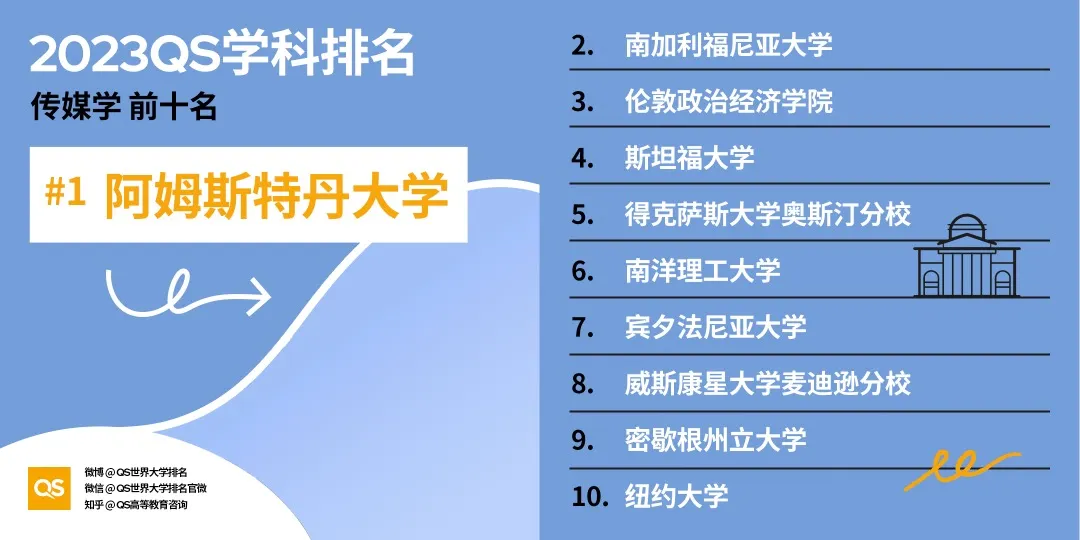
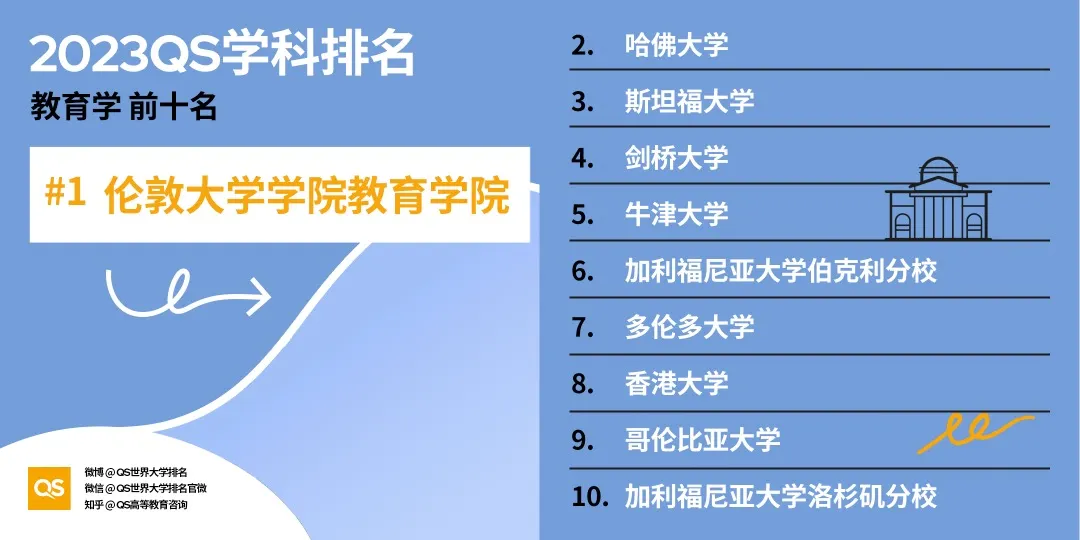
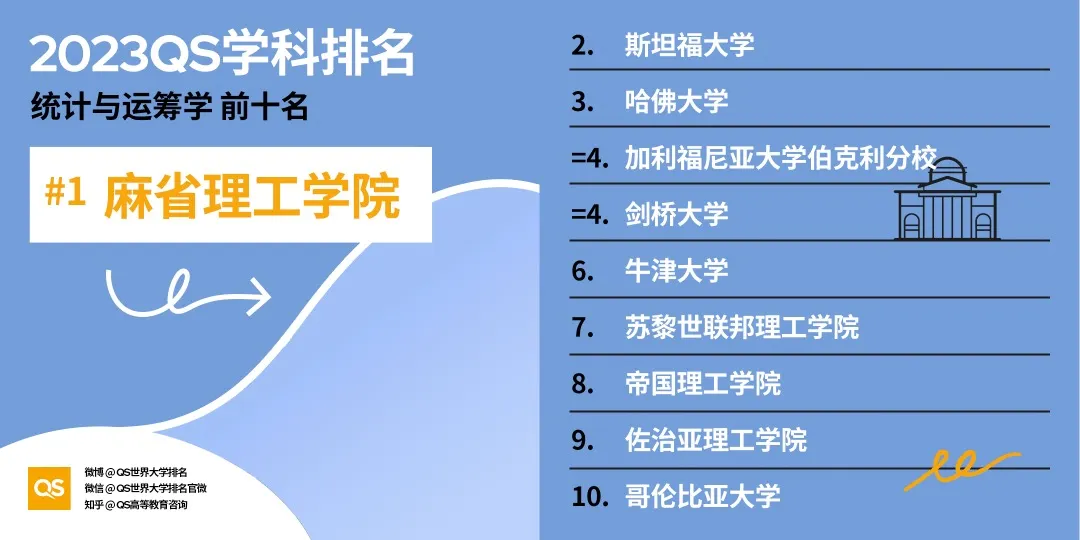
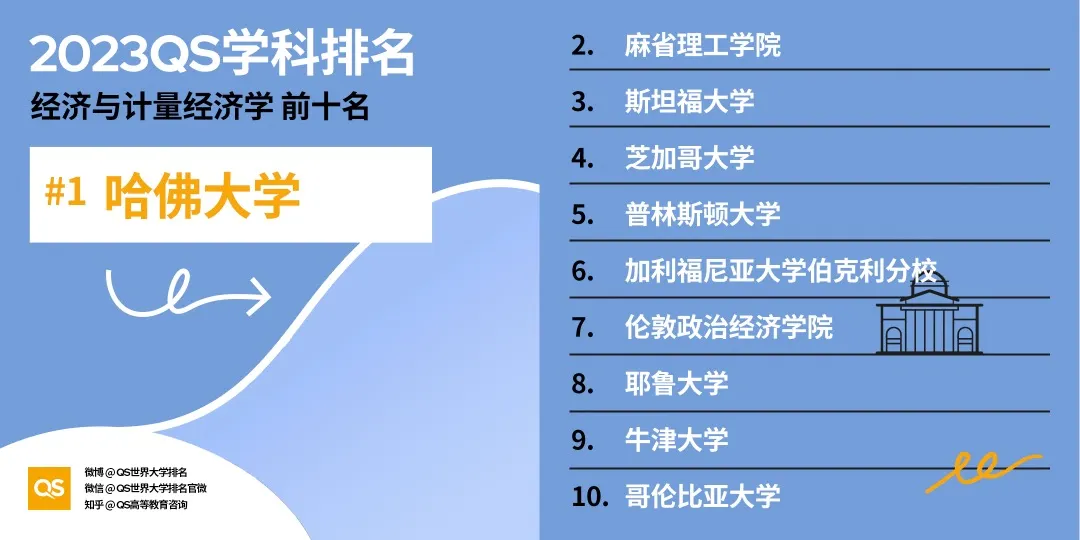
Arts and Humanities
Natural Sciences
View the full 2023 QS World University Rankings by Subject report at:
https://www.qschina.cn/en/subject-rankings/2023
When choosing a school in the future, this QS World University Rankings by Subject can serve as a cross-reference to help select specialized institutions of interest, maximizing the return on your study abroad experience.
Rankings are for reference only. The ranking itself should not be the sole basis for university applications.
When selecting a target university, you should view various rankings rationally and integrate your own background factors and various needs to ultimately make a more reasonable and personalized choice.