Columbia University recently announced that it will permanently eliminate the SAT/ACT requirement for undergraduate applicants. It becomes the first Ivy League school to do so permanently, following the University of California system.
.jpg?x-oss-process=style/opt-webp)
Columbia explained that students are dynamic, multifaceted individuals and "cannot be defined by any single factor." Out of respect for students from different backgrounds and experiences, the university ultimately decided not to require standardized test scores for admission.

The news created a huge stir in the study-abroad community!
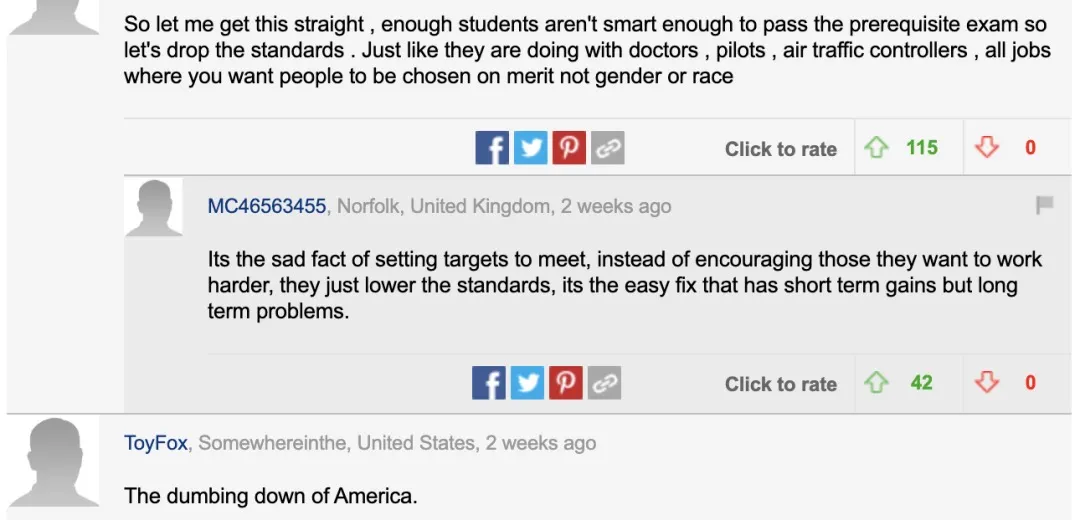
What is Columbia up to? Do we no longer need exams and just become easy admittees? The move sparked heated debate, with supporters and opponents clashing—and even some "flame wars"!

Why Columbia Dropped the SAT/ACT
According to the University of California Board of Regents, eliminating SAT/ACT requirements aims to create a fairer admissions process for low-income or disadvantaged students.
Wealthier families can spend more on SAT/ACT prep materials and courses, while disadvantaged students may struggle to achieve high scores for various reasons.
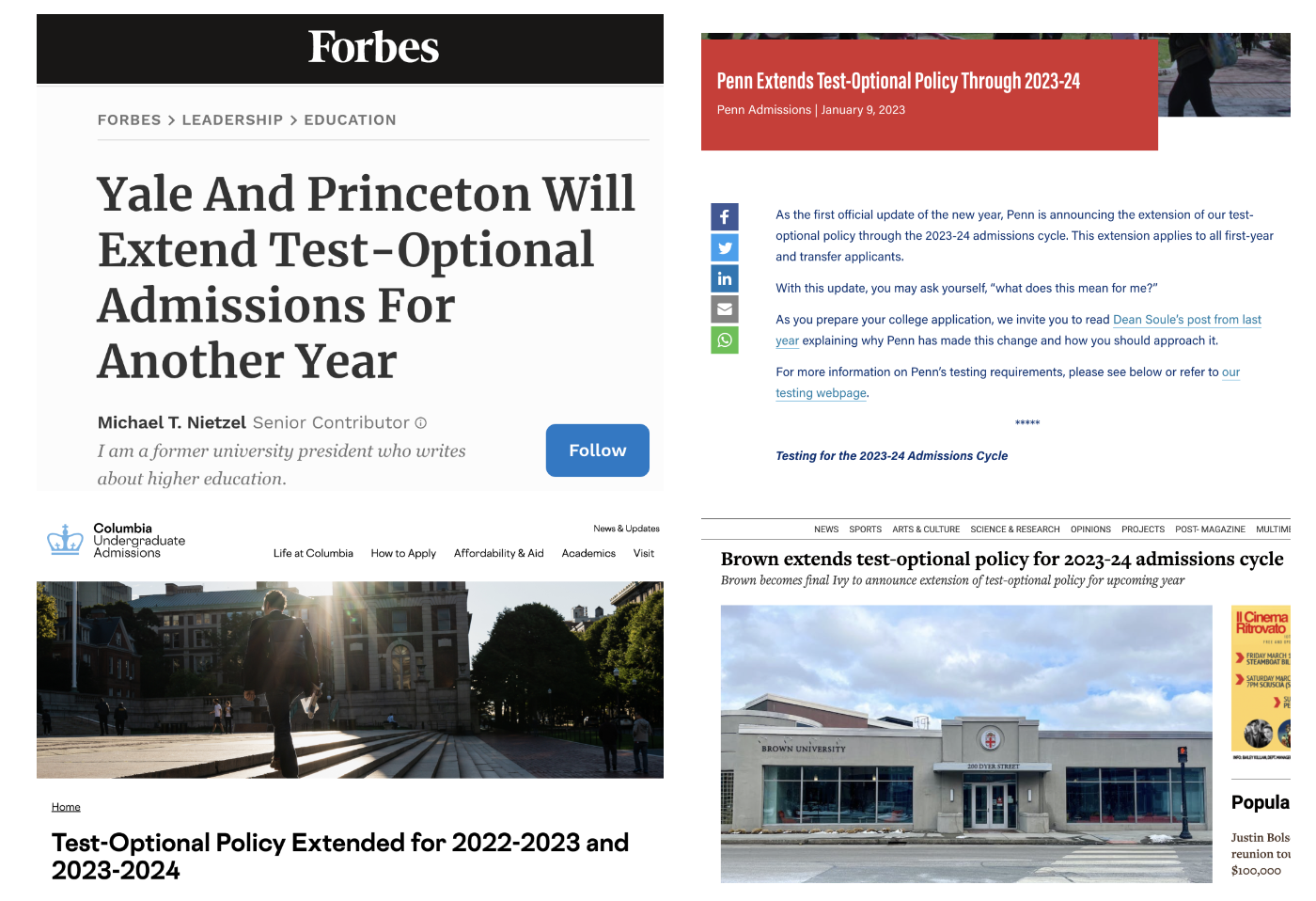
During the pandemic, many schools—including Columbia—paused standardized test requirements, and a growing number are extending test-optional policies for at least the next few years. With Columbia's announcement, test-optional is likely to become an inevitable trend in U.S. undergraduate admissions!
How Will International Students Be Affected?
If SAT/ACT scores are gone, does that mean it's easier for us international students to get into top schools?
Not at all—things are getting even more competitive!
Test Optional Still Encourages Score Submission
Although Columbia says that not submitting scores will not disadvantage applicants during review,
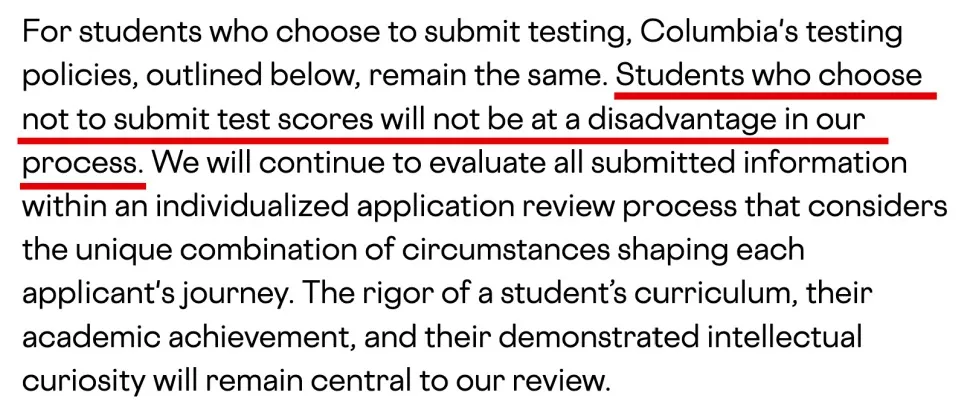
as an applicant, this kind of statement is really frustrating—why not just do what Caltech did and refuse to consider them at all, without even giving a place to submit?
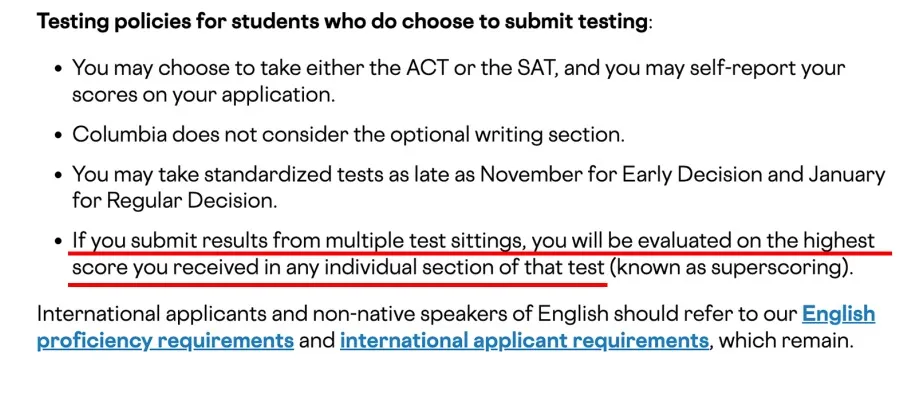
Furthermore, Columbia went to great lengths to explain: you can self-report ACT or SAT scores; you can submit scores as late as November for early decision or January for regular decision; and they even support superscoring. All this explanation is essentially encouraging score submission.
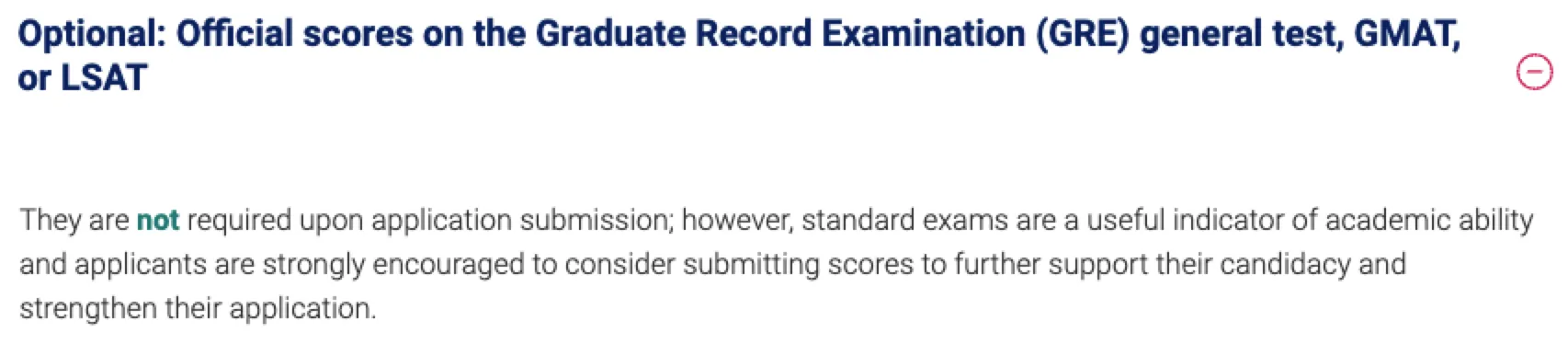
This is exactly like Columbia's stance on the GRE: while a few programs don't require it, they "strongly recommend" submitting GRE scores to strengthen your application.
Additionally, as an international applicant, if other applicants submit SAT scores and you don't, admissions officers will certainly review your materials more holistically, and you'll need far more outstanding background credentials to stand out.
So for us international students, the application process hasn't gotten easier—it's actually become harder.
More Domestic Applicants, Fewer Offers for Chinese Students
In fact, test-optional policies are primarily designed to help low-income U.S. students and those from rural areas apply more conveniently—it's mostly for the benefit of domestic applicants.
So by removing the SAT/ACT barrier, the number of domestic applicants is bound to increase significantly. Consequently, international students will face stiffer competition for fewer spots, and Chinese students will receive even fewer offers.
Naturally, schools will raise the bar for international applicants. In this context, SAT scores may actually become even more inflated!
Judging from recent early admission results, acceptance rates for Chinese students at many U.S. universities have already plummeted, and this trend is likely to worsen.
U.S. University Admission Offers Drop by One-Third!
With early action results for the Class of 2027 released, data shows that most U.S. schools admitted fewer Chinese students than in previous years, especially the Ivies.
The eight Ivy League universities collectively offered admission to only 123 students from mainland China, a one-third drop from last year. Cornell, which usually admits the most Chinese students among the Ivies, also saw a significant decline this year.
-
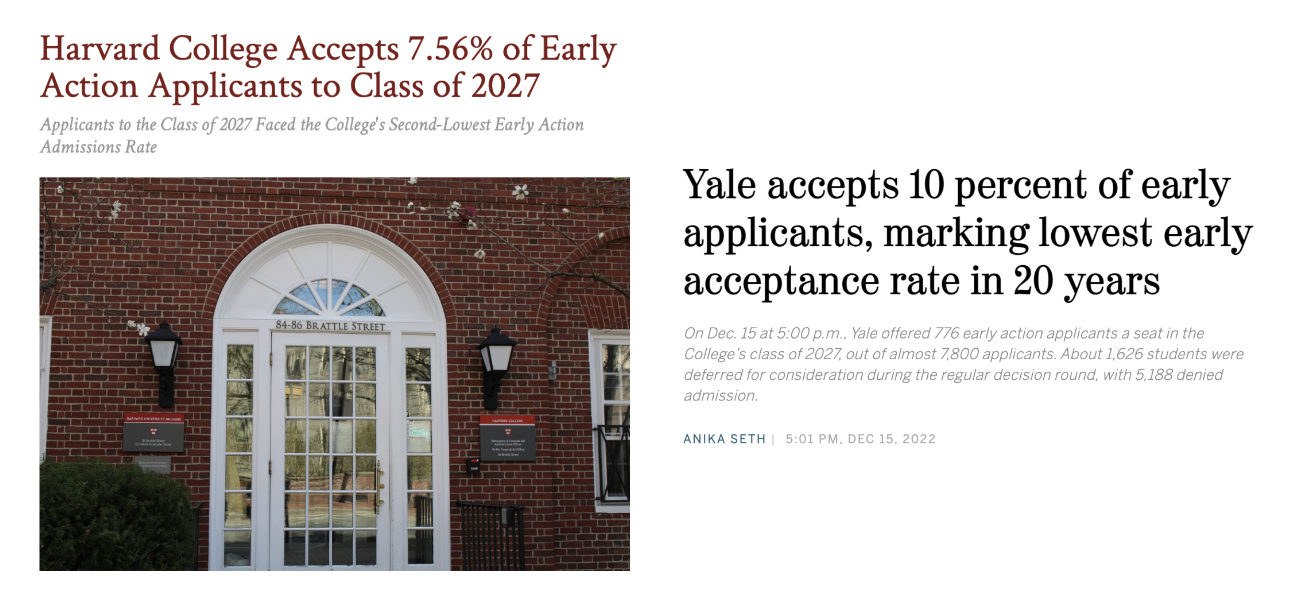
Harvard: Received 9,553 early applications and admitted 722, for a 7.56% acceptance rate. Only one Chinese student was admitted.
-
Yale: 7,744 early applicants, 776 admitted, acceptance rate fell to 10%, the lowest in nearly 20 years. Only four Chinese students were admitted, half of last year's figure.
-
Cornell: Always the most China-friendly Ivy, but early admission numbers also dropped—42 Chinese students admitted, down from 65 last year.
Not just Ivies—Top 50 schools like UMich Ann Arbor and UW–Madison also sharply reduced their Chinese admissions. As acceptance rates continue to fall, students get more anxious and apply to even more schools.
According to Common App, 260,000 students applied to 10 or more colleges—a number that has more than doubled in eight years. At the same time, the proportion applying to 20 or more has more than tripled, further intensifying competition at every school.
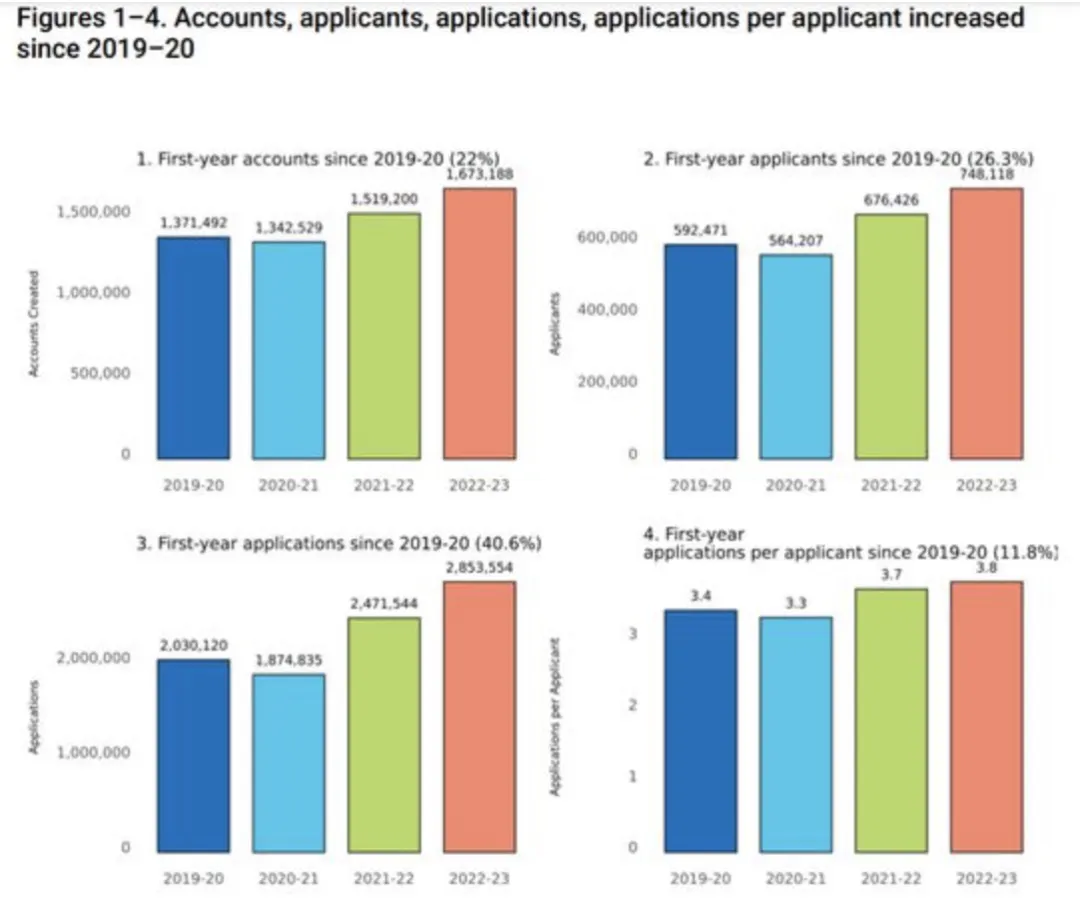
Navigating the Increasingly Competitive Application Landscape
Faced with such fierce competition, what should US-bound applicants do? How can we stand out in this race?
Boost Your GPA
Improving your GPA is undoubtedly the most important step! With SAT/ACT scores no longer required, GPA is the most direct measure of academic ability.
It's a long-term, relatively objective metric, so you must prioritize your coursework and maintain strong grades!
Language Proficiency Scores Are Key
Language test scores are another crucial standardized metric and a fundamental admission requirement for international students.
Beyond meeting the basic cutoff, some schools or programs are strict about these scores—higher scores will only benefit your application.
Enhance Your Soft Skills
Soft skills matter just as much! When hard scores like SAT lose emphasis, you need to invest more in showcasing your strengths outside the classroom.
This includes expanding your practical experience, cultivating wide-ranging interests, engaging in extracurricular activities, and pursuing high-impact competitions to earn prestigious awards.
Essays Are the Top Priority
Your essays are critical! The personal statement and supplemental essays not only demonstrate your writing ability but also reveal your personality and interests, helping admissions officers see how well you fit with their university.
So take every writing task seriously—strong materials will give you the best chance to shine in this intense applicant pool.
Though U.S. college admissions get tougher each year, early and systematic preparation, combined with targeted, all-around improvement, will help you stand out in the application season!
Finally, we wish everyone success through their hard work—may you all realize your dream school dreams!