Many students majoring in East Asian Culture at the undergraduate level often hear the word “change majors” the most when preparing to apply for U.S. graduate schools. Those who want to continue their current major may wonder: Is my major really that niche? Are the requirements for U.S. graduate programs too high? Is it true that without changing majors, there’s no hope? Students interested in graduate applications in this field can add a CheersYou(清柚教育) advisor: qingyouge23 for more detailed information!
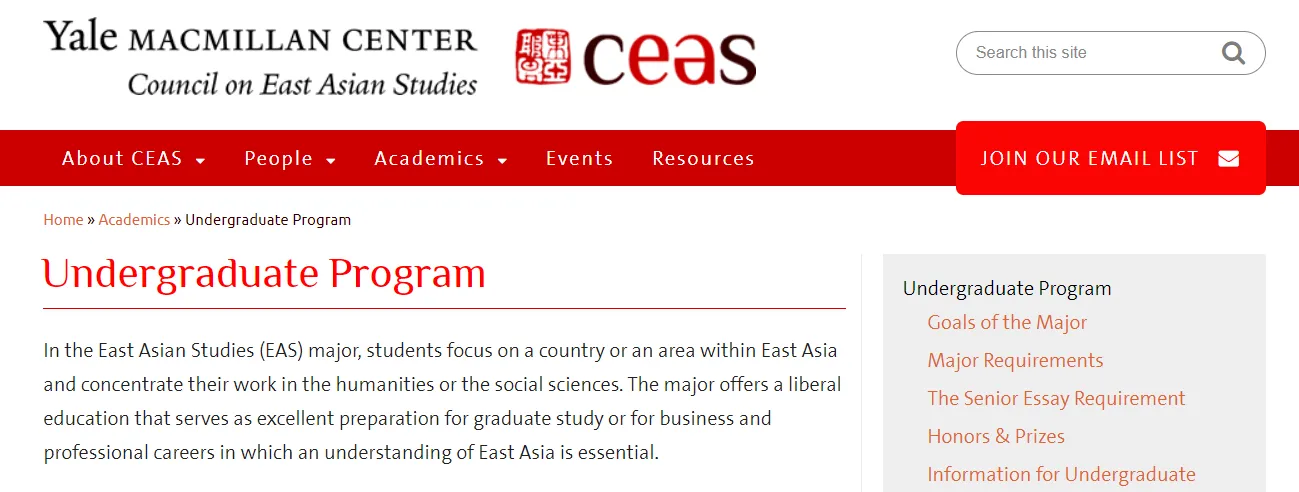
Actually, that's not the case. The East Asian Studies major is not niche at the undergraduate level; it is commonly offered whether at universities in mainland China, Hong Kong, Canada, or the U.S.
So why do many study abroad agencies advise students in East Asian Studies to change majors when they consult?
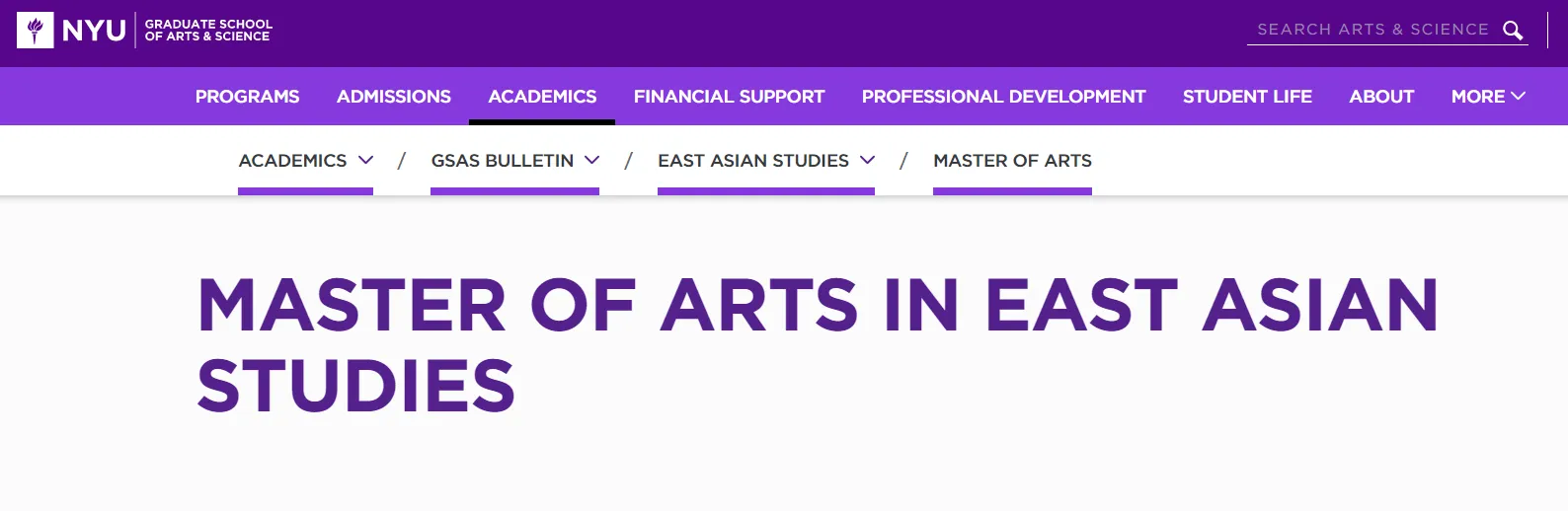
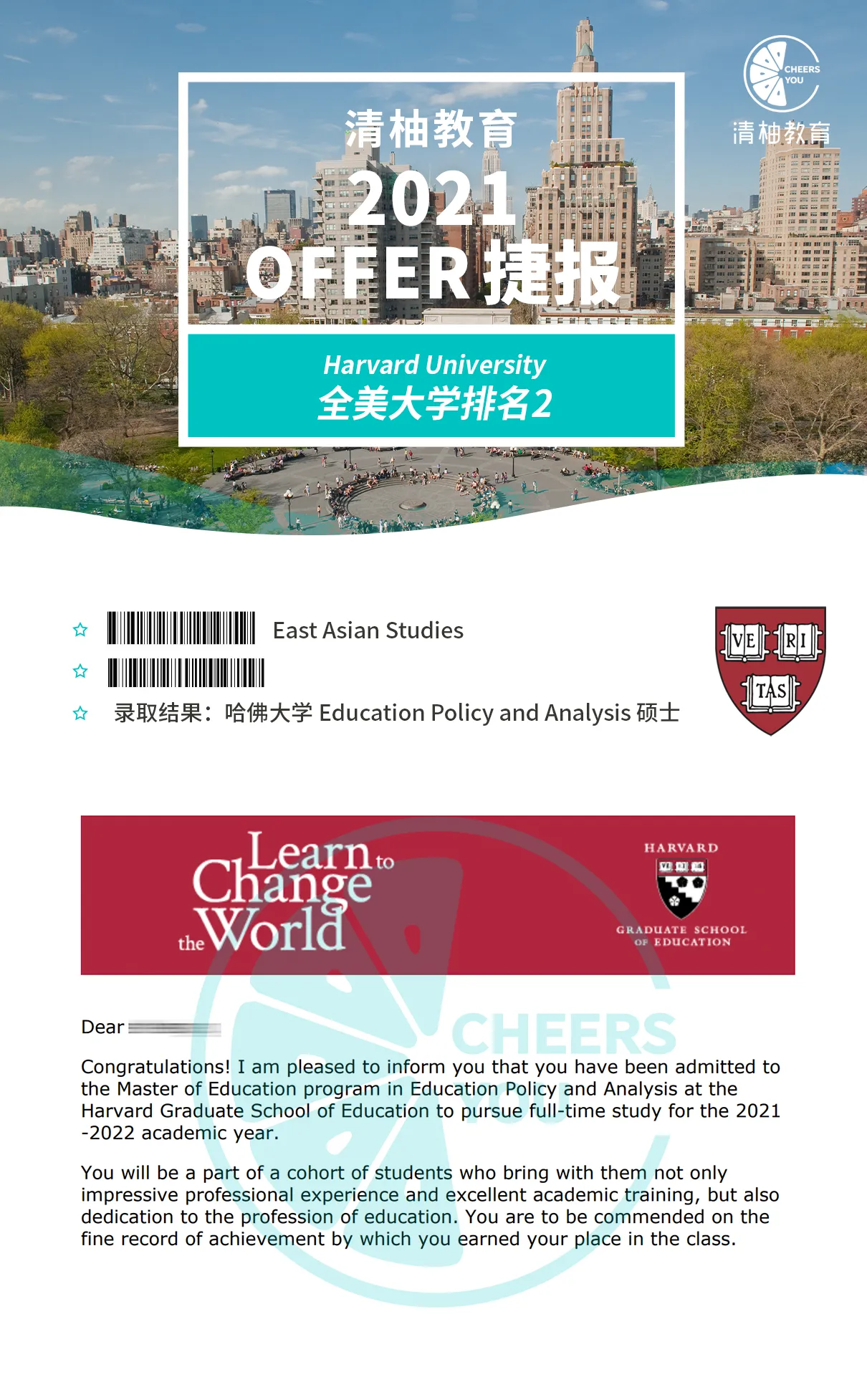
(There are indeed many directions one can apply to when changing majors, such as Education, Communication, Marketing, Social Work, International Relations, etc., and here are some offer examples.)
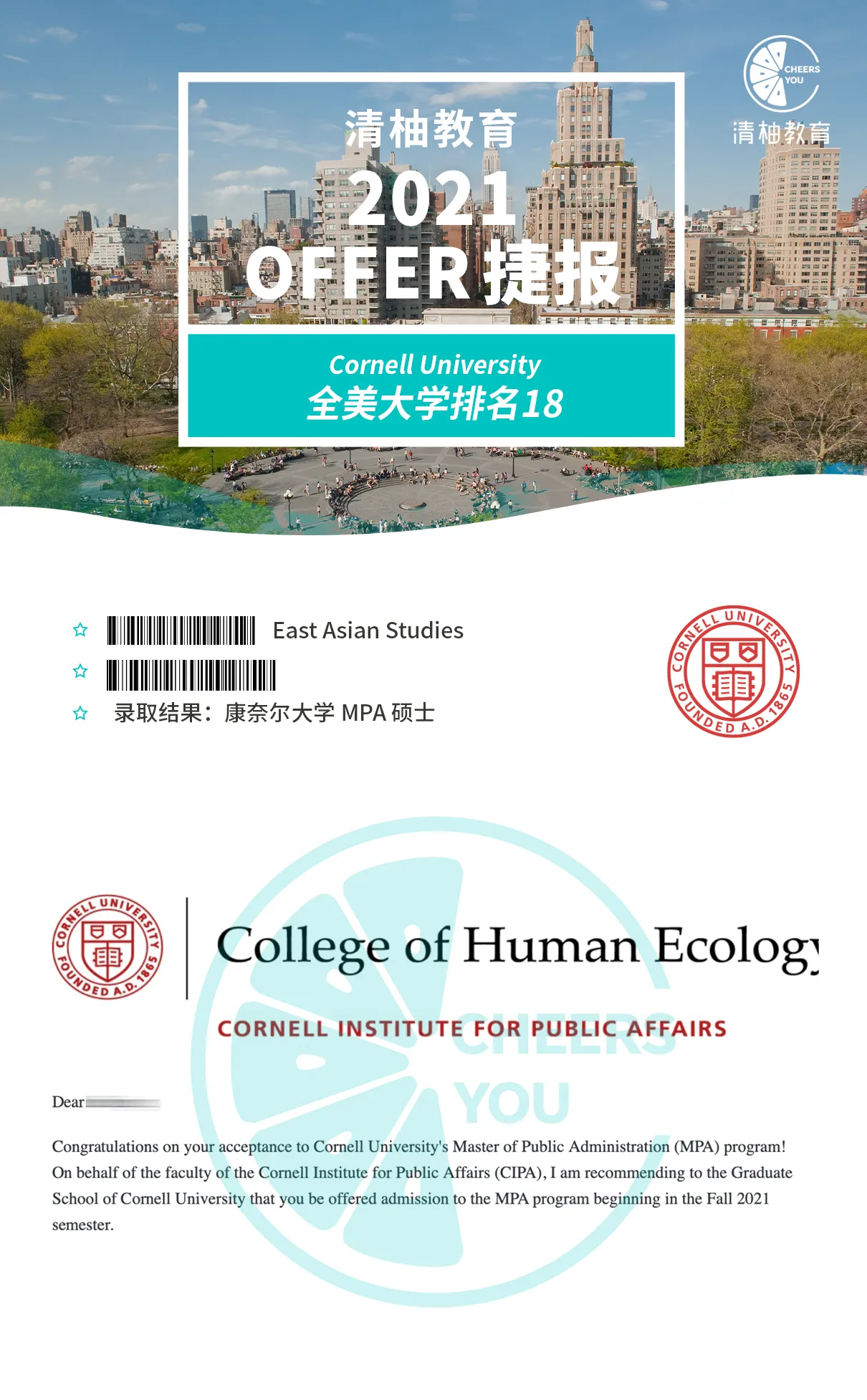
Advising students to change majors usually stems from two scenarios:
One is that the agency itself may not understand this major and has no confidence in the student's application, so it advises the student to switch to a major where it feels more certain of a successful application.
The other is that the agency may think the student's background won't get them into highly ranked schools in the East Asian Studies direction, and that if they switch to Education or MSW (Master of Social Work) etc., the admission results would be better.
But if you still want to continue in your current major, and your GPA is high, with no issue of insufficient background, how should you prepare for applications to U.S. graduate programs in East Asian Culture? Let’s talk about what kind of applicants East Asian Studies programs prefer.
—Most Important: Background Experience
When applying to East Asian Cultural Studies programs, admissions officers value the applicant's background experience more than GPA, especially internship experience at television stations, mainstream media, or large corporations, as well as research projects in related fields. These demonstrate that the applicant is truly interested in the area and has the “drive” to pursue further study.
—Second Most Important: GRE Analytical Writing Score
If this writing score can be 5 or above, it is very helpful for the application, since writing is heavily used in this field. This score not only reflects the applicant's use of English vocabulary but also, to some extent, demonstrates their logical thinking.
—But Don't Let Your GPA Be Too Low
The reason GPA is last is that, compared to practical experience and writing scores, GPA is much less important. In other words, even with a sky-high GPA, if you lack sufficient practical experience, top-tier schools will still reject you. Conversely, even if your GPA isn't high enough, but you have rich and relevant practical experience, schools will still open their doors to you.
For example, CheersYou(清柚教育) once had a student from a U.S. undergraduate institution with a GPA of only 3.4, but because his internship and research experience were very rich and his essays were very interesting, he was eventually admitted to the MA in East Asian Studies at Yale University (he was shocked himself).
So, students majoring in East Asian Cultural Studies, if you don’t want to change majors for graduate school, start seriously preparing for internships and writing now!!!
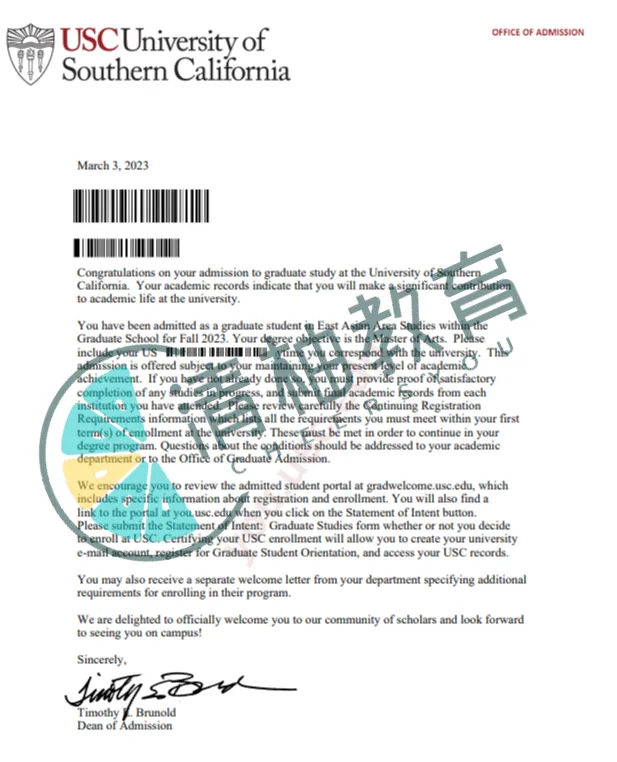
Here are some offer examples for East Asian Studies programs~
If you are interested in applying to East Asian Studies programs for study abroad, feel free to scan the QR code below to start a one-on-one consultation immediately~