Last Monday, Microsoft's professional social platform LinkedIn announced it is shutting down its China-based job platform InCareer (领英职场) and laying off 716 employees.
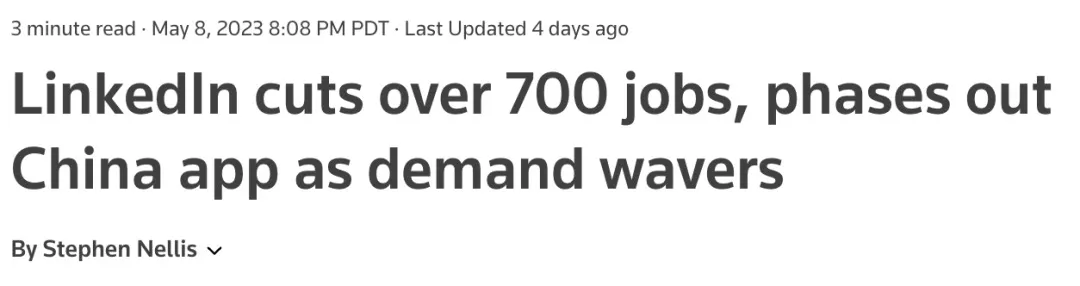
LinkedIn Exits China Market, Lays Off Over 700
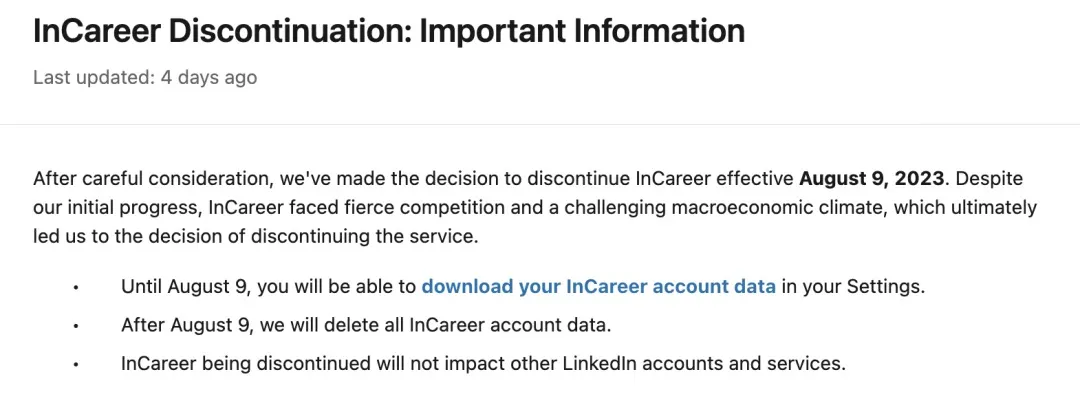
InCareer (领英职场) is a recruitment app launched by LinkedIn for the Chinese market after it withdrew from domestic social media in 2021.
Now struggling amid fierce local competition and the economic climate, it plans to gradually shut down by August 9 this year.
In an open letter to employees, LinkedIn CEO Ryan Roslansky said the layoffs in sales, operations, and support teams are aimed at streamlining operations and flattening the hierarchy to enable faster decision-making.
Roslansky stated that despite some achievements made by the China team's tireless efforts, the company decided to shut down InCareer in the face of intense competition and challenges.
LinkedIn's official WeChat account also issued a statement, marking LinkedIn's formal exit from the Chinese market.
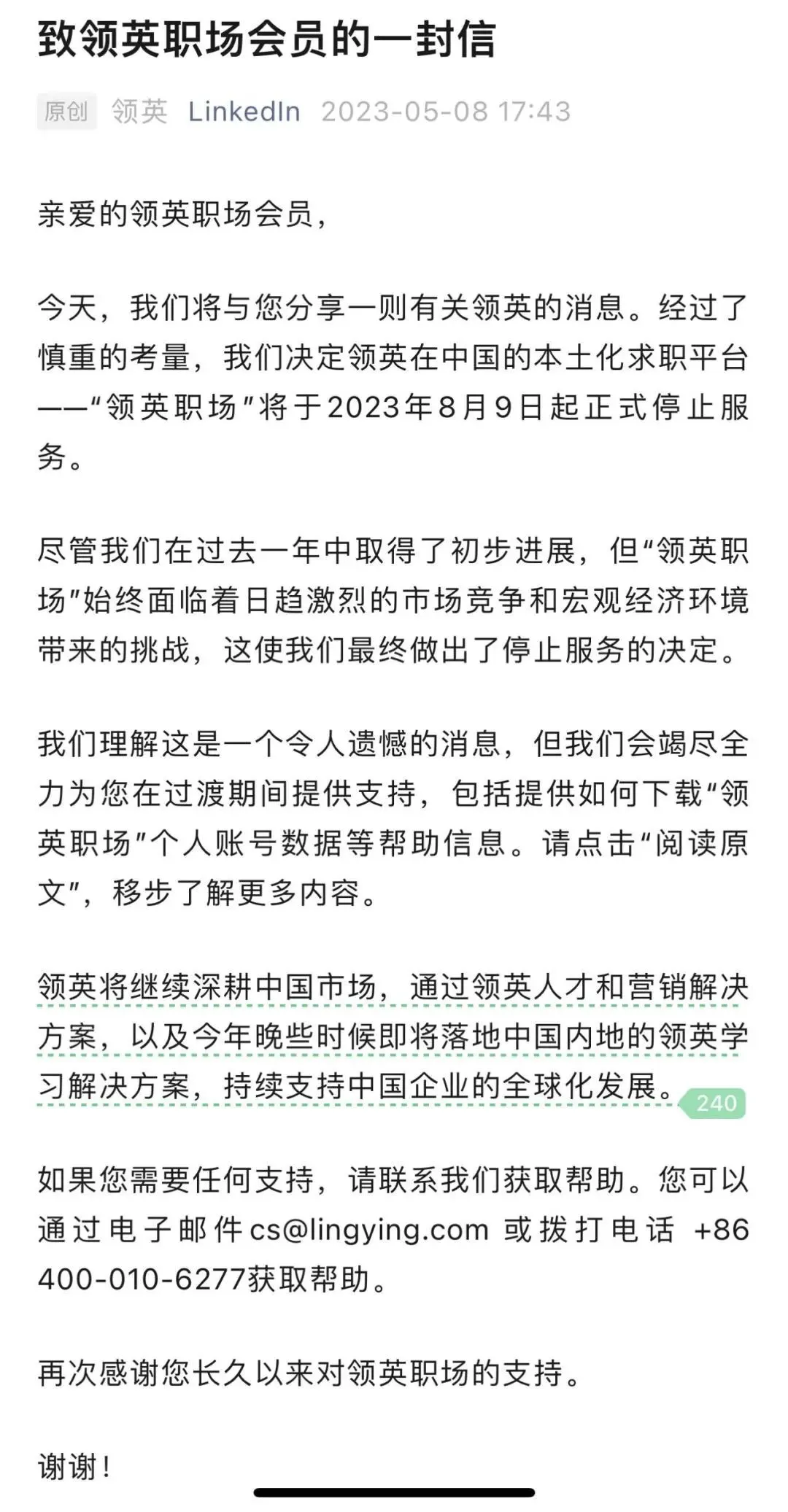
Although LinkedIn stated in its official announcement that it will continue to deepen its presence in China, how it will lay out its future strategy remains unknown.
Some say that when LinkedIn announced the termination of the social features in its Chinese version in 2021, it effectively stopped the core function of this pioneering professional network. The past two years have felt more like a long goodbye for LinkedIn.
The combined user base of InCareer and LinkedIn in China is around 57 million, while domestic platform Zhaopin has 320 million users, far surpassing LinkedIn.
LinkedIn's revenue model relies mainly on advertising and user subscriptions. Although Q3 revenue last year grew 8% to $3.7 billion, overall business growth remains sluggish.
"Given the fluctuations in market and customer demand, the company will work more with vendors to serve emerging markets more effectively in the future," Roslansky said.
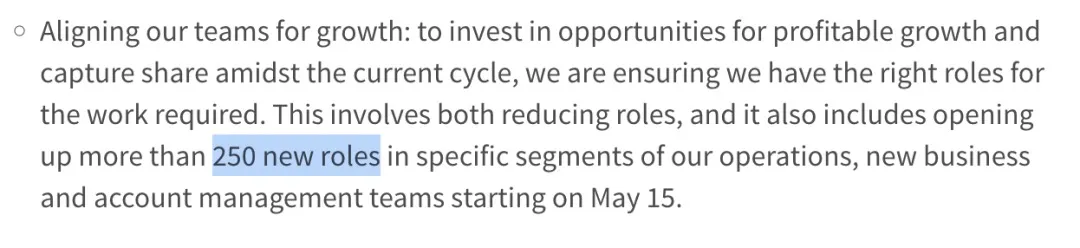
However, Roslansky also noted that the layoffs and restructuring will create 250 new positions, including operations and customer management, which will be posted starting May 15.
In summary, it means the company is streamlining its structure, outsourcing where possible, and tightening its belt.
It's quite something to lay off staff right after celebrating its 20th anniversary.
In fact, LinkedIn employees had leaked last week that layoffs would happen either on the 8th or the 15th, and indeed they came as predicted.

Nowadays, tech company layoffs are previewed in rounds—media rumors, internal leaks, leadership hints... After several rounds of previews, when the actual layoffs happen, it feels like boiling a frog slowly, and everyone becomes numb.
But with Microsoft already in its second round of layoffs, it's hard for a subsidiary like LinkedIn to stay unscathed. Amid the Silicon Valley layoff wave, the "almost no fire" dream companies are a thing of the past.

Tech Companies Keep Cutting Jobs
The wave of layoffs at tech companies continues.
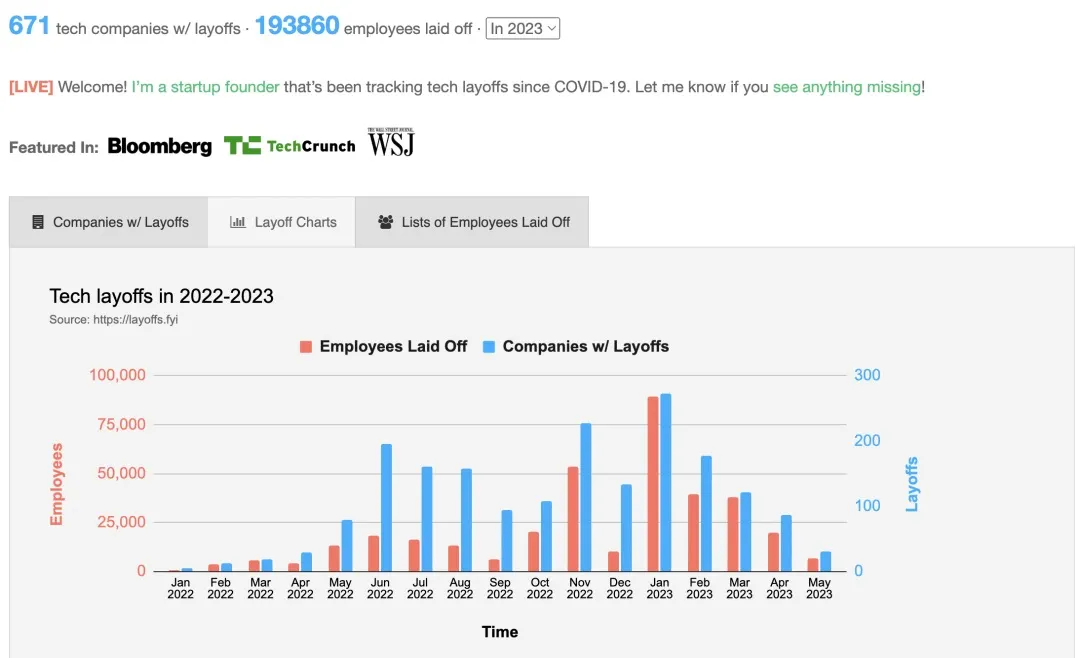
According to Layoffs.fyi, tech companies have laid off nearly 200,000 employees so far in 2023.
Some companies have cut jobs repeatedly, including Amazon, Meta, Microsoft, and other big players.
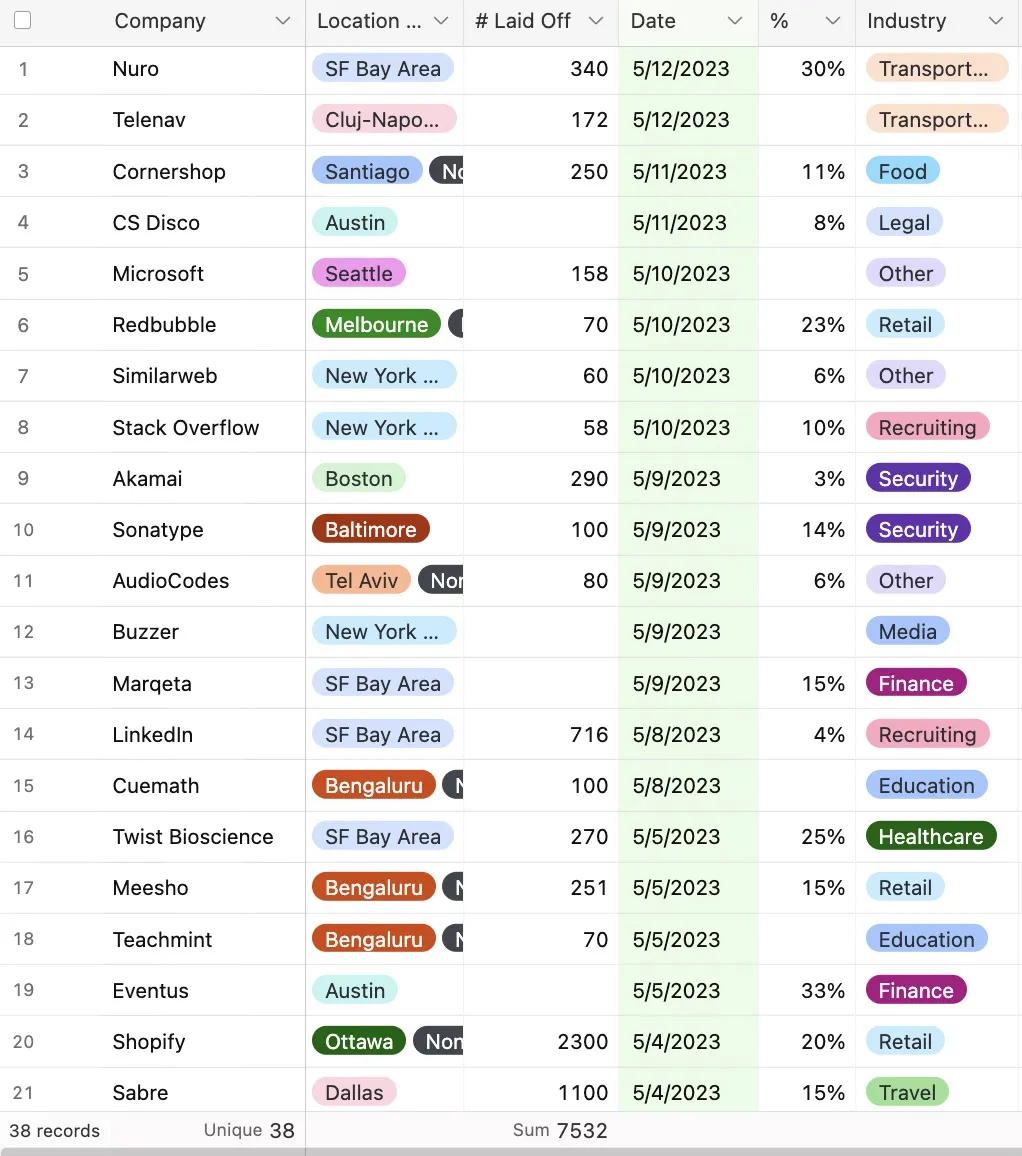
Not even halfway through May, layoffs have already exceeded 7,500.
Shopify
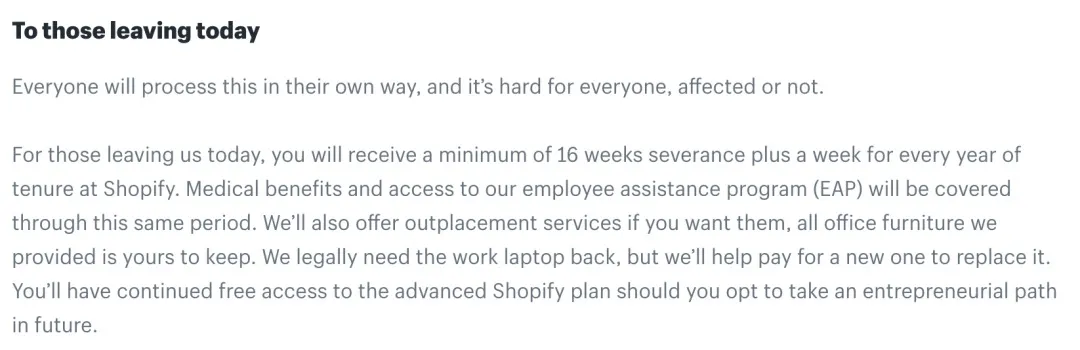
Earlier this month, e-commerce platform Shopify announced a 20% workforce reduction, affecting over 2,000 employees. Additionally, the company will divest its Shopify Logistics business, which will be acquired by Flexport.
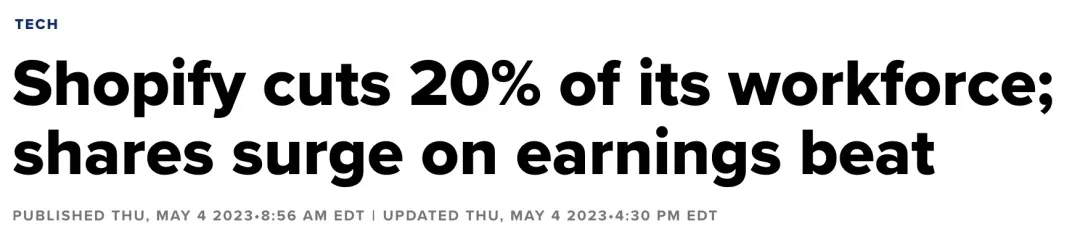
This is Shopify's second round of major layoffs since cutting 10% of its workforce last July.
The company's severance package for departing employees includes:
-
At least 16 weeks of severance (plus one extra week for each year of service)
-
Medical benefits and employee assistance
-
Office furniture, a new computer, and a free Shopify membership
Lyft
Late last month, Lyft announced layoffs of 1,072 employees, about 26% of its workforce. It will also freeze hiring for 250 positions.

This marks Lyft's third round of layoffs within a year, following:
-
July 2022: 60 people
-
November 2022: 683 people
Amazon
On April 26, Amazon announced the shutdown of its Halo health devices division, yet another round of layoffs.
This follows the 18,000 layoffs since last November and a new round of 9,000 cuts announced by the CEO at the end of March.
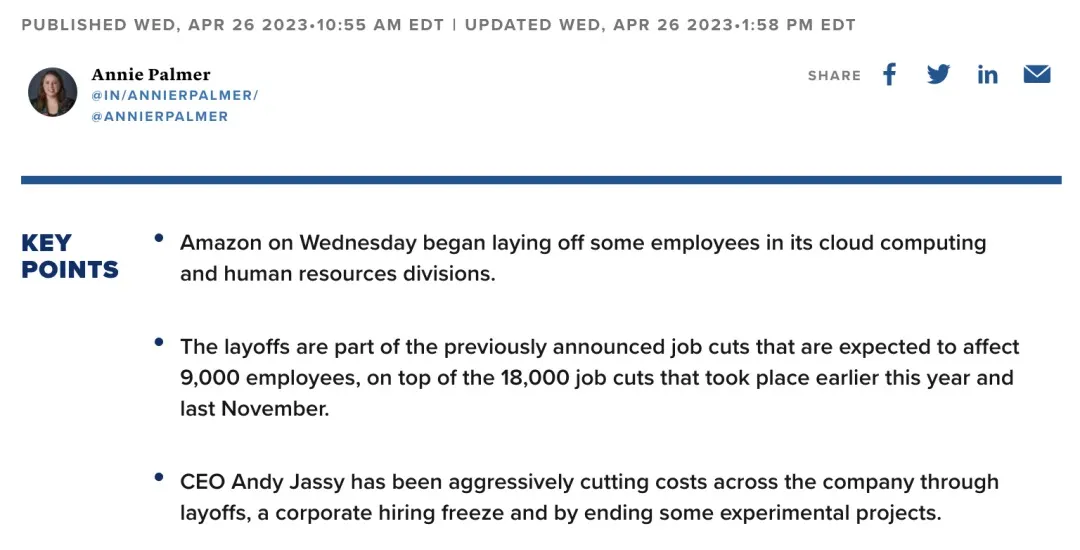
AWS cloud services were hit hard, and the entire Halo team was axed, with new hires more likely to be laid off. Amazon's total layoffs within a year have exceeded 27,000, accounting for 8% of its workforce, a record high.
Meta
According to media reports, Meta will lay off 1,500 employees in the Bay Area.

After cutting 11,000 jobs at the end of last year, Meta announced in March this year that it will continue to lay off another 10,000.
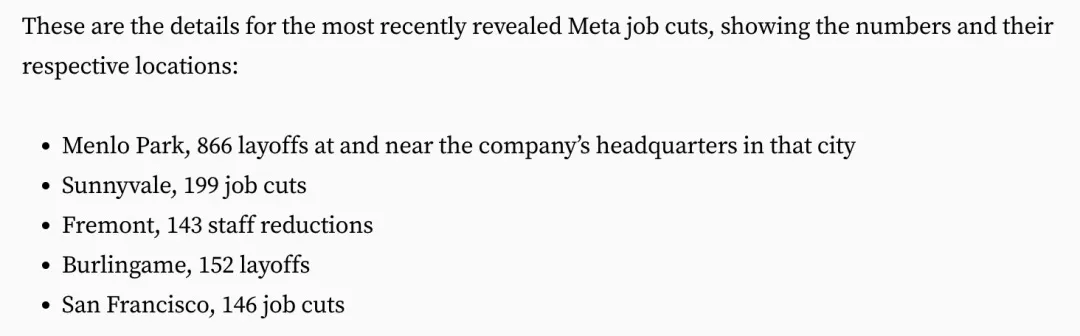
On April 24, Meta filed a layoff notice with California's Employment Development Department (EDD), which disclosed for the first time the number of Bay Area layoffs and affected cities:
-
Menlo Park: 866 people
-
Sunnyvale: 199 people
-
Fremont: 143 people
-
Burlingame: 152 people
-
San Francisco: 146 people
It is reported that this round of layoffs will take place around June 23.
How Should International Students Respond?
Faced with wave after wave of news about tech company layoffs and hiring freezes, international students have grown numb.
According to the latest survey by Handshake, this year's graduates are changing their job search trends: offers from big companies are no longer as attractive; stability matters more.
Continuous layoffs at big companies and delayed start dates have deterred new graduates. The importance of company brand recognition has dropped by 10% compared to previous years. Job stability has become a more important factor.
A Yale graduate said she interviewed for a data scientist position at a major tech company, but three weeks have passed with no word. She plans to shift to applying for non-technical roles at smaller companies.
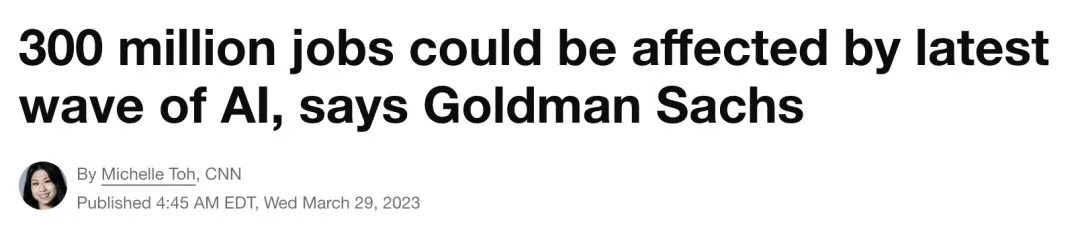
This year's employment pressure is unprecedented, with the economic downturn, continuous layoffs at big companies, and the explosive growth of ChatGPT all squeezing the already limited job market for graduates.
In the future, even AI will compete for your job. It's impossible not to be worried.
The prestige of big-name companies and their growth rates are far less appealing to graduates than before.
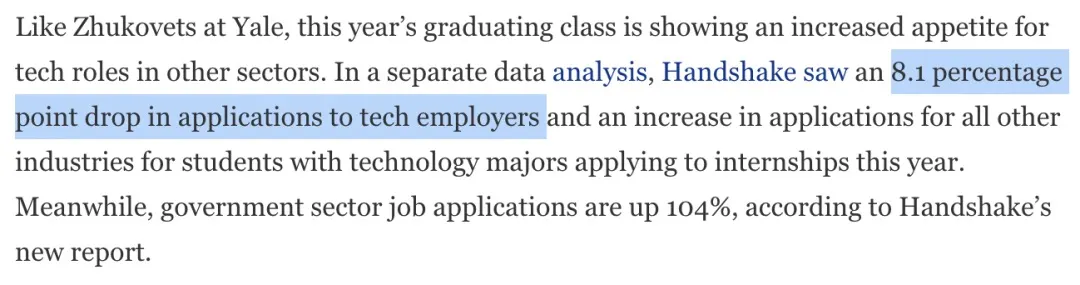
According to the survey, 36% of graduates will consider industries other than tech. This year, applications to tech companies fell by 8.1%, while applications to other sectors increased. Among them, government job applications surged by 104%. So the ultimate end of the universe is taking the civil service exam 😅
After this industry reshuffle, the era of everyone pivoting to coding may truly be over. In the future, entry-level programming jobs are very likely to be replaced by AI, and students from other majors considering a switch need to think more rationally.
Especially for this year's graduates, the job search challenges are unprecedented. I hope everyone can adjust their mindset. You can also consider pursuing graduate studies to wait for the industry to recover.
Wishing everyone all the best~
.png)