
As two of the UK's top institutions, UCL and LSE's Management master's programs are highly sought after by Chinese students. UCL enjoys a long history and outstanding reputation in management education, emphasizing practical application and interdisciplinary research; LSE is renowned for its world-class economics and social sciences education, cultivating management talent with deep insight and a global perspective.
This article compares the strengths of these two management programs in detail, along with admission cases and employment information~ For more application details, add CheersYou(清柚教育) advisor: qingyouge23!

1. Subject Rankings
According to the latest 2023 QS rankings, UCL is ranked 8th, while LSE is 56th:
.png?x-oss-process=style/opt-webp)
.png?x-oss-process=style/opt-webp)
However, LSE's Management subject ranking is higher than UCL's:
.png?x-oss-process=style/opt-webp)
In this case, if you plan to return to China for employment directly after graduation, it is advisable to prioritize UCL, as a high overall ranking serves as a door opener to top domestic companies. If you intend to pursue further studies or work abroad, subject ranking becomes more important.
2. Curriculum
UCL MSc Management
UCL's MSc Management is a one-year program designed to develop students' solid understanding of practical management issues and a firm grounding in current theory. The program offers two distinct pathways: Finance and Corporate.
The Finance pathway is aimed at students with backgrounds in finance and accounting, including graduates in business, management, or other disciplines. It aims to build capabilities for a career in finance.
The Corporate pathway is for graduates who have studied business and management or those without a related background who wish to pursue a general management career. It provides a broad set of management skills, preparing students for general management roles across various sectors.
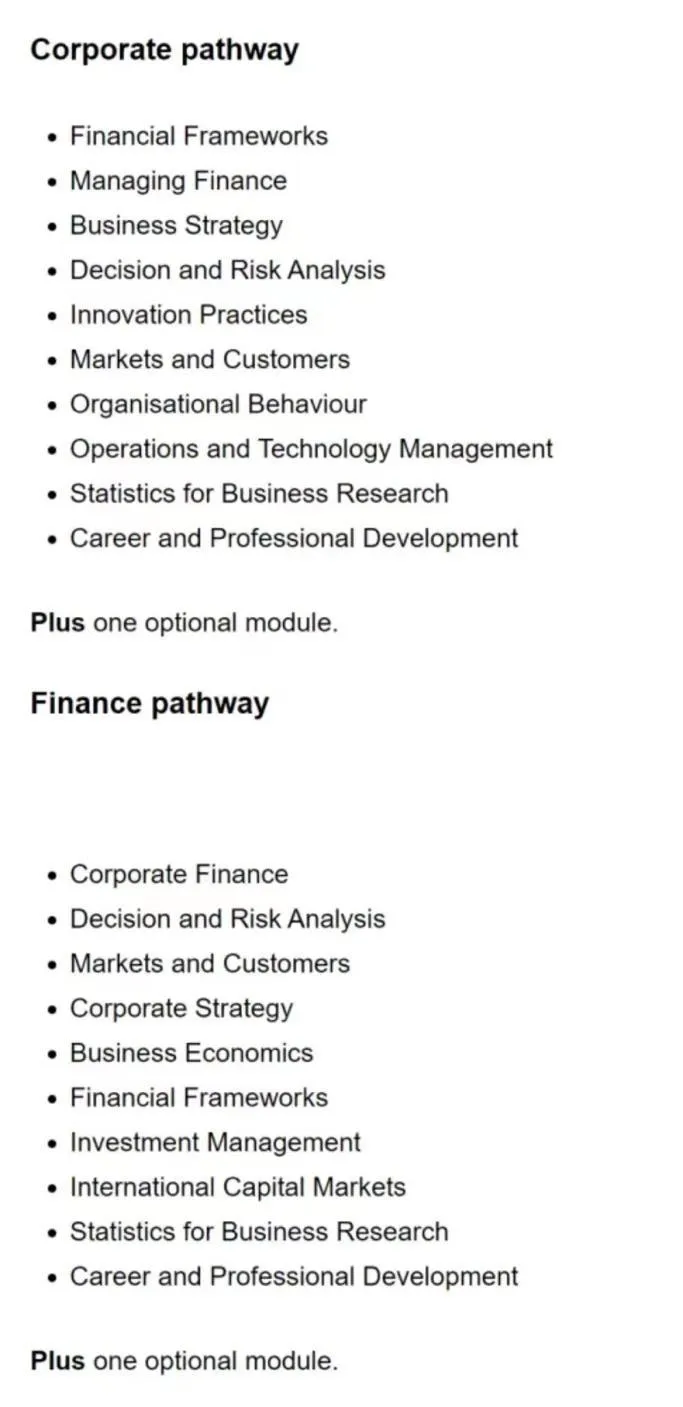
Program link:
https://www.ucl.ac.uk/prospective-students/graduate/taught-degrees/management-msc
LSE Master's in Management
LSE's Master's in Management is also a one-year program. Its core courses are designed to build skills in business analysis, marketing, financial management, people management, leadership, and strategy.
Compared to UCL's program, LSE's curriculum is more focused and specialized in the field of management. For students aiming to pursue careers in this area, prioritizing LSE is recommended.
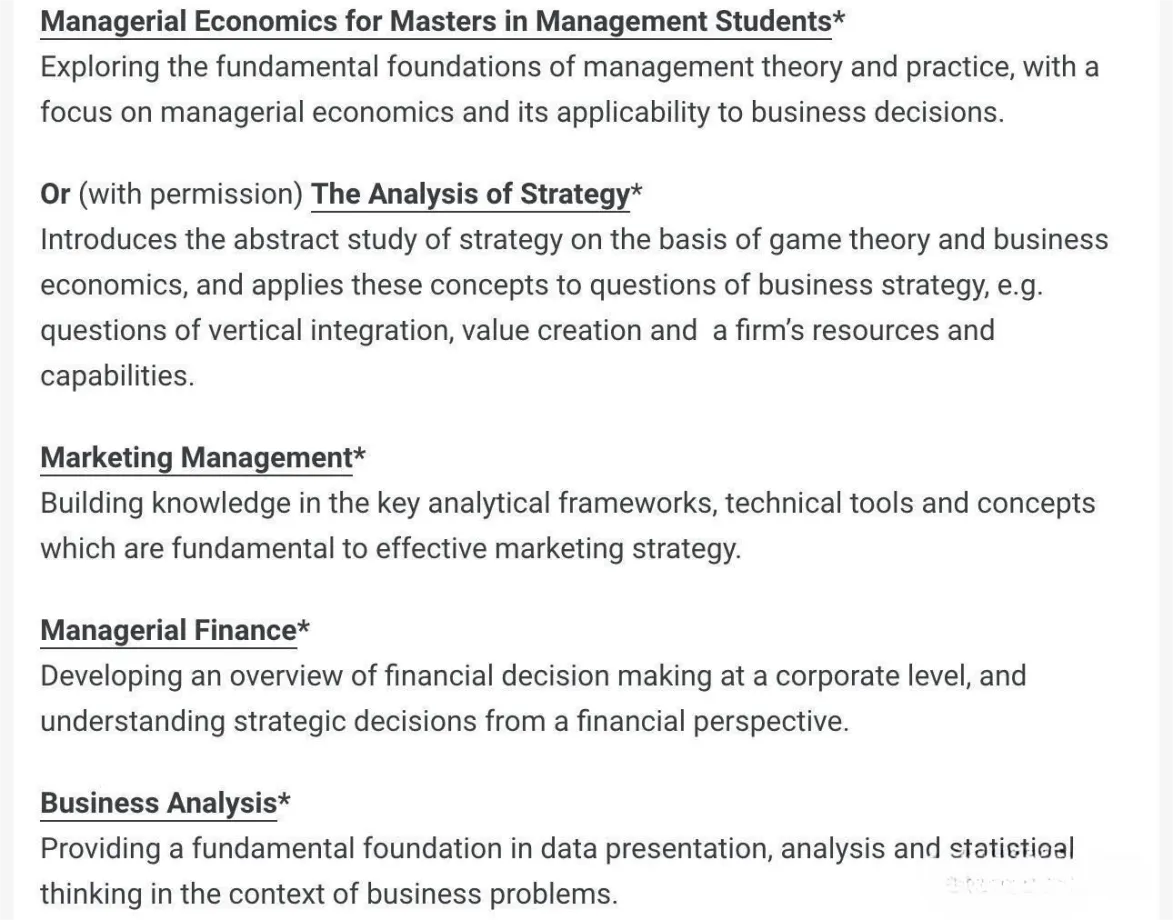
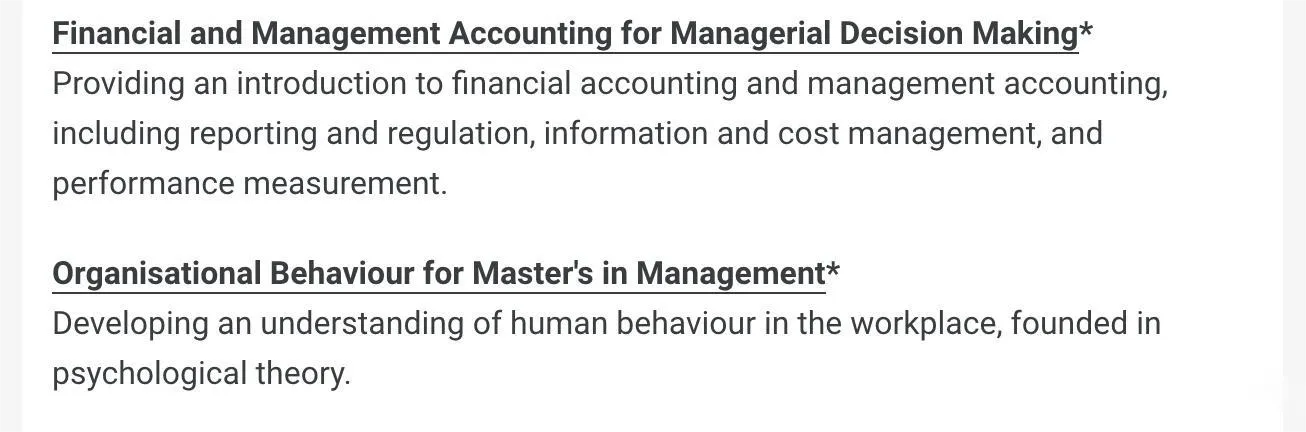
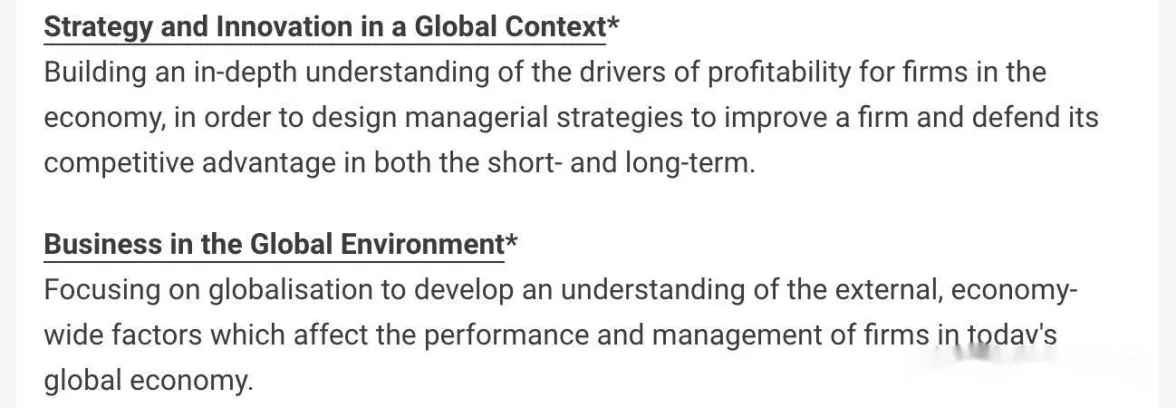
Program link:
https://www.lse.ac.uk/study-at-lse/Graduate/degree-programmes-2023/Masters-in-Management
3. Application Difficulty
- GPA: For applicants from 985 or 211 universities, UCL's minimum GPA requirement is 80, while for non-985/211 applicants, the minimum is 85. LSE's requirements are stricter: for 985/211 students, a minimum of 85, and for non-985/211 students, a minimum of 90.
- Language Proficiency: Both programs have the same English language requirements: IELTS 7.0 or TOEFL 100.
- GRE/GMAT: UCL's program does not require GRE or GMAT scores, while LSE's program requires them for non-UK undergraduate students.
- Interview: UCL requires an interview, while LSE does not.
4. Career Directions
UCL offers a wide range of events and career training, including those featuring business leaders. Actively participating in the school's career activities can bring unexpected benefits. If your academic schedule allows, consider taking exams like CFA or ACCA, which will be very helpful for future employment.
Regarding career outcomes, official data shows many students find opportunities in consulting, banking, and other sectors at companies such as Barclays, the Big Four accounting firms, Goldman Sachs, and Google.
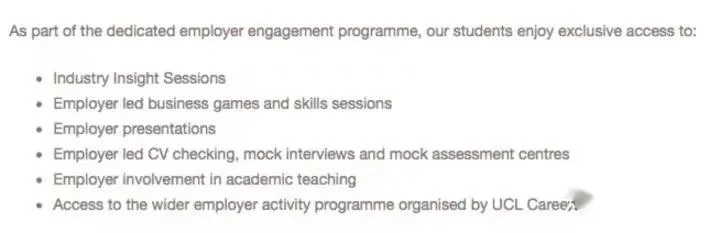
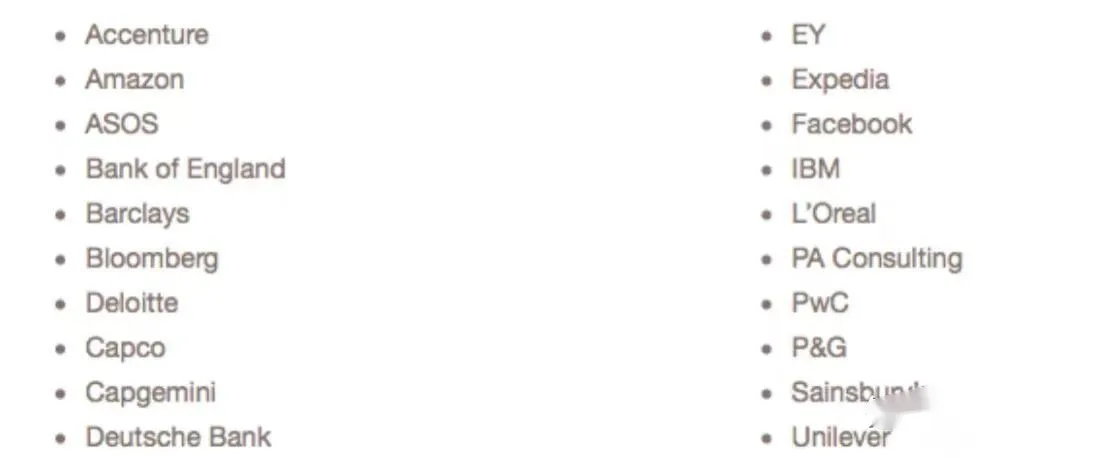
LSE provides dedicated, tailored career support. Students benefit from one-on-one career advisor sessions, recruitment events, and workshops with employers. Notably, LSE Careers offers a database with numerous job opportunities to assist students in their job search.
Below are some career outcomes for graduates of the LSE Master's in Management.
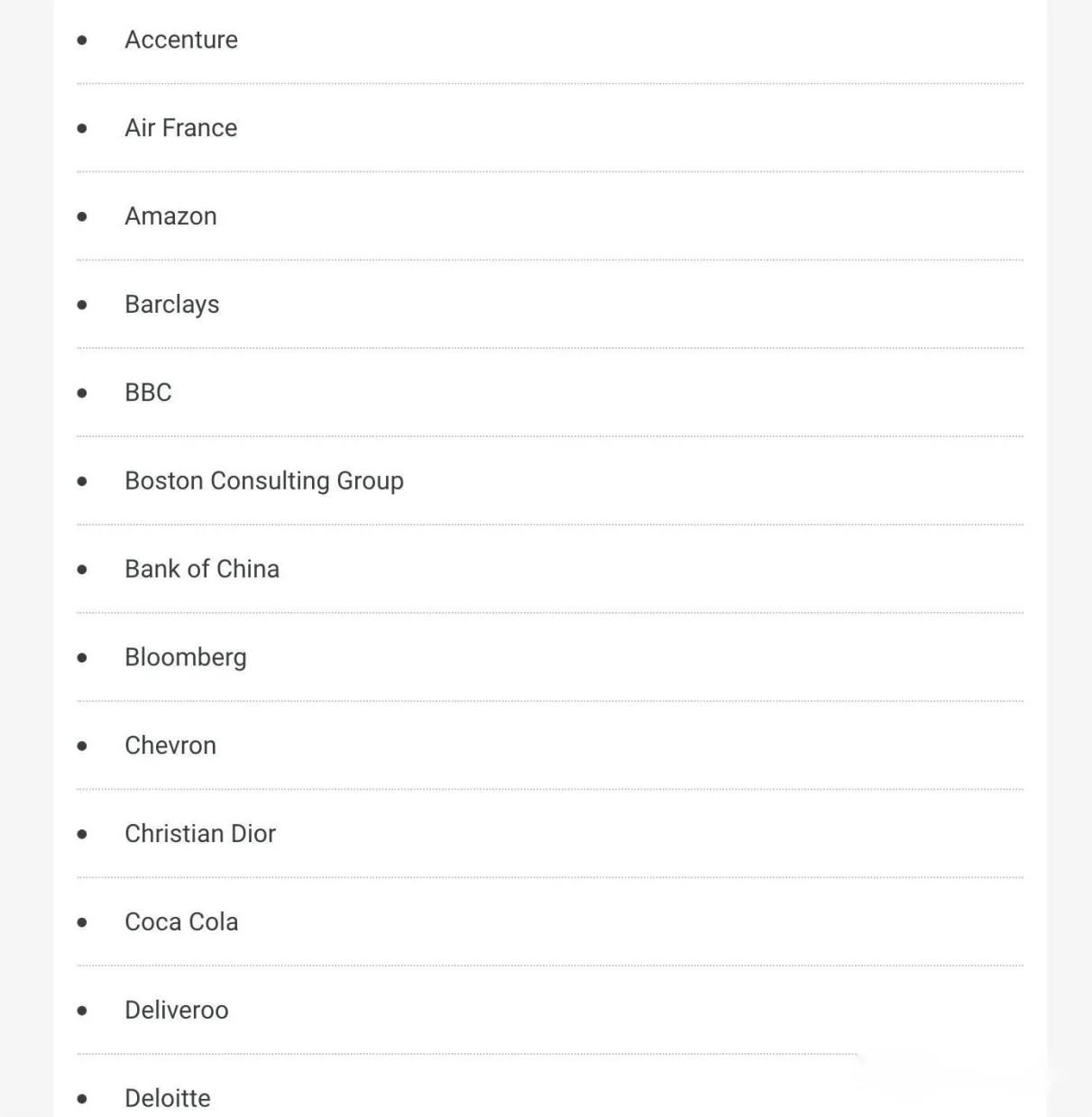
In summary, LSE's Master's in Management has stricter entry requirements, a higher subject ranking, and greater international recognition. Meanwhile, UCL has a relatively lower admission threshold but a higher overall ranking, which is advantageous for returning to China for employment. Students should make decisions based on their individual circumstances and future plans.
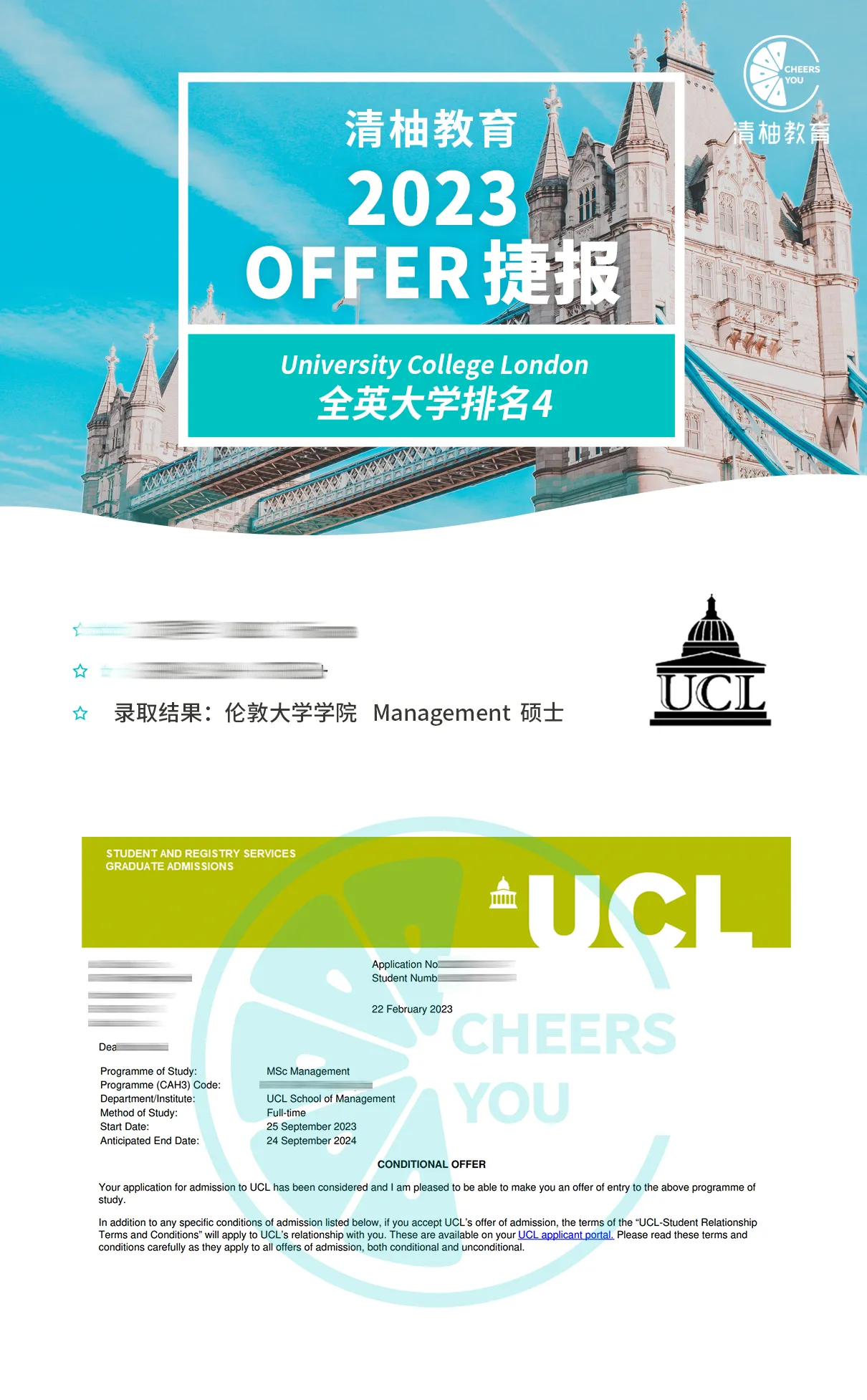
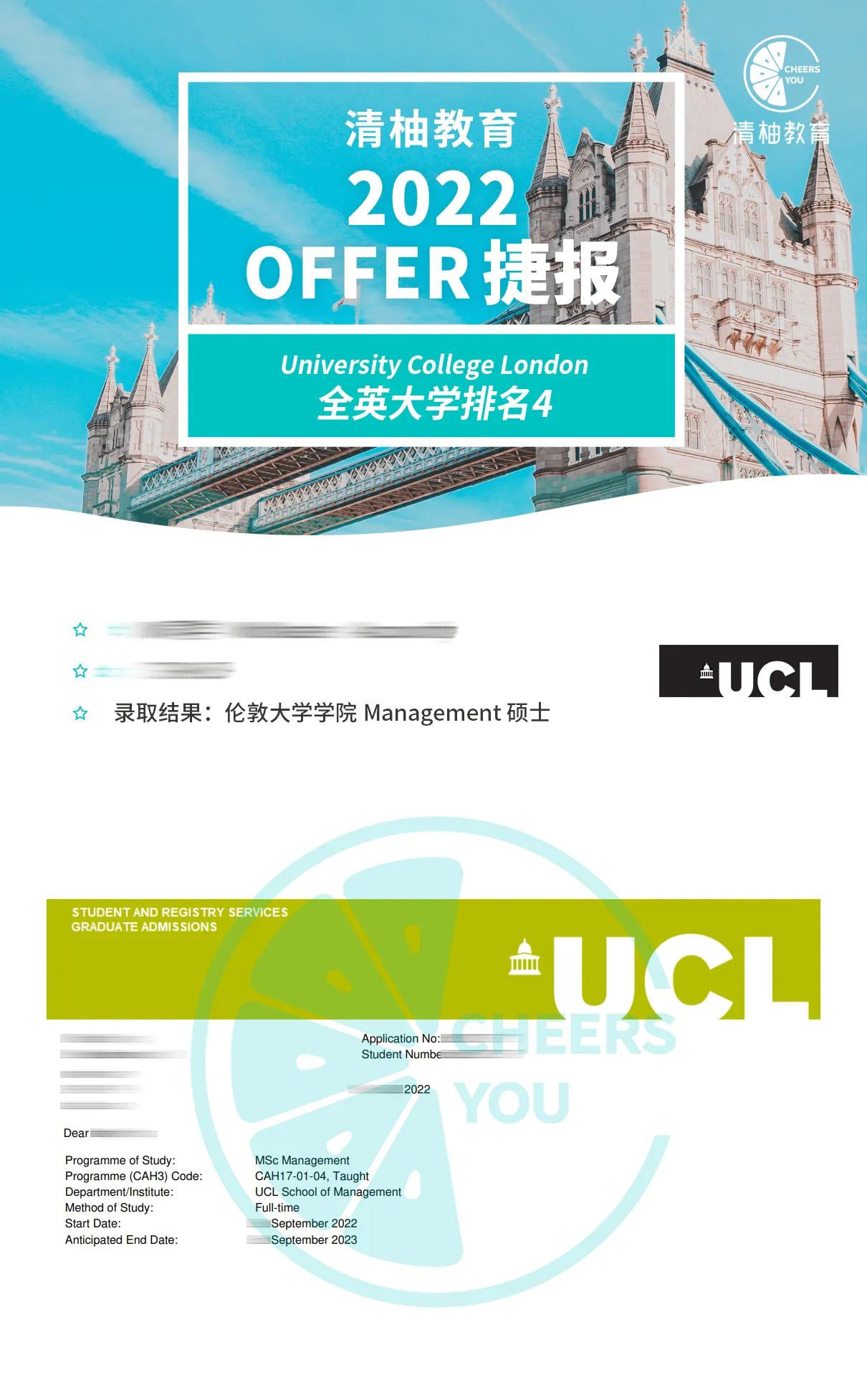
Finally, as is customary, here are some admission offers for the Management program:
For more application details and school selection consultation, feel free to scan the QR code below~