Want to stay in the U.S. and earn a high salary? You only need to switch to CS—it seems this has become the consensus in the North American study-abroad circle.

Many even think that if you don't switch to CS, there's no point in studying in the U.S. at all—you might as well pay a down payment...

After all, in North America, a software engineer is synonymous with high salary, stable life, and boundless prospects. Who wouldn't be envious of a six-figure annual paycheck right after starting a job?
Don't ask—just know that the offers from big tech are irresistible. Even amidst the tech layoff wave, a large number of people still harbor the dream of switching to CS, undaunted by hardships, just to get a piece of the pie.

Countless stories online about switching to CS from zero background or at an older age and then reaching the pinnacle of life create an illusion that anyone can do it. So, no matter what your previous major was or whether you have any CS foundation, everyone blindly rushes to switch, one after another.
However, when you actually start the transition, you realize that the long road to switching to CS is fraught with difficulties at every turn!

Warning No. 1 on Switching to CS: Many Application Challenges
Not to mention how difficult the learning path of switching to CS is—you may not even get an offer!
The current trend is that everyone wants to switch to CS, and CS-related programs are being applied to the point of bursting. As a result, admissions become more competitive each year! Not to mention some high-barrier transfer programs.
For example, programs like Columbia University's and all highly-ranked schools' CS and DS programs admit only applicants who graduated from top universities in computer engineering or related fields with high GPAs and GRE scores.
Although some renowned programs are friendly to applicants without a CS background, such as the CS programs at the University of Chicago and Northeastern University, which offer prerequisite courses or a series of bridge courses to build a foundation.
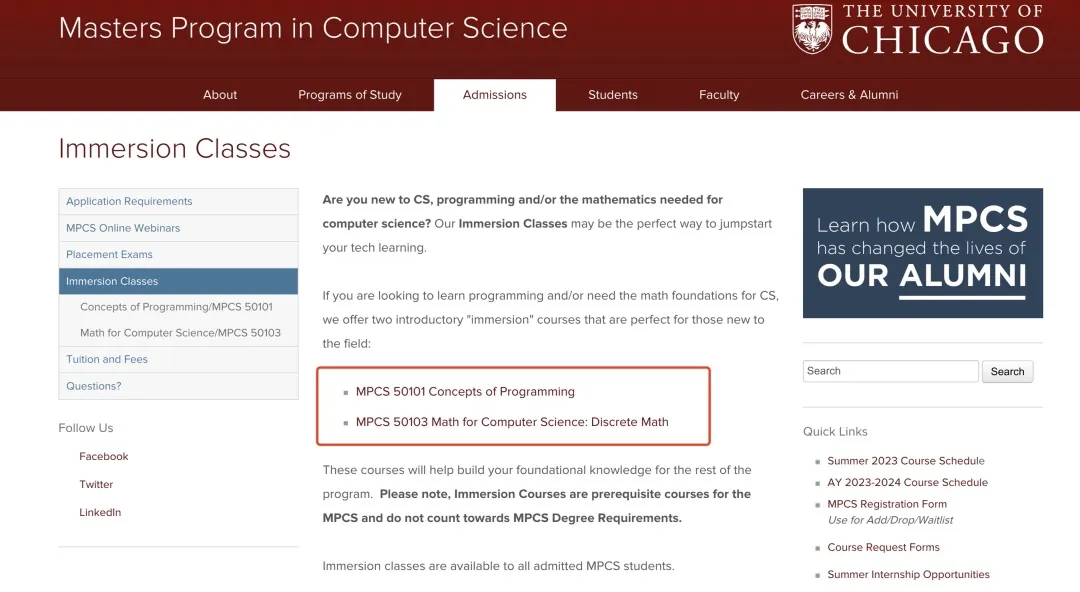
But even without strict background restrictions, schools still prefer candidates who majored in CS or related fields.

Moreover, as transferring to CS grows more competitive, schools that were previously safe bets have become much harder to get into. Low-GPA applicants face an ever-lowering safety school selection, and those who got rejected everywhere for Fall 2023 are already countless. Fall 2024 will only be more difficult...

Warning No. 2 on Switching to CS: Immense Study Pressure
Even if you get your dream offer, don't celebrate just yet—your tough days are probably just beginning.
Many people who switch to CS have no prior background in math or science and apply blindly. Even if they are admitted by luck, after enrollment, they often find it hard to keep up with courses or understand the material.
Take UPenn's MCIT program, for example. Although it is specifically designed for students with zero CS background, the coursework involves a lot of Python and Java content from the start.
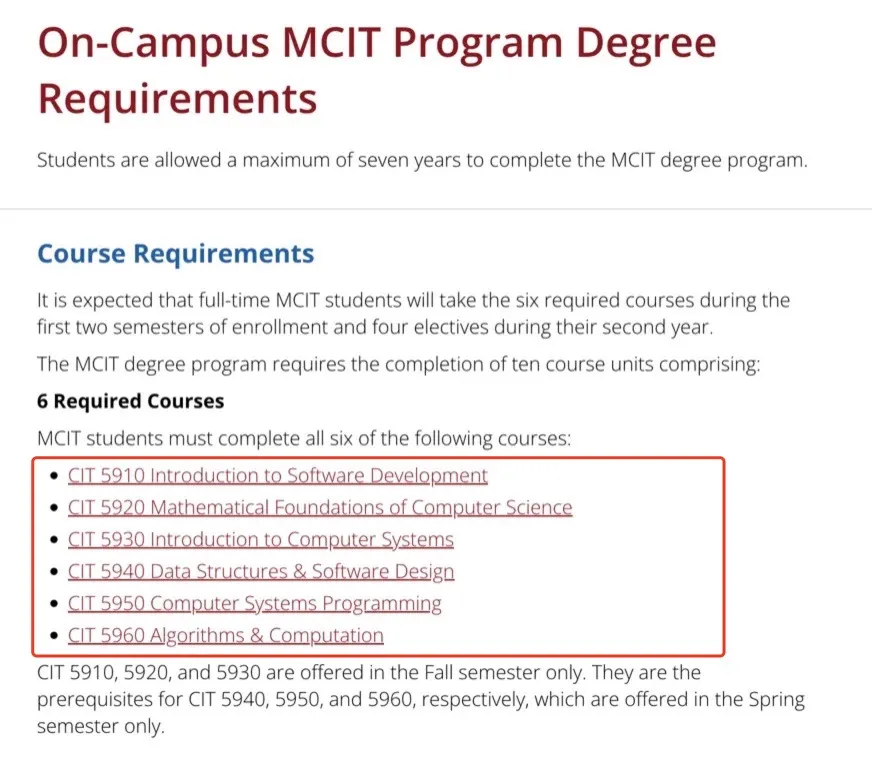
Moreover, the educational philosophy of top research universities is to let students learn to think and study independently, so professors often only scratch the surface. This requires students to do extensive preparation and self-study just to keep up with the professor's level.
Even those with a STEM background find it quite demanding, with staying up until 3 or 4 a.m. being the norm, and projects that make them question their life choices, living in deep anxiety every day...
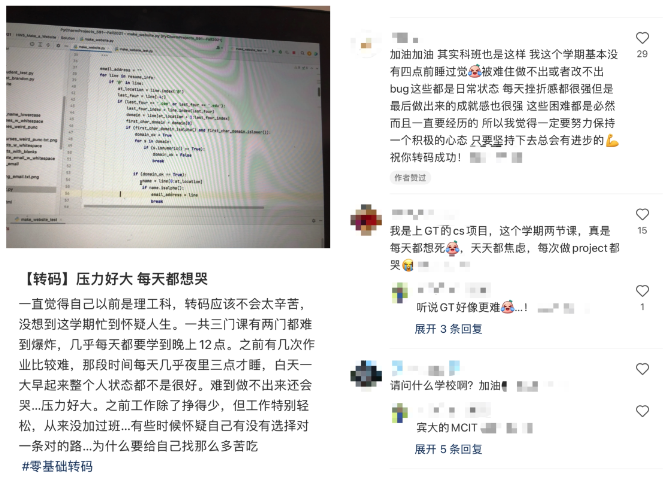
For those with no foundation at all or a weak foundation, the difficulty is doubled...
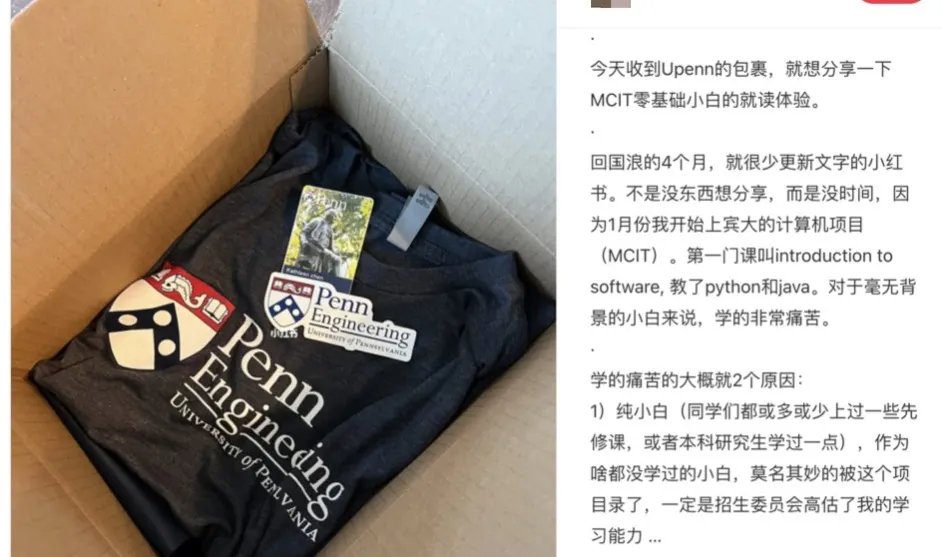
Even if they study desperately every day, they still cannot keep up with those around them... After all, how can a few months of effort compare to someone else's years of study?
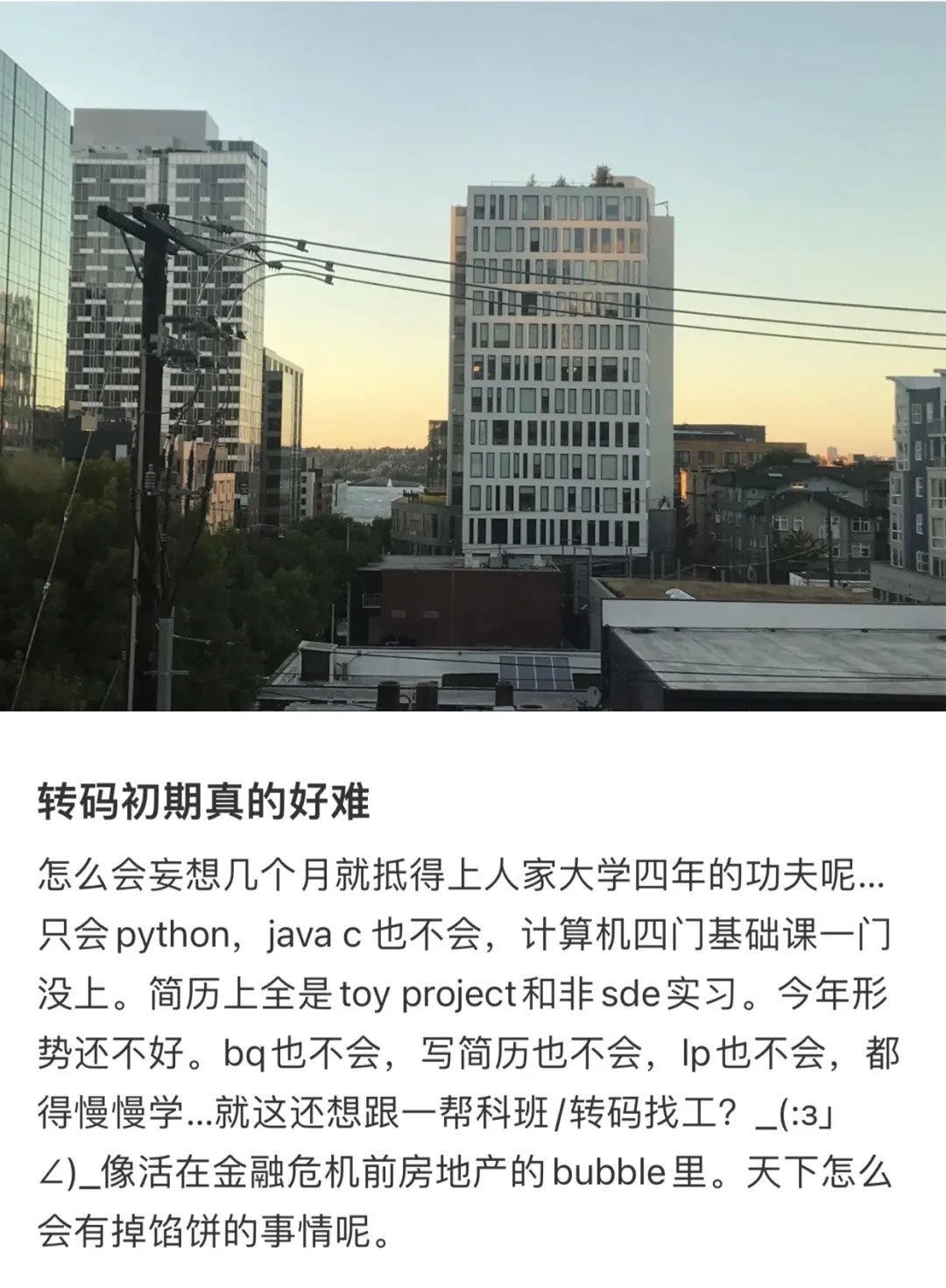
Thus, amid physical and mental torment, many start to think about giving up...
Many low-GPA switchers simply cannot withstand the immense pressure of starting from scratch and drop out voluntarily, or are even dismissed by the school—such cases are common...

Warning No. 3 on Switching to CS: Interest, Ability, and Perseverance
In fact, a large portion of CS switchers are dissatisfied with their current majors or salaries and decide to switch, but have no interest or aptitude for programming whatsoever.
Thus, you will see that many who start the transition with a tentative mindset quickly lose heart soon after they begin. Many find partway through that they lack the ability and are not good at coding, leaving them in a dilemma—not knowing whether to persist or give up.

You have to understand that learning and working with code is often extremely tedious and boring. Without any interest, this sense of disparity will leave many overly enthusiastic switchers completely at a loss.
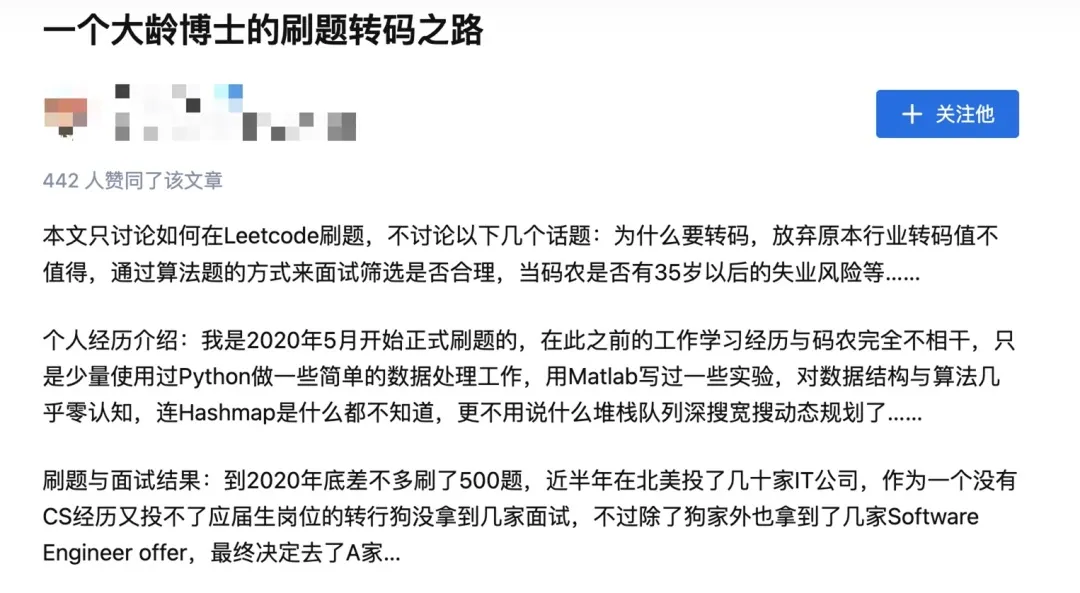
A veteran who switched to CS later in life shared from experience: in half a year, one needs to solve 500 practice problems. You can imagine the time and effort required. Without extraordinary perseverance, it is hard to persist.
Warning No. 4 on Switching to CS: Continued Layoffs and Tough Job Hunting
As everyone knows, since November last year, U.S. tech companies like Meta, Google, and Amazon have conducted massive layoffs, triggering a wave of layoffs across global tech companies.
According to Layoff website statistics, since 2023, over 1,000 tech companies globally have laid off more than 200,000 people, far surpassing the total for the entire previous year.
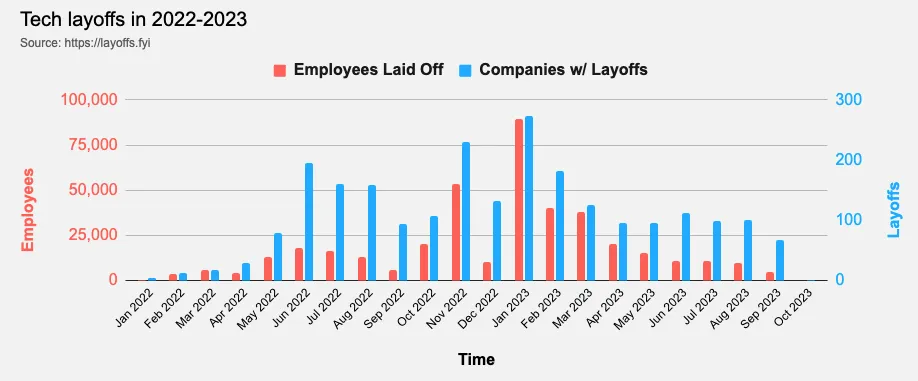
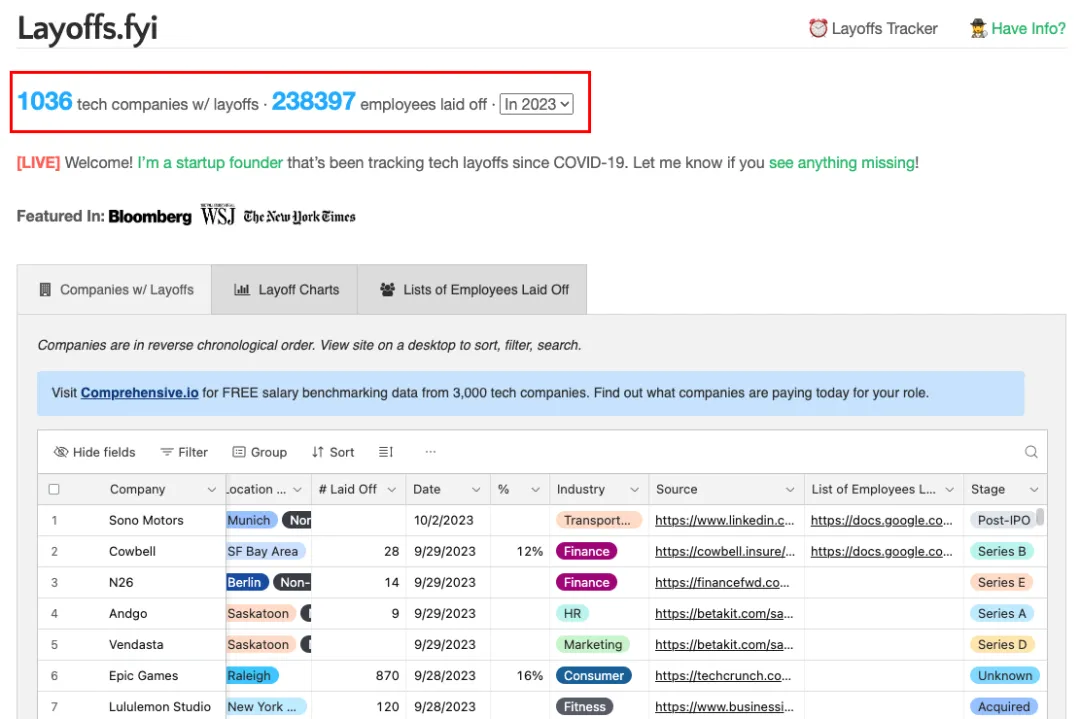
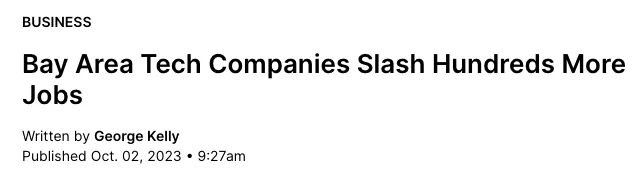
Amid wave after wave of layoffs, even outstanding computer science graduates with a formal background are finding it harder to land a job, and breaking into big tech is increasingly difficult.
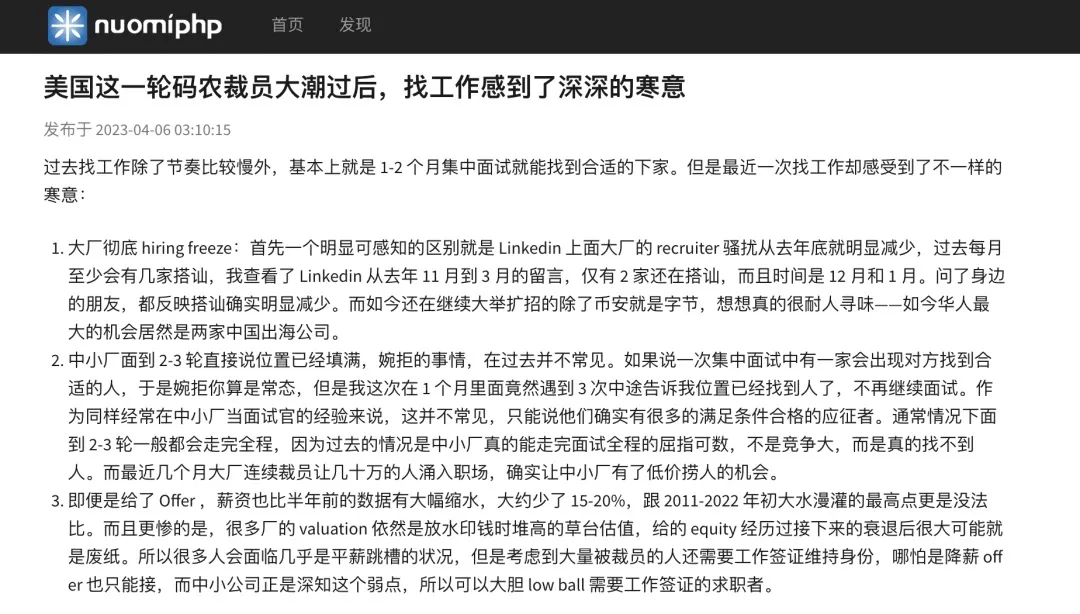
Those who switched to CS halfway are receiving rejection letters one after another during job interviews... It can be said that the employment situation is not as optimistic as everyone assumes.

Thinking about attending GHC (Grace Hopper Celebration) to find a job and successfully switch to CS? Over half of the companies don't provide sponsorship, and in the end, you end up being taken advantage of, losing both money and opportunity, with a heavy heart.

Even those who haven't been laid off or have successfully landed a job are facing doubled workloads, immense pressure, and shrinking salaries and benefits...
How to Determine If Switching to CS Is Right for You
Perhaps only after going through it do you realize how severe the survivorship bias is in the online stories about switching to CS. In reality, those who fail to switch may be the silent majority.
Of course, all this talk is not meant to scare everyone off or prevent you from switching. I just hope that before making the decision to switch, you will be aware of the sunk costs of a failed switch, understand the potential risks in advance, and try to avoid them.

Take a look at the Douban group "Alliance of Failed CS Switchers." Every failure story within is a testament, written with the heartbreak and blood of predecessors, revealing just how deep the waters of switching to CS can be...
So before you truly decide to switch, ask yourself a few questions:

Do I have the ability to start from scratch?
For students who have never touched computer-related content before, compared to non-switchers already in CS/DS or similar tracks, can you reach the same starting line in a short time? Can you mentally and physically withstand the learning and competition pressures?
Am I good at logical reasoning?
Every internet project is essentially built by stacking blocks of code with rigorous logic. The ability to design strict logic is a fundamental quality of a programmer. If you are not skilled at logical reasoning, your learning journey will be extremely difficult.
Is coding interesting to you?
If you have no interest to support your switch, this road will definitely be rough. If you're unsure, try some free courses in advance to see if you can follow along and if you find joy in it.
Switching to CS Is Not the Only Path
Switching to CS is not the only way. Even if you are genuinely interested in programming and coding, you don't necessarily have to switch to a purely hardcore software engineering track; you can also consider other relatively softer transfer programs.
Actually, there is a champion in every trade, and finding the career direction that suits you best is more important. We are also in the era of interdisciplinary studies, and many programs are integrated with computer science. You don't need to struggle in the cutthroat depths of CS.
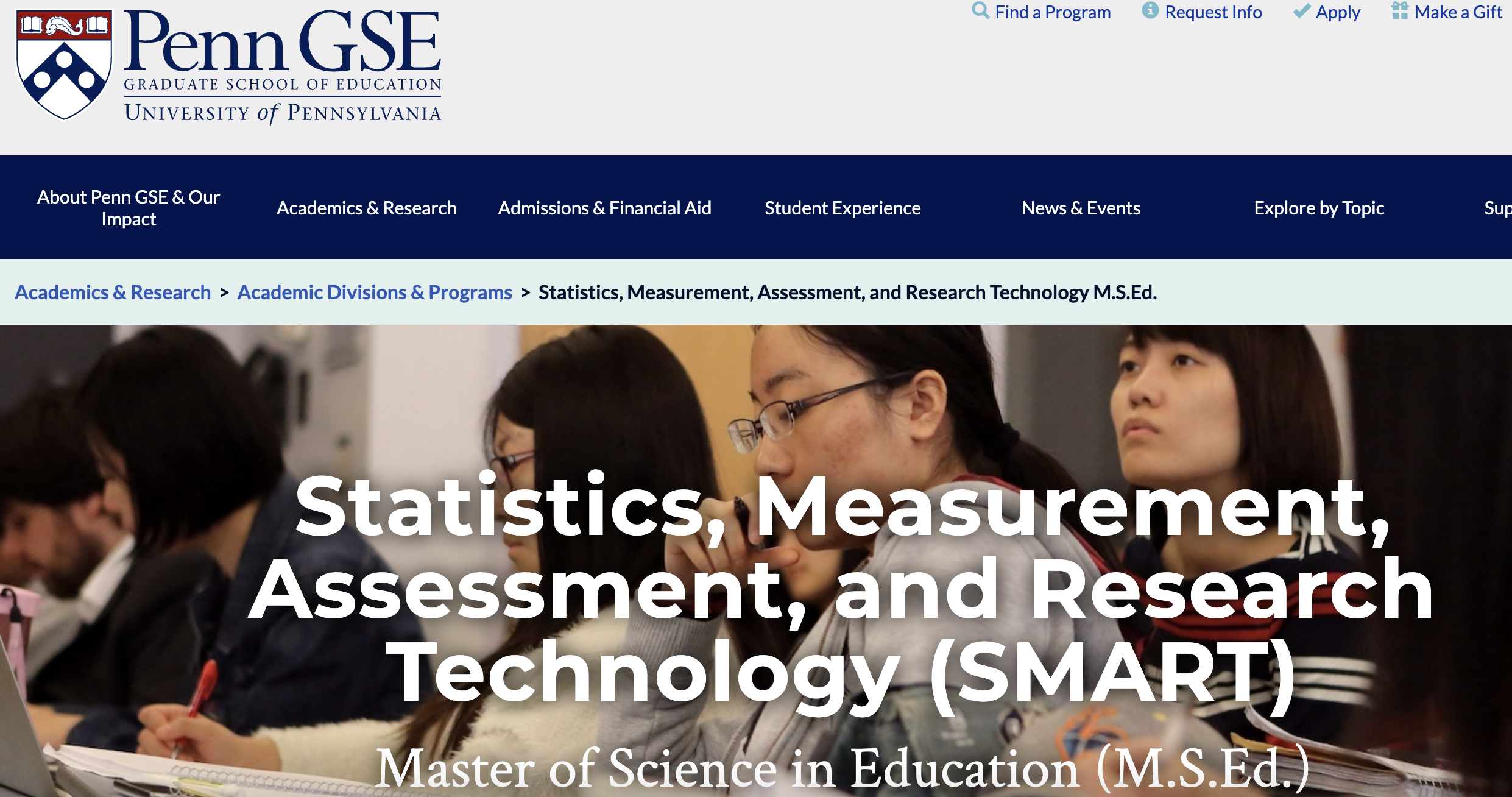
For example, students with a business background can consider switching to data analytics, business analytics, or other equally popular research fields; while liberal arts students can look into emerging programs like educational technology or social statistics that align with their strengths and have strong industry demand. This way, you won't waste four years of prior learning but can still broaden your career path.
Finally, I hope everyone can find the development direction most suited to them. Stay true to yourself, persist in your own path, and you will reach the end.