
In an employment landscape where educational qualifications are increasingly important, many Chinese students from non-elite undergraduate programs aspire to upgrade their degrees. With domestic graduate entrance exams being extremely competitive, studying abroad might be a great alternative. But do foreign universities also heavily scrutinize undergraduate backgrounds? If that's your concern, I suggest you consider the US. Unlike the UK or Hong Kong, the US places less emphasis on your undergraduate institution. Many American schools evaluate applicants holistically, combining hard metrics and soft backgrounds. Hard metrics include your undergraduate tier, GPA, language test scores, and GRE/GMAT results. Soft backgrounds refer to papers, research projects, internships, and personal statements. If you're applying to engineering programs, schools care a lot about your research experience, including whether you've participated in competitions or published papers. Conversely, if you're applying to business or employment-oriented programs, schools value your internship experience more. And then there's your personal statement, which is extremely important in US graduate applications, accounting for about 30% of the evaluation, so you must craft it carefully. These points are the key criteria US graduate programs use to assess students, making the process very friendly to those from non-elite Chinese undergraduate backgrounds.
So, as long as you meet the basic requirements, you can apply; and if you're outstanding enough, you might win the favor of your dream school. This is undoubtedly a golden opportunity for students from non-elite programs to turn things around! But are the thresholds for top US schools really that low? The answer is absolutely "NO!"
The most direct effect of not filtering by undergraduate background is a much larger applicant pool, meaning you'll have many more competitors. Gaining entry only to be stopped by fierce competition is even more disappointing. So how can you stand out among applicants and become the most "match" candidate in the eyes of admissions officers? Today, let's thoroughly sort out the key aspects that US institutions value, along with issues to pay attention to during preparation.
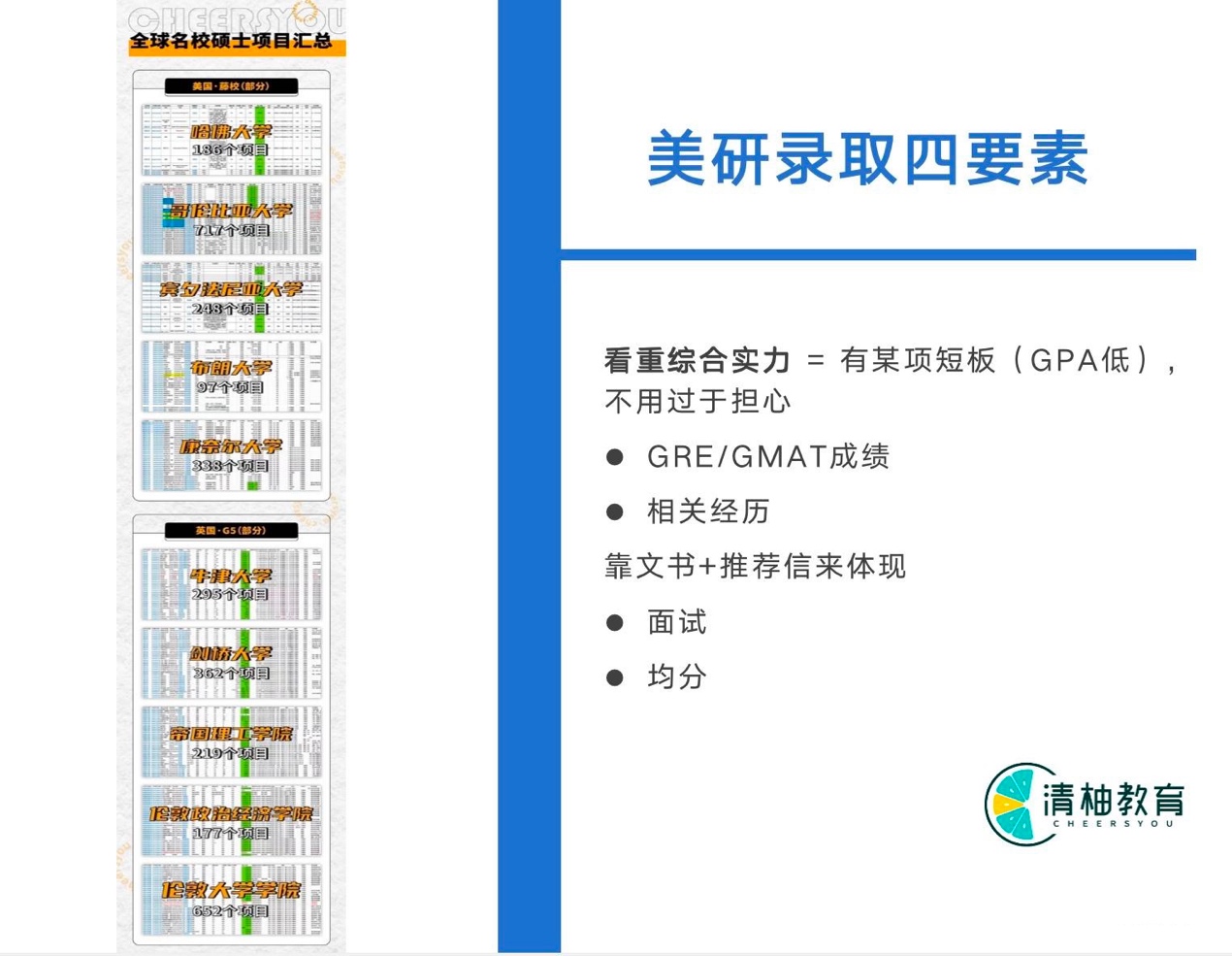
First, the US places great emphasis on an applicant's overall strengths, which means that if you have a particular shortcoming—such as a low GPA or an average undergraduate institution—you shouldn't worry too much; you can compensate in other areas. So, students should clearly understand the core factors in US graduate admissions:
1. GRE/GMAT Scores
Previously, due to the pandemic, many schools worldwide introduced optional or waiver policies for GRE scores. But with the global situation stabilizing, that era is now behind us. Many top universities have reinstated GRE score submission requirements. It is predicted that in the upcoming 24fall/25fall application cycles, the GRE will remain a significant reference standard.
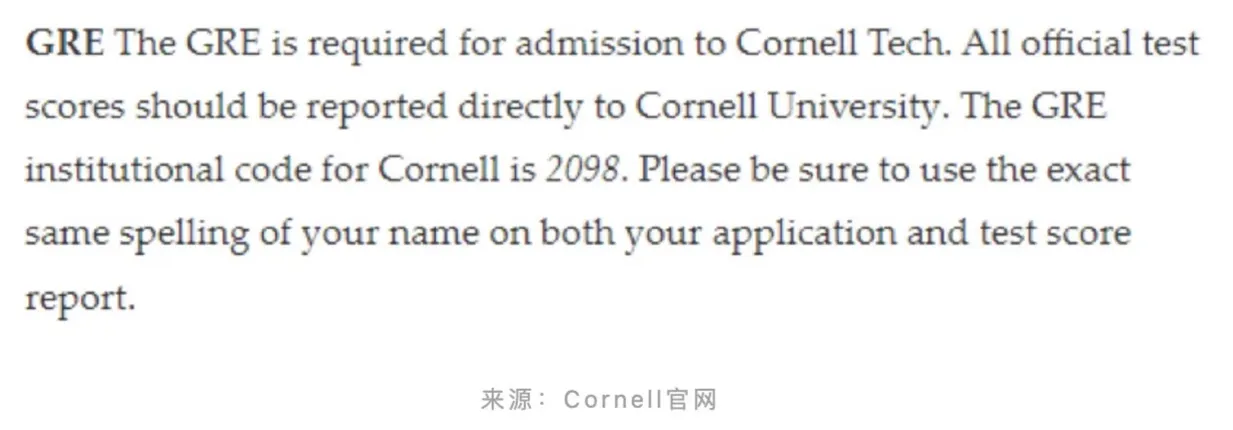
1. Cornell University
Cornell's College of Engineering explicitly states that GRE scores must be submitted.
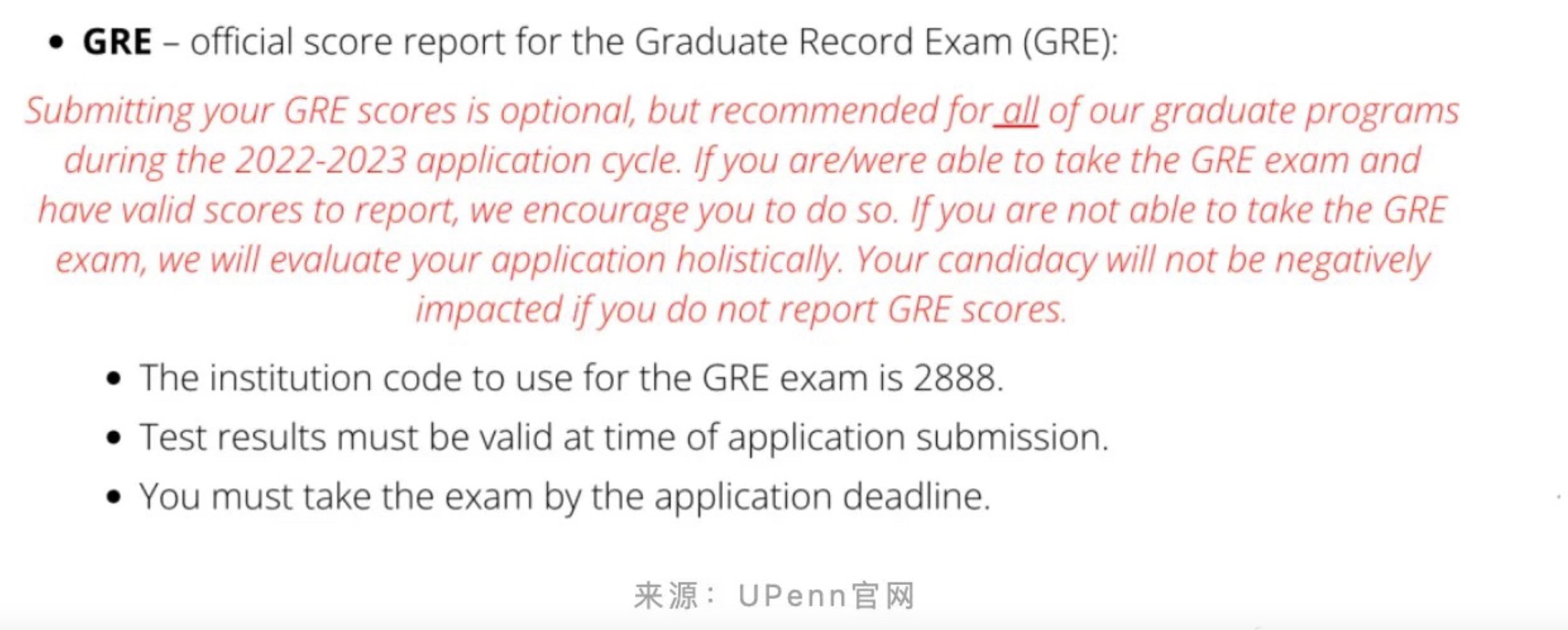
2. University of Pennsylvania (UPenn)
UPenn's School of Engineering and Applied Science strongly recommends that all applicants in the 2022-23 cycle submit GRE scores and provide valid score reports, and will prioritize those who do. Students for 24/25 can take this as a reference.
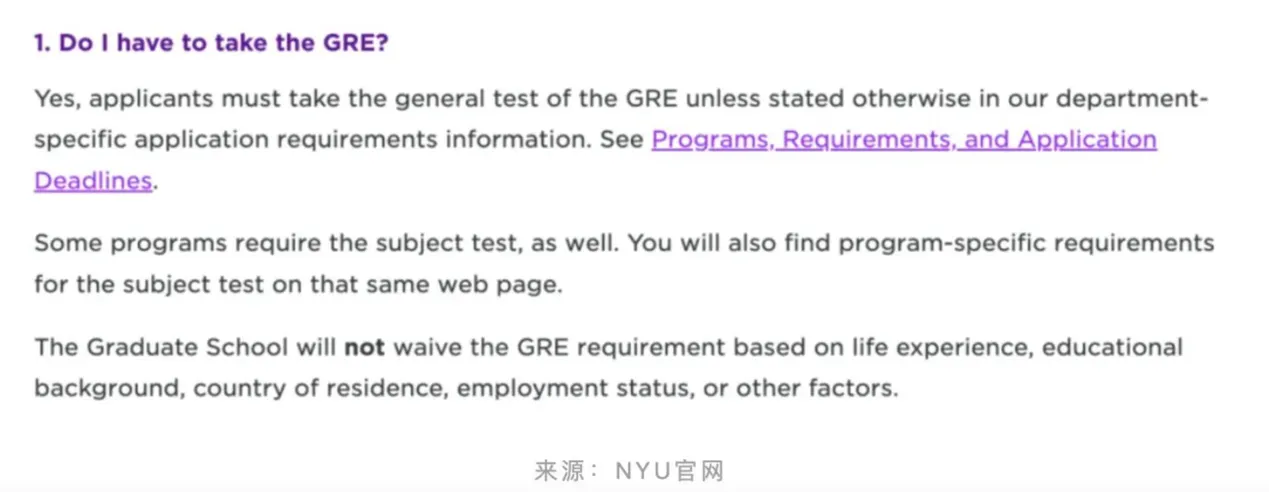
3. New York University (NYU)
In the 23Fall application cycle, NYU's Graduate School of Arts and Science explicitly required all applicants to submit GRE scores, with no waivers based on life experiences, educational background, country of residence, employment status, or other factors.
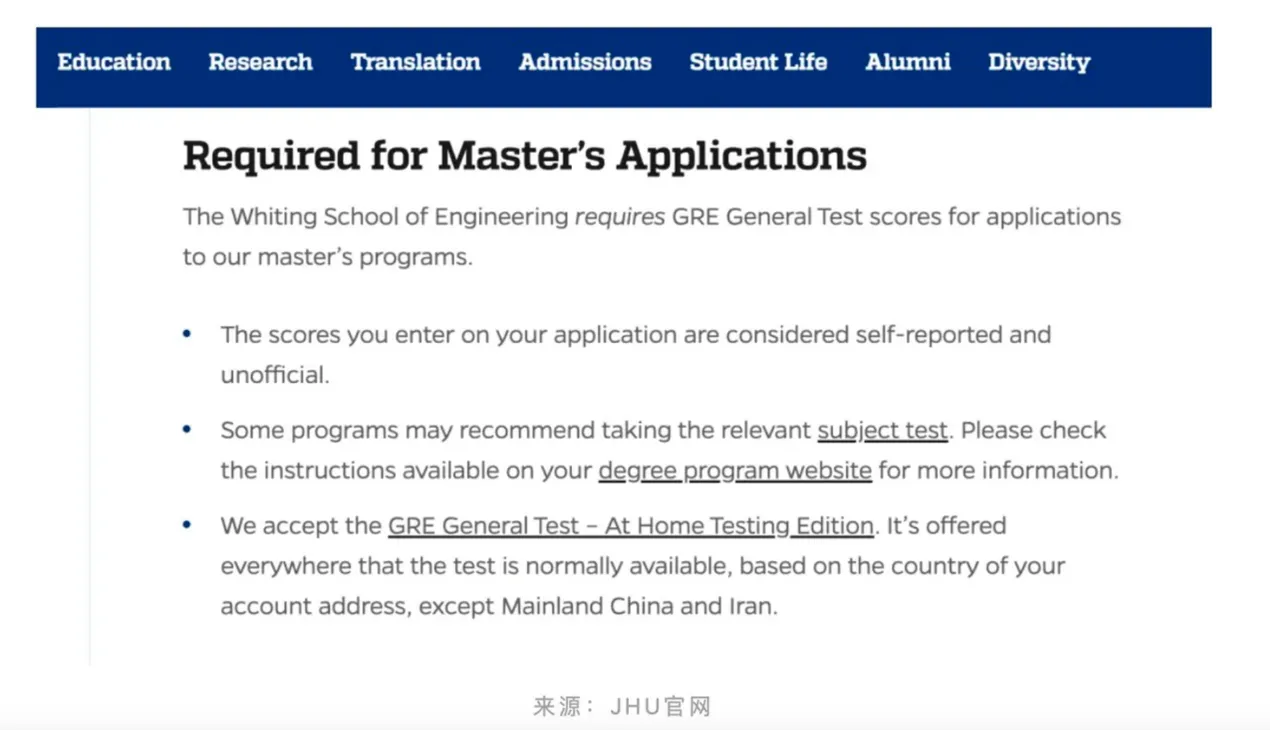
4. Johns Hopkins University (JHU)
JHU's Whiting School of Engineering mandates GRE scores for all programs and also accepts the GRE at-home test.
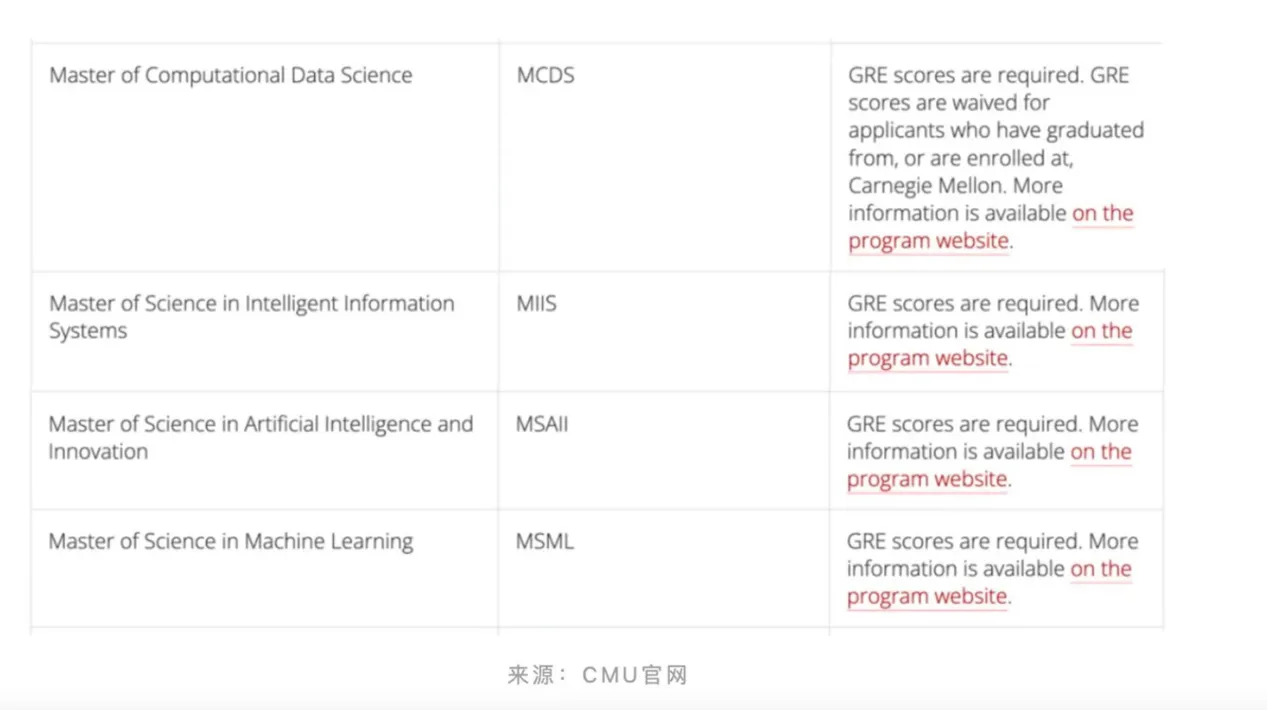
5. Carnegie Mellon University (CMU)
Most programs in CMU's School of Computer Science require GRE scores, including Computational Data Science, MS in Intelligent Information Systems, and MS in Artificial Intelligence and Innovation.
There are also some programs that do not require GRE scores, falling into two categories: explicit "Not required" and "Optional".
- Optional - As the name suggests, it's not mandatory, but you may choose to submit. If submitted, it will be considered in the evaluation.
A strong GRE score can enhance competitiveness and help you stand out among similarly qualified applicants.
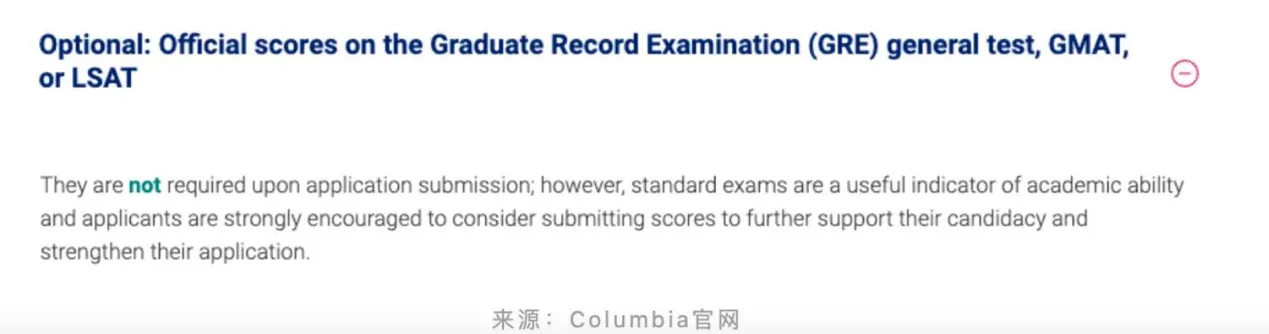
For example: Programs in Columbia University's School of Engineering and School of Professional Studies.
- Columbia University
Columbia has reinstated GRE requirements for most programs, with only a few schools/programs currently not requiring GRE, such as:
MS in Computer Science
MS in Technology Management
MS in Applied Analytics
MA in Instructional Technology and Media
MA in Climate and Society
MFA in Film-Creative Producing
Even for programs where it's not mandatory, like Columbia's AA program, the admissions office still "strongly recommends" that applicants consider submitting GRE scores to strengthen their application.
- Not required - This means the admissions committee will not review GRE scores; submission will not be considered in the evaluation.
Note: Even if a program's GRE requirement is "Optional", the school often "strongly recommends submitting to boost competitiveness," or explicitly states that "if not submitted, other materials will be used to assess ability." When applying to such programs, we still advise students to submit GRE scores to avoid impacting the admissions committee's overall assessment.
To all students preparing for graduate applications: Take the GRE seriously. The sooner you finish it, the sooner you can relax—after all, it's valid for five years!
- A good GRE score is always the icing on the cake.
- It opens a wider selection of programs.
- It's essential when applying to multiple destinations or multiple fields!
So, ace the GRE to stay flexible. Prepare in advance to adapt to an increasingly competitive academic environment.
2. Relevant Experience
(Research projects / paper publications / internships / competitions / exchange programs...) These must be demonstrated through personal statements and recommendation letters.
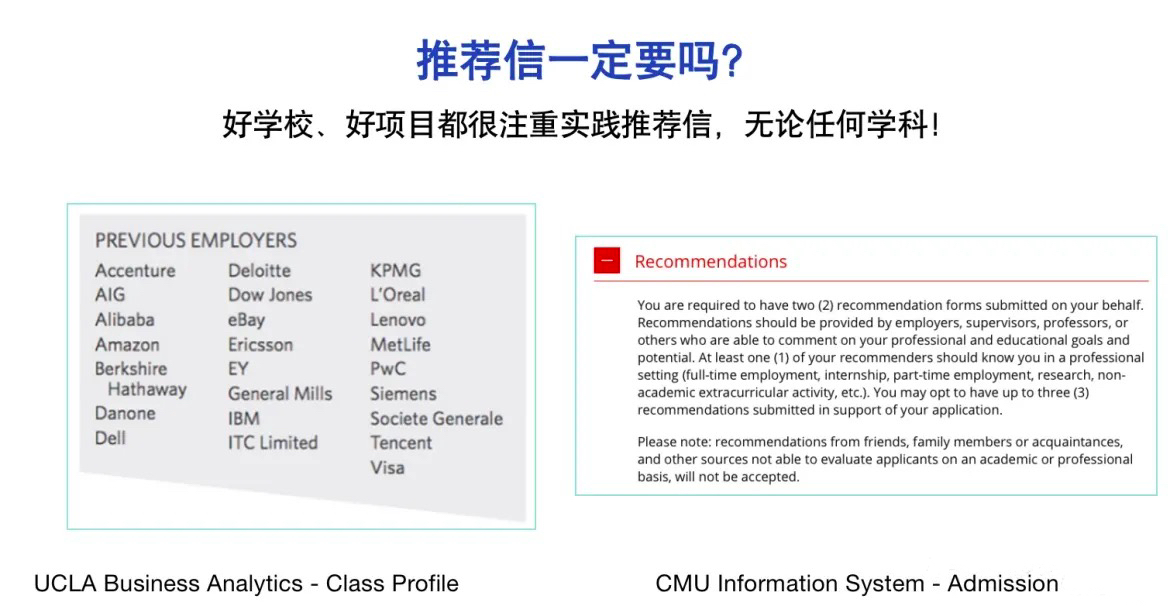
Let's look at two schools' admission requirements for recommendation letters: CMU explicitly states that students need to submit two recommendation letters from professors, employers, or other professionals who can assess their academic or practical performance. So, the recommender must be a professional connected to your academic or practical experiences. Recommendation letters from friends, family members, or anyone not involved in your academic or practical experiences will not be accepted.
Thus, the importance of recommendation letters is self-evident. CheersYou(清柚教育) consultants have compiled a list of projects you can undertake, along with corresponding timeframes and cost-effectiveness. See the table below.
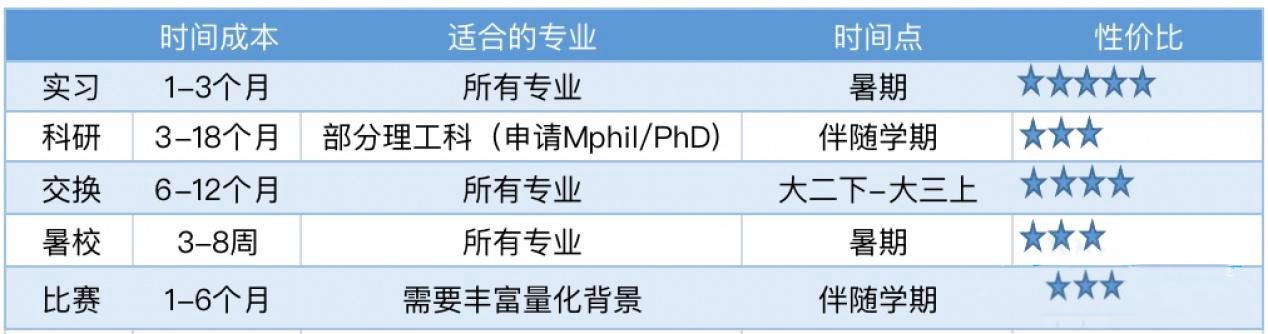
You can plan accordingly based on your target major. While a richer background is always better, you should find supporting points relevant to your field and invest time in beneficial projects. Don't waste time on things that won't help your application. The main focus should still be on improving your school grades and standardized test scores—don't neglect the big picture for minor gains.
3. Interview Performance

Interviews are the most direct way for admissions offices to learn about applicants. They have three key functions:
- Directly gauge a student's thinking and language abilities.
- Verify the authenticity of the applicant's materials.
- Interview questions are more tailored to the school's requirements than standardized tests.
The importance of interviews is increasing year by year. Students often encounter many questions and uncertainties during preparation, leading to nervousness and anxiety. To address this, CheersYou(清柚教育) developed a brand-new interview preparation platform that essentially covers Kira interview questions for all US schools currently involved, allowing everyone to adapt to interview questions and environments in advance, practice thoroughly, and feel confident with less anxiety.

4. GPA
(The US requires WES credential evaluation to calculate GPA.)
Finally, let's talk about GPA. Although American schools are not solely "GPA-centric," GPA remains the most important criterion. A good academic record can determine the tier of schools you can apply to. So, we must emphasize once again: prioritize your school grades. Don't put the cart before the horse by chasing a perfect soft background alone.
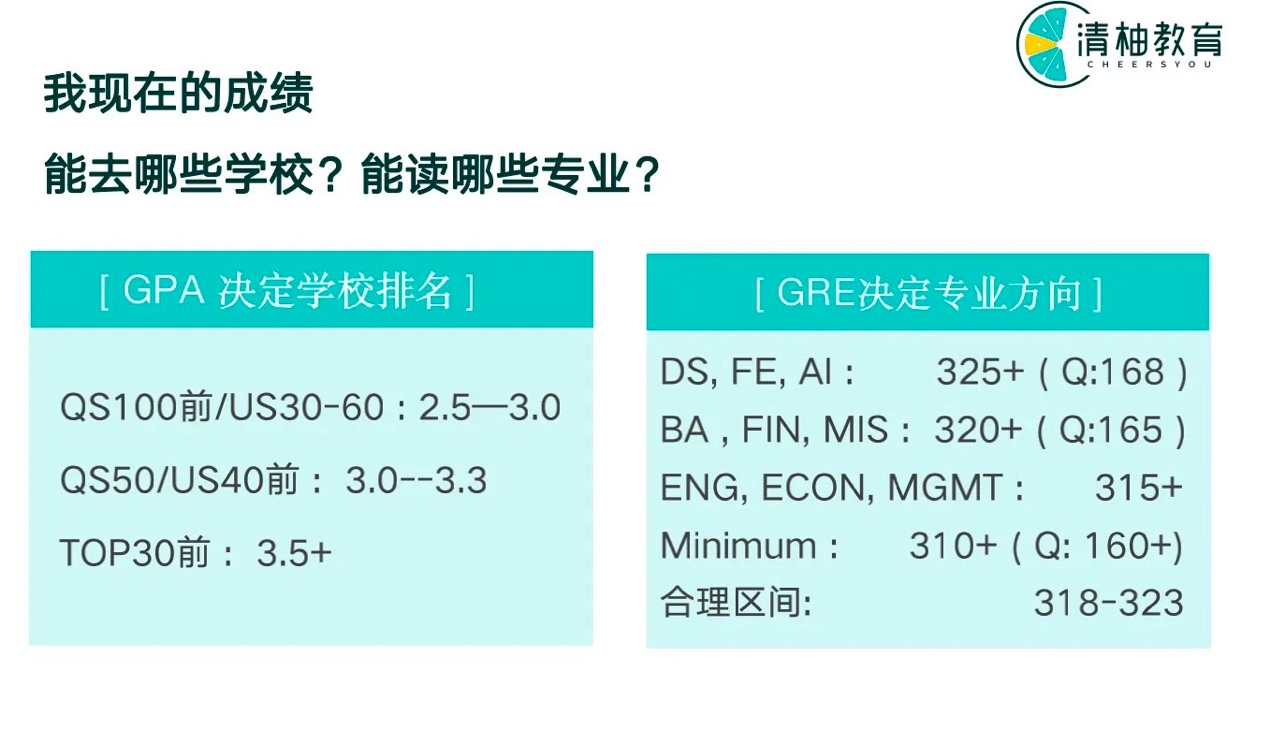
Here's a rough reference for school tiers corresponding to GPA ranges. If you aim for highly ranked programs, according to elite school admission rules, the key background elements and materials we mentioned today are indispensable. As the "cask effect" goes, in the limited preparation time, we must try to shore up weaknesses and extend strengths to achieve the best possible application profile.

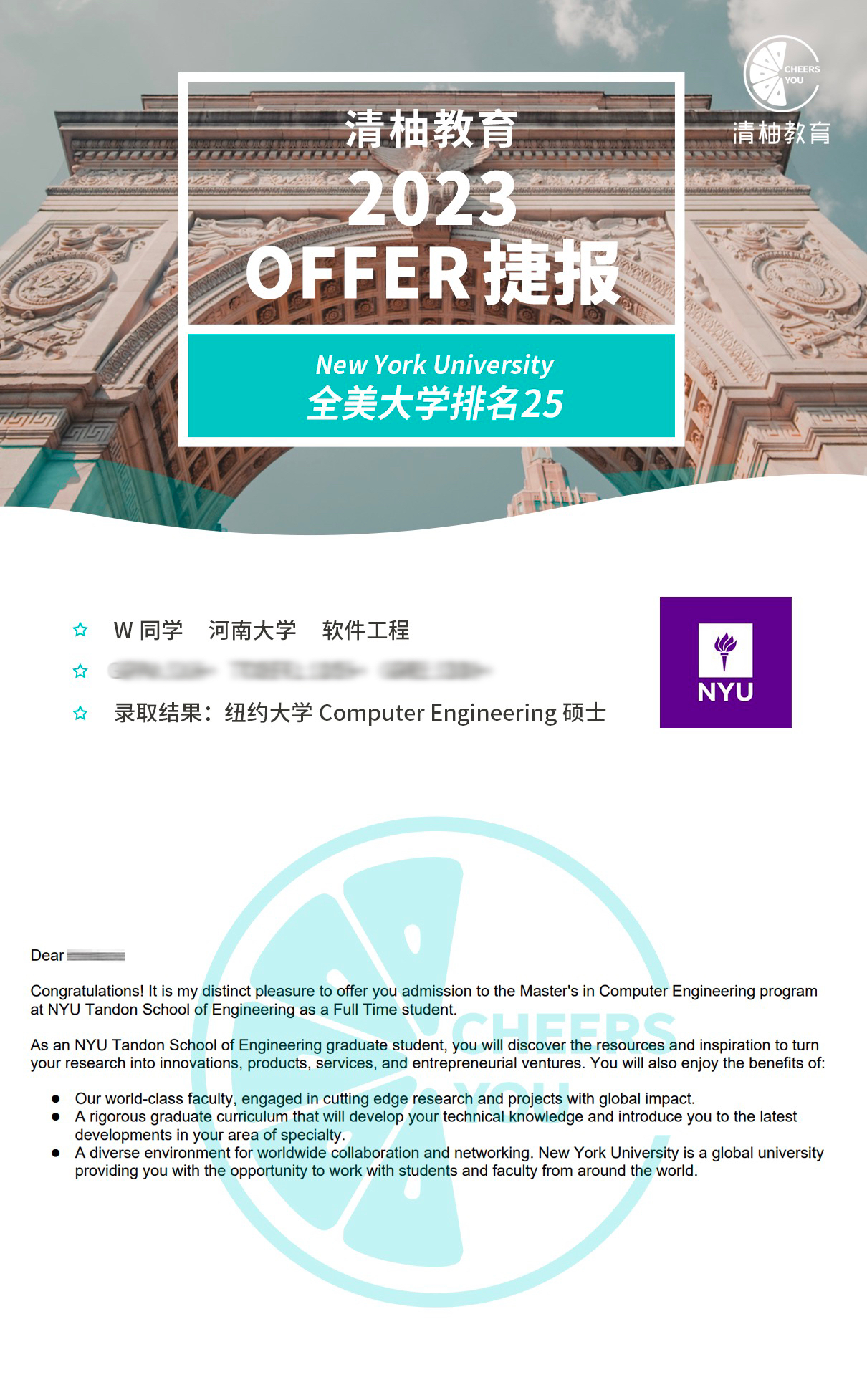
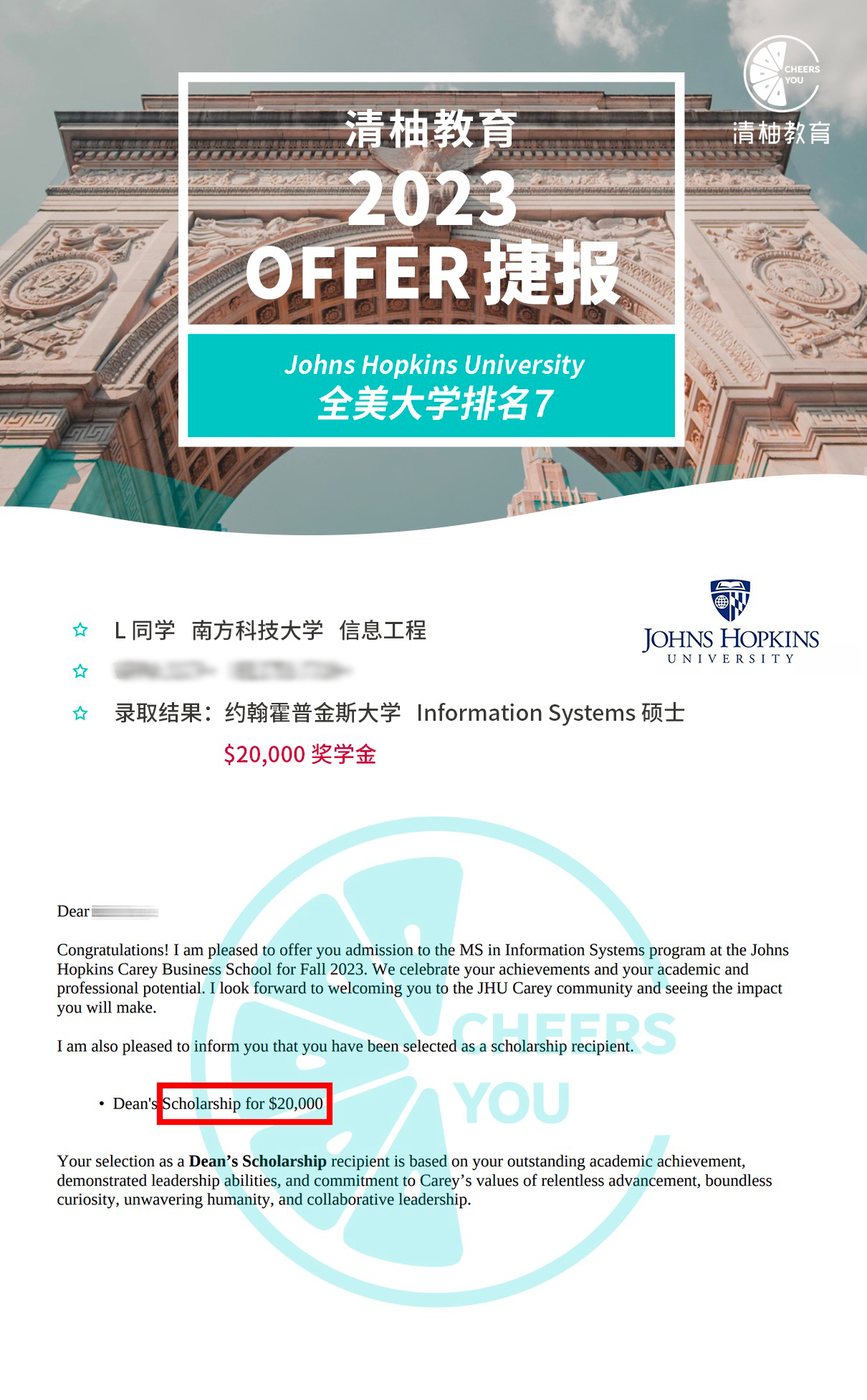
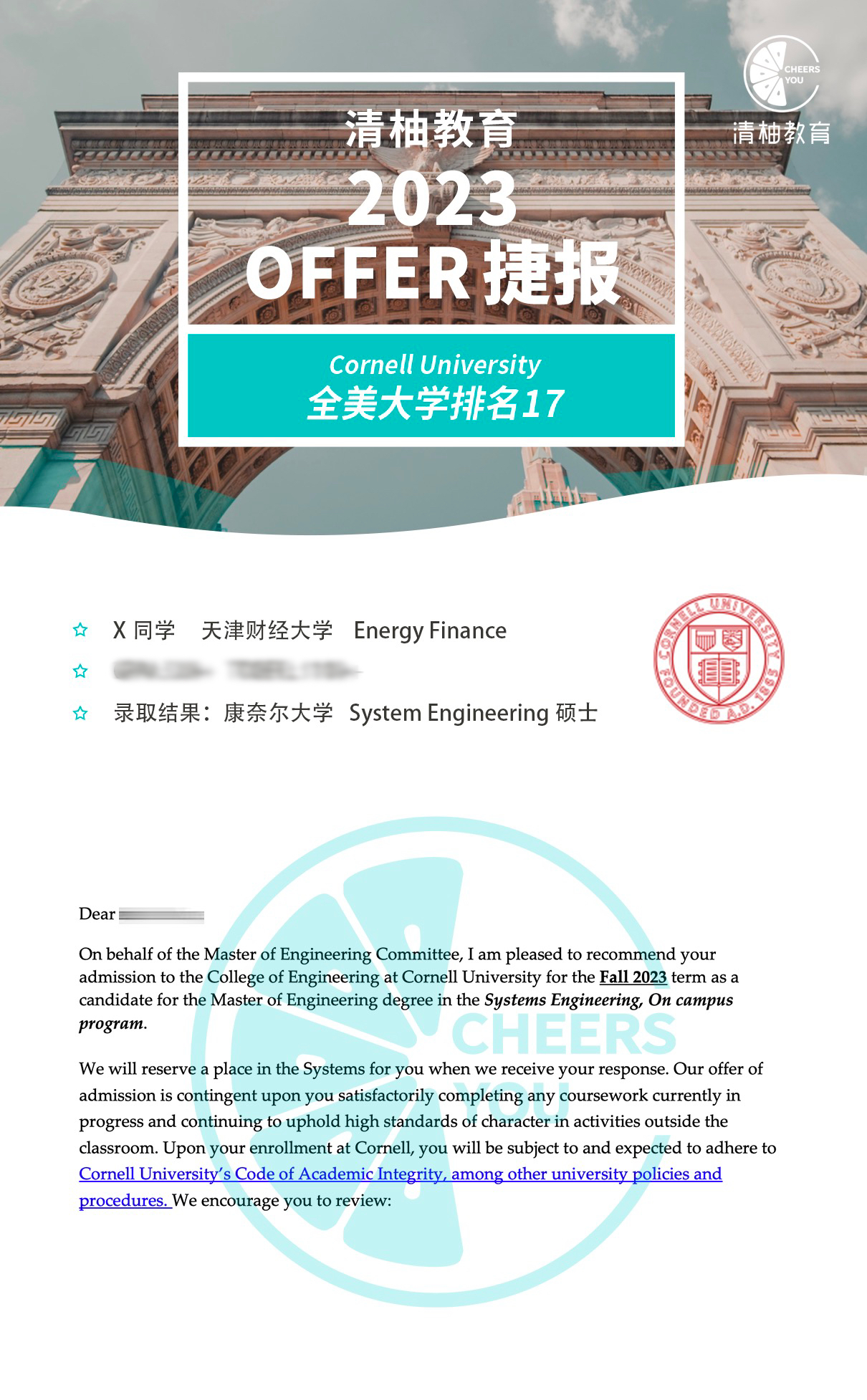
Finally, here are some admission offers from non-elite Chinese undergraduates who successfully got into US graduate programs, for your reference.
For further questions about study abroad and graduate applications, you can also add the contact information of a CheersYou(清柚教育) consultant below for more details.