
Recently, USCIS has dropped the ball yet again, delaying the issuance of EAD cards.
Some students received their receipt notices back in April, but as of June, they still haven't gotten their EAD cards ❓
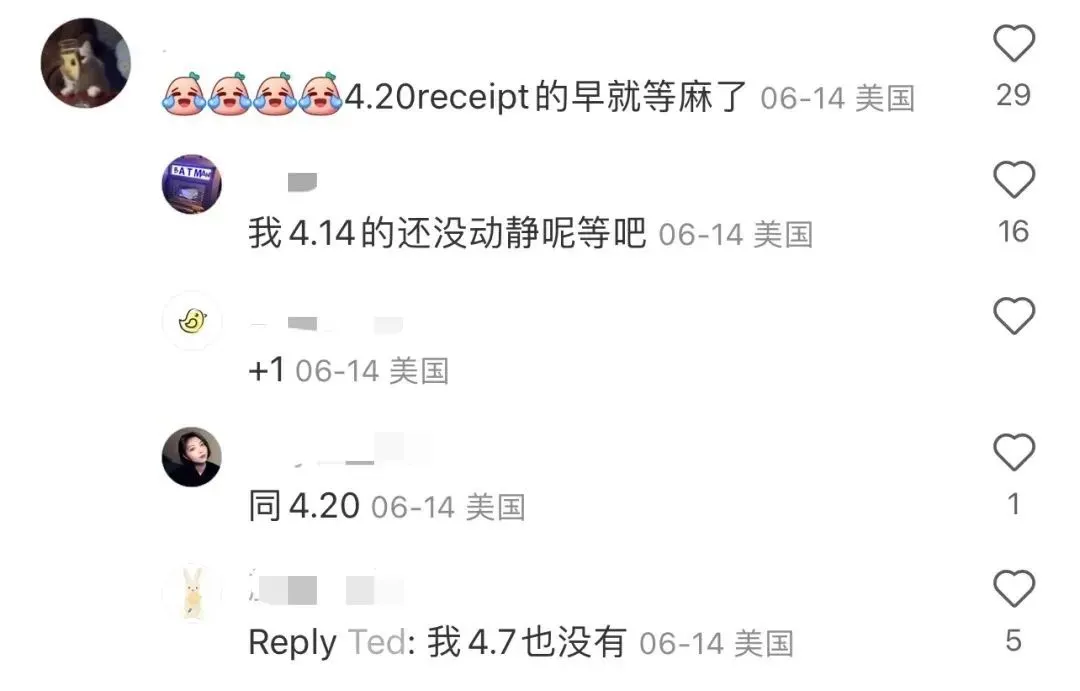
Even some PP (Premium Processing) applicants haven't received theirs—what happened to the promised 30-day delivery and money-back guarantee? It really feels like a waste of money.
.png)
USCIS Dropped the Ball Again? Endless Wait for EAD Cards
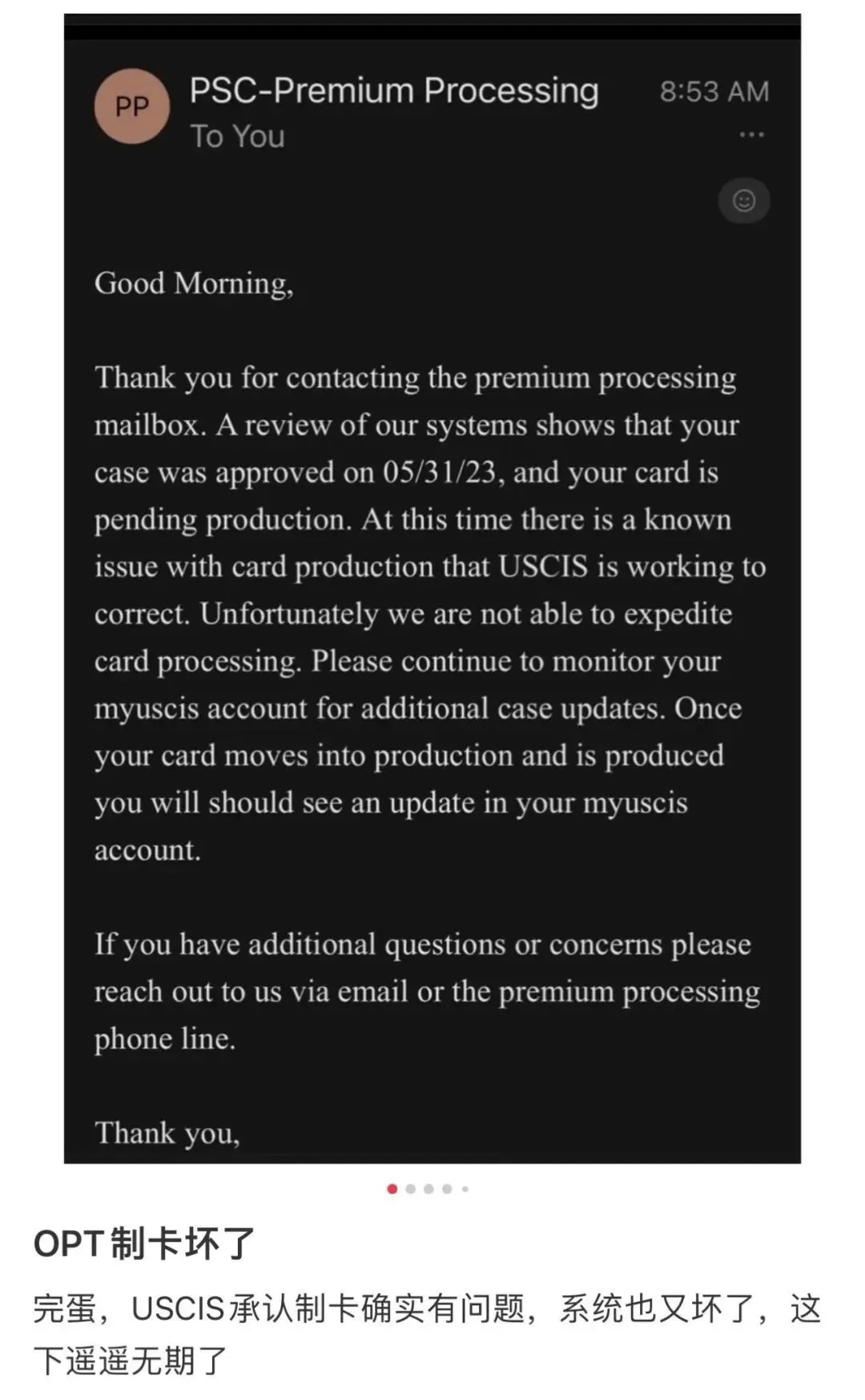
Let's sort out the timeline. First, the official admission that card production issues caused delays 👇
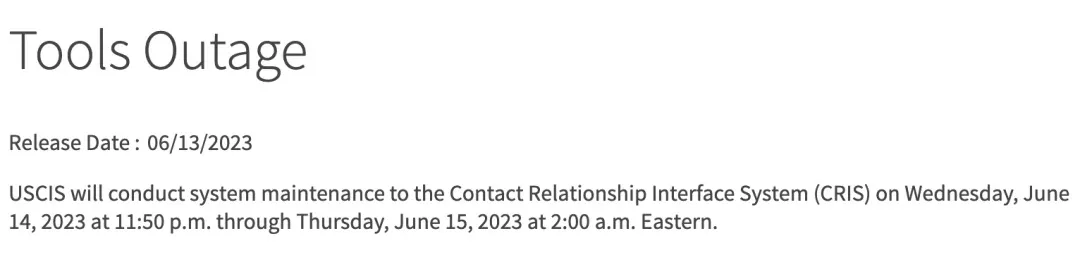
Then, USCIS's online system encountered problems 👇
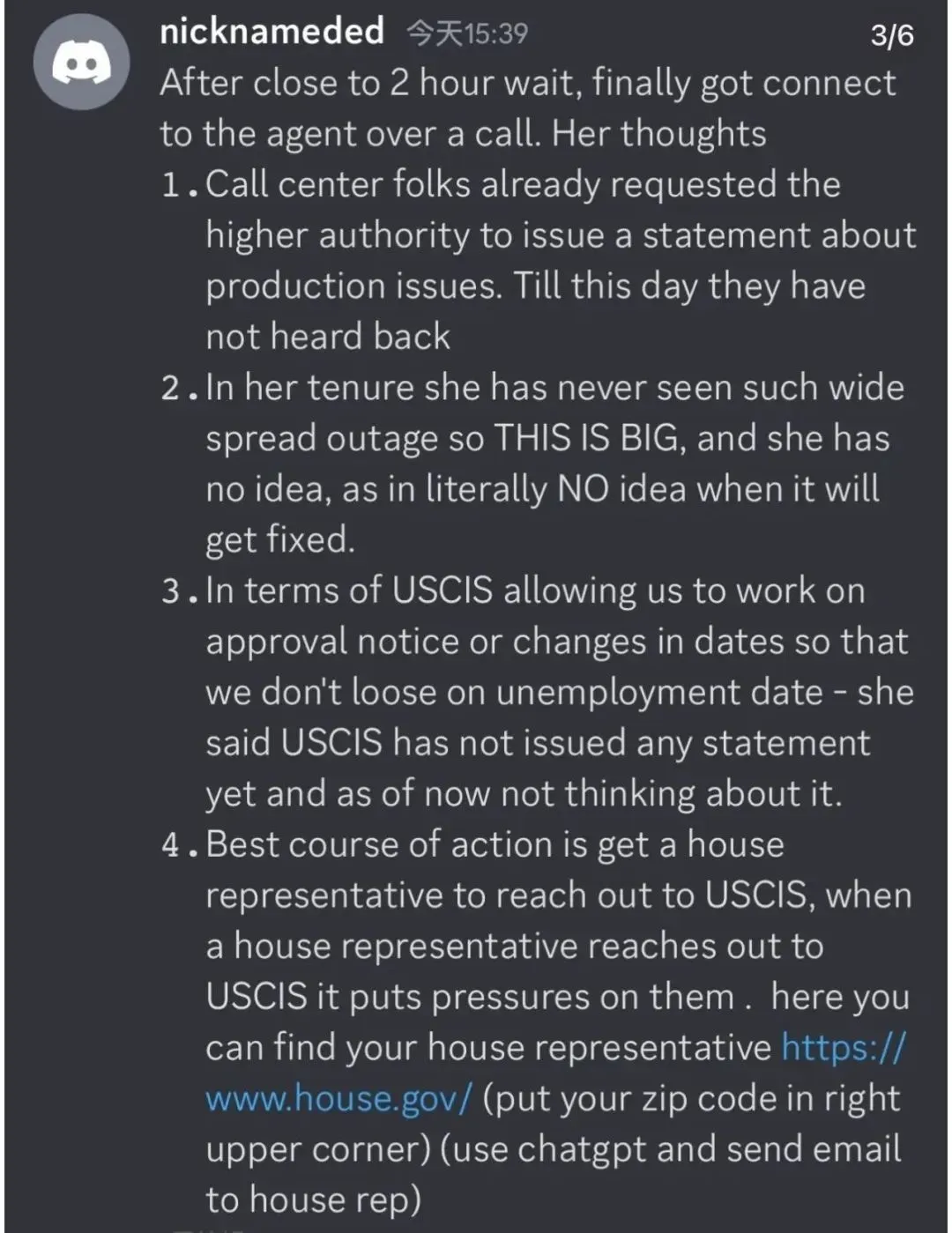
Later, customer service simply stated: We know the problem is big, but we don’t know when it will be fixed 🤷♀️
Normally, after OPT approval, you receive the EAD card in about 14 days. Now we know there have been system problems, and even once production resumes, you still have to wait in line. The bottom line: just wait.
No matter what, you have to wait. Even if you get an approval through PP premium processing, card production alone requires at least a 14-day queue.

For non-PP applicants who’ve insisted on not spending extra, those who received receipt notices in early April still haven't gotten their cards by mid-June, and whether they can start work in July is a nail-biter 😅
If PP applicants can't get their cards on time, non-premium applicants shouldn't even mention it—you’re lucky to get your card within three months.
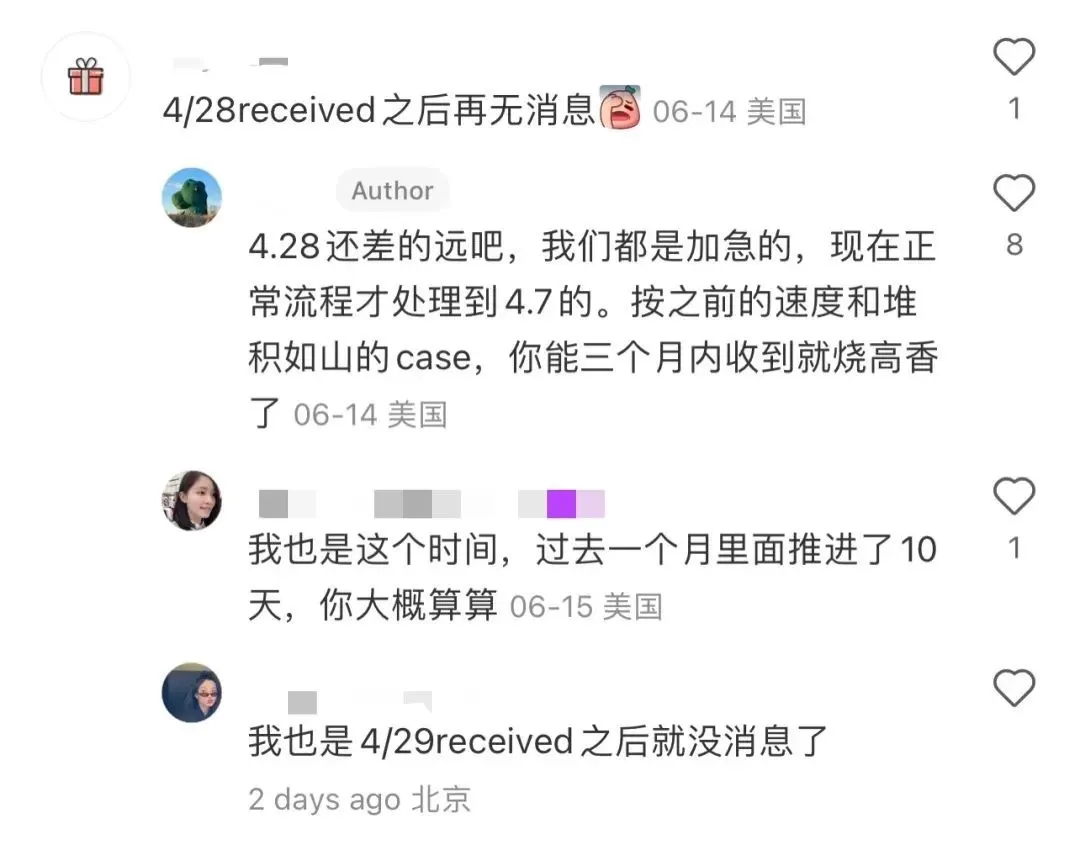
This is absurd and has thrown everyone's plans into disarray. June and July are usually peak months for starting jobs, and now with USCIS causing these issues, start dates keep getting pushed back.
And USCIS still hasn't provided any workaround, like allowing people to start work with just an approval notice. They're basically just slacking off.
The recent OPT application process has been: waiting for approval – waiting for card production – waiting to receive the card. The whole experience feels like you’ve wasted your money, with nothing to do but anxiously scroll through 小红书, looking for others in the same miserable boat.

But I believe everyone will eventually receive their EAD card; it just won’t be a smooth process. After all, lack of smoothness is the norm for USCIS.
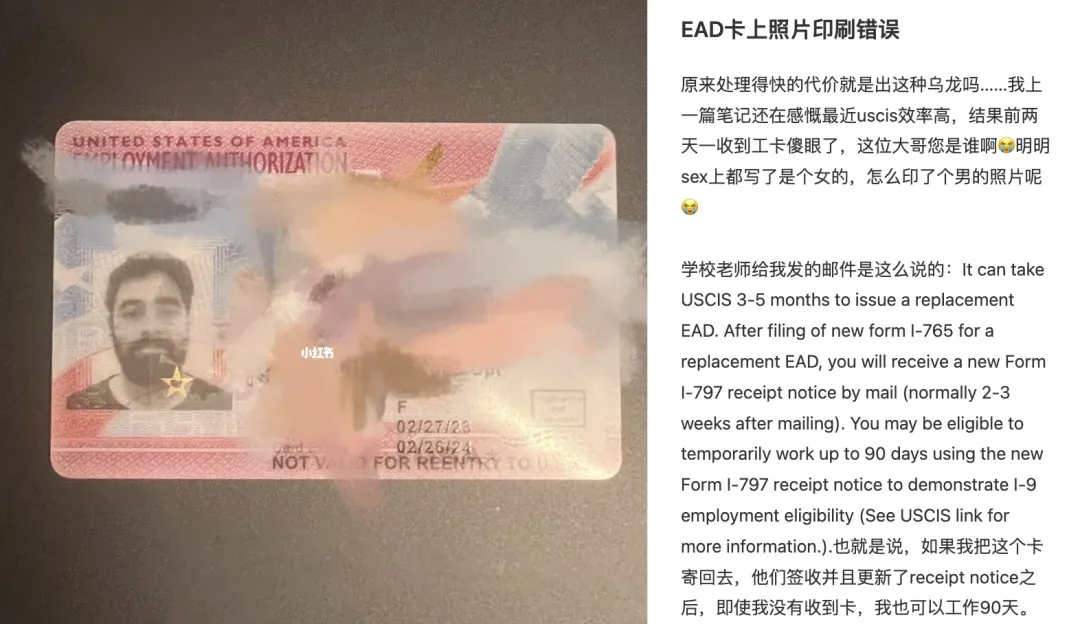
On a rare occasion when they were efficient, the photo on the EAD card wasn't even the right person 😅
What to Do About EAD Card Production Delays?
First, let’s summarize some of the most common questions:
1. Can I start work using the approval notice?
For first-time OPT applications, you must wait until your Form I-765 is approved and you have received your EAD card before you can legally start working.

For STEM OPT extensions, if you filed your application on time within the required period and your OPT expires while USCIS is processing your application, you automatically receive a 180-day extension of work authorization. Once your STEM OPT extension is approved, this 180-day extension ends automatically.

This year, USCIS has not budged on allowing people to start work with just the approval notice, so many students who have already been approved still have to keep waiting.
Of course, there are unofficial hacks, and some companies accept a passport and I-94 for onboarding, but it’s best not to take risks. Try to negotiate with HR to postpone your start date.
2. If the start date on my EAD card has already passed and I still haven’t received the card, does this count as unemployment?
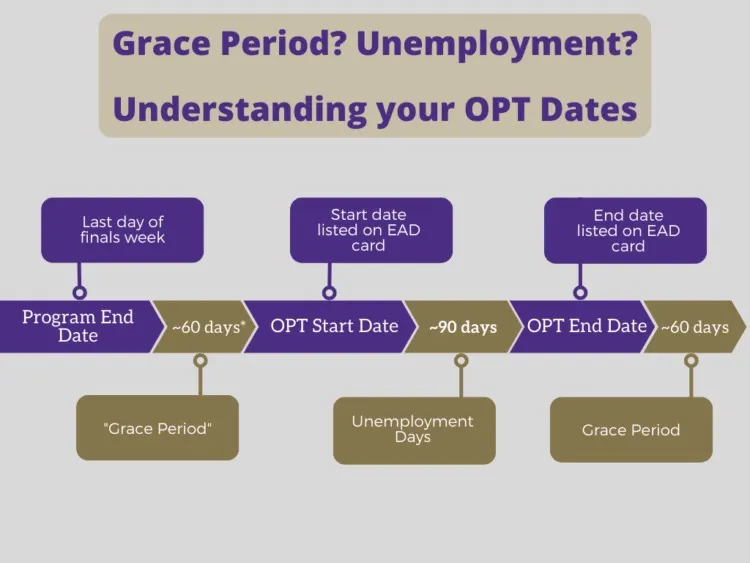
OPT unemployment days start counting from the EAD card’s start date. For example, if your card shows June 1 as the start date but you don’t receive the card until June 15, those days count toward your unemployment allowance.
You have a total of 90 days of unemployment for OPT. If you exceed that, your status becomes invalid and you must depart the US immediately.
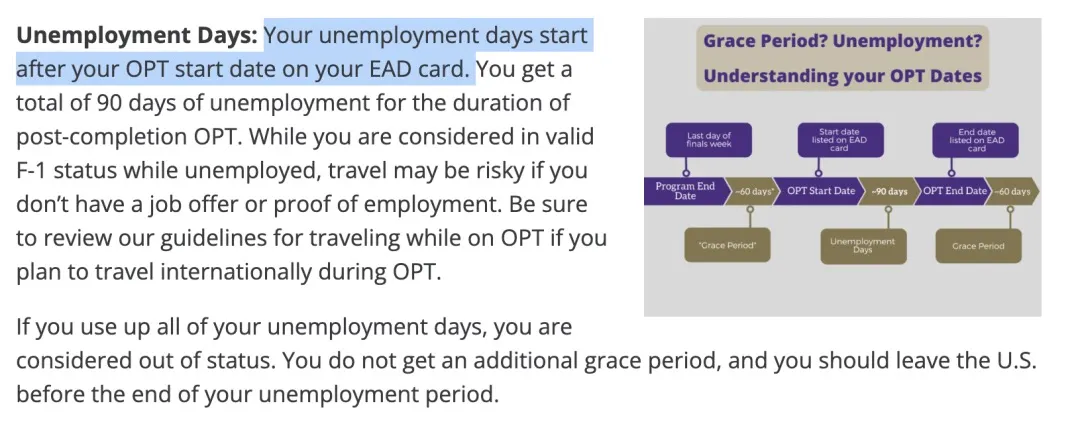
Some students whose EAD start date has already passed still haven't received the card, can’t start work, and this period is forced into their unemployment days.
3. I filed for OPT with PP premium processing and it was approved, but I still haven't received my EAD card after more than 30 days. Can I ask USCIS to refund the premium processing fee?
Starting April 3 this year, USCIS fully opened Premium Processing (PP) for OPT applicants, with a fee of $1,500, promising a decision within 30 calendar days on the OPT application.
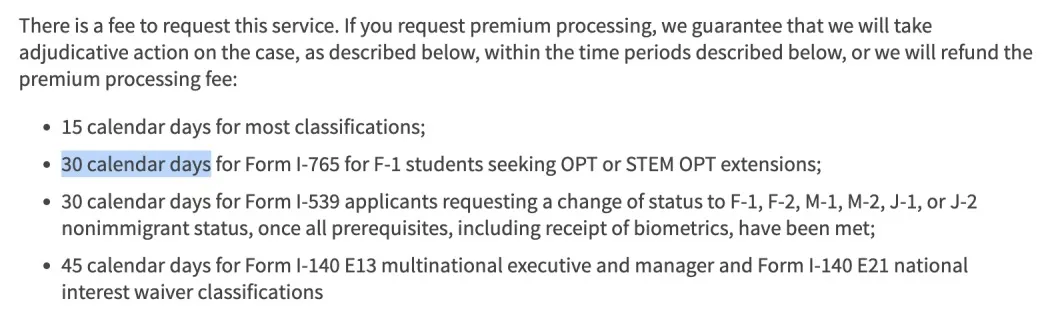
However, it’s important to note that USCIS does not guarantee card production time 😅, so the PP fee is non-refundable – truly infuriating.
I suggest you take proactive steps, such as writing to your local congressperson, posting online petitions, tweeting at @USCIS, to push for progress and policy adjustments, while also closely monitoring card production updates.
Some students online are already calling on everyone to write to their local representatives 👇
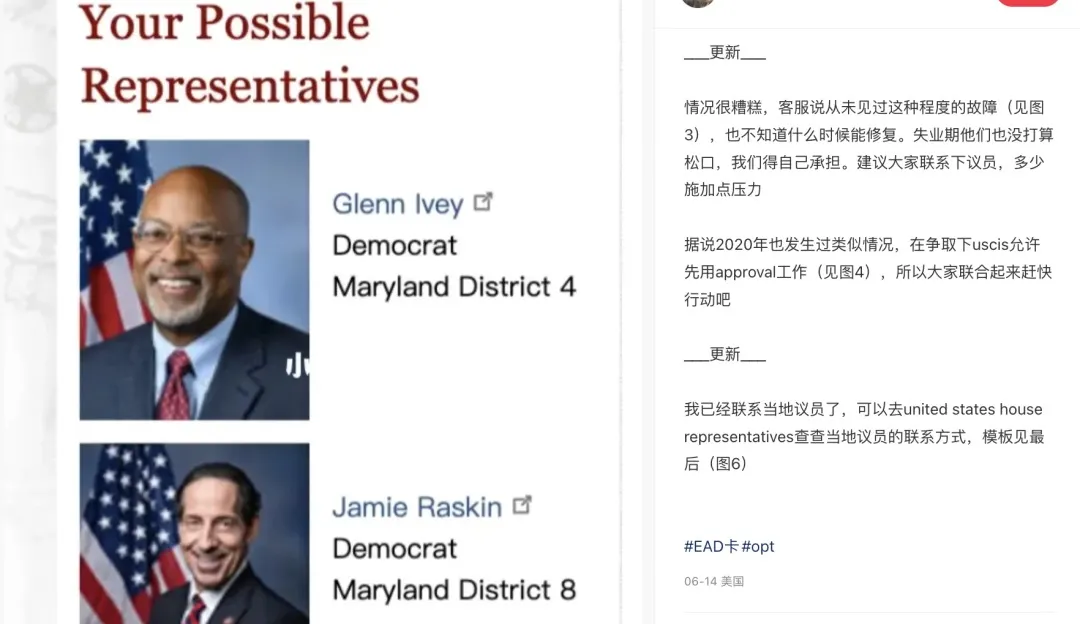
You can look up your local representative’s contact information and start writing complaint emails:
www.congress.gov/members/find-your-member
Refer to these email templates shared online 👇
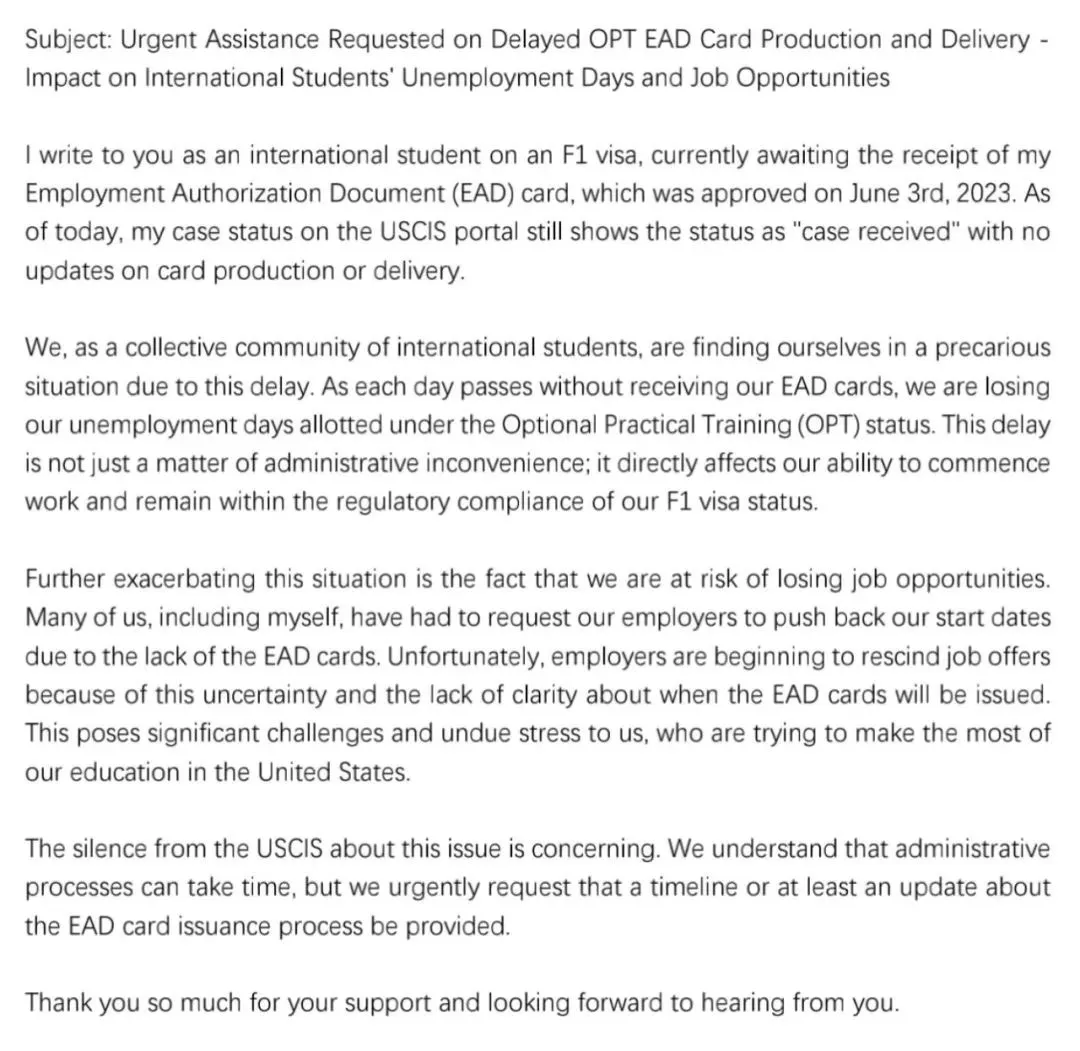
According to US law, when a member of Congress makes an inquiry to a federal agency, the agency is generally required to respond within 30 days.
But you need to manage your expectations; although congressional members have staff dedicated to such matters, they are extremely busy, and not all requests will get a prompt response.
Still, you should persist in raising your voice to draw attention to this issue and urge USCIS to resolve it quickly.
What Measures Did USCIS Take During Past EAD Delays?
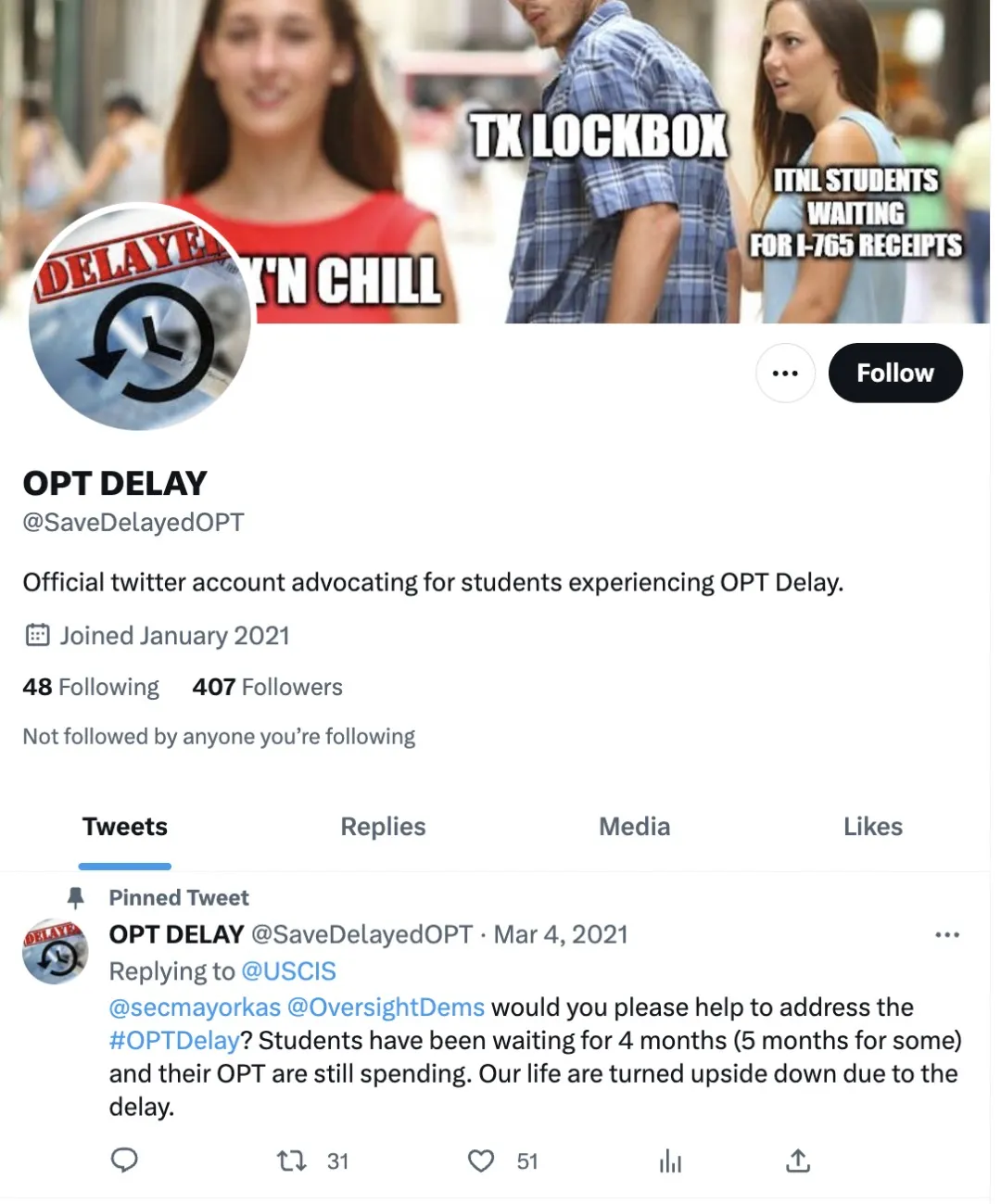
In early 2021, the USCIS Texas Service Center also experienced massive delays, affecting OPT applications filed between October 2020 and May 21, 2021.
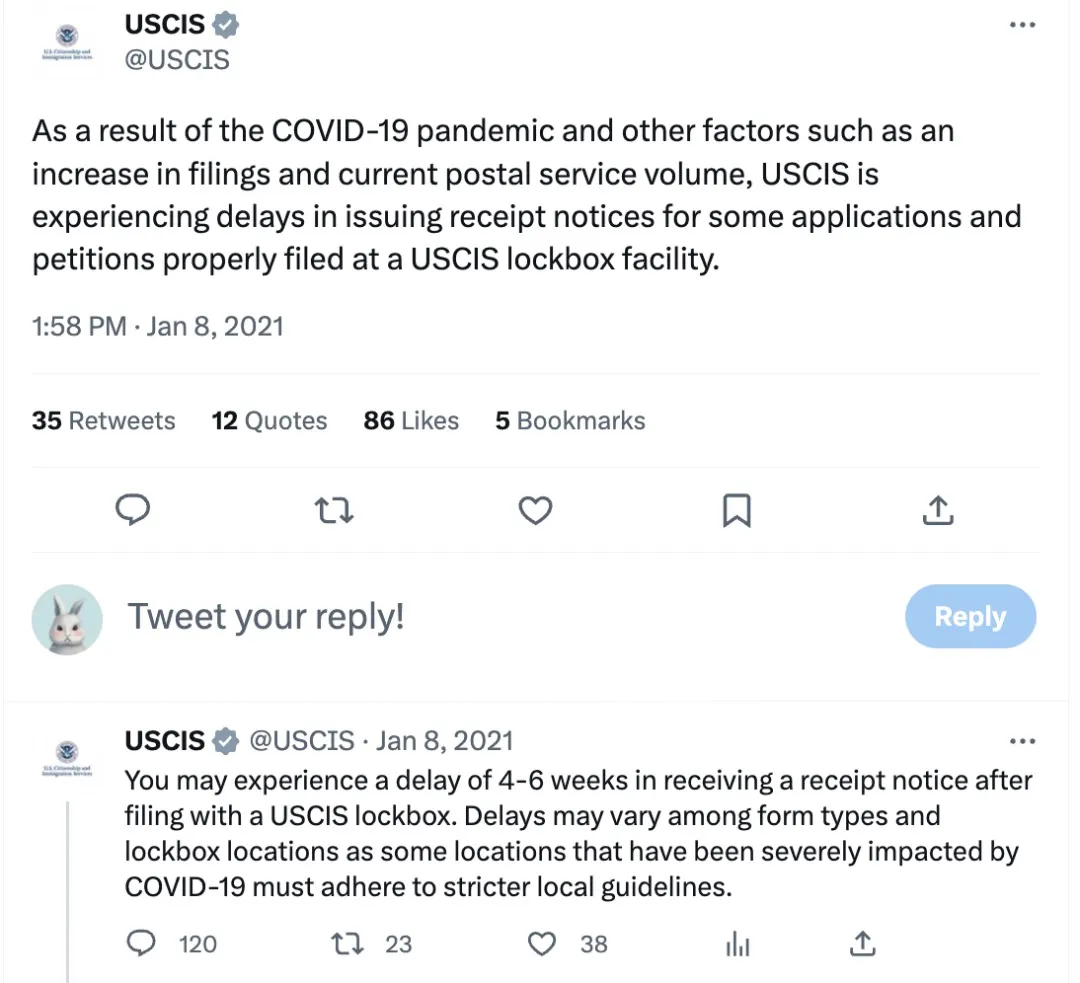
Someone created a Twitter account just to tag USCIS daily, relentlessly asking:
“Can you explain what's going on? We've been waiting four or five months and still haven't received our EAD cards.”
“I'm numb from waiting. Will I ever receive my EAD card?”
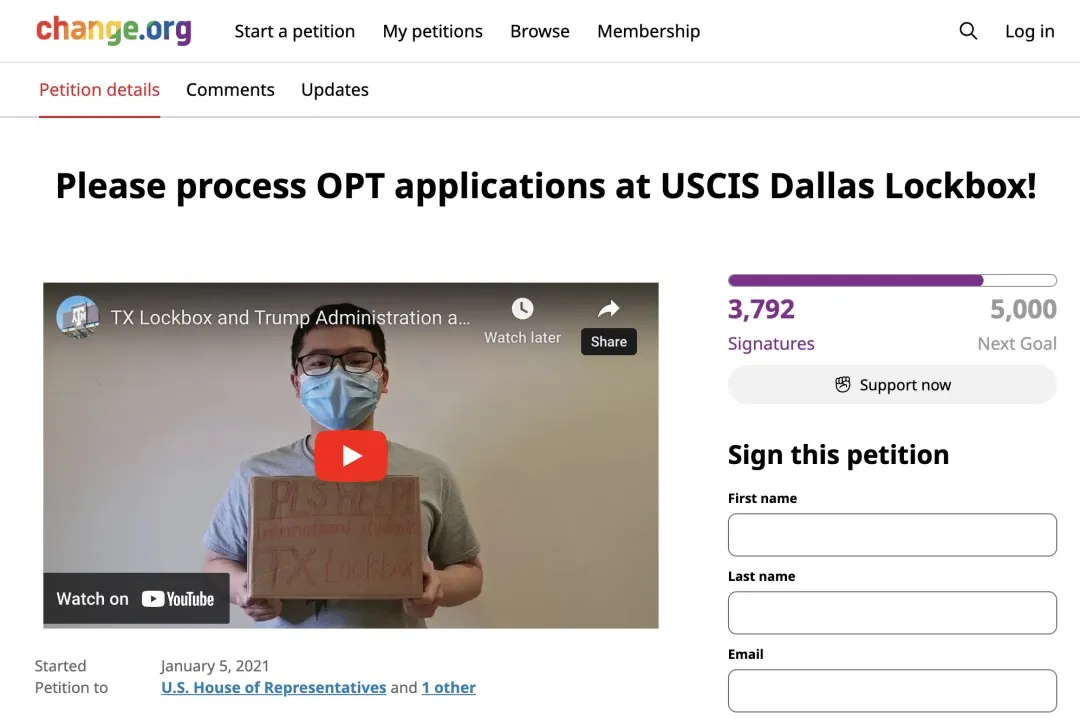
Some students even started a petition on Change.org, calling on everyone to sign and press USCIS to process OPT applications faster:
Under mounting pressure, USCIS eventually took remedial measures, implementing temporary flexible policies for students impacted by the OPT processing delays.
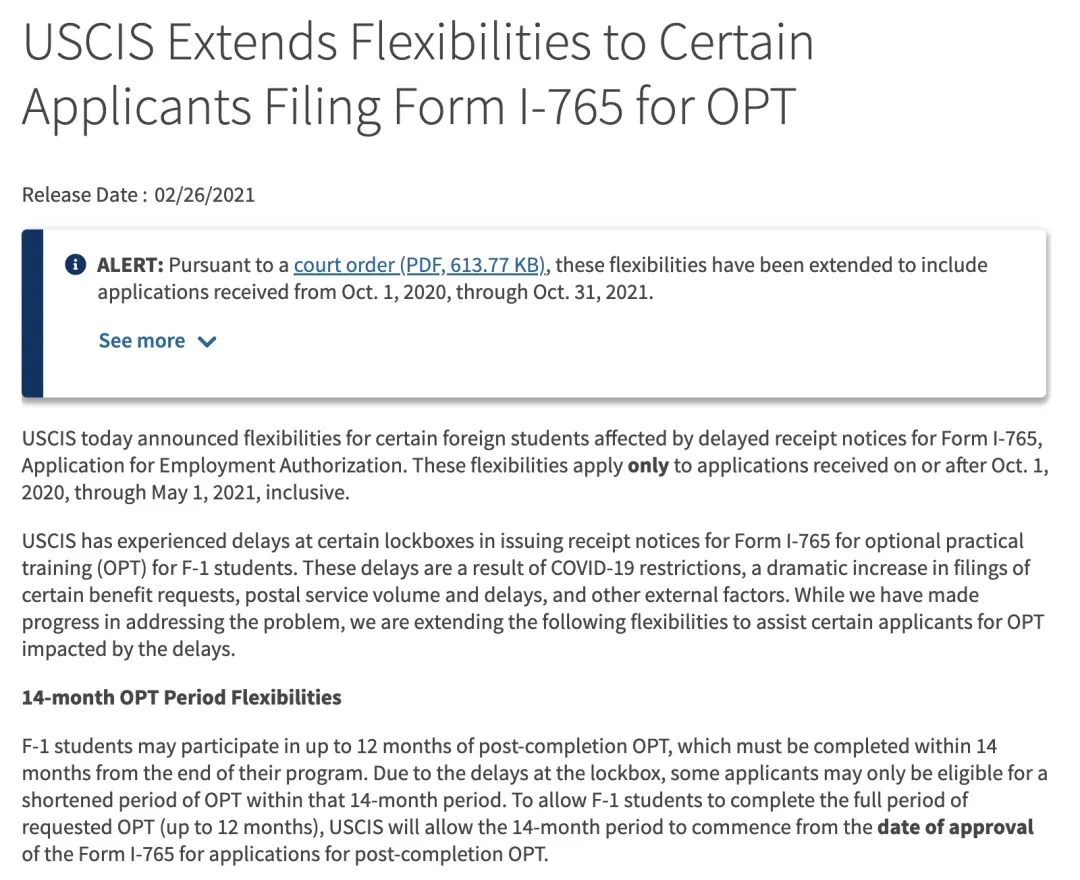
Under the original rule, F-1 students were required to apply for OPT within 60 days of graduation and complete the 12-month OPT within 14 months of graduation.
The remedial policy at the time allowed the 14-month period to start from the date the EAD card was approved, rather than from the official graduation date.
Whether USCIS will temporarily relax policies this time depends on the scale of the impact.
In 2020, due to the pandemic, EAD card production also experienced delays, affecting OPT applicants from late 2019 through August 2020.
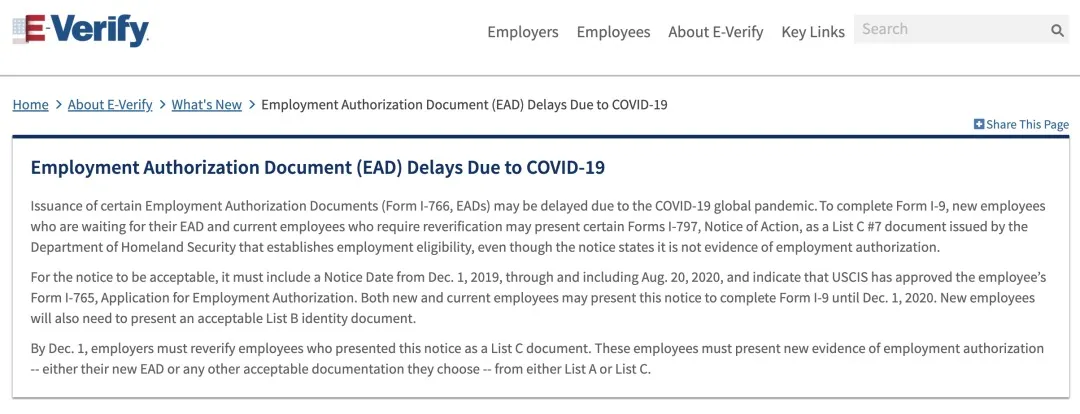
At that time, USCIS temporary remedy allowed affected EAD applicants to use their approval notice as a temporary work authorization.
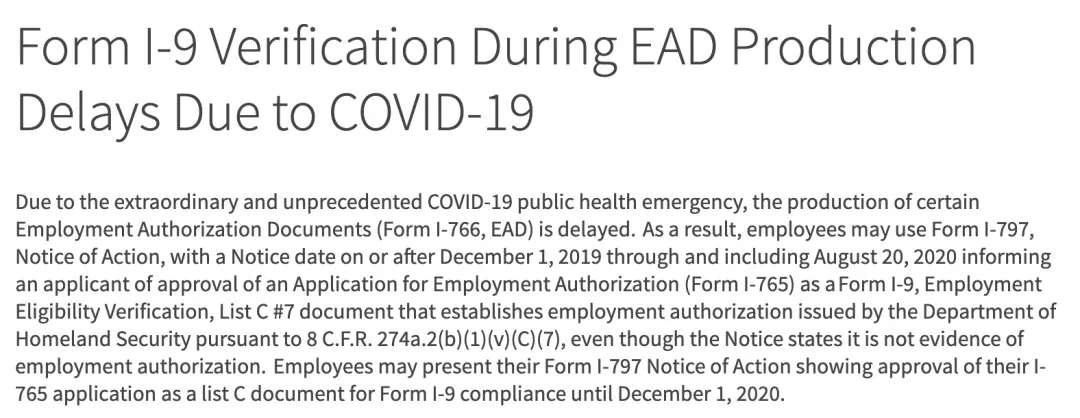
This time, USCIS is not budging. Beyond waiting passively, you can take active steps and start writing complaint letters to your local representatives.
After all, in the US, rights are won through advocacy—making noise really does help.
H-1B Domestic Renewal May Become Possible
On the subject of work permits and visas, there is some good news. Last week, Indian Prime Minister Modi’s visit to the US secured a domestic H-1B renewal policy for Indians.
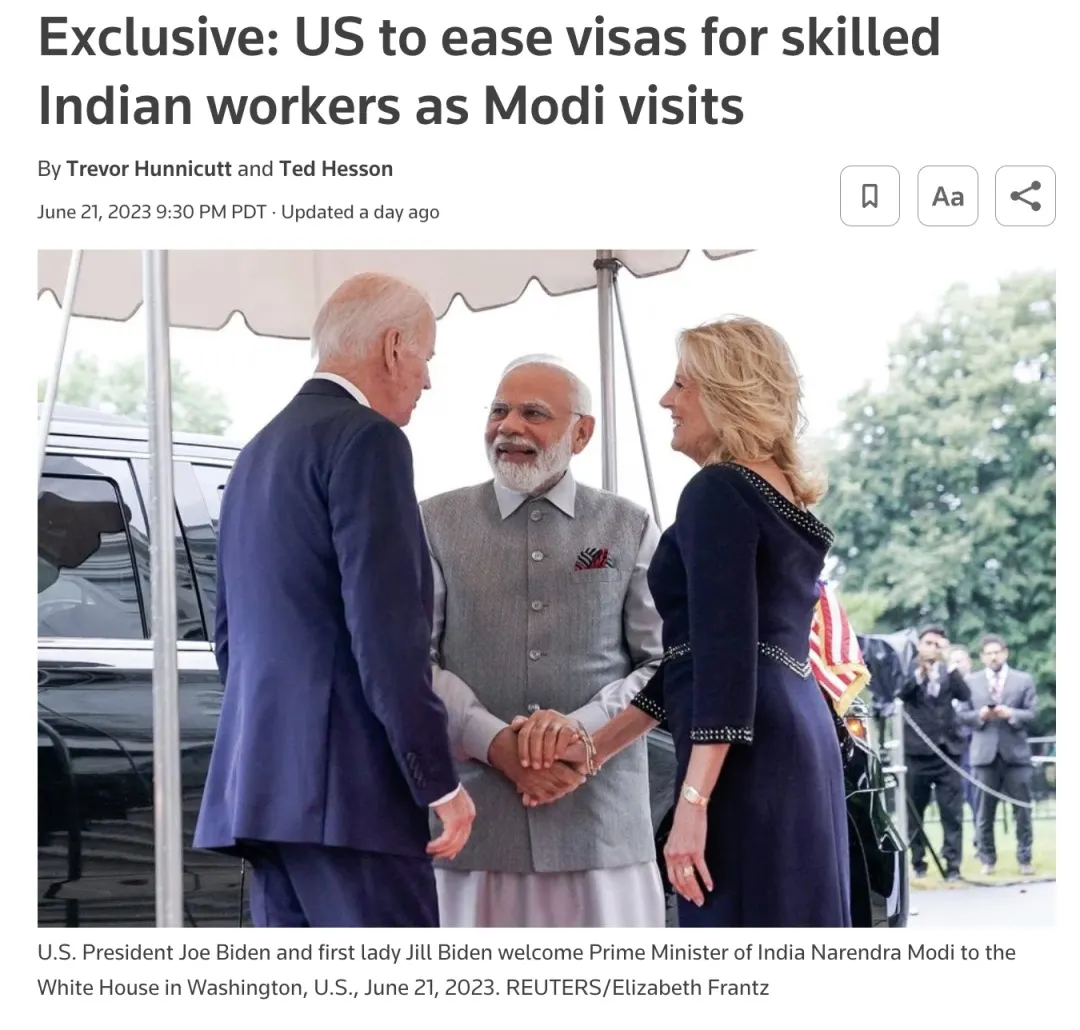
Back in February, Bloomberg reported rumors about domestic H-1B renewal.
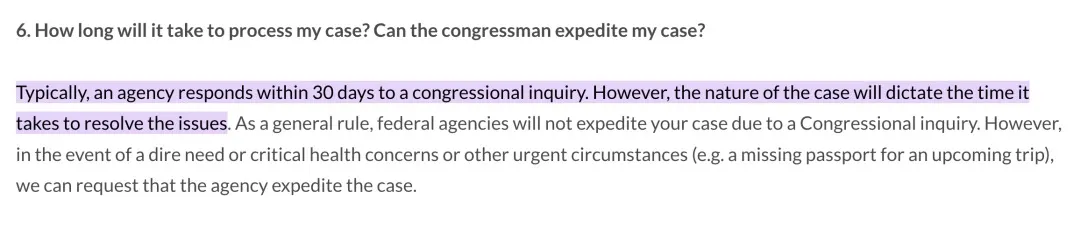
Modi’s visit directly pushed this policy forward.
According to a fact sheet from the White House on the India visit, a pilot program for domestic renewal will launch this year, targeting a small group of work visa holders, including Indian citizens. Next year, it will expand to cover more H-1B and L-1 visa holders, with the potential to eventually include broader visa categories.
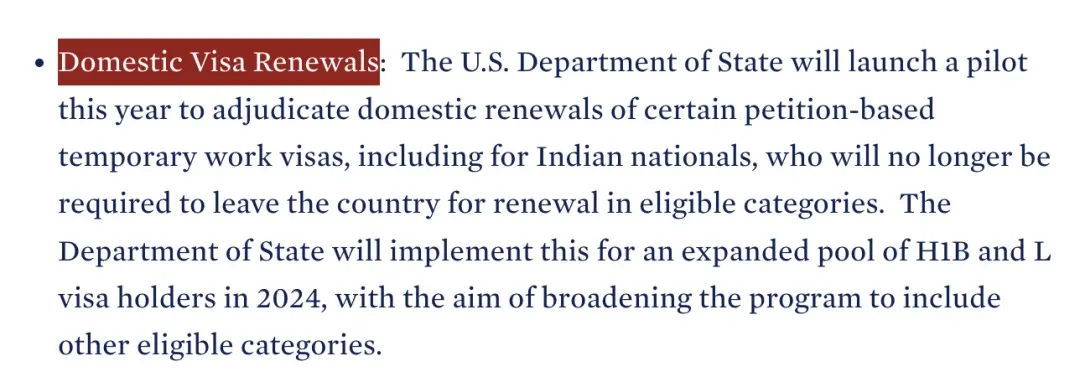
The Biden administration is reciprocating, given that India is a major H-1B user. Data shows that in 2022, of the 442,000 H-1B workers in the US, 73% were Indian nationals, found across major tech companies, mainly at Amazon, Google, and Meta.

While the practice of one Indian filing five H-1B applications makes you want to scream, you sometimes have to say “respect”—they’ve leveraged their demographic advantage and actively fought for their rights.
The good news for international students is that the US Department of State has indicated that, besides a segment of Indians, H-1B workers from other countries may also be eligible for domestic H-1B renewal in the US.
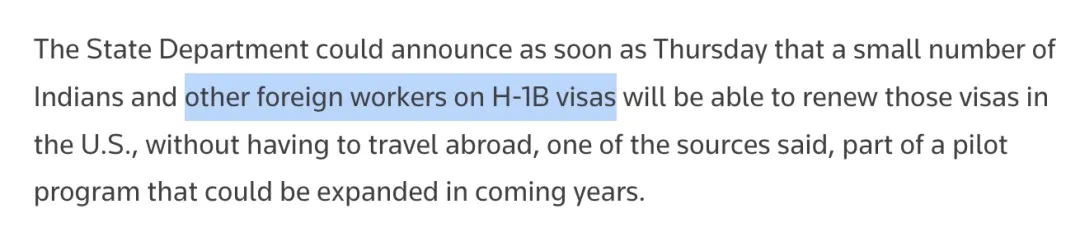
The pilot program will start with a “small number” of people, and H-1B and L-1 visa holders may benefit. However, the exact number to be covered and the specific start date of the pilot have not yet been announced.
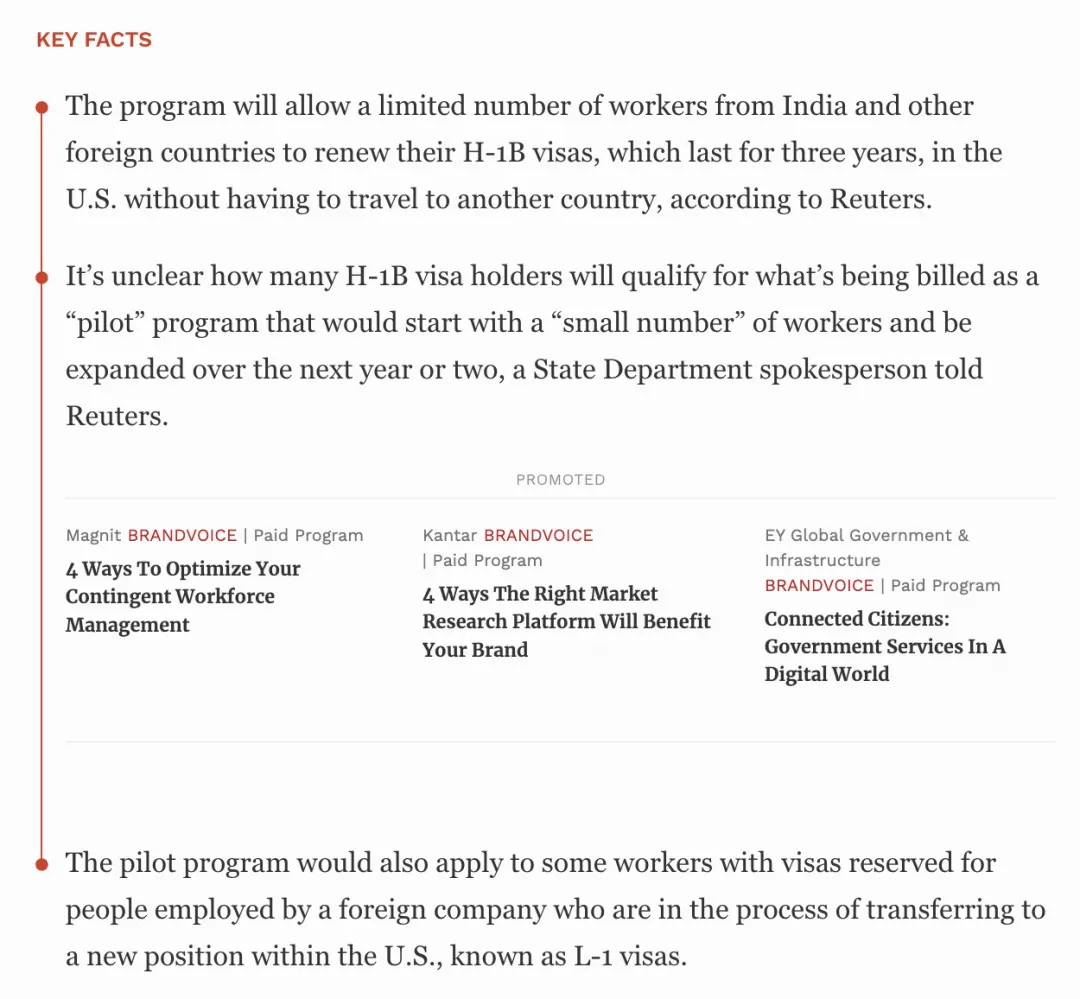
If domestic H-1B renewal becomes a reality, it will certainly be great news for everyone. Let’s look forward to it.
Finally, I wish all students smooth receipt of their EAD cards and successful H-1B selections!