August marks the annual recruitment season for U.S. college sororities.
Don't assume Americans don't push their kids—their obsession with fraternities and sororities rivals Chinese families' fixation on Ivy League admissions.
.png)
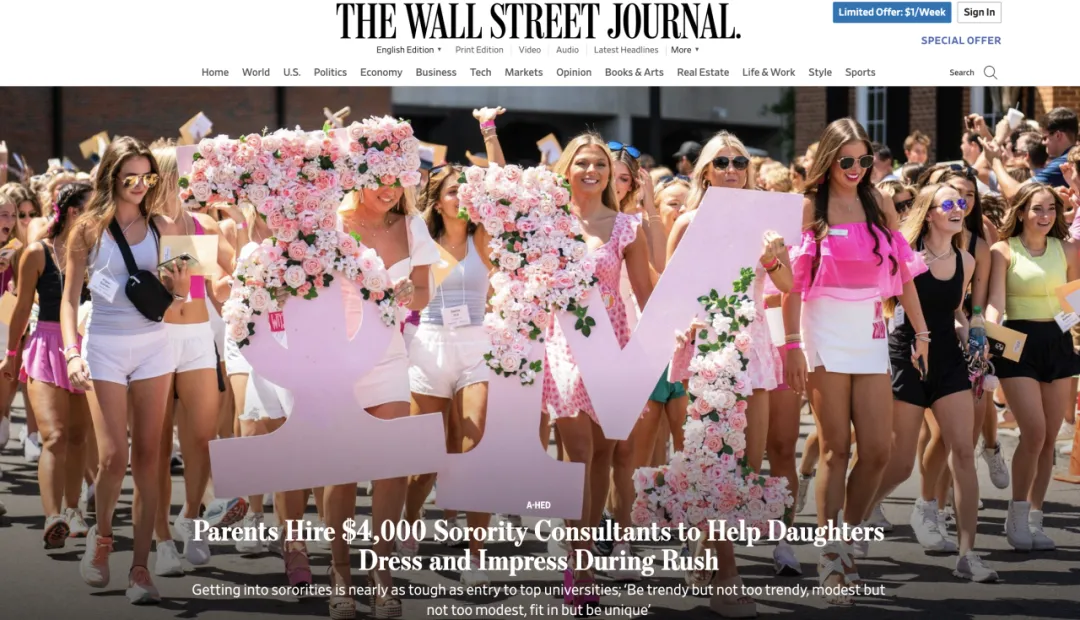
According to the Wall Street Journal, some affluent American parents are even shelling out thousands of dollars on consultants just to get their daughters into sororities. Everything—GPA, extracurriculars, conversational skills, appearance and attire—is carefully crafted.
Getting into some sororities is no easier than applying to top universities.
The Sorority Application Industry
Addicks is a professional sorority consultant. Her advice to girls applying to University of Georgia sororities: always carry a rush bag with essentials like body deodorant, a portable fan, and touch-up powder.
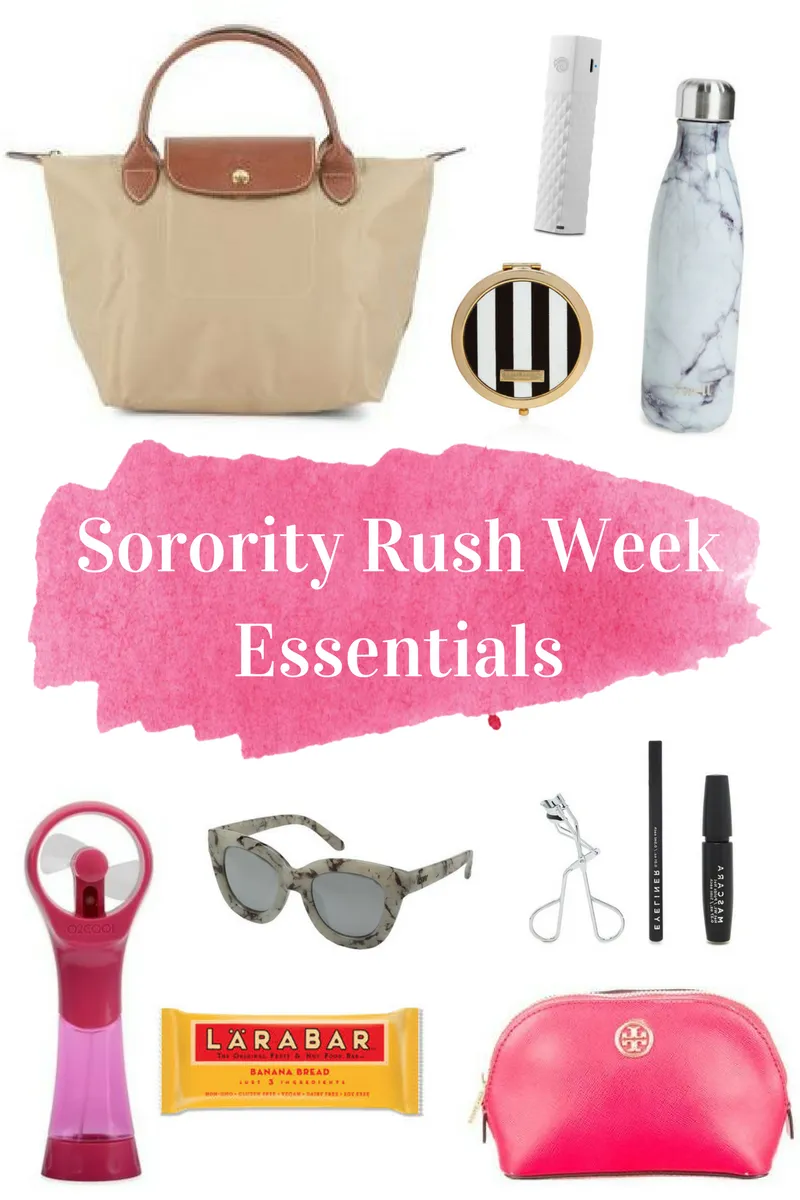
"In the Southern summer heat, if you want to maintain a flawless, polished look, you'd better follow my advice."
As a sorority recruitment consultant, Addicks primarily advises on sorority applications at Georgia universities, with fees starting at $600. The basic service provides an essential guide to recruitment for both the girls and their mothers. A premium package at $3,500 offers tailored consulting.
This industry has only emerged in recent years. From attire and grooming to conversation and mannerisms, everything is trained to create the perfect first impression. Even social media accounts are meticulously curated personas under the consultant's guidance.
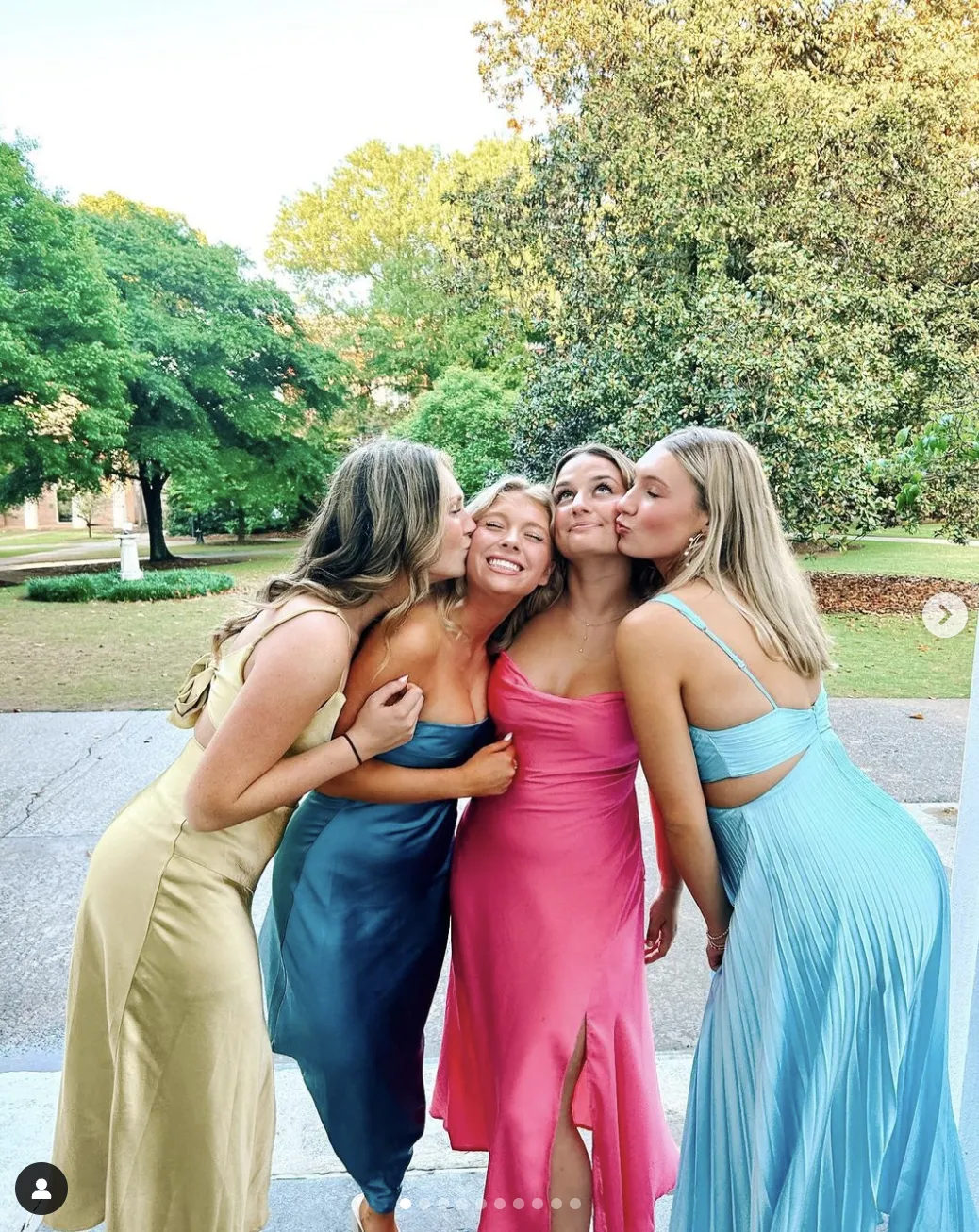
Kelley, a University of Georgia student, was one such client. She successfully joined Delta Zeta sorority and says the consulting service was worth it. "Otherwise, you have no clue how to enter such a secretive organization."
"You have to be fashionable, but not too fashionable. Humble, but not too humble. Fit in, yet stand out."
Kelley summed it up: "The secret is to blend in while being uniquely yourself."
It's all about that just-right perfection.
So yes, Americans "hustle" too—just in a different direction than Chinese families.
Getting into a sorority is as competitive as elite college admissions. Applicants need meticulously crafted résumés, outstanding transcripts, and impressive extracurriculars or athletic distinctions.
Damron, a sorority consultant in Texas, says she has seen girls submit up to 30 recommendation letters. Some sororities even require video résumés.
"My boyfriend said, applying to Stanford MBA wasn't this hard."

Social media must be carefully managed because sororities scrutinize it during recruitment. Posts with revealing clothing or drinking are advised to be deleted; instead, share photos about family, friends, personal hobbies, and volunteer activities, crafting a wholesome, positive image.
"You have to use social media to tell a compelling story that wins over the sororities," Damron says. Her consulting fee runs up to $4,000.
Newberry is the founder of another consulting agency. She primarily helps applicants boost their social skills to stand out during sorority recruitment events.
Her fees are $150 online, $175 in person, and a deluxe one-on-one package costs $1,000, which includes résumé and cover letter writing plus styling advice.
.gif)
But even with a paid consultant, success isn't guaranteed.
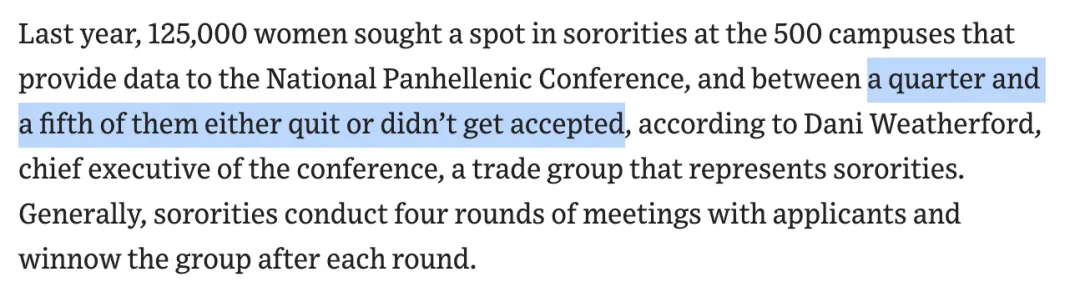
Sorority recruitment typically has four rounds of cuts. Data shows that last year, 125,000 young women applied to sororities at 500 universities, and about a quarter dropped out or weren't offered bids.
Sometimes, consultants provide emotional support. Stefanelli is a sorority consultant in Manhattan; she charges $2,000, which includes 24/7 private counsel during Rush Week.
Some parents say they initially thought fees of several thousand dollars for sorority consulting were outrageous. But after their daughters were repeatedly rejected, they felt anger and disbelief: "How could they do this to my precious daughter?" Ultimately, they paid up.
"Having someone available around the clock to listen to your vents and offer comfort—that emotional value is immeasurable," said one parent who opted to pay.

As Polished as Barbie
Just the right amount of trendy, just the right amount of humble, blend in yet remain distinctive.
Netizens asked: Is this an American finishing school?

In the recent blockbuster film "Barbie," Gloria's monologue resonated deeply with many women.
"It is literally impossible to be a woman. You are so beautiful, and so smart, and it kills me that you don't think you're good enough. I'm just so tired of watching myself and every single other woman tie herself into knots so that people will like us."

Barbie has grossed over $700 million worldwide; behind its success is a surge in female consciousness.
Barbie discovers she's constantly under a scrutinizing, regulating gaze. Everything appears perfect, but individual meaning is nearly nonexistent. Their lives are meticulously "polished" to the point of discomfort and suffocation.

"We must always be extraordinary."
This impeccably calibrated perfection, down to the last hair, is eerily reminiscent of those sorority applicants, isn't it?

Netizens remarked: Isn't this basically a training program for future housewives?
Putting aside these gender stereotypes, why in 2023 are people still scrambling to get into sororities? It simply shows how deeply entrenched clique culture is in the U.S.

Mysterious Elite Groups or Toxic Culture?
So what exactly are fraternities and sororities at American universities?
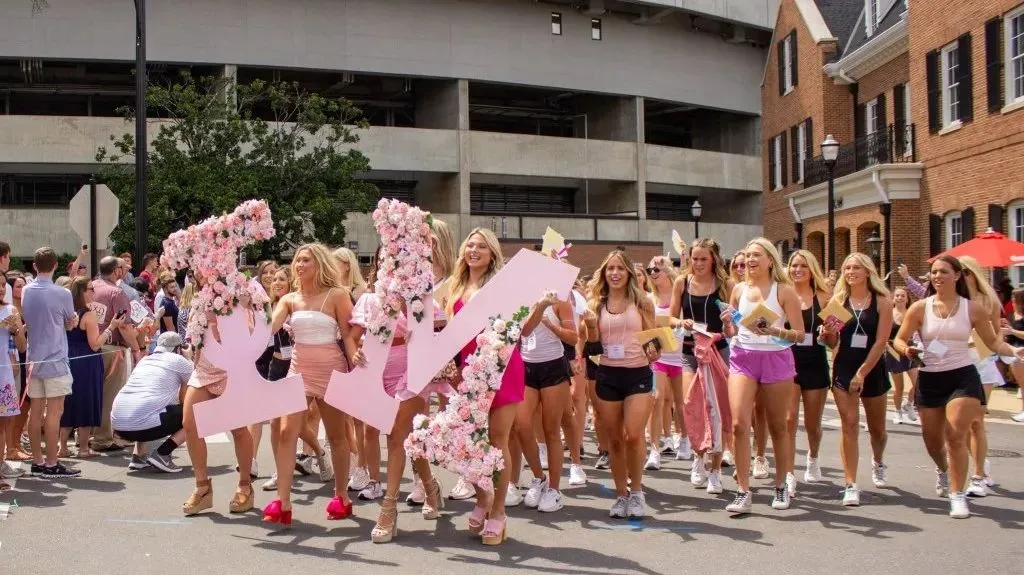
"Frater" means brother in Latin, and "soror" means sister. These organizations usually have names consisting of one to three Greek letters, hence the term Greek Letter Organization (GLO).
Currently, there are about 9 million fraternity and sorority members and alumni in North America, with 750,000 undergraduate members. The first fraternity was Kappa Alpha Society, founded in 1825, and its members span politics and business across North America.

Fraternities and sororities have always been closely tied to elitism.
Research from Princeton University shows that members tend to be white and come from high-income families. Consider these statistics:
-
63% of U.S. Congress members were in a fraternity or sorority
-
85% of U.S. Supreme Court justices were fraternity members
-
Over 80% of Fortune 500 CEOs came from fraternities
-
44% of U.S. presidents were fraternity members, including both Bushes, Clinton, and Roosevelt
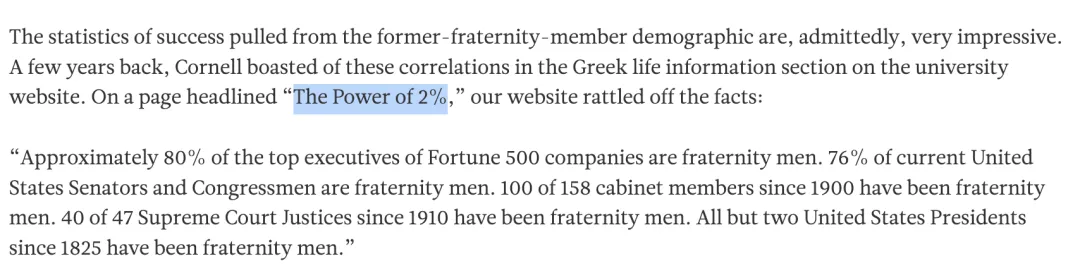
In some respects, elite university fraternities and sororities are tickets into high society. The rise of the Bush family is closely intertwined with Yale's Skull and Bones.
Given the stringent admission requirements, it could be said that many members were both born at the finish line and work harder than the average person. They tend to excel in family background, appearance, academics, and social achievements.
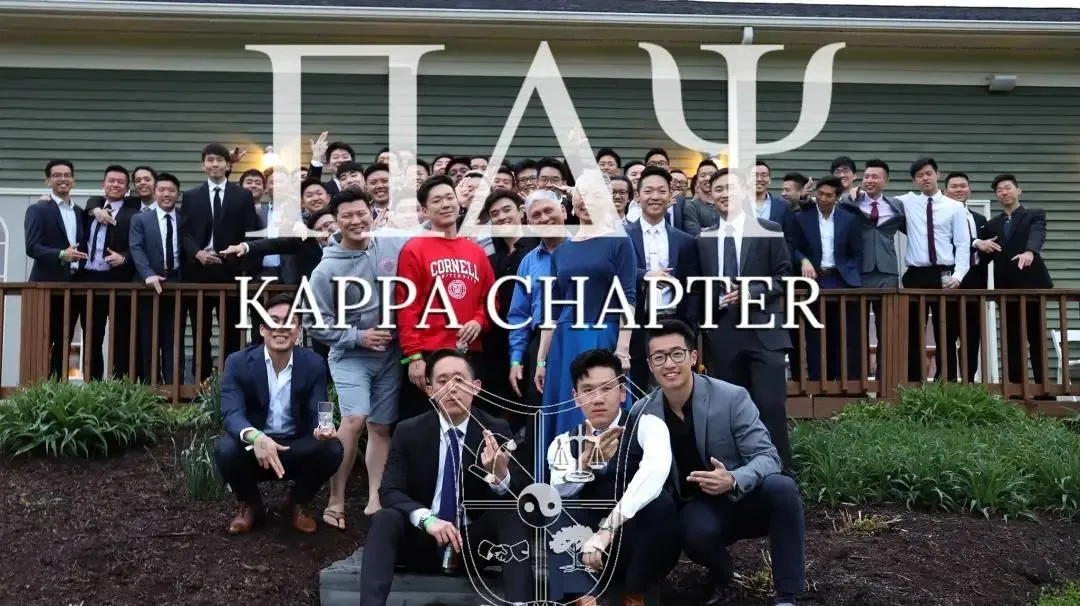
On the flip side, GLOs are mired in scandals: binge drinking, all-night parties, cliques, hazing of new members... These so-called elite organizations seem perennially steeped in alcohol, drugs, nightly revelry, and unchecked indulgence.
As many as four-fifths of GLO members have alcohol abuse issues, with some even dying from excessive drinking.
Pledging is also called Hell Week, where new members endure a week of torment—sleep deprivation, forced runs, coerced drinking, and various forms of physical and mental humiliation. Ostensibly a test, it often resembles bullying and has led to several student deaths.

Moreover, fraternities and sororities have complex crony networks, often acting as exclusive cliques for white elites—not only xenophobic but also rife with bullying, sexual assault, and violence.
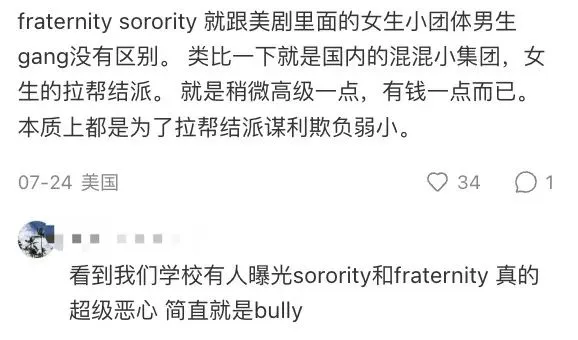
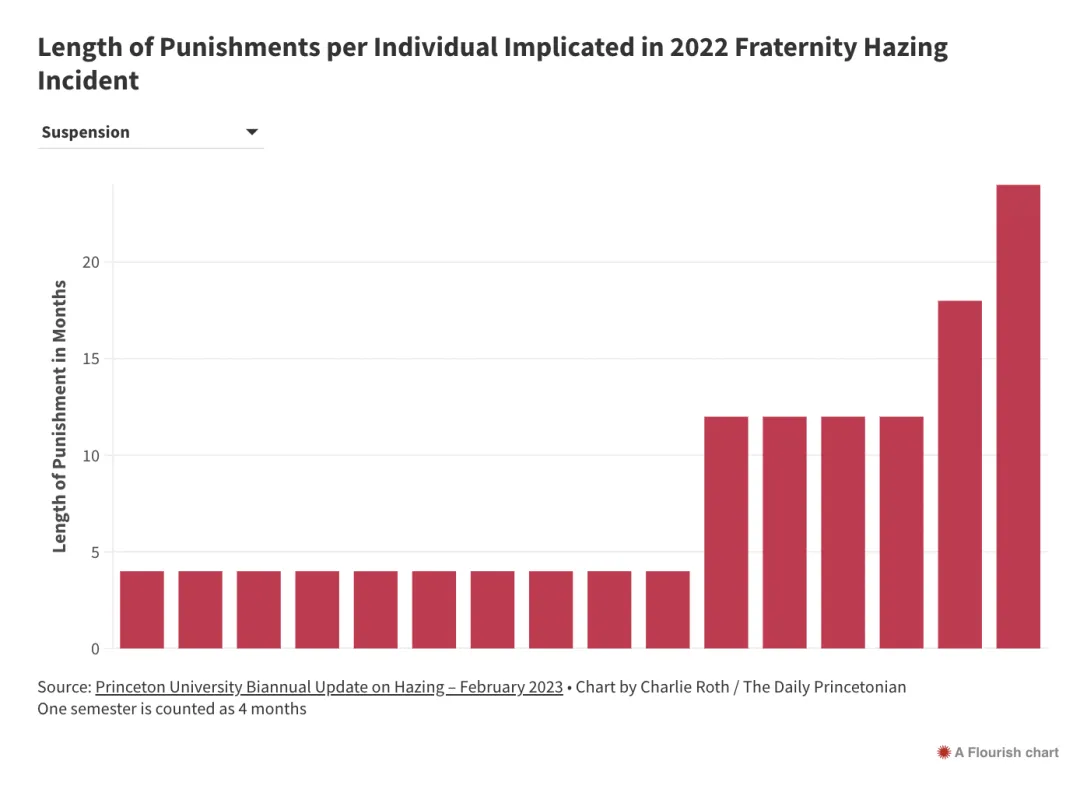
Due to frequent campus disruptions, top schools like Princeton, Notre Dame, and Brandeis have officially banned various fraternities and sororities.
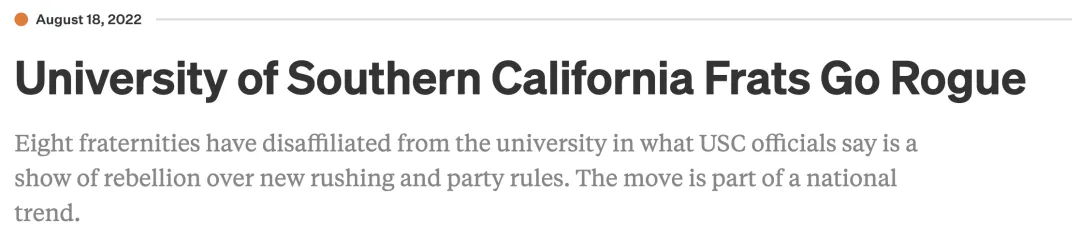
At USC, 30% of undergraduates are GLO members, but since 2020, the administration has been gradually disengaging from these organizations.
"Going Greek" might be a shortcut for Chinese students to integrate into mainstream American circles. But do we still need to follow the crowd into these increasingly distorted "elite" clans?
Of course, as traditional elite networks, GLOs still offer powerful connections that might help with future employment. With a bit of luck, you might also meet like-minded friends. Look at things from multiple angles; fitting in shouldn't be forced.

The Frenetic World of Overseas Education
Today's social atmosphere seems excessively restless and driven by instant gratification—not only among American families but also those of international students.
Ever since Eileen Gu appeared, everyone wants to be Eileen Gu.
Be a ski champion and an LV model. Win world titles while maintaining a straight-A, no-fluff record at Stanford.

Appearance is a frenzy; academics are a frenzy. You must have the right background and make extraordinary efforts just to barely hold onto a spot in the elite tier.
Being a person is just too hard.
The "school trajectory" trend that went viral on Xiaohongshu tracked one's educational path from kindergarten through graduate school.

You thought getting into an Ivy League was the finish line? That's merely the beginning.
Check out the matchmaking groups for overseas students started by elite-school parents: Harvard, Yale, Princeton, Stanford, MIT are the baseline entry requirement for these "high-end matchmaking" groups.
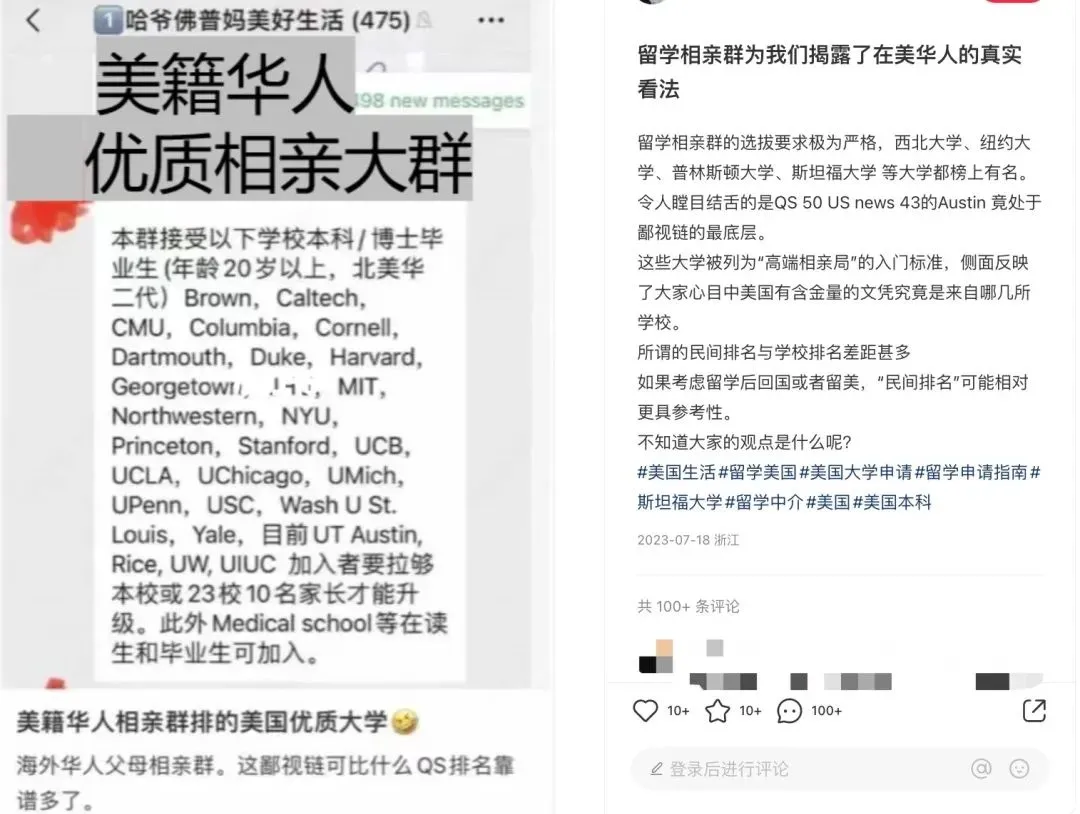
UT Austin, Rice, UW, UIUC? Sorry, you don't meet the threshold—first recruit 10 qualified parents before you can join.
Bonus: Medical students may be admitted as an exception 😅
Don't say the bar is too high; they originally only recruited from T5 and have already expanded once 😅

Alright then, T5 undergrads, your life is perfectly mapped out before you've even graduated.
During the week, grind in the lab; to be a "cool kid," hit the club; rush a sorority to "go Greek"—because soon you'll be a housewife.
Don't claim you can't be labeled; without a few tags, you won't even pass for having run in elite circles.
You need either a Top 30 U.S. undergrad or a Forbes 30 Under 30.
Otherwise, you'll just be lumped together as "overseas waste," unable to even get into a North American matchmaking group.
What, you did a master's in the UK? Go sing the "One-Year Master's Anthem."
This isn't sarcasm—this circle really is that frenzied.
College life is a journey of self-discovery and growth for every student, not defined by superficial glitz. In the age of social media, the development of a new generation of international students draws much attention.
Survivorship bias gets fed by big data algorithms, drowning out the voices of the vast majority of ordinary people.
I hope all international students can stay true to their original aspirations and enjoy university life, rather than endlessly climbing the "success circles" defined by others.