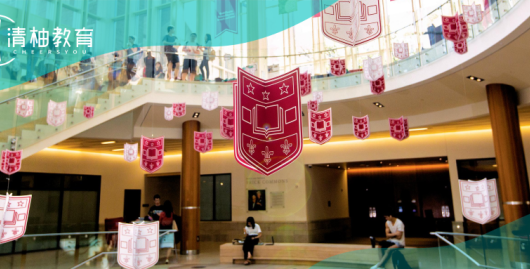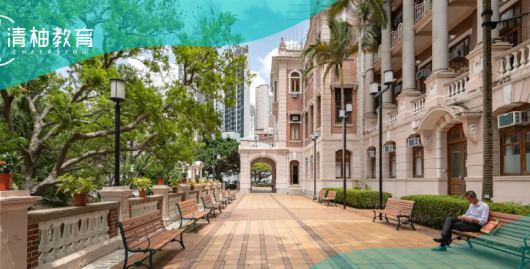
Since the new semester started, new campus buildings have been making waves.
Despite the economic downturn in recent years, top US and UK universities haven't stopped building lavishly. After all, with tuition reaching $90,000 a year, the premium experience must be fully delivered.
Elite Universities' Extravagant Building Boom
Johns Hopkins University – New JHU DC Campus
What's it like to look up and see Capitol Hill when you're tired of studying? Oh, it's JHU's new DC campus.
Adjacent to the White House and the Capitol, built at a cost of $340 million, exuding old-money vibes.

Before the semester: unimpressed. After: it's way out of my league.

The campus, formerly a 420,000-square-foot world-class museum of architecture, now houses the Carey Business School, the School of Advanced International Studies, and the Krieger School of Arts and Sciences after a three-year renovation.
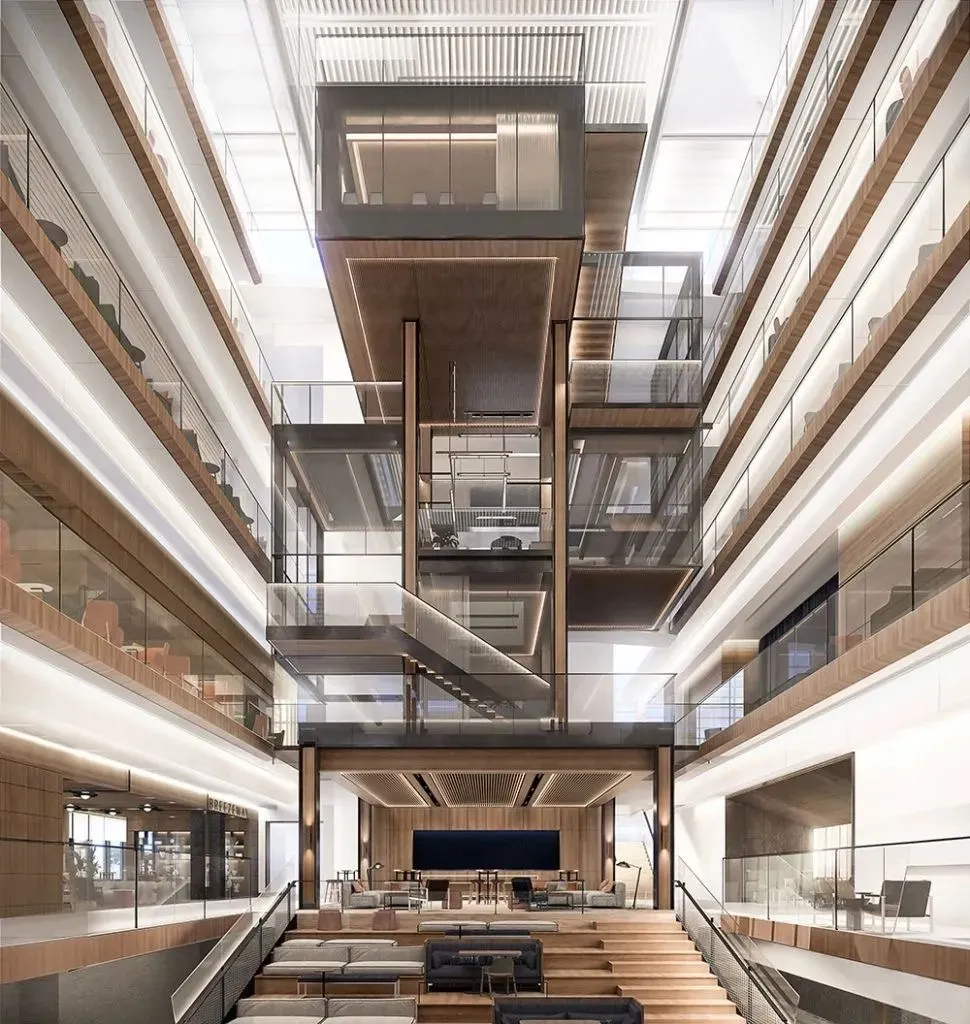
The location is superb: next to the White House and Capitol, the National Gallery and Archives right at your doorstep, and a rooftop terrace overlooking Pennsylvania Avenue.

Netizens comment: a premium 'pay-to-win' experience, feeling like an upgrade from cram school to a luxury downtown office.

After all, JHU's business school is part of the $80,000 tuition club, with a focus on visualizing where that money goes.

JHU's Baltimore campus openly expresses envy, while alumni can only visit often.

There's a pain called 'My alma mater builds new buildings and renovates right after I graduate.'

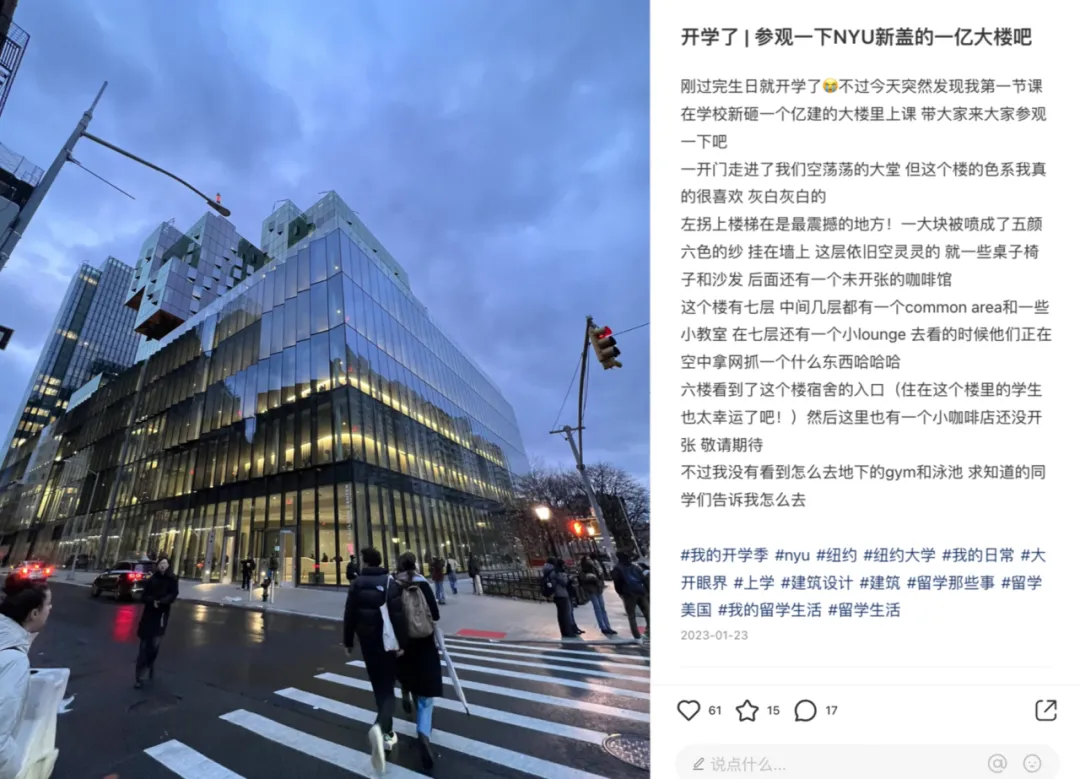
New York University – NYU John A. Paulson Center
NYU's freshman tuition has exceeded $90,000. Although this year's US News ranking is a bit unfair to the generous donors, the facilities are absolutely top-notch.

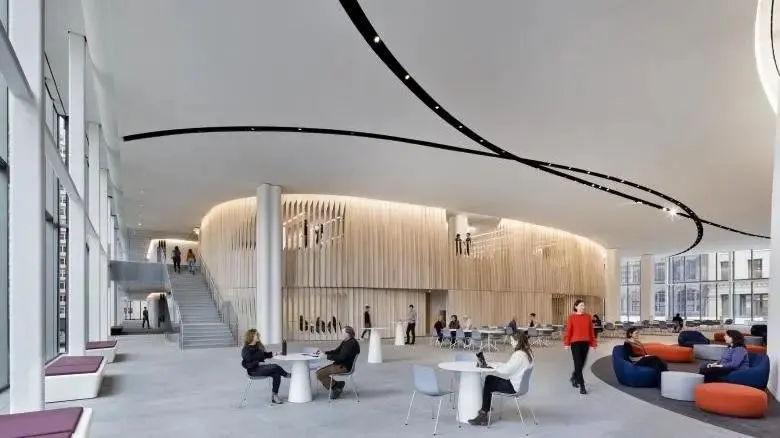
The new building, John A. Paulson Center, donated generously by an NYU business school alumnus, is in a prime New York location across from SOHO, with views of Wall Street and the World Trade Center.

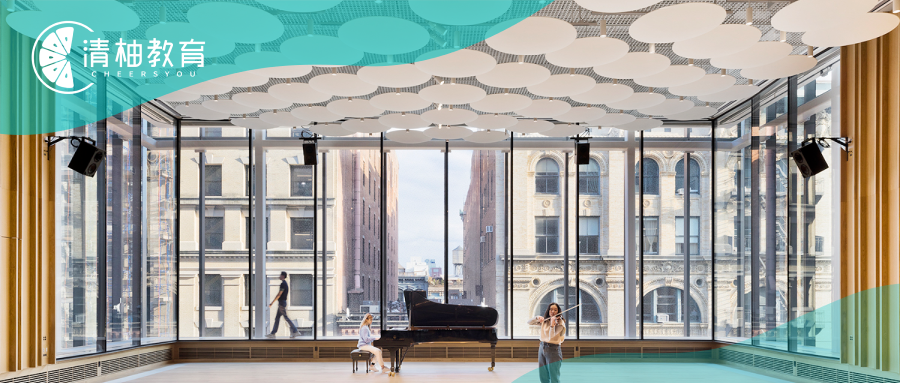
Top-notch facilities include a theater, music rooms, and even Steinway pianos👇

And a gym with a 6-lane swimming pool👇

Basketball court, squash courts, fencing hall, all in one building, along with dining, cafes, and outdoor lounges👇

Classrooms right downstairs from the dorms—who knows the feeling of a lifelong dream come true 🥺

Being a new NYU student is just too awesome. Who wouldn't want to chill by floor-to-ceiling windows in Manhattan 🍋

Columbia University – Columbia Manhattanville Campus
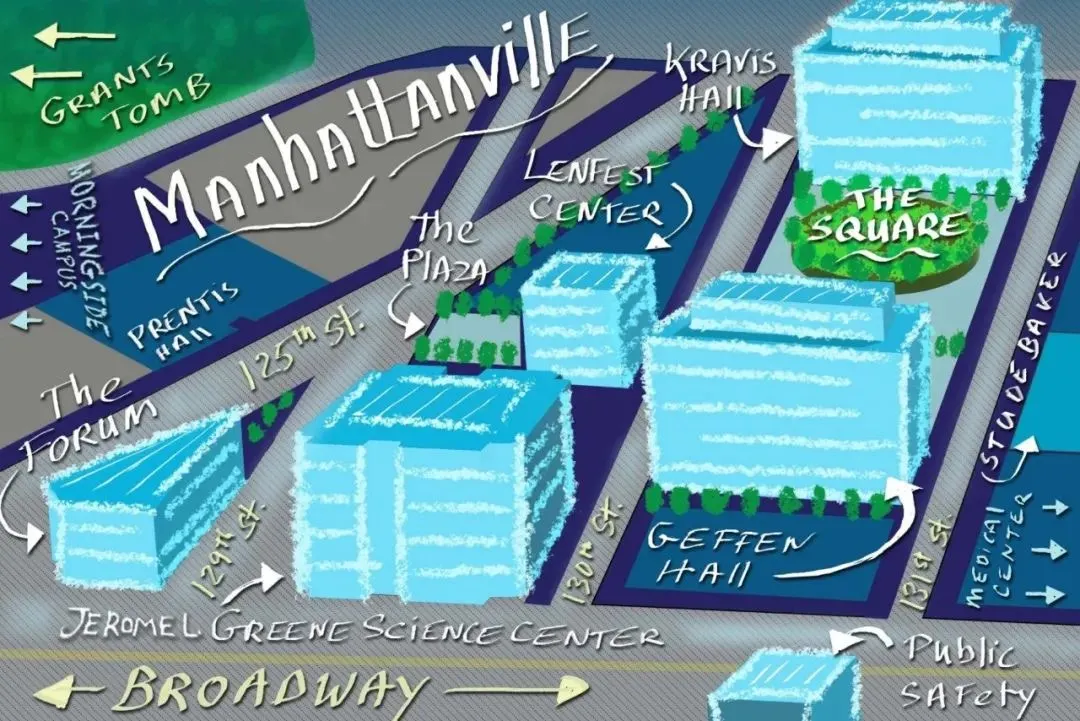
Columbia Business School's new Manhattanville campus reportedly cost $6.3 billion.
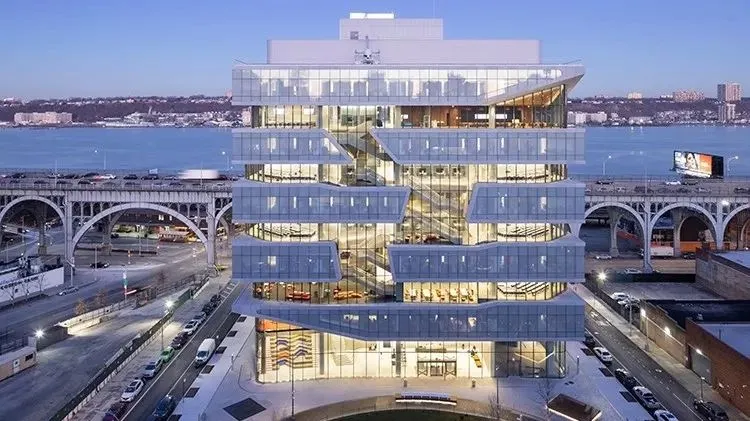
I mean, I've never seen that much money in my life 😅
Designed by world-class architecture firms, every corner exudes design and tech vibes.

Externally luxurious, internally it has everything you could imagine and more.

Columbia has the second-highest tuition in the US, with alumni donations reaching tens of billions of dollars. Even in the astronomically expensive New York, it has plenty of capital to expand its territory.
Boston University – BU CDS
BU's new landmark CDS building took four years to construct, with a futuristic tech-inspired look nicknamed 'Jenga', and is Boston's largest carbon-neutral building.
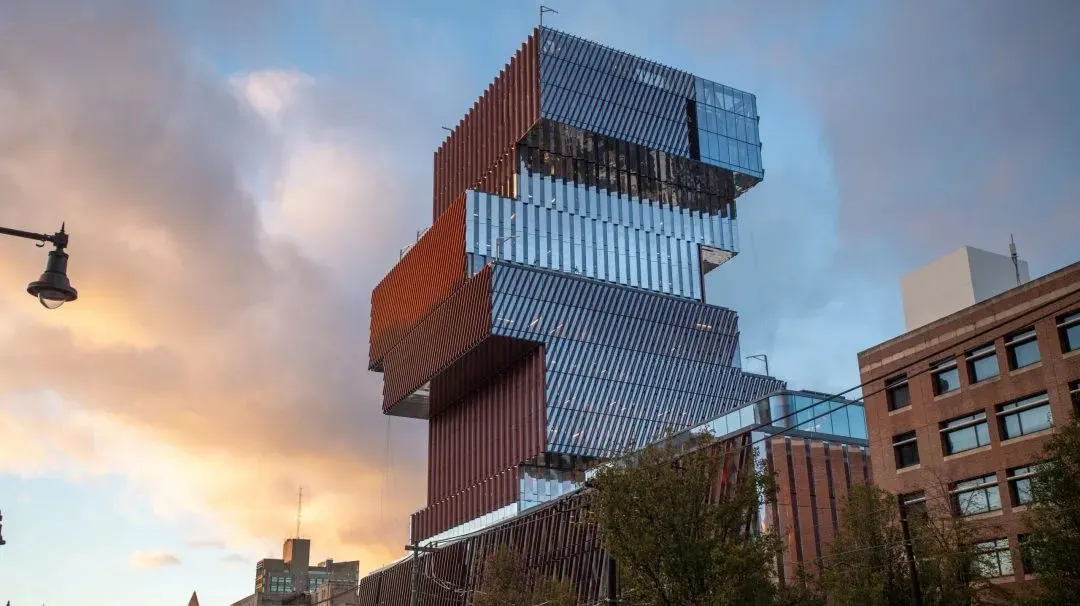
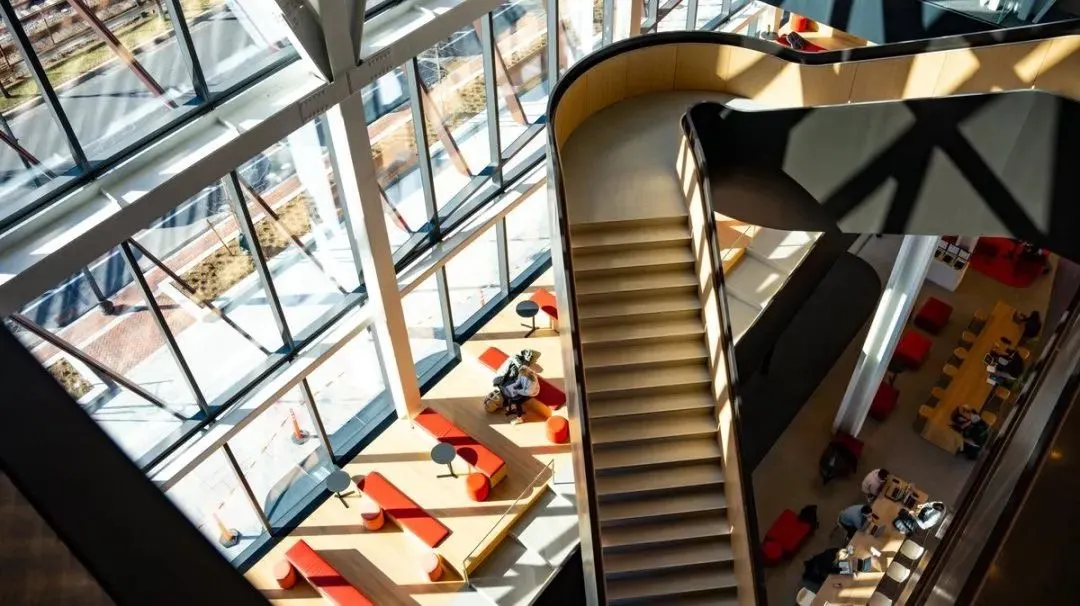
This 19-story new building cost hundreds of millions of dollars, integrating classrooms, meeting rooms, study rooms, lounges, etc., with great natural light on every floor, plus an Instagrammable café—we're totally in love!

The view is amazing—floor-to-ceiling windows on the 16th floor overlook the Charles River👇

After all, BU is also in the $80,000 tuition club, and every brick in this new building has our tuition money written on it.

University of Pennsylvania – UPenn Sturart Weitzman
Penn's School of Design announced last year that it acquired a new building, which will be renovated and expanded, and renamed Sturart Weitzman, in gratitude for the major donor's contribution.

The struggling UPenn architecture students have finally got a break; before, pulling all-nighters in the studio meant battling mice as well.
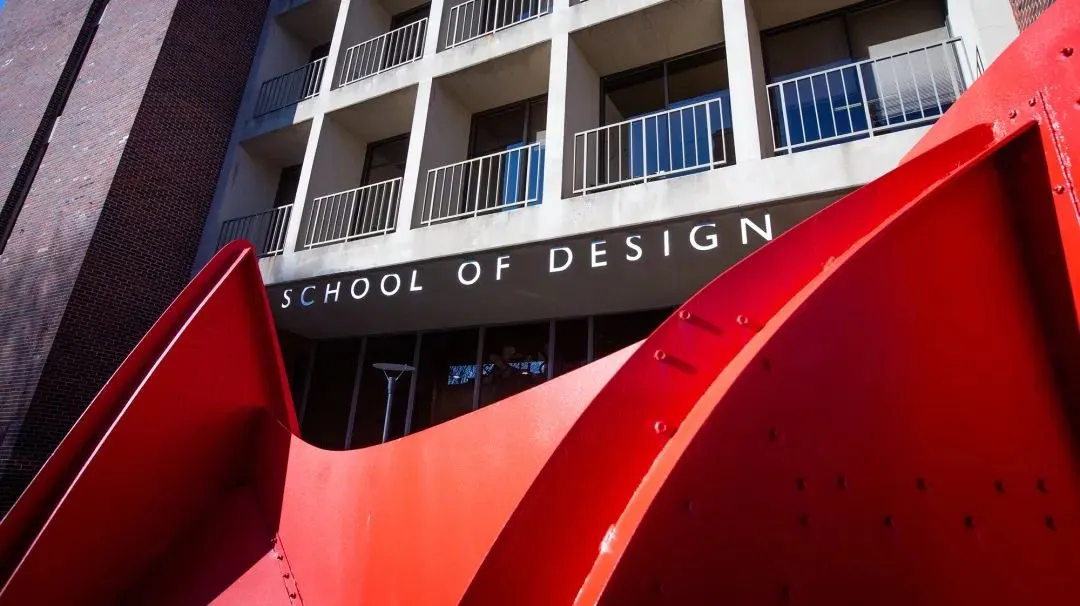
Now with the generous sponsorship, conditions have soared, school funding has skyrocketed, and scholarships have become more generous.

UCL East
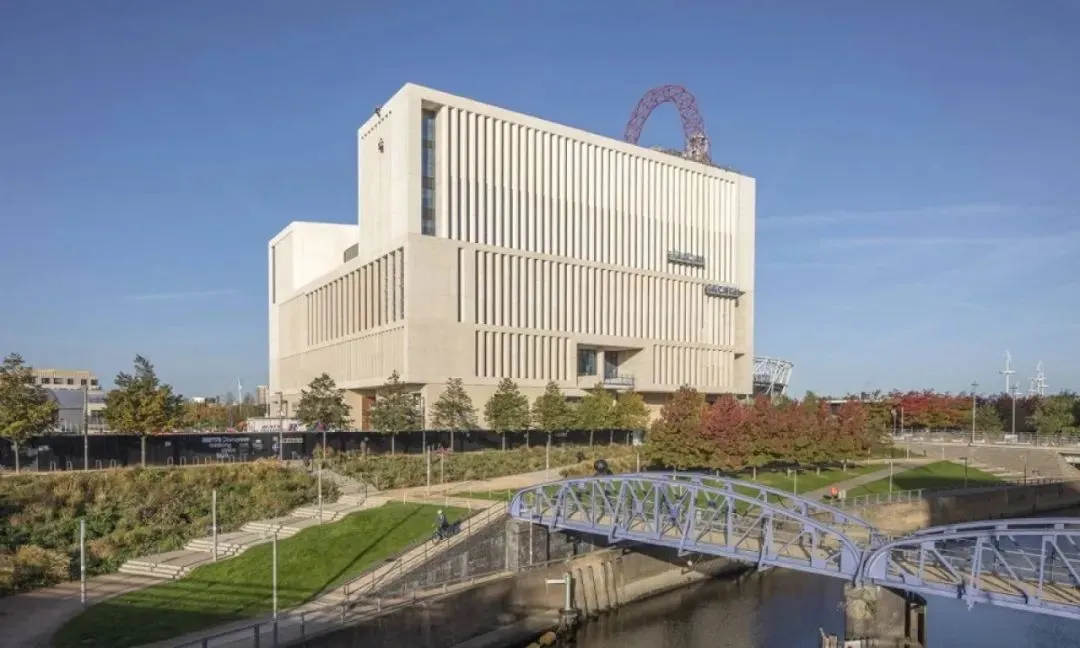
UCL East's new campus fully opened last month, located in the Queen Elizabeth Olympic Park in East London, with a superb location.
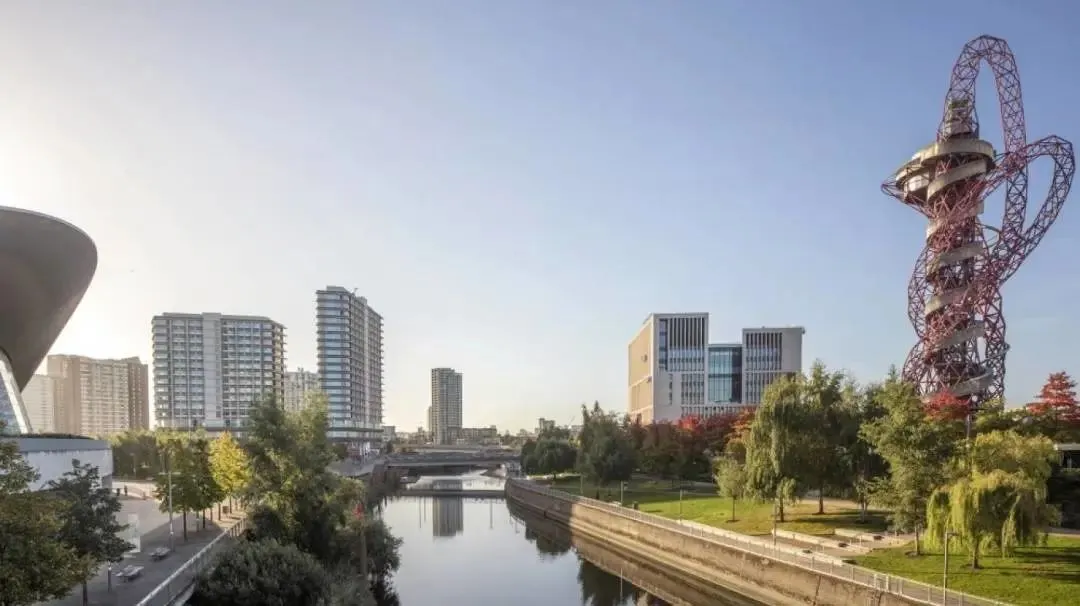
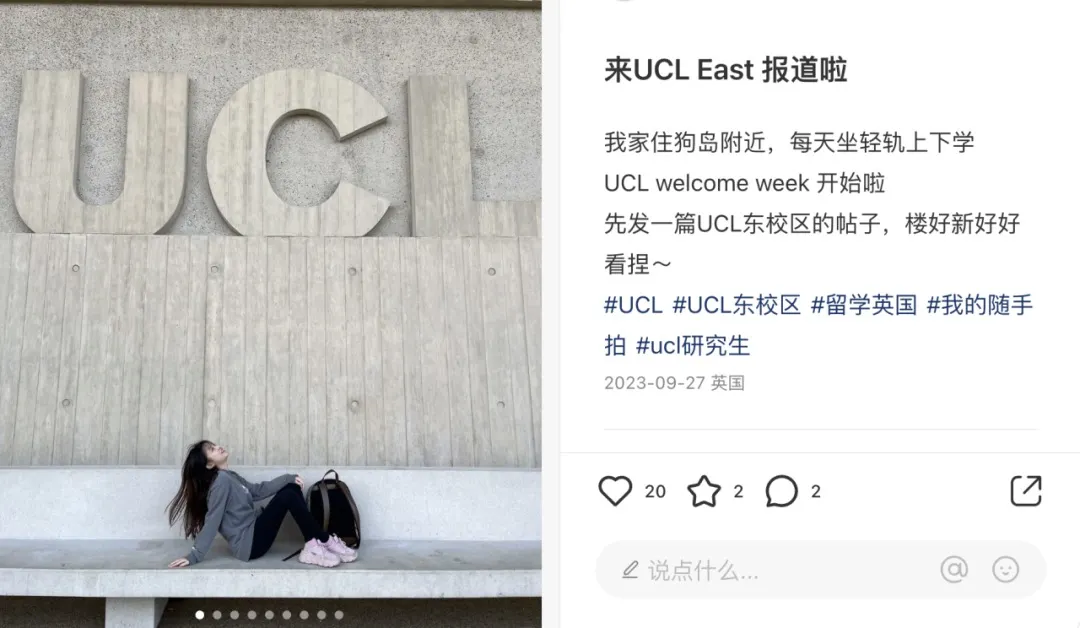
Currently, the new college has two buildings: One Pool Street and Marshgate.
One Pool Street opened last fall, featuring multidisciplinary research labs and studios, as well as a cinema, theater, shops, cafes, and student housing.
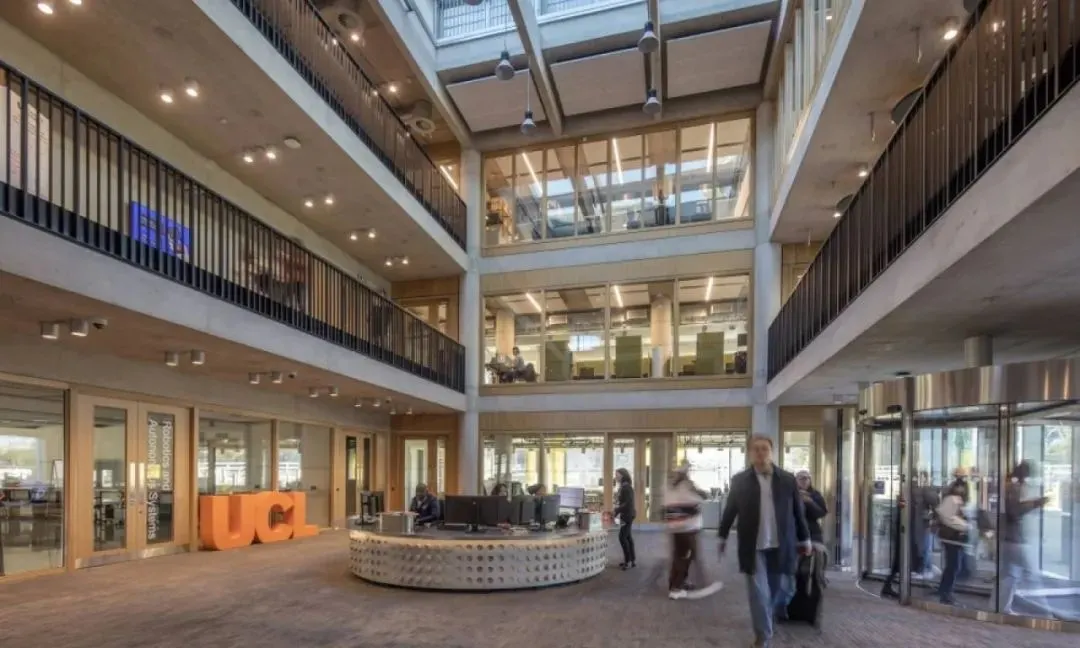
Marshgate opened this fall, an 8-story building with labs, teaching areas, makerspaces, collaboration spaces, a library, dining, and the UCL Manufacturing Institute.
Social media is already flooded with check-in posts 👇
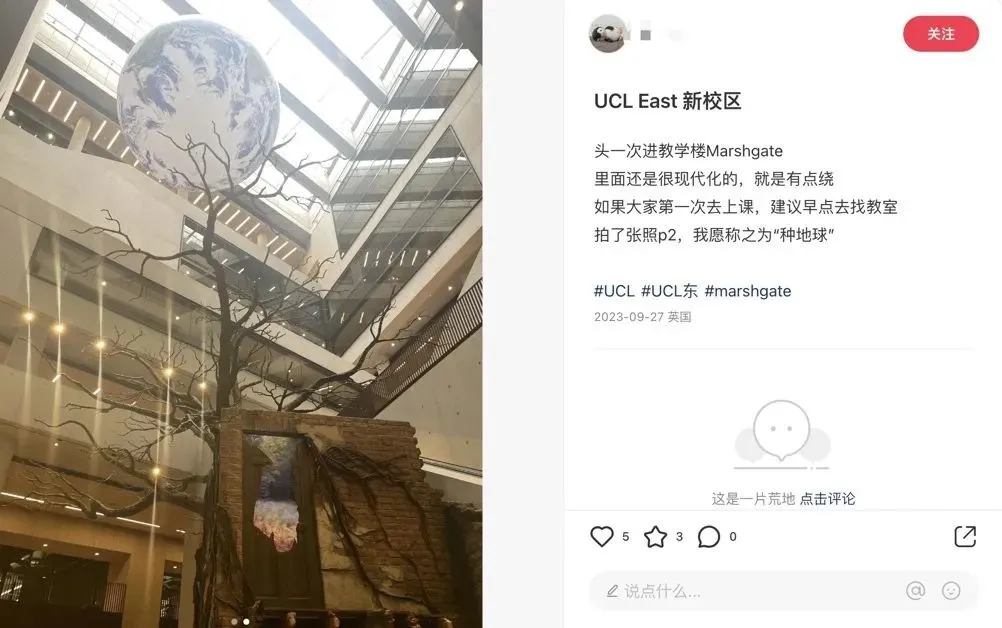
Studying in these beautiful new buildings makes you feel even more motivated.

UCL East cost £200 million, part of the school's £1.2 billion expansion and upgrade plan.

So, we've found the reason why tuition keeps rising every year.

Why Are Elite Schools Expanding Like Crazy, and Where Does the Money Come From?
This year's flashy new buildings at US and UK universities are all thanks to generous donors.
Tuition Keeps Rising
Annual tuition of around $80,000 is now the norm at prestigious private universities. The economic downturn doesn't stop tuition from rising yearly.

According to official data, tuition at HYPSM (Harvard, Yale, Princeton, Stanford, MIT) has risen across the board for the 2023-24 academic year:
-
Harvard University: tuition rises to $79,450, up 3.5%
-
Yale University: tuition rises to $83,880, up 3.9%
-
Princeton University: tuition rises to $79,090, up 4%
-
Stanford: tuition rises to $82,406, up 7%
-
MIT: tuition rises to $82,730, up 3.75%
Favorites of the wealthy, USC and NYU, have broken the $90,000 tuition mark.
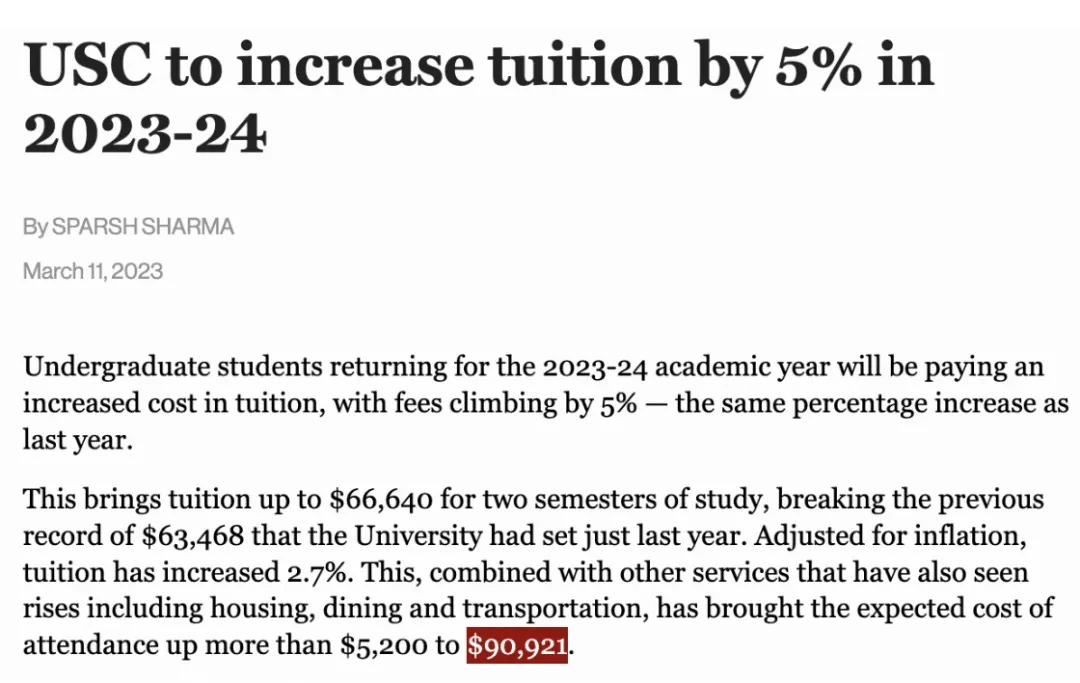
No wonder NYU's new building faces SOHO—just step downstairs and hit Chanel and LV. NYU really understands international students.
In addition, the total annual cost of attendance at Penn, Cornell, Northwestern, Dartmouth, Wake Forest, Brandeis, and others is also approaching $90,000.
So, every brick in these new buildings has international students' tuition written on it.
Alumni Donations Pour In
Another source of funding is massive donations from major donors. The US tradition of alumni giving has made some top universities wealthier than countries.
For example, JHU has long received donations from Bloomberg, totaling $3 billion to date.

NYU's top-tier new building came from a donation by alumnus John A. Paulson. This Wall Street billionaire generously gave $100 million to his alma mater for the building and earned naming rights.

So, why are schools racing to build new buildings and campuses?
Expanding Enrollment, a Virtuous Cycle
First, there's no doubt these schools are flush with cash. The endowments of these expanding universities are in the tens of billions or even over a hundred billion dollars, so building costs are pocket change, often with naming sponsorships from big shots.
For instance, the rise of NYU Tandon wouldn't have been possible without alumni donations. In 2015, the engineering school received a $100 million donation from an Indian-American alumnus, used for lab renovations and faculty upgrades.

NYU Tandon's expansion plan is very ambitious, with a total investment of $1 billion to create a top-tier engineering school nationwide and expand New York's footprint in tech.
Last year, NYU spent $122 million to acquire a 10-story building in Brooklyn, which previously belonged to JP Morgan.
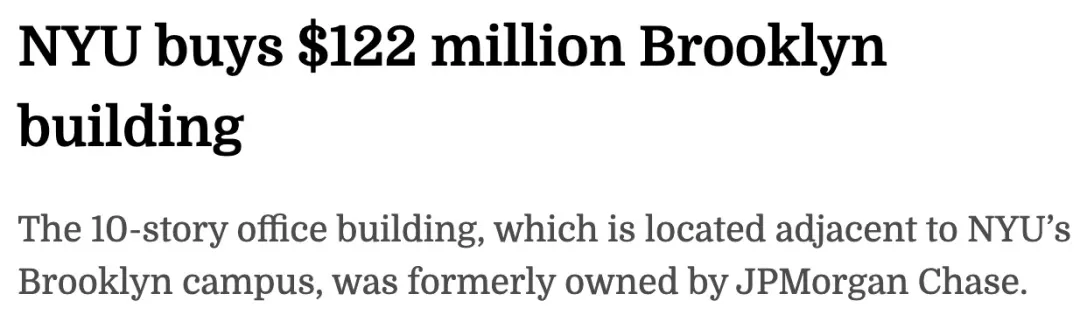
The results of this spending are clear. Since 2014, NYU's engineering school has jumped from 82nd to 37th in national rankings.
Expansion not only provides a better learning experience but also boosts rankings, attracting more top students. These high-quality graduates then give back to the school—NYU is definitely playing a long game.
In recent years, tech giants have been flocking to New York: Google, Apple, Facebook, Amazon have all invested heavily in buying or leasing buildings in NYC. The eastward migration of Silicon Valley is supported by talent from top schools, creating a virtuous cycle.

Not just NYU—many US universities' expansions are driven by enrollment growth.
In recent years, applicants have concentrated on top-tier schools, making admissions extremely competitive.
Last year, Ivy League acceptance rates hit new lows, and top UC schools are also nearly impossible to get into. Since 2020, UCLA's applicant numbers have risen each year, reaching nearly 150,000 for Fall 2023. Meanwhile, the admission rate has dropped from 14% to 9%.
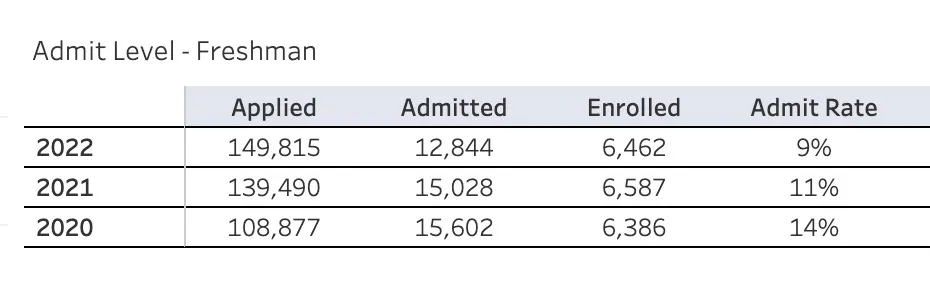
The supply and demand for admissions at elite schools makes expansion and increased enrollment inevitable, a response to the record-breaking number of applicants in recent years.
Recently, UCLA announced it will spend $40 million to acquire a property in downtown LA, just six months after it spent $80 million buying two major campuses. This series of acquisitions and expansions demonstrates the school's determination to attract top students.

Truly envious of all the new students starting this year.
To all students dreaming of these new facilities at your dream schools, prepare actively for your applications—next year, you could be the one showing off the new building!
.png)