Recently, prices have skyrocketed, and both oil prices and exchange rates have become absurdly high. The internet has been flooded with a wave of nostalgic memories from overseas students.
.jpg?x-oss-process=style/opt-webp)
After all, eight years ago in New York, an UberPool could occasionally cost as little as $8.99.

Prices were only half what they are now, there wasn't as much discrimination against Asians, and riding the subway didn't require walking close to the walls.
.gif)
Studying Abroad Then vs. Now
Soaring Prices
With an exchange rate of 7.3, gas at $6.3, and interest rates at 7.7%, what kind of misery is this?
Rising tuition plus spiking exchange rates mean that a four-year U.S. undergraduate degree now costs at least 200,000 RMB more than it did before the pandemic.
Many private universities on the East Coast have raised tuition to $80,000 per year, and even top public universities have increased fees across the board.
This year, UCLA's tuition for international students has climbed to $71,091, and UCI's is as high as $72,776.
.jpg?x-oss-process=style/opt-webp)
Before, you could finish a U.S. undergrad degree for a little over 2 million RMB, but now the baseline is at least 3 million. Probably only only-daughters from wealthy families in the Yangtze River Delta can go all in without any pressure.
.jpg?x-oss-process=style/opt-webp)
Living expenses used to be comfortable at $5,000 a month; now in New York, you need $15,000 just to call yourself moderately well-off.
.jpg?x-oss-process=style/opt-webp)
After all, rent in Manhattan starts at $3,000 a month—rich kids can live wherever they want, but ordinary folks head to New Jersey.
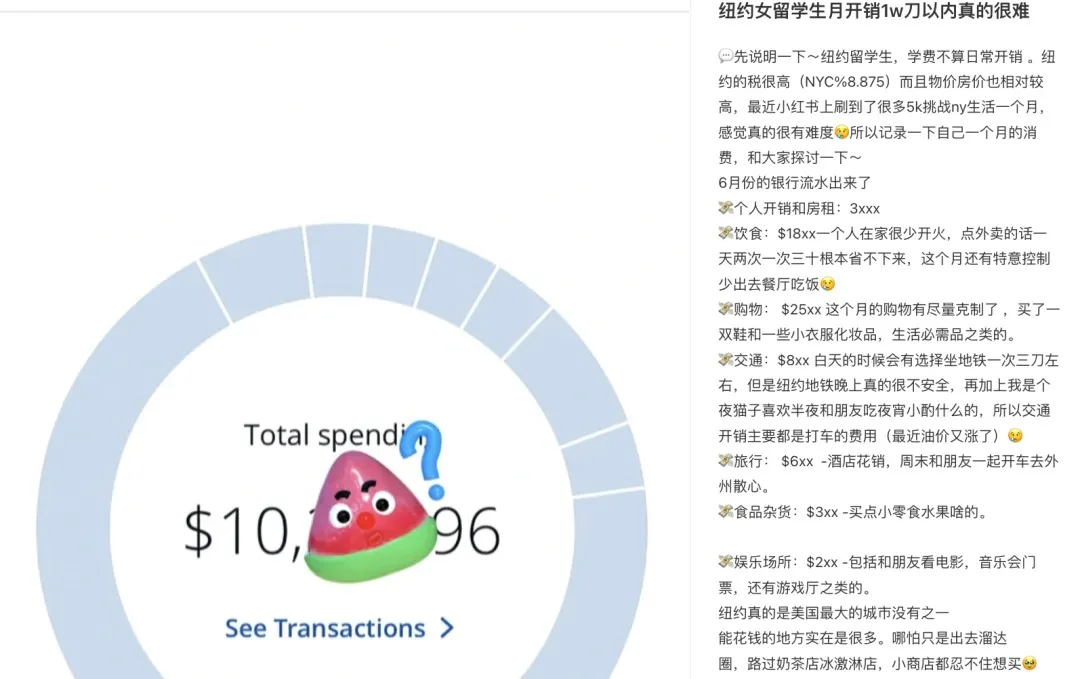
Now NYU is truly not for ordinary families—tuition plus living expenses can easily top a million RMB a year.
That's why the school now builds dorms right across from SOHO, with Chanel and LV downstairs, perfectly catering to rich kids' hearts.
.jpg?x-oss-process=style/opt-webp)
Life Has Changed Drastically
Back then, Off-White and TB were the uniform of young international students; now they are relics of a bygone era.
.jpg?x-oss-process=style/opt-webp)
Chrome Hearts + Givenchy, Palm Angels + Marcelo Burlon big-wing tees—all faded Internet celebrities now.
.jpg?x-oss-process=style/opt-webp)
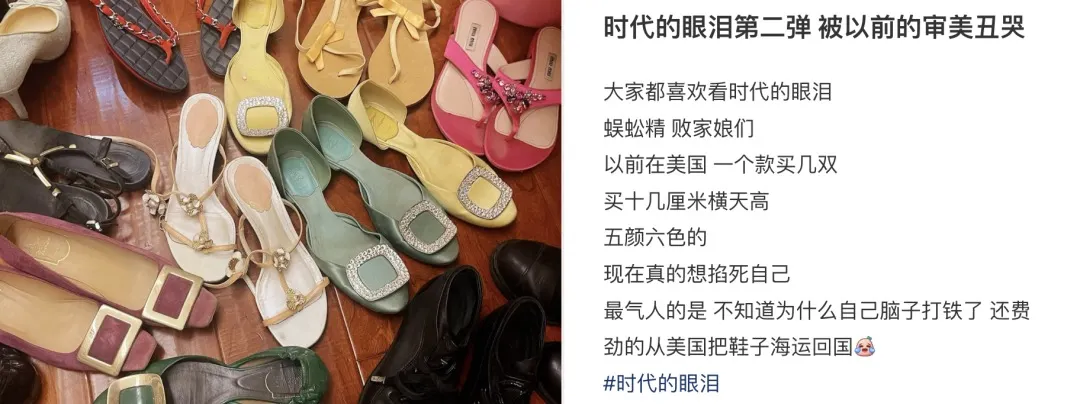
Every girl once had a pair of Stuart Weitzman 5050s and Stella McCartney star platform shoes, now all relegated to the back of the closet.

RV square buckles + Valentino rockstuds + Gucci pearl shoes—memories rushing back to hit me hard 👇
Yelp used to be a must-have app on the phone; now Xiaohongshu is the magic tool for everything from dining to housing.
Back then, the North American Confessions page hadn't been banned yet, and you didn't need hundreds of pages of PPTs to call someone out—reading all sorts of ridiculous submissions was a source of joy.
Now even Instagram has declined somewhat, and Douyin, TikTok, and Xiaohongshu are the holy lands for bloggers and influencers.
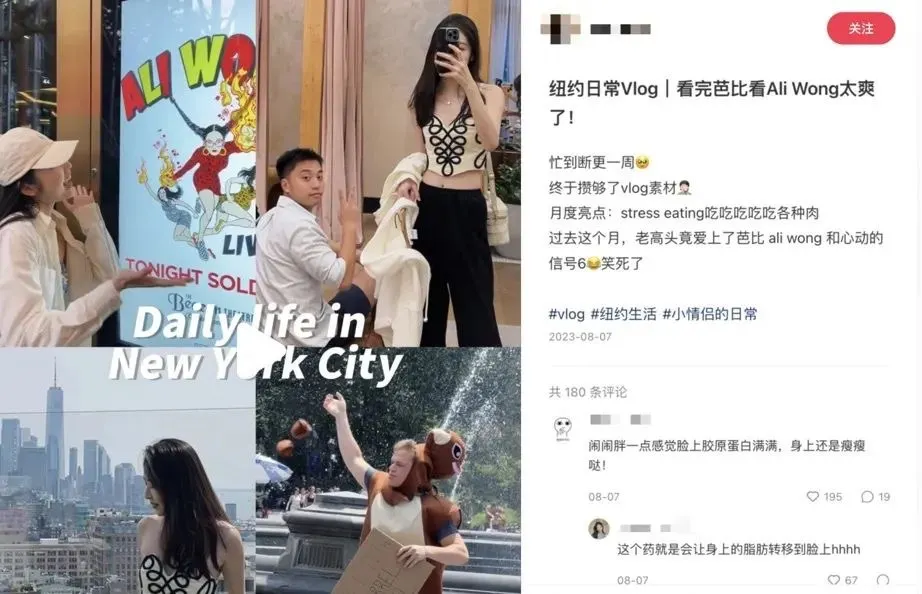
The hottest thing that summer was "The Rap of China." Chris Wu hadn't been sent to operate sewing machines yet, and the Red Flower Society could still come to North America for concerts.
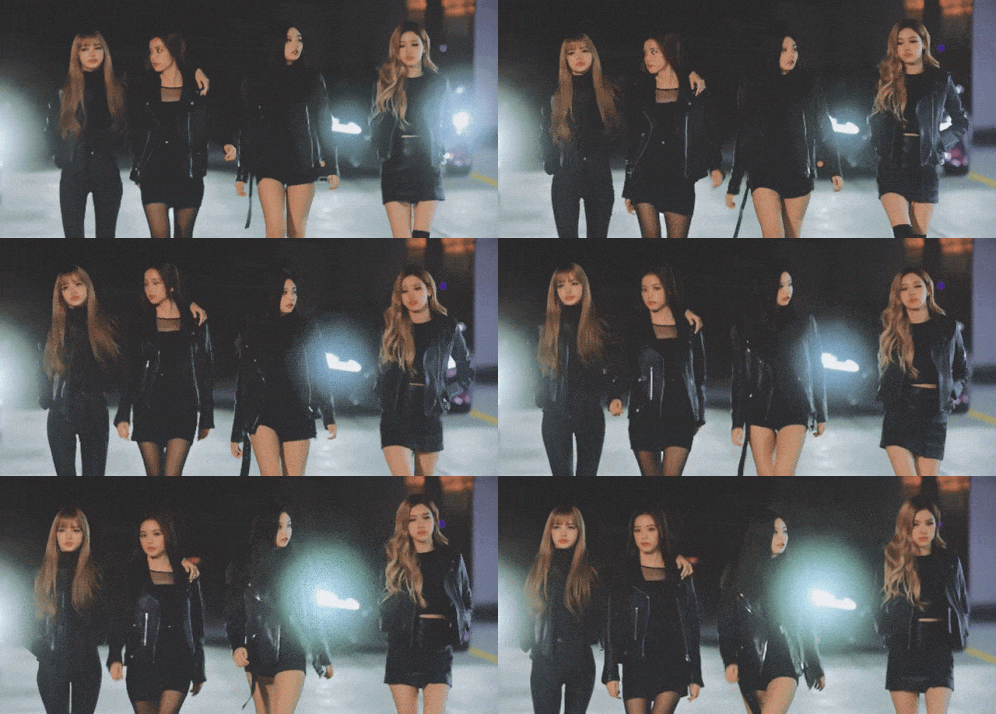
Lisa hadn't yet performed at the Crazy Horse, and Jennie was still the human Chanel. Tickets to Blackpink at $300 a pop—we charged straight in without hesitation.
As a Boston international student, back then daily shopping meant Newbury Street + Prudential Center. Barneys New York hadn't closed yet, and you'd bump into a bunch of classmates while browsing Saks.
Back then, clubbing meant going to Grand, or lining up outside the declining Royale. When I left Boston before the pandemic, Encore's club was already open.
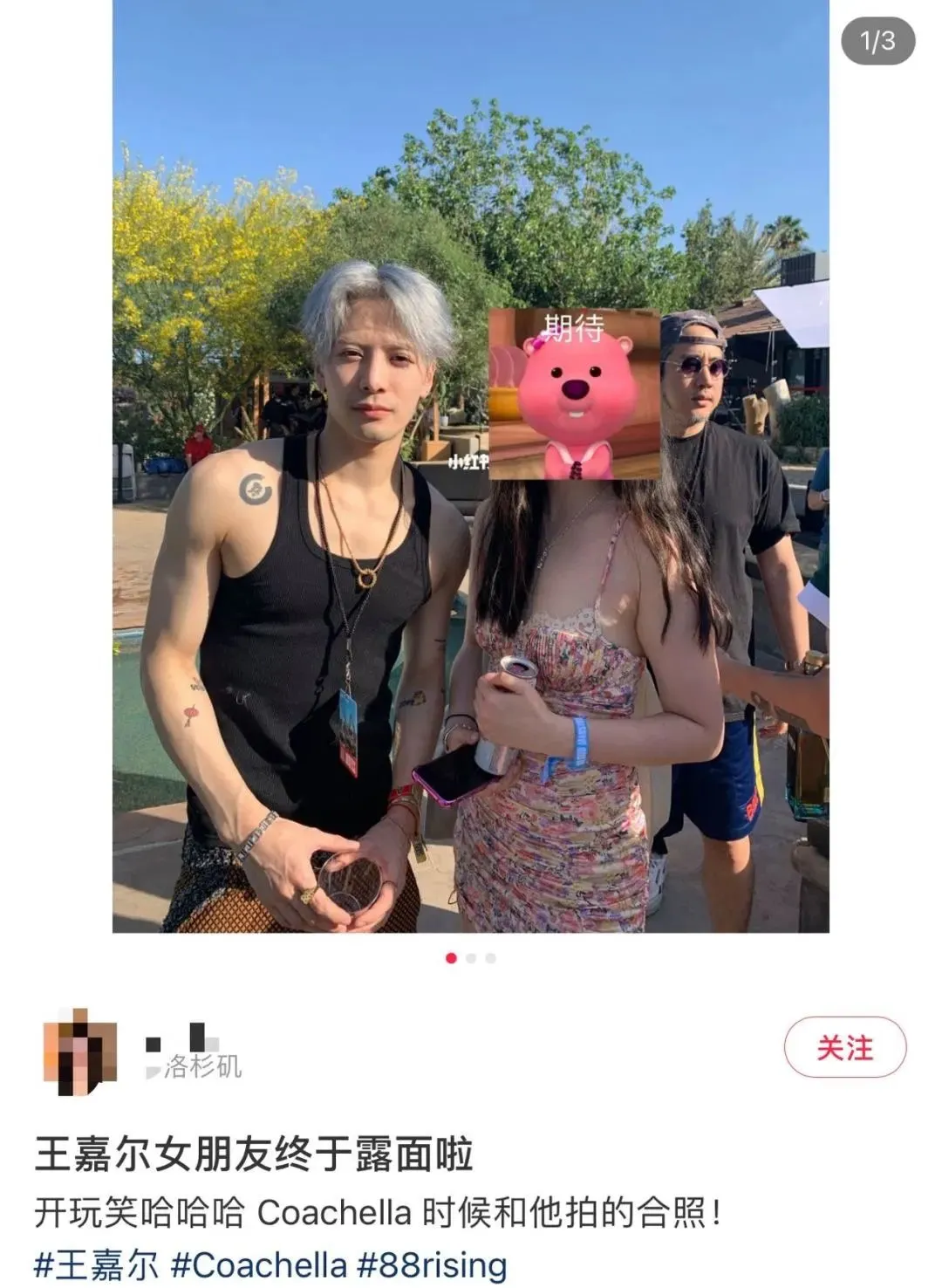
Now everyone is either at EDC or Ultra, or at Coachella under the palm trees, holding hands with Jackson Wang.
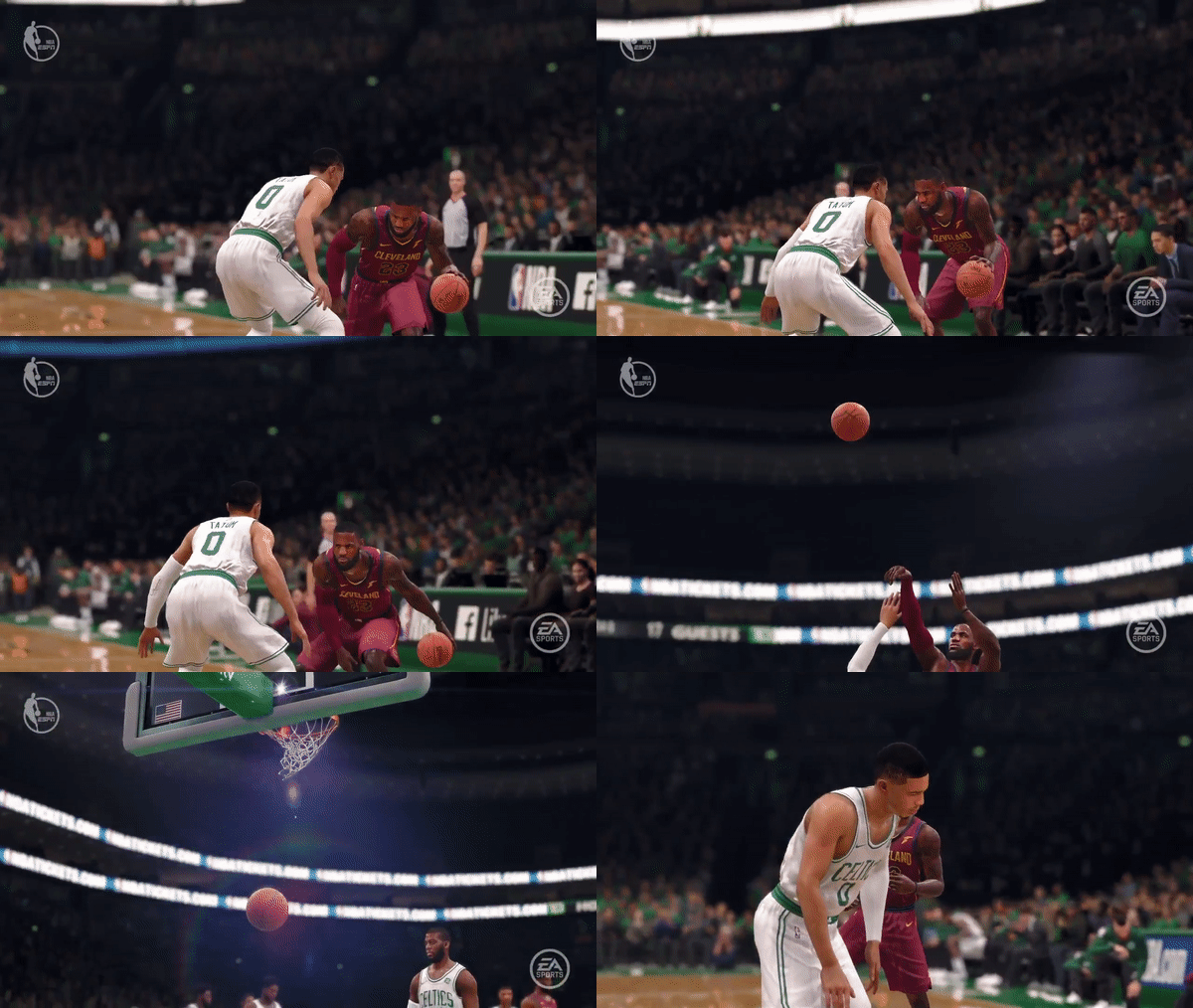
In 2018, the Celtics still had Kyrie Irving, and LeBron hadn't gone to the Lakers to coast. TD Garden hosted not only Chainsmokers concerts but also NBA Eastern Conference finals. You could even run into JR Smith at a Nike store.
Many celebrities studied in Boston. I took the same flower arrangement class as Nana Ouyang. Watching her vlog about studying in Boston was my daily internet pick-me-up.
.gif)
Back then, Ouyang Nana hadn't yet sold 998 RMB bathrobes to fleece fans—isn't studying abroad the best cosmetic surgery?
Once you start working, the weary look of a corporate drone creeps into your eyes.
The Upgrade of Studying Abroad
In the past two years, the difficulty of applying to top U.S. universities has kept escalating. In the 2023 Fall cycle, many prestigious schools hit record-low acceptance rates.
Take a look at the admission data for HYPSM:
-
Harvard: 3.45%
-
Yale: 4.35%
-
Princeton: 5.82%
-
Stanford: 3.68%
-
MIT: 4.8%
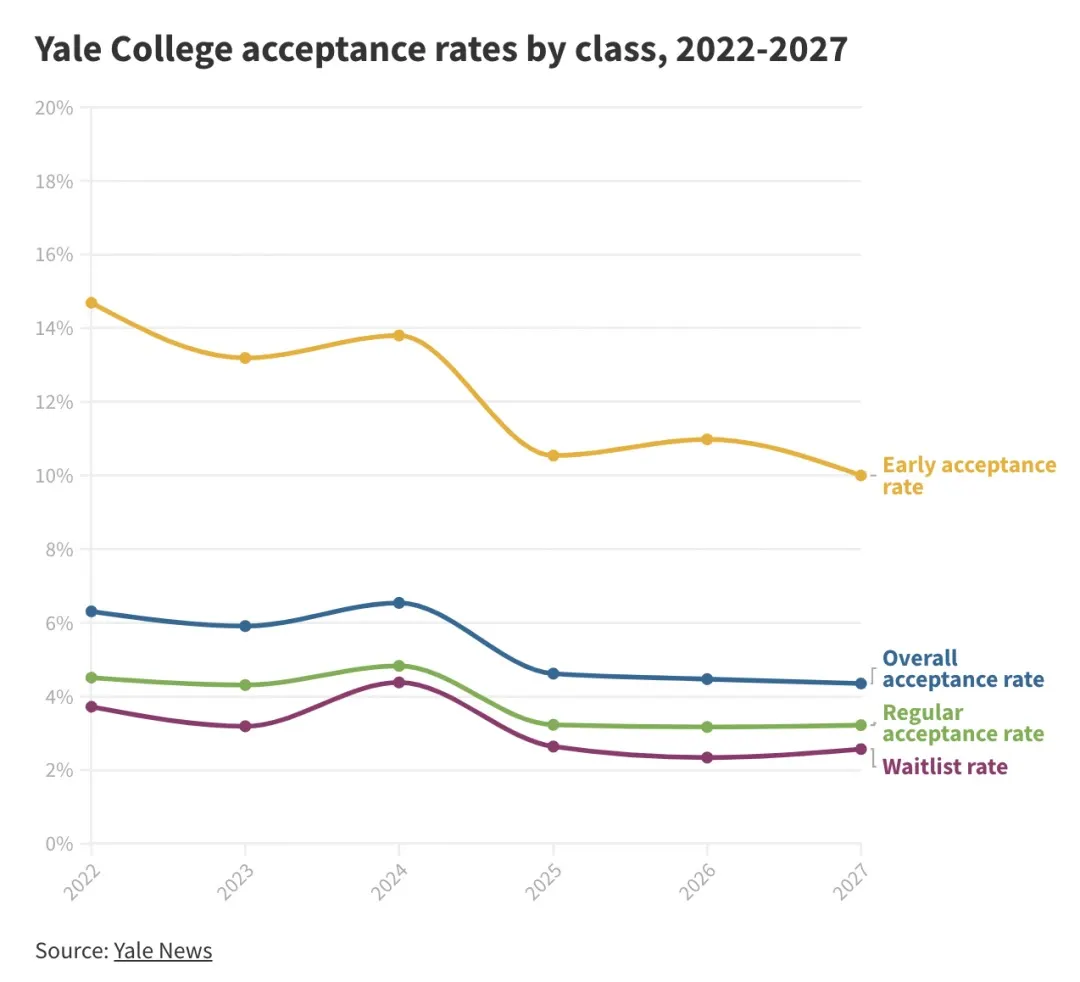
Taking Yale as an example, both early decision and regular decision acceptance rates hit new lows in recent years.
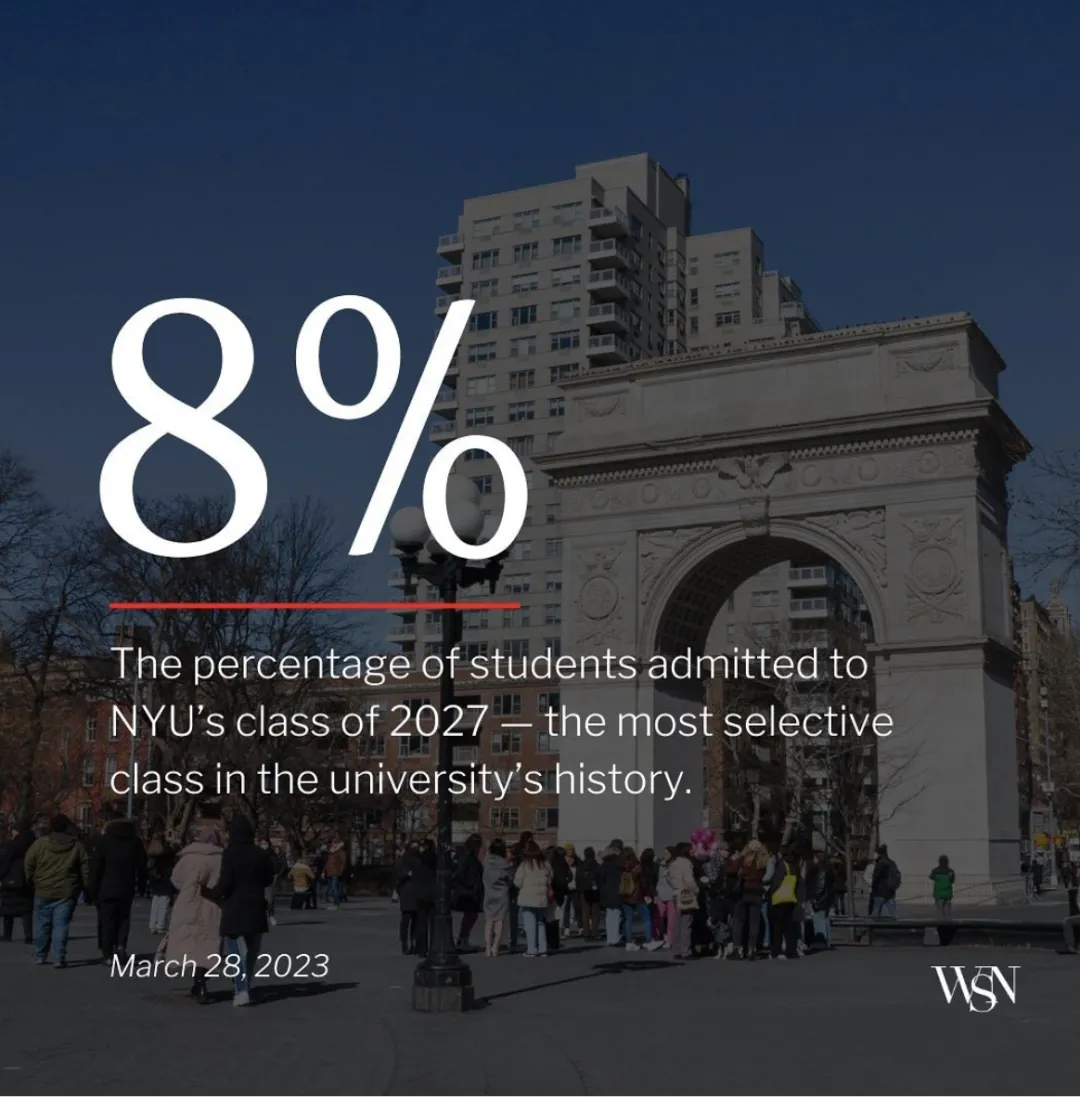
The admission rates for Chinese students' favorite schools like NYU and USC were also below 10% this year.
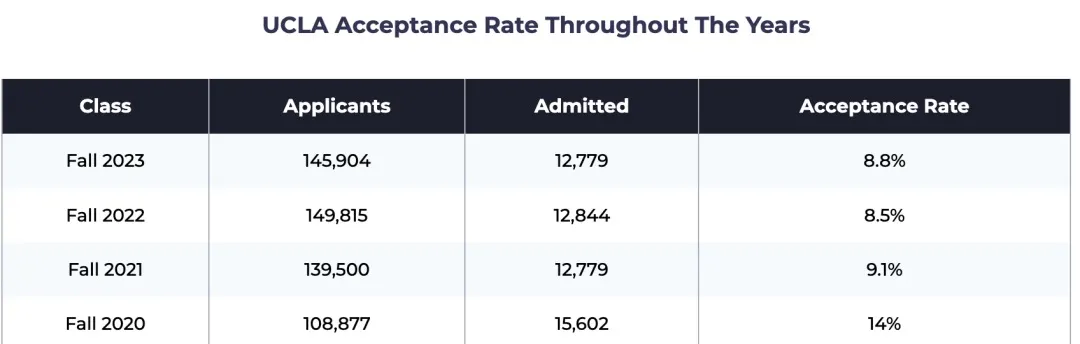
Not only are private elite schools impossibly competitive, but the UC system is also fiercely contested. Since 2020, the number of applicants to UCLA has risen year by year, reaching nearly 150,000 in Fall 2023. Yet the acceptance rate has dropped from 14% to just 8.8%.
Graduate programs are just as cutthroat.
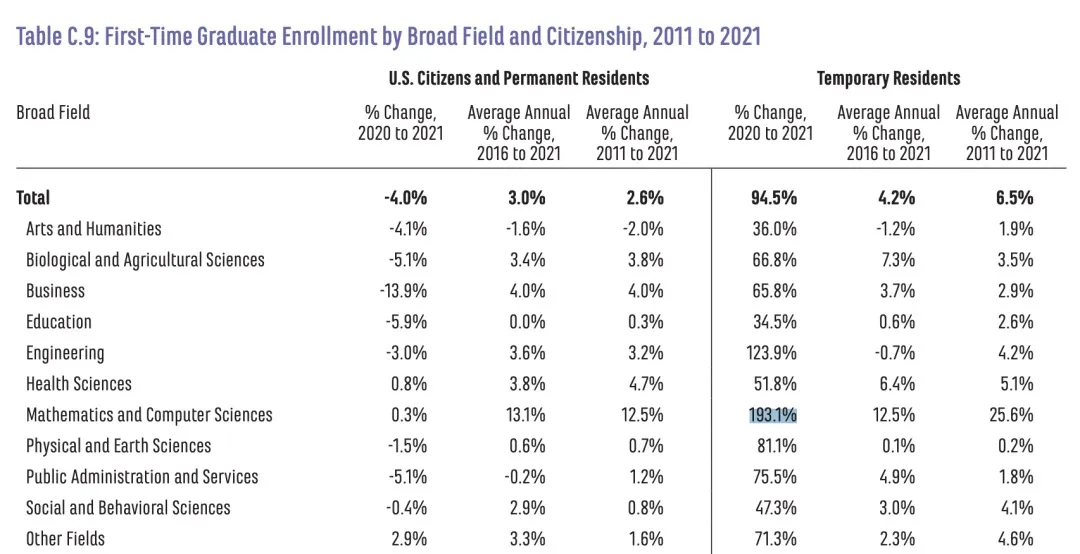
According to CGS survey data, although international graduate enrollment dropped 37.4% in the 2019-20 academic year, it rebounded sharply in 2020-21, with the number of students staying in the U.S. surging 94.5%.
The graduate majors where international students congregate are mainly STEM and business, with CS enrollments skyrocketing 193.1%.
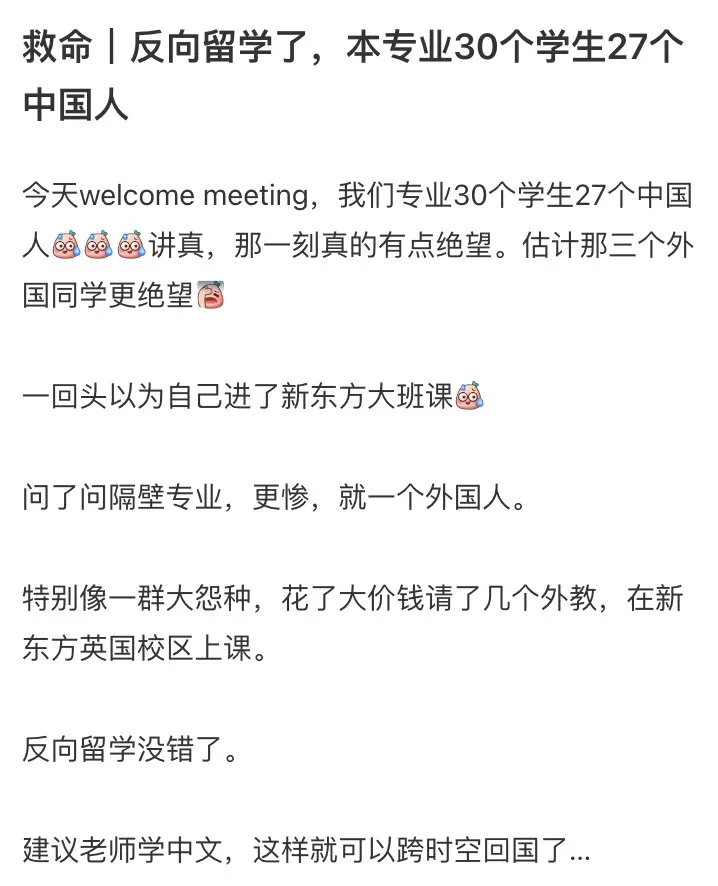
In recent years, it's the international students who are doing the intense competing. In the entire class of 30, 27 might be Chinese—talk about reverse study abroad 😅
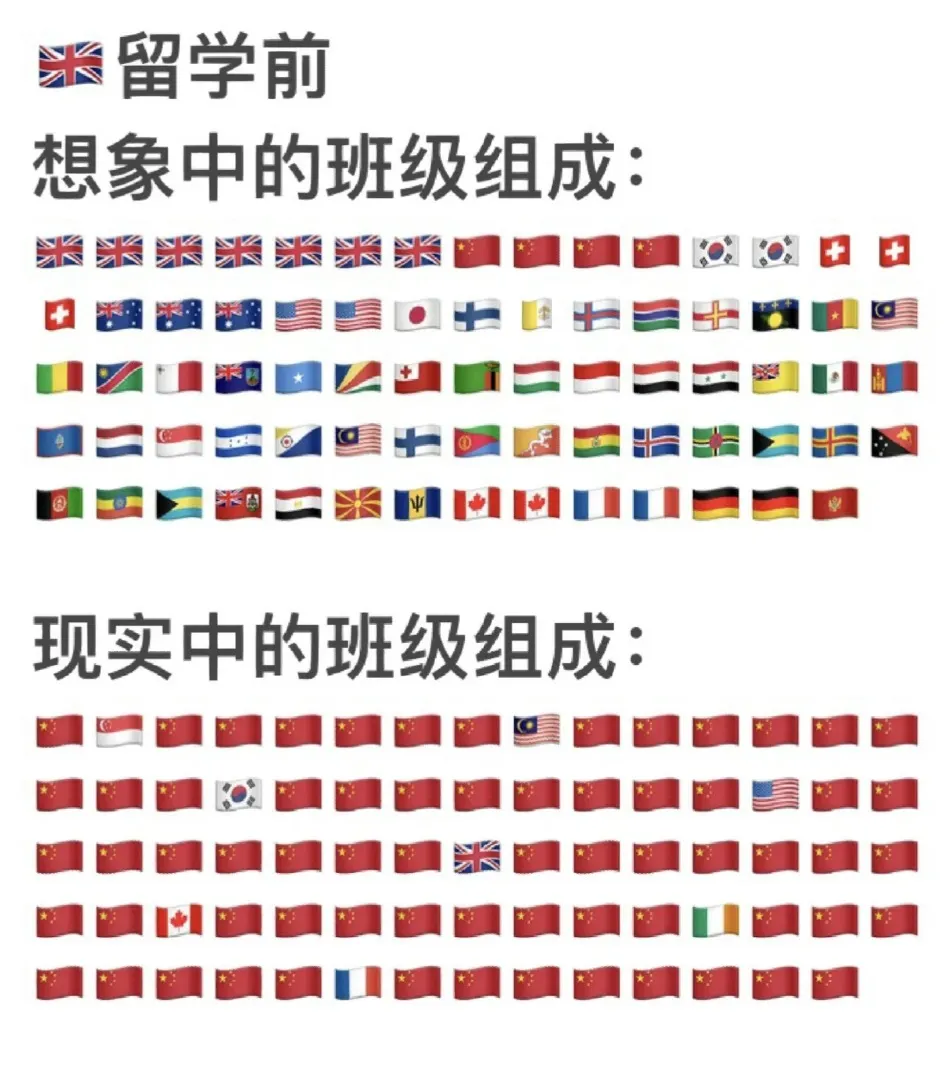
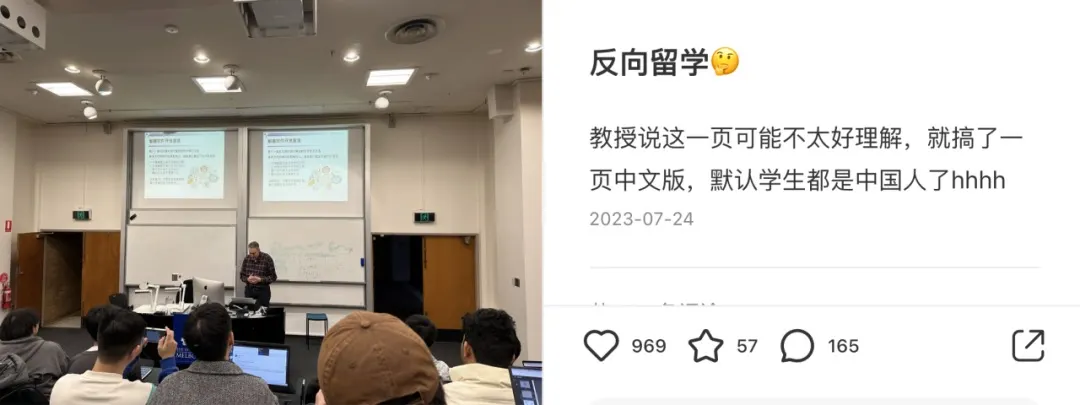
I mean, professors get so desperate they start writing in Chinese 👇
Those studying in the UK aren't any better off—like the poor souls at the New Oriental UK Campus 😅
Employment Is Not Easy
Finding a job after graduation is visibly getting harder by the year, and winning the H1B lottery is no different from hitting the Powerball.
Here's a horror story: in 2019, only 190,000 people entered the lottery; in 2024, it's 780,000.
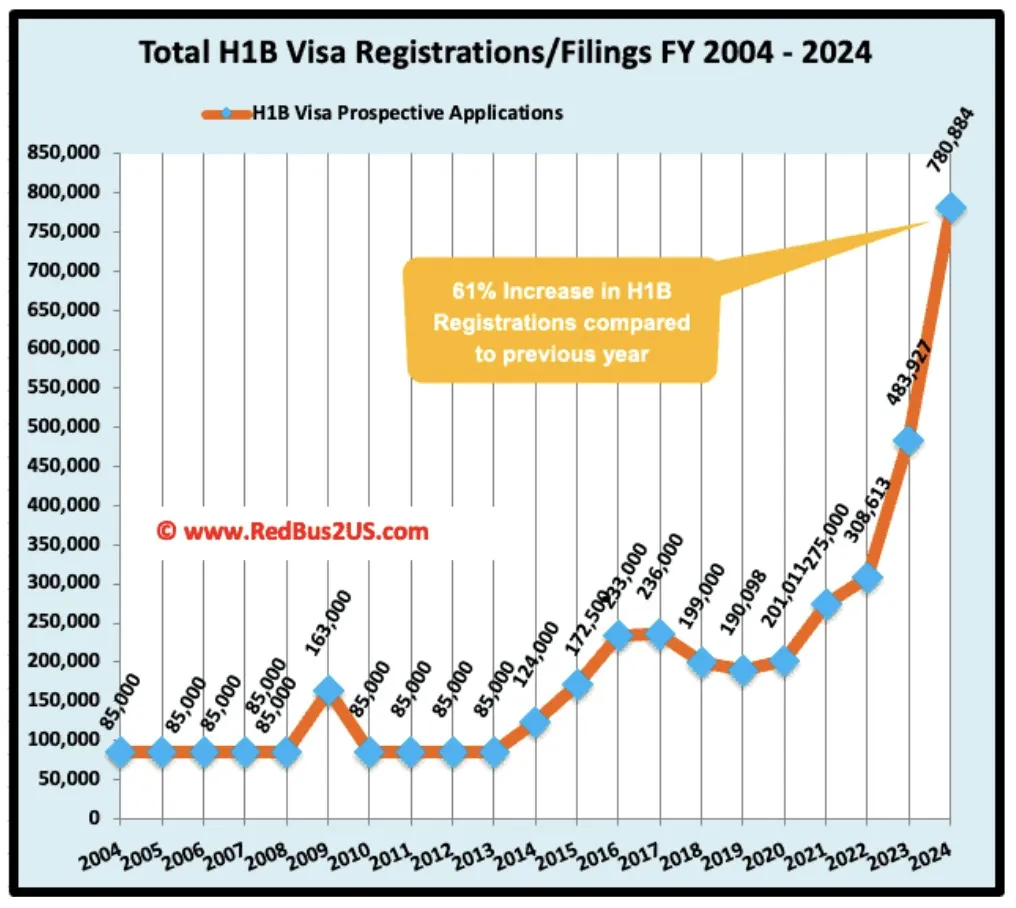
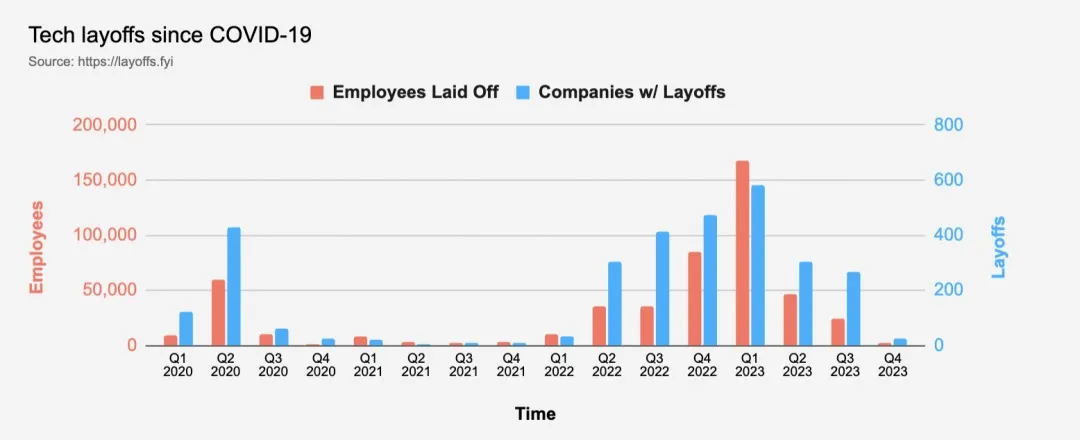
Even if you grind your way into a big tech company as a coder, you could still get laid off.
This year, tech companies have already laid off a cumulative 240,000 people, and if they push for year-end performance, there could be another wave.
Unless you're an EB-5 investor just experiencing life, for ordinary folks, getting a green card will take at least a decade of grinding.
Social Changes
Before, the atmosphere for overseas study was relatively inclusive. Since Trump took office, racial tensions have escalated, including severe anti-Asian discrimination.
Now on the U.S. subway, you might have to walk close to the walls—you never know if you'll run into a lunatic.
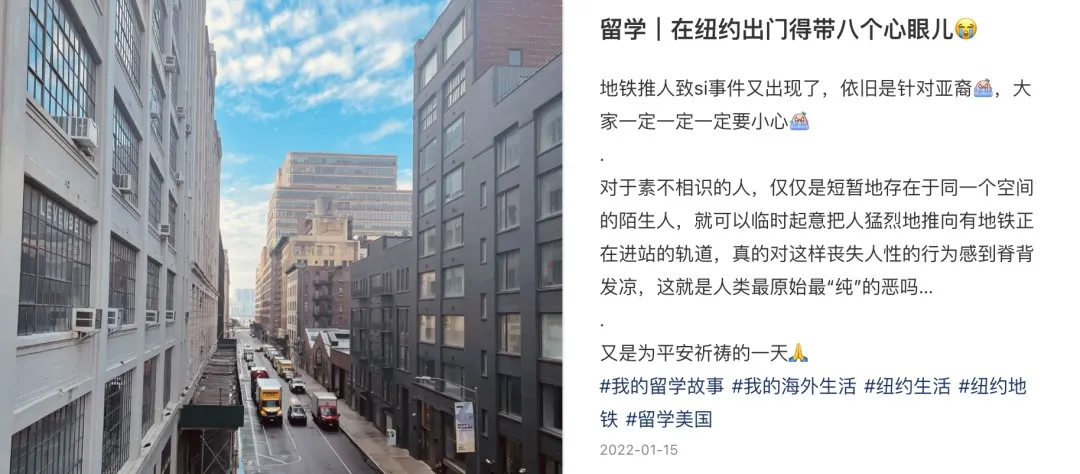
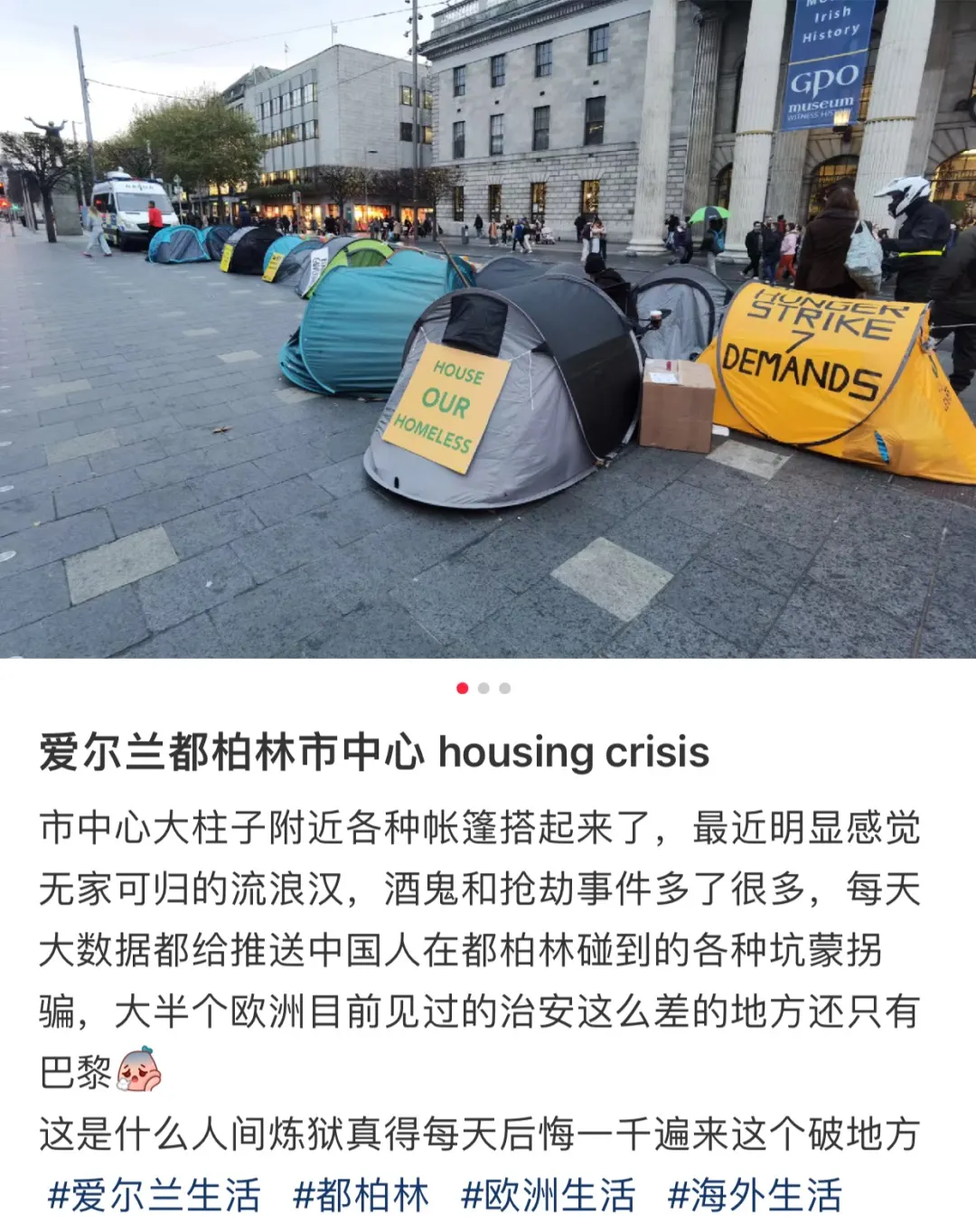
Europe has more and more refugees; even going for a run on the street might not be safe.
The worst housing crisis in decades has led to too many homeless and drunk people on the streets, and public safety has deteriorated to the point of feeling like "hell on earth."
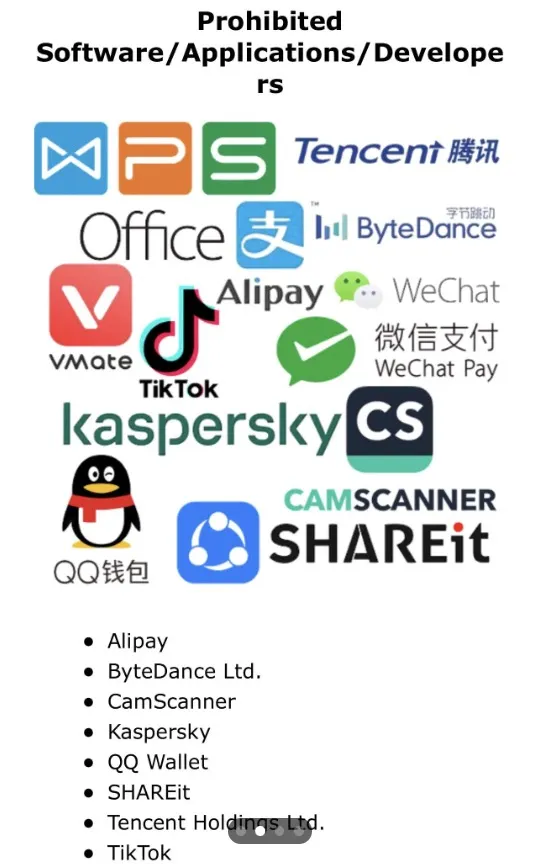
Hostile policies targeting Chinese people are also emerging one after another—from banning TikTok and WeChat to prohibiting Chinese citizens from buying houses—all about chaos and xenophobia.
Now, with the Russia-Ukraine war and Middle East conflicts, international students in big overseas cities live in fear every day.
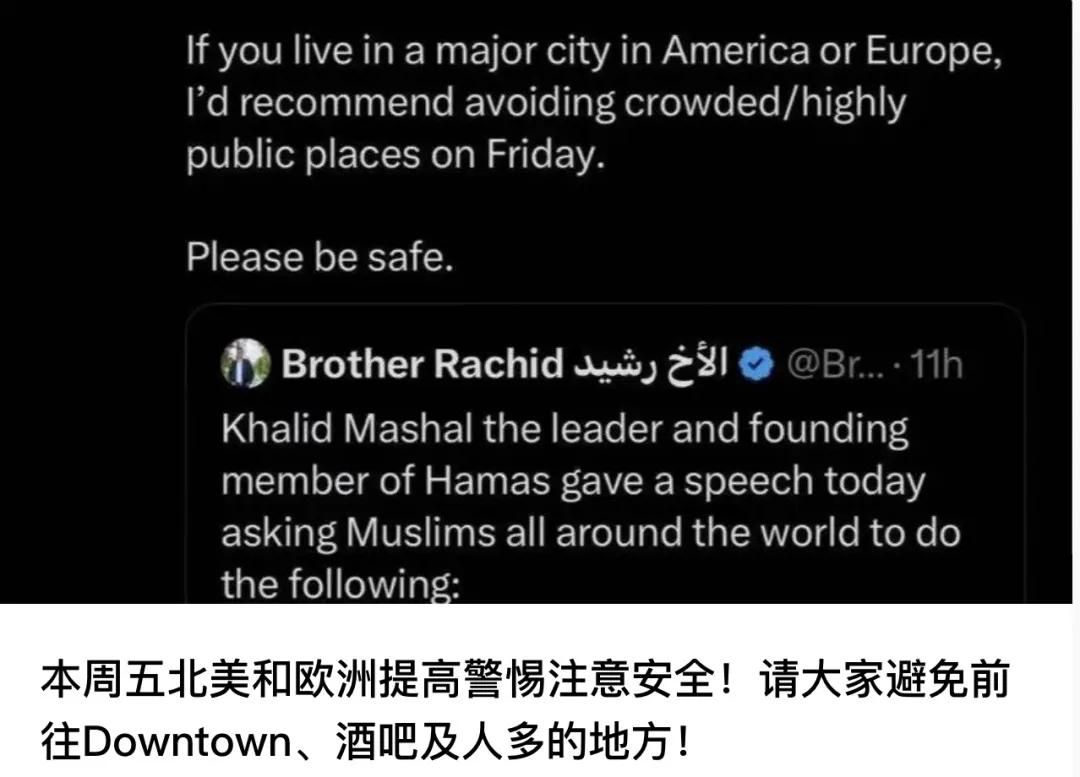
Having survived COVID and online classes, staying indoors for safety is still the motto 😅
Perhaps in the post-pandemic era, uncertainty is the theme of the world.
It is the worst of times, and it is the best of times.
Every era and every batch of international students has its own memories. As we reflect with mixed feelings on the past and present of studying abroad, we still look forward to a better tomorrow.
When you're studying abroad alone, take good care of yourself. I sincerely hope everyone can create their own shining memories.
.png)