You thought this was another 'CP28' event scene?
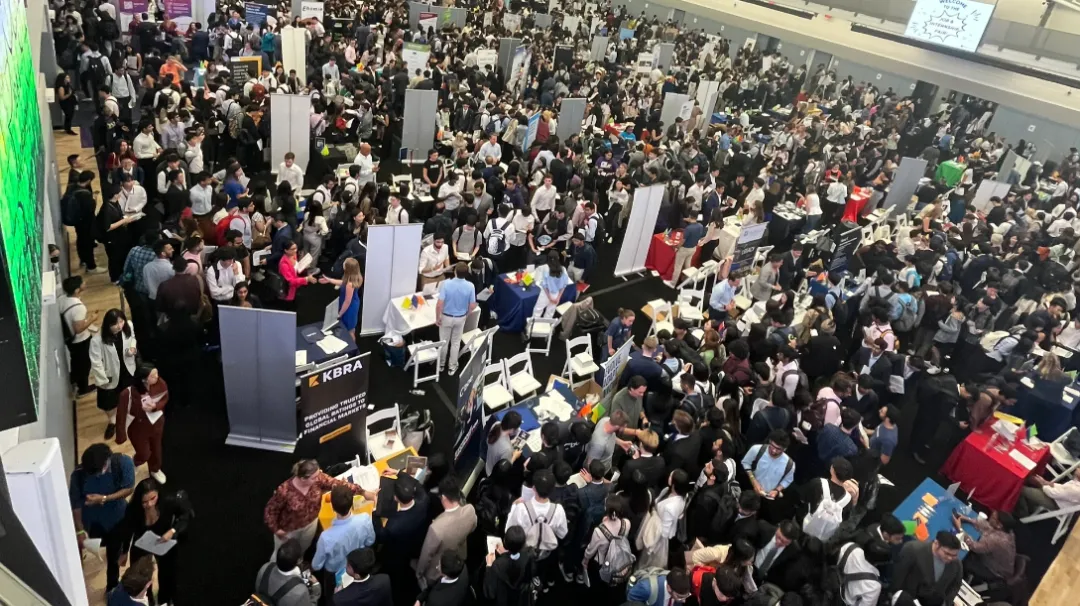
Nonono, this is the first in-person Career Fair held by NYU since the pandemic.
It was expected that a campus Career Fair during the 'job-hunting winter' would be packed, but nobody expected it to exceed 'maximum capacity'.
Outside, the queue snaked around and around—over before it even started.
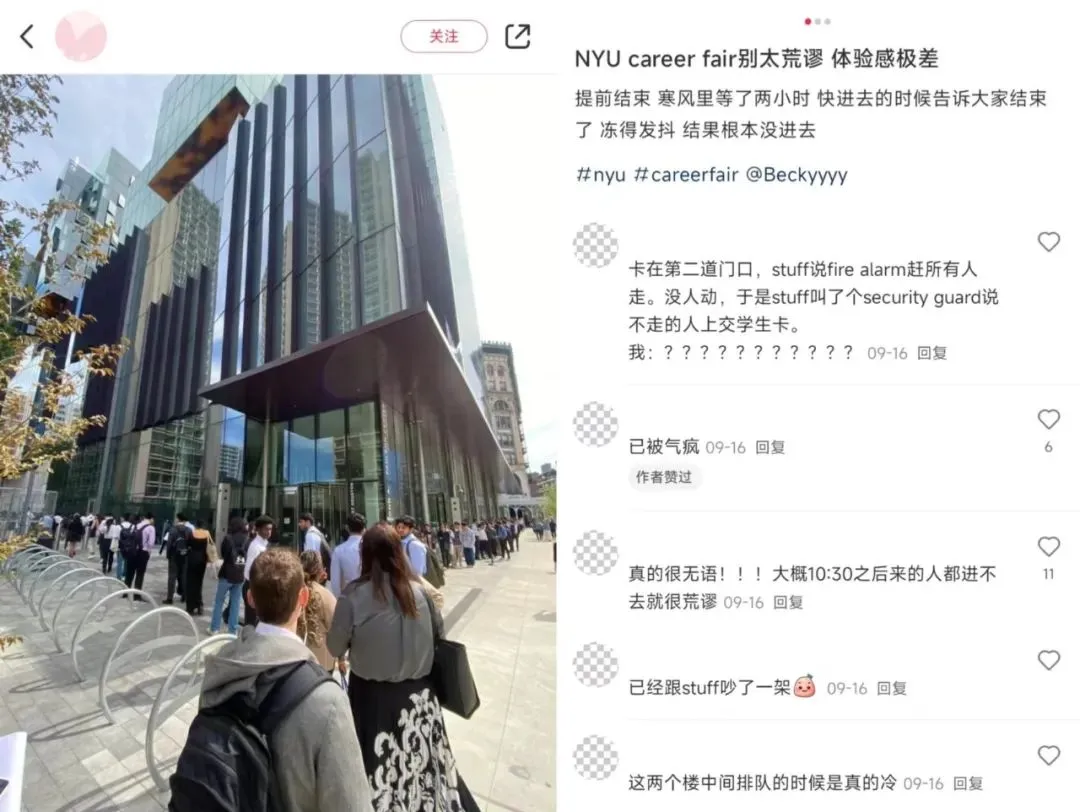
Inside, it was like a marketplace; hardly a chance to even get a word in.
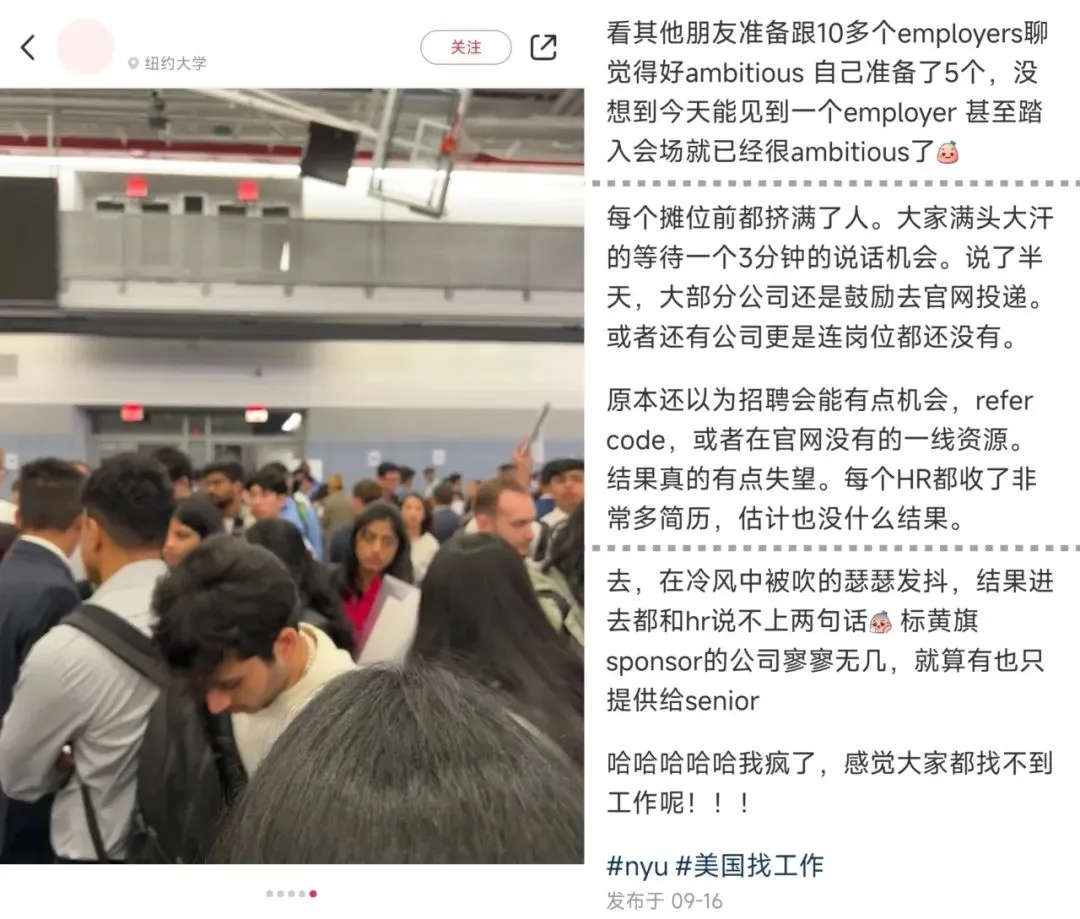
Students returning from the Career Fair complained about the terrible experience, while online onlookers lamented the dire job market. Some employers even weighed in, saying they and their colleagues hadn't had enough time to talk before it ended too hastily.
In short, the keyword was chaos.
Coincidentally, the Career Fair at the University of Toronto in nearby Canada had the same 'grand spectacle'.
An endless line outside, resumes that couldn't be handed in—just like a copy-paste of NYU, maddening.
Kind 'veterans' advised others not to waste their time, but for the still-reeling underclassmen and women, it only poured salt on the wound.
If campus career fairs are like an entry-level dungeon where Bosses randomly spawn, then external career fairs are on hell difficulty...
People Are Going Mad at the Career Fair
In our fixed impression, recent graduates attending in-person job fairs is undoubtedly one of the most efficient ways to job hunt.
And for international students hoping to find a job in the country where they study, attending such face-to-face events is more conducive to networking and conversing with recruiters.
Take the annual Grace Hopper Celebration (GHC) in the US, the world's largest gathering of women in computing. The GHC Career Fair features over 100 renowned companies setting up recruitment booths.
In today's environment where major tech companies are severely cutting back on hiring and startups are teetering, the job opportunities offered at GHC seem even more precious.
Then, this year's GHC was overrun.
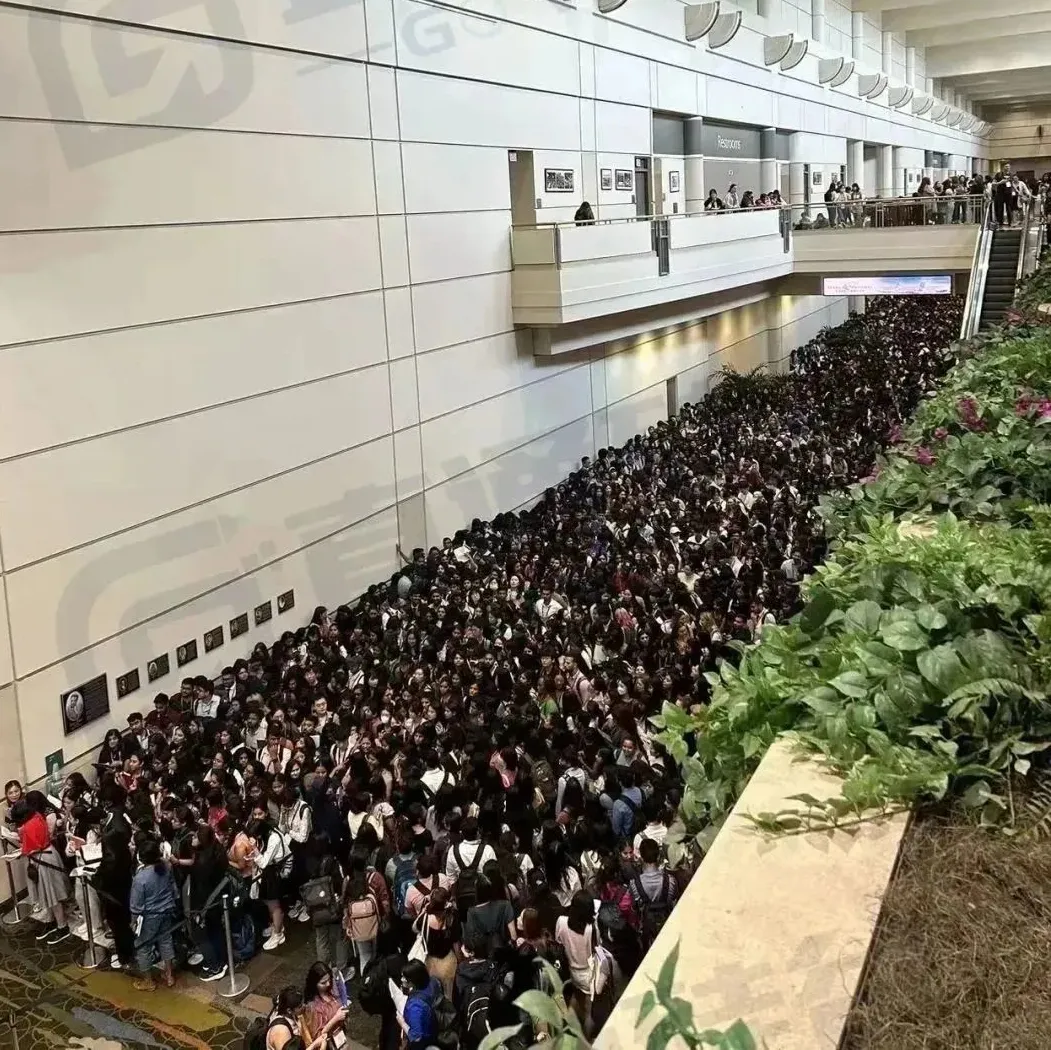
Unlike the 2021 'scenery' where almost everyone went home with at least one offer, this year you had to queue for nearly five hours just to speak to a company's HR. Even a chat with a recruiter had to be snatched up.
Get an offer directly? Impossible.
Moreover, although it's billed as a women in computing conference, male job seekers were also conspicuously present. The intensity of the competition was practically palpable.
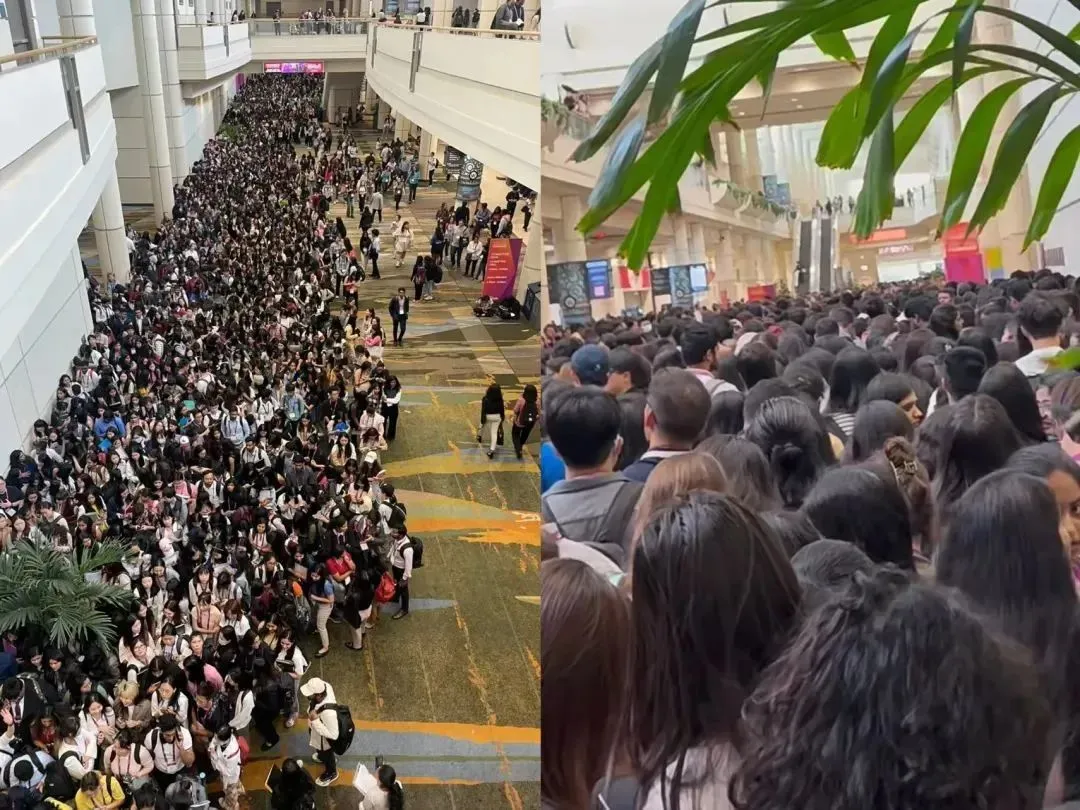
For this kind of 'people people people people crowd crowd crowd' scene, some students even joked that nearby Disney World in Orlando would probably feel ashamed in comparison.
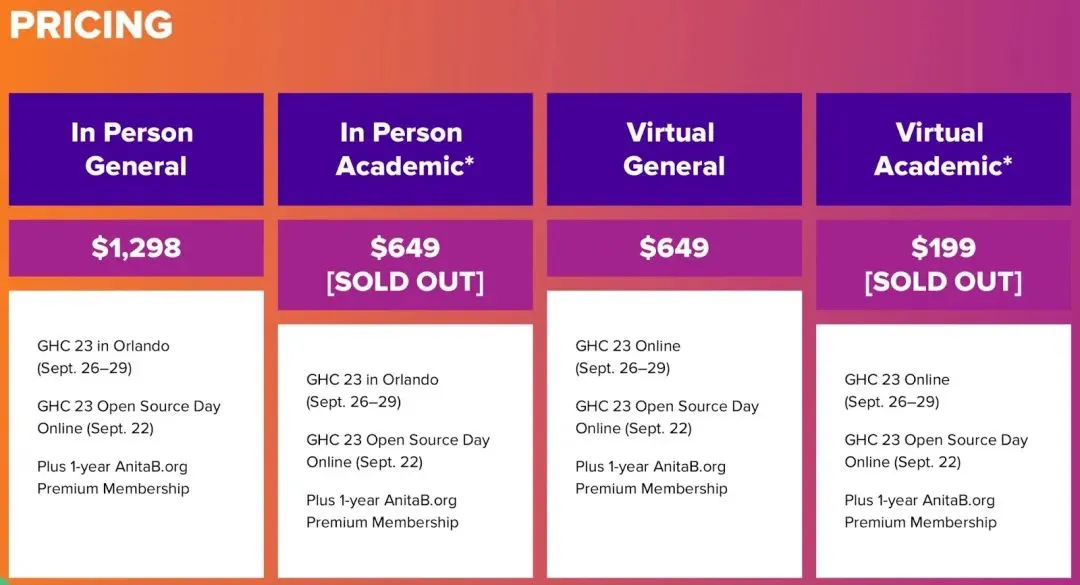
And that's with ticket sales and a minimum ticket price of $199 (Disney: $70 more expensive than us!).
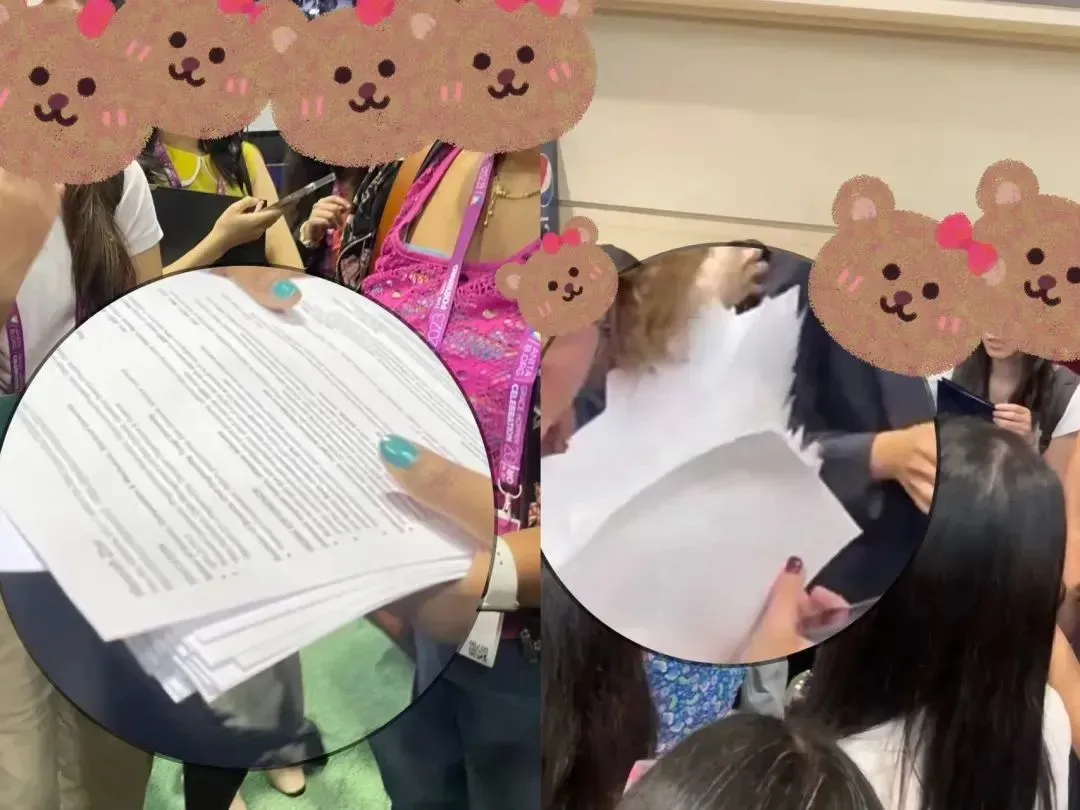
Besides the suffering of job seekers, recruiters at major companies were also overwhelmed by dictionary-thick stacks of resumes. By the second day of GHC, many companies could only accept electronic resume submissions because there were too many paper copies to collect.
However, the craziness of US GHC is not an isolated case.
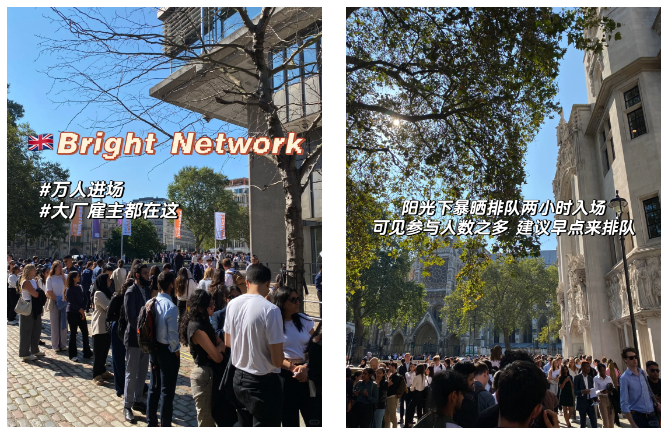
As one of the UK's largest networking events, this career fair held at the Queen Elizabeth II Centre in London gathered many big-name companies and attracted not only local job seekers but also graduates from other regions.
But no surprise, it was another story of queuing for two hours and interviews depending on luck.
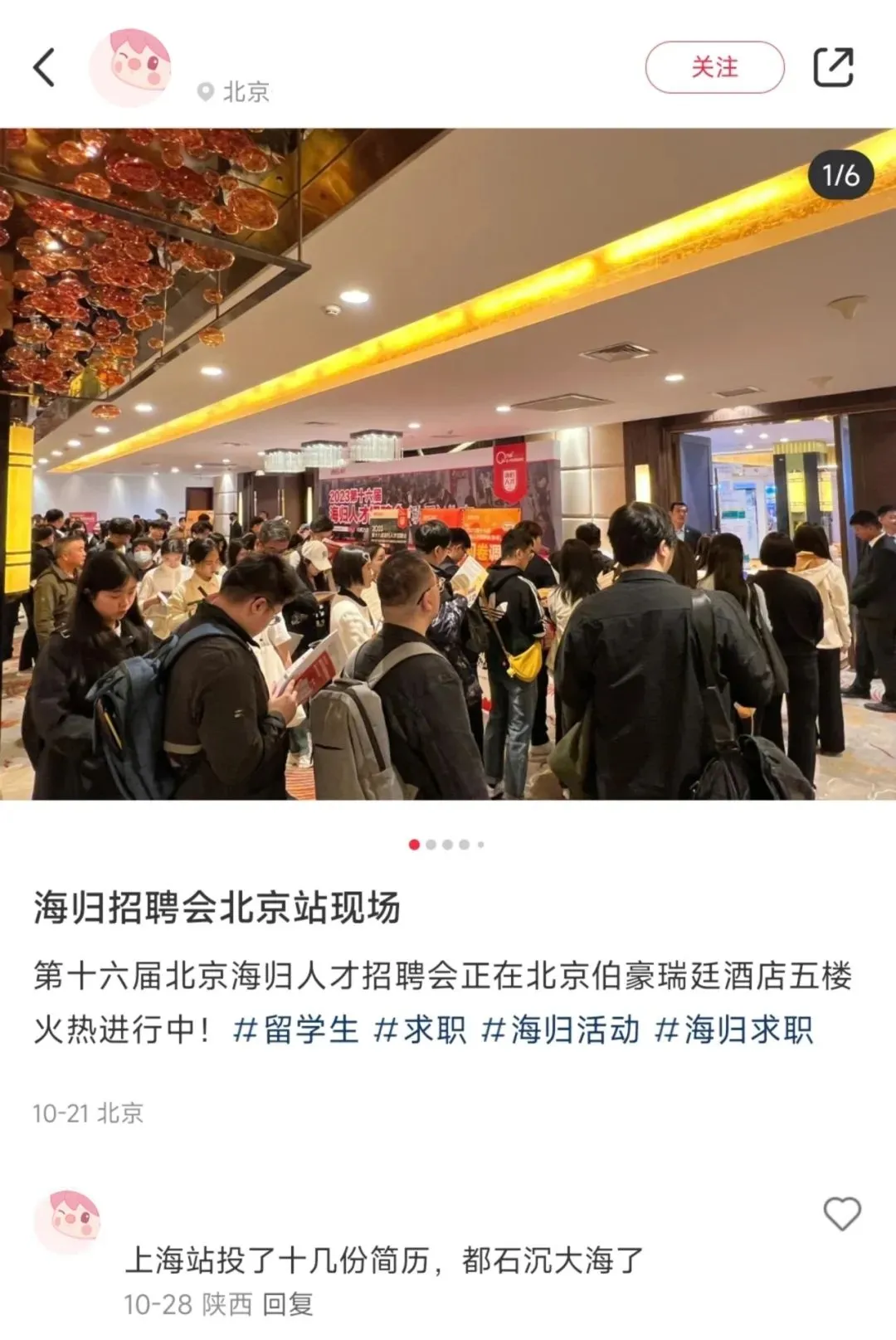
Such 'unbearable' career fairs are not unique to international students abroad; returning students face the same predicament.
This makes international students worldwide can't help but ask, why is it so hard to find a job?
Who on Earth is Getting the Jobs...
So how hard is it for international students to find a job?
Australian students make commando-style round trips on the same day just to attend a written autumn recruitment test back in China.
They're not 'Mr. Richkids', they just want a job.
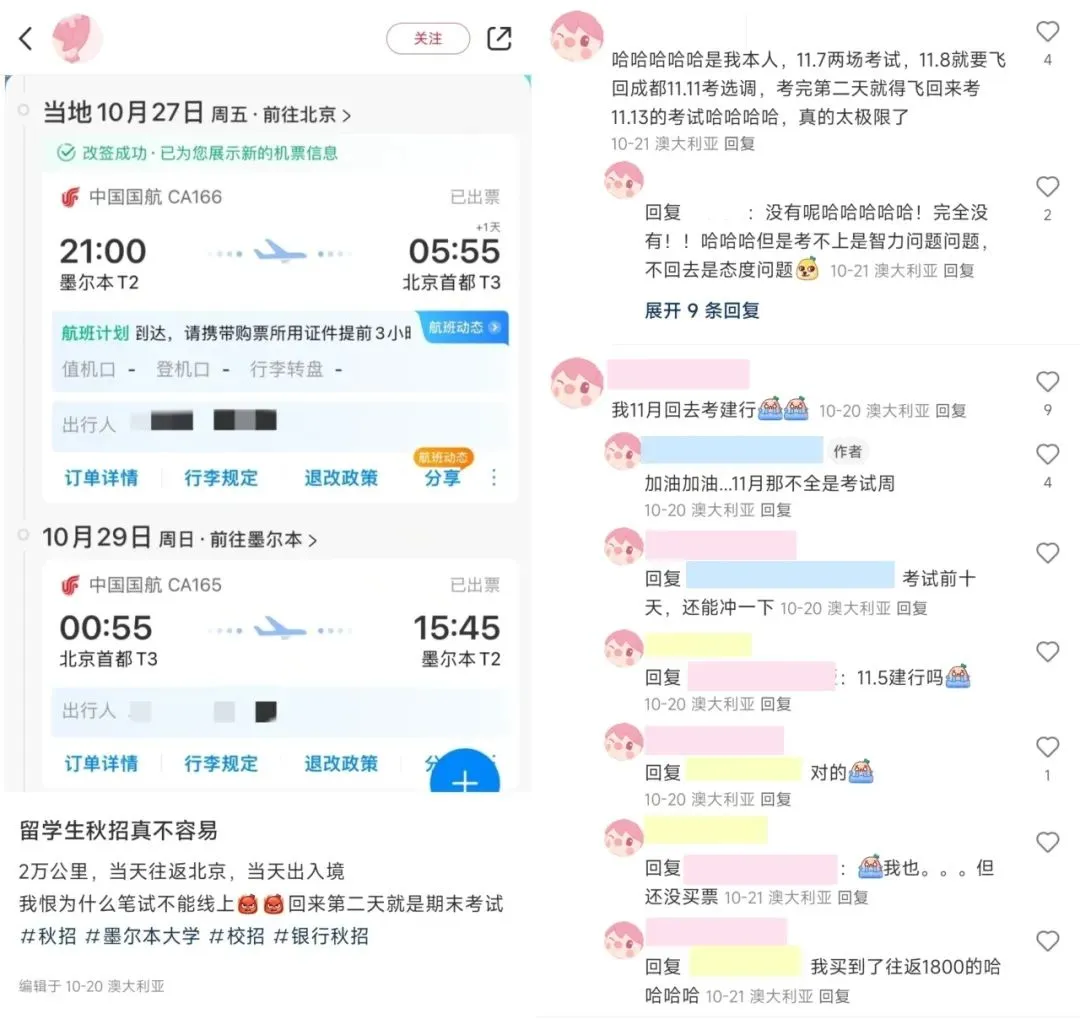
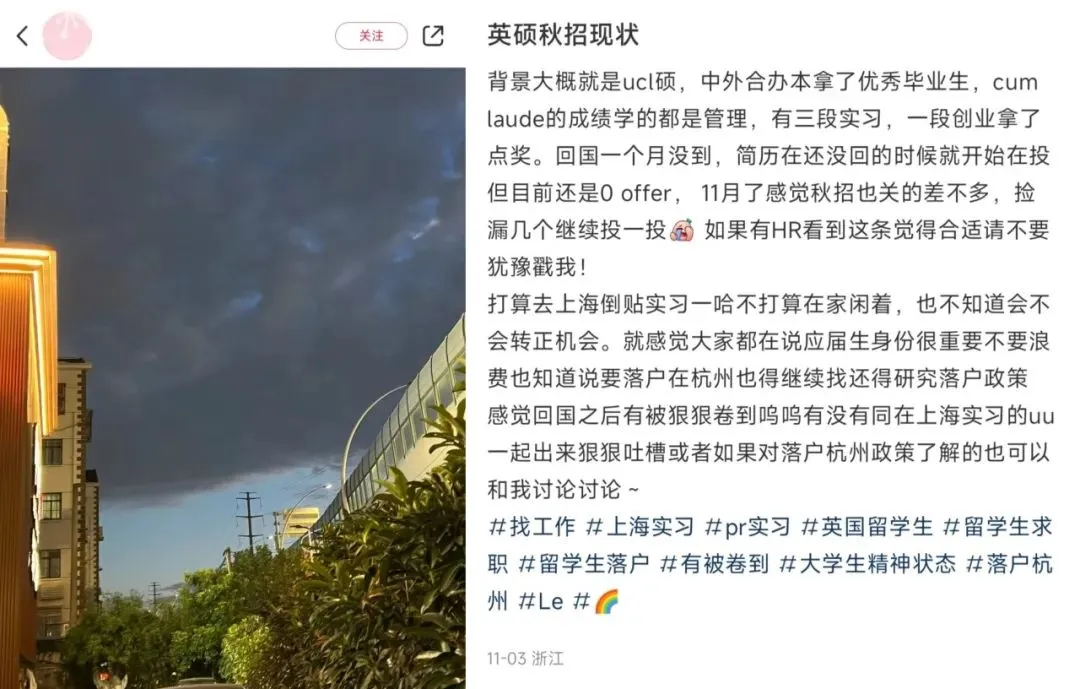
Students back in China are at a loss, finding internships difficult. They go from questioning the positions to questioning themselves, to questioning whether they should have come back at all.
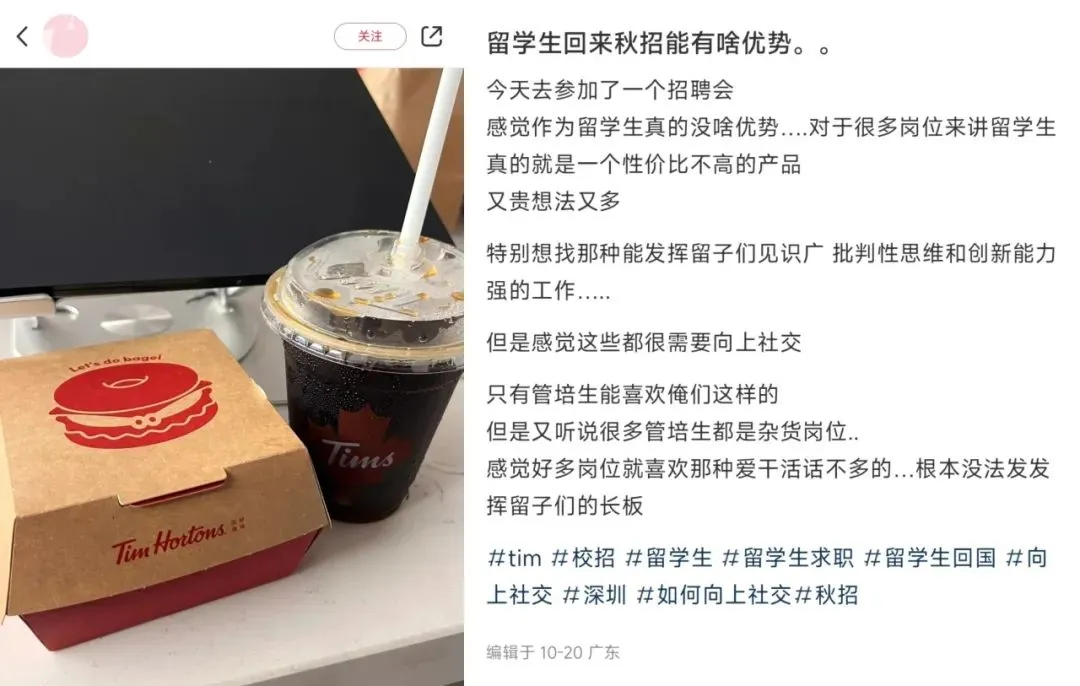
US-educated international students, at the top of the study-abroad pecking order, are often thought to be the group with the easiest time landing jobs.
But this year, that seems to have become a stereotype. Some have given up, some have lain flat; some are feeling emo, and some are still trying.

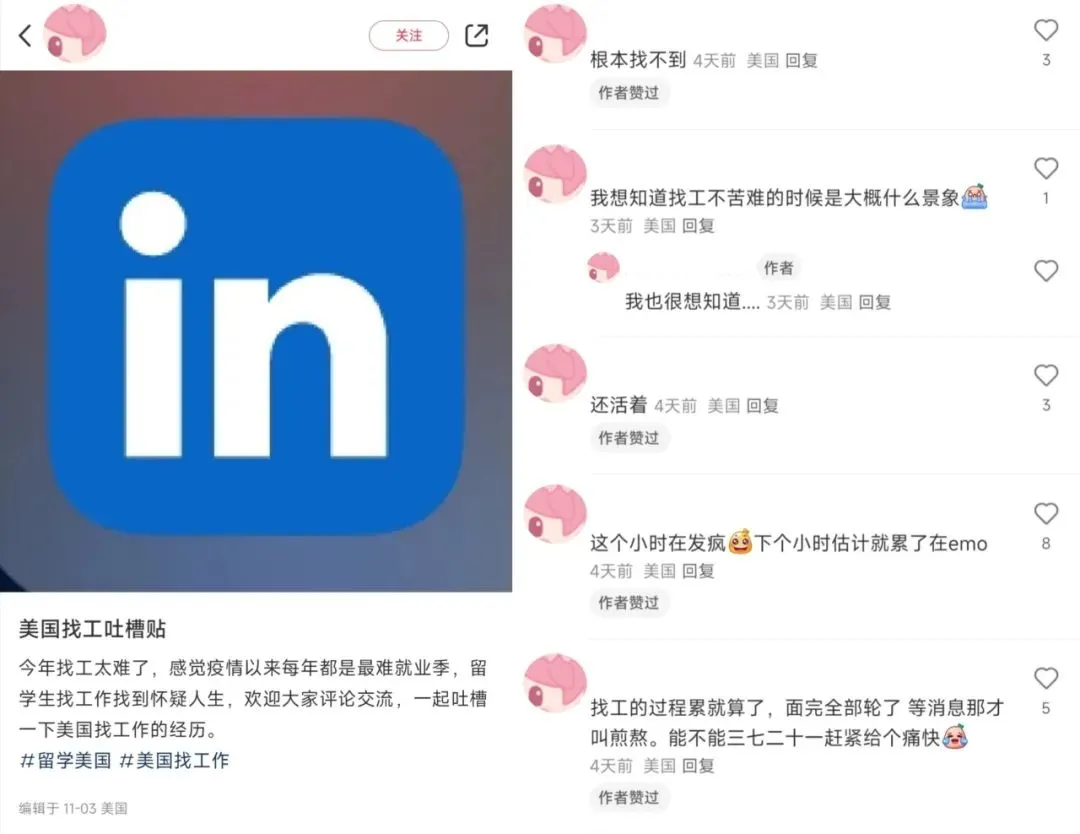
If there's one line that can unify everyone on the chain, it's probably: Who on earth is getting the jobs?!
Some Can't Find a Job, While Some Jobs Can't Find People?
The US Bureau of Labor Statistics previously reported that 336,000 new jobs were added in September, twice what many economists had predicted.
Seventy percent of these new jobs came from three sectors: government, healthcare, and hospitality and leisure.
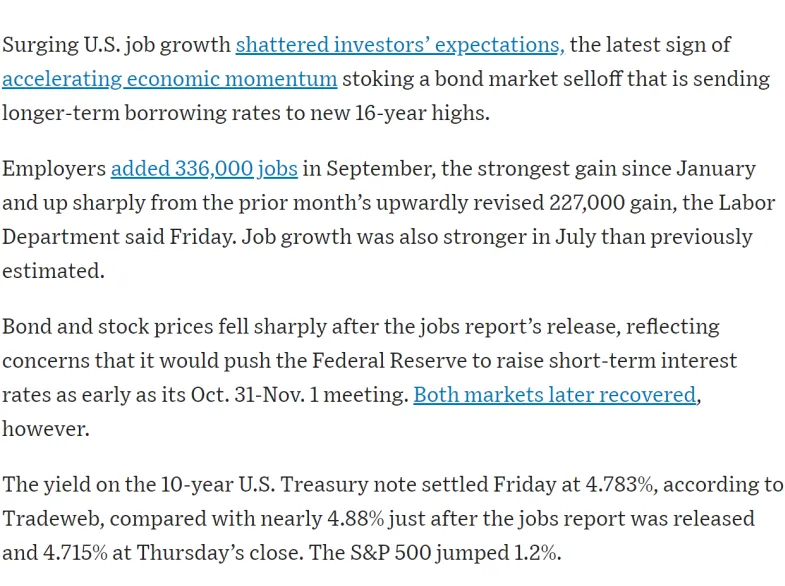
The IT sector was hit extremely hard, with an unemployment rate rising to 4.3%, leaving nearly 120,000 IT professionals out of work.
This makes us wonder: could the reason for not finding a job be that we've chosen the wrong track?
As society and the international environment change, traditionally perceived 'all-purpose majors' seem to have lost their luster, while emerging fields born of real demand are dominating the talent market.
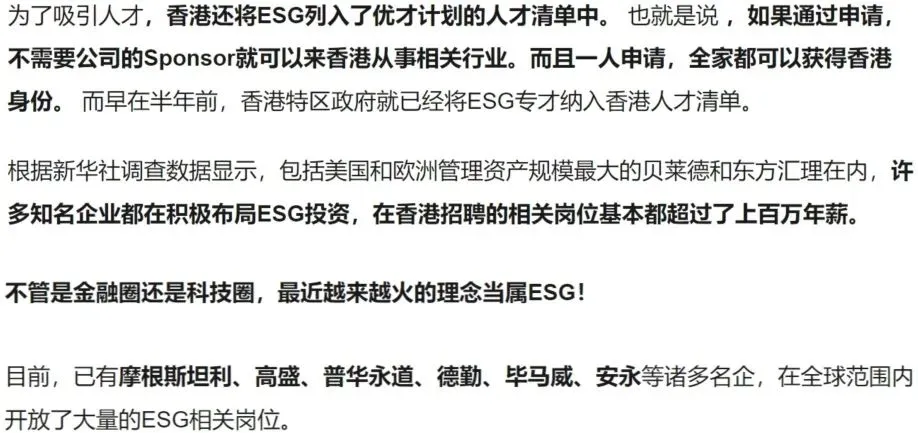
For example, the post-pandemic era's Big Health and ESG industries, where countries and regions are actively recruiting.
In places like Hong Kong and Macau, these fields have even been listed as 'talent-shortage' occupations, with policies that favor not only employment but also settlement.
At this point, some students might say: 'It seems like finding a satisfactory job requires restarting your life...'
I know you're anxious, but don't panic. After all, plans can't keep up with changes. No matter the macro environment, you need to start with yourself. We've prepared some job search tips that we hope will help.
Job Search Tips for International Students
Plan Your Career Early
Ideally, when applying for graduate or even undergraduate programs, you should have a rough career plan in mind, then choose your major direction accordingly.
If you're unsure about your development goals, you can refer to high-paying jobs from the past couple of years to delineate your areas of interest.
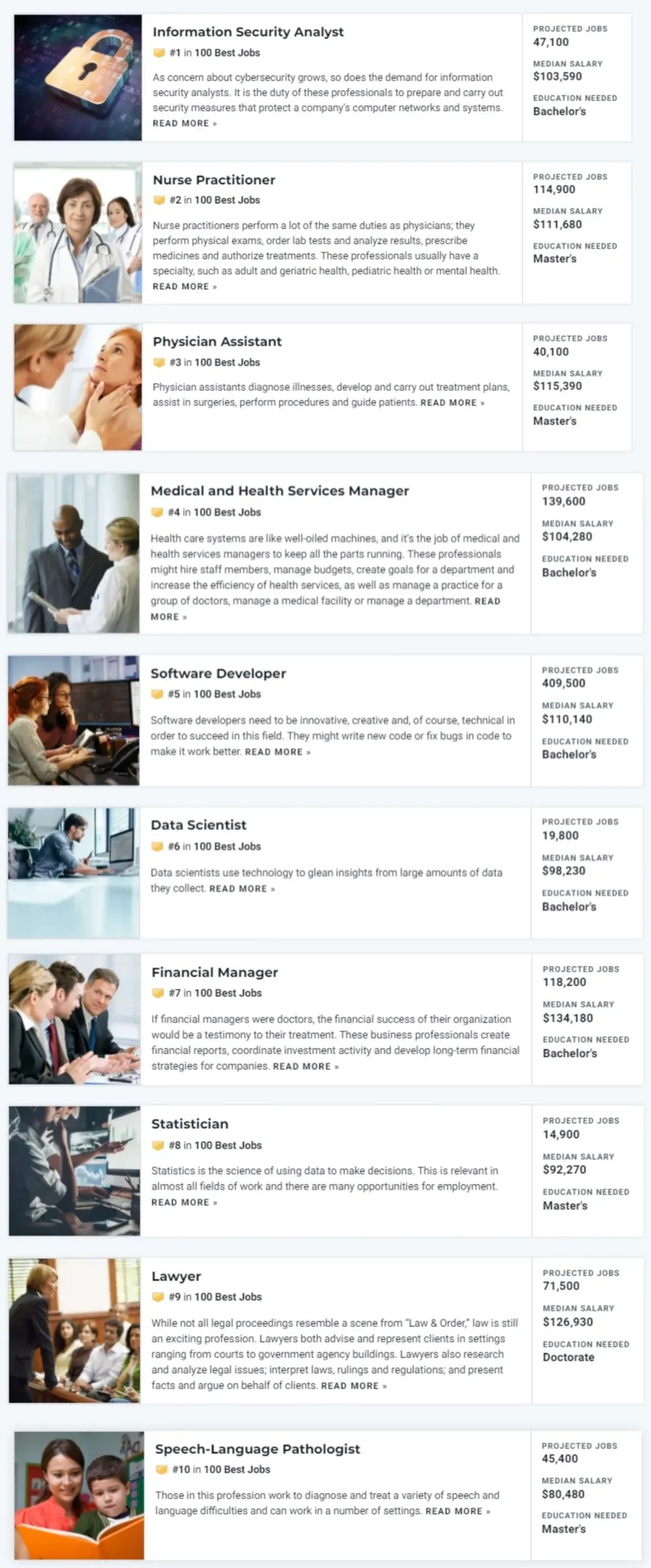
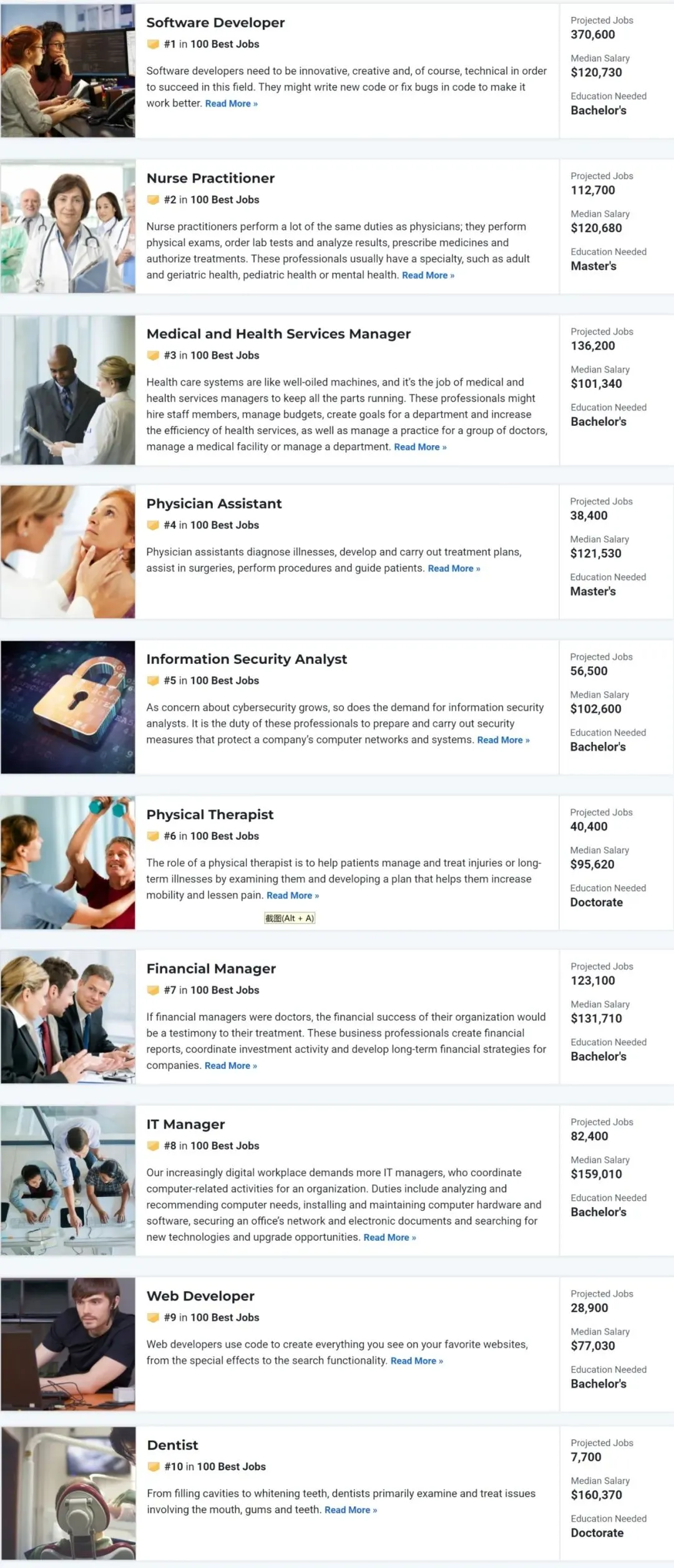
Also, when job hunting, don't limit your focus to your field of study. Try searching for suitable roles in emerging industries. For instance, become a software developer at a healthcare company, or a data analyst in the hospitality and leisure industry.
Find the Right Job Search Path
For fresh graduates or those seeking internships, the most direct and effective way is to submit your resume on companies' official websites. If you're unfamiliar with companies abroad, search 'company name + careers' to see which positions are open, research different companies' service lines, then decide where to apply.
To look for jobs that offer visa sponsorship, go to specific websites. For example, students in the UK can check UKvisajobs, which mostly features full-time roles that sponsor work visas, mainly targeting fresh graduates, so you don't need to filter them yourself.
Resume and Interview Tips
When crafting your resume, more content isn't better—filling exactly one page is ideal. Don't exaggerate your work experience; describe it truthfully and logically. If you can sum up your job duties succinctly, don't go on and on; if you can quantify, use numbers rather than words, as this is clearer and more direct.
During interviews, demonstrate as fully as possible how you match the position. Also, ask the company relevant questions—such as team culture, future development, or promotion paths—to convey your attitude while giving yourself space for a two-way choice.
Life is a wilderness, not a track.
This world is always changing unexpectedly. Whether it's studying or job hunting, I hope students can filter out the external noise to some extent, follow their inner true needs and rhythm, and live their whole life, and live it well.
The 24Fall application season is also in full swing. Wishing everyone may all your applications succeed and you get admitted to the programs you love!