Self-check for East Asian mental illness: let me see who's got it.
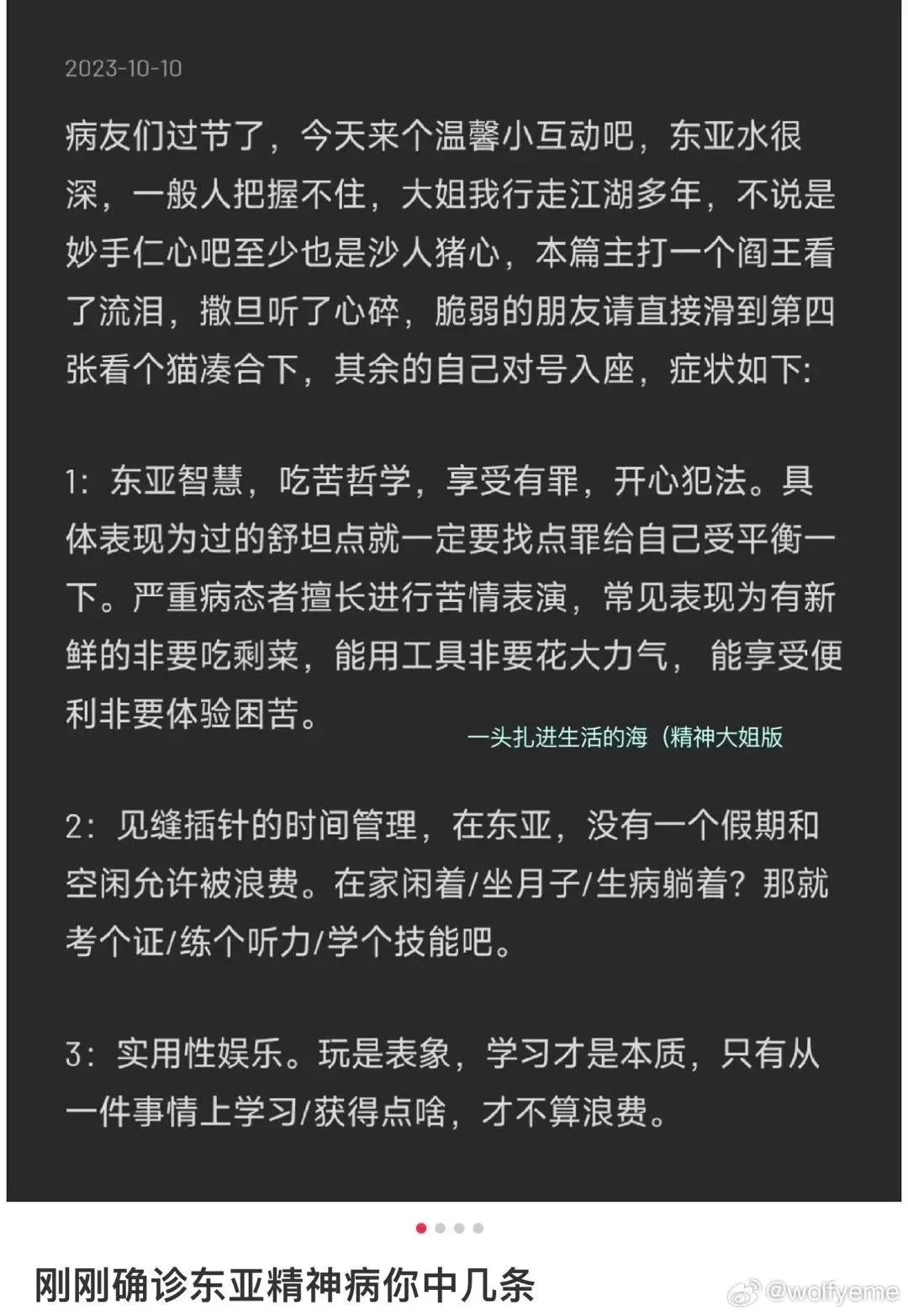
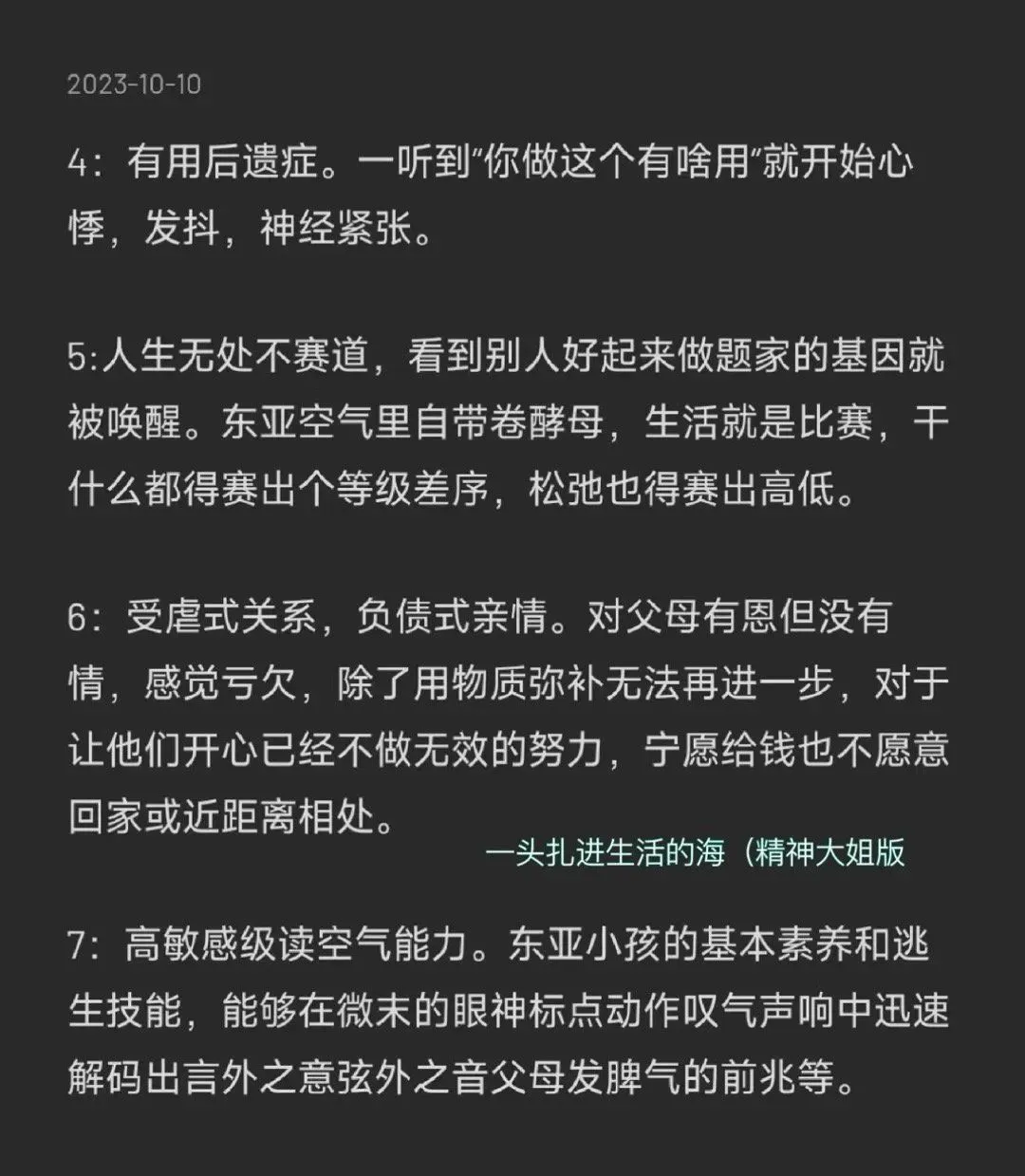
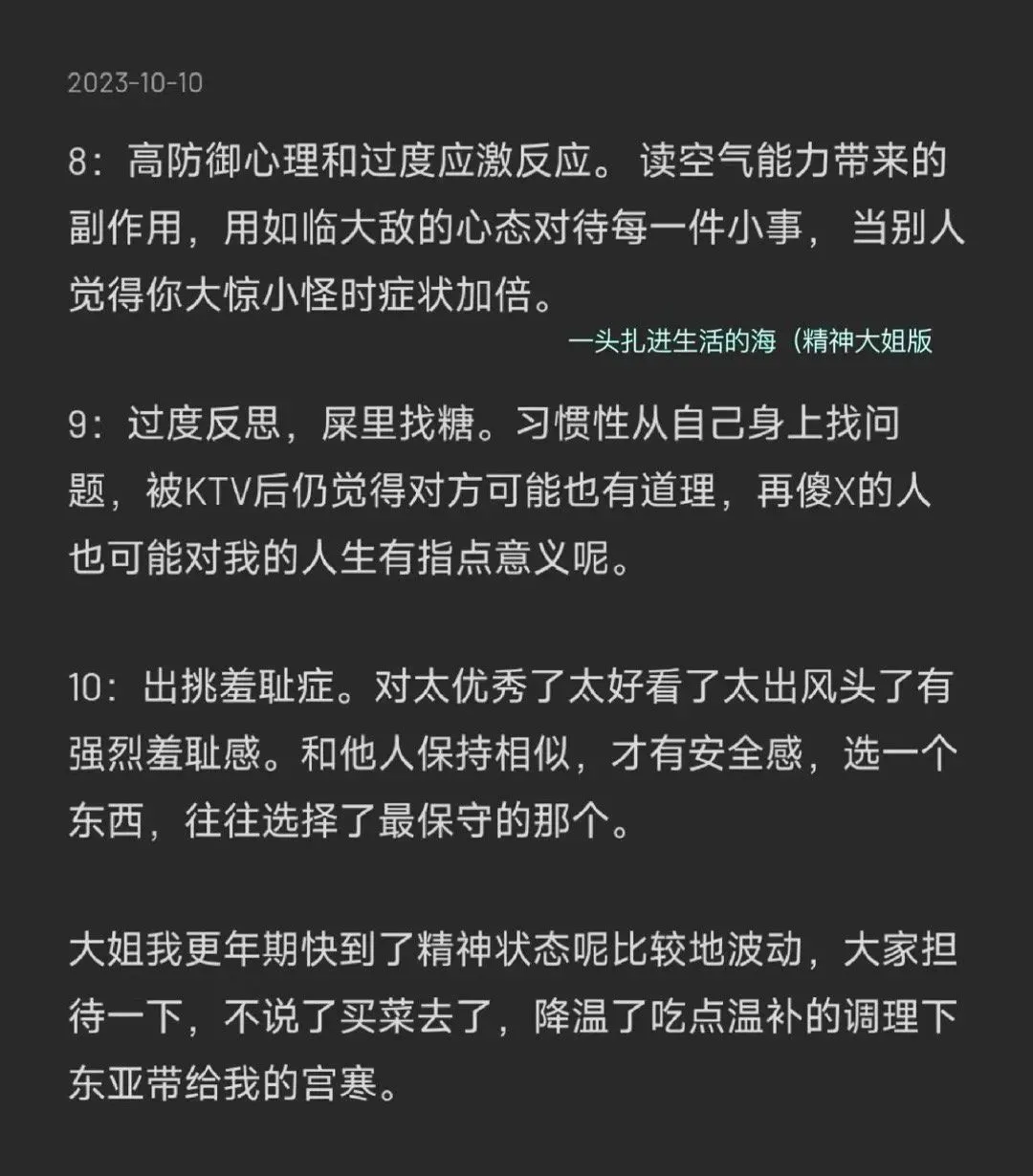
Experts at finding flaws in sweetness; there's never a perfect 100.
After Studying Abroad, Diagnosed with East Asian Mental Illness
Four years of American undergrad. Americans are always partying and hanging out, while international students are either in the library or study groups.
Whether you push yourself or pay to be pushed, a GPA below 3.5 is a sin.
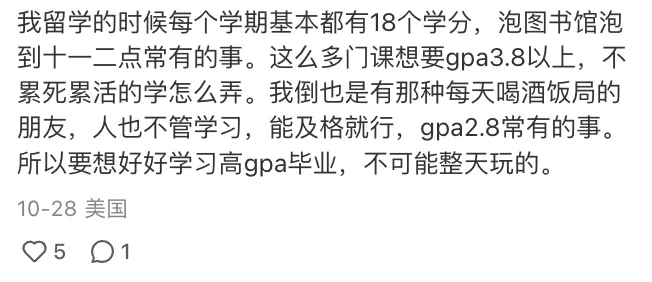
In the eyes of East Asian parents, not studying hard enough = not learning anything, so you must endure the hardships of both education systems.
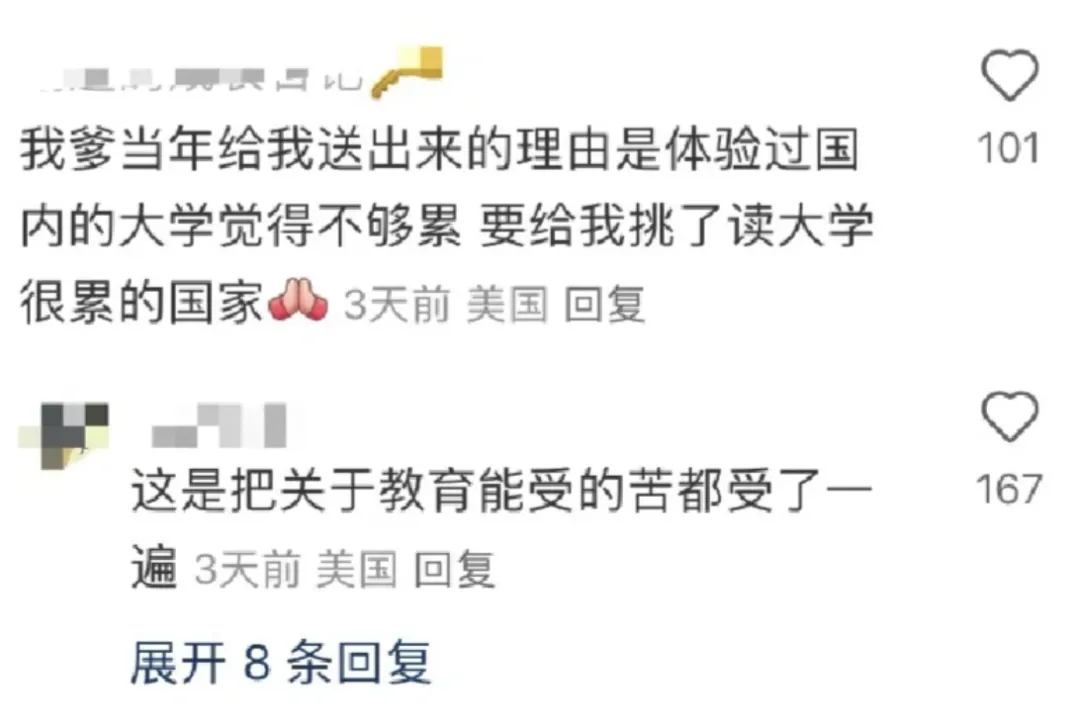
In the end, international students tearfully ask: Is an American degree really something a human can survive?

Honestly, business students can make it, but it totally depends on the school 😅

As long as there's math, Asians ace it blindfolded. I'm at some random party school ranked in the top 100, and the blonde guy next to me still can't figure out moving terms across an equation 😅
Even so, I still insist on hitting the library every day to burn the midnight oil, covering myself with stars and moon.
It's not really about academic needs; self-motivation is etched in every Asian international student's DNA.
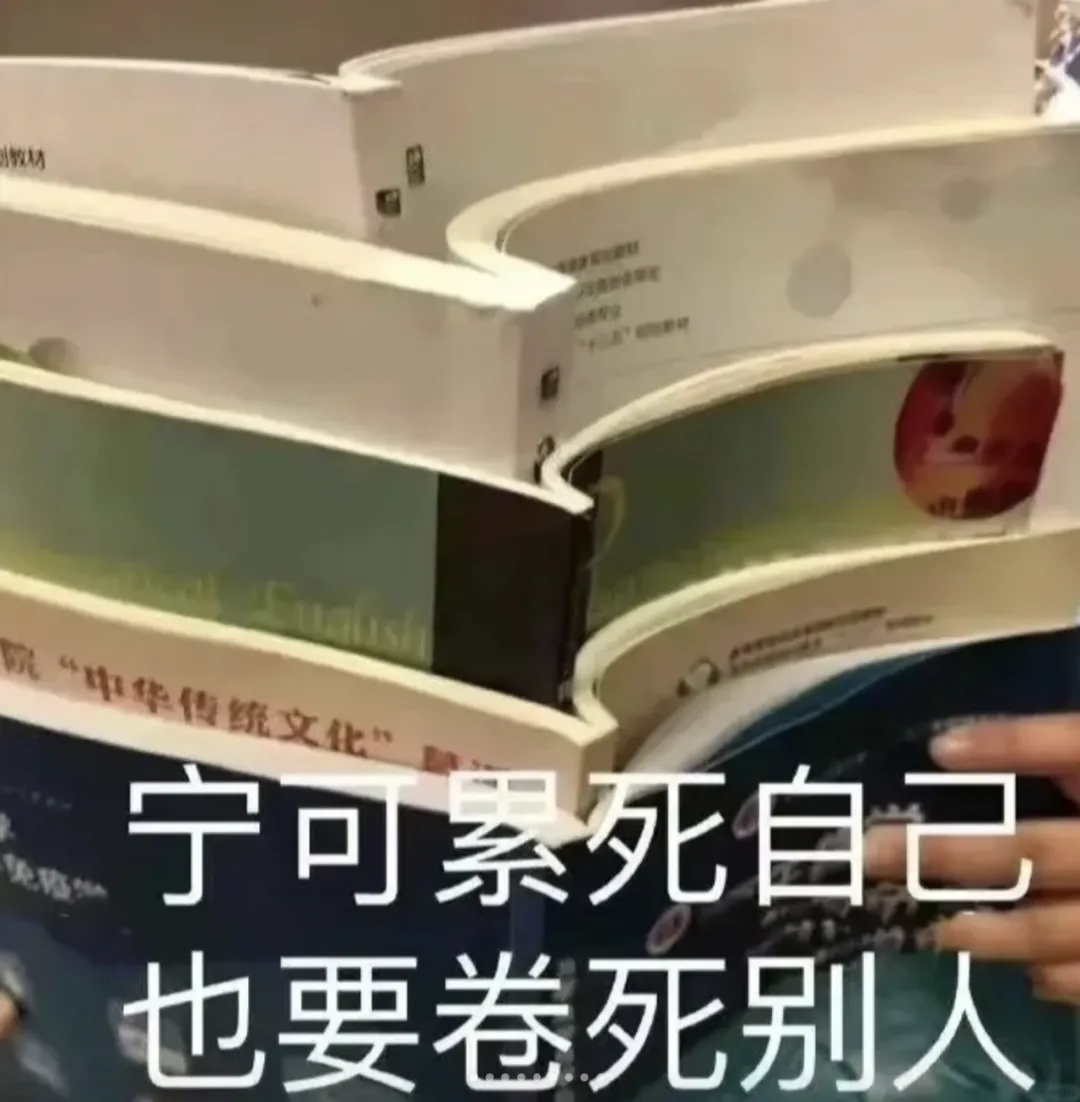
And as it turns out, once I discovered the joys of partying and fraternities, I never went back to the library, and still ended the semester with a 3.6 😅
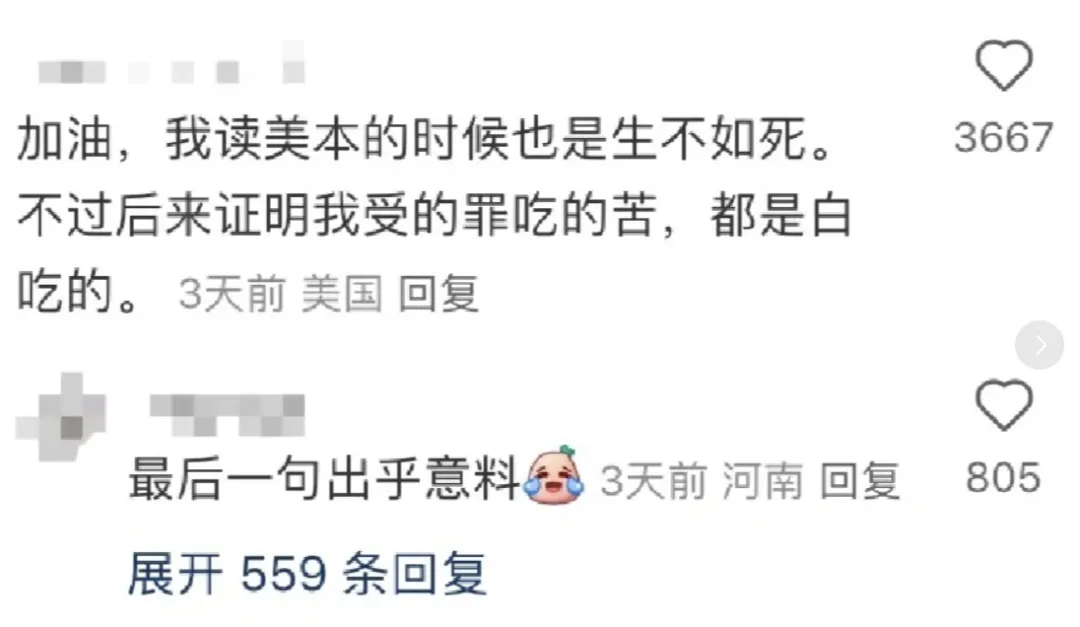
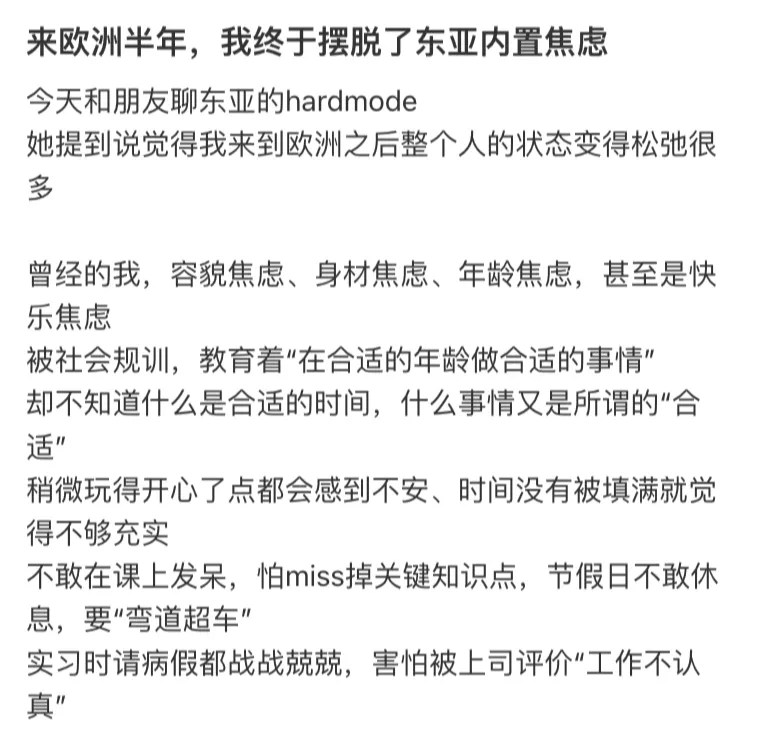
Let's be real: East Asian anxiety means you can never stop for a moment.
When I was a kid, my mom would get anxious the second she saw me not practicing an instrument or not sitting at a desk studying.
Time management, perfectionism, self-challenge, constant reflection—required courses for every East Asian kid.

Behind every ENTJ personality, there are usually tiger parents. Zero tolerance for inefficiency, masochistic pursuit of excellence—all aftereffects of East Asian mental illness.
Even a demon would have its worth evaluated and be sorted into resource categories here.
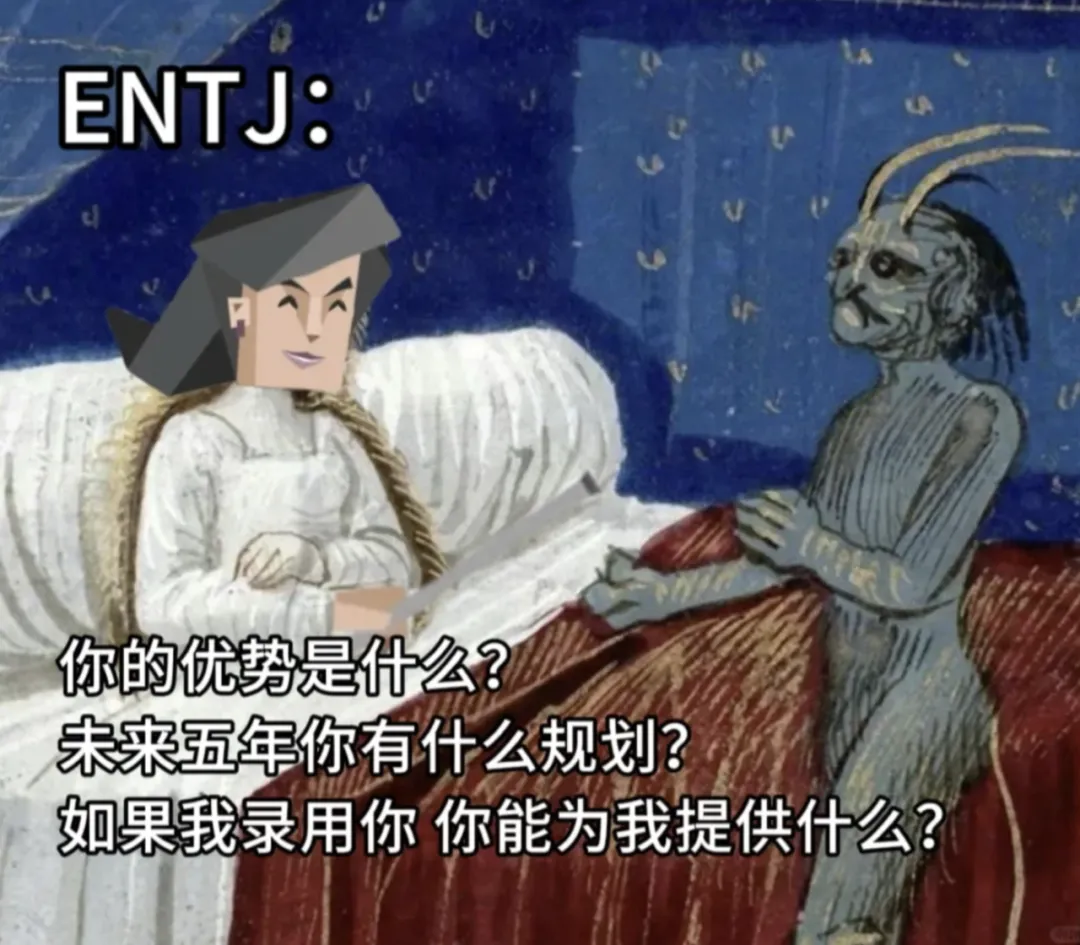
Even studying in the West doesn't let you just comfortably lie flat. East Asian DNA is engraved with a sense of vigilance in times of peace.
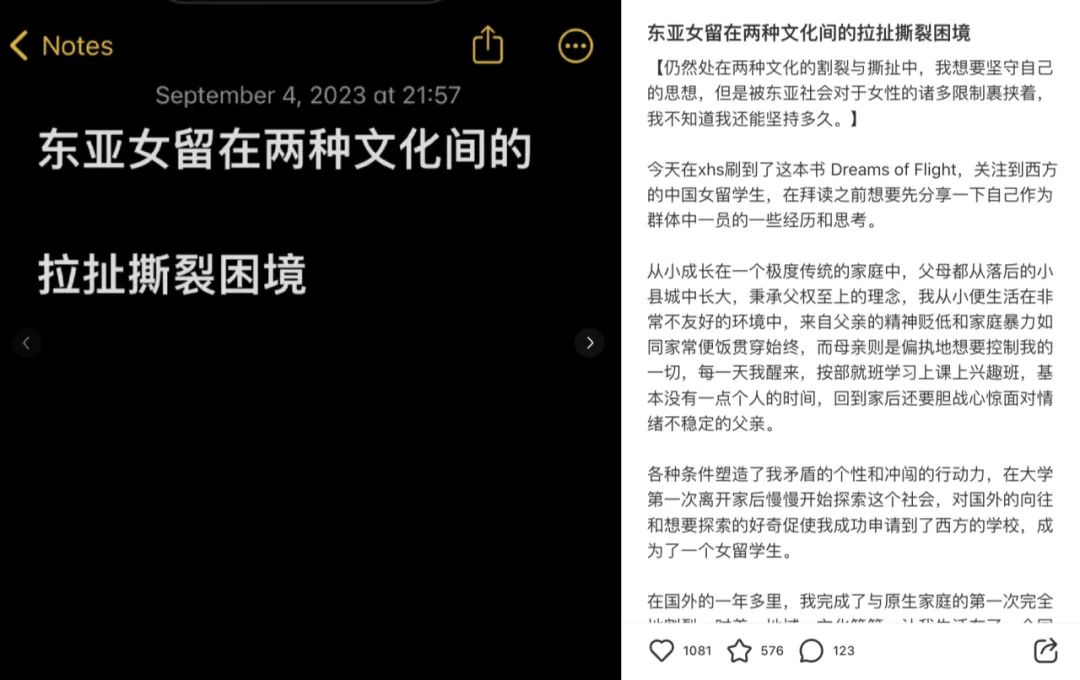
Enjoyment is harmful; suffering is necessary. A life without a three-year plan and five-year goal isn't worth living.

East Asians live in a self-imposed anxiety, where life is full of competitive tracks, hustling from the starting line to the finish without a moment's rest.
The middle class constantly worries about slipping down; wealthy families strive to reach even higher.
Take those recently viral blind-date groups for international students: an Ivy League degree is just the basic entry requirement. Anyone outside the top 30 isn't even considered; only medical students might get an exception.
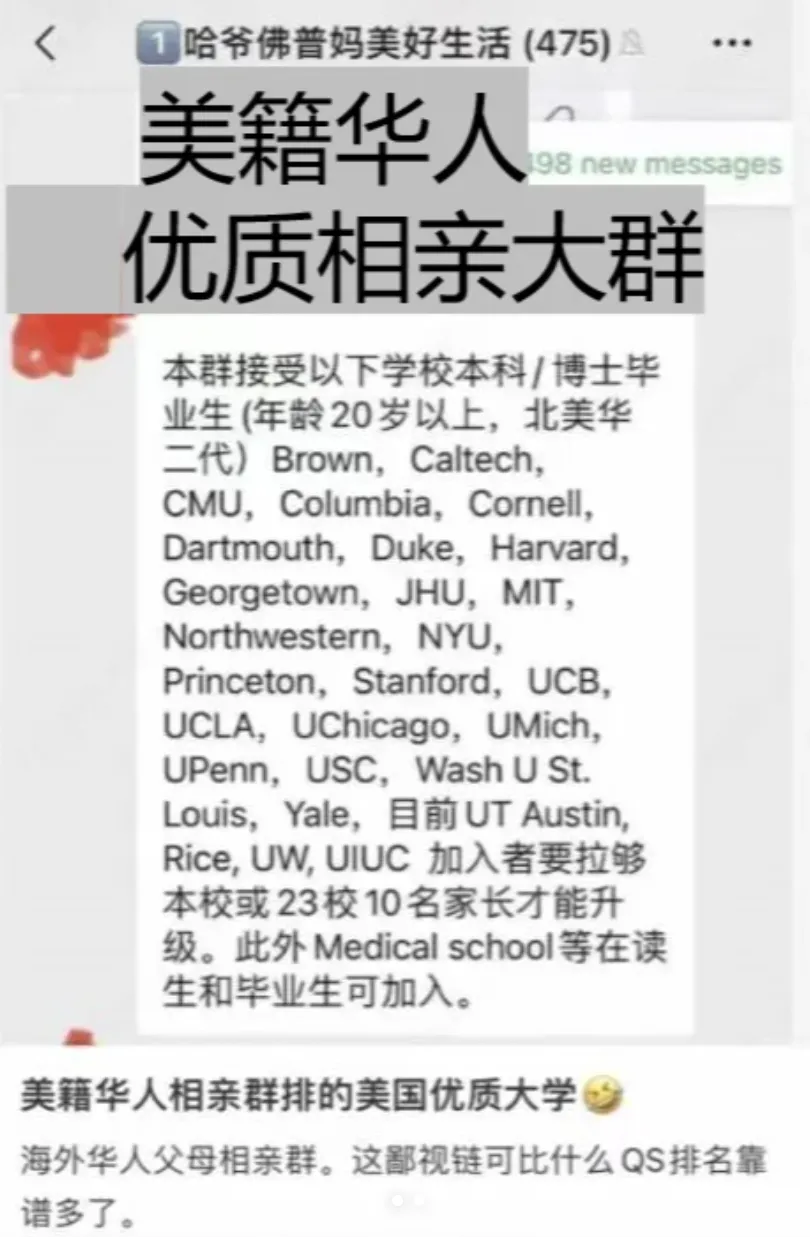
Parents from elite schools screen everything—education, family background, career—demanding a match in every aspect.
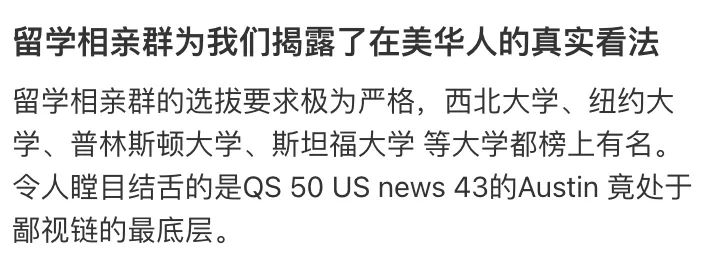
There's a hierarchy in studying abroad, and even household registration gives a sense of superiority. A single daughter from a well-off Jiangsu-Zhejiang-Shanghai family is born a winner.

East Asian mental illness is a rain that has soaked generations; no one can stay dry.
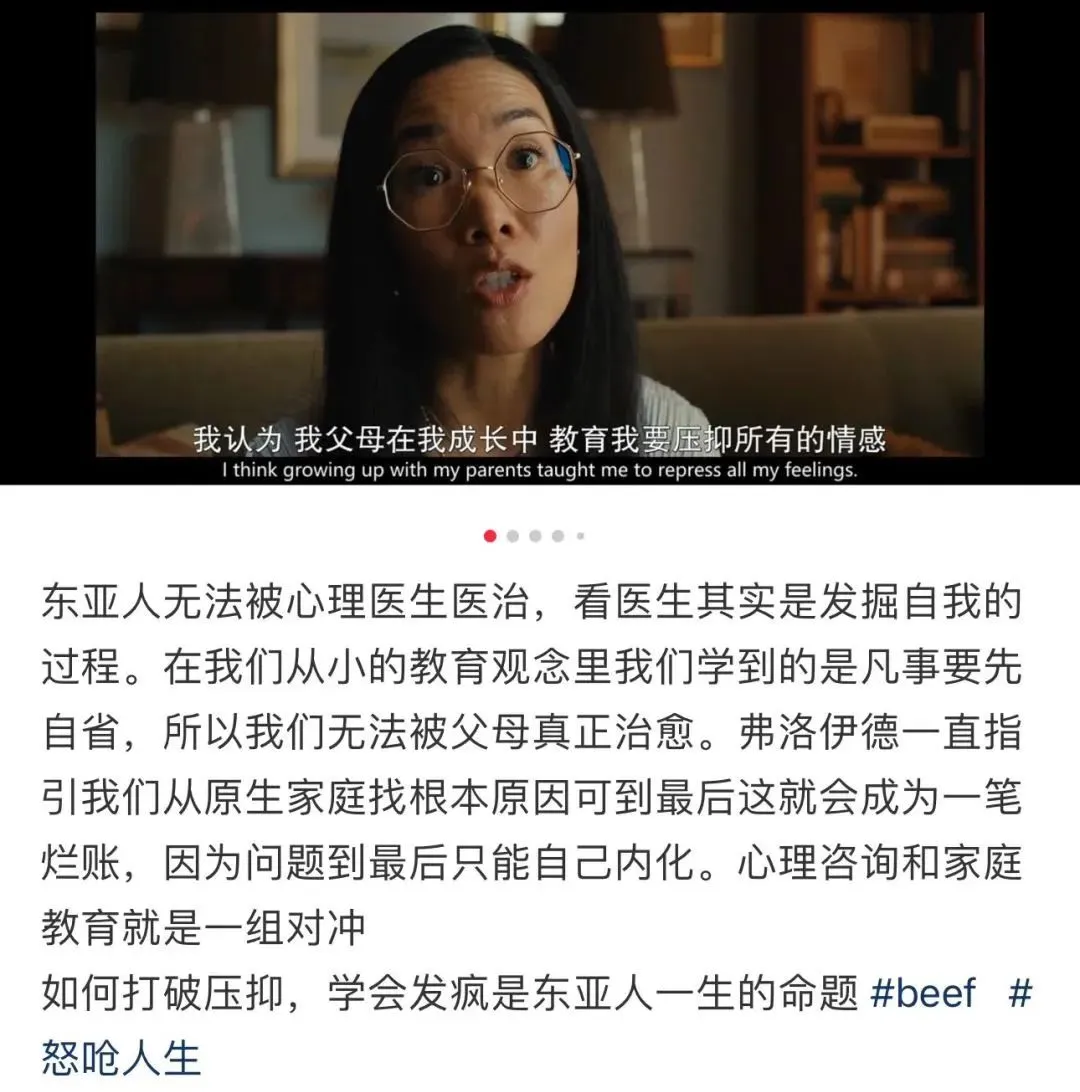
White Therapists Can't Cure the Asian Mind
Why did Yeon-jin from "The Glory" go viral? East Asian culture is full of heroines like the protagonist who endure hardship for revenge, but a reckless, unapologetic crazy character is truly thrilling.
Yeon-jin never self-sabotages, exudes extreme confidence, attacks whoever she wants, and goes so mad she'll even take herself out.

What East Asians lack is precisely this courage to go wild whenever needed.
Our ancestors already warned us: No matter how many somersault clouds Sun Wukong flips, he still can't escape the Buddha's palm.
Until Nezha shouted: My fate is mine, not the heavens'.
That's why in Chinese mythology, my favorites are: the Great Sage Equal to Heaven who wreaked havoc in the Heavenly Palace, and the demon child Nezha who sacrificed himself to repay his parents.
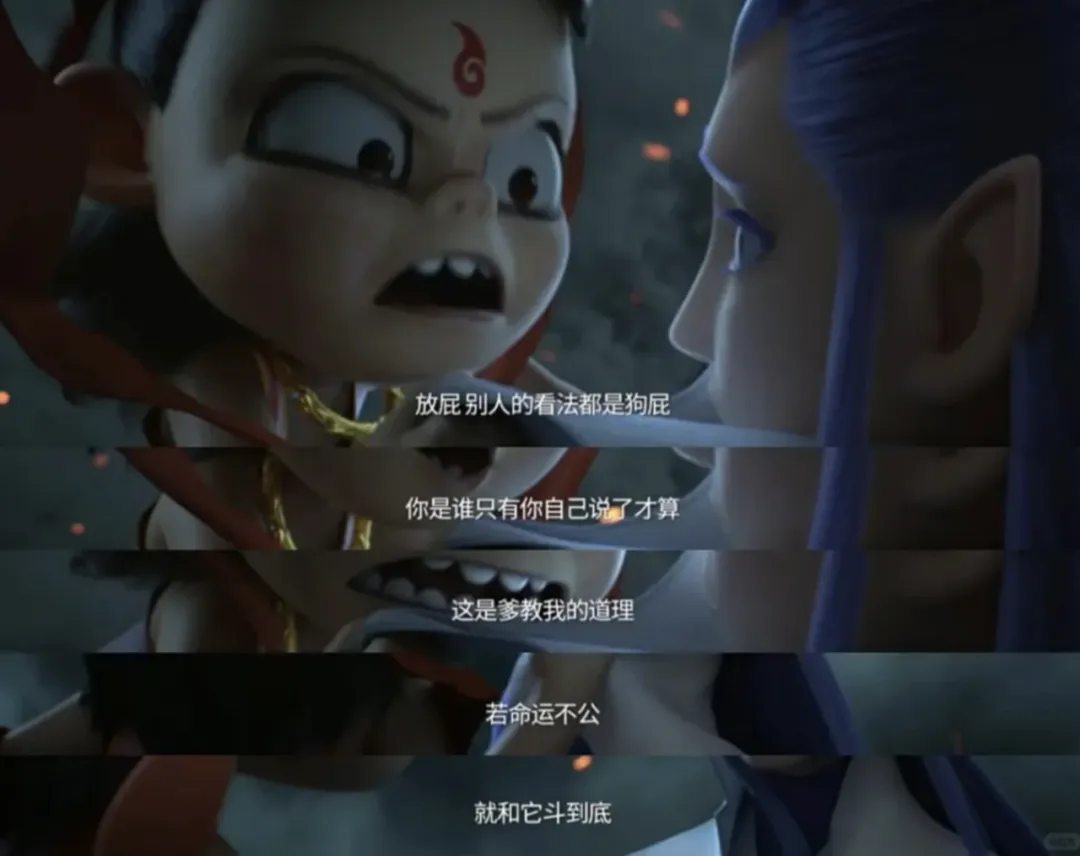
Every East Asian kid can relate to Ao Bing. Raised by an entire clan, his life allows no room for error—seemingly perfect yet unhappy.
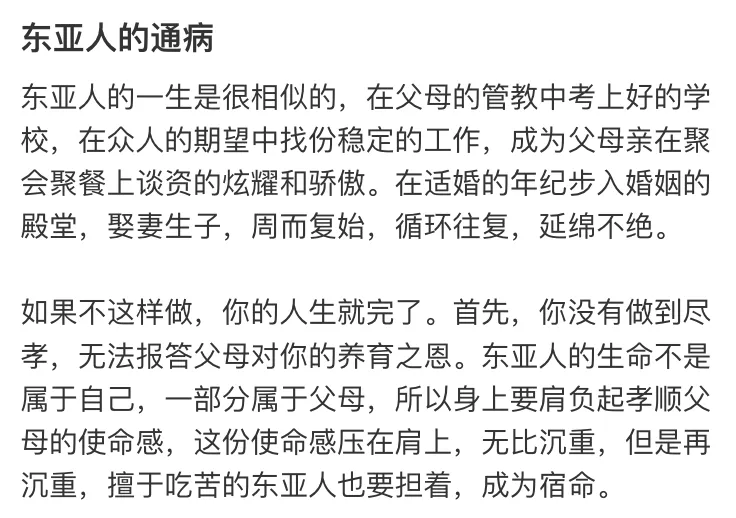
To cure East Asian mental illness, the best therapy is going wild, going wild, going wild.

All of you who teared up watching "Everything Everywhere All at Once" deserve a big hug.
The film's vast universe centers on the emotional bond between an Asian mother and daughter. Maternal love's constraints drive the daughter to become a universe-destroying boss. Although raised in the West, her bones still carry East Asian DNA, and the clash of Eastern and Western cultures leaves her feeling mentally torn apart.
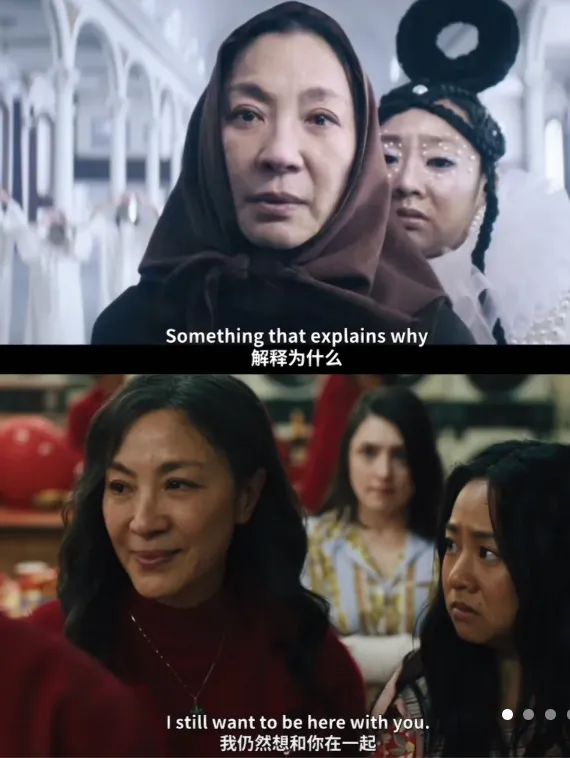
Relationships under control become out-of-control relationships. Across the multiverse, Yeoh's relationship with her father is just as bad.
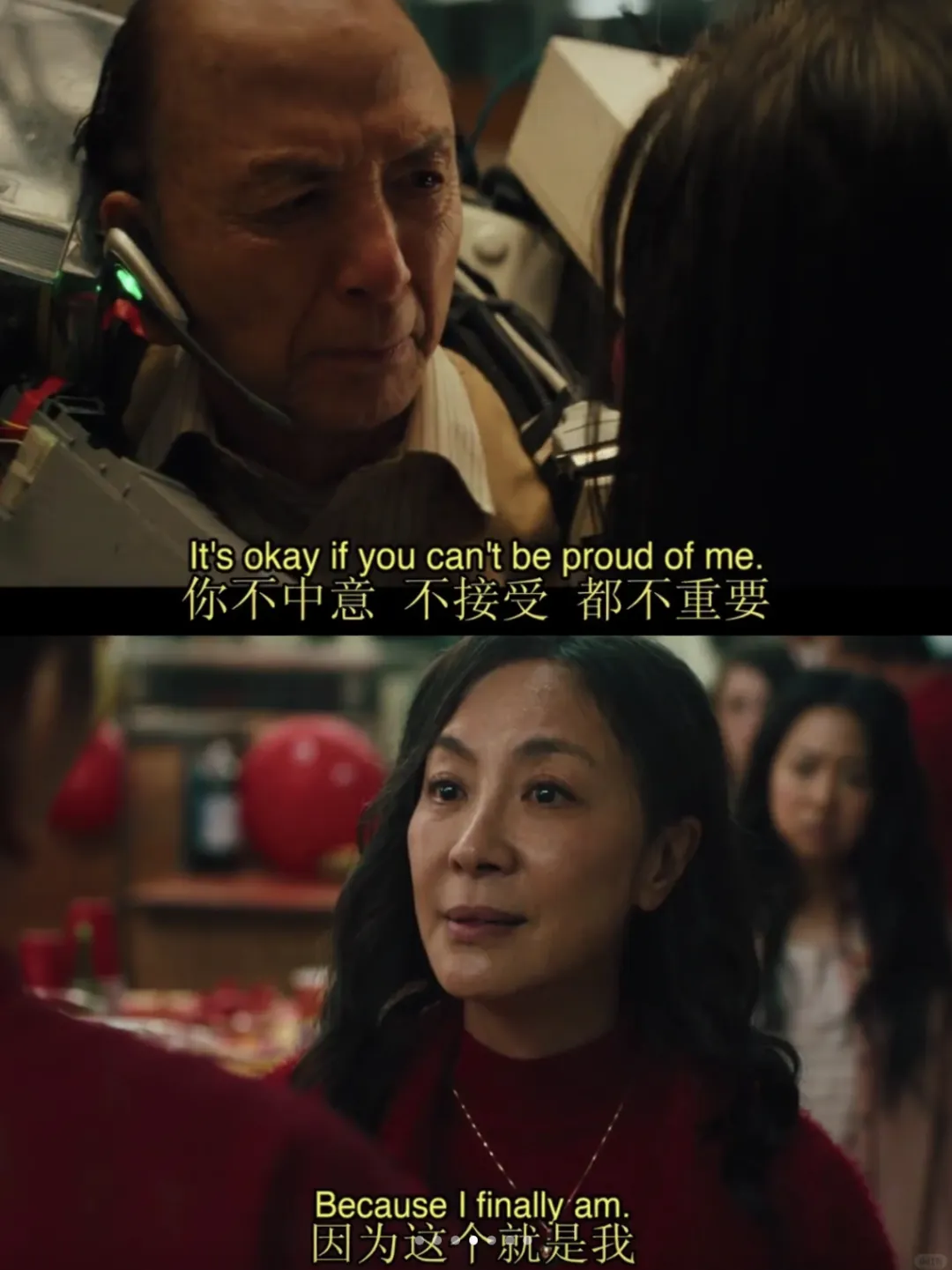
Under such high pressure, who wouldn't go crazy? We're just barely holding on.
When parents are Tsinghua-Peking University grads, a regular kid will likely end up depressed.
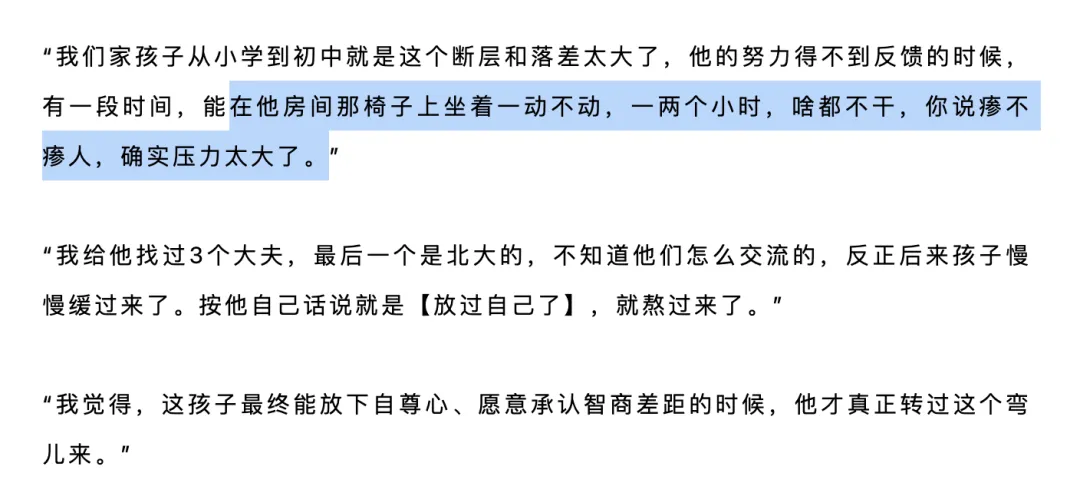
What if I can never surpass my parents' achievements and remain ordinary? Many international students have asked themselves this.
Real happiness begins with accepting your imperfections, with allowing mistakes, with acknowledging your ordinariness.
"It's okay even if everything's a mess."
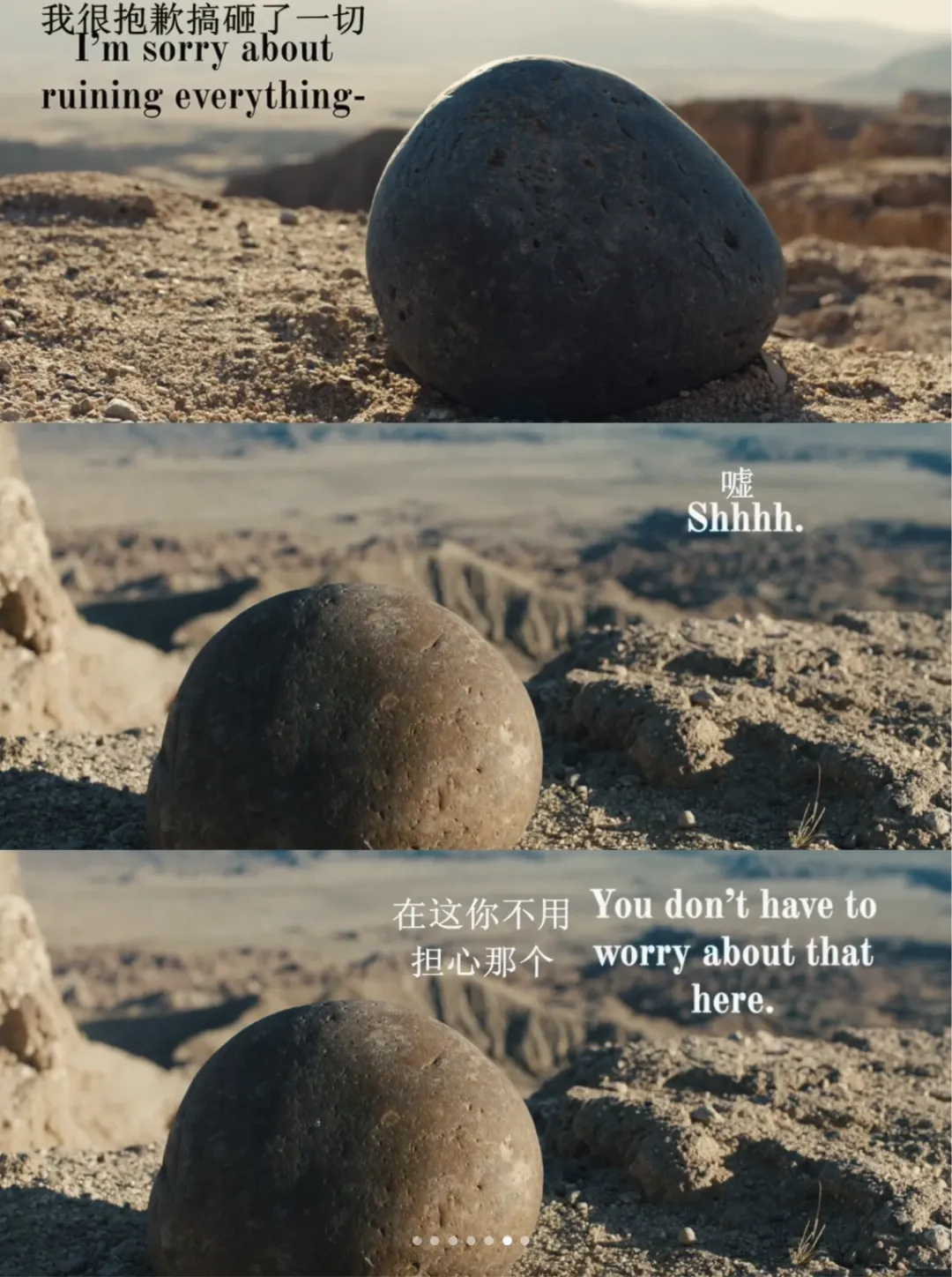
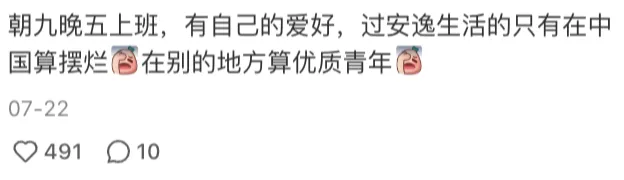
The "lying flat" trend of recent years is both from extreme hustling and genuine enlightenment.
Who's the ultimate model child? You have to mention Jonny Kim, the quintessential East Asian success template: before 35, he became a U.S. Navy SEAL, a Harvard-trained doctor, and a NASA astronaut—a triathlon of achievement.

This Asian Perfect Son who headlines every year, along with the huge popularity of "Beef" and "Everything Everywhere All at Once," has made East Asian culture, values, and dilemmas resonate with more and more people—even non-East Asians. There are even real-life cases of "doubt East Asians, understand East Asians, become East Asians."
At the very least, Elon Musk loves Chinese employees. Maybe it's a mutual appreciation between 007 and 996.

The East Asian education style indeed tends to produce elites and academic overachievers. Confucianism values learning through playful exploration—there's no such thing as pure entertainment. Even Eileen Gu's skiing was about Olympic gold and hustling into Stanford.

Any process that isn't result-oriented isn't worth doing.
That's why East Asian kids never lack NT personality types, which are also the MBTI types top schools love most.
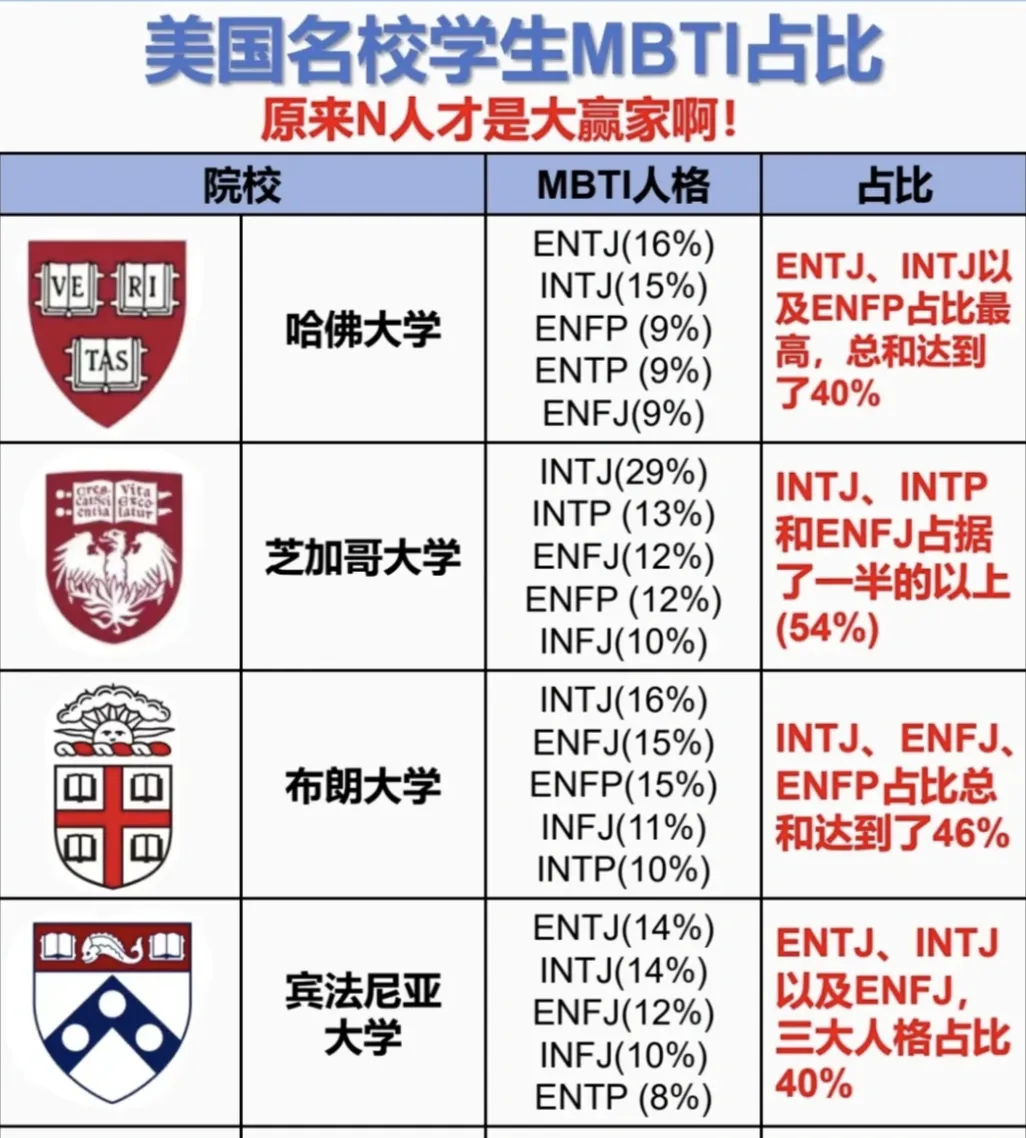
Studying history, philosophy, or humanities will inevitably face the heartbreaking question from parents: "Is this useful?"
Studying business gets called easy, since in relatives' eyes, only CS and EE are worth reading.
If you don't land a six-figure job at a tech giant after graduation, it's hard to wrap things up.

Getting ahead is the factory-default goal for East Asian kids; the mindset of being "above others" is etched in the DNA.
After all, East Asian culture has an extremely strong sense of hierarchy. Even an alpha white male will tremble under a Korean boss's scolding.

Maybe the only bitter thing white guys and gals have tasted growing up is iced Americano 😅
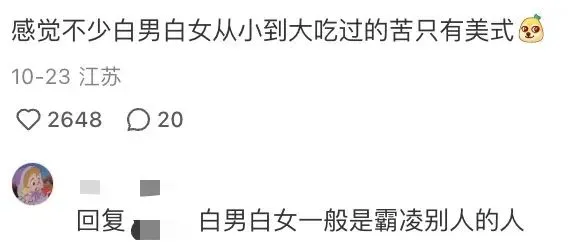
Daily life of an East Asian worker: anxious when there's work, even more anxious when there isn't.
Want to see a therapist? They'll mock you: "White therapists can't cure the Asian mind."
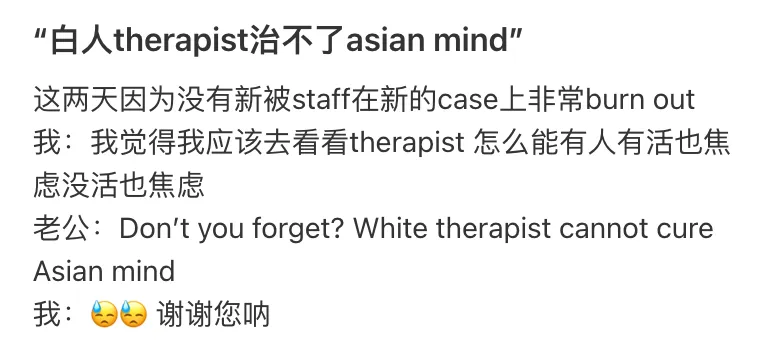
White guys have had it too easy and can't possibly understand the anxiety of East Asian kids who want to lie flat but can't.
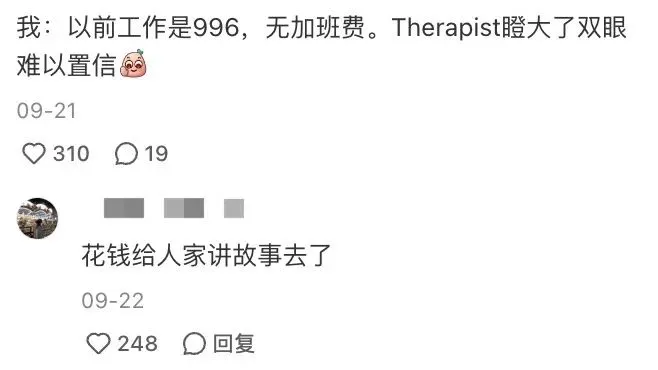
Tell them about 996 unpaid overtime, and they'll widen their eyes in disbelief.
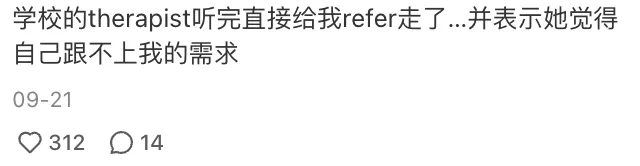
A white female therapist, after listening, arranges a transfer, saying her ability can't keep up with the needs of Asian students 😅
For us, fortune-tellers are the best therapists.
They'll say the feng shui is bad, that person clashes with you, the year is unlucky—but they will never say it's your fault, totally free of self-blame.
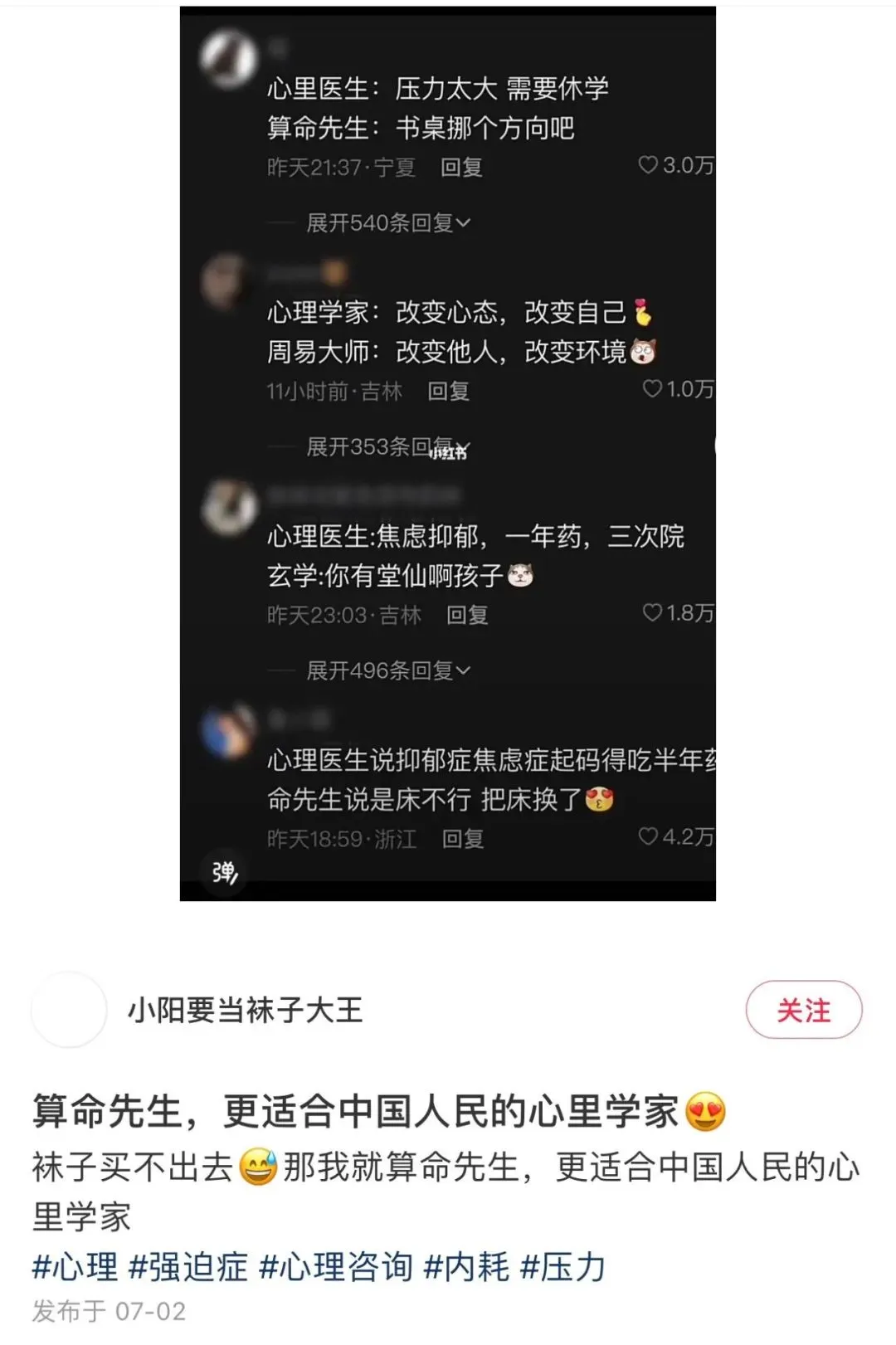
For East Asian kids who've been gaslit since childhood, this is the most effective miracle cure.
The "chill vibe" we pursue is daily life for old-money Westerners, but for East Asians, it's truly hard to achieve overnight.
But embrace your East Asian identity and bring that unique resilience to your study abroad. Perhaps the clash of Eastern and Western cultures will bring new insights.
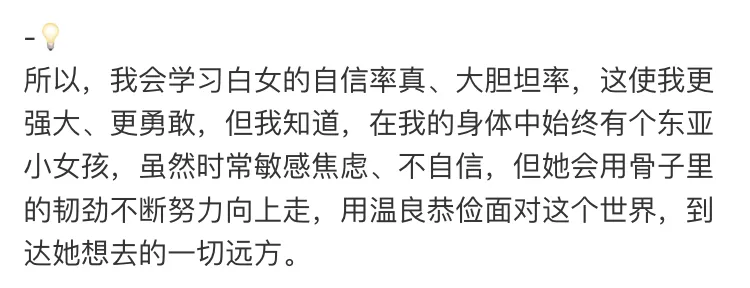
As East Asian international students, we don't need to overly constrain ourselves, living by rigid rules; nor do we need to deny ourselves and jump into the opposite extreme.
We can't let mental friction consume us, but we can't completely lie flat either.
Studying abroad is a process of cultural blending. You can learn the bold sincerity of Westerners while embracing your East Asian spirit, and reach wherever you want to go.
Wishing every international student a life of your own brilliance~
.png)