Recently, the 42nd General Conference of UNESCO passed a resolution to establish a UNESCO International STEM Education Institute in Shanghai, China. This marks the first time a UNESCO Category 1 center has been located outside Europe and the Americas, reflecting China's solid steps in promoting STEM education. This important move further strengthens China's standing on the international education stage and injects strong momentum into taking STEM education to new heights.

(I) What Are STEM Majors?
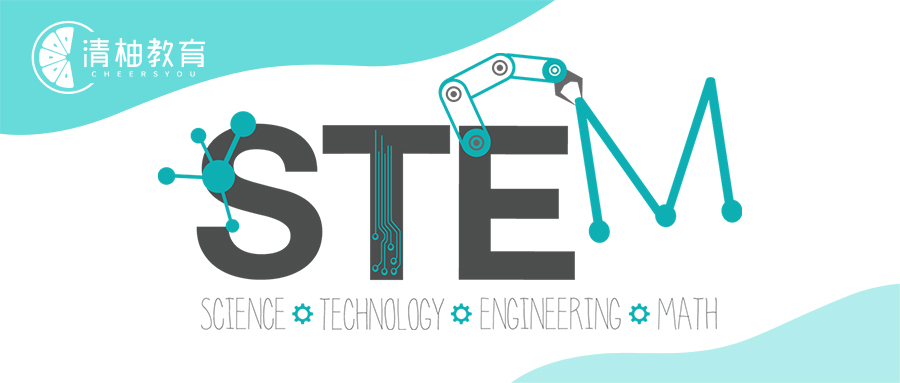
STEM majors typically receive strong government support and are highly valued by universities, making them a popular field. The term STEM stands for the initials of four disciplines: Science, Technology, Engineering, and Mathematics. In the field of art and design, STEM-related programs include but are not limited to graphic design, industrial design, interaction design, digital media, architecture, and game design. These areas combine principles of science, technology, engineering, and mathematics, driving the integration of art and technology through innovation and practice, offering students opportunities for comprehensive development and interdisciplinary learning. STEM majors cover a wide range, aiming to cultivate students' ability to innovate using technology and engineering principles across different fields.
(II) Unique Advantages of STEM Majors
As STEM graduates, you not only enjoy visa incentives provided by various countries but also face a significant talent gap in the STEM field.
- Visa Policies and Benefits
In the United States, typical graduates only get one year of Optional Practical Training (OPT), while STEM graduates receive an additional 24 months of job-seeking time, totaling three years, to find suitable employment and apply for an H-1B visa. This is not only a measure by the U.S. government to retain STEM talent and meet market demand, but also provides more opportunities for international students hoping to work in the U.S. Beyond the U.S., Hong Kong's Top Talent Pass Scheme, Quality Migrant Admission Scheme, and Canada's latest immigration policies also tend to offer more policies and welfare support for STEM fields.
- Employment and Salary
A recent report shows that among the 25 fastest-growing jobs, 20 are STEM-related. It is predicted that the employment growth rate for STEM-related positions will exceed 20% in the coming years. Salaries in this field are quite competitive; most positions offer wages above the U.S. national average. By 2030, the median annual salary for STEM-related positions is expected to surpass other fields by nearly $50,000. This indicates that STEM fields not only have strong market demand, but also offer graduates excellent career prospects and salary levels.
(III) Strategies for Choosing STEM Schools and Programs
The United States, as a major hub for STEM, has many art schools offering related programs. Below, CheersYou(清柚教育) has compiled a list of relevant programs for your reference.
Pratt Institute
This school offers STEM-related programs including Architecture, Digital Arts, Information Experience Design, Packaging, Identities & Systems Design, Sustainable Environmental Systems, Urban Design, and more.
1. Architecture
2. Architecture
3. Data Analytics and Visualization
4. Digital Arts
5. Facilities Management
6. Information Experience Design
7. Library and Information Science
8. Museums and Digital Culture
9. Packaging, Identities, and Systems Design
10. Sustainable Environmental Systems
11. Urban Design

School of Visual Arts (SVA)
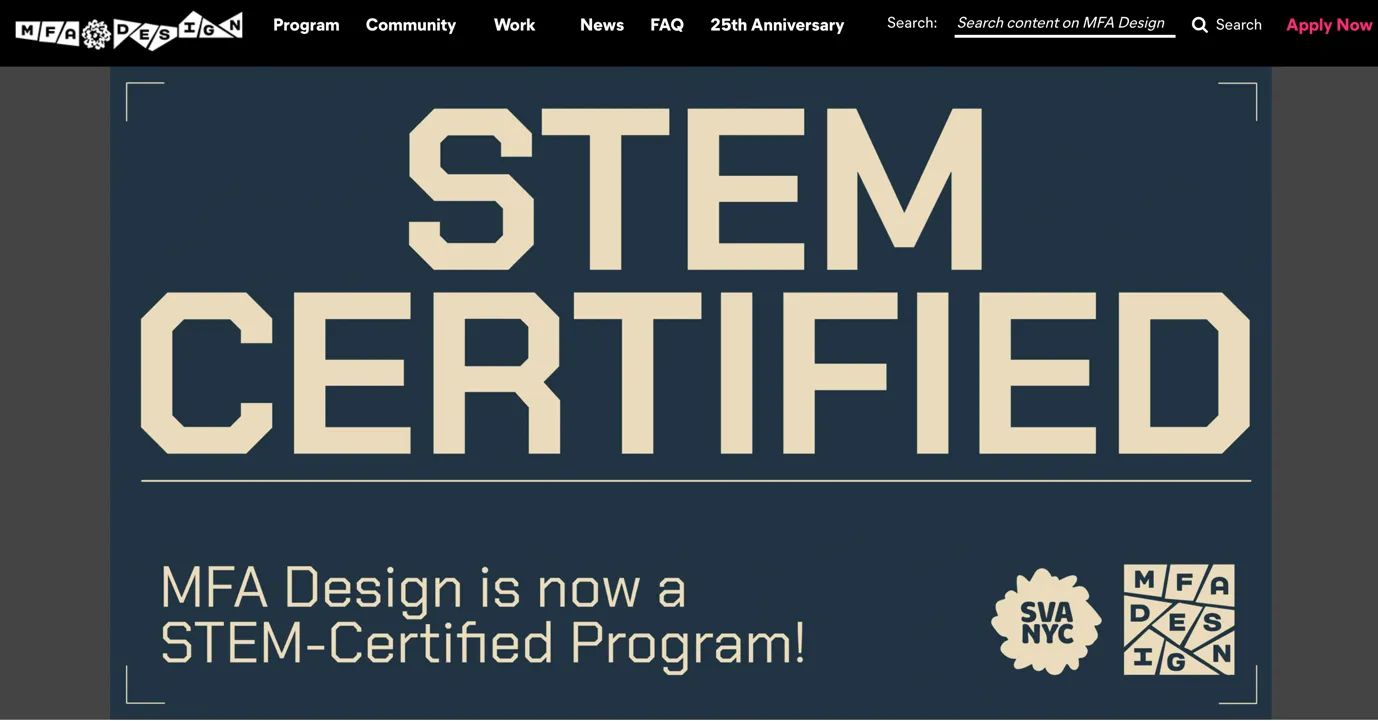
This school offers five MFA programs: Design, Computer Arts, Design for Social Innovation, Interaction Design, and Products of Design.
Link:https://sva.edu/
1. Computer Arts
2. Design
3. Design for Social Innovation
4. Interaction Design
5. Products of Design
Savannah College of Art and Design (SCAD)
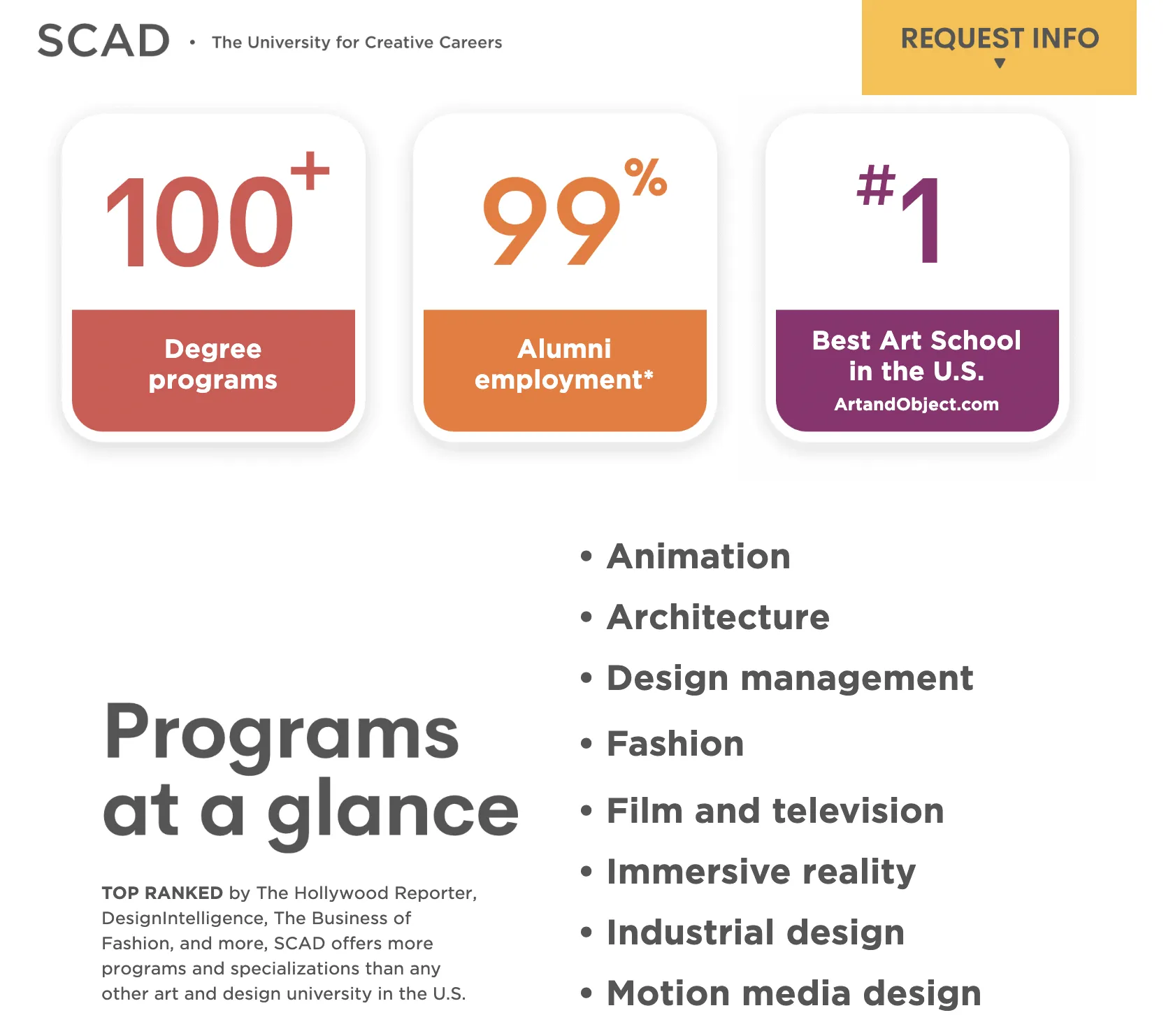
SCAD offers a wide array of STEM programs, including but not limited to 21 areas such as Graphic Design, Jewelry, Service Design, Industrial Design, Architecture, Interaction Design, Game Development, and UX Design.
1. Advertising
2. Animation
3. Architecture
4. Business of Beauty and Fragrance
5. Creative Business Leadership
6. Design for Sustainability
7. Design Management
8. Furniture Design
9. Graphic Design
10. Immersive Reality
11. Jewelry
12. Industrial Design
13. Interactive Design and Game Development
14. Luxury and Brand Management
15. Motion Media Design
16. Service Design
17. Social Strategy and Management
18. Themed Entertainment Design
19. User Experience (UX) Design
20. User Experience Research (UXR)
21. Visual Effects
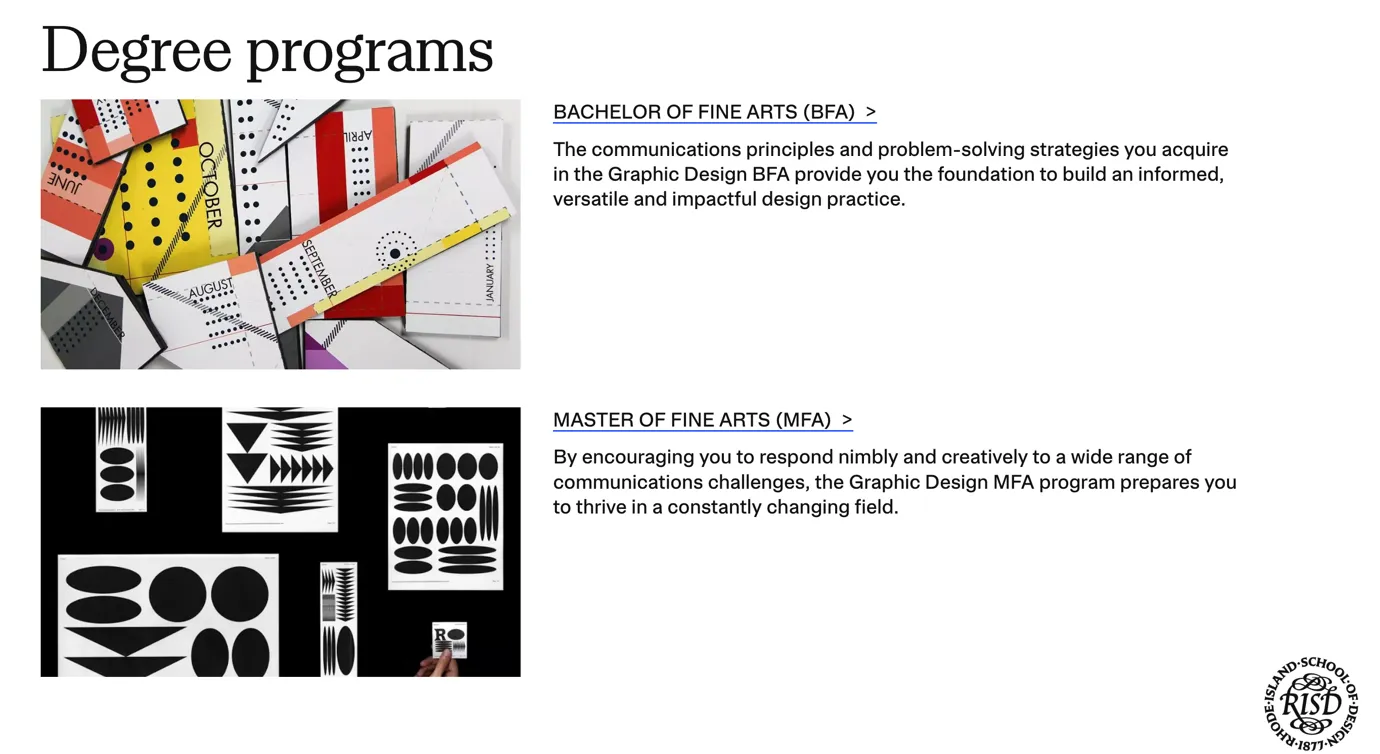
Rhode Island School of Design (RISD)
More than a decade ago, RISD advocated for adding more art fields to the STEM spectrum. The school offers the following related majors.
1. Architecture
2. Interior Architecture
3. Landscape Architecture
4. Industrial Design
5. Graphic Design
6. Digital Media
ArtCenter College of Design
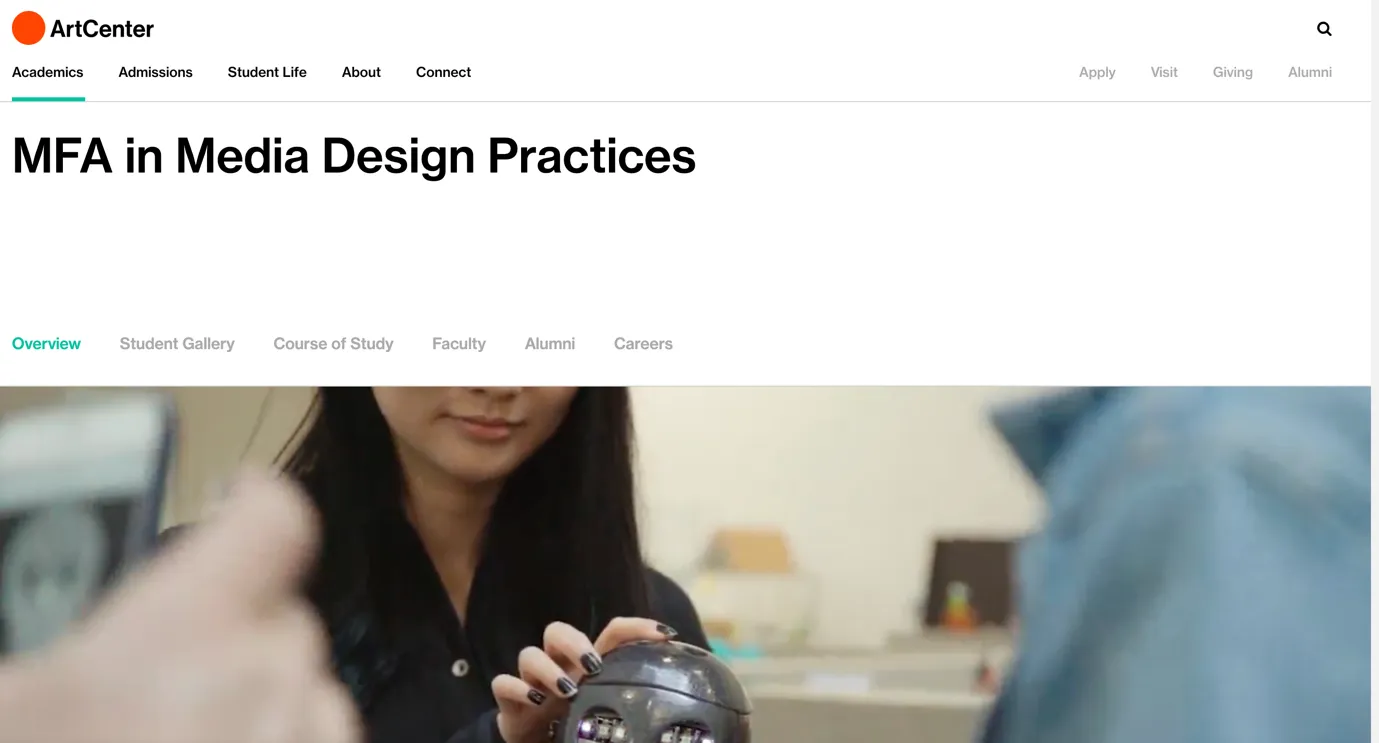
This school's STEM programs mainly focus on industrial, interaction, and entertainment-related fields.
Link:https://www.artcenter.edu/
1. Industrial Design
2. Transportation Systems and Design
3. Spatial Experience Design
4. Furniture, Lighting, and Fixtures
5. Media Design Practices
In addition to the programs at the art schools mentioned above, renowned institutions such as Harvard, Cornell, and the University of Pennsylvania also offer STEM-certified programs in architectural design. Every year, new schools and programs receive STEM certification. Against this backdrop, it is likely that more institutions and design majors will be included in the STEM scope in the future. As one of the highly sought-after application directions, it is advisable to carefully prepare your portfolio, personal statement, and other application materials to increase your chances of admission.
If you have further questions about studying abroad, feel free to scan the QR code below to ask CheersYou(清柚教育). We are happy to provide more information and support.