

Finals, applications, internships—so many things pile up. As the test date approaches, you suddenly realize there's only one week left until the GRE??

Don't panic. Different stages call for different review methods. Today, BiKaoTi is here to offer some last-minute GRE cramming tips to help you effectively boost your score in the final week!
.jpeg)
1. Review Your Vocabulary Notebook and Error Log
It is recommended that you maintain a vocabulary notebook on a regular basis. You can organize it using an online collaborative document (such as Feishu Docs or Tencent Docs) for easy updates and additions. Before the exam, just pull up this all-in-one electronic document—no need to flip through vocabulary books.

If you haven't compiled one yet, don't worry. You can directly review the Must-Know 1000 Words, which contains high-frequency exam words and new words from real exam questions. It's an essential emergency word list for test-takers pressed for time! (Reply with "Word Book" on the GRE BiKaoTi official account to get it for free.)
The GRE Meaning Group Vocabulary and GRE Sentence Equivalence Vocabulary will also help you cram for the revised GRE fill-in-the-blank questions.
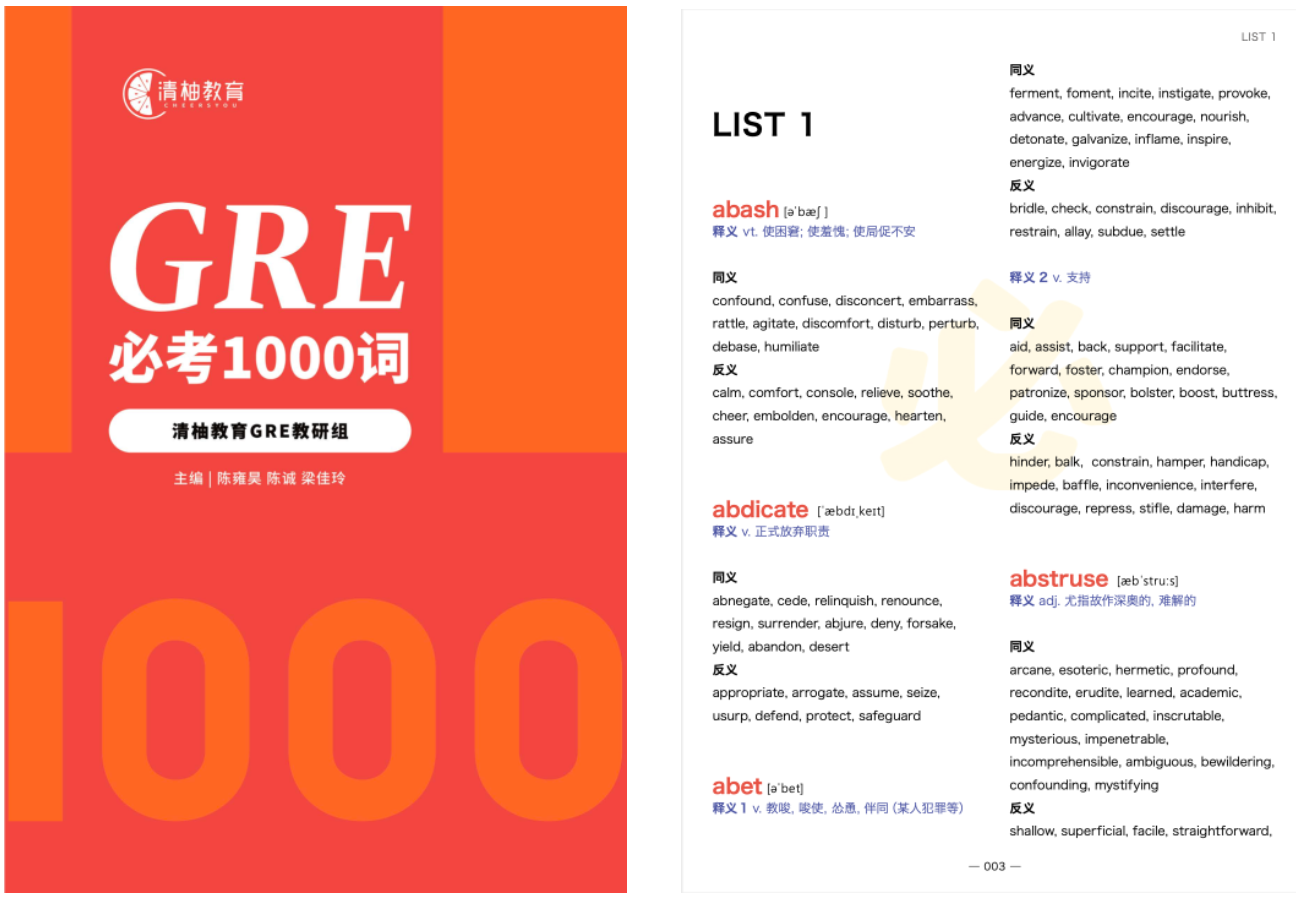
Additionally, reviewing your mistakes is far more valuable than doing new questions. Mistakes reflect your thinking traps; only by thoroughly understanding them can you avoid repeating the same errors. How many people encounter original questions on the test but can't recall the answers?
Essentially, it's due to insufficient understanding of the questions and unclear reasoning. The error log feature on the BiKaoTi official website can help you compile your mistakes with one click—make use of it!
2. Stick to Mock Exams and Familiarize Yourself with the Test Process Early
Mock exams help you get used to the pressure of the actual test environment and avoid technical issues that can affect your score, such as unfamiliarity with the on-screen calculator or heightened anxiety from the countdown timer. It's recommended to complete a mock exam 2-3 days before the test and thoroughly review it to develop a time management strategy for the real exam!
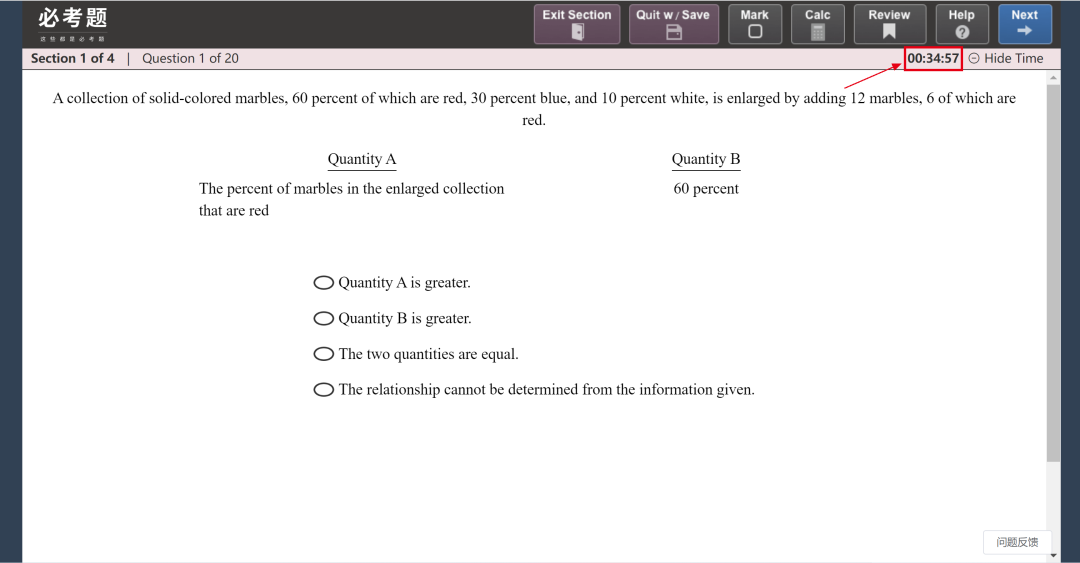
GRE BiKaoTi Mock Exam Countdown Display
If it's your first time taking a mock exam and you're unsure how to maximize its value, here are some tips:
Before the Exam
For in-person test-takers, prepare scratch paper and a pencil. For at-home test-takers, prepare a small whiteboard and eraser to simulate the actual conditions.
During the Exam
Once the mock exam begins, keep an eye on the countdown timer in the upper right corner. Mark questions you're unsure about, and after completing the first pass, go back to think about them.
After the Exam
For at-home test-takers, remember to erase the whiteboard as required right after the mock exam to build the habit.
.jpg?x-oss-process=style/opt-webp)
GRE BiKaoTi Official Website Mock Exam
At this point, the entire mock exam process is complete! But is that all? Of course not!
The BiKaoTi Mock Exam not only replicates the test interface 1:1, but also provides question explanations and a mock exam diagnostic report, showing the time spent on each question and your accuracy. Carefully reviewing and summarizing your mistakes is the key!
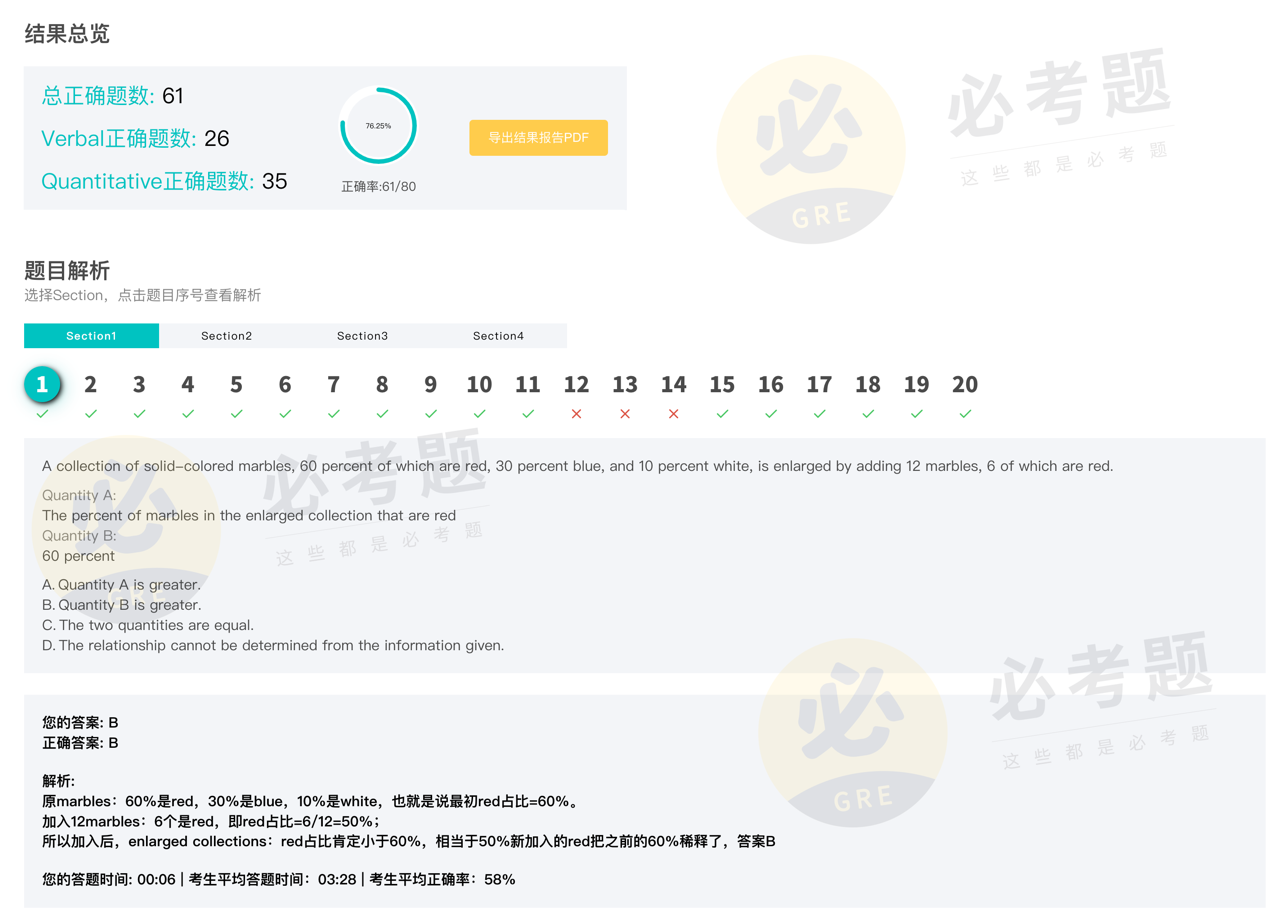
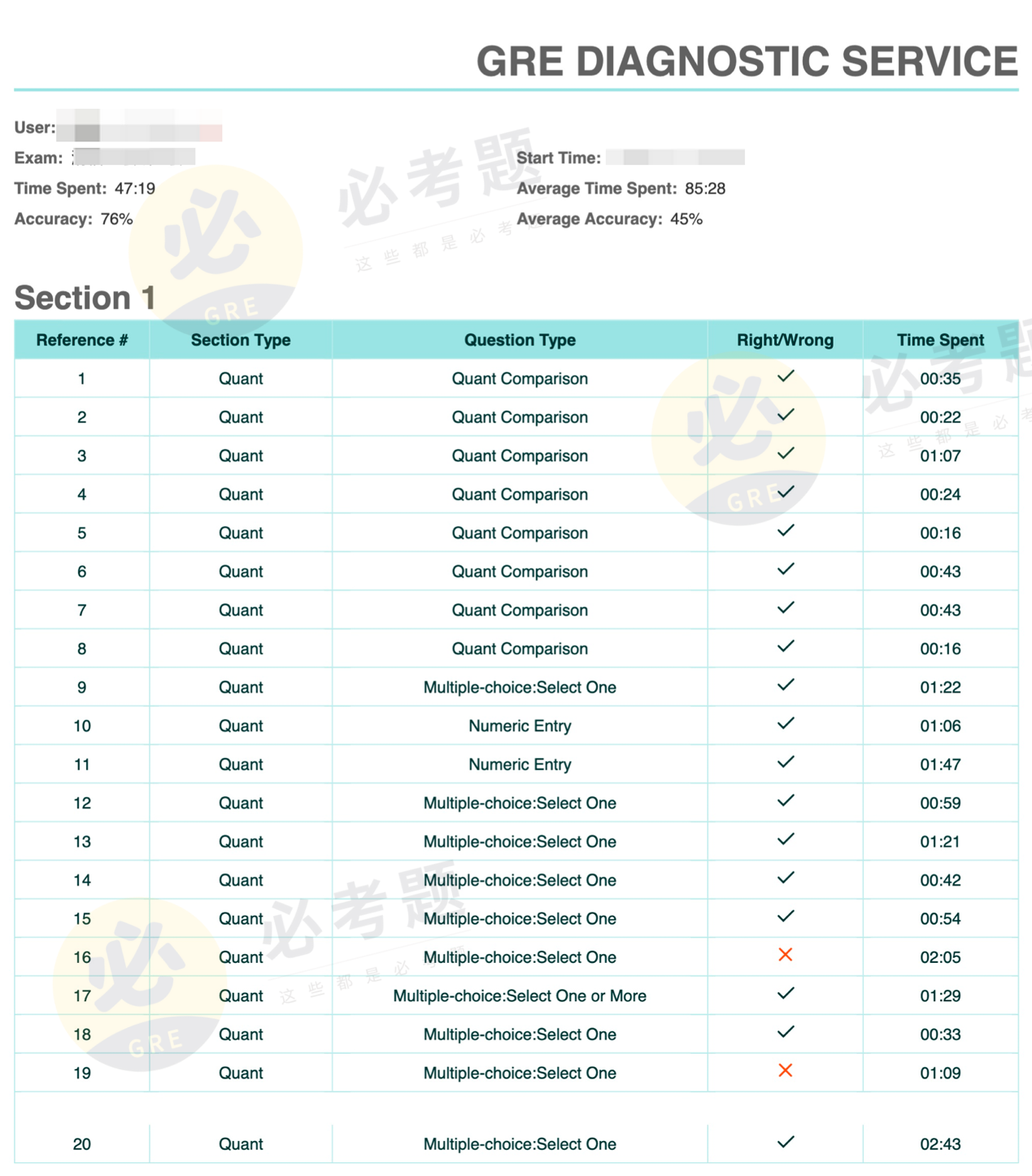
GRE BiKaoTi Mock Exam Report
3. Shift Your Mindset: Don't Be Overly Perfectionistic
Remind yourself to shift from perfectionism to a "score-grabbing" mindset. Don't waste time wrestling with every single question; just secure the points you can get.
Of course, each test-taker excels in different question types. Students in the final sprint should adjust their strategy and focus their time on the question types that can boost their score the fastest. The diagnostic report from a real test or mock exam is your best helper.
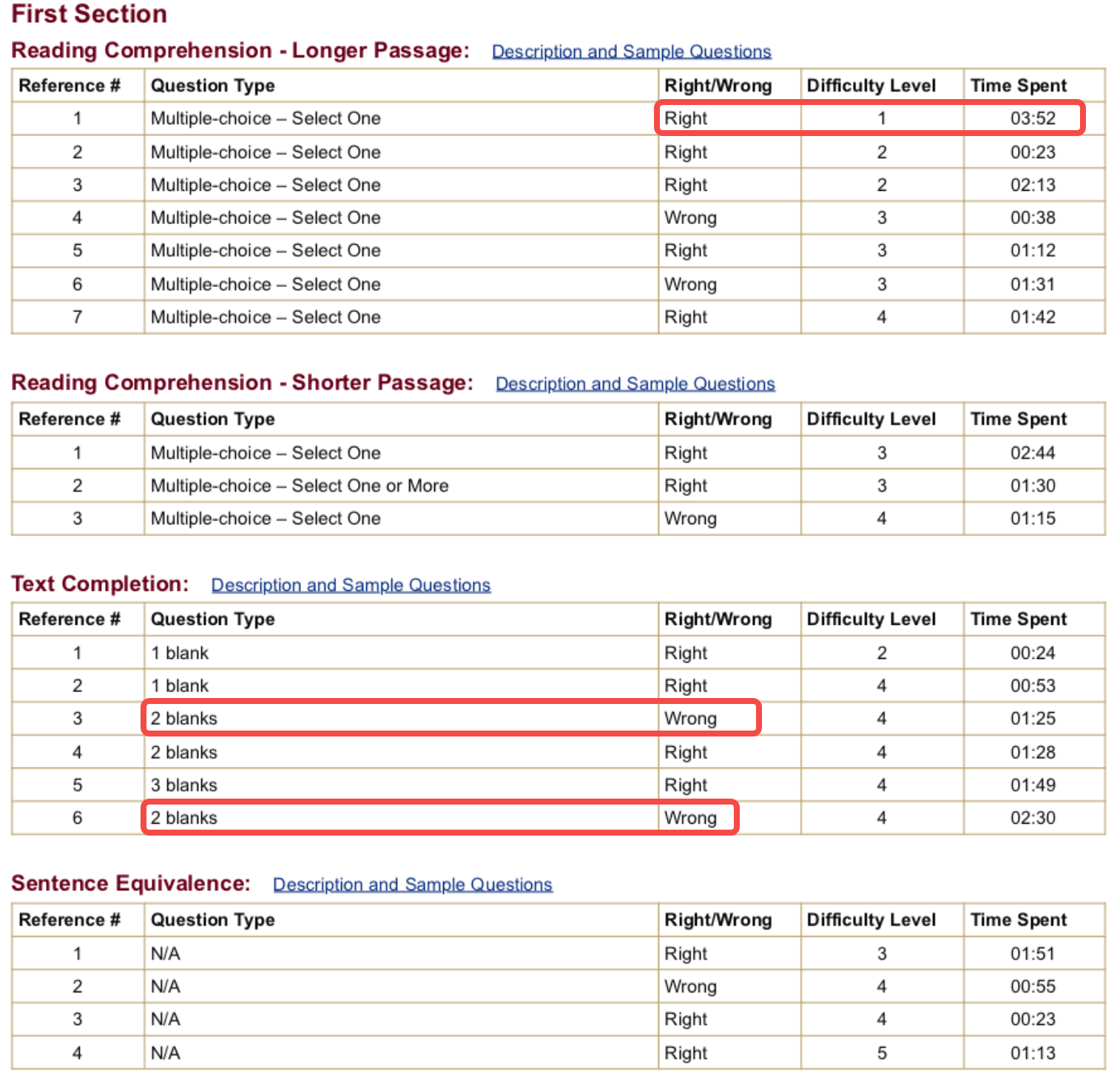
Official GRE Diagnostic Report
Take this chart as an example. You can clearly see that in the fill-in-the-blank section, the double-blank questions had many errors and need focused improvement. Additionally, the first Easy-level reading question, although answered correctly, took a whopping 3 minutes!
With clear self-awareness, you can adjust the allocation of your study and practice time based on your strengths and goals.
4. Don't Blindly Rely on Exam Recalls; Improving Ability Is Key
Before the test, many students face a similar dilemma: afraid of missing out on any materials, they collect loads of exam recalls—which one should they do?

First, it's undeniable that doing more exam recalls increases your chances of encountering original questions on the test, but it's not guaranteed and depends partly on luck. When time is limited, there's no need to hoard exam recalls. Many old ones circulating online are seriously outdated and offer little help.
If you want to practice with exam recalls, choose high-quality ones. Contact a GRE BiKaoTi planning teacher to get them; quality matters more than quantity!
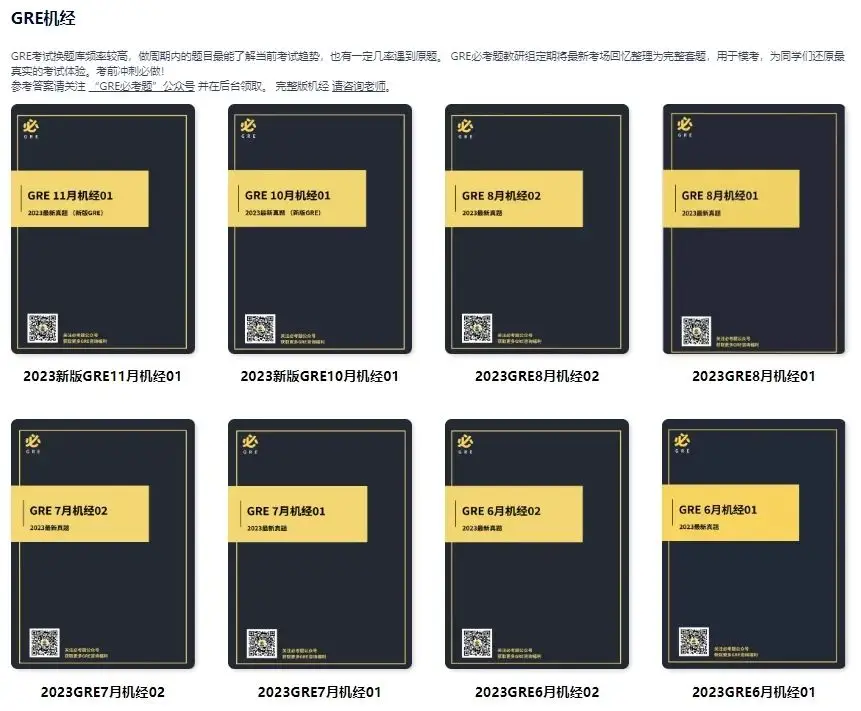
GRE BiKaoTi Monthly Real Questions
5. Adjust Your Attitude: Focus on Yourself and Face Challenges Head-On
The exam is not just about improving your skills; it's also about conquering your mindset.
Anxiety during application season is inevitable, but excessive stress and worry only make your preparation less effective. Make a daily plan, follow it diligently, step by step. Don't compare yourself to others and invite unnecessary peer pressure. Effective effort plus the right method will surely yield a satisfactory score. Give yourself positive mental affirmations!

Also, some students might say, "There are only two weeks left and I'm not fully prepared, maybe I should postpone..." This kind of mindset is actually counterproductive. Before any test, no one can say they are 100% ready; you'll always feel like you're "almost there."
If you've already put in a phase of consistent study and effort, it's advisable to take the test as soon as possible. First, even if your score doesn't meet your own target, it might already be a usable score for admissions. Second, there must be a 21-day interval between GRE attempts. Taking it early leaves room for a retake if needed and prevents you from putting all your scoring pressure on a single test.

Finally, here's a last-week sprint plan for you. Feel free to adjust it according to your own situation!
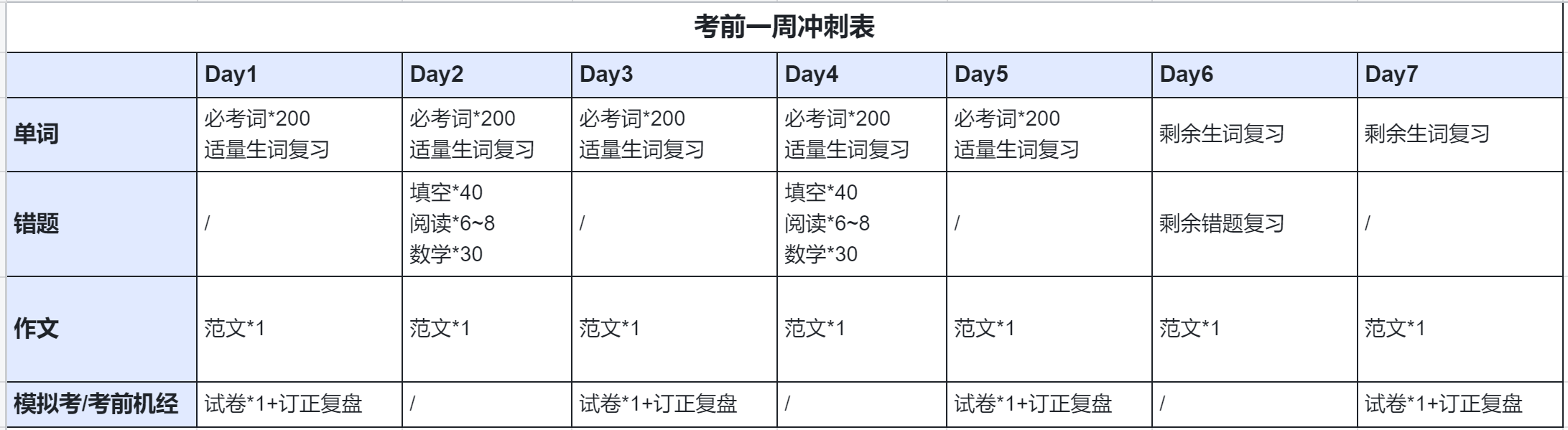
We hope this "Last-Week Cramming Guide" is helpful to you! Good luck to all students—may you achieve a satisfying score and receive an offer from your dream school soon!
.jpeg)