Looking back at the Fall 22 graduate application season, terms like “tough” and “intense competition” dominated every discussion.
— Will Fall 23 be any better?
— Of course not!
The Fall 23 application season has barely begun, yet it’s already filled with cries of despair. You open your inbox, and the first email you see is not a congratulatory offer, but a cold rejection letter smacking you in the face.
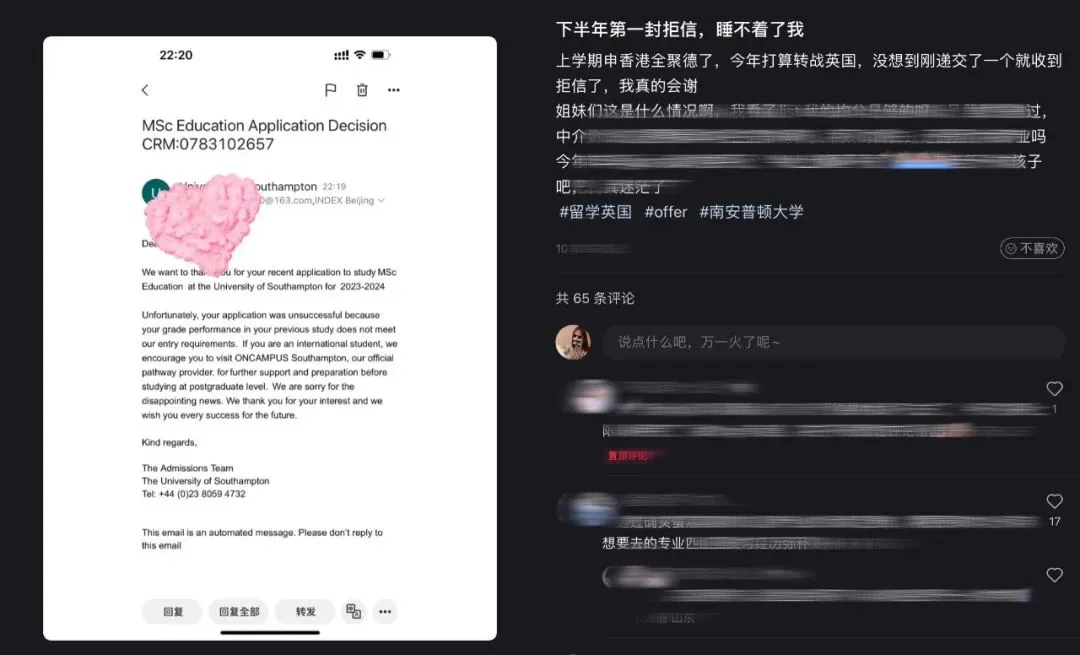
Take this example: a student was rejected by all Hong Kong universities in Fall 22, switched to applying to the UK this year, and got another rejection. It’s like the saying goes, “Rejection letters may be late, but they never fail to arrive.”
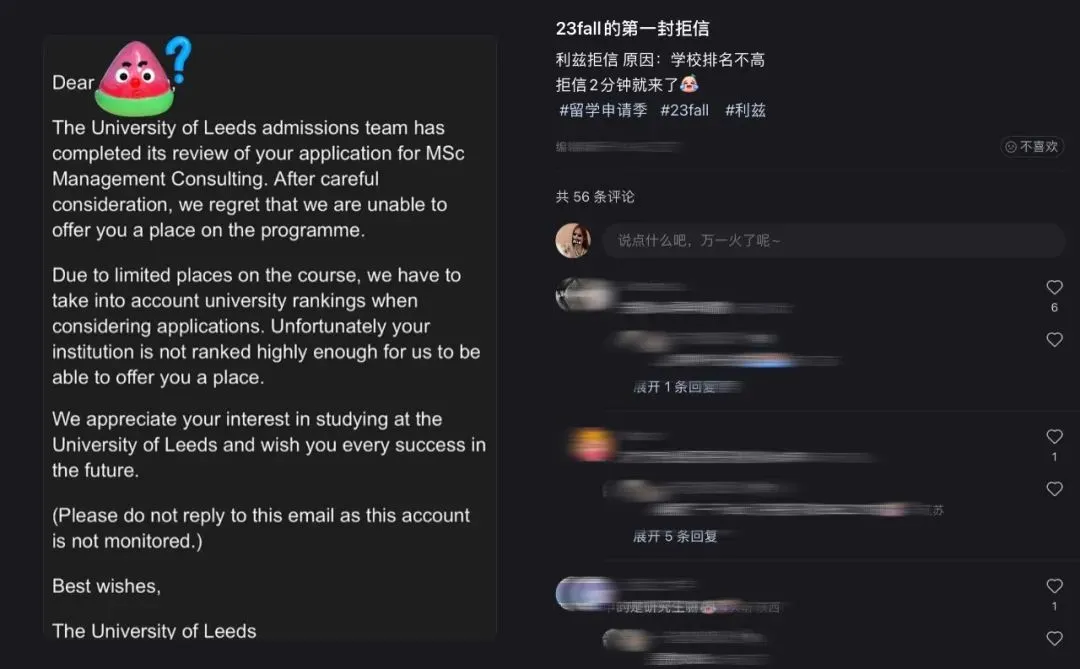
Other students applying to the UK are getting instant rejections with reasons that leave them no shoulder to cry on. It’s almost laughable — half a year of preparation, and only two minutes to receive a rejection.
Do you think these are just isolated cases, that the internet is once again stirring up anxiety for no good reason?
Then you clearly haven’t been schooled by the admissions committees yet — especially those in the UK, Hong Kong, and Singapore, which have become the top sources of rejection letters in Fall 22.
Why Are UK, Hong Kong, and Singapore Applications Getting Tougher?
These days, getting into a UK, Hong Kong, or Singapore grad program makes you the king of competition, and applying to just one of them is an act of pure bravery!
Soaring Applicant Numbers
United Kingdom
In recent years, whenever people hear “UK one-year master’s,” they instinctively dismiss it as a “diploma mill degree,” a running joke that everyone mocks.
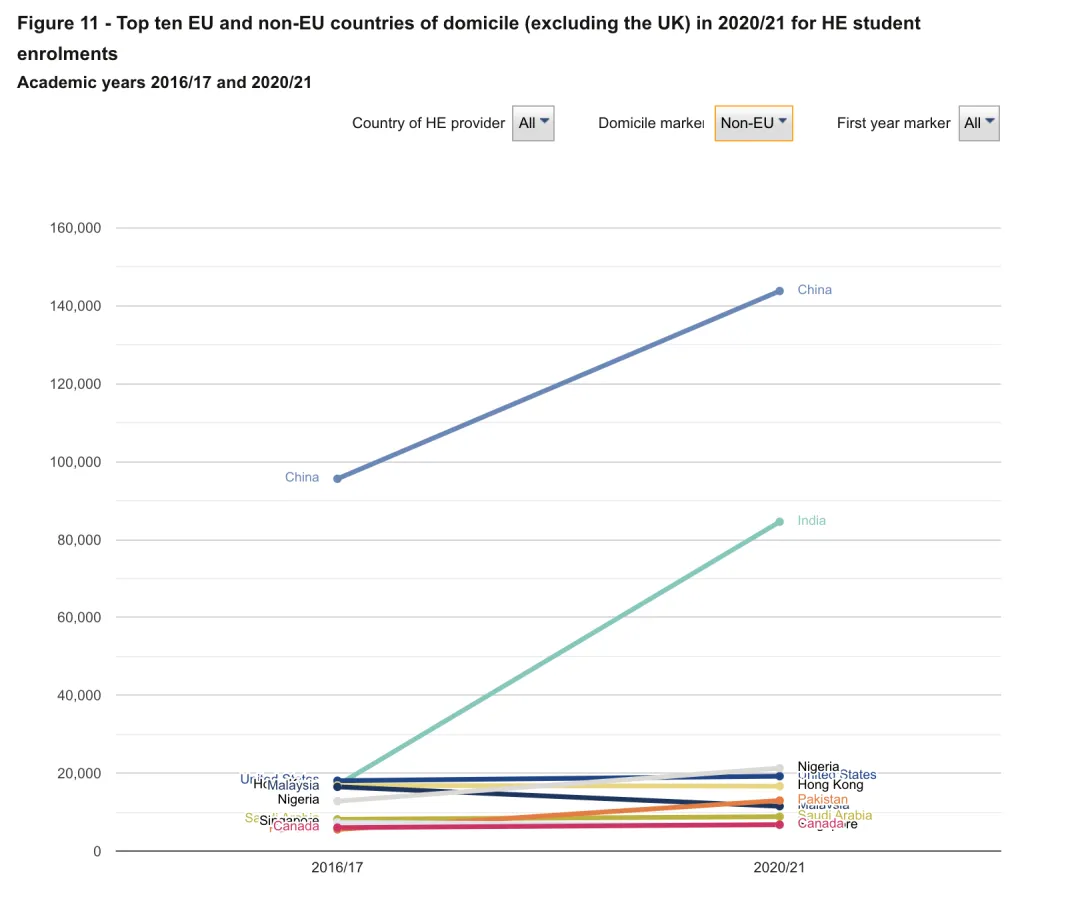
In reality, according to official data from the UK’s Higher Education Statistics Agency (HESA), the number of Chinese mainland students pursuing graduate studies in the UK has been on a steady rise, and competition has only intensified. Over the past three years, SFK’s graduate applications have seen an average increase of 10%.
Hong Kong
Hong Kong has only a handful of universities, and competition for the top three — HKU, CUHK, and HKUST — is especially fierce. City University of Hong Kong even posted on Weibo to announce that the number of mainland applicants in 2021–2022 more than doubled!

Furthermore, applications for taught master’s programs at CUHK rose by 77%, and over 80% of admits to CityU’s business school came from 985 universities.
Clearly, as applicant numbers surge, admission requirements are also rising with the tide.
Singapore
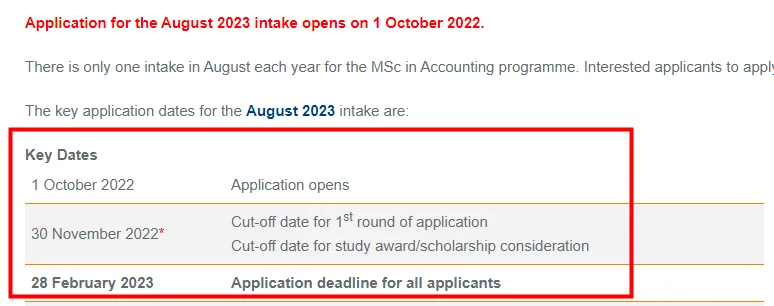
Singapore doesn’t just have fewer schools; its application windows are also short. The National University of Singapore Business School has an early deadline: only two months from the opening date to the first round cutoff, and just five months until the final deadline — leaving no chance for late applicants.
Stricter Application Requirements
While the number of applicants has skyrocketed, the number of available spots has not. This has given schools more choices when selecting candidates, leading to tougher background checks and ever-increasing admission difficulty.
Updated School Lists
The University of Leeds has long classified Chinese universities into four tiers: Tier 1A, Tier 1B, Tier 2, and Tier 3.
In this year’s list update, Leeds has made its tier classification and grade requirements even more detailed — even varying requirements by school and program!
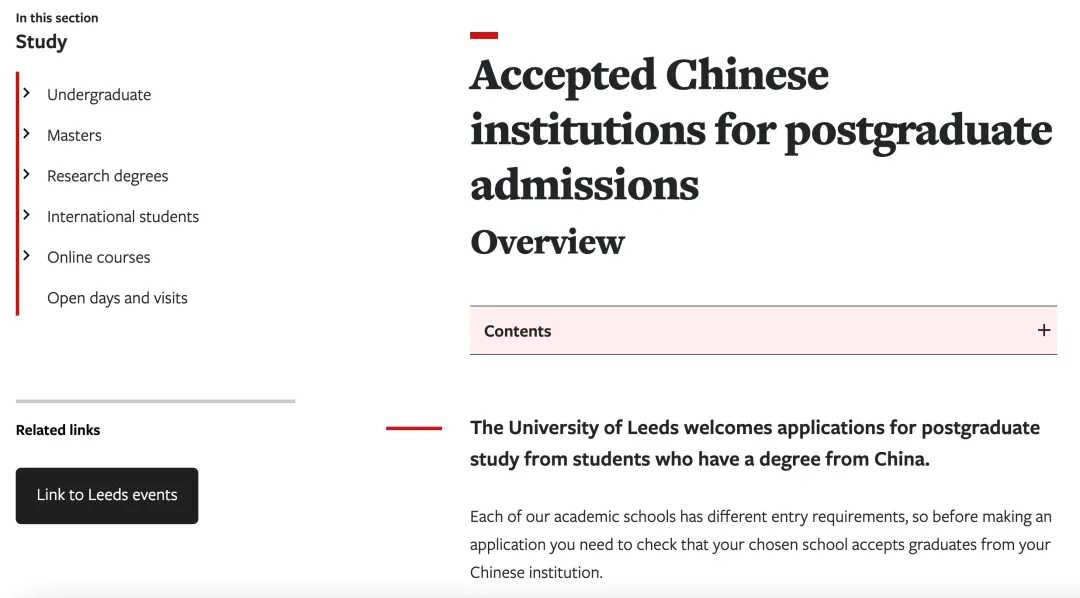
For example, programs in accounting and finance, marketing, and international business now only accept applicants from 985 and 211 universities within Tier 1A, with a minimum major GPA of 80%.
Higher Language Score Requirements
Recently, UCL has been frequently tweaking its admissions policies. Not long after revising its list of recognized Chinese institutions, it has now changed its language requirements.
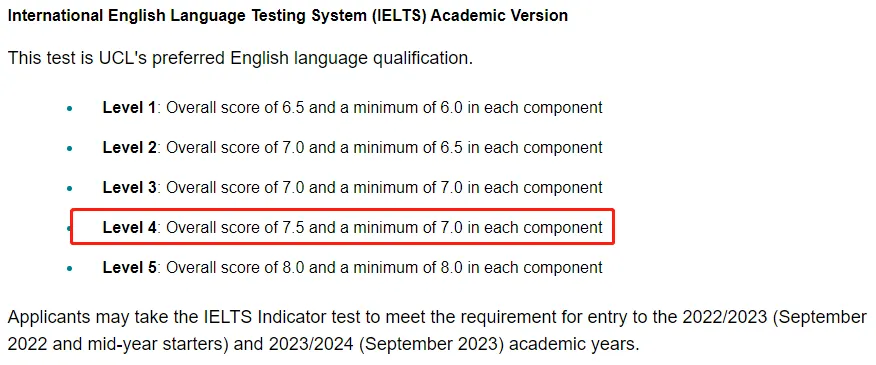
Starting from Fall 23 entry, UCL’s language score requirements have shifted from the original three levels — Standard, Good, and Advanced — to five levels: Level 1 to Level 5.
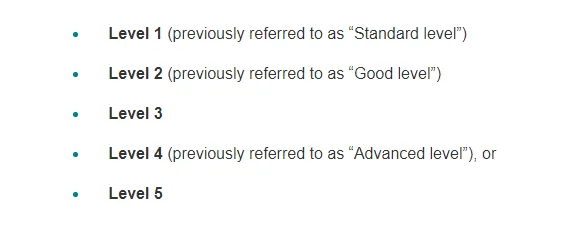
Levels 1 and 2 correspond to the old Standard and Good; Level 4 corresponds to the old Advanced.
Not only that, but sub-score requirements have also gone up. The old Advanced required an overall IELTS score of 7.5 with subscores of 6.5; the new Level 4 requires an overall 7.5 with subscores of 7.
Earlier Application Windows
As early as mid-June, the National University of Singapore announced the opening of its “early admission” round.
Meanwhile, CUHK Business School used to open applications in September, but this year it jumped the gun in June — more than two months earlier than usual.

It feels like before you’ve even started your application, the deadline is already looming.
More Interviews
As Imperial College London opened its application cycle, it also updated many requirements. Among them, more programs in the Business School now include interviews for Fall 23.
On the FAQs for Master’s programmes page, you’ll see that the list of programs requiring interviews covers pretty much the entire IC Business School, including MSc Finance & Accounting and MSc Risk Management & Financial Engineering, which didn’t require interviews in previous years.
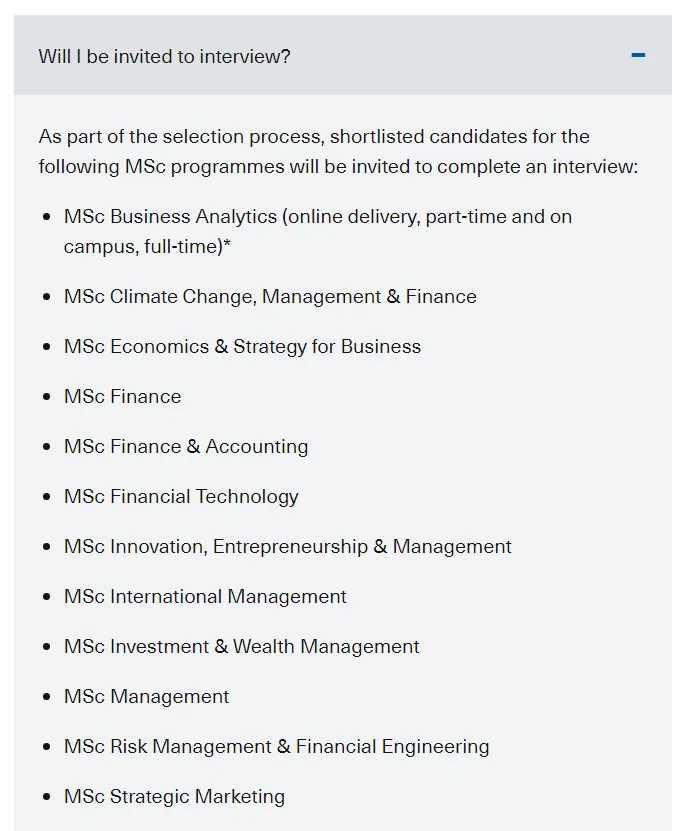
Only MSc International Health Management was missing from the list. However, on the IHM “How to apply” page, there is also a note about an interview.
How to Improve Your Chances for UK, Hong Kong, and Singapore Grad Applications
The UK, Hong Kong, and Singapore have always been known for short degree durations, prestigious universities, and favorable policies, which is why even with such intense competition, many international students still flock to them.
In such a fiercely competitive environment, how to boost your chances of admission to UK, Hong Kong, and Singapore programs has become the most vexing and urgent problem to solve.
Apply to Multiple Regions
Applying to multiple regions has become a major trend in recent years, and overall, the advantages are significant:
-
Combine applications across regions to increase your offer success rate
-
Mitigate the risk of sudden policy changes and always have a backup plan
-
Avoid letting slim chances derail your application timeline, and turn your safety options into real pathways
In short, applying to multiple regions widens your options and opens up more possibilities. The key is to understand the application characteristics of each region, plan wisely, and not choose blindly.
You can refer to CheersYou(清柚教育)’s comparison chart of graduate studies in the US, UK, Canada, Hong Kong, and Singapore to understand the similarities and differences among these popular destinations.
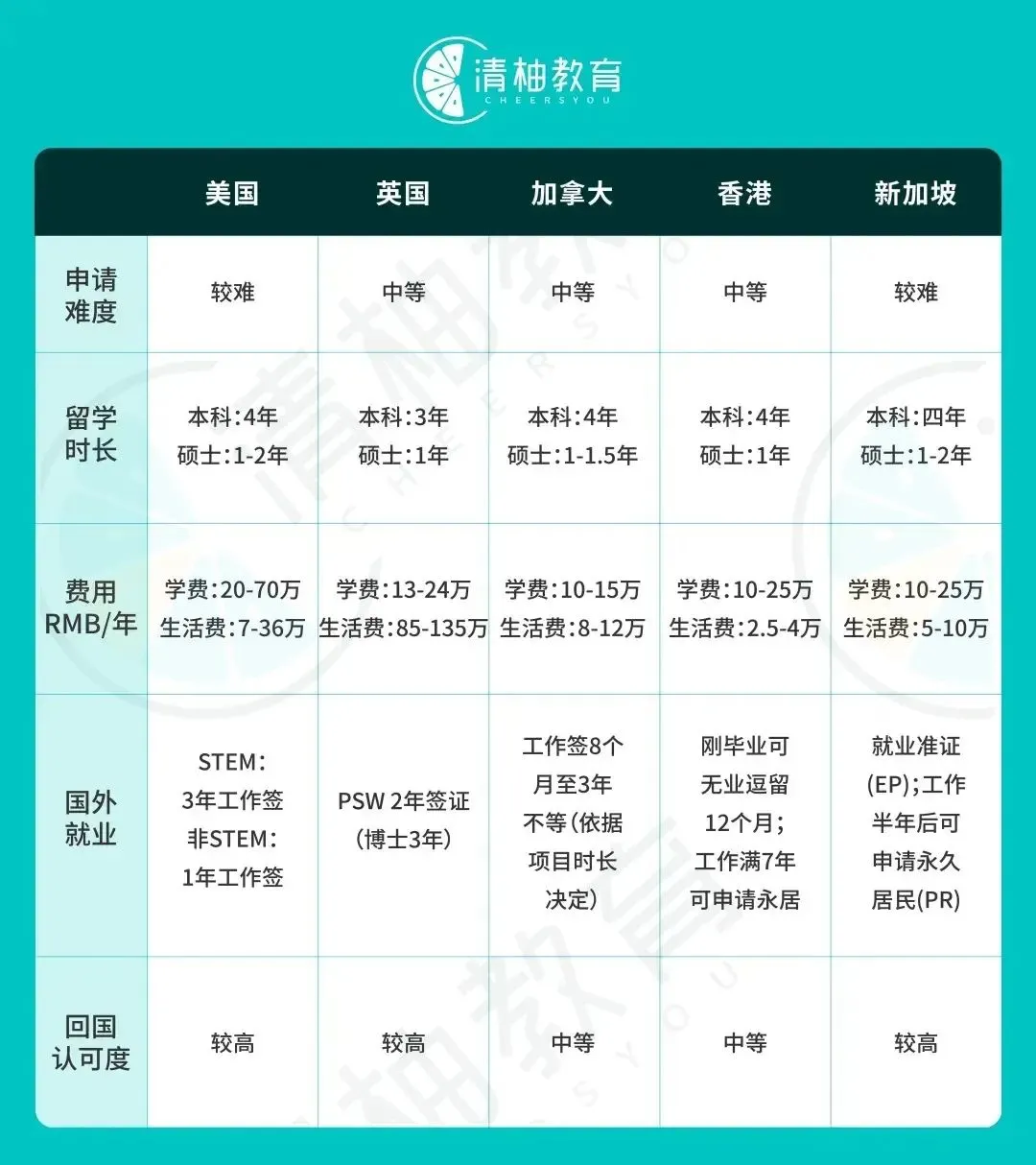
Choose Schools and Programs Strategically
Selecting schools and programs has its own art. Asking Google, digging through materials, or browsing Xiaohongshu might be doable, but “doing your homework” without a logical approach will only lead to wasted effort.
Today, CheersYou(清柚教育) has summarized four key factors you cannot ignore when choosing schools and programs.
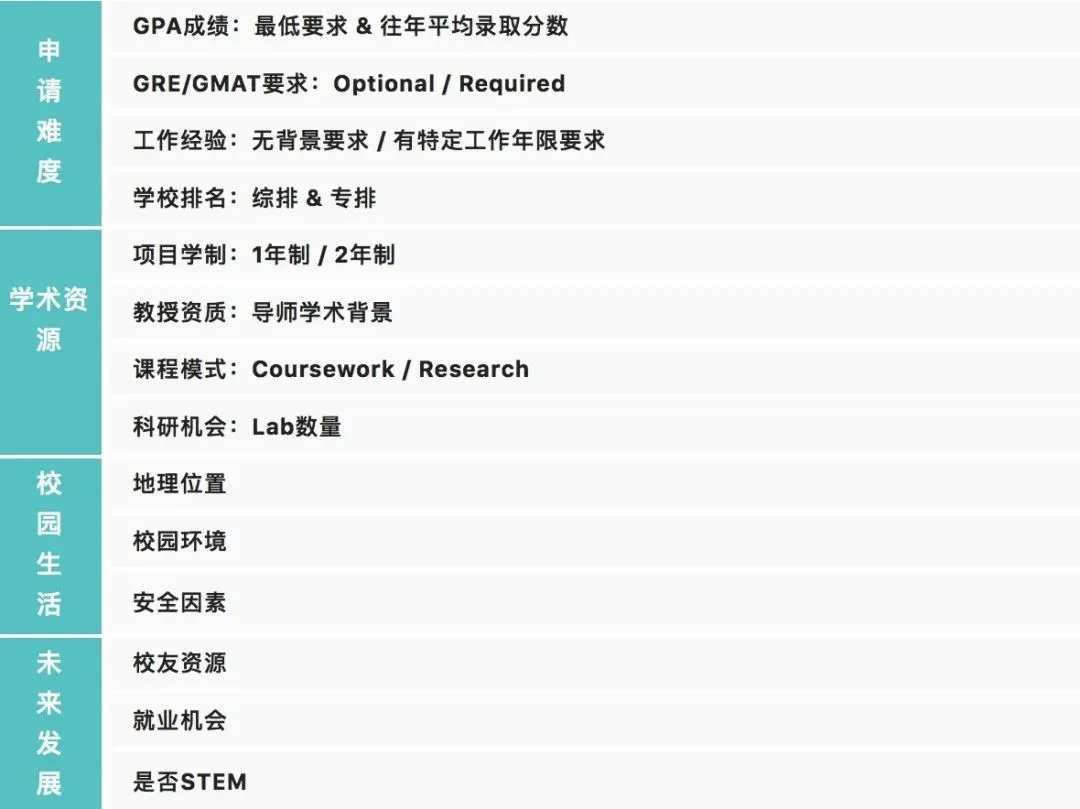
By matching and screening schools and programs based on these four aspects, you can efficiently finalize your choices in a targeted way that suits your profile and needs.
This approach avoids the pitfalls of a “spray and pray” strategy while significantly boosting your chances of getting into your dream school.
Plan Your Timeline Well
Whether you’re an early bird or a late starter, anyone planning to study abroad should have a detailed application checklist. Effective planning can make your journey twice as productive with half the effort.
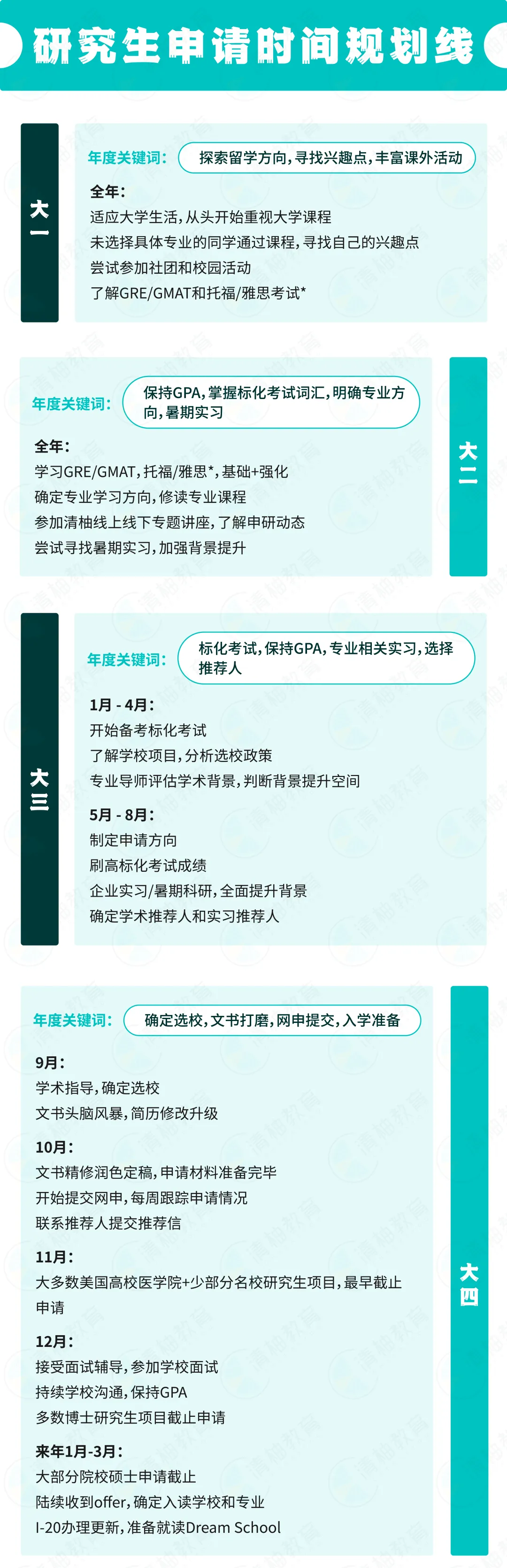
The path to graduate school is complex and winding. Ultimately, no matter whether you are applying to the UK, Hong Kong, and Singapore or other regions, you must know yourself and your opponent, and gain a thorough understanding before you apply.
We hope every student can take it one step at a time, move forward steadily, and not let your hard work go to waste this application season — may you all realize your dreams at a top university!