According to media reports, the University of California plans to build a new campus in downtown San Francisco.
Wait... is this going to be a turf war with the homeless?
UCSF Building a Campus: Saving Gotham?
The University of California has recently confirmed that they have been exploring the possibility of establishing a campus in downtown San Francisco.

San Francisco Mayor Breed stated that the new UCSF campus will benefit student housing, academic applications, and more.
"San Francisco, as the global capital of artificial intelligence, sees its AI talent primarily coming from nearby universities such as UC Berkeley."
Data shows that 20 of the world's top AI companies are located in San Francisco. San Jose State University professor Banafa believes these companies will benefit from a UC campus nearby.
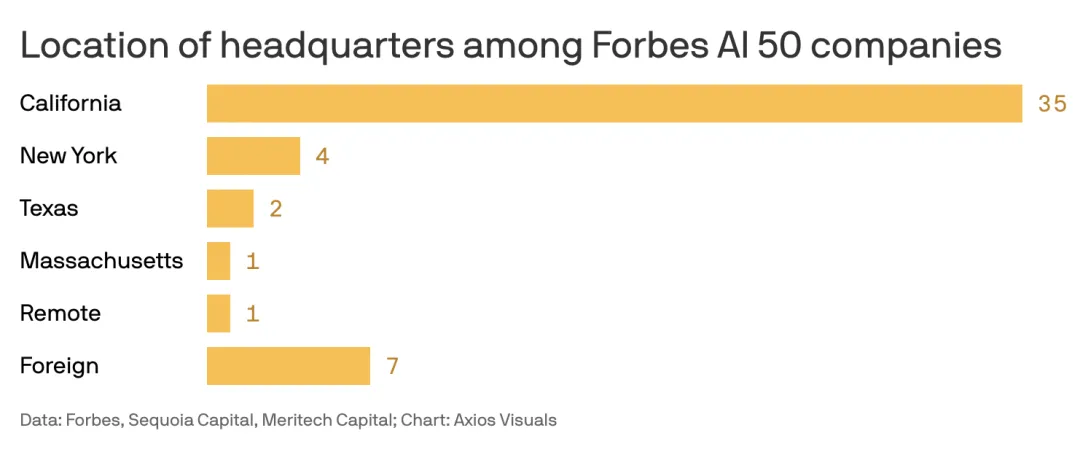
If UC opens a campus in San Francisco, it will make the city an AI talent training base, forming an education-to-employment pipeline and rapidly accelerating the AI R&D cycle.
Additionally, this will alleviate the shortage of dormitory resources in the UC system.
For the local government, companies, and the university, it’s a triple win.
As for the details of the new UC campus, officials say it's not yet convenient to disclose. On Reddit, the most popular wish is the Engineering School moving in.

But according to the teasers so far, since AI is the focus, it’s likely that Engineering, CS, and Business could be involved.

As early as last year, the mayor of San Francisco called for UC to build a campus downtown, and it seems she’s now getting her wish.

Mayor Breed said that UC's move into San Francisco will not only help cultivate talent in AI and biotech but also breathe new life into downtown San Francisco.
Over the past two years, San Francisco has almost become a crime capital, with homelessness, drug addicts, and smash-and-grab thefts being part of daily life.
Just last year, over 15,000 car break-ins occurred in San Francisco. Netizens joke that you haven't really been to San Francisco unless your car window has been smashed.
.gif)
According to statistics, 23 retail stores have evacuated downtown San Francisco, including well-known brands like Westfield, Nordstrom, Saks, Whole Foods, and Walgreens.
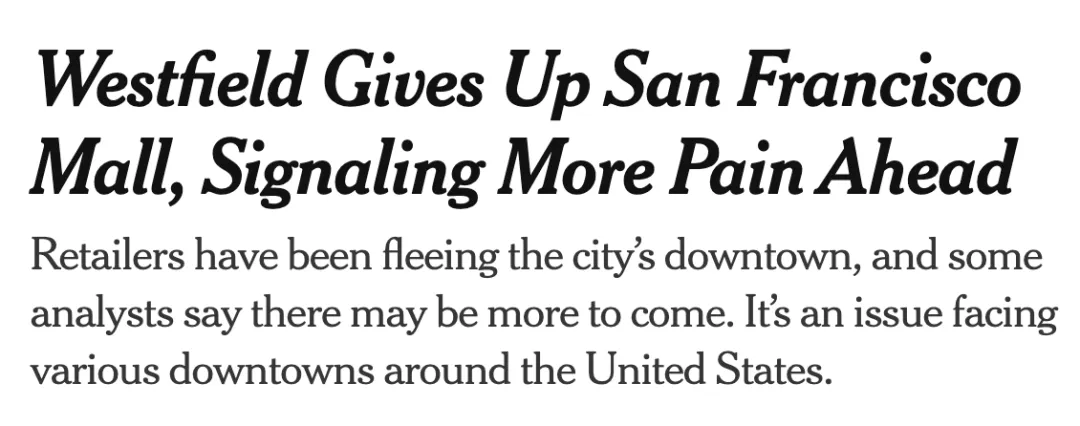
In an environment where businesses and companies are fleeing San Francisco and the commercial vacancy rate has hit 30%, UC's campus construction is undoubtedly a shot of adrenaline.
But asking UCSF to compete for space with the homeless is a pretty tall order.
Who would have thought it's not Batman saving Gotham City but wide-eyed students 😅
.png)
The Lavish Expansions of UC
In recent years, UC has been on a buying spree, with UCLA and UC Berkeley making especially big moves.
UCLA
Earlier this month, UCLA announced it would open a campus in downtown Los Angeles.
.jpg?x-oss-process=style/opt-webp)
Reportedly, UCLA spent $700 million to purchase the long-closed Westside Pavilion shopping mall. The roughly 700,000-square-foot, three-story building will be transformed into a medical and engineering research center.
The newly built UCLA Research Park will house two multidisciplinary research centers: the Institute of Immunology and the Quantum Science and Engineering Facility.
The new building, adjacent to UCLA's main campus, will become the university's most advanced research and innovation hub, bringing together academia, corporate partners, government agencies, and startups to explore innovative research and breakthroughs.
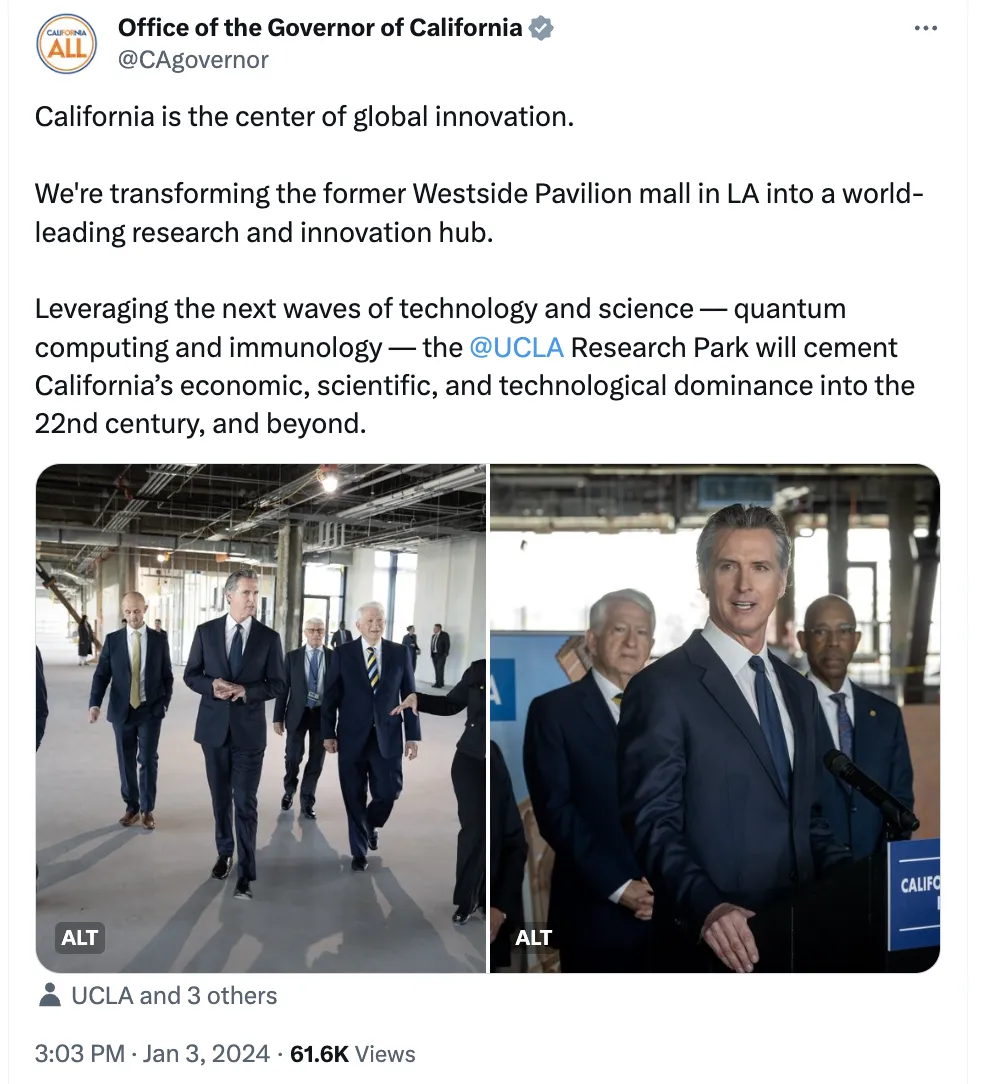
UCLA is one of the universities with the highest number of applicants in the U.S., and this major purchase marks the third significant acquisition by a Los Angeles public university in the past two years.
It is said that the acquisition was led by Google. Google had signed a 14-year lease with the developer in 2019 and had already started renovations but failed to complete the relocation due to the pandemic and economic factors. Now that UCLA has purchased it, it's a win-win-win.
UC Berkeley
UC Berkeley plans to jointly build an aerospace innovation center with NASA.
Last October, the Berkeley Space Center announced it would lease a 36-acre site from NASA in Mountain View to create 1.4 million square feet of research space.
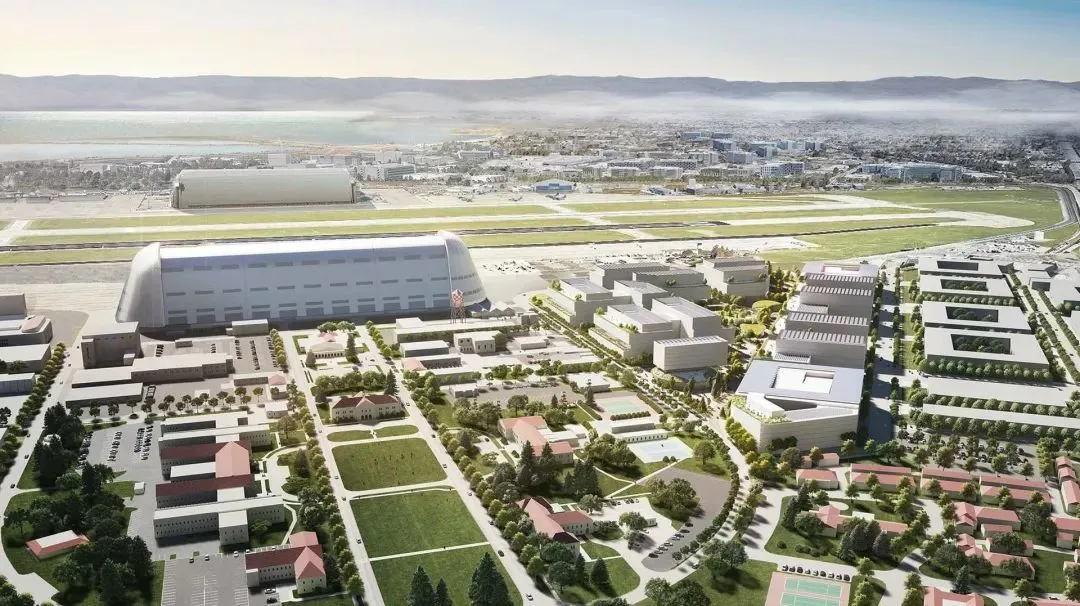
The new facilities are expected to be operational as early as 2027 and will not only provide state-of-the-art R&D labs for corporations and UCB researchers but also serve as classrooms for UC Berkeley students. Students will benefit from the entrepreneurial culture of Silicon Valley and have close access to top American aerospace and AI scientists and engineers.
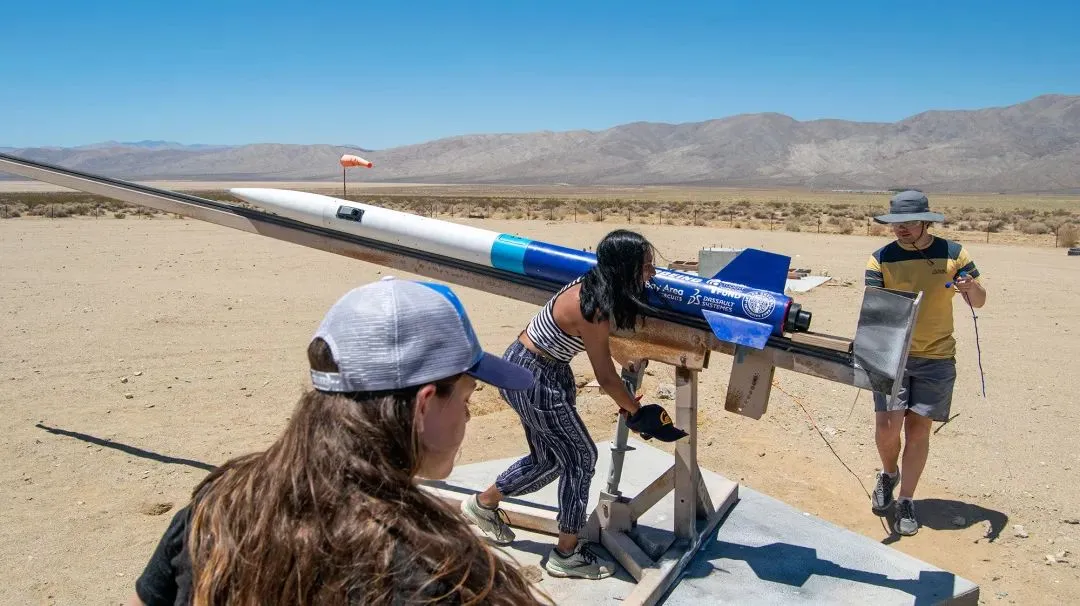
NASA officials said NASA's mission is to inspire the next generation of explorers and bring research technology to the public. A partnership between NASA and one of the nation's top public universities would be mutually beneficial.
Professor Bayen of UC Berkeley's Electrical Engineering and Computer Sciences noted that the university hopes to create an industry consortium, especially in areas like autonomous aviation, space bioengineering, remote sensing, data science, and computer science. As research and teaching activities progress, the center could potentially become a new UC Berkeley campus.
It is reported that Carnegie Mellon University already has a building there. With UC Berkeley and possibly Stanford joining, the area's academic research capabilities will be greatly enhanced.
US Universities' Buying Spree
In fact, many top US universities are purchasing buildings and expanding.
NYU has campuses in the Middle East, Asia, and Europe, and built a new building in Soho, New York 👇

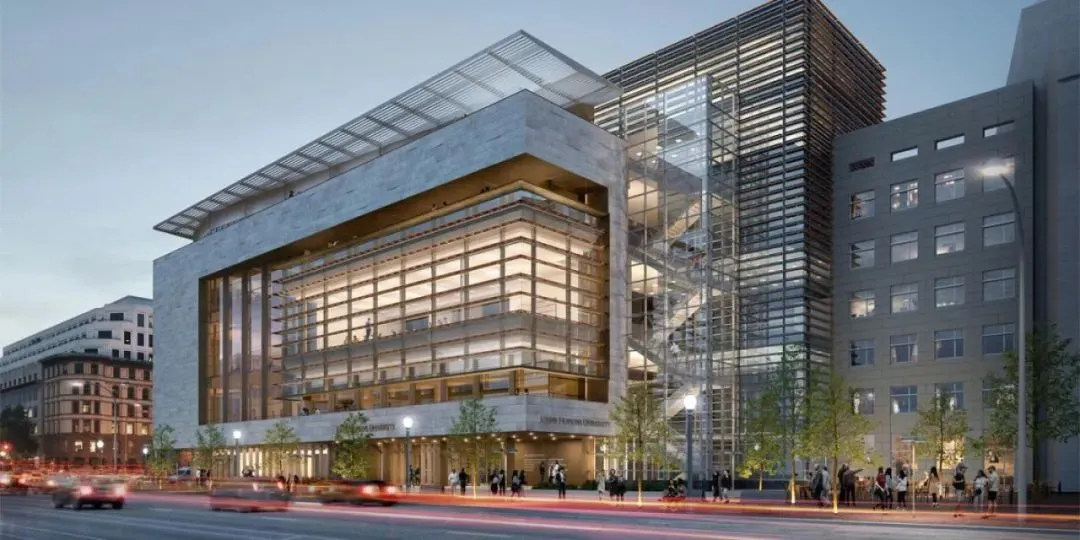
Johns Hopkins opened a new campus in DC, right across from the White House 👇
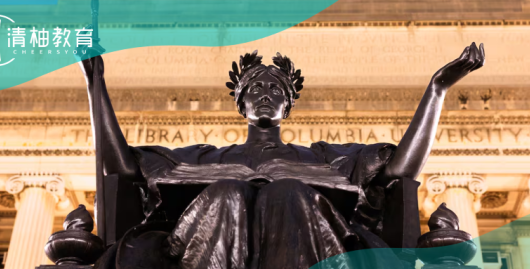
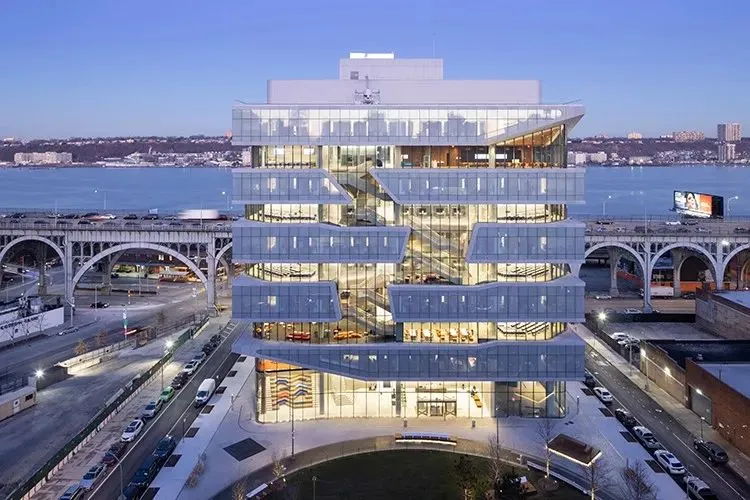
Columbia University's Manhattanville campus reportedly cost $6.3 billion 👇
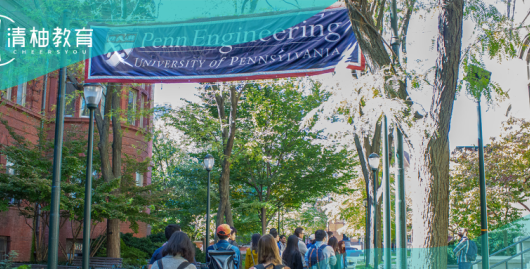
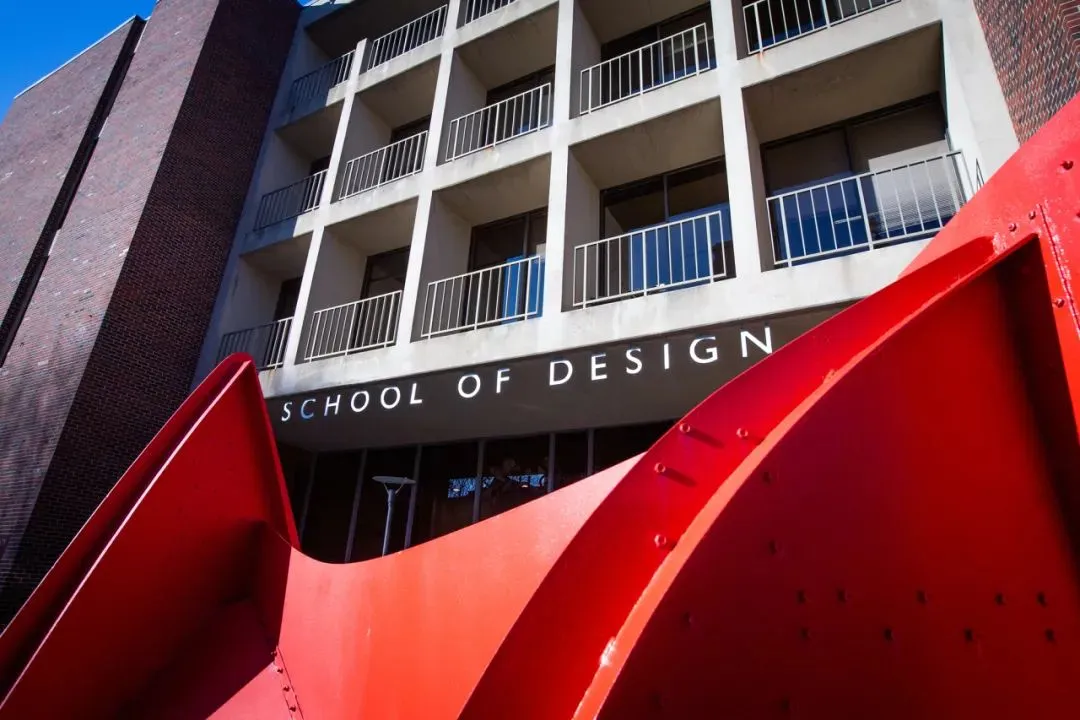
UPenn's School of Design has also bought a new building in the last couple of years 👇
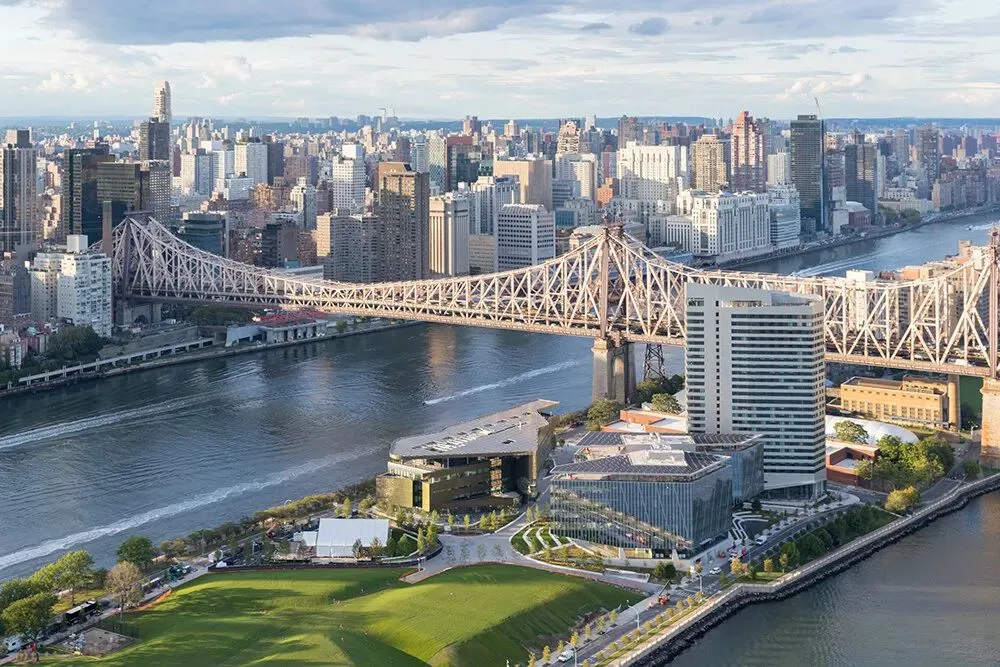
Cornell has established a second campus on Roosevelt Island.
So why are schools constructing new buildings and campuses?
First and foremost, these schools are indeed flush with cash. The endowments of the aforementioned universities total tens or even hundreds of billions of dollars.
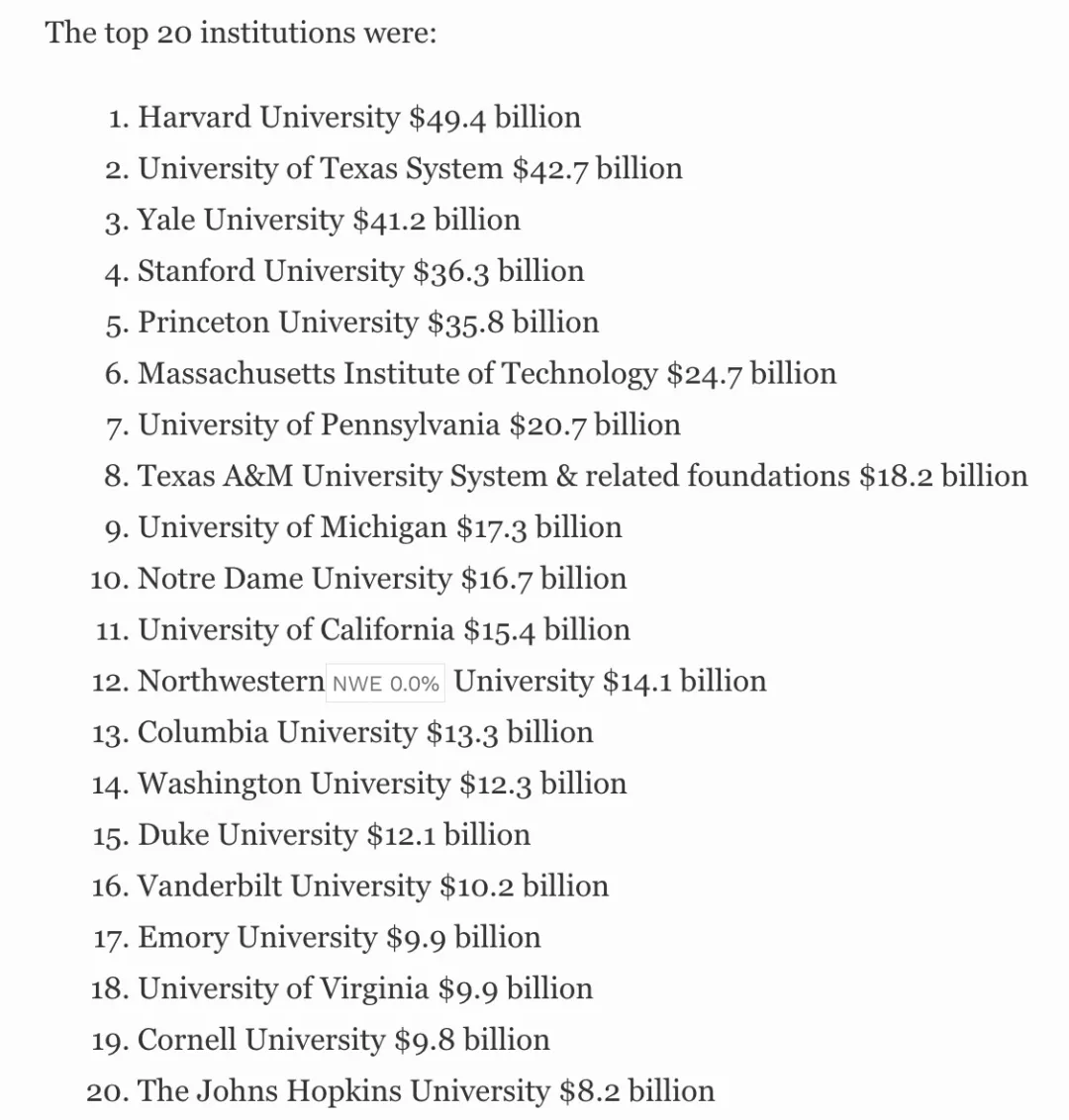
Strong financial resources not only help improve facilities and faculty, providing students with a better learning experience, but also lead to higher rankings, thereby attracting more high-quality applicants. These top graduates can then give back to the school.
Moreover, the arrival of universities boosts the local economy and employment, enhances research and innovation capabilities, and injects new vitality into the city. Whether it's UCSF building downtown in San Francisco or UCLA buying a building in downtown Los Angeles, it will be a win-win for the school, the local government, and businesses.
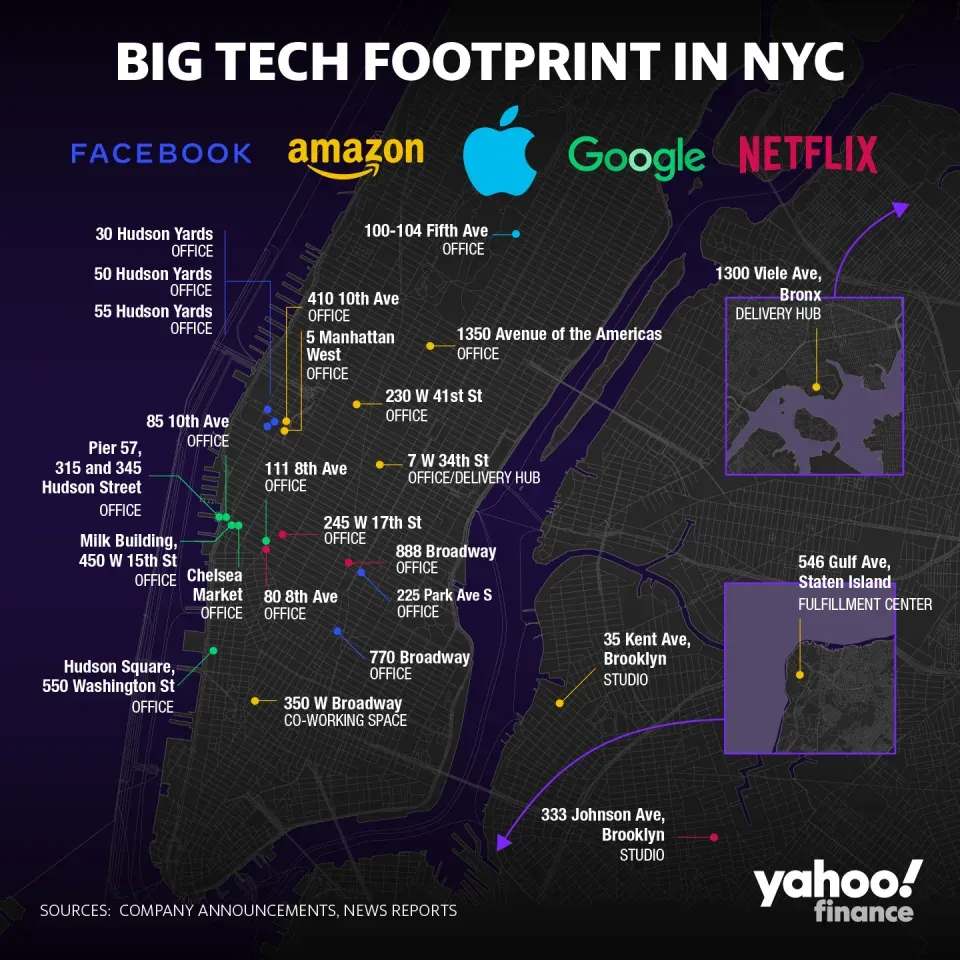
For instance, in the past two years, tech giants have been flocking to New York. Google, Apple, Meta, Amazon, and other tech companies have purchased buildings or signed leases in New York. The eastward move from Silicon Valley is inseparable from the talent pipeline from top universities like Columbia and NYU, forming a virtuous cycle.
Additionally, behind the buying and expansion spree of US universities is the driving force of enrollment expansion.
In recent years, applicants have been converging on top schools. Elite universities see record-breaking early decision applications every year, making admissions fiercely competitive. Ivy League acceptance rates have repeatedly hit new lows, and a spot in a UC school is highly sought after.
Since UCLA's applicant pool exceeded 100,000 in 2017, applications have risen year by year, reaching nearly 150,000 for Fall 2023. However, the admission rate has steadily declined, dropping from 17% to 9%.
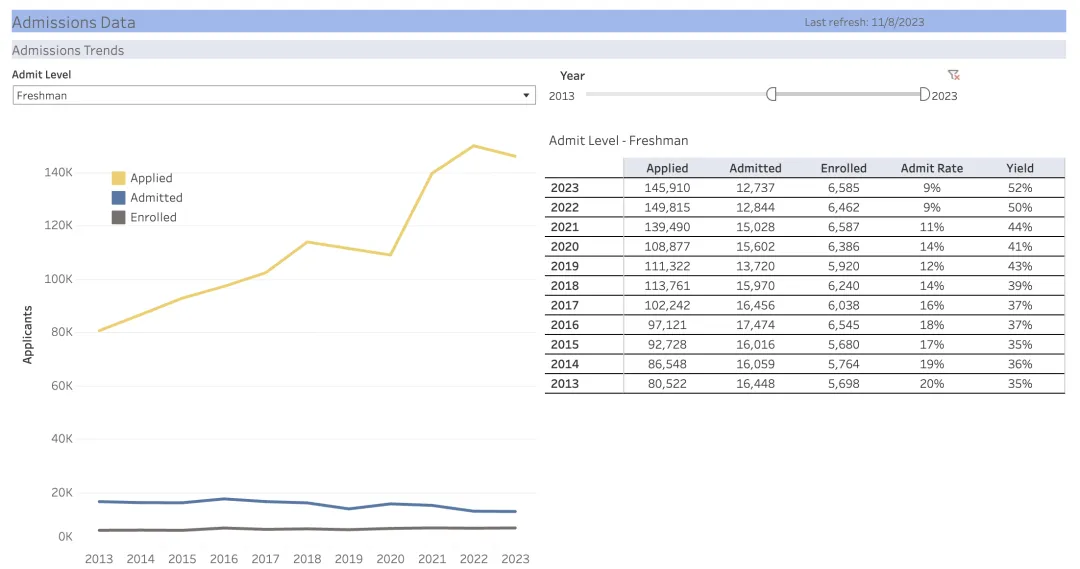
The imbalance between demand and available spots at elite universities makes expansion and increased enrollment inevitable.
This series of building purchases and campus constructions by UC demonstrates their determination to attract more top-quality students.
Students planning to apply to UC this year, especially those in engineering, should go for it!