
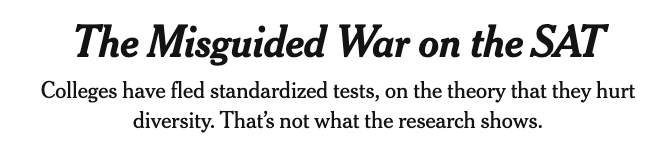
Just after the New Year, The New York Times published a feature on the SAT, noting that “more and more experts and university administrators suspect that making the test optional was a mistake.”
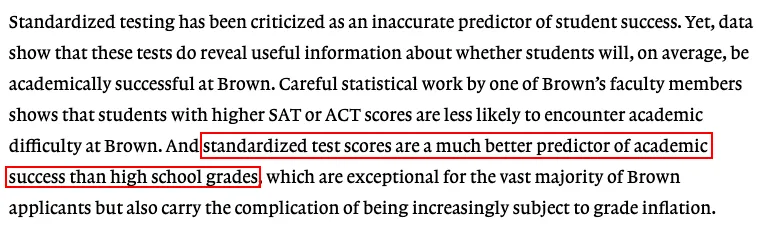
The president of Brown University directly stated that “standardized test scores are better predictors of academic success than high school grades.”
“To Test or Not to Test”—the 2025 application cycle may see new developments and adjustments.
.png)
Why Universities Want to Reinstate Testing Requirements
The New York Times also provided the following analysis on why education experts and admissions officers want to bring back SAT/ACT requirements.
Test Scores Are More Reliable Than High School GPA
Many educators argue that standardized test scores are more reliable than high school GPA, better reflecting students' true abilities and predicting their academic performance in college.
In recent years, grade inflation has become increasingly severe. If everyone gets an A, what is that A really worth? This is one of the headaches many colleges face in admissions.

Stuart Schmill, director of admissions at MIT, noted that “a straight-A high school GPA is not enough to prove that a student will succeed in college.” MIT is one of the few schools that have reinstated mandatory testing requirements.

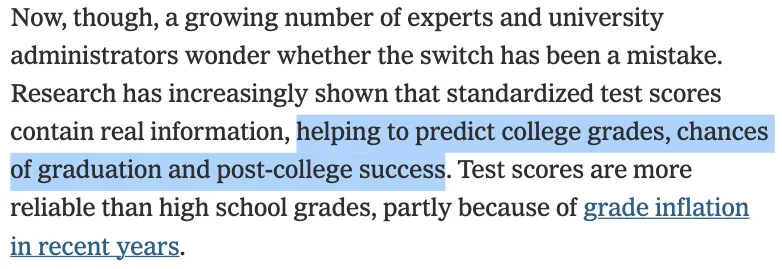
Based on years of admissions data, officers have also found that test scores help predict students' college grades, graduation rates, and post-graduation success.
Test Scores Closely Linked to College Performance, Graduation, and Employment
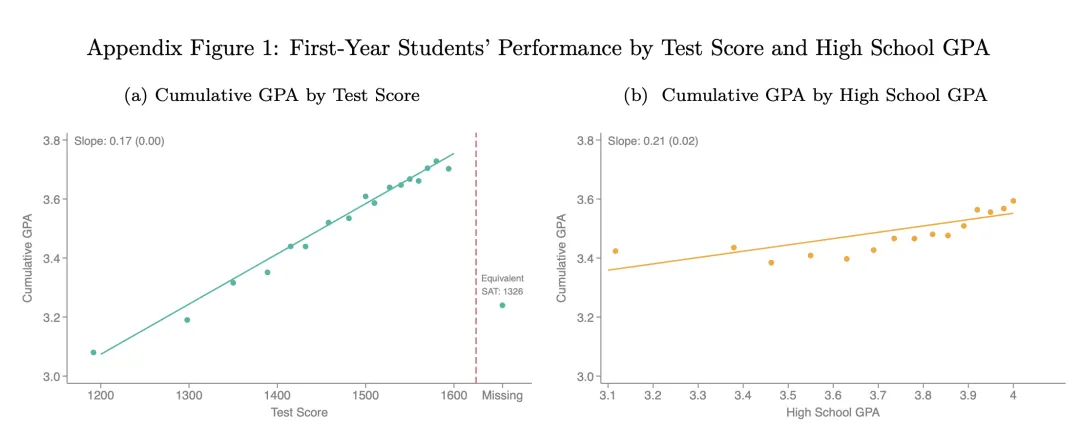
A study last year by Opportunity Insights on Ivy Plus universities (the eight Ivies plus Duke, MIT, Stanford, and UChicago) found:
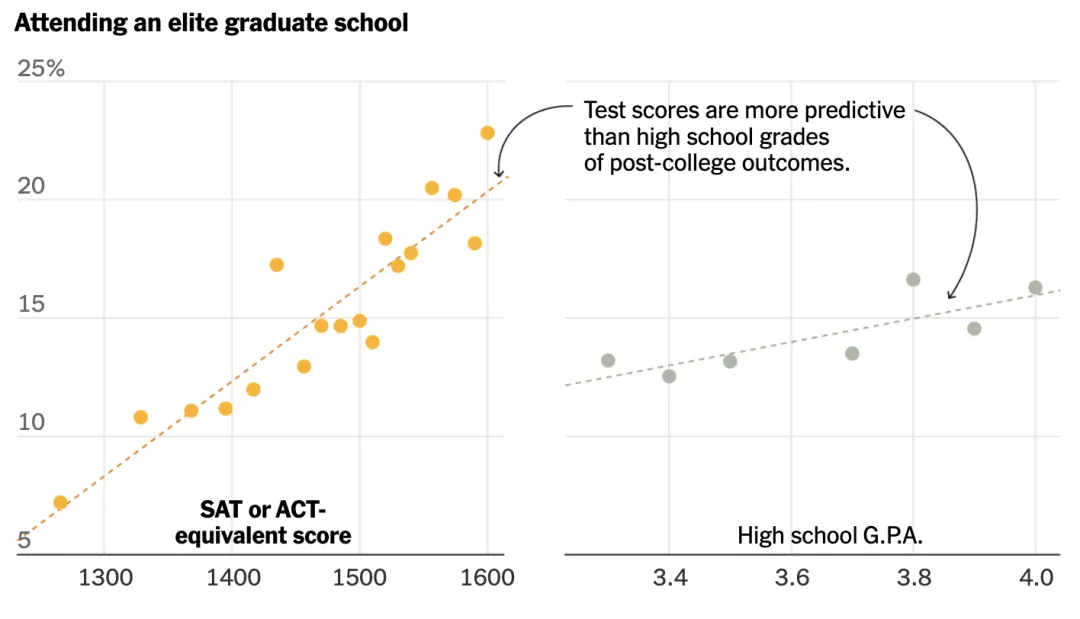
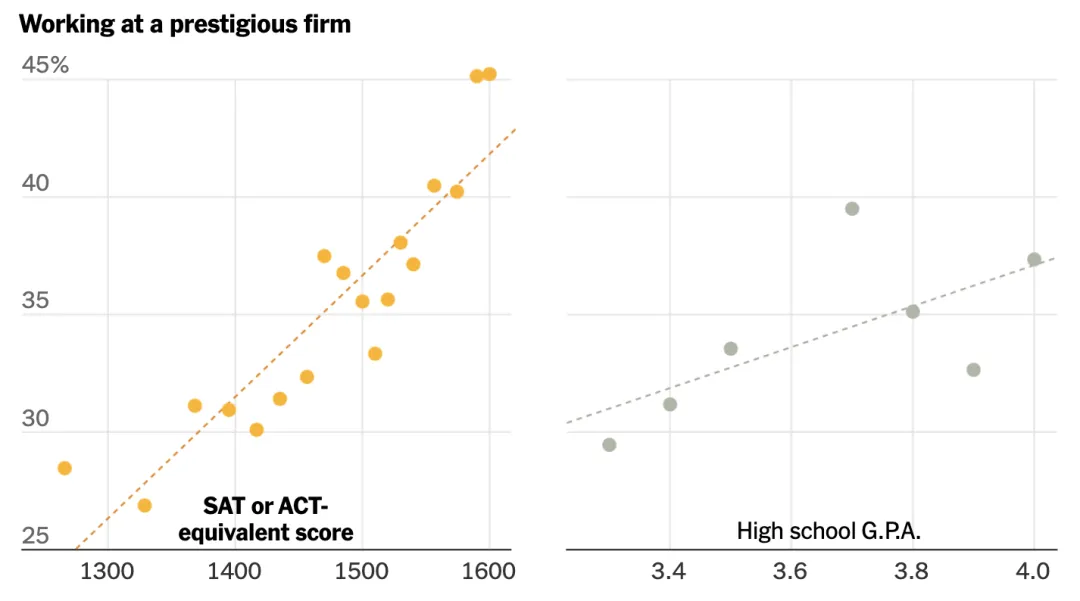
Standardized test scores are far better than high school grades at predicting whether students will excel in college, get into top graduate schools, or be hired by their desired companies.
Students with higher test scores tend to have better freshman GPAs and overall college performance. Those who did not submit scores often performed similarly to low-SAT students, struggling in college.
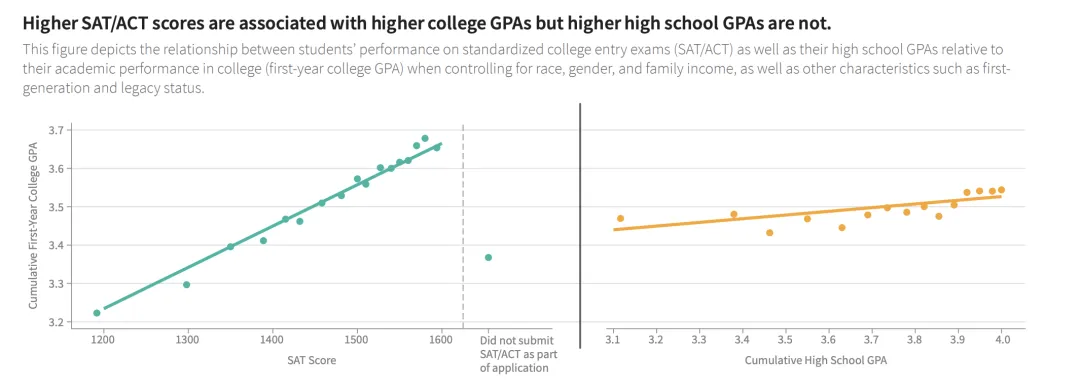
Additionally, admission to elite graduate schools and landing top company offers are even more strongly correlated with test scores.
Considering Test Scores Helps Build a Diverse Campus
Harvard economist Deming believes that “without test scores, the most affected are actually students from relatively unknown high schools who achieve high scores, schools that rarely send students to the Ivy League.”
Students from under-resourced areas or minority backgrounds who could have scored well on the SAT now have “this opportunity for change taken away, which may backfire and hurt these disadvantaged groups.”
Some university administrators believe the SAT does not help them identify outstanding students. Yet evidence suggests that using standardized tests as the only admissions factor could actually promote both excellence and diversity.
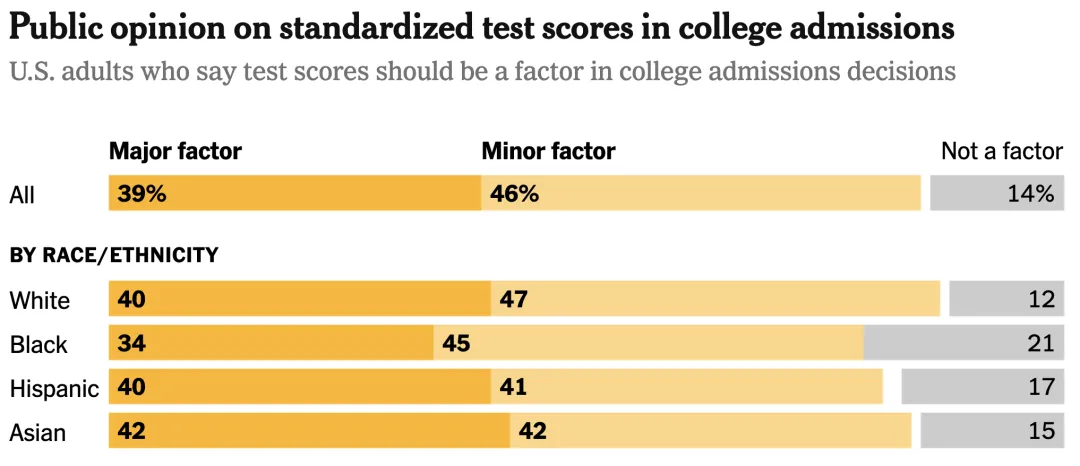
Moreover, most white, Black, Hispanic, and Asian Americans support including test scores as one factor in college admissions.
A Pew Research Center survey shows that 39% of respondents believe test scores should be a major factor in admissions, 46% a minor factor, and only 14% say they are irrelevant.
U.S. Undergraduate Admissions Testing Policies Remain Unsettled
Opinions differ on whether testing is necessary, and policies remain far from unified.
Some schools require scores, while a few have completely eliminated them. Most institutions are still on the fence—currently test-optional, but have not made a final decision on testing policy.
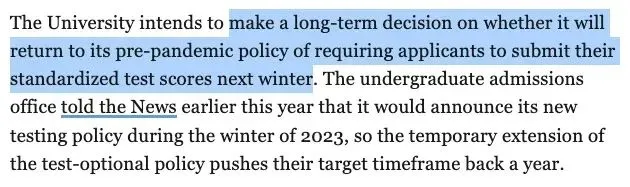
Yale’s undergraduate admissions office stated that “the early applicants of 2023 may be the last group to have a test-optional choice,” and a long-term testing policy will be announced early this year. This suggests that Yale may reinstate SAT/ACT requirements for the next application cycle.
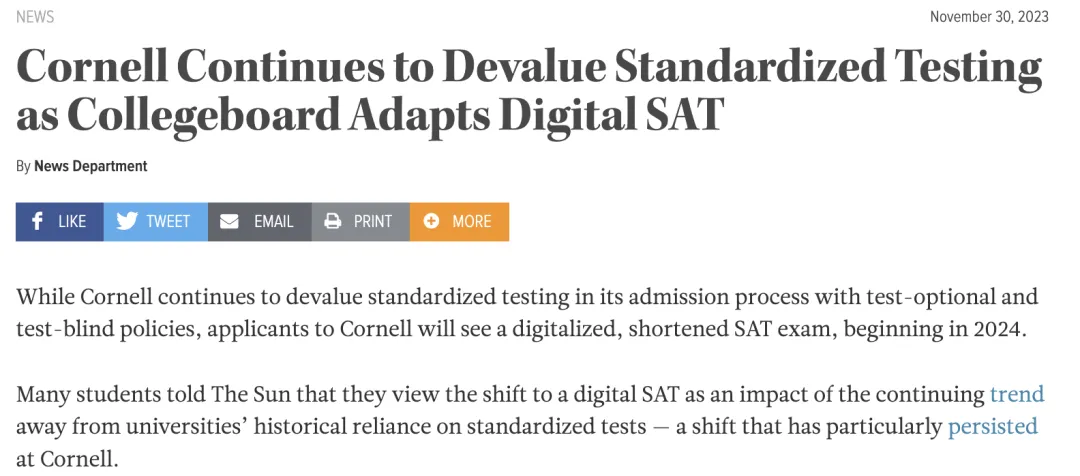
Cornell’s undergraduate admissions office indicated that “the digitization of the SAT will continue to reduce the role of test scores in admissions.”
Currently, some U.S. universities’ testing policies are as follows:
Test Scores Required
-
Purdue University
-
Massachusetts Institute of Technology
-
Georgetown University
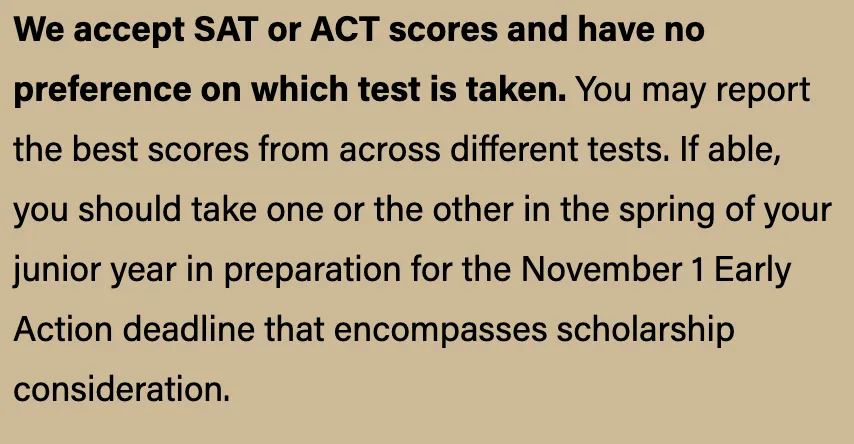
Test Scores Optional
-
University of Illinois Urbana-Champaign
-
New York University
-
University of Southern California
-
Boston College
-
University of Chicago
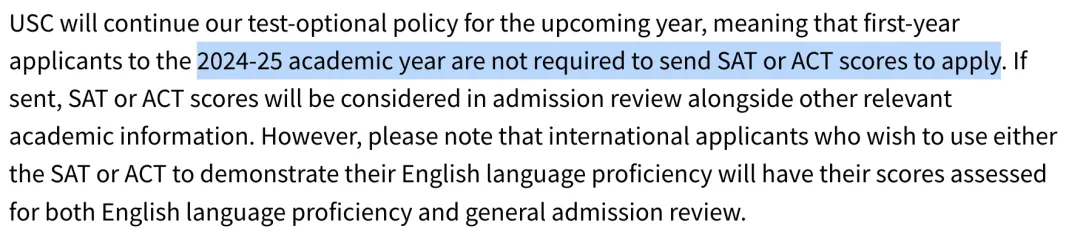
Test Scores Not Considered
-
University of California, Los Angeles
-
University of California, Irvine
-
University of California, San Diego
-
University of California, Santa Barbara
-
University of California, Berkeley
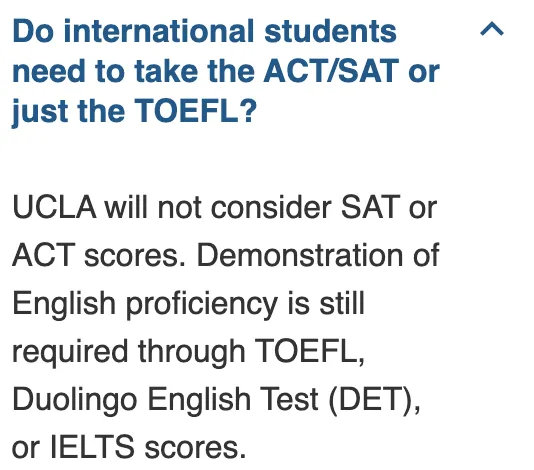
While most schools remain test-optional, submitting SAT scores can still be a factor in admissions, boosting competitiveness.
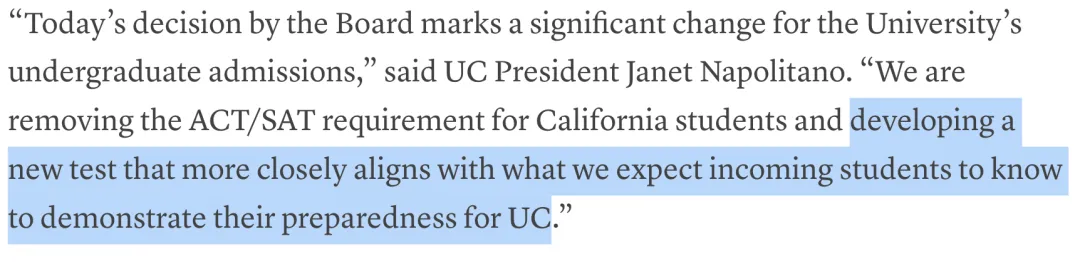
Even the UC system, which has permanently abandoned SAT/ACT, has not stopped testing altogether. They plan to introduce their own required test in the future.
Why You Still Need to Prepare for the SAT
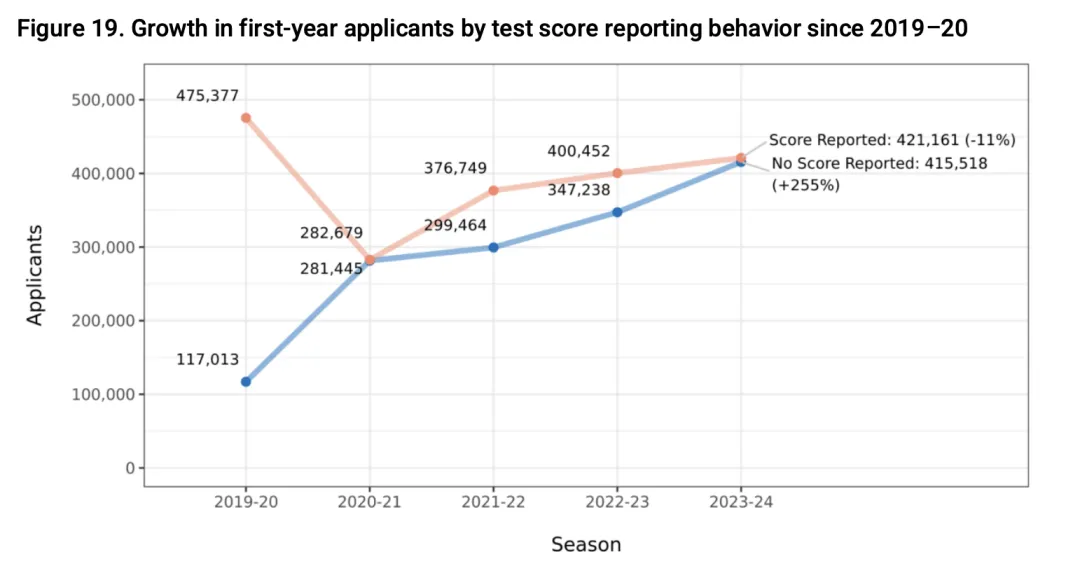
Undergrad applications grow more competitive each year. Even without a requirement, over 420,000 applicants submitted test scores this year.
Some people constantly complain about standardized tests, calling them unfair, but then secretly compete and quietly get high scores. The ones who get hurt are the naive fence-sitters.
According to recent enrollment data, even at test-optional schools, more admitted students have SAT/ACT scores. Universities’ so-called “political correctness” may ultimately be just a facade.
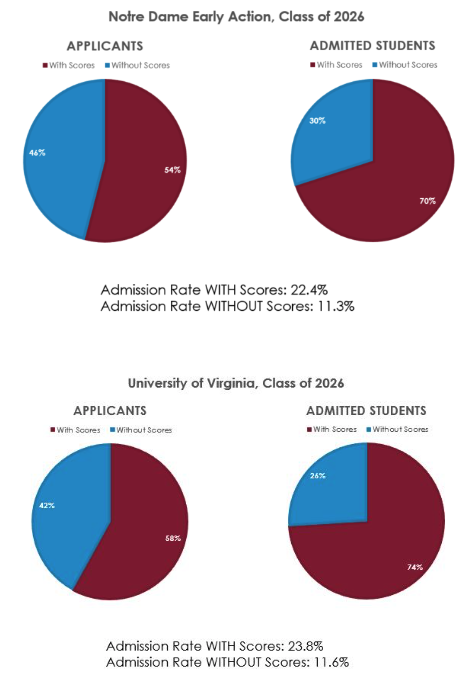
When everyone gets A’s and backgrounds look alike, SAT scores may be the factor that helps admissions officers make the final call.
With testing possibly making a comeback this application cycle, a good score means more options in choosing schools.
Also, when high school profiles are similar, having a strong test score can help you stand out in fierce competition, especially in early action/decision rounds, and improve your chances at top schools.
In short, test scores not only reflect academic ability but also demonstrate thinking and logic—a powerful showcase of “hard power” to admissions officers.
CheersYou(清柚教育) also advises applicants for the new cycle: if you have enough time, don’t give up the chance to achieve a strong score.
It is a widely accepted fact that U.S. undergrad admissions are getting harder.
Besides testing, every step requires serious effort and thorough preparation. We wish everyone success in receiving their dream offers this application season!