If anything is harder than the 24fall application season, it’s probably the 24fall CS applications! Just looking at the rejection letters recently posted by top students for CS programs, you can feel the ferocious competition in computer science admissions!
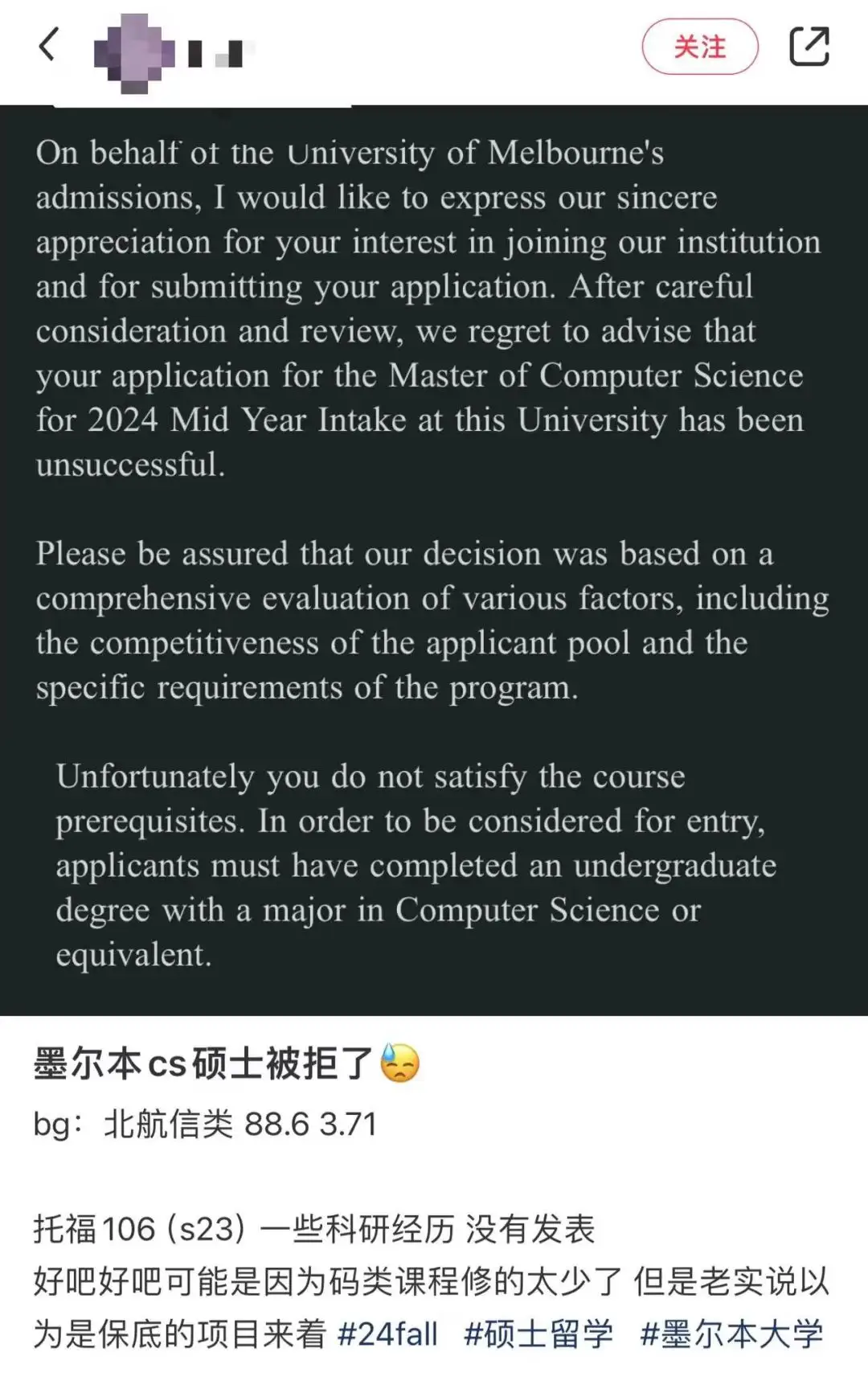
But the increasing application difficulty is actually a minor matter. Recently, many U.S. schools have started imposing restrictions on transferring to or changing majors into CS, and some policies are even directly targeting Chinese international students!

.png)
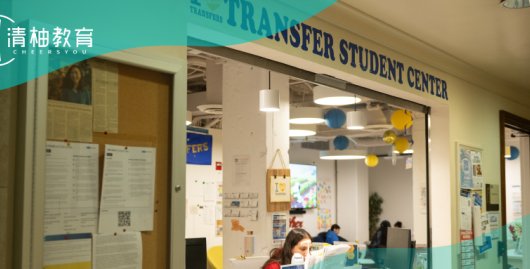
Georgia Tech Bans On-Campus Transfers to CS
Recently, Georgia Tech, one of the "Big Three" tech schools in the U.S., announced on its website: "Due to the overwhelming number of students applying for CS, incoming freshmen for Summer 2024, Fall 2024, and thereafter will not be able to transfer internally into the CS program."
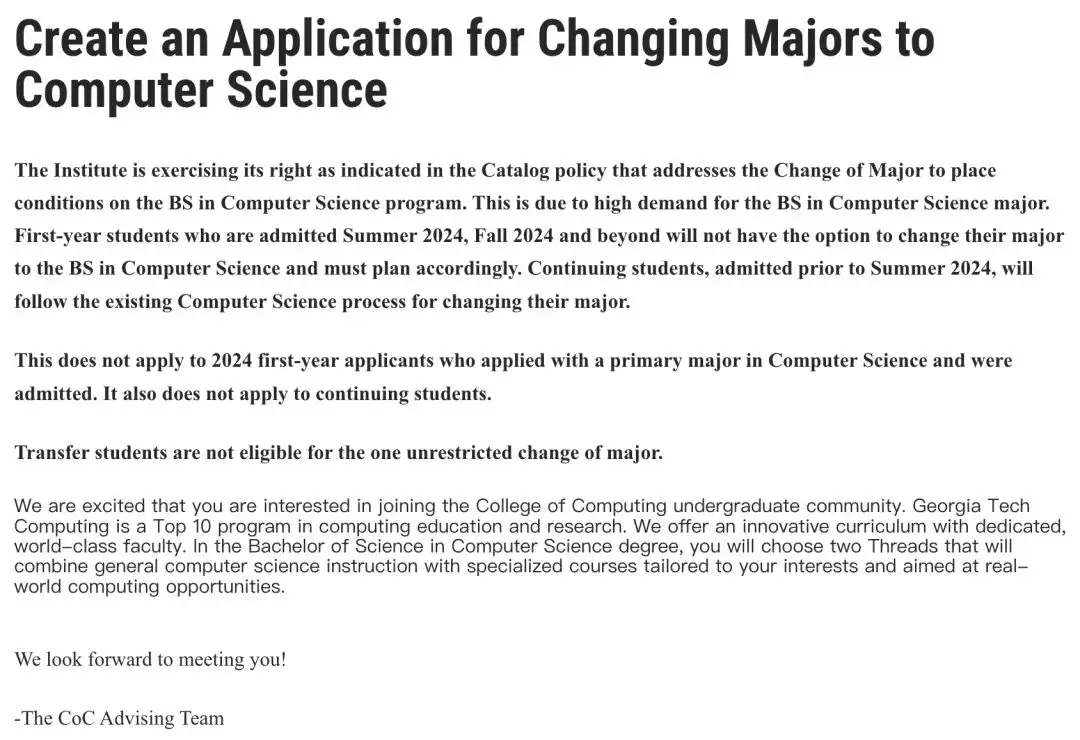
This came as a shock to many students who opted for a roundabout strategy, hoping to transfer or change majors internally to enter the CS program.

In fact, Georgia Tech isn't the first to restrict CS transfers. Many top-50 tech powerhouses, including UC Berkeley and the University of Michigan, Ann Arbor, have either raised the bar for transferring into CS or outright cut off internal transfer pathways.....
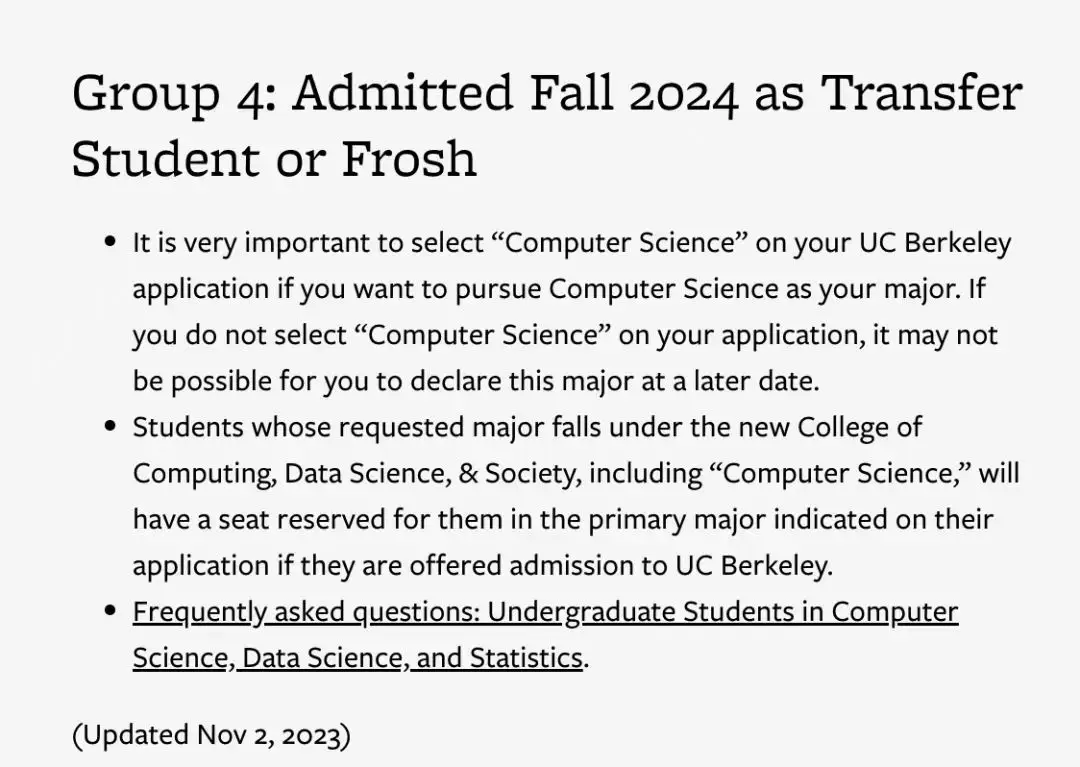
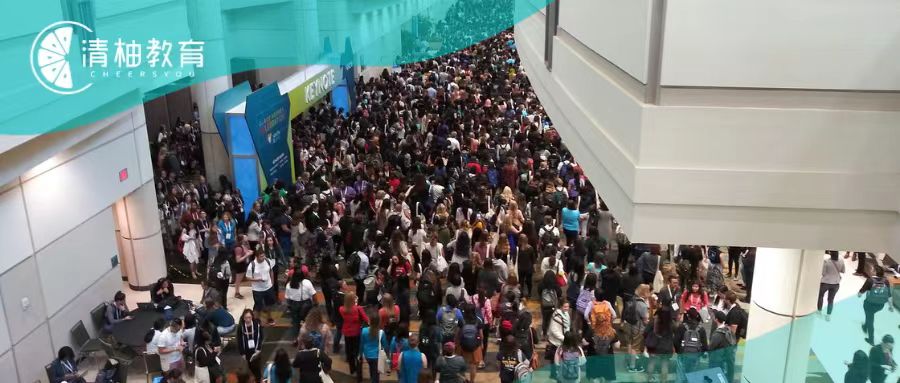
The main reason behind this is the overwhelming popularity of CS-related majors, which has directly led to overcrowding in CS programs at top tech schools.
At UC Berkeley, the CS student body surged from 400 to 1,400, with this single major accounting for 15% of the university's undergraduate students…
According to data from the Open Doors Report, approximately 240,000 international students were studying computer and math-related fields in the U.S. during the 2022–2023 academic year—nearly a quarter of all international students.
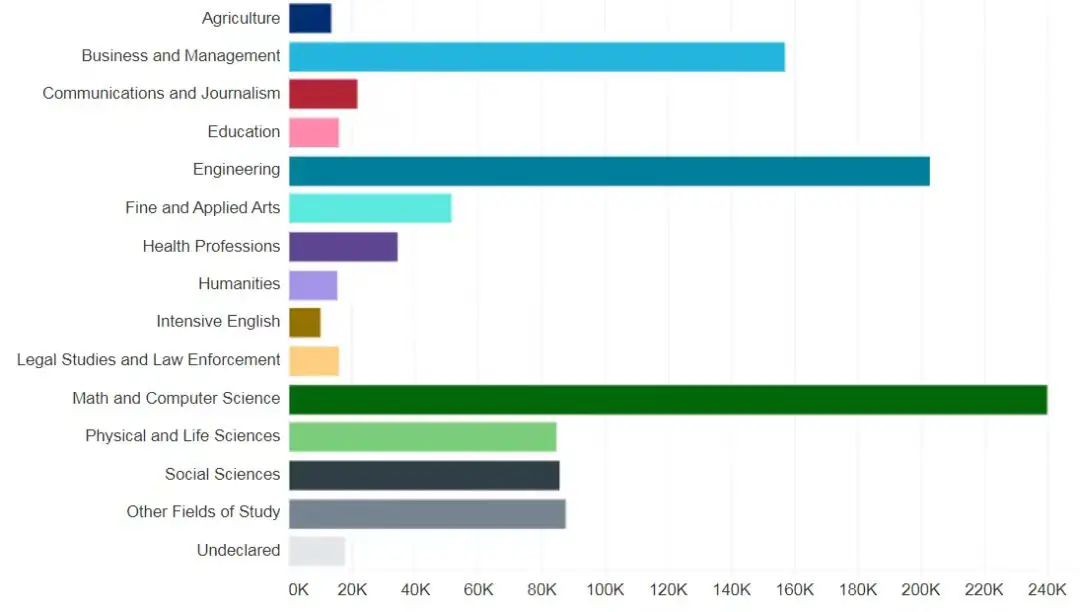
All this is in the hope of easier immigration and employment in the future!
However, with the saturation of the North American job market and ever-changing policies, landing a job easily through a career switch to tech is probably not as simple anymore.
Tough CS Job-Hunting Season and Policy Impacts
2023 can be described as the toughest CS job-hunting season in North America. Not only did the fall recruitment by big tech companies start a full month later than last year, but many positions were quietly taken down even before the application deadline.
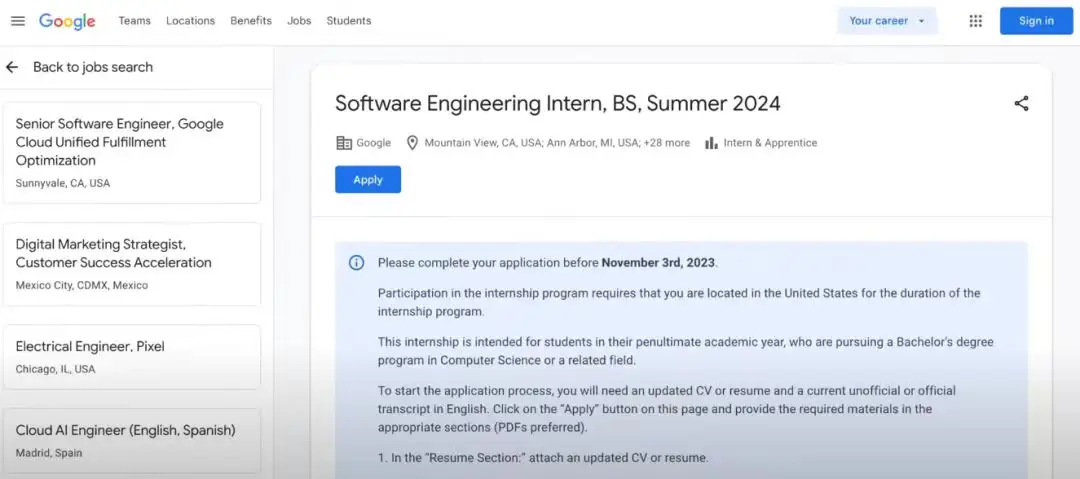
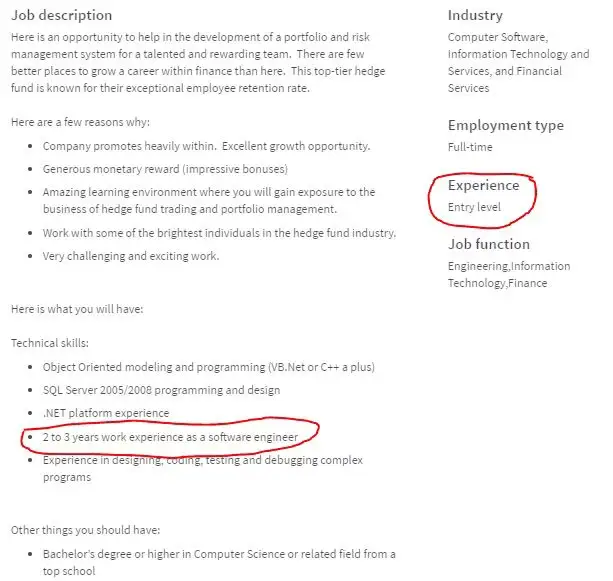
Even many entry-level jobs require 2–3 years of work experience.
A large number of fresh graduates face rejection after rejection in their interviews. Some have sent out over 400 resumes without hearing back, and many new grads are forced to delay graduation because they can't find a job…
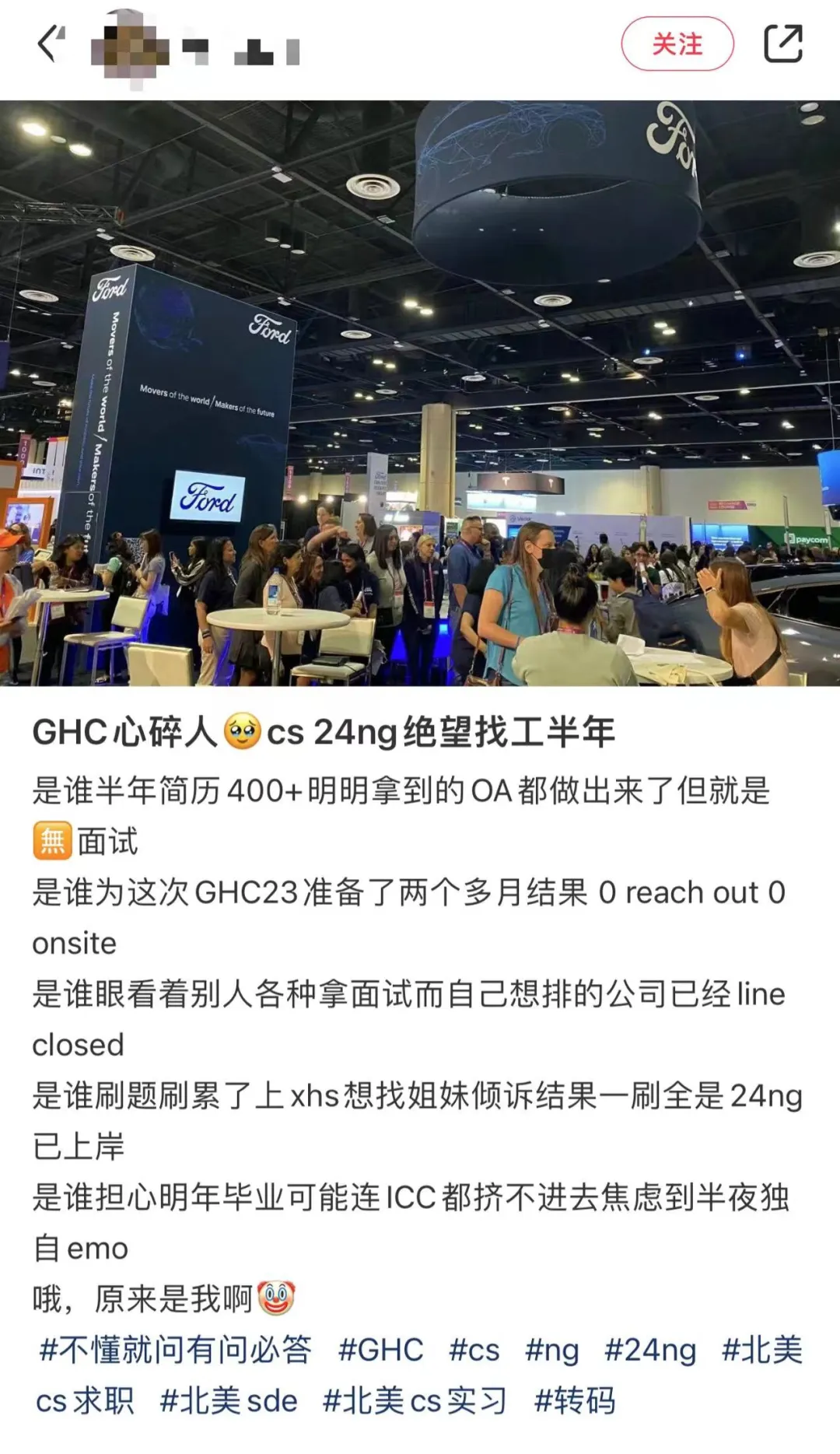
It's safe to say that relying on a career switch to CS to stay in the U.S. is getting harder and harder. Besides the tough job market, the ever-changing policies influenced by the international situation are also affecting many international students!
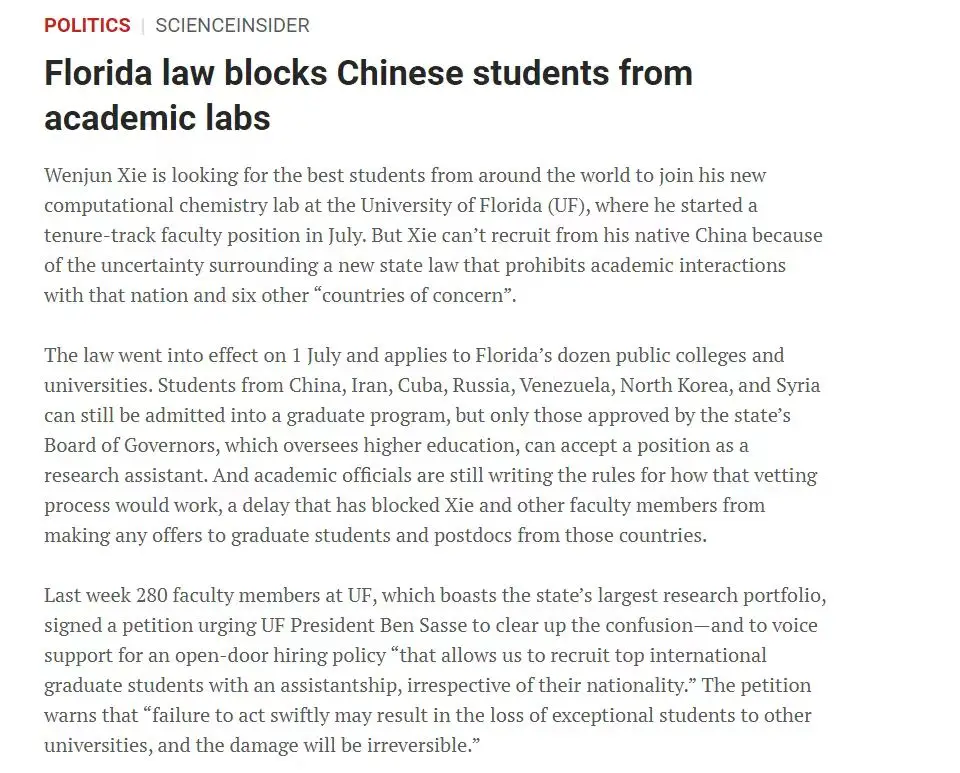
Recently, a Chinese international student who was admitted to a computer science PhD program at a public university in Florida for Fall 2023 revealed on social media that because of Florida's new legislation, he had been undergoing background checks and, unable to secure a tuition waiver, might have to take a gap year or even transfer.
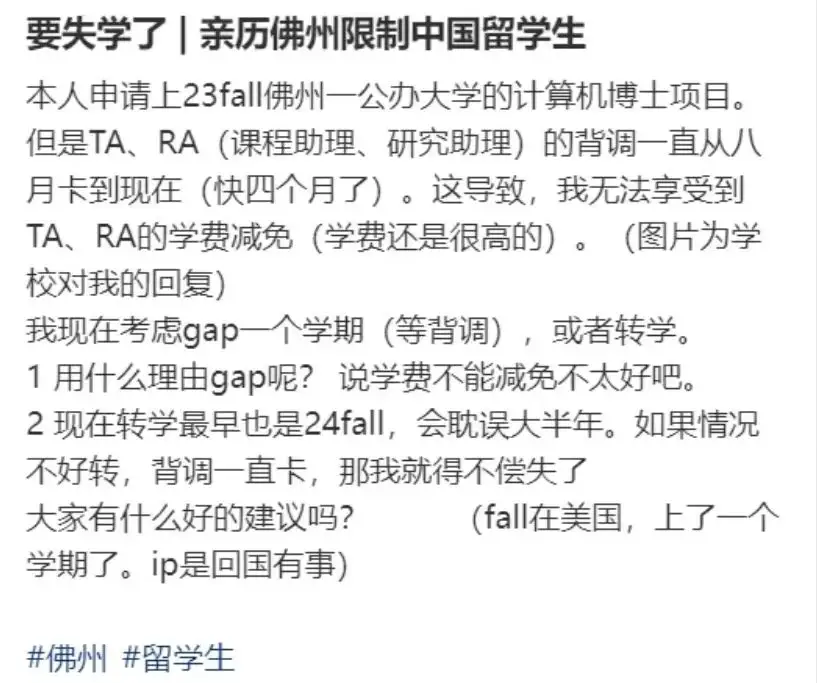
And the new bill passed in Florida last year precisely restricts its public universities from admitting graduate students and postdoctoral researchers from countries like China, especially in science, technology, engineering, and math fields.
Popular Study Destinations Roll Out 'Push-Out' Policies
It must be said that these policy changes have a huge impact on international students. Nowadays, it's not just becoming harder to settle down in the U.S.; many countries seem to be rolling out expulsion policies one after another.
Canada Announces New 'International Student Cap' Policy
Canada's immigration department announced a new "International Student Cap Plan" last month!
Canada will reduce the number of study permits by 35%, meaning the cap for 2024 will be set at 364,000, and the limit for 2025 will be reassessed at the end of this year.
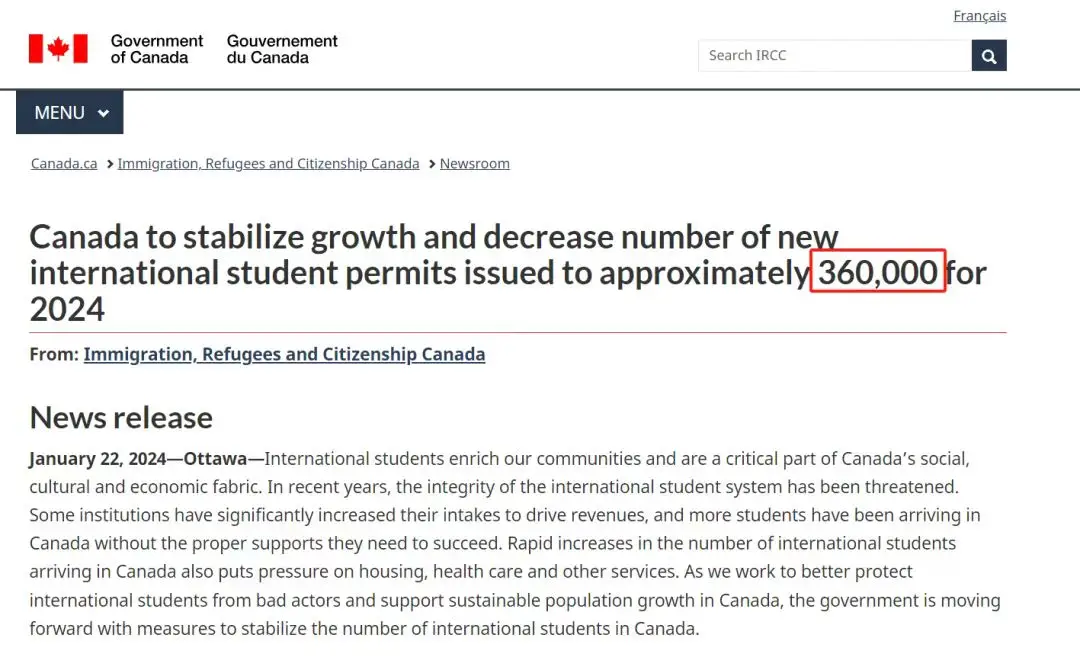
Starting this year, Canada's provinces will be allocated study permit caps, with the number distributed per province based on population. This means some provinces will see a significant drop in the number of international students allowed.
Furthermore, beginning September 2024, international students at some private colleges will no longer be eligible for post-graduation work permits.
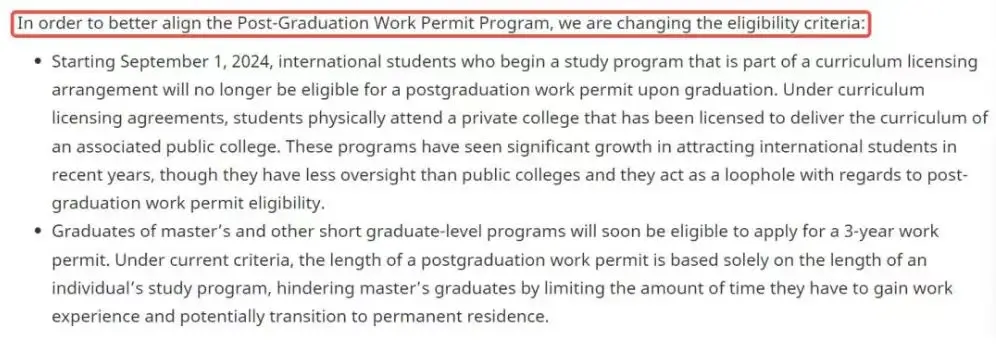
However, IRCC also stated that these reforms mainly target undergraduate students, while policies for graduate and doctoral students will become more relaxed.
Graduates of short-term master's programs are now eligible for a 3-year post-graduation work permit, but this has only intensified the competition for graduate school applications in Canada!
UK Unveils New Immigration Restrictions
In May last year, the UK announced two major restrictions on student visas: limiting graduate students from bringing family members, and restricting students from switching from a student visa to a work visa before graduation.
And just recently, the UK announced new immigration policies.

Raising the minimum salary threshold for work visas
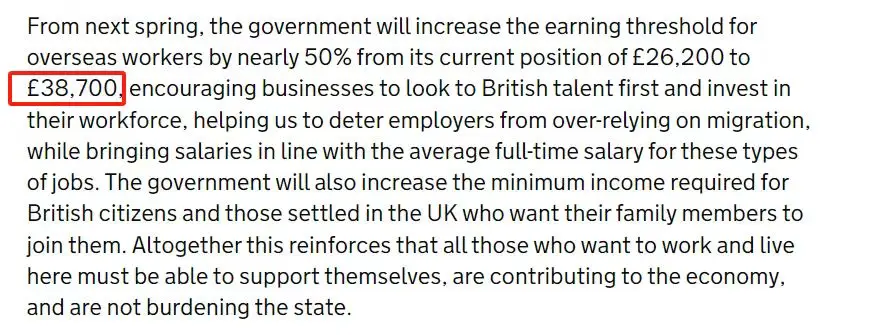
For UK employers with sponsorship licenses, the minimum annual salary when applying for a skilled worker visa for overseas talent will jump nearly 50% from £26,200 to £38,700.
This threshold is already higher than the current median full-time salary in the UK, which is £35,464.
Shrinking the Shortage Occupation List for work visas
The new policy not only shrinks the shortage occupation list but also removes the 20% discount on the minimum salary threshold for shortage occupations.
Reassessing graduate visas
Additionally, it requires the Migration Advisory Committee (MAC) to reassess the graduate visa route to prevent abuse and protect the integrity and quality of UK higher education.
Australia Tightens 485 Visa Requirements
Australia's immigration policies are notoriously changeable, and the core of this year's new round of reforms is to enter expulsion mode: reducing immigration and strictly controlling the issuance of new visas.

Among the new regulations, the 485 visa is the most closely watched by international students. Normally, after completing their studies, international students need a 485 Temporary Graduate visa to work in Australia.
The new policy raises the IELTS score requirement by 0.5 for all types of 485 visas. Applicants must now achieve an overall IELTS score of at least 6.5, with no band score below 5.5.
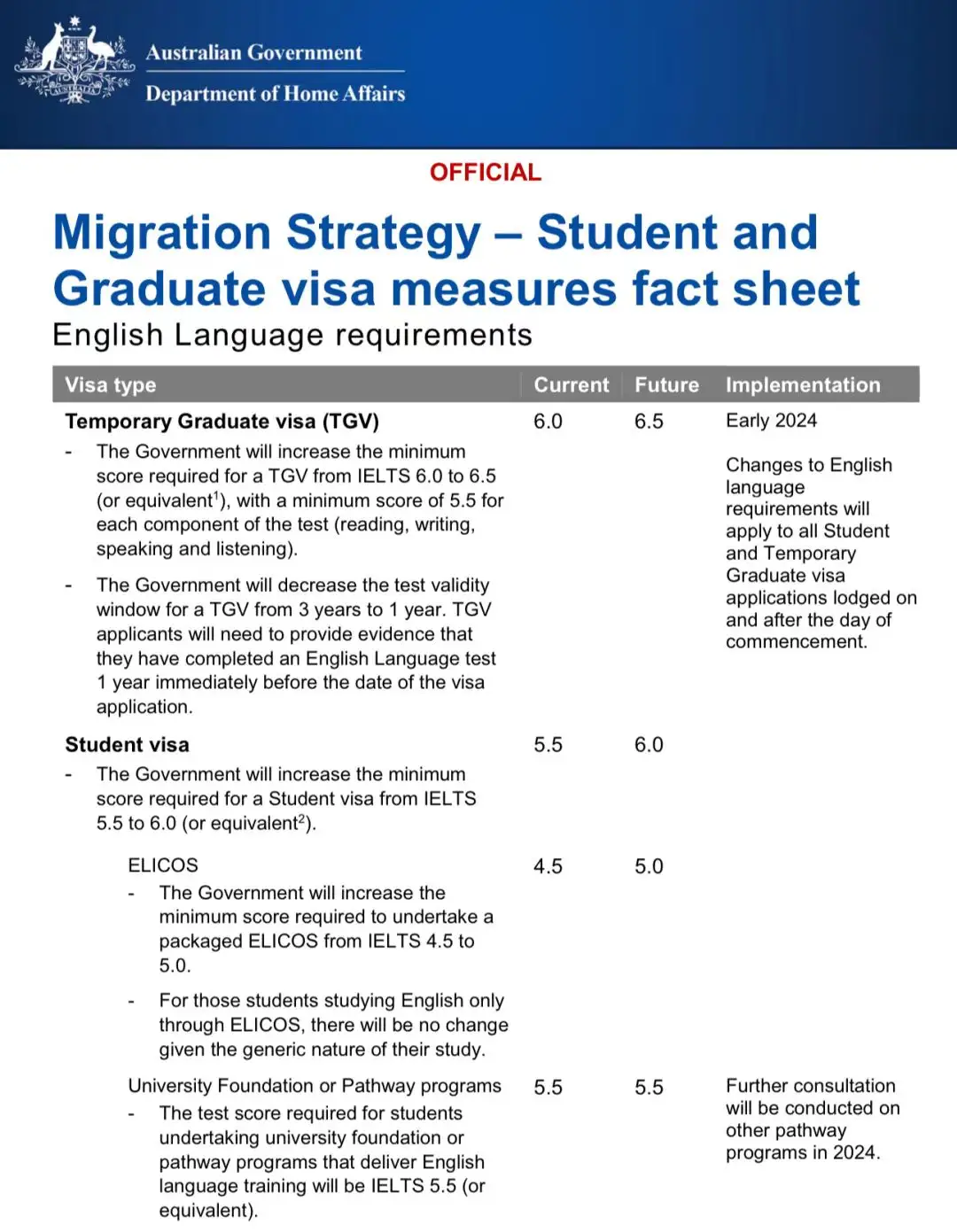
Don't underestimate that 0.5-point increase—only those who have taken the test know how difficult it can be.
At the same time, the validity period of English test scores for the 485 visa application has been shortened from 3 years to 1 year, meaning your IELTS scores are only valid if taken within one year of applying.
The new policy also lowers the age limit for international students to obtain the work visa to 35. However, many international students who complete master's or doctoral degrees in Australia may well be over 35 by the time they graduate, effectively cutting off their path to employment there.
Faced with these ever-changing policies, no matter how much international students protest or express dissatisfaction, they cannot shake the laws. We can only accept them and carefully plan our future development.
Determine your study abroad goals early. Whether you aim for a prestigious university or immigration and employment, plan ahead and strive to break through with the most efficient and strategic preparation.
Finally, I wish everyone a smooth journey in studying abroad and may you realize your study abroad dreams and life goals as soon as possible!