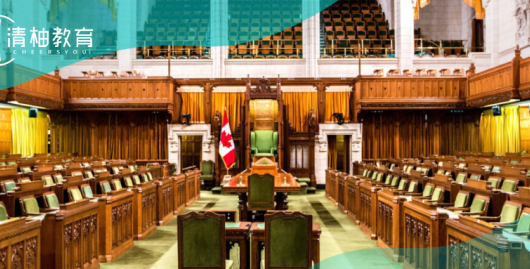
Recently, the Canadian government announced new policies for the British Columbia Provincial Nominee Program (BC PNP), drastically overhauling the old system that allowed graduates to secure permanent residency simply by studying.
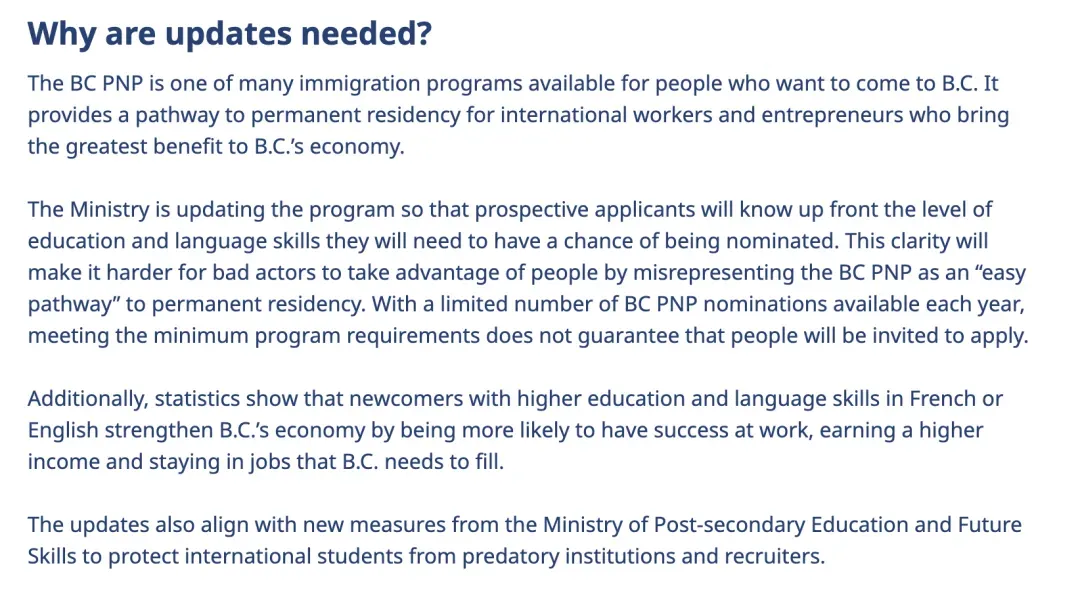
The previous policies will soon be phased out, ending the era when master's graduates could directly obtain permanent residency. Now, additional requirements must be met before applying for a PR card.
Studying and immigrating to Canada has now entered a "hell mode"...
Countdown to the Closure of the BC PNP Graduate Stream
The original BC PNP International Post-Graduate stream has been officially canceled. It is now replaced by three new streams, effective from January 2025:
Bachelor's Stream
For recent graduates who have obtained a bachelor's degree from an eligible institution and have a full-time job offer.
Master's Stream
For recent graduates who have obtained a master's degree (in any field) from an eligible institution and have at least one year of skilled, full-time job offer.
Doctoral Stream
For doctoral graduates and candidates from eligible institutions; they can apply directly under this category.
Diploma or certificate students will be excluded from the new BC PNP graduate pathways.
Furthermore, for all applicants, the new BC PNP will raise the minimum language proficiency requirements to at least Canadian Language Benchmark (CLB) 8.
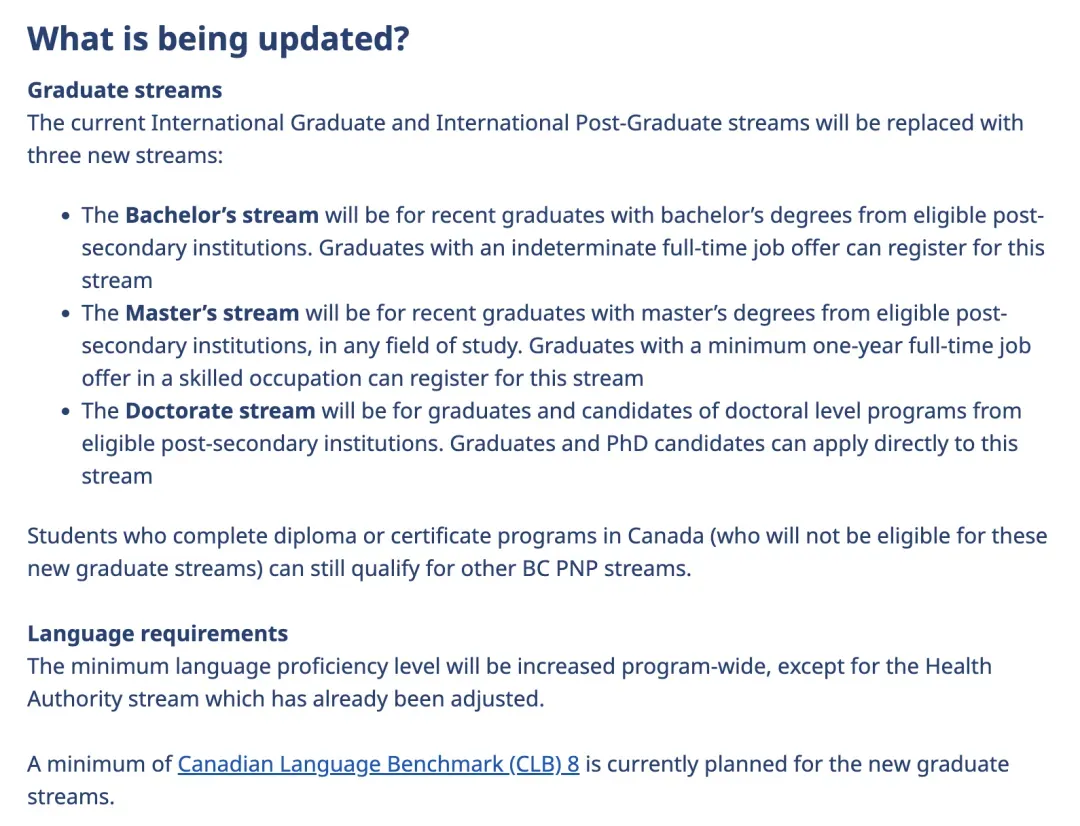
The above content currently represents only the basic minimum requirements; detailed policies are expected to be released by the end of 2024.
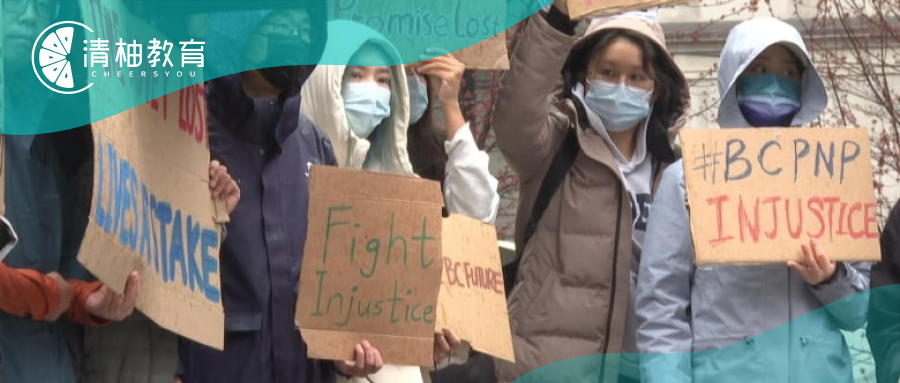
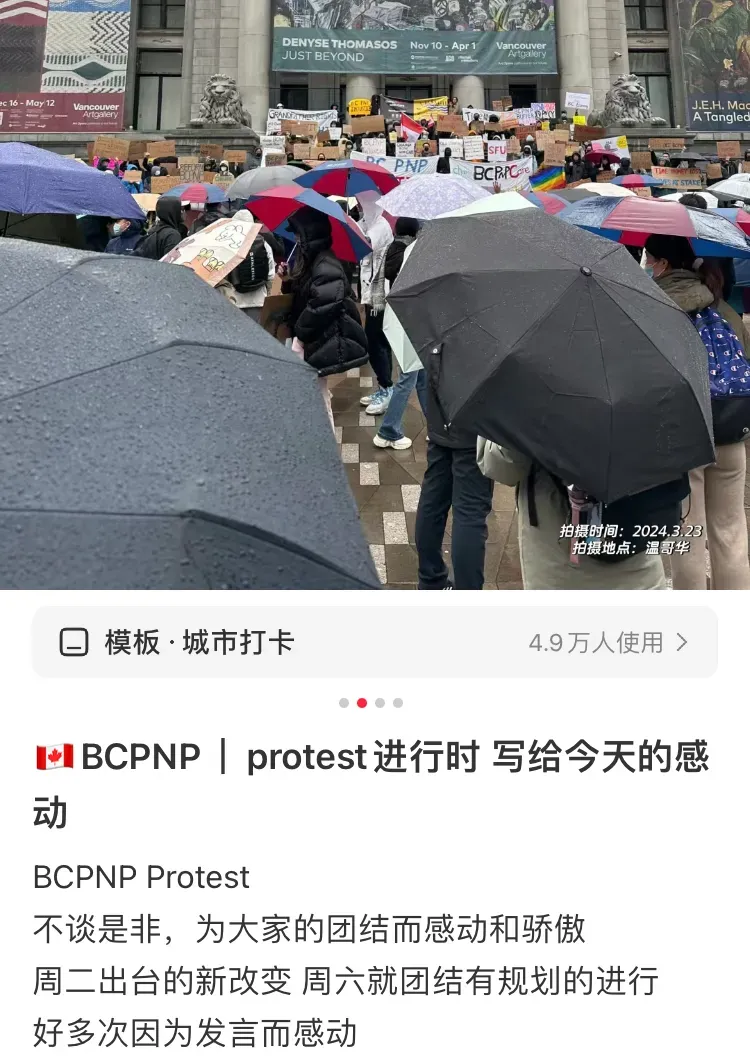
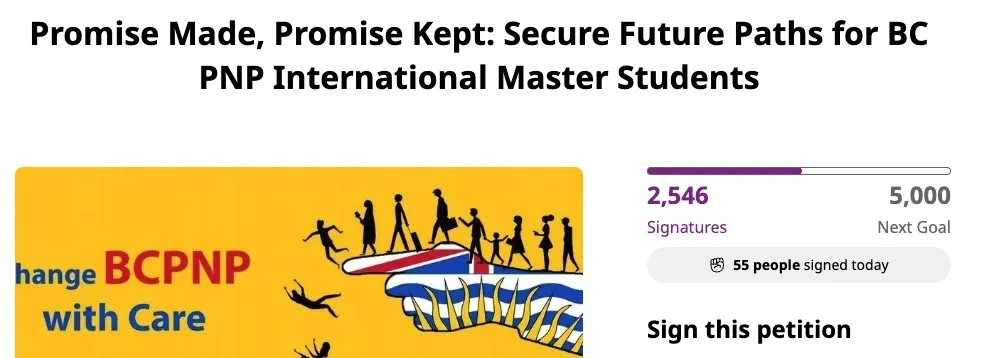
This announcement has triggered protests, including from international students. Over 2,500 people have already signed a petition demanding that the BC provincial government halt the changes to BC PNP.
Canada's Study-and-Immigrate Policies Continue to Tighten
This is not the first time this year that Canada has tightened its study-and-immigrate policies.
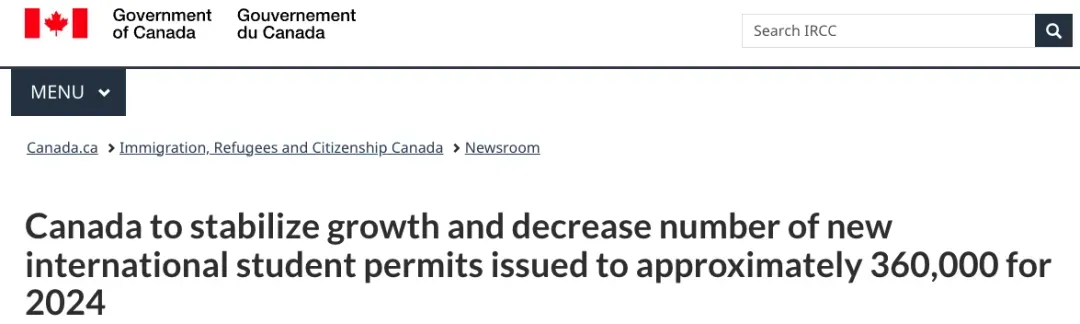
As early as January, Canada officially announced that it would set a cap on the number of study permits for international students.
In 2024, Canada is expected to issue approximately 360,000 study permits, a 35% decrease from 2023. This restriction primarily targets international students pursuing undergraduate degrees in Canada.
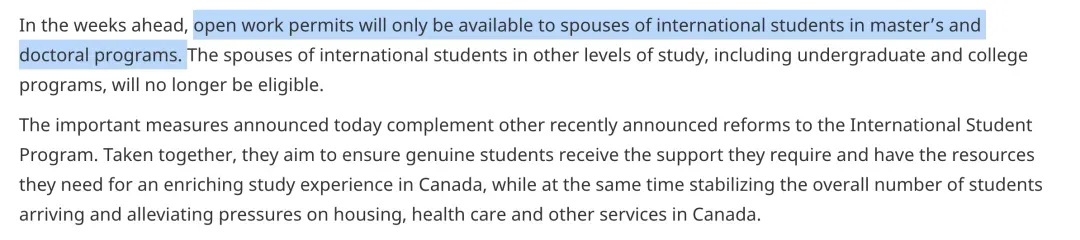
At the same time, regarding spousal work permit policies, the Canadian government has clearly stated that only spouses of master's and doctoral students will be eligible for work permits.
Spousal work permits will no longer be provided for undergraduate and college students.
With the previous favorable study-and-immigrate policies, more and more people have chosen to study and immigrate to Canada, causing the number of visa applications to surge year after year. There are now over 2.1 million pending applications, stretching the system to its limit.
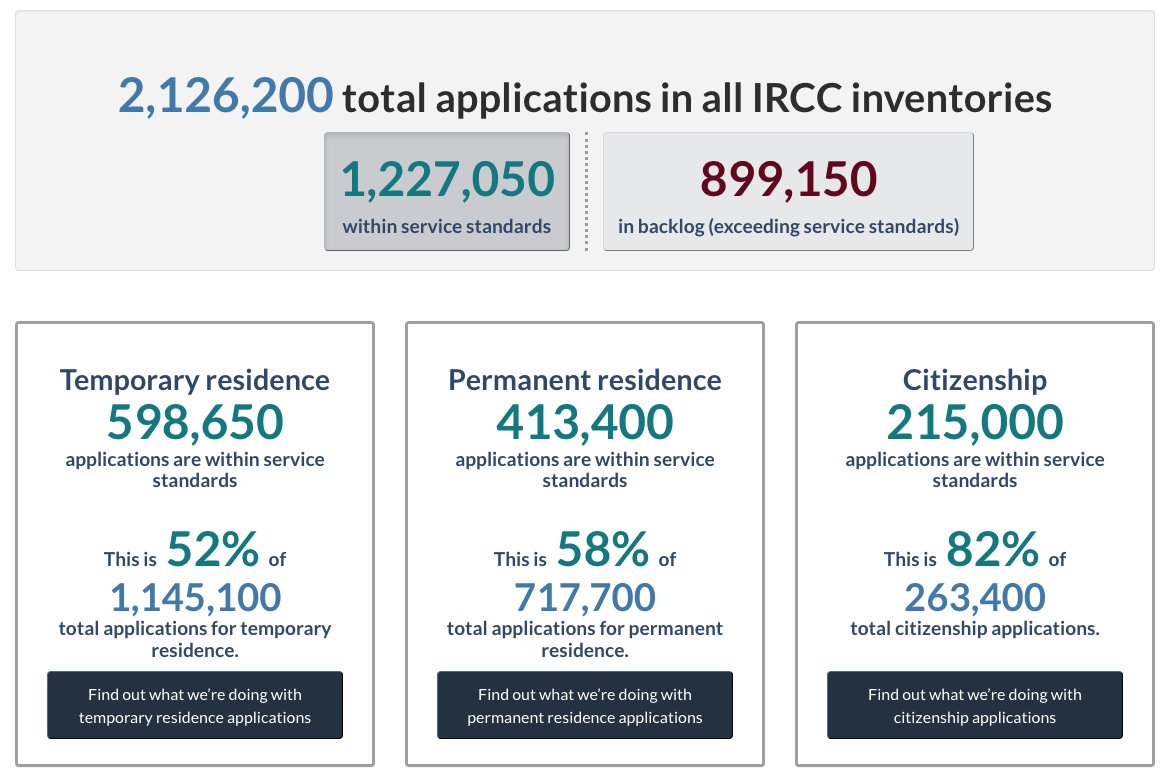
Seeing the soaring numbers, it's not hard to imagine why the Canadian government is taking various measures to impose restrictions.
Even with the unfavorable economic situation and continuously tightening policies, and despite the ever-increasing GPA and standardized test score thresholds for undergraduate admissions, countless applicants still flock to Canadian graduate programs.
However, the closure of the BC PNP graduate stream now serves as a wake-up call for international students considering graduate studies in Canada.
Now, with the BC graduate stream closed, it is expected that a large number of international students will try to enter Ontario. The competition for studying and immigrating to Canada will only become more intense in the future.
Due to uncertainties such as local policies and economic conditions, many people are no longer single-mindedly focused when considering study and employment options.
For example, many students applying to Canadian institutions are actually considering mixed applications to universities in other countries and regions to diversify risk.
Due to uncertainties such as local policies and economic conditions, many people are no longer single-mindedly focused when considering study and employment options.
For example, many students applying to Canadian institutions are actually considering mixed applications to universities in other countries and regions to diversify risk.
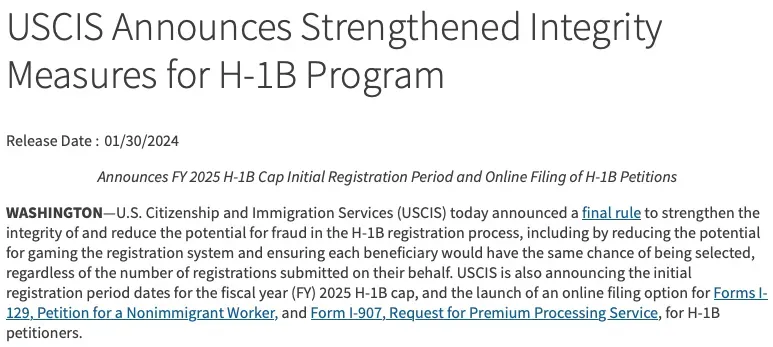
Each country/region has its own advantages and disadvantages. When applying for graduate studies, you must weigh your own situation carefully—both diversifying risk and avoiding reckless mass applications.
A new application season is underway. We wish everyone success in getting into their dream schools!
.png)