At the end of February, an “important notice” regarding Beijing’s hukou policy for overseas graduates caused a huge stir in the study-abroad community.
The short version of the “important notice”: Starting this year, the Chinese Service Center for Scholarly Exchange (hereinafter CSCSE) under the Ministry of Education will only accept hukou applications from overseas graduates employed by central enterprises and public institutions registered in Beijing.
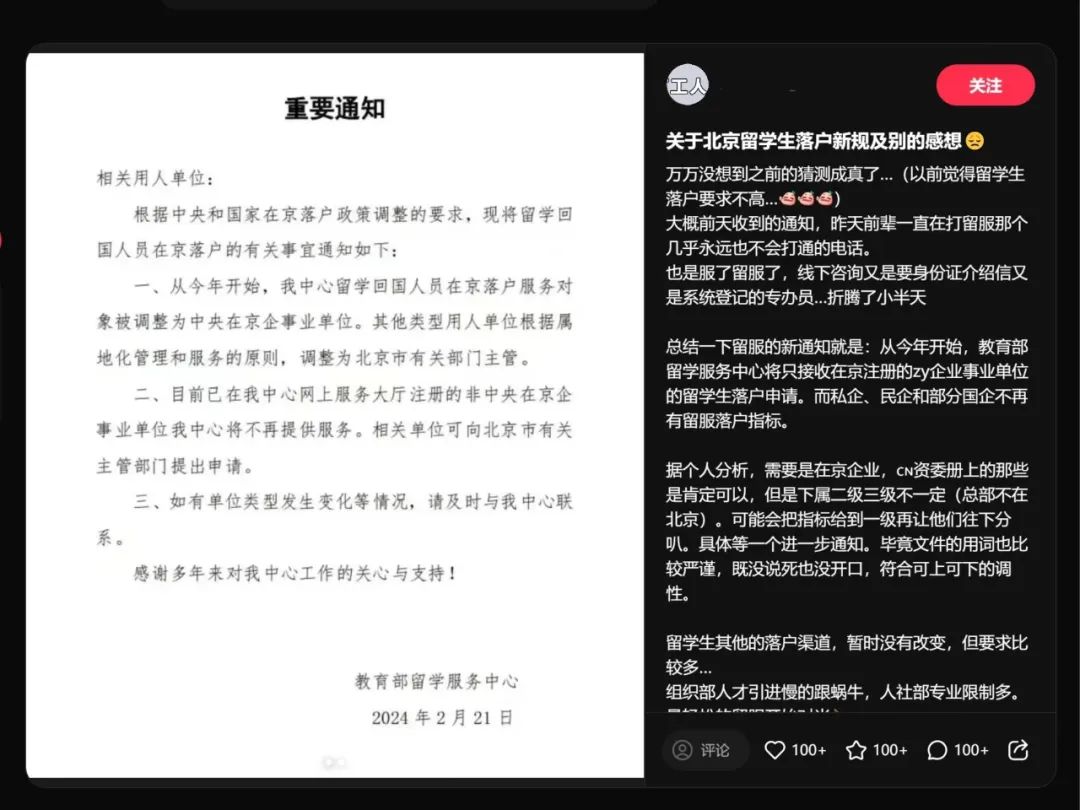
Source: Xiaohongshu
This means that a significant portion of overseas graduates will no longer be able to apply for hukou through the CSCSE. And as we know, applying through the CSCSE has long been the most efficient and highest-approval-rate route for obtaining Beijing hukou.
Some netizens expressed doubt about the authenticity of the “important notice” because it lacked a heading and official seal, suggesting people wait and see.
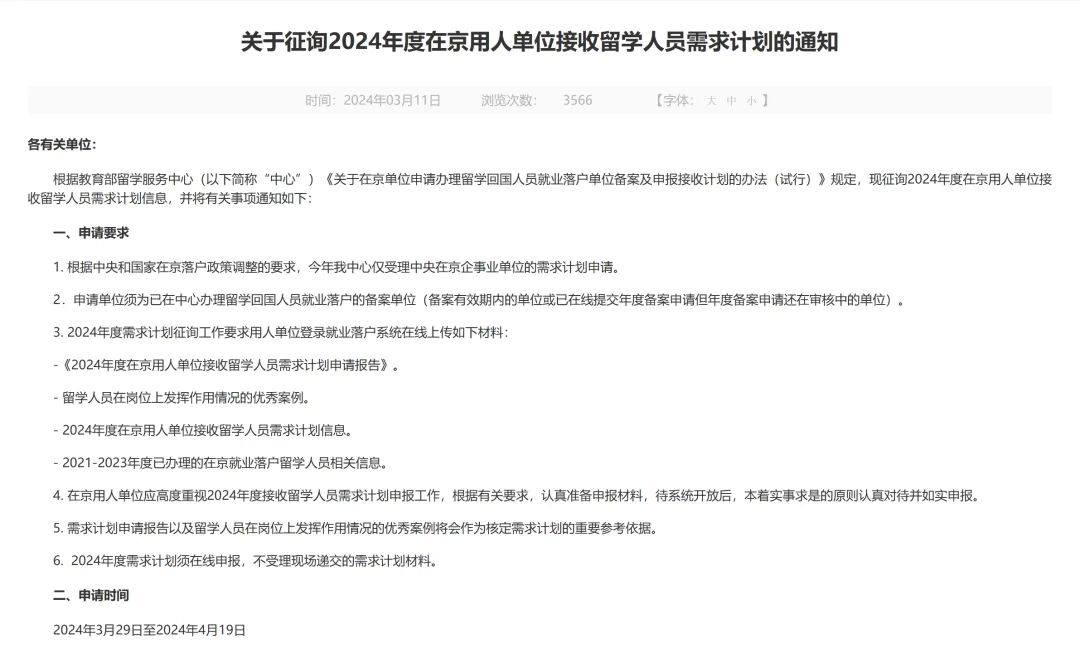
Source: cscse.edu.cn
However, in this notice released on March 11, titled "On Soliciting the 2024 Demand Plan for Beijing Employers to Recruit Overseas Talents," we can see that the earlier “important notice” was not a rumor—it was indeed true...
Obtaining a hukou has become difficult.

Detailed Explanation of Beijing’s New Hukou Regulation
According to previous rules, after returning to China and finding a job, an employer in Beijing could submit an application through the CSCSE website to apply for hukou for the employee, with few restrictions on the type of employer.
After the adjustment, only central enterprises and public institutions registered in Beijing can submit applications. Other types of employers will be transferred to relevant Beijing municipal departments based on the principle of territorial management and services.
According to the list of central enterprises on the SASAC website, there are only 97:
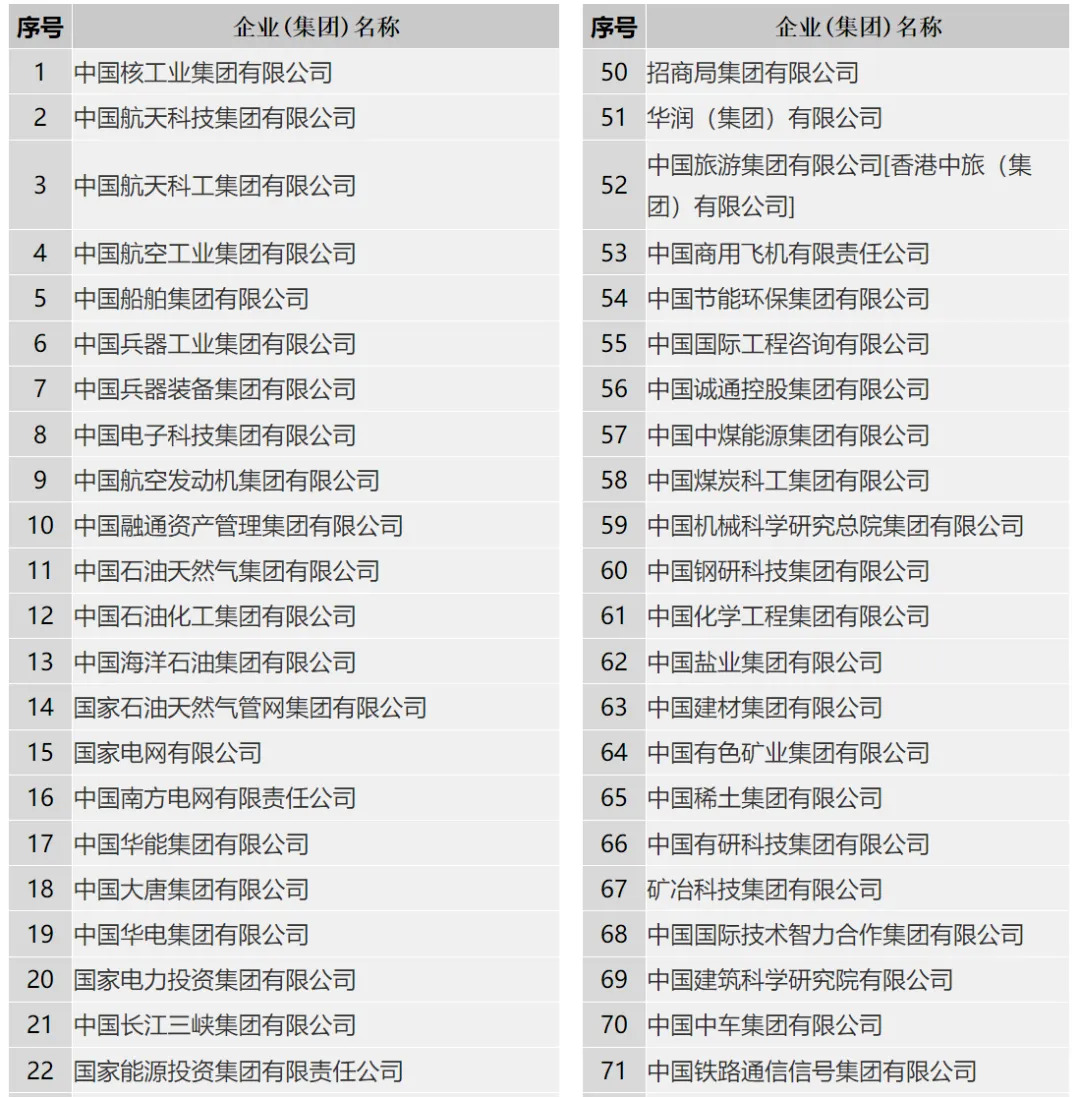
Source: State-owned Assets Supervision and Administration Commission of the State Council
Clearly, this does not include the 26 financial central enterprises under the Ministry of Finance, nor does it include second- or third-tier subsidiaries of central enterprises.
After the new regulation was issued, the CSCSE also answered some frequently asked questions:
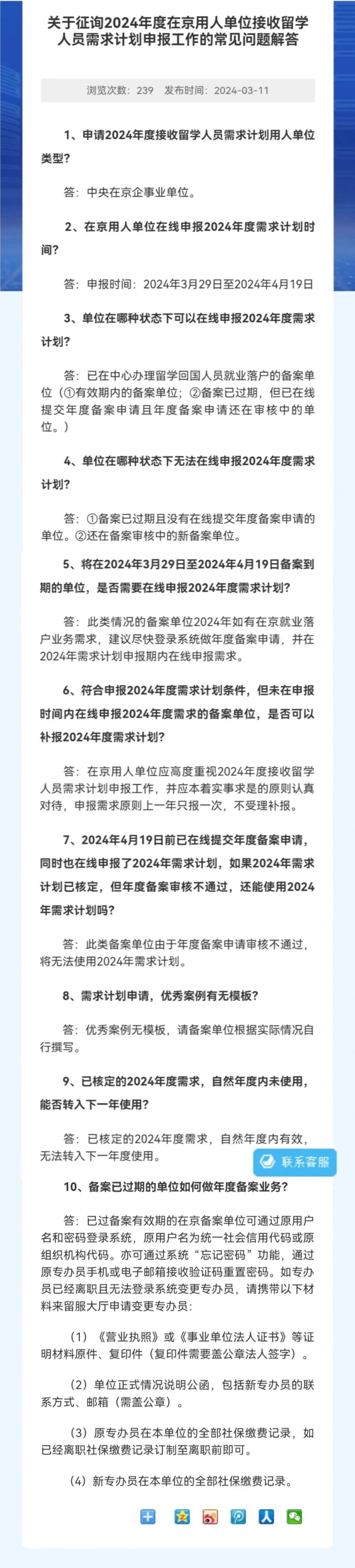
Source: cscse.edu.cn
Regarding the netizens’ concerns about whether the exclusion of second- and third-tier central enterprise units means no quotas, the CSCSE did not address this in its answers. We can only say that further notices or announcements are needed. CheersYou(清柚教育) will continue to monitor and update details for everyone.
Some students may ask: if you can’t go through the CSCSE, what other ways are there to apply for hukou?
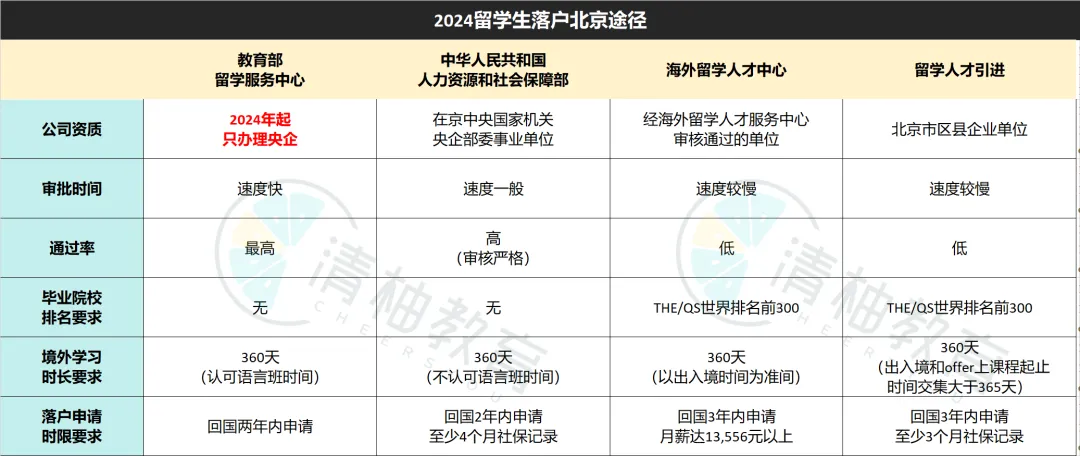
In fact, overseas graduates can still apply for hukou through channels such as the Ministry of Human Resources and Social Security, local human resources and social security bureaus, the Overseas Talents Center, etc. However, these channels all have strict requirements regarding age, university rankings, duration of entry/exit, social security payment period, and salary level. This is why everyone previously relied on the CSCSE to settle in Beijing.
But seriously, is Beijing hukou an absolute must?
Which First-Tier City Is Best for Hukou?
For overseas graduates who want to get hukou, Beijing is not the only option. International metropolises like Shanghai, Guangzhou, and Shenzhen are still welcoming you with open arms.
Shanghai
To attract talent, Shanghai has continuously relaxed its hukou policy for overseas graduates. In the latest list of global top 100 universities, there are as many as 149 schools included.

Click the image for details
Overseas graduate hukou requirements:
- Graduates of world top 50 universities can directly obtain hukou.
- Graduates of world top 100 universities can obtain hukou after paying 6 months of arbitrary social insurance, without considering the social insurance base (subject to the ranking in the hukou system).
Benefits for overseas graduates who settle:
- Eligible to purchase one duty-free vehicle.
- Pujiang Talent Program: eligible for up to 500,000 RMB in government grants.
- Pudong Entrepreneurship: can apply for 150,000 RMB in startup funds.
Guangzhou
Guangzhou's hukou requirements are notably lower than Shanghai's. For overseas graduates who want to work in a first-tier city but don’t want too much hassle with hukou, it’s a great choice.

Overseas graduate hukou requirements:
- Hold a bachelor's degree or above from a foreign institution, or a foreign master's degree and above.
- Overseas students working or starting a business in state agencies, public institutions, enterprises, or individual industrial and commercial households in Guangzhou may apply to transfer their household registration to Guangzhou.
- Establish an enterprise or individual industrial and commercial household in Guangzhou.
Benefits for overseas graduates who settle:
- Discount interest on small guaranteed loans, up to 200,000 RMB per person.
- Eligible to purchase one duty-free vehicle.
- Settle in Nansha or Huangpu: can apply for a settlement award of 20,000–60,000 RMB.
- Talent apartments and entrepreneurship subsidies in various districts.
- Overseas talent projects reported to the Science and Technology Commission can receive a one-time startup grant of 100,000 RMB.
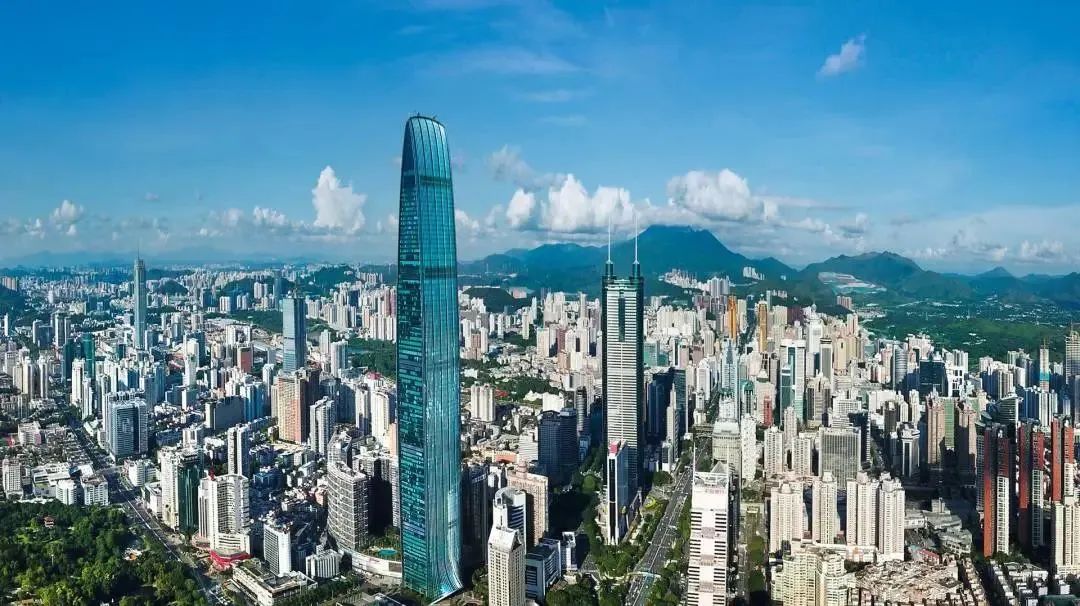
Shenzhen
Shenzhen’s hukou requirements are even simpler than Guangzhou’s. You can basically stay as long as you want to.
Overseas graduate hukou requirements:
- Age under 45.
- Obtain Shenzhen's "Certificate of Qualification for Overseas Study Returnees."
Benefits for overseas graduates who settle:
- Enjoy Shenzhen living allowance: Bachelor's 15,000 RMB/person, Master's 25,000 RMB/person, PhD 30,000 RMB/person (with one month of social insurance paid).
- Eligible to purchase one duty-free vehicle.
- Minor children can attend childcare and primary/secondary schools for free, with priority enrollment, and may apply to attend high school departments of key municipal or district high schools.
- Can apply to rent affordable housing and overseas student apartments provided by the municipal or district government.
New First-Tier Cities with Zero Hukou Threshold
In addition to the first-tier cities above, many new first-tier cities are rolling out favorable policies and generous subsidies to “poach” talent.
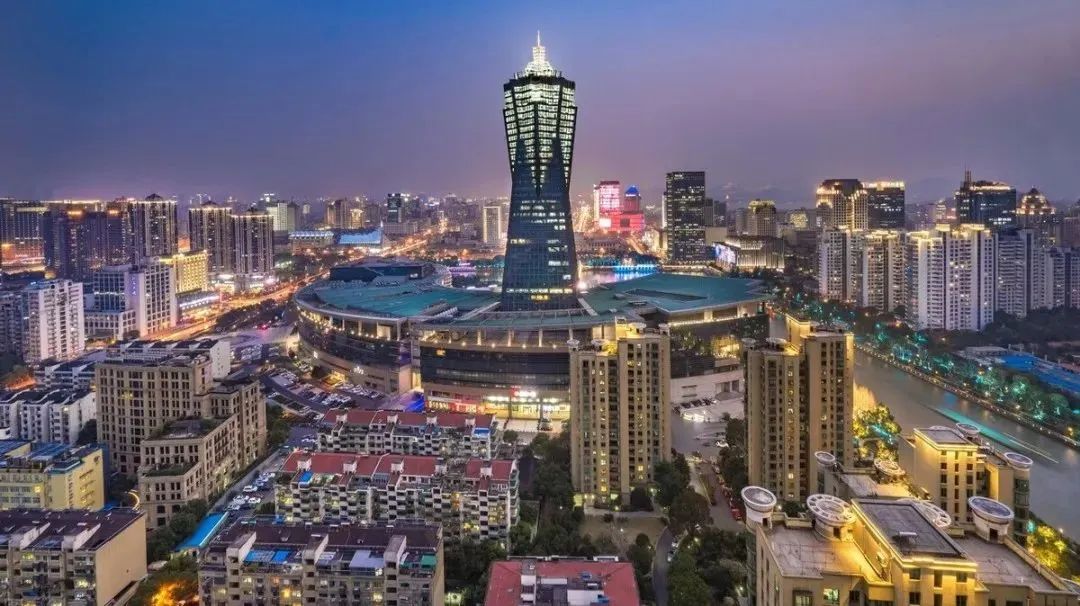
Hangzhou
As a new digital economy city, Hangzhou’s hukou policy for overseas graduates is also very relaxed among new first-tier cities. Graduates with a bachelor's degree or above can settle in Hangzhou, and those with a master's degree or above can enjoy the “settle first, find a job later” policy.
Overseas graduate hukou requirements:
- Chinese citizens who have returned from overseas study.
- Work normally in Hangzhou and pay social insurance.
- Bachelor's degree holders under 45 years old; master's degree holders under 50.
Benefits for overseas graduates who settle:
- For high-level overseas returnees who start businesses in Hangzhou, provide grants ranging from 1 million to 5 million RMB.
- For innovative talents selected for the "521 Talent Plan," provide a resettlement subsidy of 800,000 RMB and a dedicated talent apartment of no less than 120 square meters.
- Full interest subsidies on bank loans up to 5 million RMB for entrepreneurs.
- Eligible to purchase one duty-free vehicle.
- For global bachelor's degree or above fresh graduates (including overseas returnees and foreign talents within 5 years of graduation) working in Hangzhou, provide living allowances: Bachelor's 10,000 RMB, Master's 30,000 RMB, PhD 100,000 RMB.
70% of these new positions come from government, healthcare, and hospitality and leisure sectors.
Chengdu
As a densely populated and highly modernized city, Chengdu very much welcomes and needs a large number of overseas returnees to participate in its construction and development.

Overseas graduate hukou requirements:
- Obtain a bachelor's degree or above from abroad and have studied abroad for at least one year.
- Age 45 or below.
Benefits for overseas graduates who settle:
- Overseas returnees with master's degrees or above starting businesses in Chengdu can receive up to 500,000 RMB in subsidies.
- Doctoral degree holders working in Chengdu stably for more than 9 months per year can receive up to 300,000 RMB in subsidies.
- Overseas student entrepreneurs can enjoy tax and fee reduction preferential policies.
- Full interest subsidies on bank loans up to 5 million RMB for entrepreneurs.
Nanjing
Nanjing’s hukou requirements are very simple: as long as you have obtained a bachelor's degree or above from abroad and are employed or starting a business in Nanjing, you can apply for hukou.

Overseas graduate hukou requirements:
- Graduates with a master's degree or above, or bachelor's degree holders under 45 (including overseas returnees).
Benefits for overseas graduates who settle:
- For high-level entrepreneurial talents, up to 1 million RMB in grants, and office rent subsidies or waivers.
- Rental subsidy: PhD 1,000 RMB/month, Master's 800 RMB/month, Bachelor's 600 RMB/month (cumulative period no more than 36 months).
Wuhan
Wuhan offers generous subsidy policies for overseas graduates who want to start businesses and settle there.

Overseas graduate hukou requirements:
- Bachelor's and associate degree holders under 40 can directly settle.
- Doctoral and master's degree holders have no age limit.
Benefits for overseas graduates who settle:
- Returning doctoral graduates can receive a government subsidy of 2,000 RMB per month.
- Provide risk investment, government funds, and other channels for raising funds for overseas student startups.
Although Beijing's hukou policy has tightened somewhat, in recent years, cities and enterprises across China have been escalating their “overseas talent wars,” with increasingly generous welfare policies. This is undoubtedly extremely beneficial for the employment and lives of us overseas graduates.
For students planning to return after graduation, you can do some research on your target city’s market and development before returning, and then make a comprehensive decision based on your major, interests, and the hukou policies of various places.
We wish everyone early preparation and a head start! Many offers and successful hukou applications!
For more questions about studying abroad and graduate school applications, you can also add the contact information of CheersYou(清柚教育) advisors below for details.