
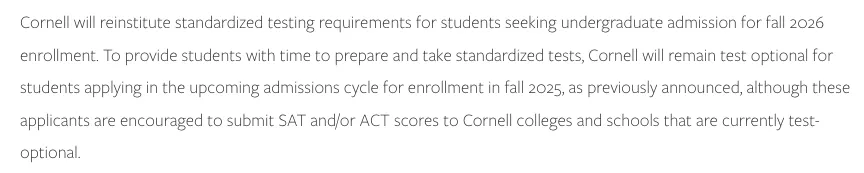
This week, Cornell University officially announced the full reinstatement of standardized testing requirements: Fall 2026 undergraduate applicants must submit SAT or ACT scores.
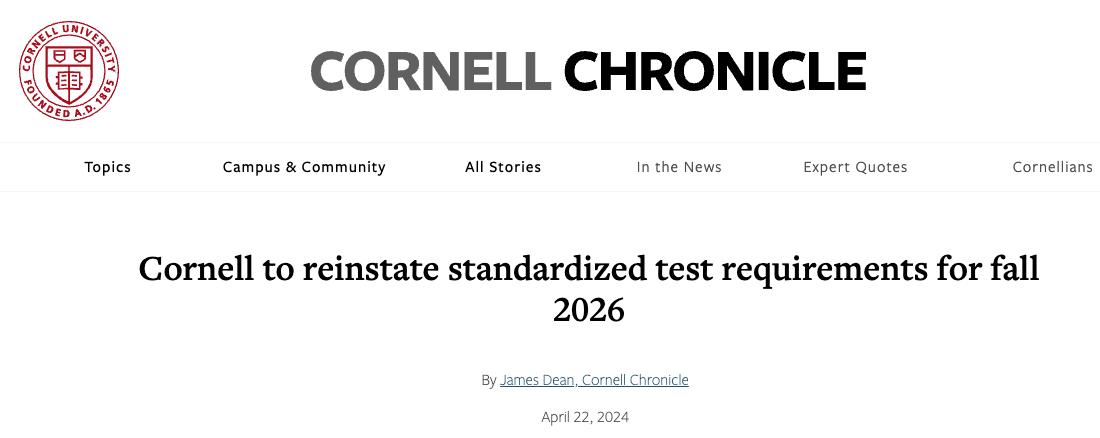
This makes Cornell the fifth Ivy League school to restore the SAT/ACT mandate, following Harvard, Yale, Brown, and Dartmouth. With other leading universities simultaneously reinstating similar requirements, the era of full-scale standardized testing in U.S. undergraduate admissions is officially making a comeback.
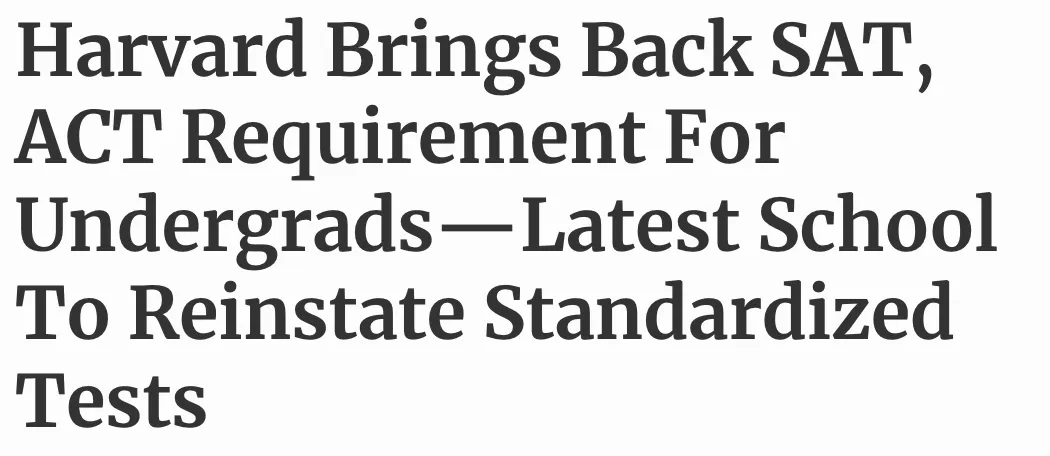
Due to COVID-19, many institutions had adopted test-optional policies, but as more universities now bring back testing mandates, the sudden turnaround may disrupt plans for applicants who previously did not intend to sit for the exams.

The new application cycle is quietly underway, and CheersYou(清柚教育) is here to walk you through the latest standardized test policies at U.S. universities.
.png)
Multiple U.S. Universities Restore Mandatory Testing Requirements
As of now, numerous universities have updated their undergraduate test requirements for Fall 2025 and 2026:
Test-Required (Mandatory Submission)
-
Cornell University (starting Fall 2026)
-
Harvard University

-
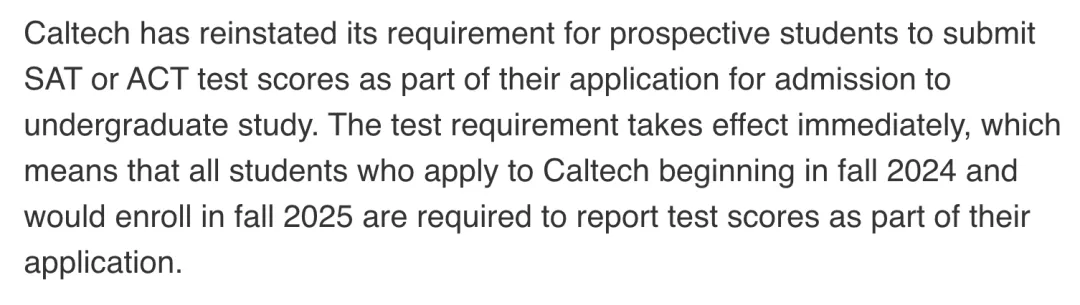
California Institute of Technology
-
Yale University
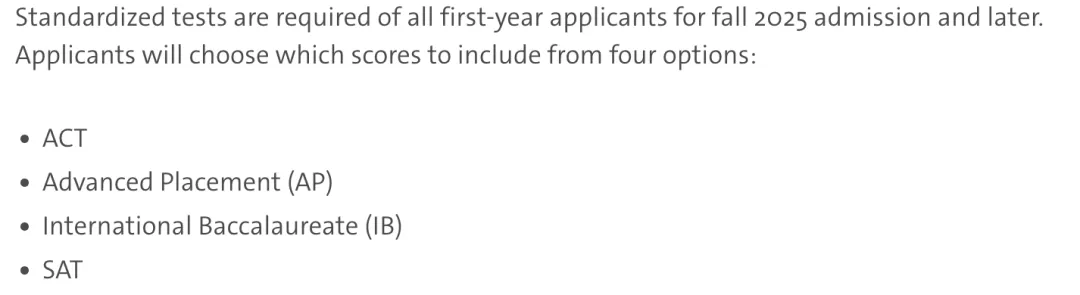
-
Brown University
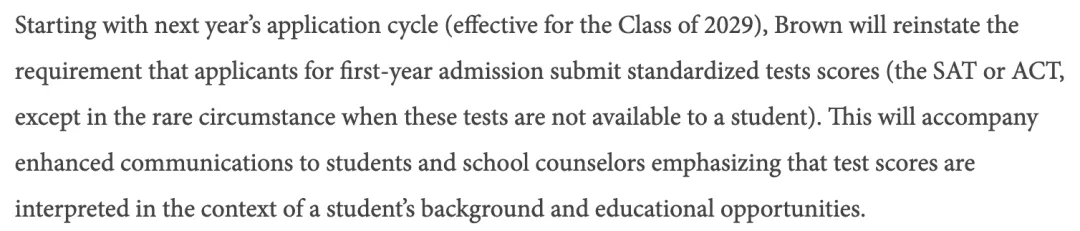
-
Dartmouth College
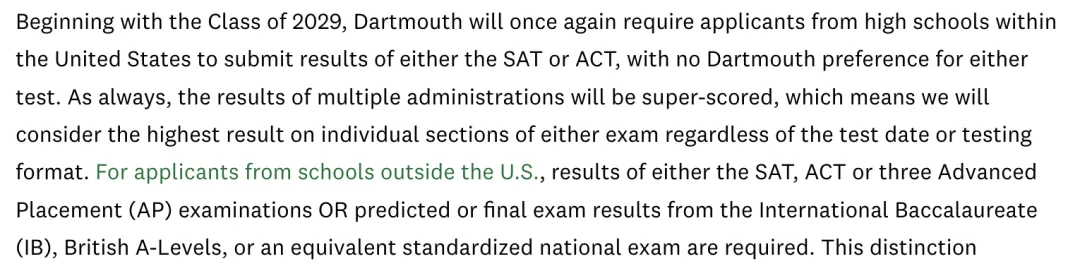
-
Massachusetts Institute of Technology
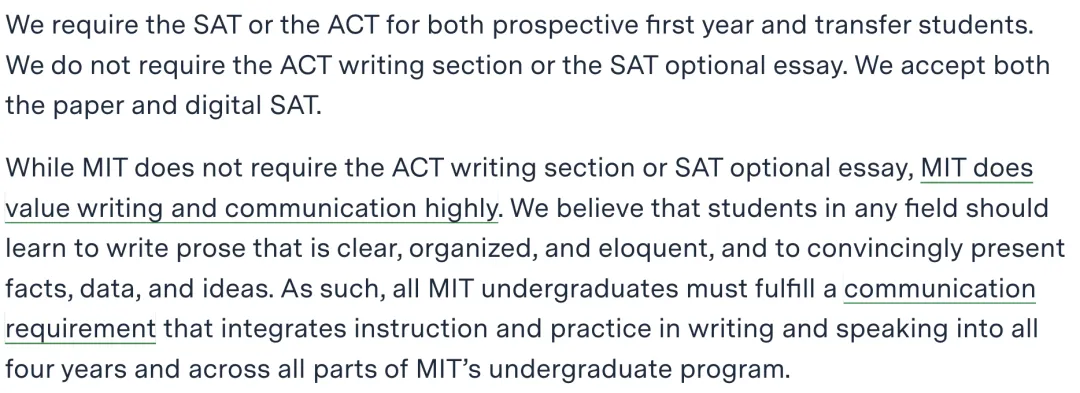
As well as:
-
Purdue University
-
Georgetown University
-
Georgia Institute of Technology
-
University of Florida
-
Florida State University
-
University of Georgia
-
University of Texas at Austin
Test-Optional
-
Princeton University

-
Stanford University
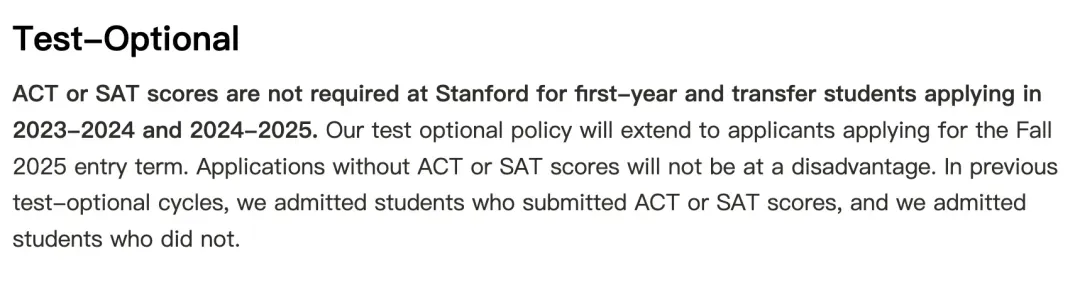
-
University of Pennsylvania
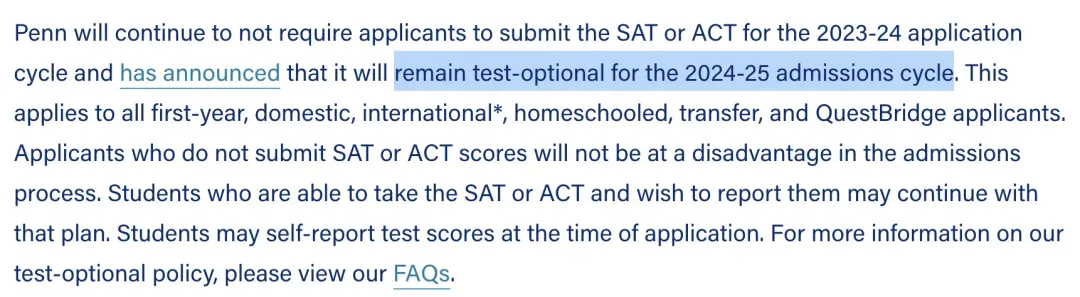
-
University of Michigan
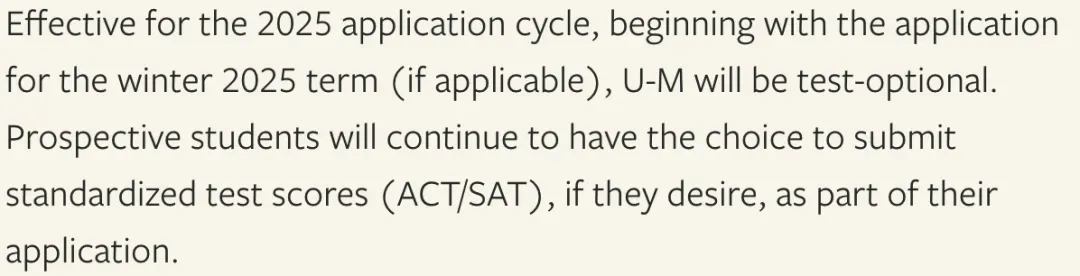
As well as:
-
Columbia University
-
University of Illinois Urbana-Champaign
-
New York University
-
University of Southern California
-
Boston College
-
University of Chicago
-
University of Washington Seattle
-
University of Wisconsin–Madison
-
University of North Carolina at Chapel Hill
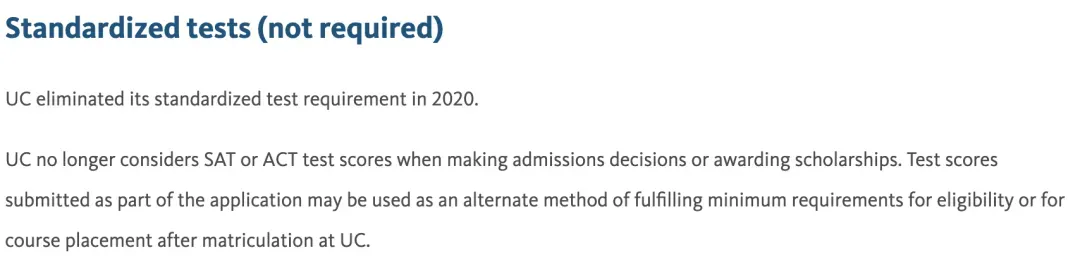
Test-Blind (Not Considered)
The University of California system previously decided to adopt a Test-blind policy, no longer factoring SAT or ACT scores into the admissions review process.
As more and more universities reinstate SAT/ACT mandates, many others are expected to follow suit and readjust their testing policies in the near future.
Earlier this year, The New York Times published a feature article on the SAT, noting that “a growing number of experts and university administrators suspect that test-optional policies were a mistake.”
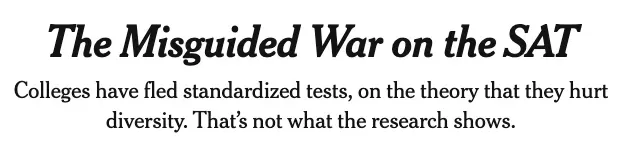
To Test or Not to Test — the 2025 admissions cycle has already ushered in fresh adjustments.
Why Are Universities Rushing to Restore Testing Mandates?
What drives American universities to swiftly bring back the hard SAT/ACT requirements? The reasons have long been apparent.
Standardized Scores Better Predict Academic and Career Success
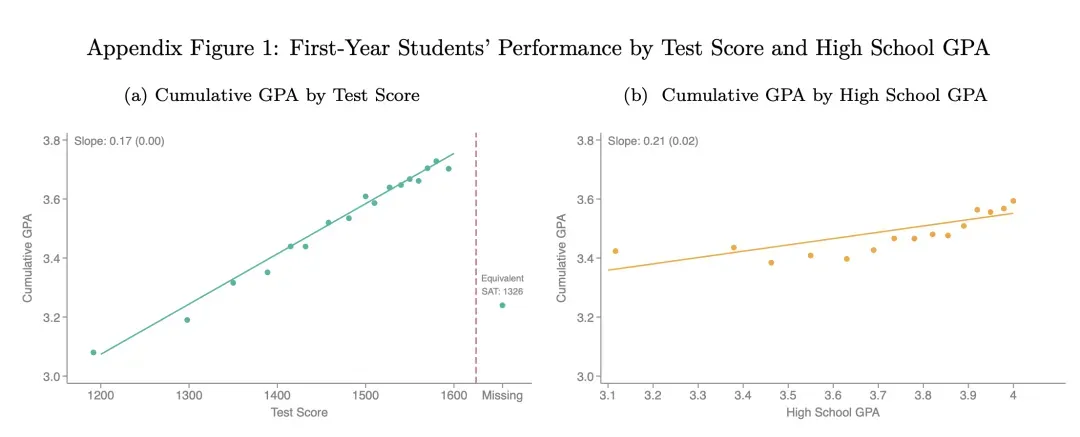
Last year, Opportunity Insights released a study on Ivy Plus universities (the eight Ivy League institutions plus Duke, MIT, Stanford, and the University of Chicago), revealing that:
Whether a student excels in college, gains admission to a top graduate school, or lands a job at a sought-after company is far more accurately predicted by standardized test scores than by high school grades.
.jpg?x-oss-process=style/opt-webp)
The Dean of Harvard’s Faculty of Arts and Sciences also explicitly underscored the importance of standardized testing. He believes that regardless of a student’s background or experiences, test scores provide meaningful predictive information about their future success in college and beyond.
Standardized Scores Enhance the Efficacy of the Admissions Process
Education experts note that reinstating the SAT/ACT can make the admissions process more efficient and, to a certain extent, bolster fairness and transparency.
While some argue that students from higher-income families often have greater access to test prep and other resources, biases embedded in application components such as recommendation letters, extracurricular activities, and essays can actually be far more pronounced than those in standardized tests.
Factoring test scores into admissions helps identify promising applicants from disadvantaged backgrounds. For instance, students in under-resourced areas, or those from minority groups, can leverage strong SAT performances to expand their opportunities.
Moreover, in recent years, GPA inflation has become increasingly severe. If everyone gets an A, what does that A even mean? This makes standardized test scores more reliable than high school GPAs.

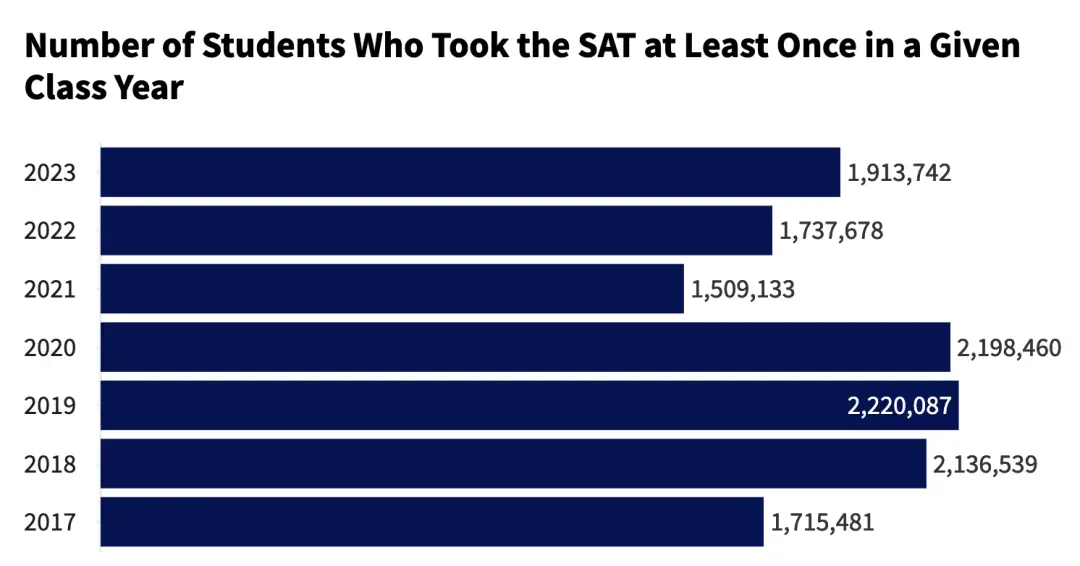
Growing Number of Test-Takers Each Year
In the post-pandemic era, the number of applicants taking the SAT keeps rising annually. Even without a mandate, over 420,000 applicants submitted test scores this year.
Among Caltech’s recently enrolled freshmen, more than 95% had taken a standardized test.

UT Austin’s latest application cycle saw record numbers, and roughly 90% of applicants submitted SAT scores.

Some people loudly decry standardized testing as unfair, yet behind the scenes they still hustle quietly to achieve strong scores.
Based on enrollment data from recent years, even at test-optional schools, admitted students overwhelmingly possessed SAT or ACT scores. The so-called “test-blind” rhetoric ultimately proved little more than a politically correct facade.
.jpg?x-oss-process=style/opt-webp)
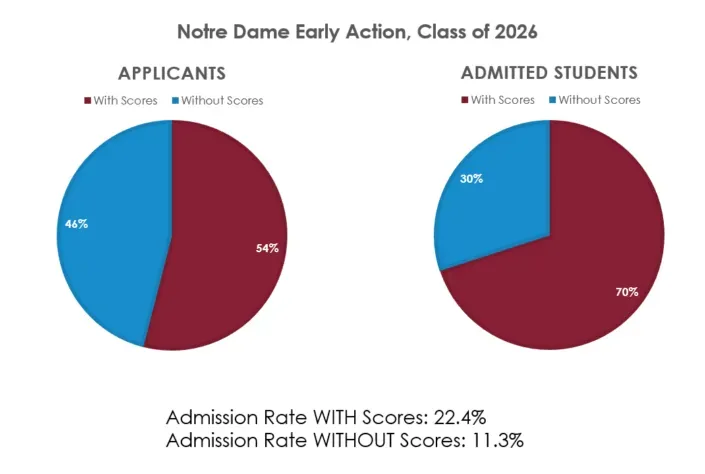
And since virtually everyone submits scores anyway, why not simply restore the mandate? Not making it compulsory arguably undermines fair competition. Therefore, the current wave of policy updates from universities is entirely logical.
Standardized tests are fully returning to the U.S. undergraduate admissions landscape. Preparing for the SAT/ACT is not just an option — it is a necessity.
A strong standardized test score means greater flexibility in choosing schools. When high school experiences are similar, a high SAT or ACT score can help an applicant stand out and gain an edge with top colleges.
It is widely acknowledged that U.S. undergraduate admissions grow increasingly competitive. CheersYou(清柚教育) advises applicants for the upcoming cycle not to forgo the chance to produce a solid test score. At the same time, keep in mind that applications are complex: beyond standardized testing, every component matters, and one must not neglect some aspects while focusing solely on others.
We hope everyone prepares diligently and receives their dream offers this application season!