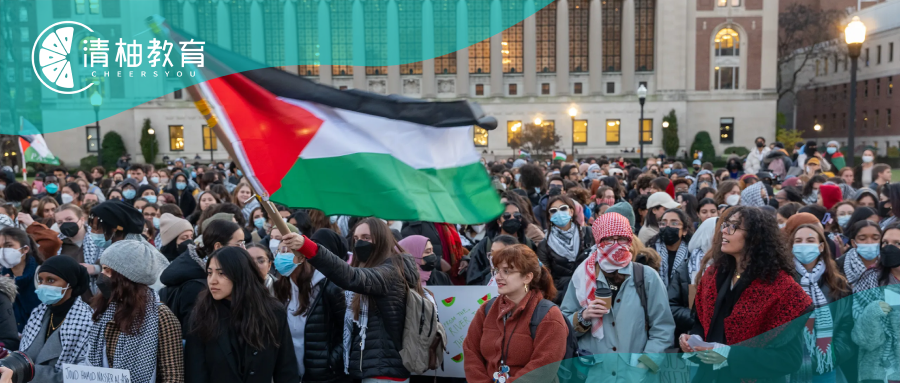
In the past two weeks, pro-Palestinian demonstrations have erupted at top US universities, led by Columbia University.
Protesters encamp on campuses, calling on Israel to withdraw from the war in Gaza.
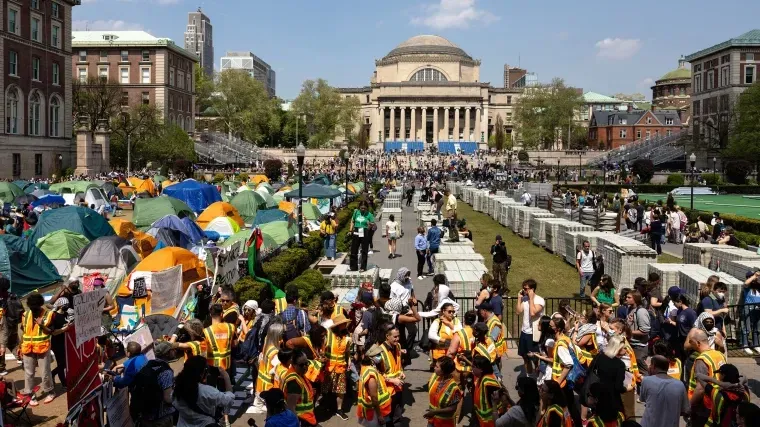
The campus anti-war protests have rapidly swept across more than 40 US universities, including Columbia, Harvard, MIT, UCLA, Northwestern, George Washington University, Brown, UT Austin, the University of Michigan, and others.
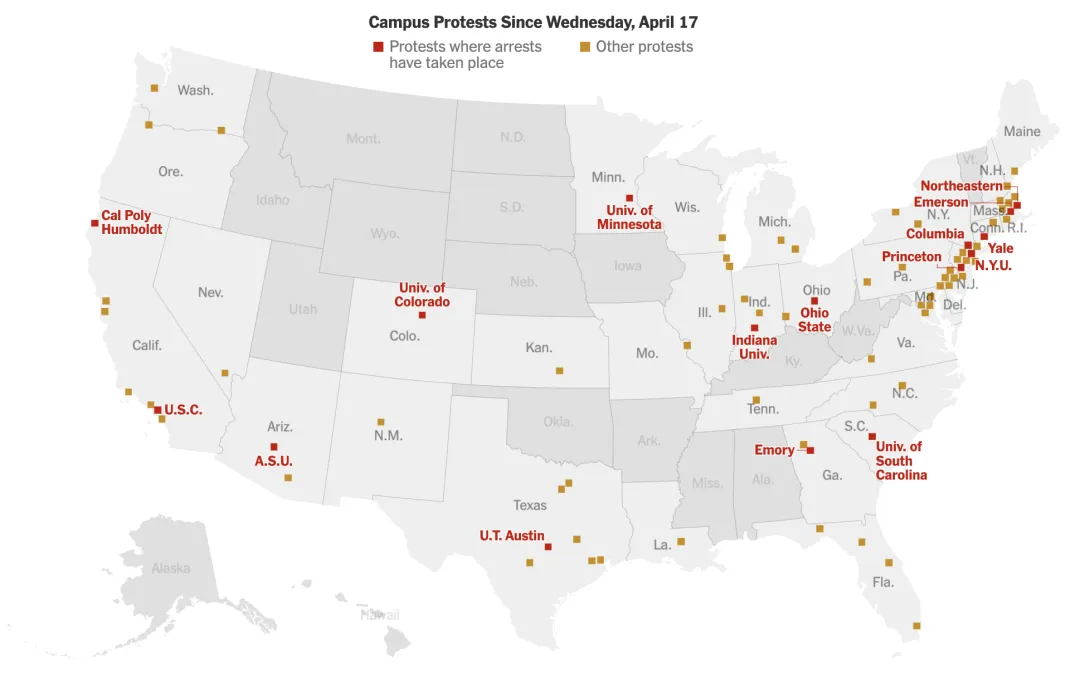
Last week, police intervened and cracked down on protests at multiple US campuses, dismantling tents, arresting students, and issuing academic warnings, further escalating the situation. So far, over 700 people have been arrested nationwide.
Anti‑war protests on campus escalate into violence
Columbia University
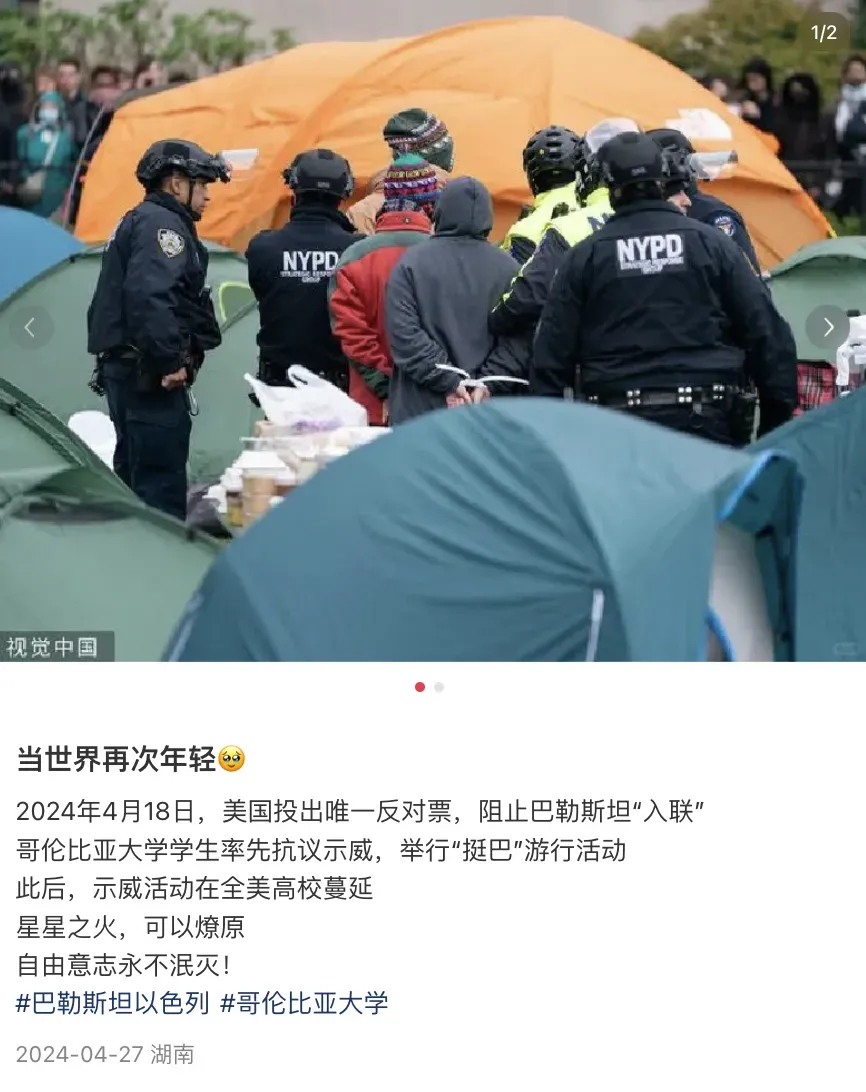
On April 18, New York police arrested at least 108 people while clearing an encampment of protesters at Columbia’s campus.
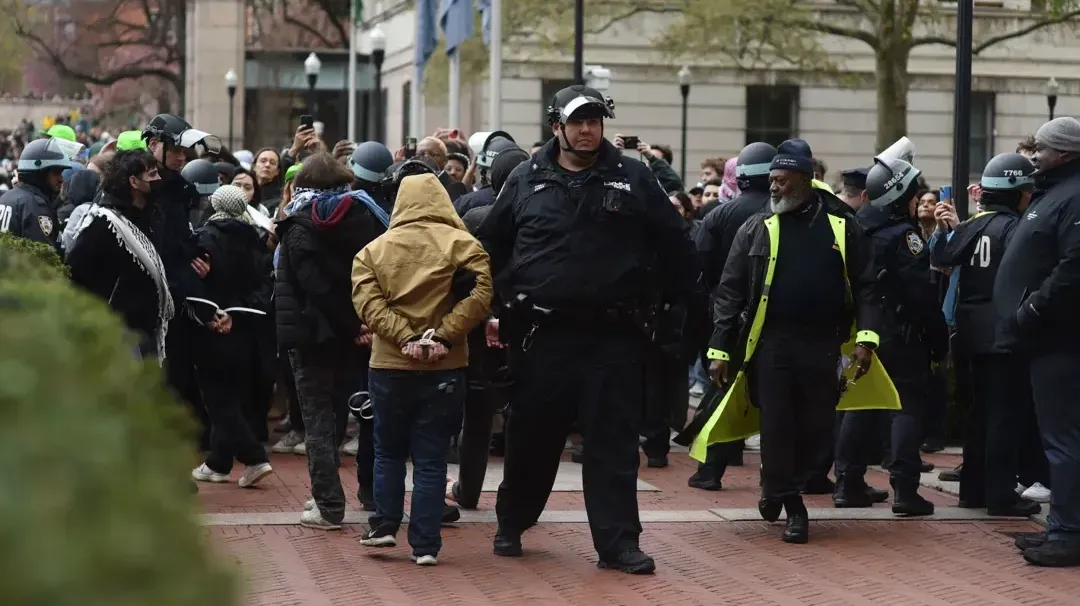
With the police intervention, the situation evolved from student protests into violent clashes, and the anti‑war fury spread across the United States.
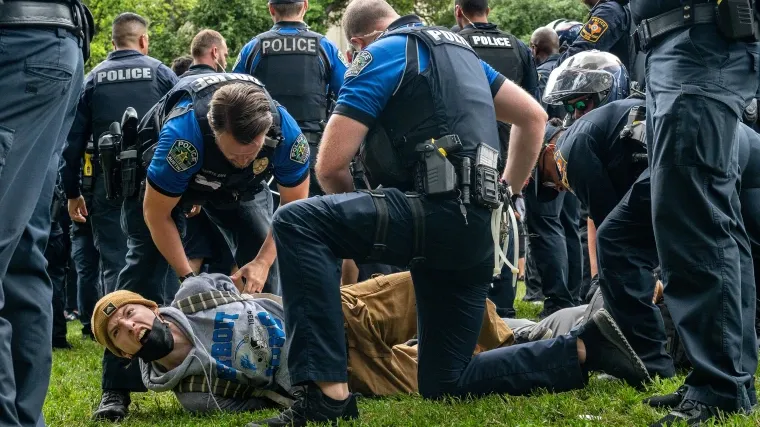
University of Texas at Austin
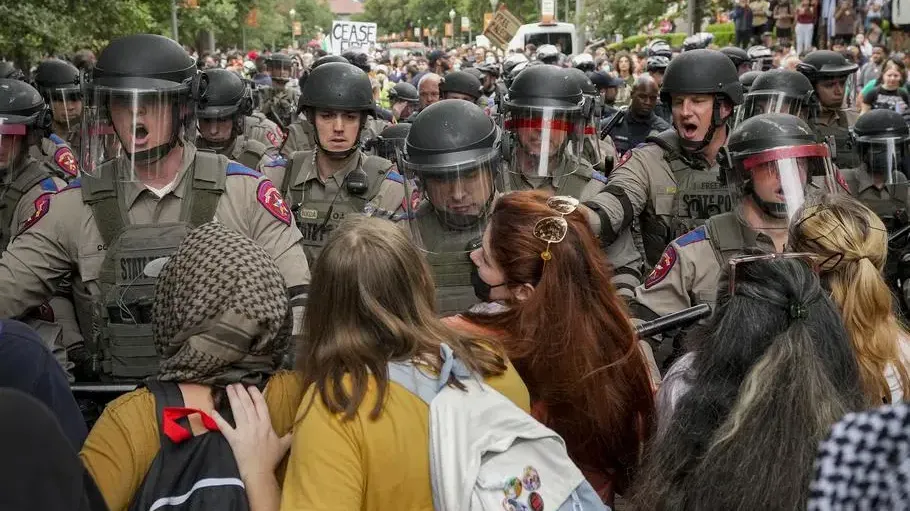
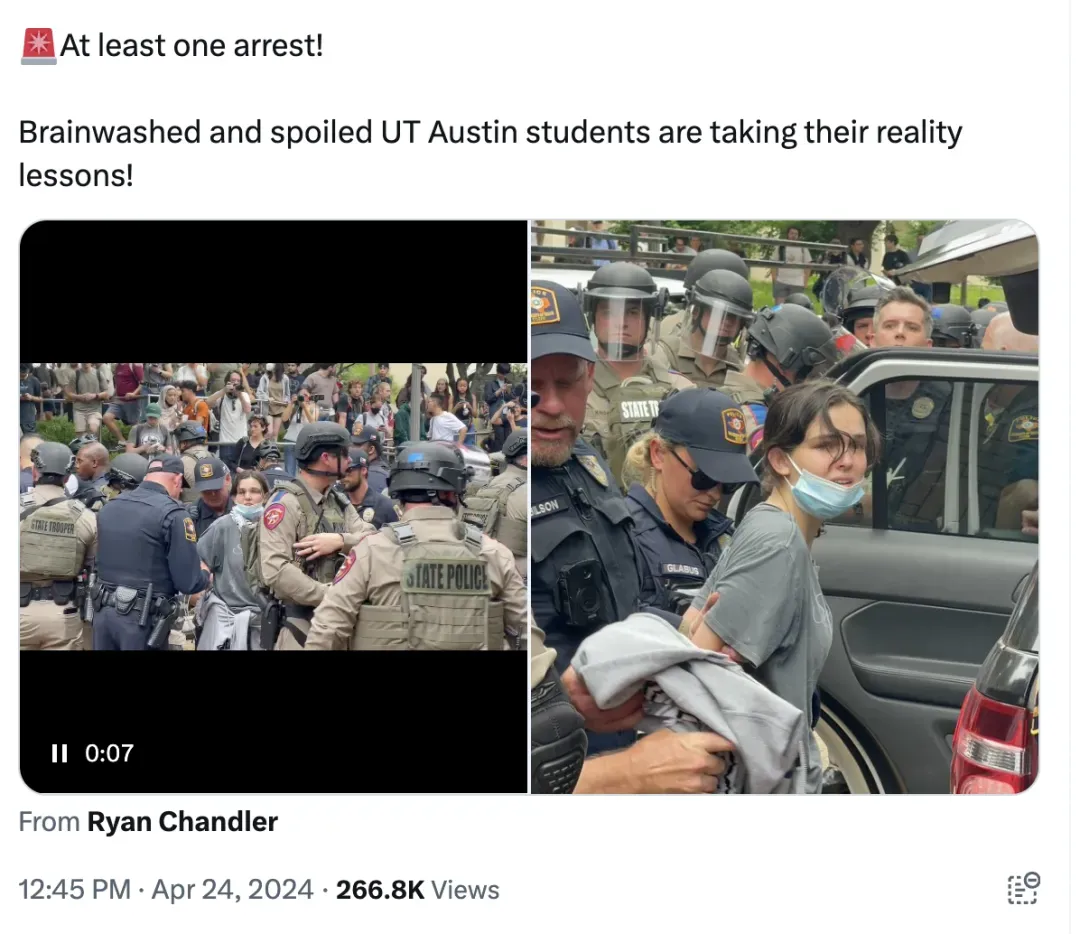
Last week, police in riot gear entered the UT Austin campus, dispersed the protesting crowd, and arrested 57 people.
.gif)
A 22‑year‑old medical student said she was arrested about 10 minutes after joining the protest; four or five officers lifted her by her limbs and handcuffed her.
In the chaos, a cameraman from the local Fox TV station was also arrested.
University of Southern California
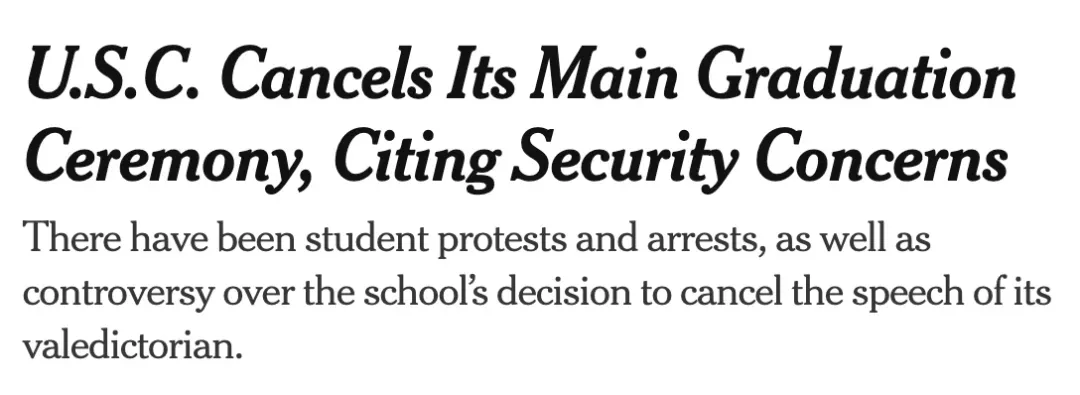
On Wednesday night, Los Angeles police arrived at USC with riot gear and arrested 93 encamped protesters on trespassing charges.
Due to safety concerns, the university announced the cancellation of the main commencement ceremony on May 10.
Emory University
Last week, at least 28 protesters were arrested at Emory University.
Law enforcement used tear gas and rubber bullets against the protesting students:
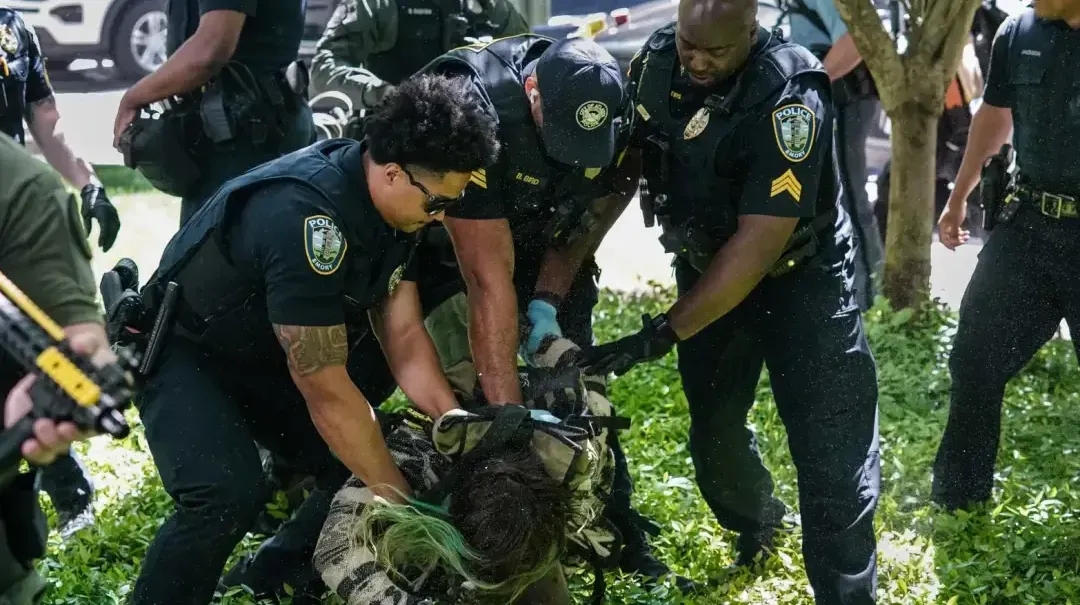
They even used tasers and employed violent tactics when arresting a professor.
Washington University in St. Louis
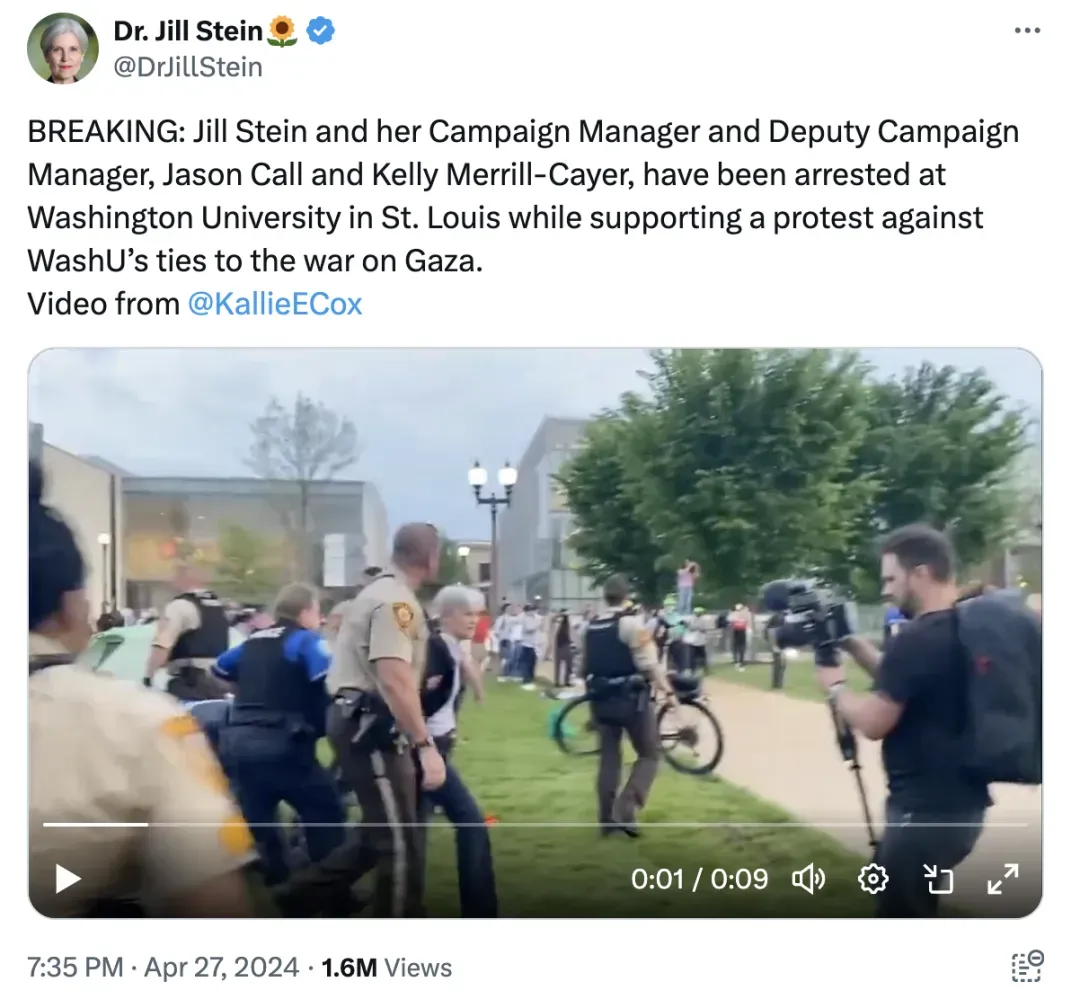
Over 80 people were arrested at Washington University in St. Louis, and the campus was locked down.
Among those arrested was Jill Stein, the Green Party’s presidential candidate, during the protests.
Yale University
Last Monday, police arrested 48 protesters, including 44 Yale students, for refusing to vacate their protest tents.
New York University
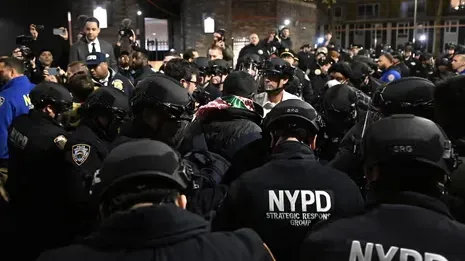
On Monday night, after students occupied the NYU campus plaza, police arrested dozens.
Emerson College
On Wednesday night, police arrested 118 people while clearing the protesters’ encampment at Emerson College.
Northeastern University
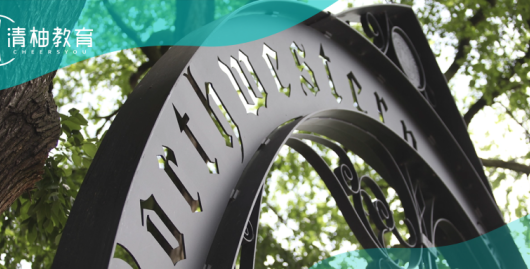
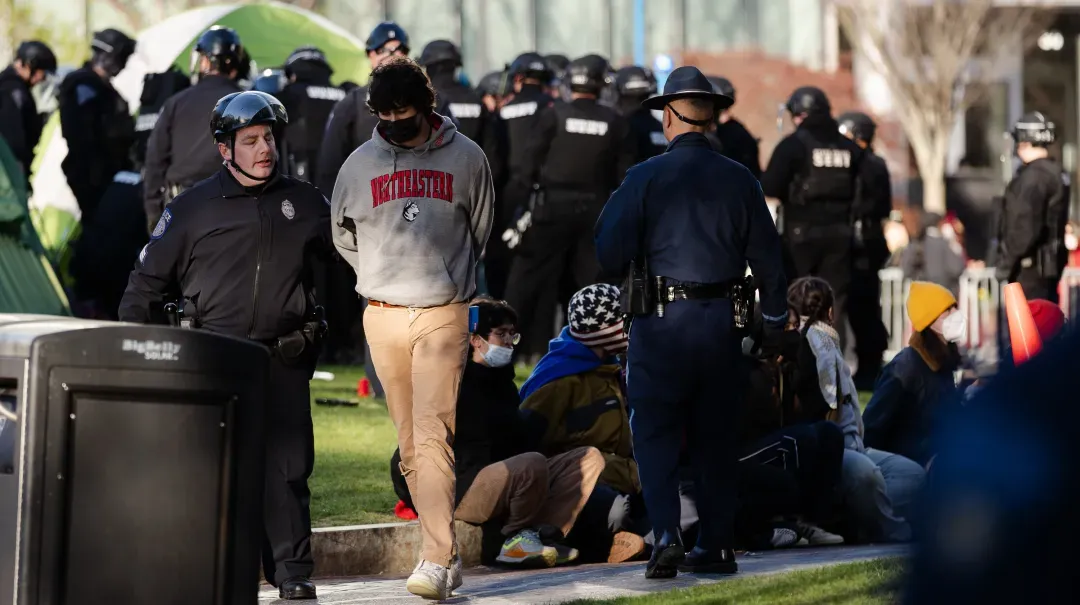
Massachusetts State Police said 102 protesters were arrested at NEU. It is reported that those who presented student IDs have been released.
Arizona State University
The university said 69 people were arrested at Arizona State University after protesters set up an encampment. Three more were arrested later.
Ohio State University
Last Thursday, 36 people, including 16 students, were arrested at Ohio State University.
Indiana University
The campus police department at Indiana University Bloomington reported 33 arrests of encamped protesters.
Princeton University
Last Thursday, two Princeton graduate students were arrested, and the protesters’ tents were subsequently “voluntarily” dismantled.
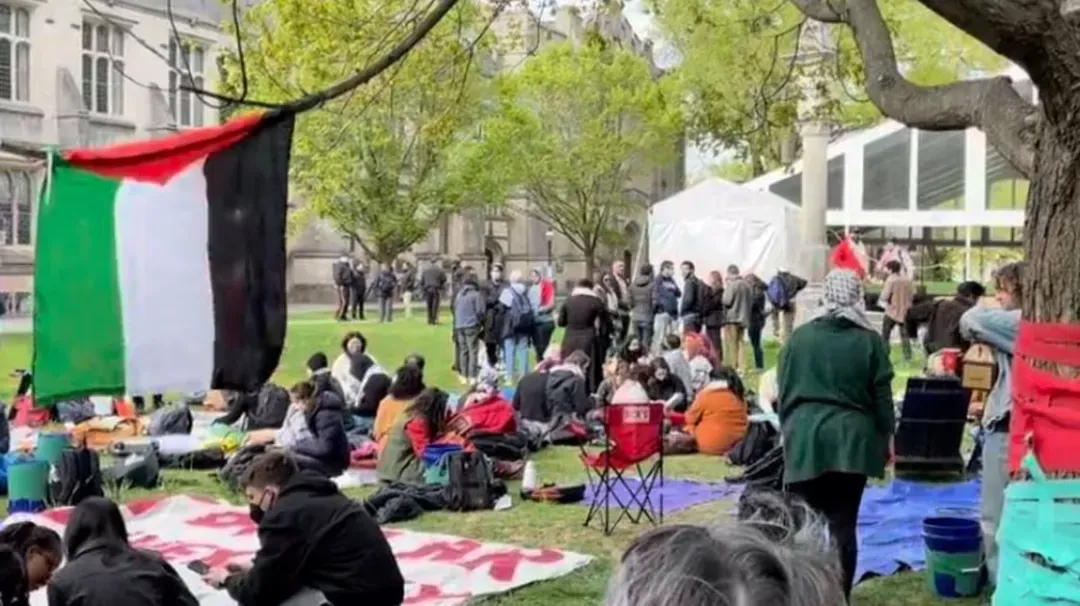
Anti‑war sentiment spreads globally
As students are arrested, tents torn down, campuses closed, classes suspended, and graduation ceremonies canceled, anti‑war sentiment on campuses continues to intensify, with protests spreading to the UK, Canada, Australia, and beyond.
University College London
Last Friday, UCL students held a campus rally demanding the university sever ties with Israeli academic institutions, especially research collaborations with arms companies.
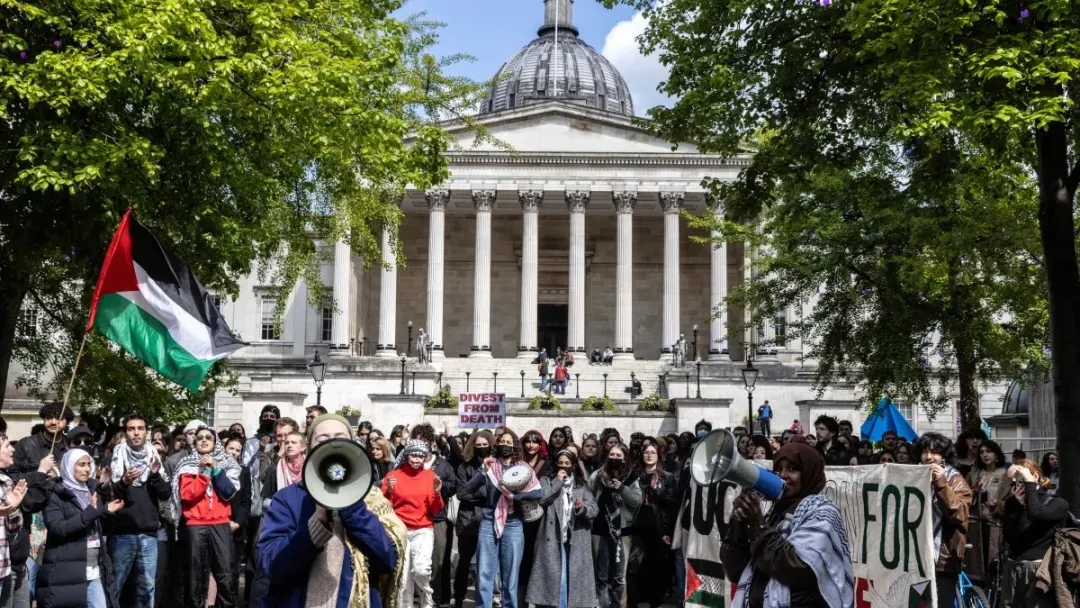
Student leaders of the protests said that, compared with the arrests in the US, UK universities have largely taken a more muted approach.
University of Warwick
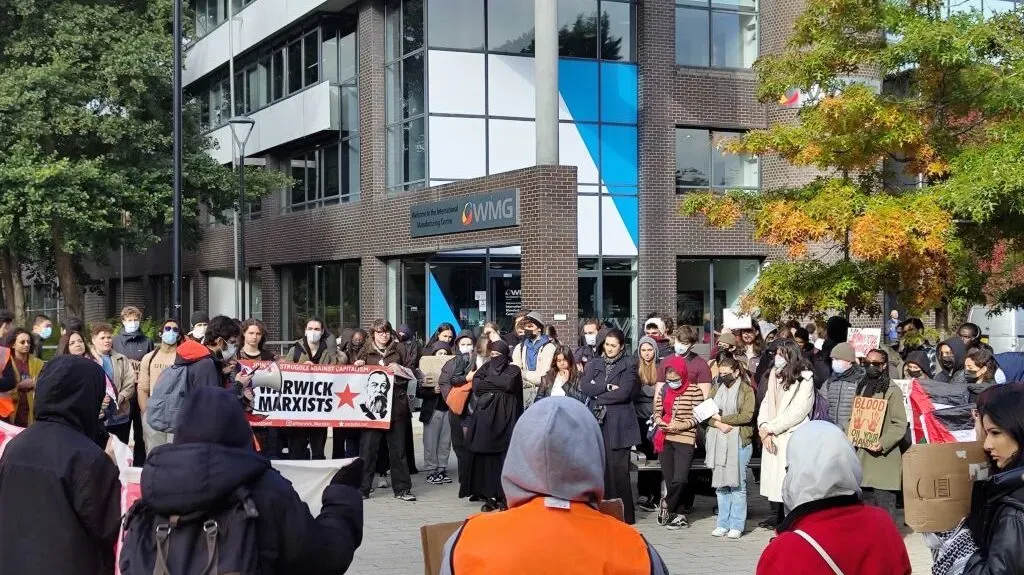
Last Friday, students at the University of Warwick also staged an encampment protest on campus, holding banners that read “Warwick Stands in Solidarity with Palestine.”
McGill University
Last Saturday, McGill University joined the wave of anti‑war demonstrations.
Protesters set up about 20 tents on campus, demanding the university divest from companies linked to Israel. Within days, the number of encampments had tripled.
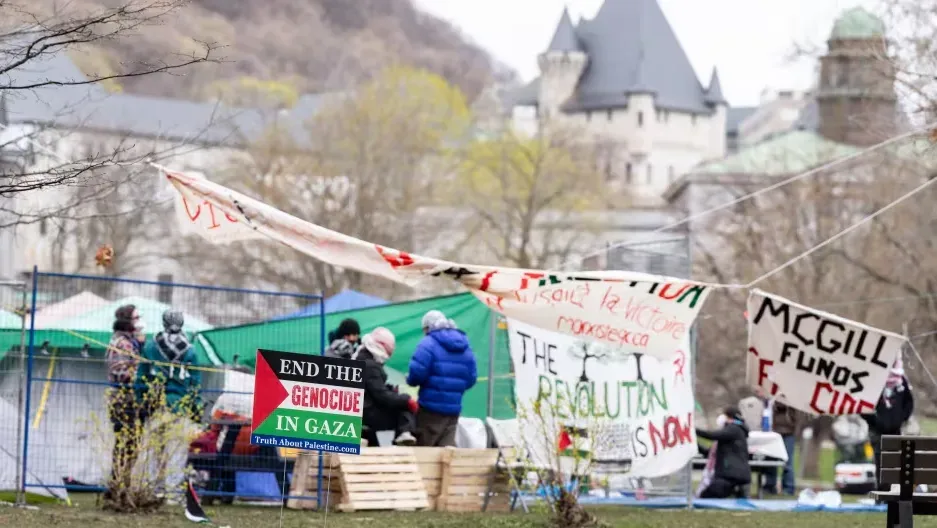
One protester said: “We just need to ensure that tuition fees are not going to arms companies involved in the Gaza war.”
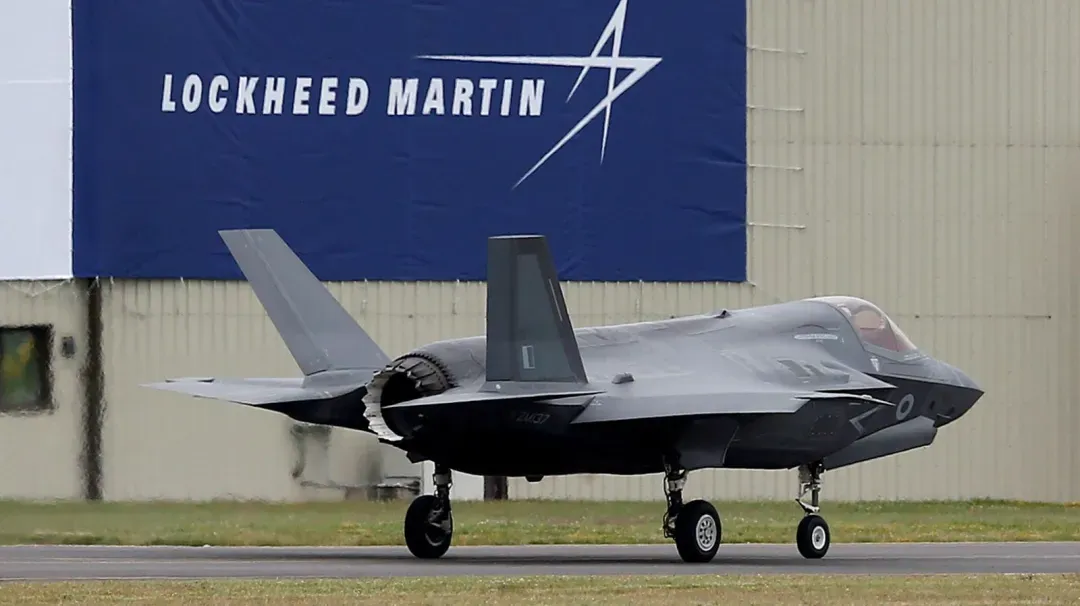
Protesters released a list of investments worth up to 20 million Canadian dollars, claiming McGill holds shares in these companies, including an aerospace manufacturer that supplies weapons to the Israeli military.
University of Sydney
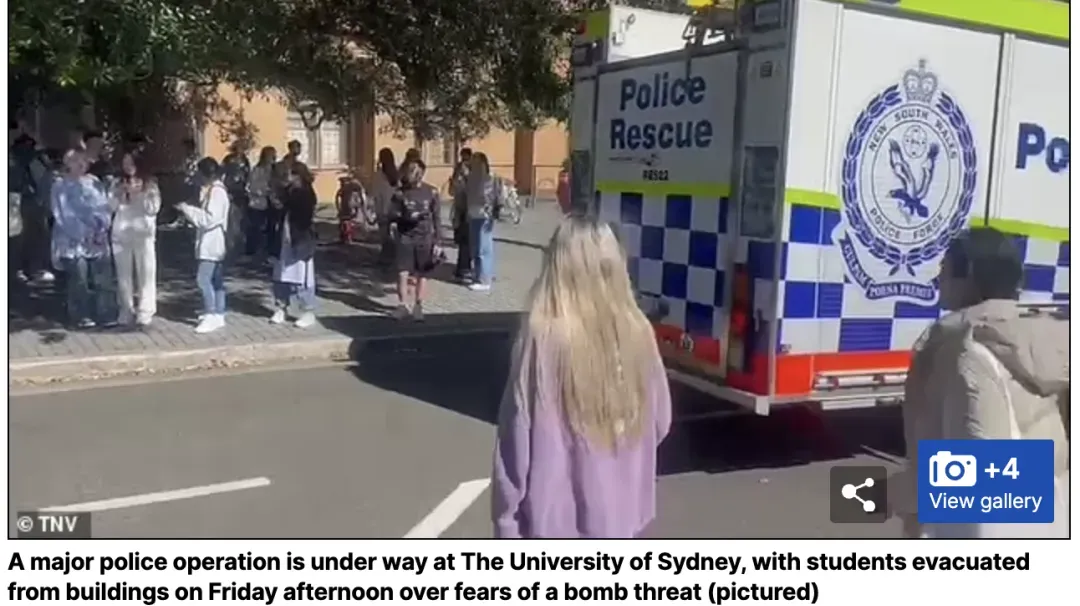
Last week, the University of Sydney also joined the anti‑war movement, with protesters setting up an encampment on campus.
Subsequently, a bomb threat at the Camperdown campus led to an emergency evacuation by police.
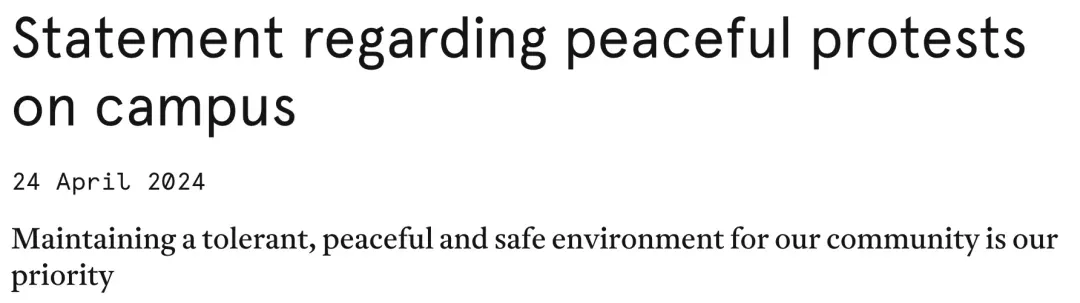
The university issued a statement, affirming the right of protesters to assemble peacefully and express their views, but adopting a zero‑tolerance policy towards any form of racism or intimidation threats.
From the initial protests at Columbia to the now global anti‑war wave, universities in the US, UK, Australia, and Canada have all been drawn in.
Australian netizens commented that this is entirely a backlash against heavy‑handed suppression.
“If those US universities hadn’t called in the police to crack down on students, these subsequent protests might never have happened.”

“Thank goodness this isn’t America; protesters here won’t be treated brutally.”

“If these campus encampments bother you, think about how Palestinians feel about the expansion of illegal Jewish settlements on their land.”

Who is to blame for campus anti‑war protests?
Since the Israel‑Hamas war began on October 7 last year, anti‑war sentiment on US campuses has been spreading. With the recent deterioration of the Middle East situation, conflicts have escalated on campuses with large numbers of international students.
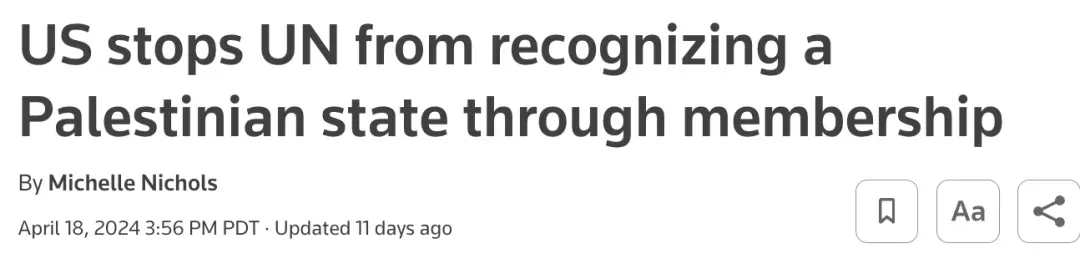
On April 18, the United States vetoed Palestine’s bid for full UN membership, blocking its recognition as a state.
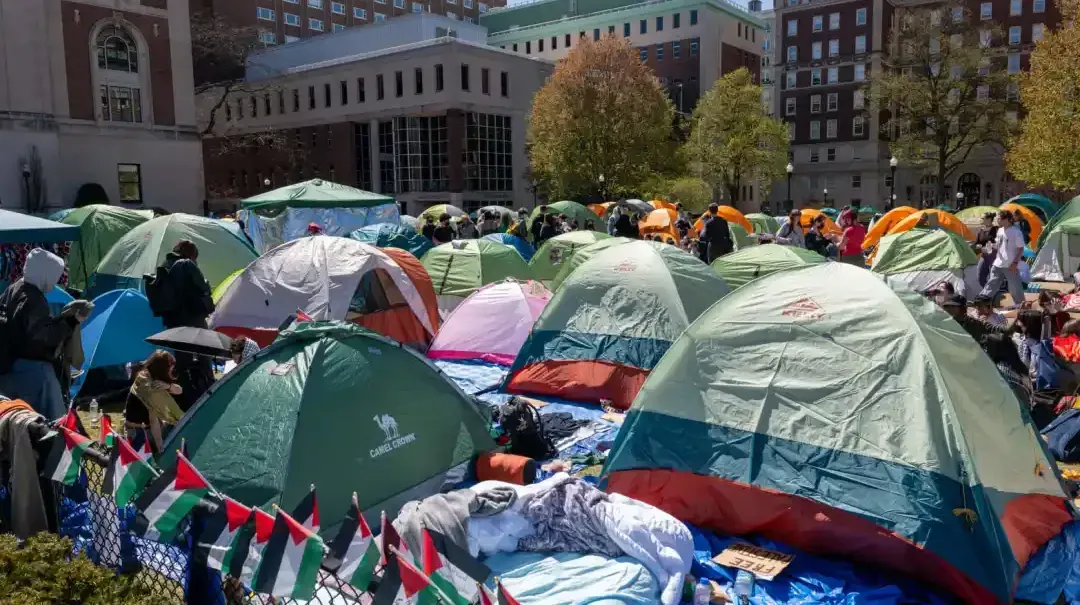
Subsequently, Columbia fired the first shot of the anti‑war movement. Protesters set up encampments on campus, demanding the university cut financial ties with Israel and divest from Israeli companies.
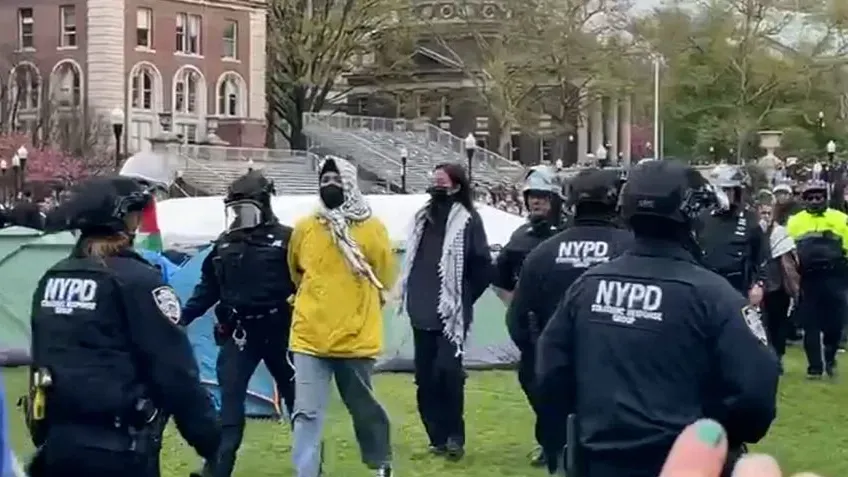
However, the administration called in the police to clear the scene, arresting over a hundred demonstrators.
On April 21, the official stance emerged. The White House issued a statement condemning anti‑Semitic acts on Columbia’s campus.
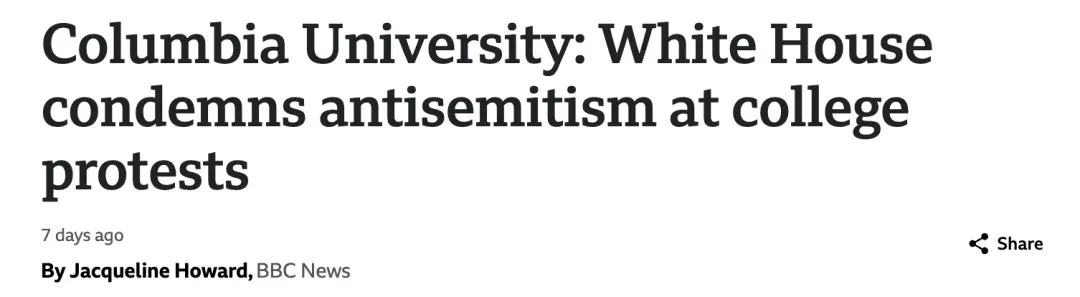
The statement read: “While every American has the right to peaceful protest, violence and physical intimidation against Jewish students and the Jewish community are blatant anti‑Semitism, unwarranted and dangerous.”
President Biden also condemned “blatant anti‑Semitism” on college campuses.
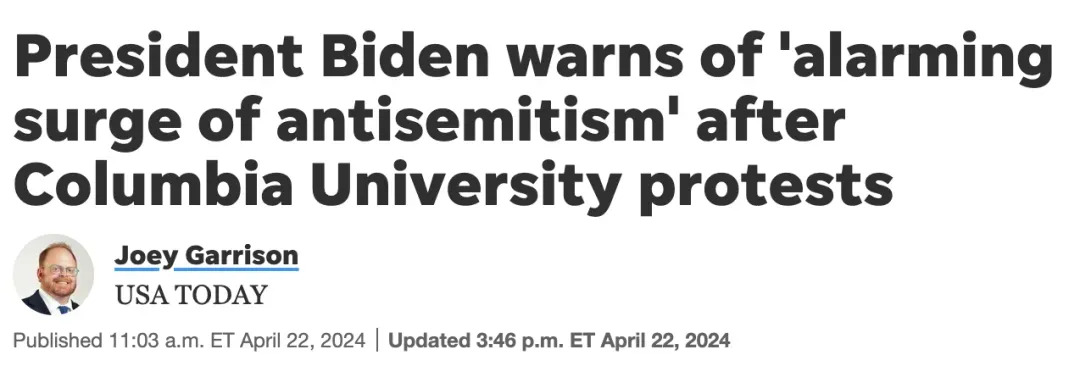
Some netizens feel that certain protests crossed a line, as demonstrators shouted “go back to Poland” at Jewish students—such incendiary rhetoric should be restricted.

Other American netizens sneered:
“Are Ivy League rich kids putting their TikTok fantasies into practice?”
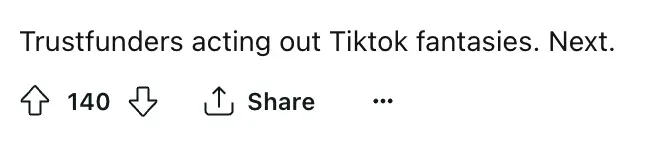
“It’s nothing but a bunch of kids brainwashed by the media and spoiled by their parents. Reality is giving them a lesson.”
However, many still voiced support for the students:
“Arresting peaceful anti‑war protesters is simply wrong.”

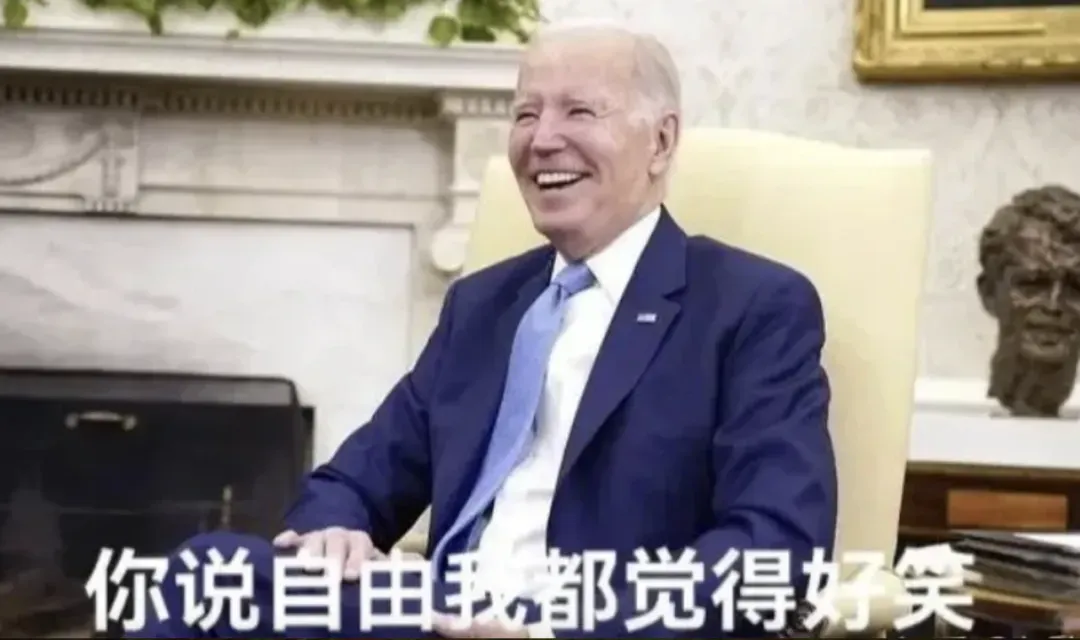
“Freedom of speech is a joke. Police using force against unarmed students—how is that different from fascism?”
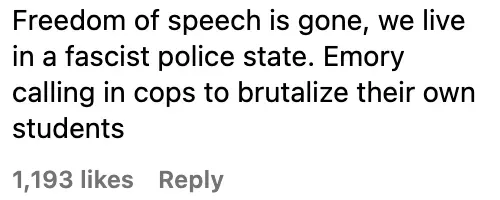
It turns out the boomerang of free speech has finally hit home, and even the ivory tower of academia is not immune.
During the Black Lives Matter protests, when there was looting and rioting, the police were timid; now they are coming down hard on unarmed students.

Not only are fully armed police deployed, but violent tactics are used to suppress.
The world has finally gone mad.
So‑called American freedom is merely a grand narrative when it does not touch the core interests of the upper class.
Young people, once cocooned by mainstream US media, have glimpsed a corner of the world through new media like TikTok, and the old Disney‑like world is beginning to crumble.
Many of these Ivy League students come from elite, wealthy families. Their voices may not be about individual concerns but stem from a sense of responsibility and justice for the world.
Perhaps many adults do not understand this fearlessness and impulsiveness, but that is precisely the beauty of youth.
As finals and graduation approach, students may be affected by class suspensions and canceled ceremonies. While studying abroad, please take care of yourselves.
We hope that the situation will eventually be properly resolved and that everyone’s academic life can return to normal as soon as possible.