In the graduate school application process, background enhancement is one of the key factors that can strengthen your application. Seeking relevant internships and participating in high-impact research projects can both be highly beneficial.
Generally, business and media-related programs prefer internship experience, while research-oriented science and engineering programs focus more on research experience. However, there are countless graduate programs, each with different preferences for backgrounds, so applying a one-size-fits-all approach is never advisable. This has left many students torn in the early stages of background enhancement.
Due to time and energy constraints, most students can only choose one between internships and research. Blindly pursuing unsuitable background enhancement could backfire for your application.
For graduate school background enhancement, should you pursue an internship or research?
.png)
Graduate Programs That Prefer Internships
Most business schools and business-related majors prefer to see applicants with strong practical social skills and clear career development plans. To stand out among the massive pool of business applicants, a strong internship background is essentially indispensable.
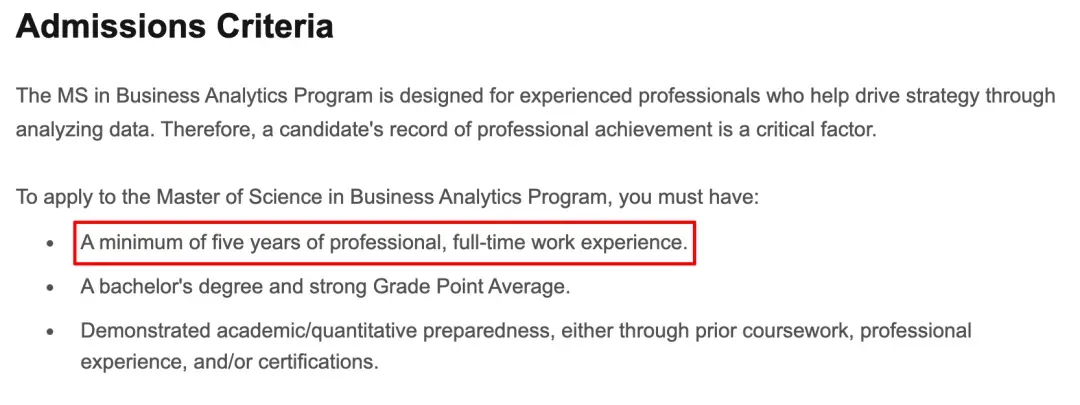
Especially for some highly specialized and competitive programs, the requirements for internship or work experience are even stricter. For example, NYU Stern School of Business's MS in Business Analytics program requires over 5 years of work experience.
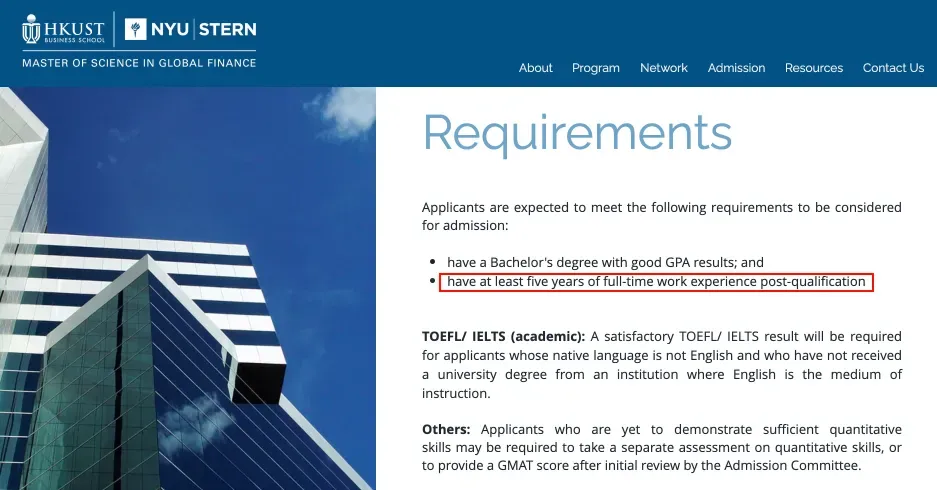
The Global Finance master's program jointly offered with the University of Hong Kong, also requires at least five years of relevant full-time work experience.
For the more advanced MBA, which many are familiar with, the University of Chicago Booth School of Business has conducted statistics on the average work experience of its MBA applicants, and the average full-time applicant has 5 years of work experience.
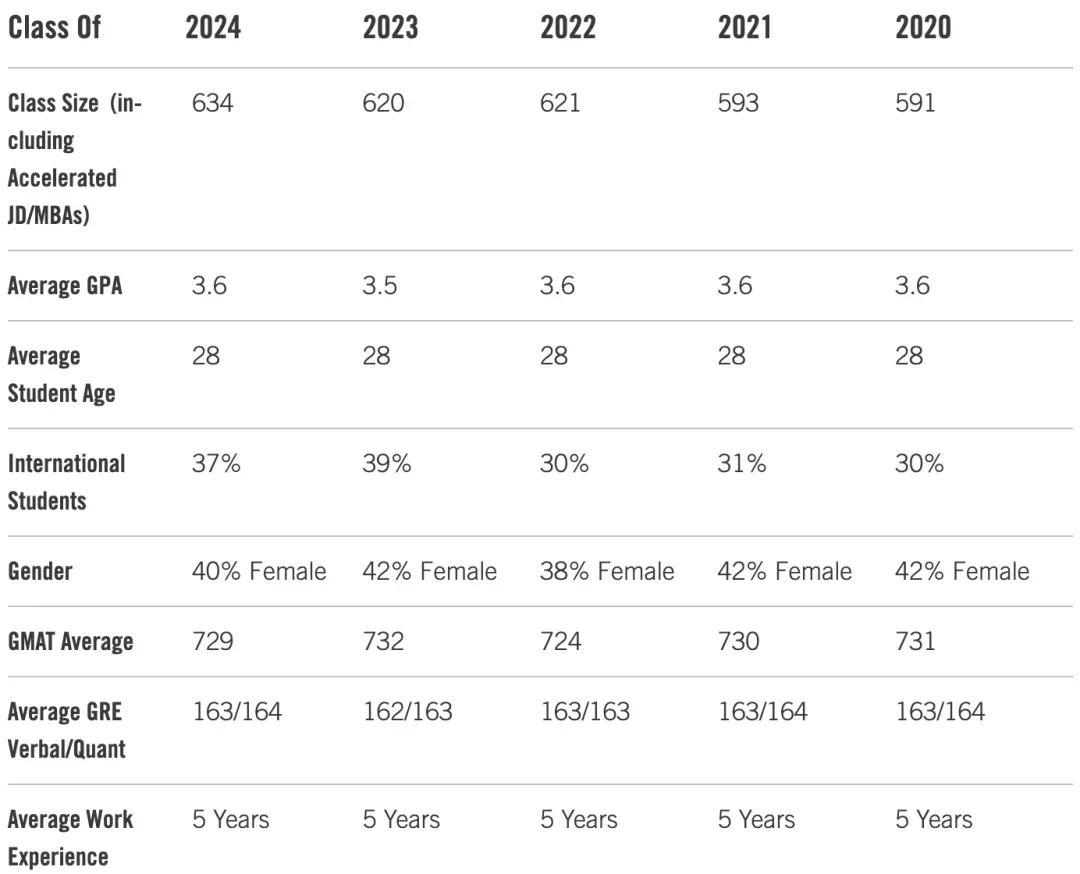
This type of business master's program is essentially out of reach for fresh graduates. At the same time, we can see how much business schools value internship or work experience.
In addition, other popular majors, such as media and journalism programs, are also career-oriented and prefer to admit students with relevant internship backgrounds.
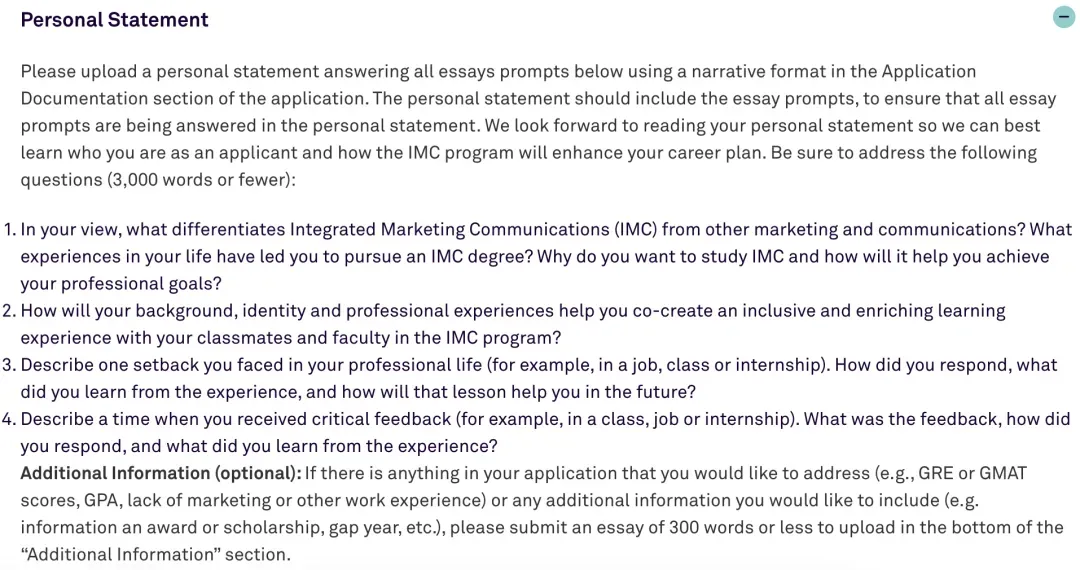
For example, Northwestern University's Integrated Marketing Communications (IMC) master's program requires applicants to detail their undergraduate internship experiences and deeply describe their career plans in the application essays.
There are also engineering programs that prefer internships. For example, UC Berkeley's MS in Industrial Engineering and Operations Research (IEOR) is not linked to a PhD program and is career-oriented. Therefore, providing relevant internship experience is a better choice when applying.

Graduate Programs That Prefer Research
PhD programs generally pay close attention to applicants' research backgrounds, and some research-oriented science and engineering programs also require applicants to have some research experience.
For example, Carnegie Mellon University's Computer Science program is a typical research-oriented program. Its 5th Year MS in CS requires applicants to focus on describing their undergraduate research experiences in their personal statements, and also requires recommendation letters from mentors at reputable research institutions.
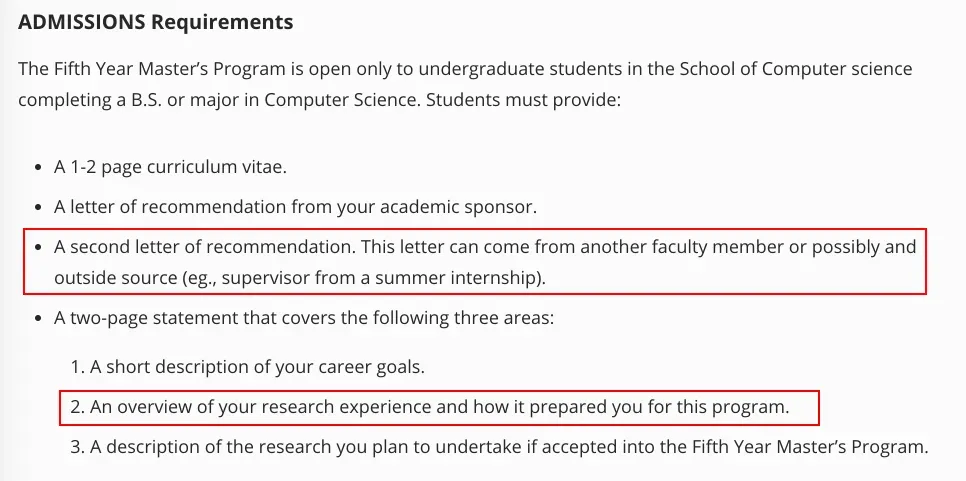
For applications to such research-oriented programs, if students have participated in research projects or published research results in reputable journals during undergraduate studies, it will be more valuable than internships.
Research-focused universities or colleges also prefer research backgrounds. For instance, Caltech explicitly requires applicants to provide undergraduate research experiences in the master's program application form.
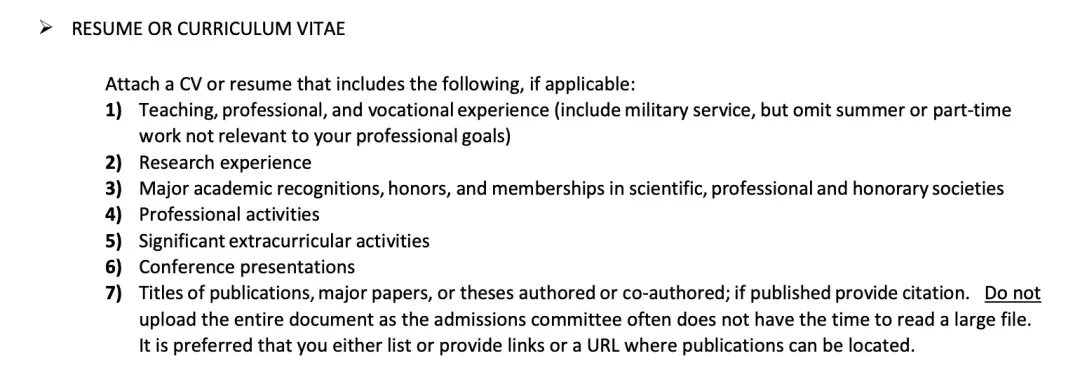
Furthermore, most master's programs that are directly linked to PhD programs will also focus on applicants' research backgrounds, because these programs aim to admit candidates who will stay on to pursue a PhD and conduct research.
Make the Right Choice: Comprehensive Evaluation and Reasonable Trade-offs
Overall, there are more course-based master's programs, which are career-oriented, so they naturally focus more on internship experiences in application materials. This is why most master's applicants ultimately choose to enhance their backgrounds through internships, as it also conveniently enriches their future job resumes in advance.
For those who are determined to do research and plan to apply to academic research-oriented programs, enhancing their research background is a better choice. This will also help accumulate more research experience for pursuing a PhD or other higher degrees in the future.
Graduate school applications differ from undergraduate ones; different universities, colleges, and specific programs may have varying application requirements, and the background requirements for internships and research also differ.
For students applying to multiple directions or multiple programs, extra attention is needed. Many programs do not provide very clear hints about background requirements. This requires applicants to carefully understand the program's features, curriculum, and all application requirements, earnestly grasp the admissions preferences, comprehensively evaluate their own circumstances, balance time and energy to make reasonable trade-offs, and accordingly carry out appropriate specific background enhancement.
CheersYou(清柚教育) hopes that everyone can plan their background enhancement early, providing strong support for the upcoming application season and successfully securing offers from their dream schools!