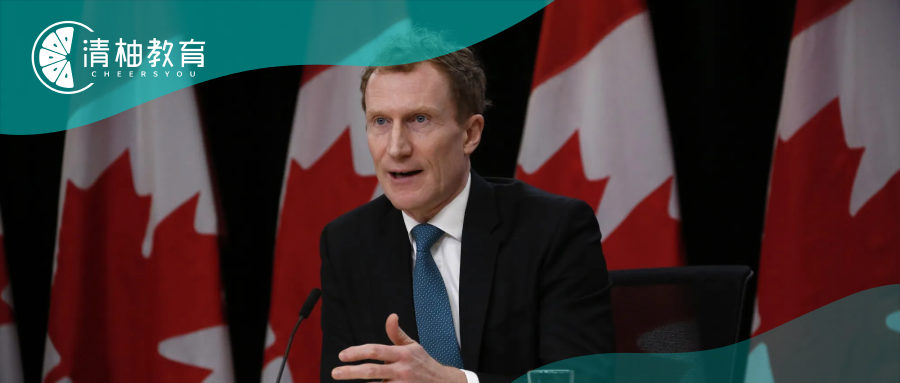
Just now, Immigration, Refugees and Citizenship Canada (IRCC) announced major changes to immigration policy, covering study permits, Post-Graduation Work Permits, and spousal work permits.
The Canadian government hopes to help control the growth of temporary residents and address labour market weakness by reforming the International Student Program and tightening eligibility requirements for temporary foreign workers.
Canada’s Immigration Policy Reforms
Study Permit Quotas Continue to Fall, Scrutiny Tightens
In 2025, the number of Study Permits issued will be reduced by a further 10% from this year’s level, to 437,000.

Master’s and doctoral students will be included in the overall study permit cap and must now also submit a provincial or territorial attestation letter (PAL/TAL) to demonstrate the legitimacy of their application.

PGWP Reform: Language Proficiency Required First
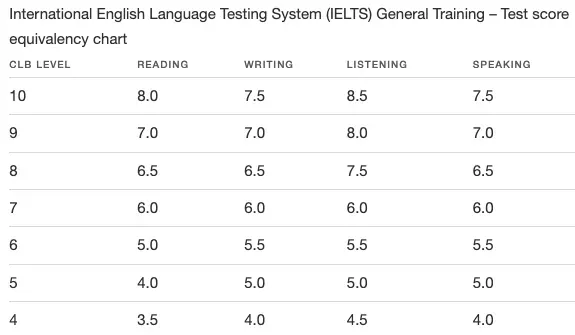
Starting November 1, 2024, all applicants for the Post-Graduation Work Permit (PGWP) must meet minimum language requirements to obtain the permit.
.png)
University graduates must reach Canadian Language Benchmark (CLB) level 7 (equivalent to IELTS 6 in all bands), while college graduates must reach CLB 5.
Public College Program Restrictions and Major Spousal Work Permit Overhaul
For students at public colleges, only graduates whose fields of study are linked to long-term labour shortages will remain eligible for a Post-Graduation Work Permit of up to three years.
Only spouses of students enrolled in master’s degree programs or higher that are at least 16 months in duration will be eligible for a spousal work permit; moreover, spousal work permits will be limited to those in management, professional occupations, or sectors with labour shortages.
.png)
Overall, the Canadian government’s restrictions on study and work permits have tightened further. It is not only cutting quotas and scaling back international student intakes, but also requiring international students to take a language test before graduation in order to apply for a PGWP.
First, the required language test is the IELTS General Training, which is not interchangeable with the Academic test used for university applications. Moreover, given the current immigration landscape, a two-year score validity may not last until the PR application stage, meaning that students may have to retake and improve their scores later.
For many, this means extra expense and hassle. This is especially true for students graduating this December—plans just can’t keep up with changes. With already heavy coursework and internships, having to take an IELTS test at the last minute is truly frustrating.
IRCC knows how to milk the system, and it’s Canada’s international students who suffer.
Canada’s Study and Immigration Policies Keep Tightening
This is not the first time this year that Canada has tightened study and immigration policies.
In March, the Canadian government announced a new BC Provincial Nominee Program (BC PNP), radically overhauling the old policy that allowed graduates to secure permanent residency through study.
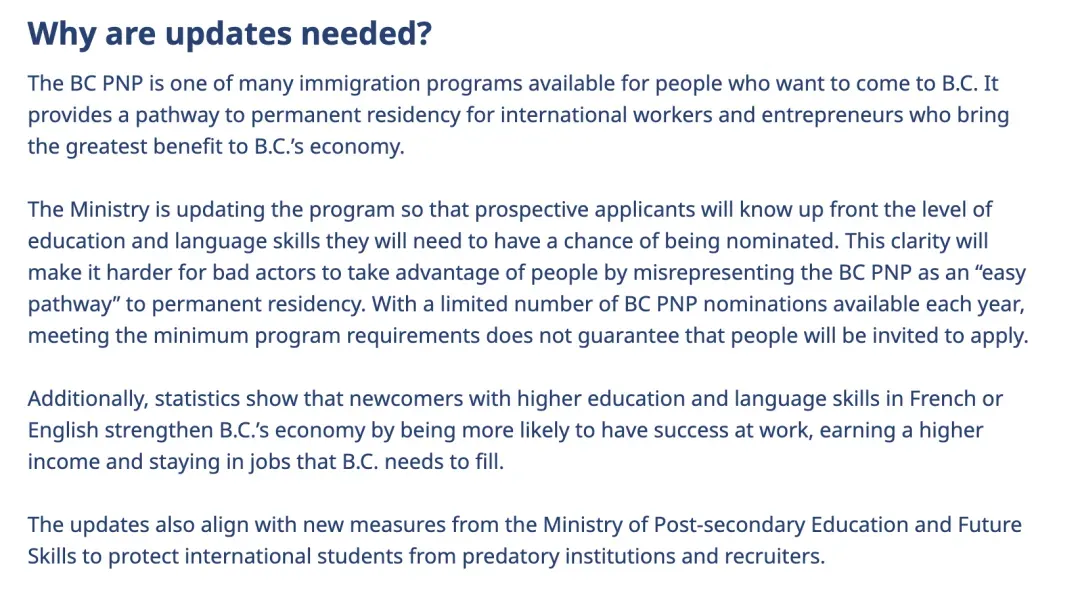
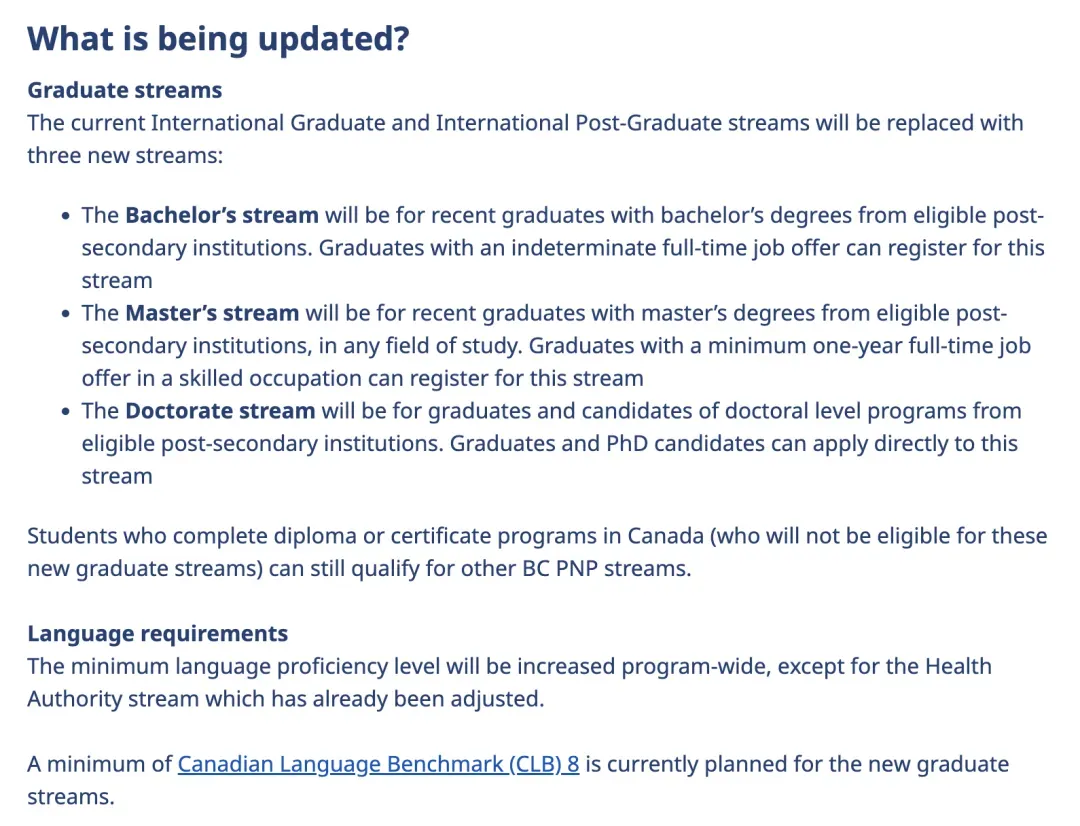
The previous BC PNP stream for master’s and doctoral graduates has been officially cancelled. The new BC PNP will consist of three streams, effective January 2025:
Bachelor’s Stream
For recent graduates who have obtained a master’s degree from an eligible institution and have a full-time job offer.
Master’s Stream
For recent graduates who have obtained a master’s degree (in any field) from an eligible institution and have a full-time skilled job offer of at least one year.
Doctoral Stream
Open to doctoral graduates and candidates from eligible institutions, who can apply directly through this stream.
Students with a diploma or certificate will be excluded from the new BC PNP graduate streams.
In addition, for all applicants, the new BC PNP will raise the minimum language requirement to at least Canadian Language Benchmark (CLB) 8.
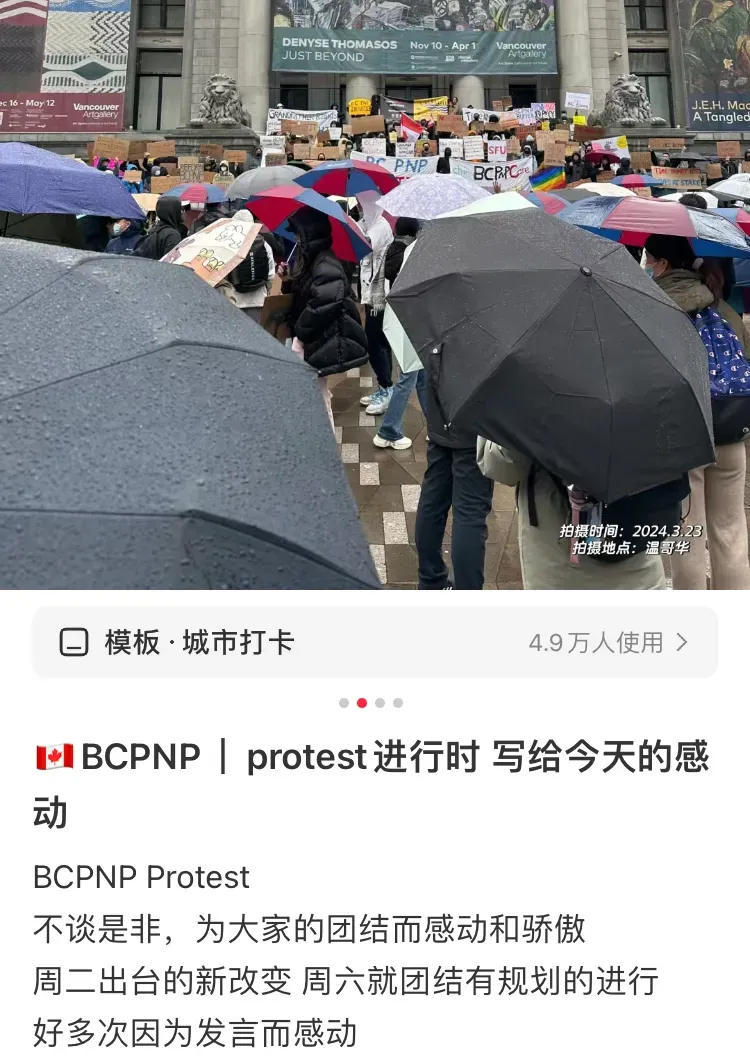
This announcement sparked widespread protests, including from international students.
Under the previously favourable study and immigration policies, more and more people chose to study and immigrate to Canada, leading to a surge in visa applications year after year. Currently, there are over 2.3 million applications pending, the system is beyond overloaded.
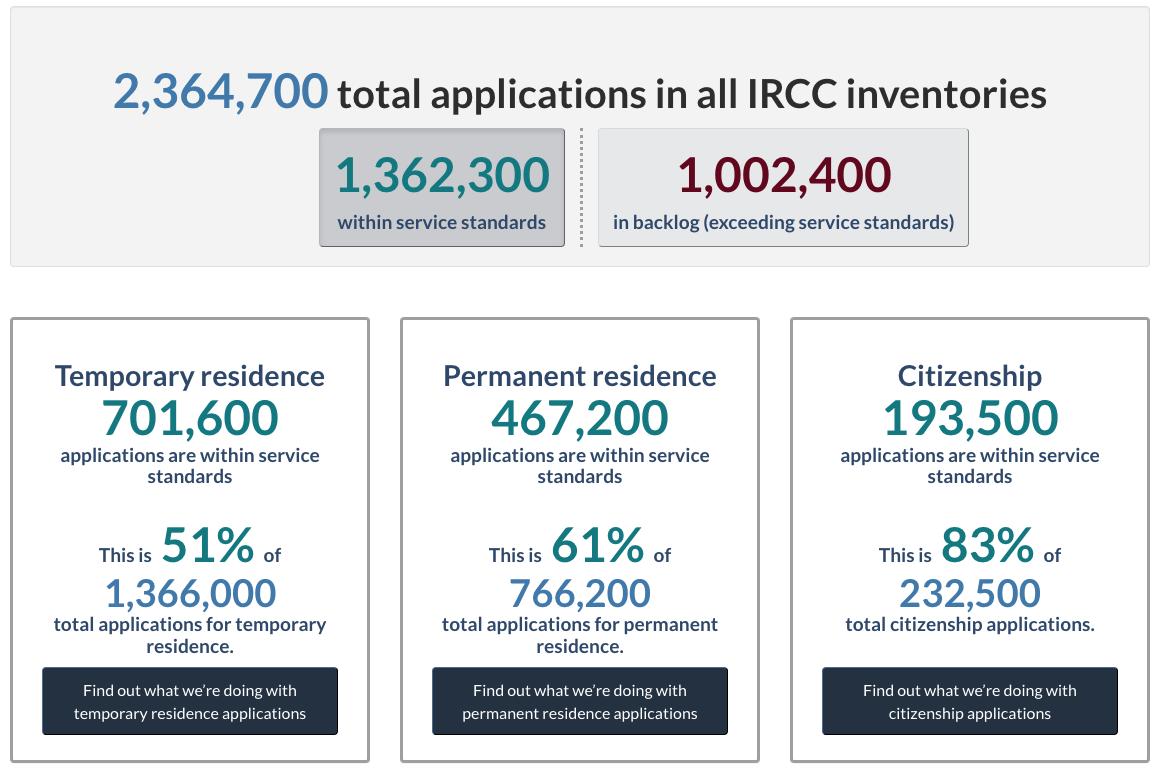
Given the soaring numbers, it’s not hard to see why the Canadian government would take various measures to impose limits.
Now that policies are being tightened continuously, this once again serves as a wake-up call for students considering study and immigration in Canada.
Policies Change Daily — What Should I Do?
Due to uncertainties in local policies and economic conditions, many people are no longer sticking to a single path when planning their studies and careers.
For example, when applying to Canadian institutions, many students now consider multi-destination applications to spread risk, no longer putting all their eggs in one basket.
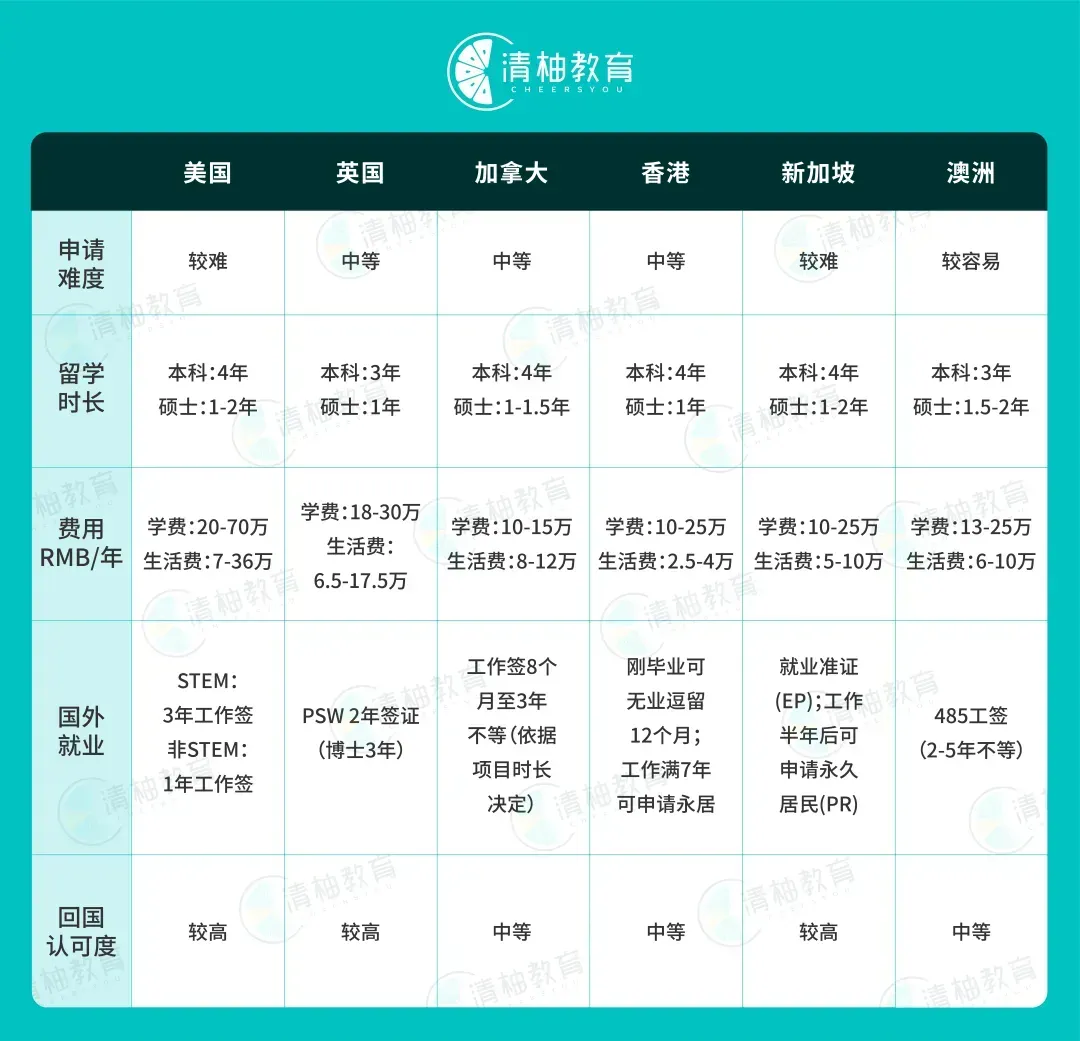
Studying abroad has a profound impact on personal growth and future prospects, so when choosing a destination, institution, and major, one must make decisions based on individual circumstances and never blindly follow trends without considering reality.
Every country/region has its own strengths and weaknesses. When applying, you must weigh them carefully according to your own situation, diversify wisely to mitigate risk, but not apply haphazardly.
The Fall 2025 application season is underway — good luck to everyone in securing admission to your dream school!
.png)