Recently, a Chinese international student's post seeking help after experiencing discrimination in Australia has drawn considerable attention within the Chinese student community.
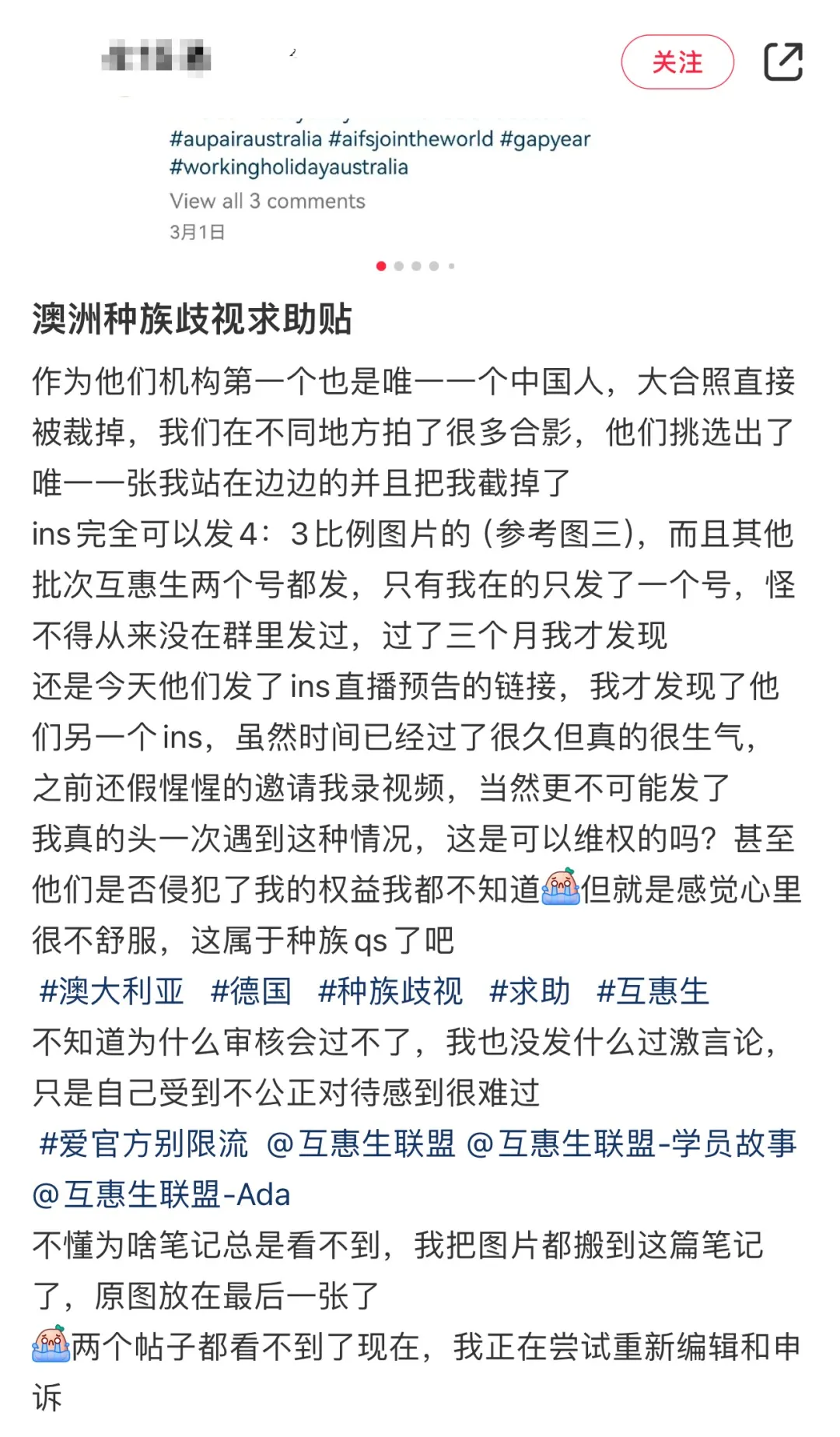
This young Chinese student participated in an Australian study-exchange program. As the first and only Chinese person in the group, he inadvertently saw a group photo posted on the program’s social media—and realized he had been cropped out.

Source: Xiaohongshu
Even though they had taken many group photos in different places, they deliberately picked the one where he was standing at the edge and cut him out.
Source: Xiaohongshu
Moreover, the organization posted many event photos, and yet the poster, who attended the entire event, seemed to have been erased. When he sought an explanation from the organization, he never received a proper apology.
It was only after the story spread rapidly within the Chinese student community and many netizens left questioning comments on the organization’s social media that the organization finally issued an apology on both its Instagram and Facebook official accounts.
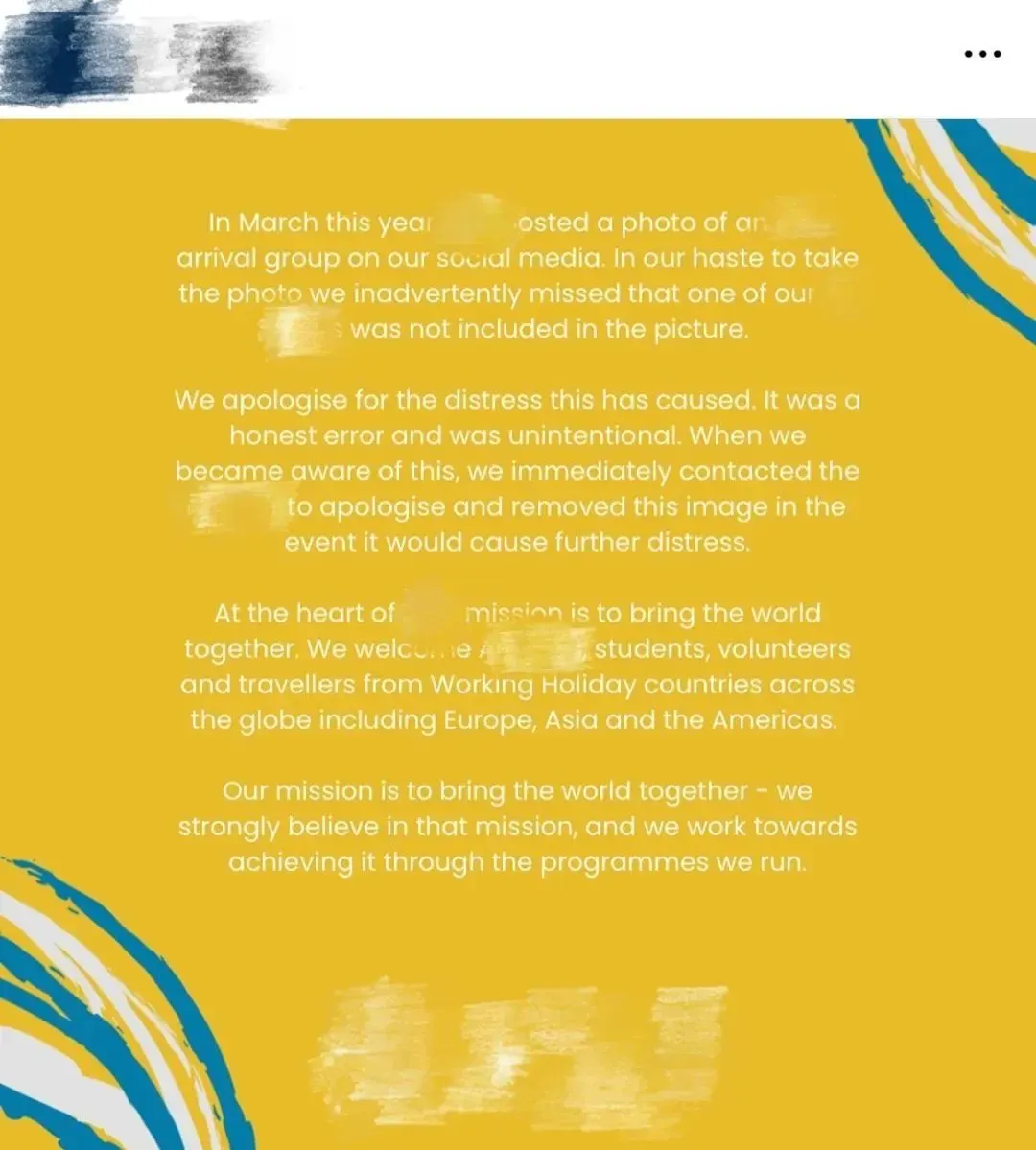
Source: Instagram
Discrimination Encountered by International Students
It is no exaggeration to say that instances of discrimination against international students while studying abroad are all too common.
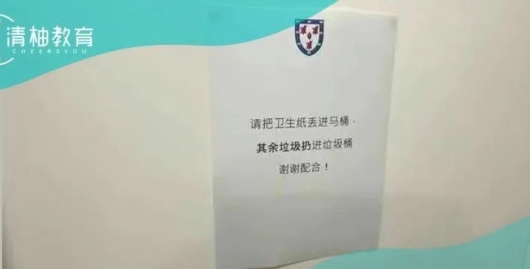
Not long ago, signs reading "Keep the toilet clean" written only in Chinese were posted in the restrooms of Homerton College at the University of Cambridge, sparking widespread debate.
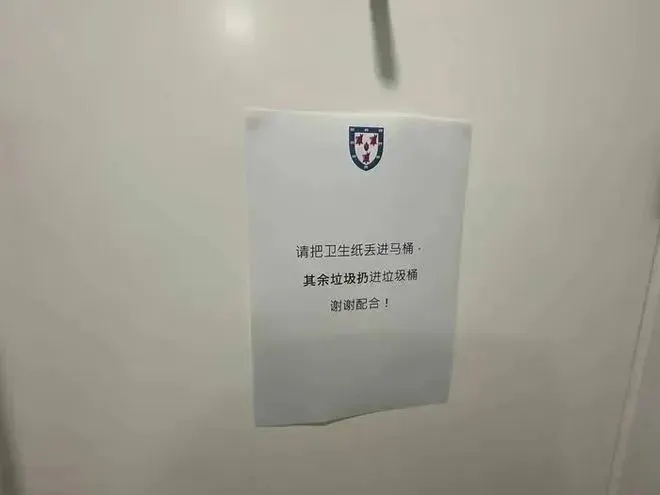
Source: Joe Giddens/PA Wire
Using only Chinese clearly implied that Chinese students are sloppy and unhygienic, deliberately targeting a specific group...
Later, the school only issued an apology after the incident caused an uproar on campus networks and social media.
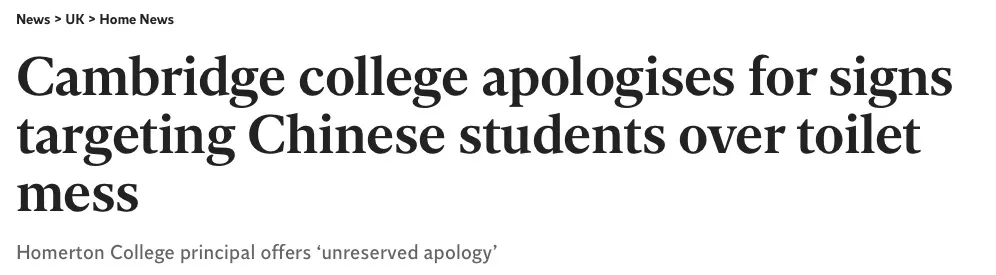
Source: The Independent
Similarly, the Thai Airways incident regarding discrimination against non-English-speaking passengers was also absurd. A passenger mistakenly said "carpet" instead of "blanket" and was met with behind-the-back verbal abuse from a flight attendant:
"If you cannot speak blanket, you cannot have it," and "Carpet is on the floor, lie on it..."

Recently, a viral video showed a British international student facing racial discrimination in London’s Covent Garden. In the video, the racist even threatened physical violence.

Source: NetEase Video
However, the female student did not back down an inch and bravely fought back. With the help of bystanders, she eventually scared off the man.
According to a nationwide survey jointly conducted by Stop AAPI Hate and the research institution Edelman, about one in every five Asian Americans has experienced some form of discrimination, harassment, or assault in the past year.
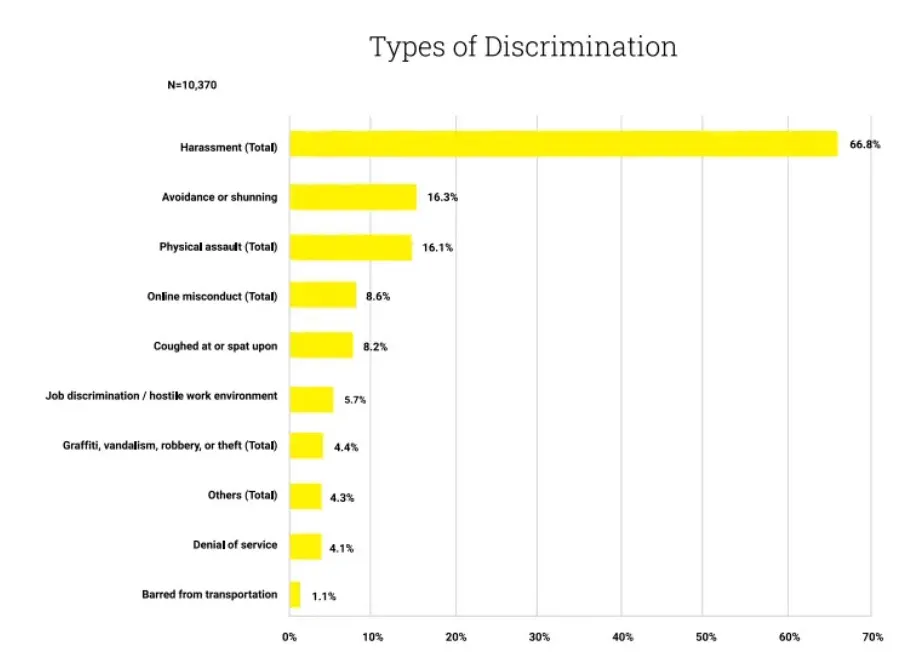
Source: SAH Report
International Situation and Policies Exacerbate Racial Discrimination
Often, discrimination against international students is further aggravated by international tensions, policies, and Western media influence.
For instance, during the COVID-19 pandemic, China was thrust into the global spotlight. Misled by Western countries and media, many people around the world still harbor biases against Asians, causing many overseas students to face discrimination...

Source: Global Times
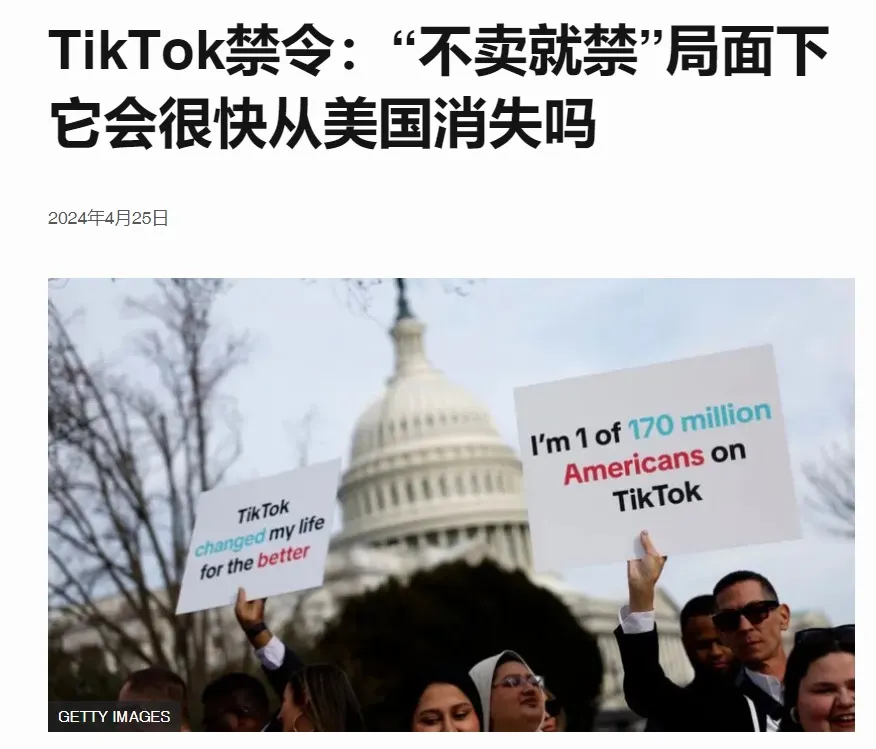
When TikTok was under public scrutiny in the U.S., a Chinese student at OSU came forward to reveal that her professor had given her lower grades because of political disagreements.


Source: Internet
It all started when she proposed a marketing strategy related to TikTok in her Marketing class, and the professor immediately rejected it on the grounds that the app "threatens national security," adding that TikTok collects private information such as IP addresses, violating the privacy rights of U.S. citizens...
Source: BBC News
Ultimately, policy factors truly have a profound impact on the international student community. Sometimes the seeds of discrimination are already sown in the very formulation and guidance of national policies.
Recall the Trump era when he repeatedly singled out China, causing endless trouble for international students! According to ABC News, Trump’s tweet using the phrase "Chinese Virus" directly boosted the associated hashtag by 20%.
Pew Research also found that during his administration, anti-Chinese sentiment among the American public rose by 20%.
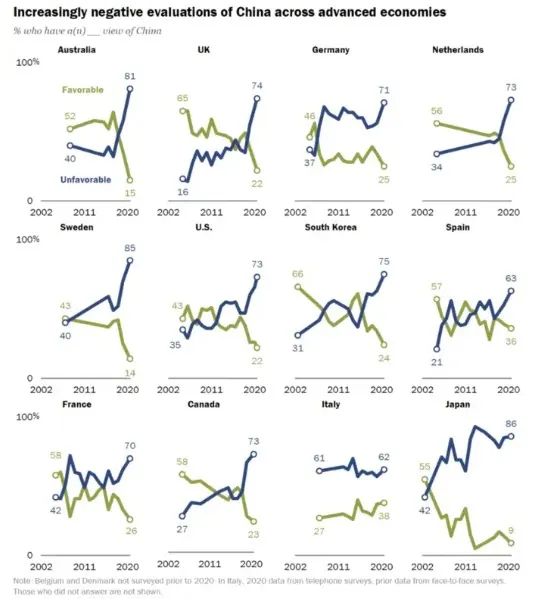
Source: Pew Research Center
U.S. Government: Chinese Students Should Only Study Liberal Arts?
The twists and turns of the U.S. election over these two months have been nothing short of dramatic, with constant plot reversals. But for international students, there has been little good news...
Although Trump first floated the trial balloon that international students could automatically receive green cards, his campaign team quickly retracted the statement barely after it was released!
On the other hand, Deputy Secretary of State Kurt Campbell, the second-highest ranking official at the State Department, told the U.S. think tank Council on Foreign Relations that the U.S. should encourage more Chinese students to study humanities rather than STEM fields.
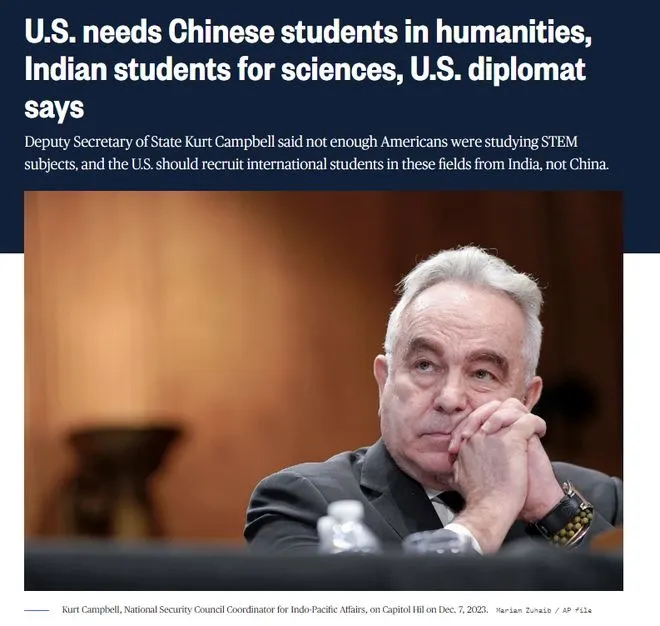
Source: NBC News
Not only that, Campbell also suggested leaving more STEM opportunities for Indian students...

On one hand, they want to continue making money from Chinese students, yet on the other, they impose restrictions on Chinese students in advanced technology fields. It is pure bias and discrimination against Chinese students...
Although this is currently just a proposal, the overall trend suggests that scrutiny of STEM students and post-graduation employment in the U.S. may become increasingly strict.
Therefore, for students currently preparing for study-abroad applications, it is crucial to plan ahead and make thorough preparations.
Tips for International Students to Fight Discrimination
While we may be powerless against many policy-level injustices, we must courageously defend our rights in the face of real-world discrimination we encounter!
If someone verbally attacks you or makes discriminatory gestures, the first step is to assess the situation before responding.
For example, you can directly state that you’re calling the police, take out your phone to record, or talk back—try to be loud enough to attract more attention.
Netizens have also compiled a wealth of practical tips for countering racial discrimination that you can learn from.


Source: Xiaohongshu
However, it is extremely important to note that if the other party has a physical advantage or is carrying a dangerous weapon, you must never engage directly. Run if you can—your safety is always the top priority.
On campus, there are also plenty of international students venting on social platforms about microaggressions they’ve experienced at university.
For example, in class, professors and foreign students might engage in lengthy, empty discussions, even using class time for casual chatting, while Chinese students who speak up at length might at most receive a nod or "Okay, right..."
Sometimes, after international students painstakingly research and write a research paper, even a well-written one might prompt a professor’s suspicion: "How could a foreigner write this well?"
In the face of such microaggressions, regardless of whether they escalate to the level of discrimination, it’s important to directly point out the other party’s mistakes. Direct communication not only earns you respect but may also clear up possible misunderstandings early on.
For instance, if you suspect a professor deliberately gave you a low grade, you can politely ask and request an explanation of the grading methodology.

If you are certain you have not acted inappropriately and are still being treated unfairly, or if you are absolutely sure of discriminatory behavior, you can document their actions through recordings, videos, or written records.
You can first report it to the department chair or dean. If that doesn’t resolve the issue, you can escalate it to Academic Affairs or Academic Advising.
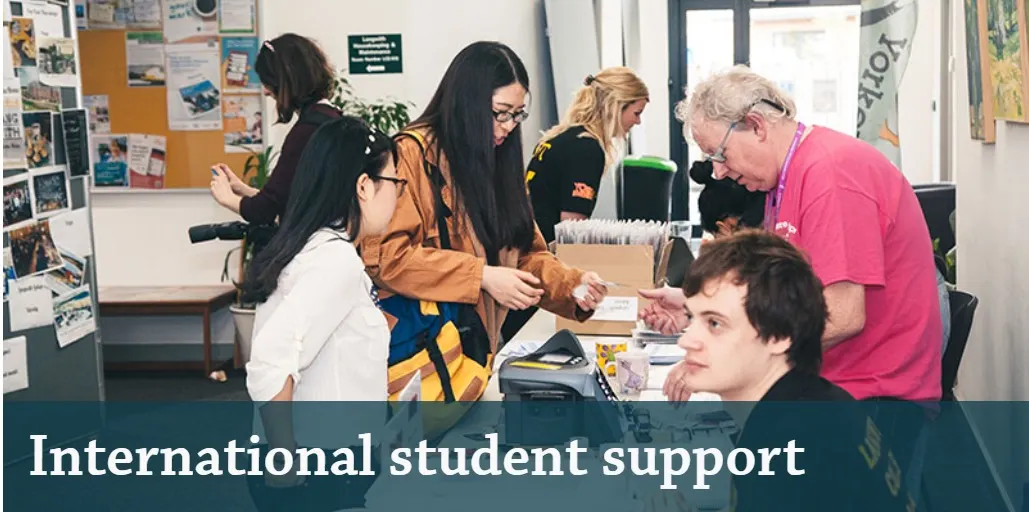
Additionally, every university has offices dedicated to international students, such as International Student Services, the Office of Civil Rights, the Office of the Ombuds, the Diversity and Inclusion Office, and the Title IX Office. If you encounter any discrimination-related issues at school, you can seek help from these departments.
The level of support these offices provide to international students may vary by institution, so you can choose the most appropriate one based on your understanding of your school to file a report.
In fact, most people abroad are quite friendly. But if you ever encounter racial discrimination, it is essential to remain calm and rational, and take appropriate measures to protect yourself!