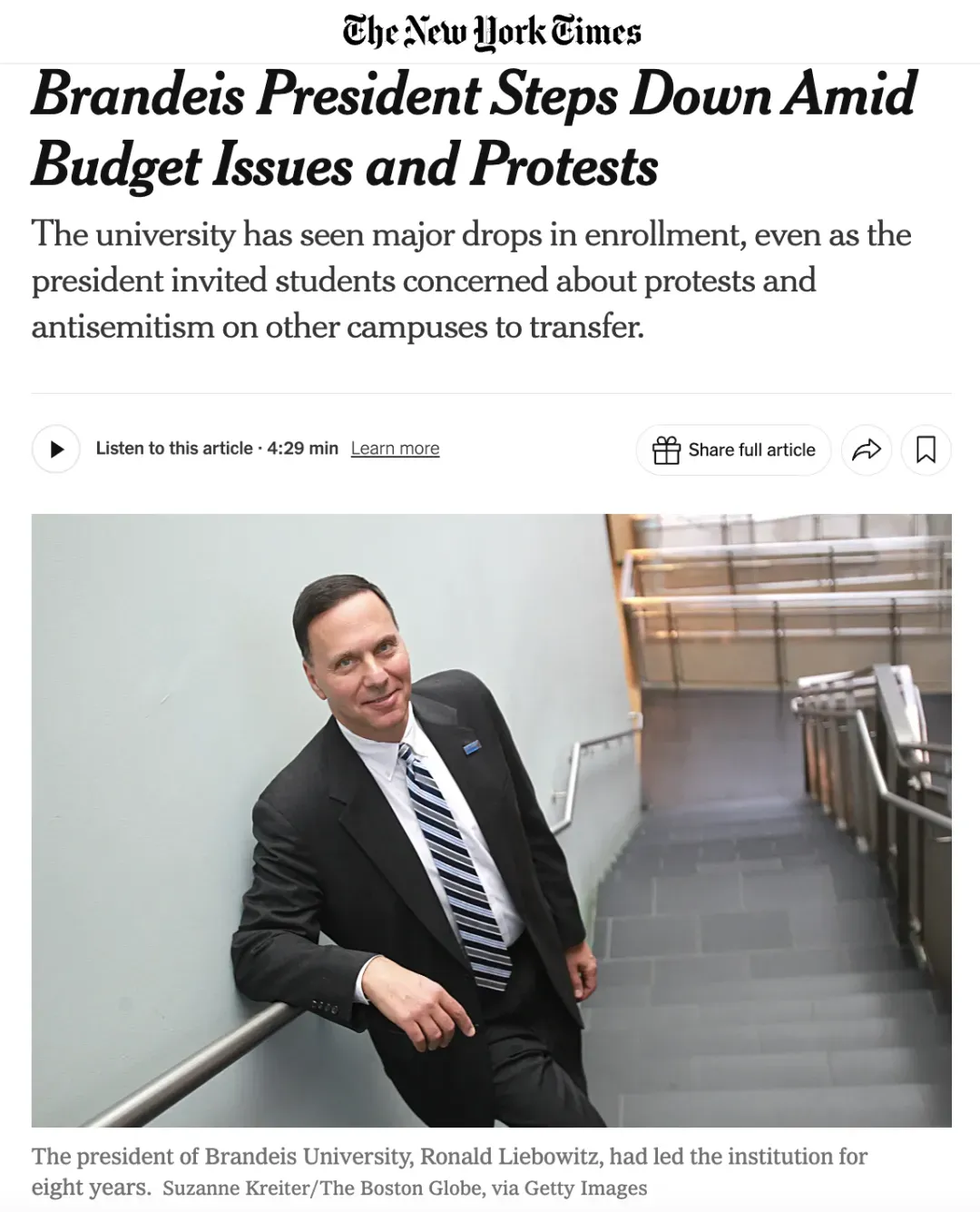
Recently, the president of Brandeis University announced his resignation.
Ronald D. Liebowitz has served as president of Brandeis for eight years.
Before the board's announcement, the faculty had held a vote of no confidence against him, accusing him of "poor judgment and lack of leadership."
In the no-confidence vote, Brandeis faculty cited insufficient budgeting and fundraising, as well as the administration's overreaction to pro-Palestinian students.
Moreover, over the past five years, Brandeis' enrollment has dropped 9%. During Liebowitz's eight-year tenure, the school's US News ranking fell from 34th to 63rd.

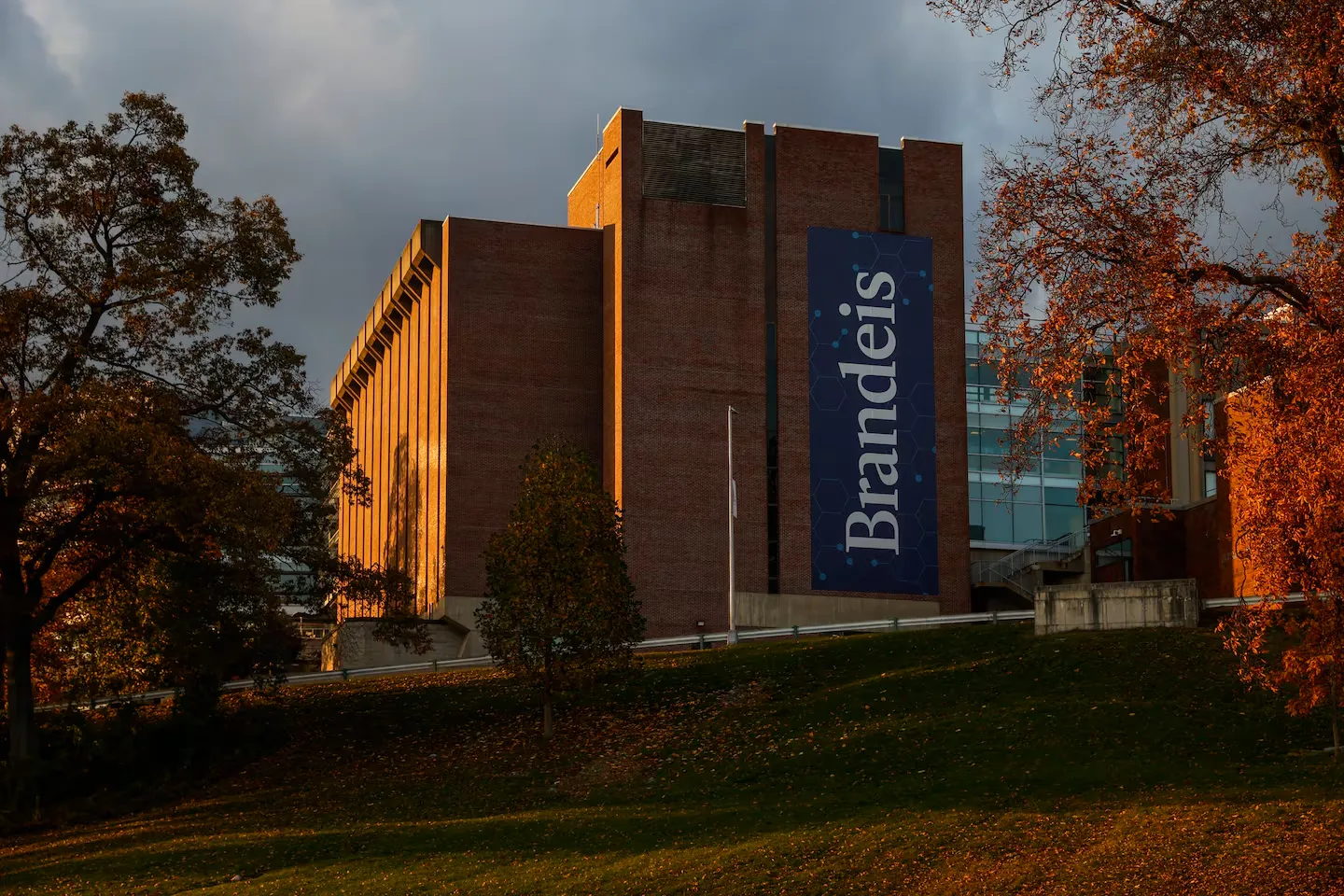
Founded in 1948, Brandeis University is a long-established private elite institution in the Boston area and a historically Jewish university, with about one-third of its students being Jewish.
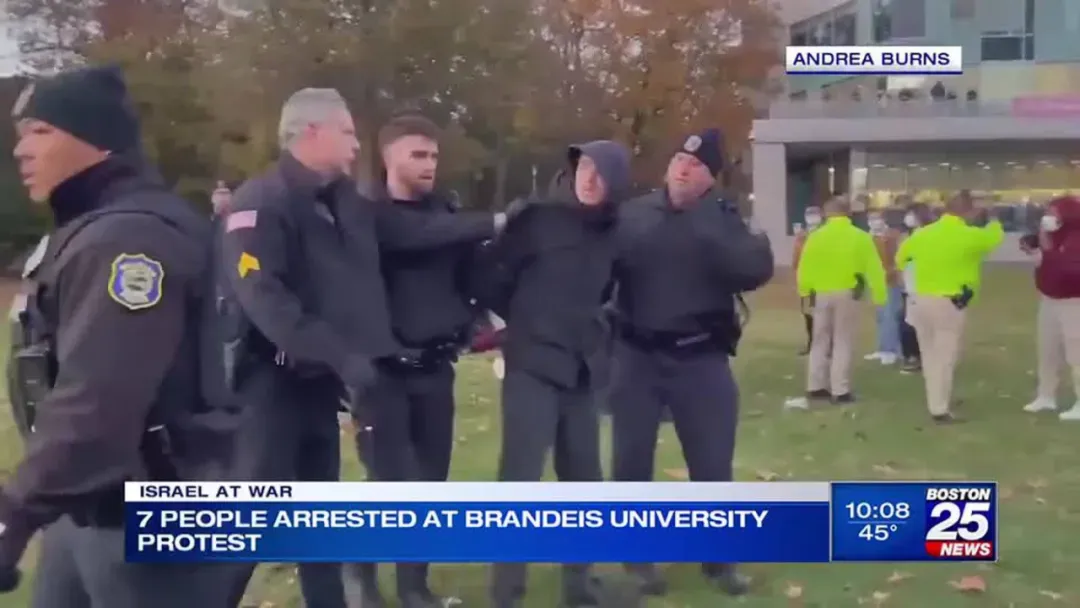
Last fall, as protests over the Hamas-Israel war spread across US college campuses, seven pro-Palestinian students were arrested at Brandeis.
In April, President Liebowitz allegedly leveraged the school's reputation as a Jewish institution by publishing an open letter inviting students to transfer to Brandeis, promising an environment "free of harassment and hatred of Jews."
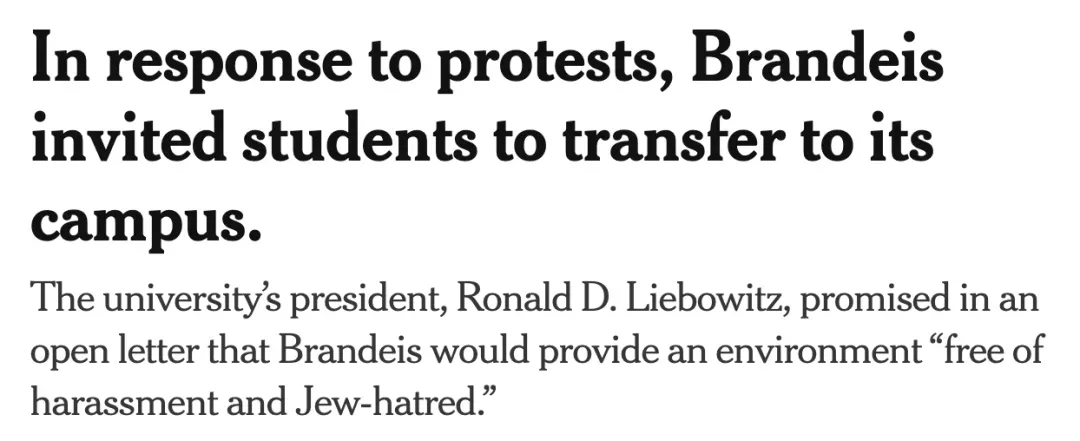
This recruitment pitch drew criticism and was blamed for attracting only a small number of new students.
Additionally, Liebowitz was seen as mismanaging the school, leading to a fundraising deficit and the elimination of 60 faculty and staff positions.
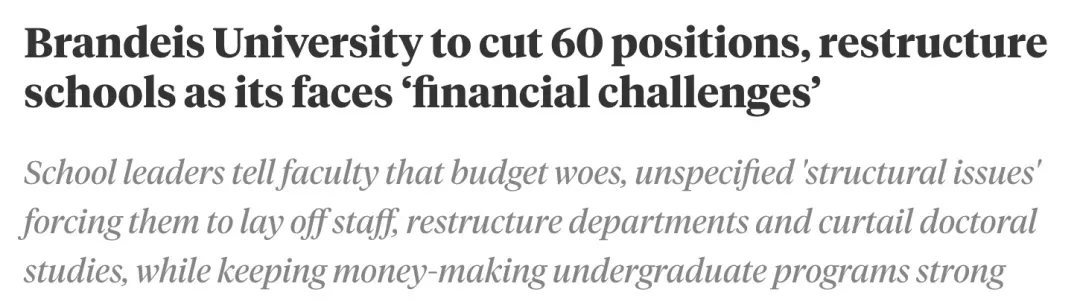
"In his eight years in office, he never conducted any fundraising activities," the impeachment document stated.
The 67-year-old Liebowitz previously served as president of Middlebury College and holds a PhD in geography from Columbia University.
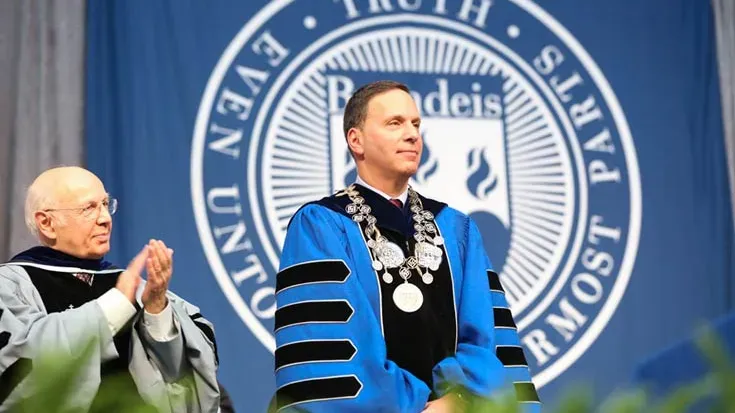
Liebowitz will officially step down on November 1, and Brandeis alumnus Arthur Levine, former dean of Teachers College, Columbia University, will serve as interim president.
In summary, the reasons for the Brandeis president's downfall boil down to three main points:
-
Ranking decline: Ignoring rankings, US News rank fell from 34th to 63rd
-
Financial issues: Poor fundraising and enrollment led to fiscal strain and staff cuts
-
Political stance: A hardline attitude toward pro-Palestinian students, shutting down pro-Palestinian student organizations and arresting student protesters
The Brandeis president's downfall is more or less tied to his political stance, and he is now the fifth well-known university president to step down for this reason.
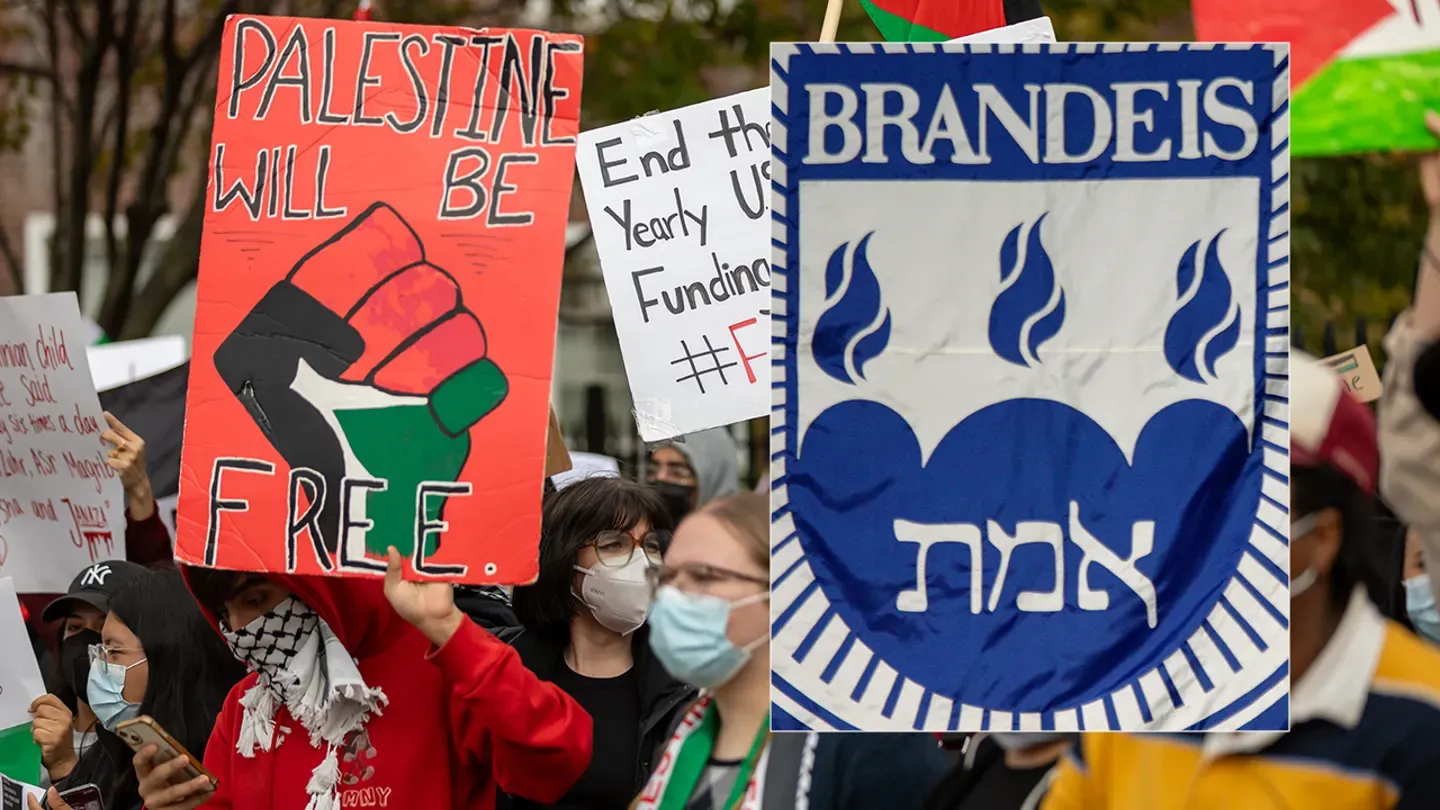
Ivy League Presidents Resign in Succession
The past year has been a major earthquake for leadership at top US universities. The presidents of Harvard, Penn, and MIT, who attended the congressional hearing on campus anti-Semitism last year, all found themselves mired in controversy.
With nationwide campus anti-war protests erupting in April, four Ivy League presidents have already stepped down.
Penn President
Since the Israel-Hamas conflict swept across US college campuses, Penn's president was the first university president to be affected due to political stance.
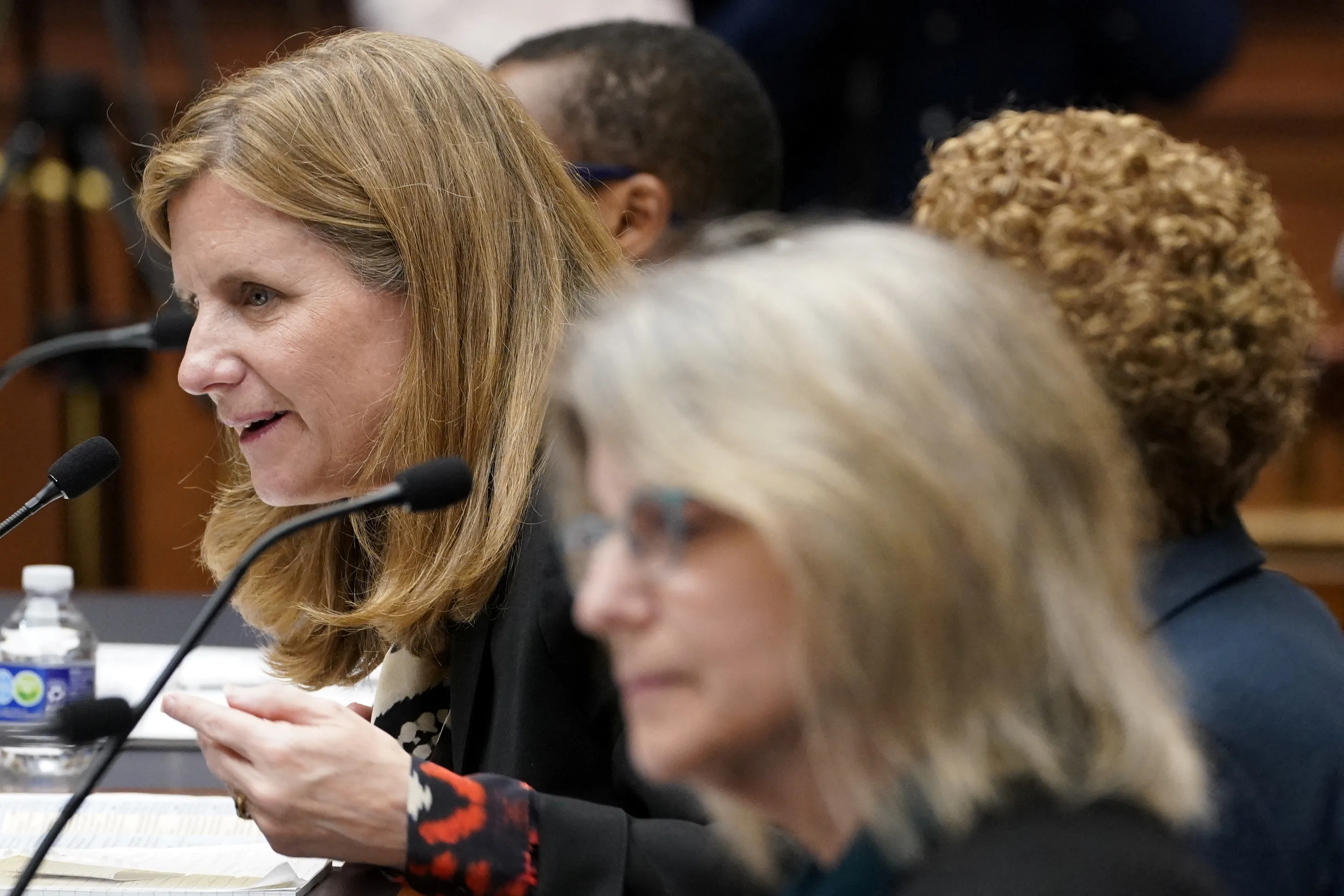
Last December, Penn President Elizabeth Magill resigned of her own accord four days after the congressional hearing, and the board chair soon followed suit.
Harvard President
Earlier this year, Harvard President Claudine Gay, just six months into her tenure, announced her resignation.
At 53, Gay was Harvard's first Black president and second female president. Since taking office last year, she has been dogged by controversy, embroiled in anti-Semitism allegations and a plagiarism scandal.
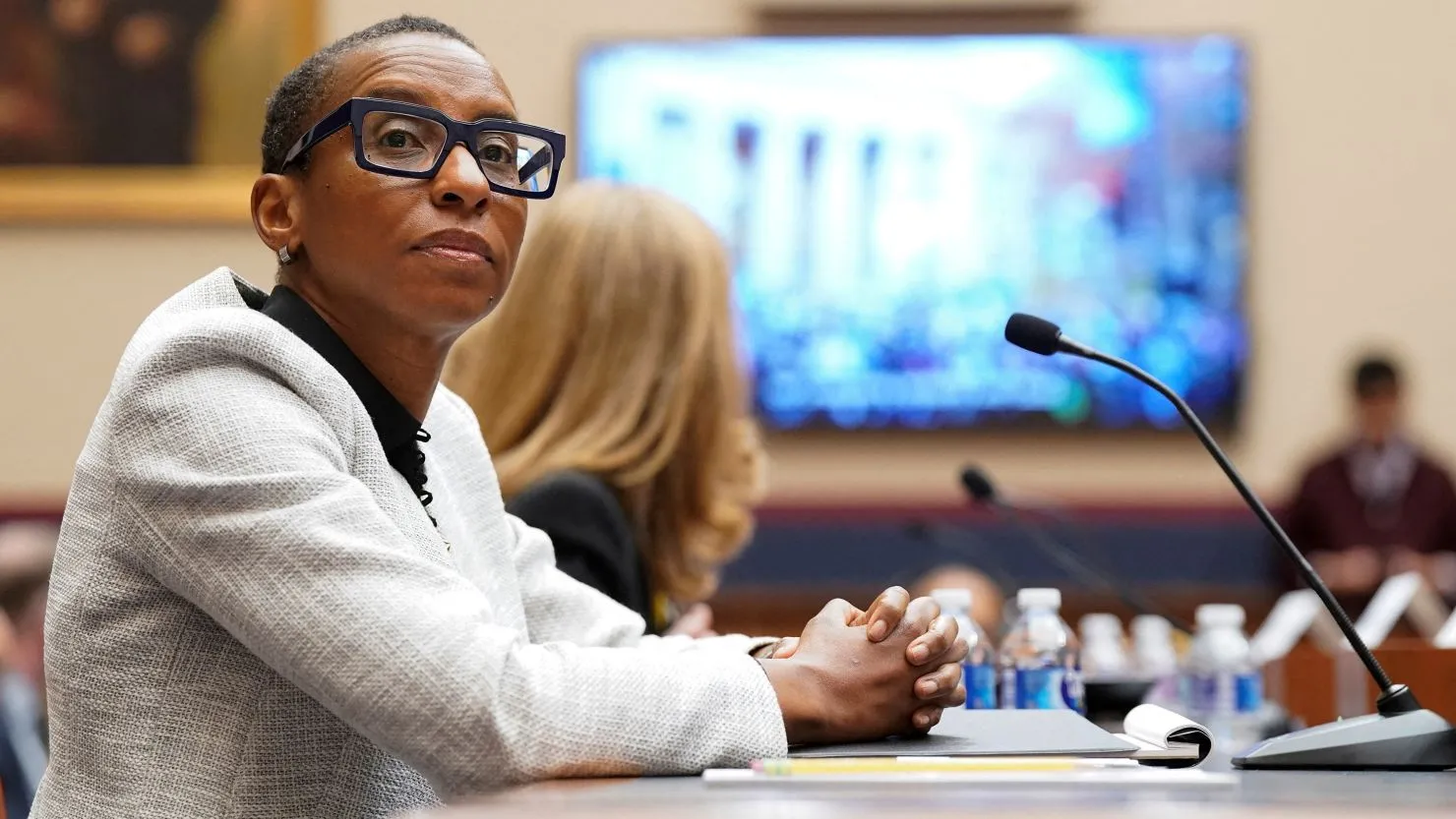
Shortly after the plagiarism scandal broke, Gay resigned, and Harvard Provost Alan M. Garber took over as interim president.
Cornell President
In May, Cornell President Martha E. Pollack announced her resignation.
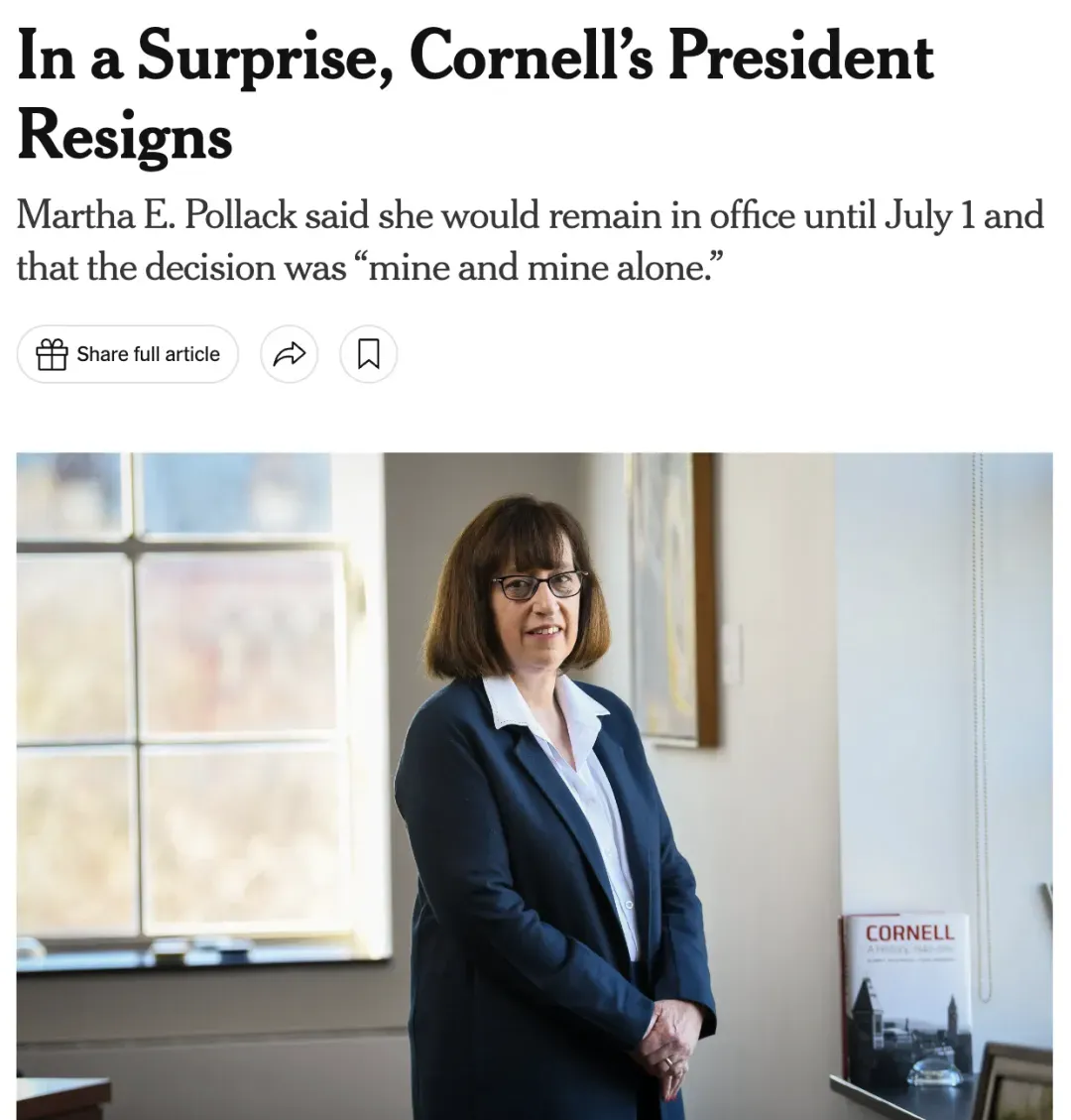
Former trustees criticized her inadequate handling of anti-Semitism, while pro-Palestinian protesters accused her of suspending demonstrating students, infringing on free speech, leaving the president in a difficult position amid campus turmoil.
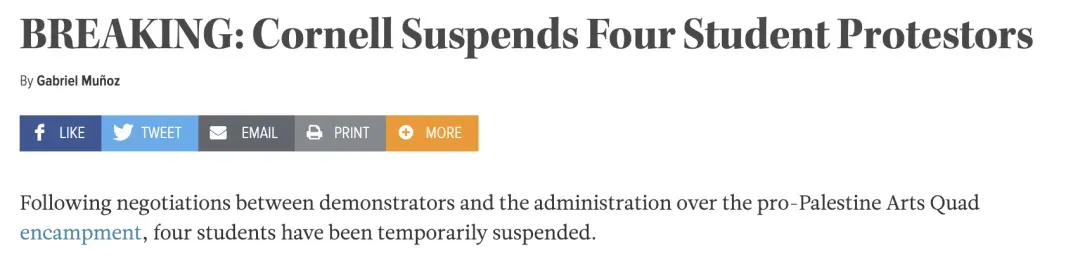
Despite Pollack's notable contributions to Cornell in fundraising and creating new programs during her tenure, she still stepped down amid the political upheaval.
Columbia President
In August, Columbia President Minouche Shafik announced her resignation.
She faced criticism for mishandling student protests at Columbia and resigned under pressure after just one year in office.
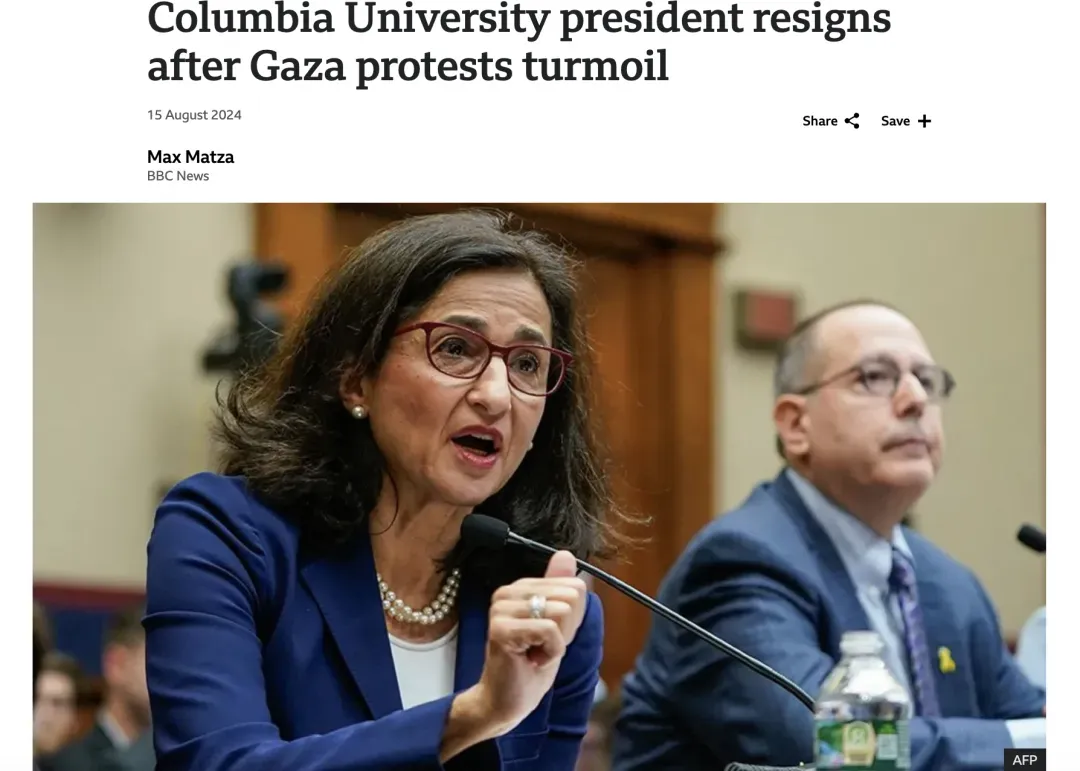
In April, Shafik authorized the NYPD to surround the campus, a controversial decision that led to the arrest of about 100 protesting students and sparked anti-war demonstrations at dozens of US universities.
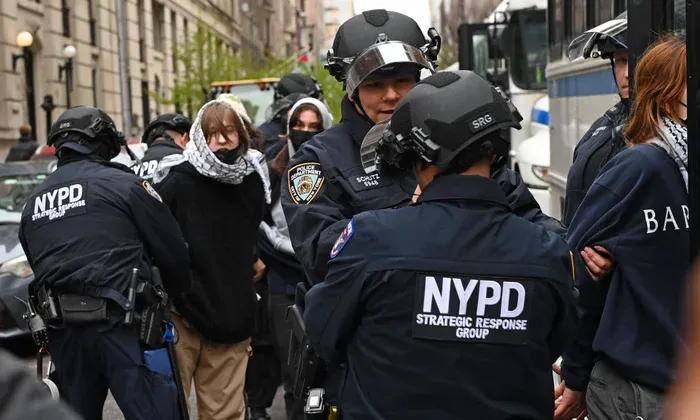
Shafik ultimately became the fourth Ivy League president to step down due to political stance.
Turnover in US University Leadership
Columbia, NYU, Harvard, Dartmouth, Penn, and MIT have all appointed new presidents in the past two years, but the campus conflicts sparked by the Gaza war have led some of these new presidents to step down hastily.
Several Ivies including Harvard, Penn, Yale, Columbia, and Cornell are experiencing leadership transitions, with interim presidents in place or searches underway.
So, what is the process for appointing and resigning university presidents in the US? And how do universities ensure a smooth leadership transition in case of emergencies?
Selection and Appointment
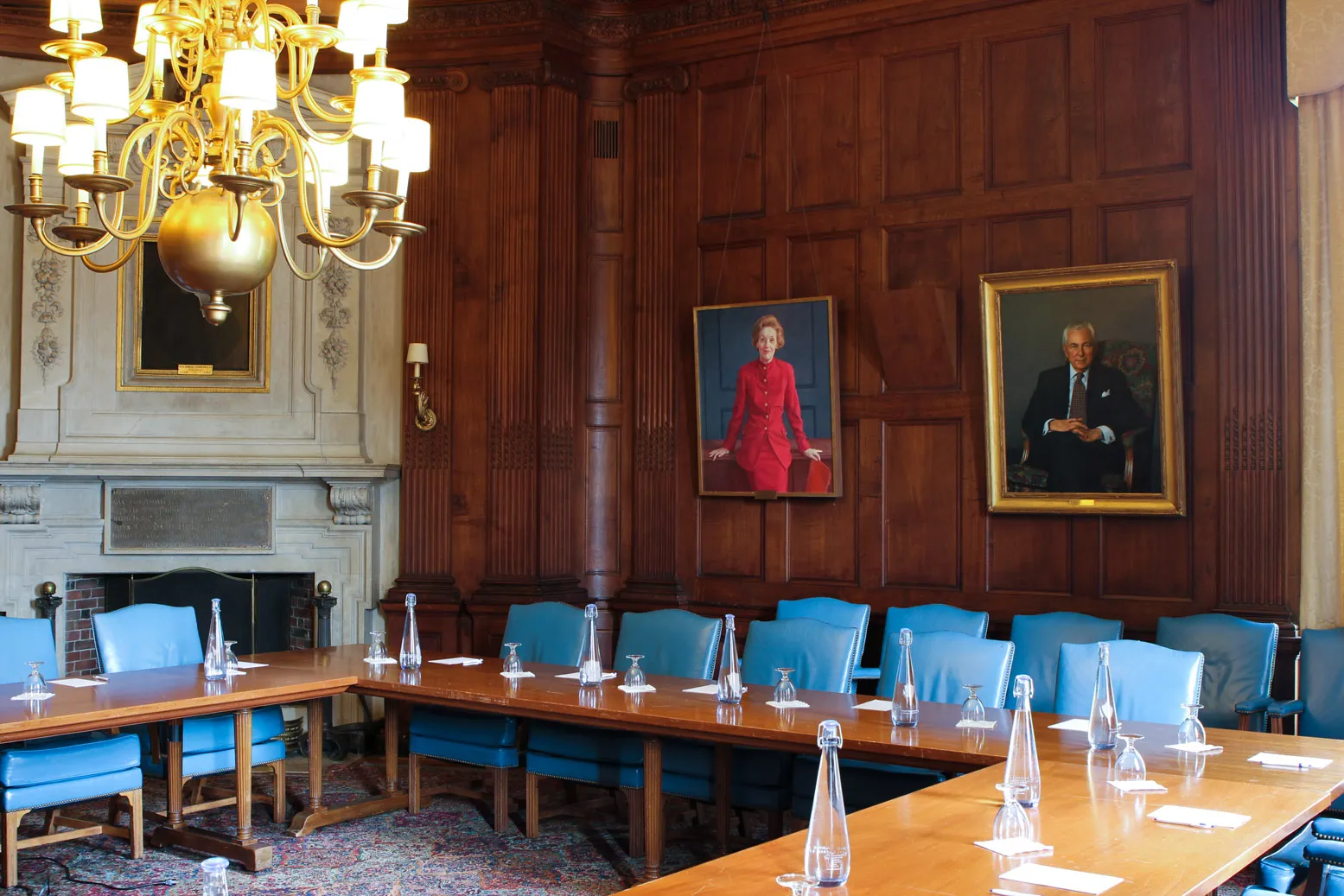
The selection of US university presidents is typically led by the board of trustees. The board forms a search committee to find suitable candidates, conducting background checks and evaluating academic achievements, leadership abilities, and management experience.
During the selection process, stakeholders such as faculty, students, and alumni are consulted to gather their opinions and expectations regarding the candidates.
Once a candidate is identified, the board votes; formal appointment usually requires a majority vote by the board.
Review and Evaluation
After the president takes office, the board conducts regular evaluations, assessing academic, financial, and fundraising performance.
Evaluations often incorporate feedback from faculty, students, and alumni to ensure the president's leadership decisions align with the university's vision and interests.
Resignation or Dismissal
Resignation: When resigning, a president typically submits a written resignation to the board and negotiates an effective date to ensure a smooth transition. A president may resign for personal reasons, retirement, acceptance of another position, or due to external pressure.
Dismissal: If a president's performance falls short of board expectations or becomes embroiled in controversy, scandal, or serious misconduct, the board has the authority to vote on dismissal. Typically, a two-thirds majority of board members is required.
Transition: After a president resigns or is dismissed, the board usually appoints an interim president to maintain normal operations until a new president is selected.
Additionally, at some state universities, the state's education department or the board of the state university system may also influence the appointment, evaluation, and dismissal processes.
When major campus events occur (such as political protests, academic disputes, campus safety issues, etc.), the president's leadership and handling are subject to stricter scrutiny, which may lead to early resignation or forced departure.
These processes may vary by university but generally follow the basic principles of selection, voting, review, and resignation outlined above.
Real-world universities are not ivory towers as imagined; they are still affected by political factors and the like. However, the US higher education system operates maturely, and it is believed that schools will quickly achieve a smooth transition and provide a proper account to all faculty and students.
It is also hoped that new leaders will guide their respective universities onto a better path of future development.
.png)