
With the times, Economics has gradually become one of the popular undergraduate majors.
It covers a broad range of knowledge areas, including macroeconomics, microeconomics, econometrics, and more, while focusing on cultivating students' analytical and research skills.
So, after completing an undergraduate degree in Economics, what directions can we choose for graduate studies?
Today, CheersYou(清柚教育) explores this topic to see what options Economics undergraduates have for graduate school and how to leverage their strengths to pave the way for the future.
.png?x-oss-process=style/opt-webp)
Advantages and Disadvantages of an Economics Major
Before diving into graduate school directions, let's first look at the advantages and disadvantages of an Economics major.

Advantages of an Economics Major
First, Economics is hailed as a "universal" major.
Students can choose from many directions when applying to graduate school, including finance, statistics, management, policy analysis, and more. An Economics background can open multiple academic and career paths.
Moreover, the Economics major emphasizes theoretical knowledge and data analysis, allowing students to build solid academic research skills during their undergraduate years, laying a strong foundation for future master's program applications.
At the same time, Economics courses keep pace with global economic trends, cultivating students' ability to analyze real-world problems and giving them an edge in making sound judgments in an ever-changing society.
Disadvantages of an Economics Major
However, Economics students also face some disadvantages when applying to graduate school.
Since most coursework leans towards theory and lacks practical application, many students lack competitive soft skills in their applications.
Second, while the Economics major offers a very wide range of possible future developments and career paths, this often leaves students feeling lost, unsure of which path to take.
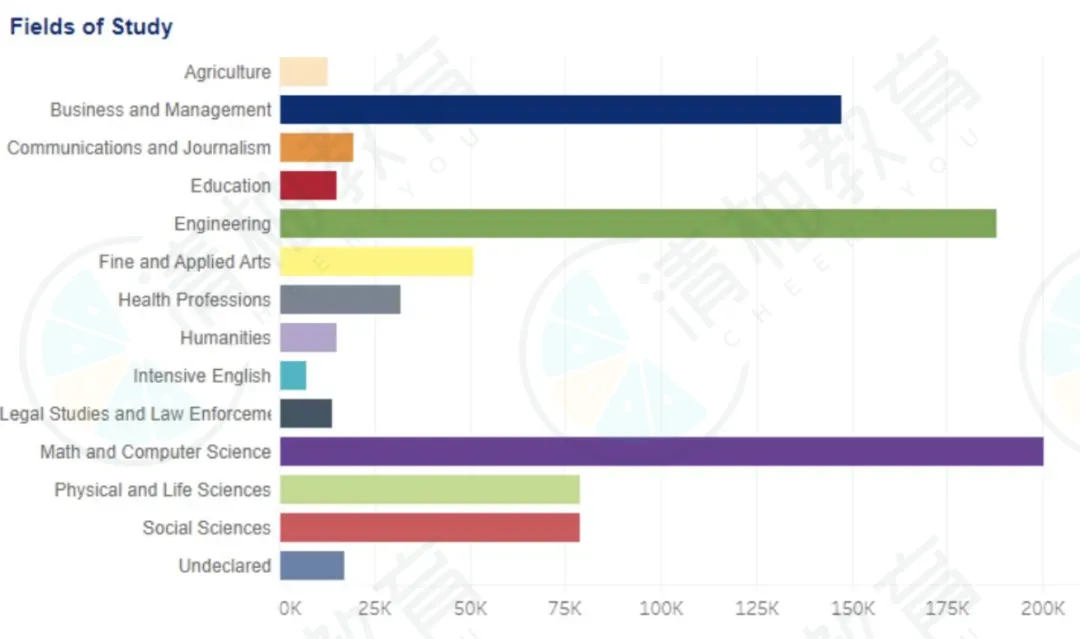
Finally, most Economics students face the same challenge: how to stand out among a sea of applicants, because there are simply too many undergraduates with an Economics background—homogeneity is rampant.
The Universal Economics Major: The Advantage of a Double Major
To stand out in the applicant pool, understanding how to leverage your major's strengths and highlight your uniqueness and competitiveness is crucial.
In fact, there is great potential in combining Economics with other disciplines. Through a double major or minor, you can further supplement your academic background and broaden your future development options.
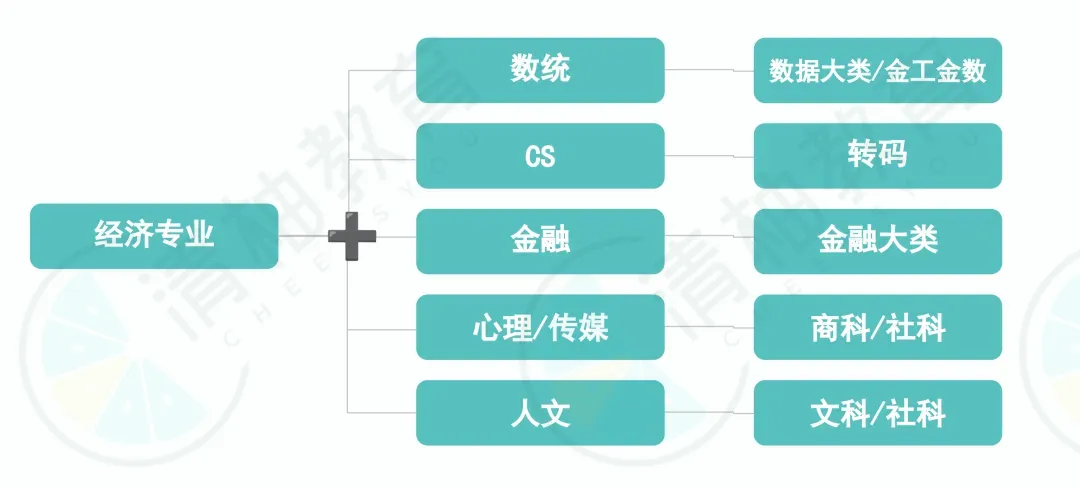
Especially by choosing a double degree combining Economics and another field, students can fully leverage their strengths and enhance their competitiveness when applying to graduate school.
Major Pairing Options
Choosing Mathematics or Statistics as a second major can significantly improve quantitative analysis skills and fulfill prerequisite requirements for many graduate programs, preparing students for applications in Financial Engineering, Quantitative Economics, and related fields.
Opting for Computer Science enhances programming and data analysis abilities, laying groundwork for graduate studies in Data Science or Business Analytics.
Psychology or Communications offers expansion into the humanities and social sciences, enabling students to build expertise in Behavioral Economics or Media and Policy Analysis.
Choosing Finance helps students acquire practical financial knowledge, adding weight to applications for Master's in Finance or Financial Management programs.
Through double degree choices, students not only boost competitiveness but also meet the stringent math and statistics background requirements of certain graduate programs.
Admission Requirements for Graduate Programs in Economics
Building on the potential combinations of Economics with other disciplines, CheersYou(清柚教育) has also listed some graduate study directions and their corresponding program requirements to help you understand admission thresholds in advance and better pinpoint areas of interest for the future:
Quantitative Economics/Finance
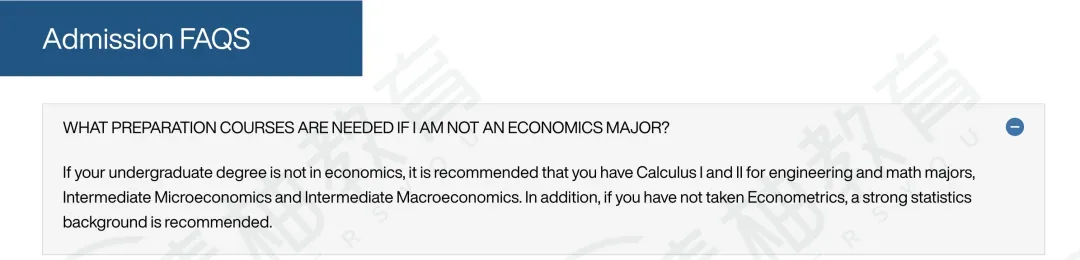
First, consider programs in quantitative economics/finance. Although these are Economics-related, a strong background in math and statistics remains a powerful application asset.
For example, UCLA's MQE program, based on official information and past admissions trends, shows that applicants with substantial mathematical and quantitative knowledge have a notable advantage.
Applied Economics
Applied Economics is also a common field for Economics applicants. Graduates often pursue careers as data/financial analysts, market researchers, marketing analysts, consultants, and similar roles.
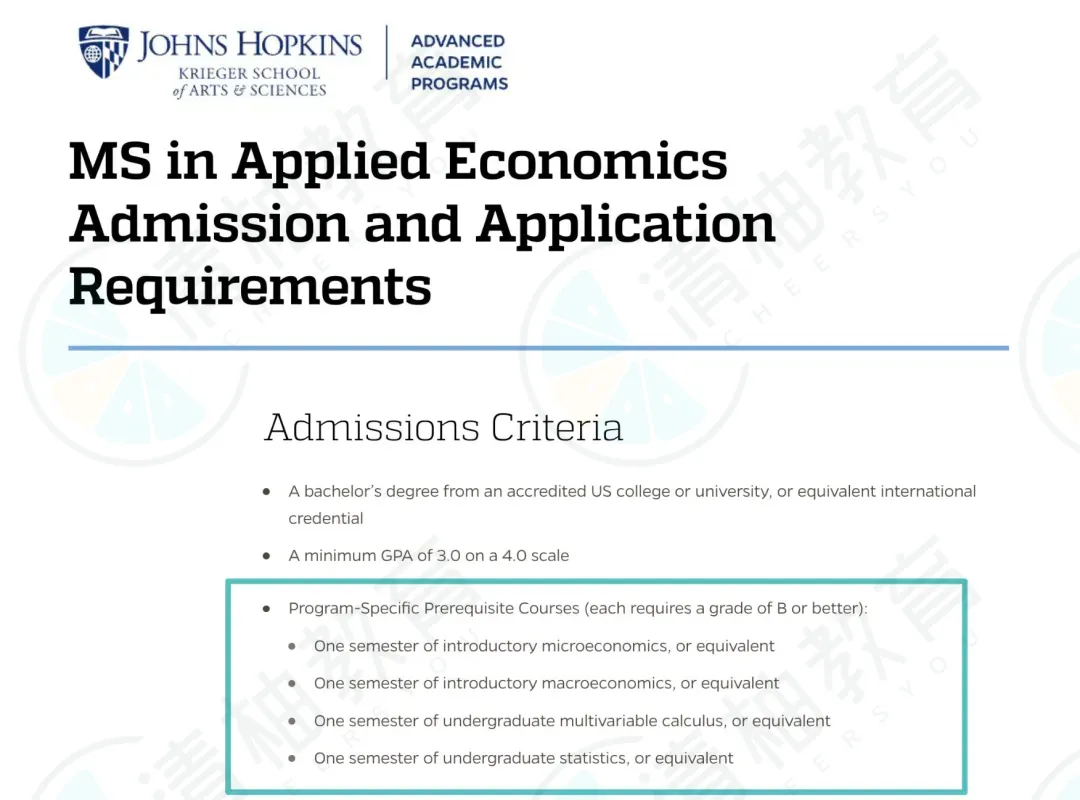
Many programs in this direction have prerequisite course requirements. Take Johns Hopkins University's MAE program: it requires not only economics-related courses but also certain math and statistics courses.
Public Policy
Public Policy (MPP) programs typically cover economics, political science, management, quantitative analysis, and more, cultivating students' policy analysis and public administration skills.
Economics undergraduates interested in international affairs and global public policy also consider this direction. After graduation, students can find suitable positions in government, non-profits, international organizations, private companies, and various other institutions.
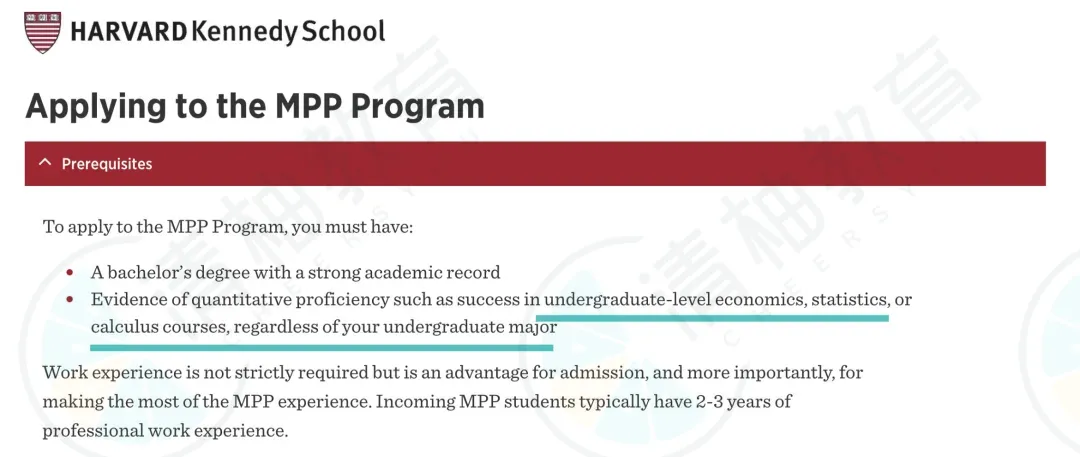
Public policy programs also have specific background requirements. Taking Harvard's MPP as an example, the program explicitly states that applicants must have undergraduate coursework in economics, statistics, and algebra, and must have 2-3 years of work experience.
Business Management
Business Management is also a popular choice among applicants with an Economics background. Similarly, many graduate programs in this direction require applicants to meet certain prerequisite course requirements.
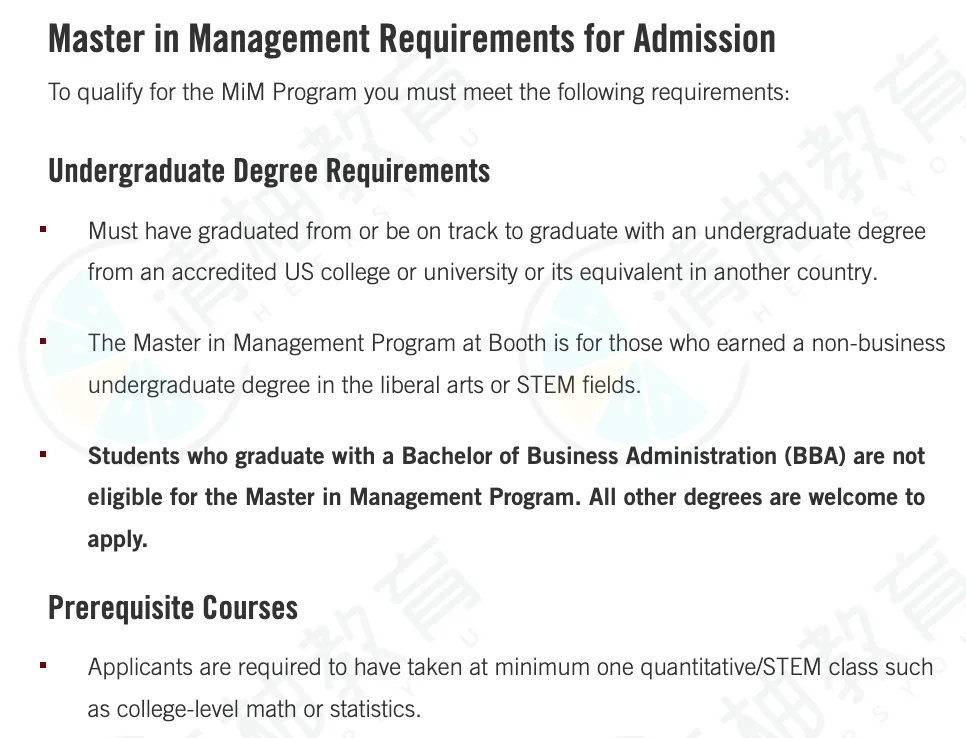
Take the University of Chicago's Master in Management program as an example: it does not admit students with a Bachelor of Business Administration (BBA) degree and requires applicants to have taken at least one quantitative or STEM course, such as college-level math or statistics.
Plan Early, Prepare Early, Apply Early
In the graduate school application process, planning early, preparing early, and applying early are keys to success. No matter which direction you plan to apply to, thorough preparation is essential.
CheersYou(清柚教育) has also attached a reference timeline for 25Fall applications to help you rationally arrange each stage of preparation, so you can be well-prepared and confident.
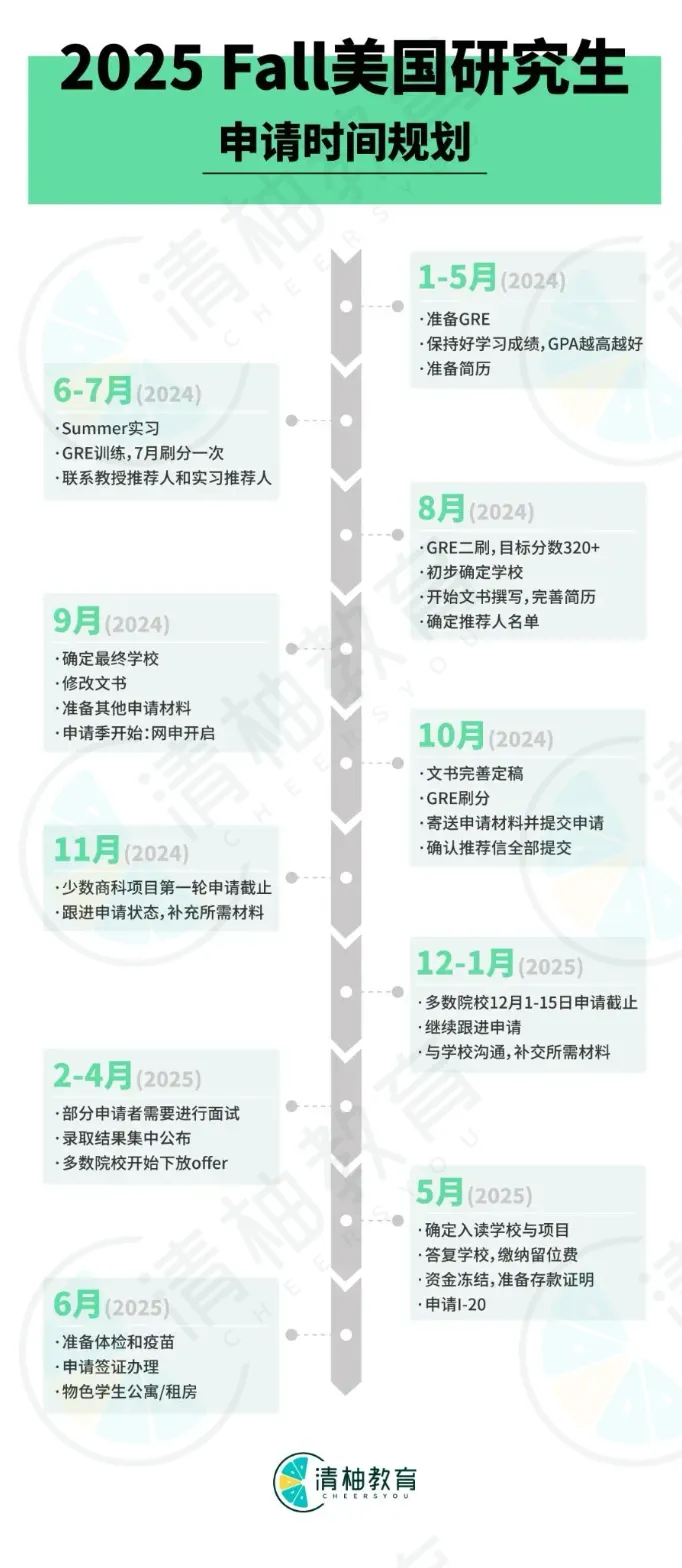
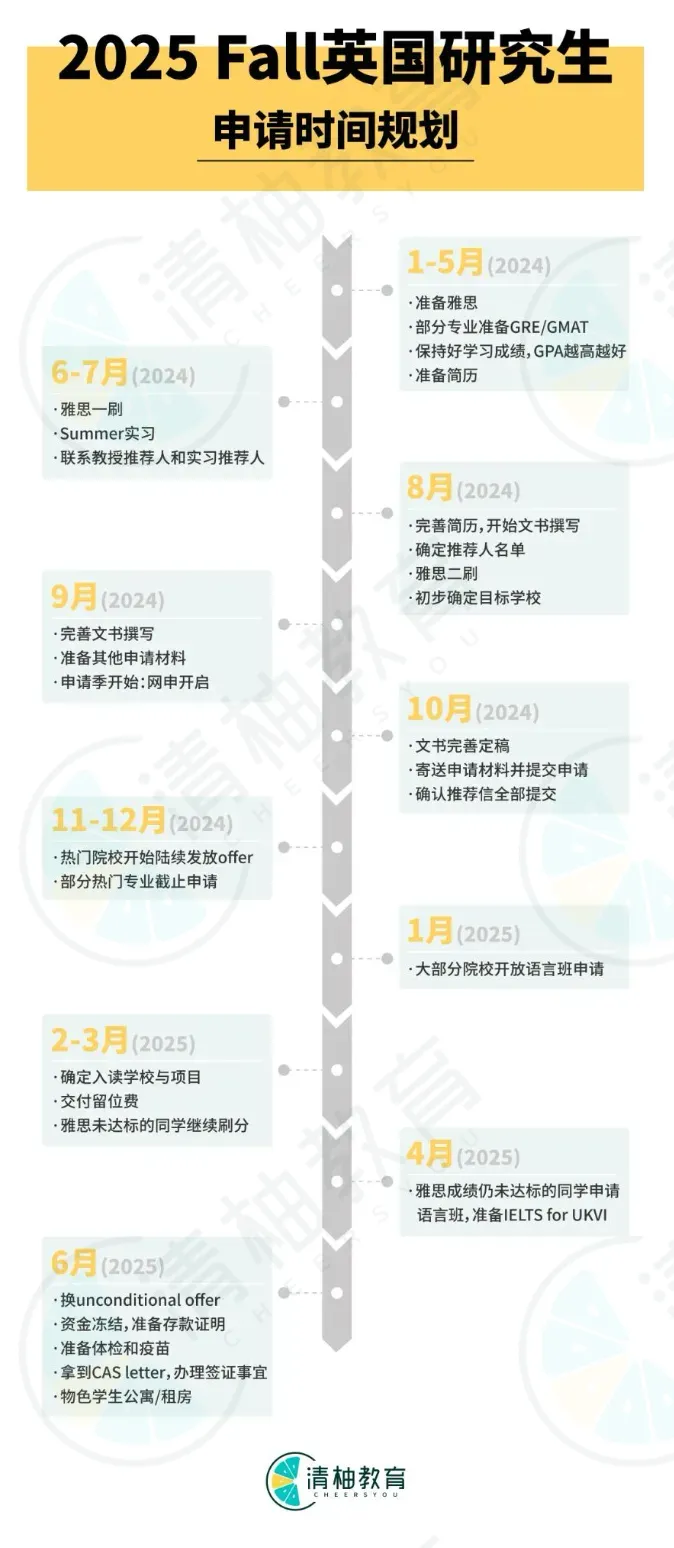
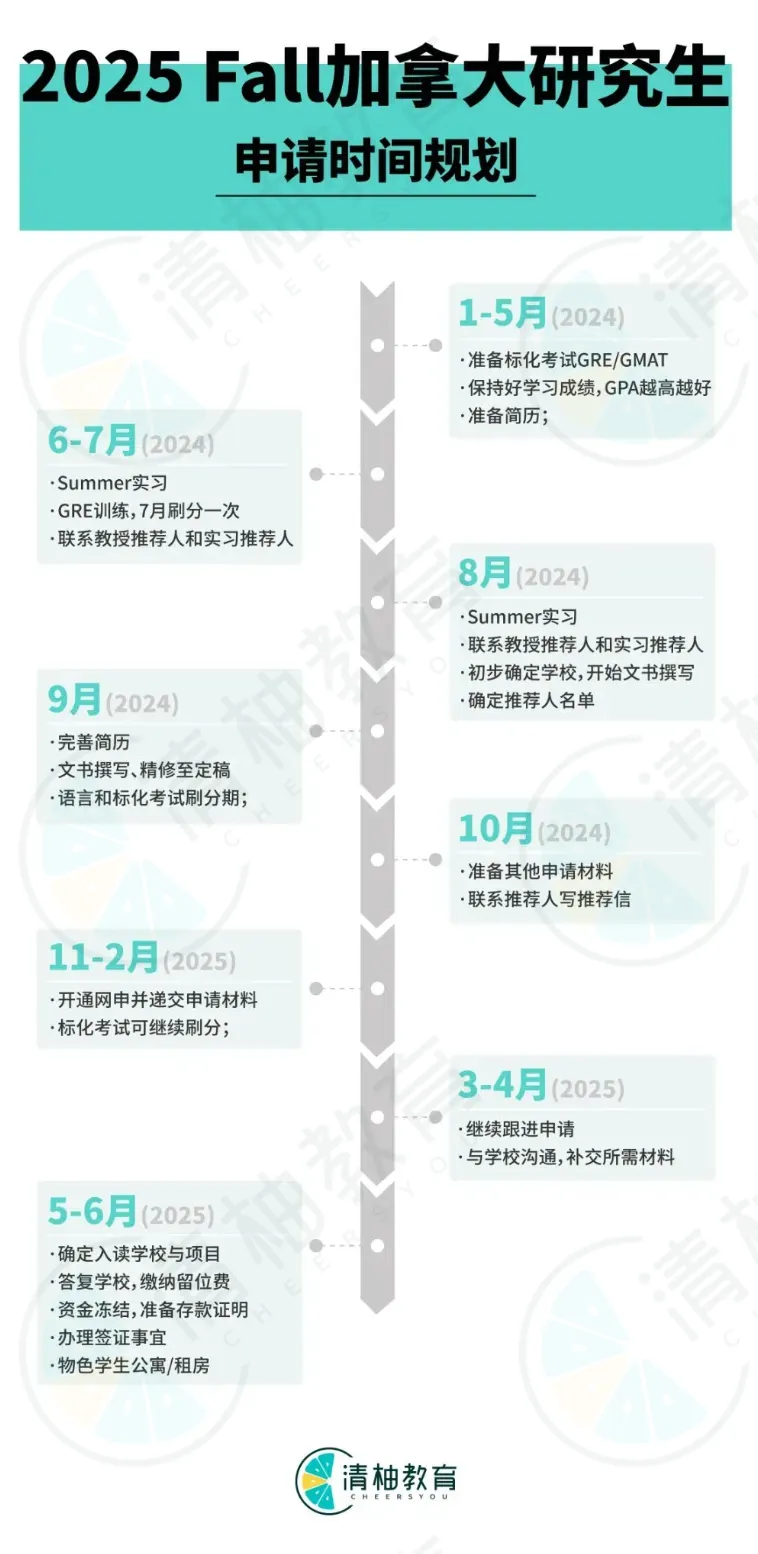
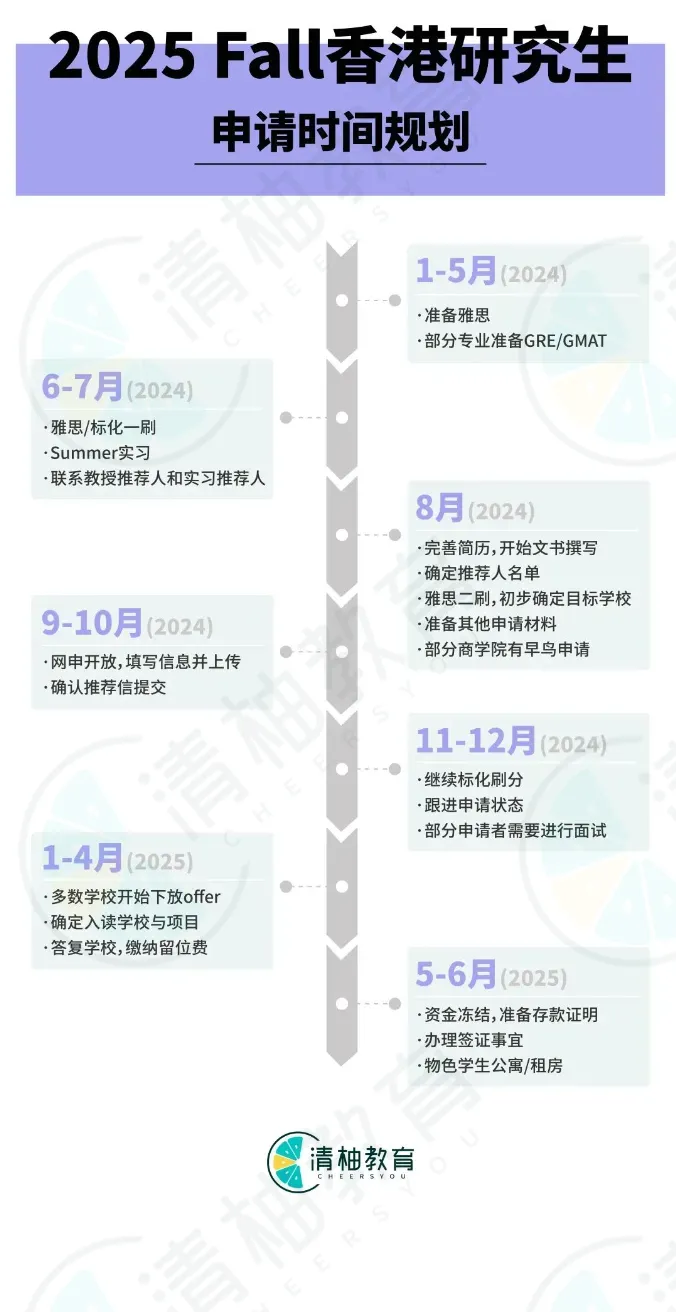
By using time efficiently and preparing step by step, you will have a better chance of standing out in the fierce competition and smoothly gaining admission to your desired graduate program.
CheersYou(清柚教育) wishes every student who is applying or preparing to apply achieve their ideal results!