1. Obtaining Your I-20
To apply for a student visa, you first need an I-20 form issued by the U.S. immigration authorities. This form contains your student status and basic university information.
If your university did not include the I-20 with your admission offer, you should proactively contact the school or submit an online request. Provide a copy of your passport and proof of financial support.
2. Preparing for the Visa
Amid the increasingly challenging U.S. visa climate, CheersYou(清柚教育) has worked tirelessly to compile a comprehensive visa guide to help you avoid common pitfalls and succeed on your first attempt.
Visa Materials:
The first five items are core visa materials that the consular officer must review. Be sure to keep them safe. The last four items are supporting documents; keep them well-organized.
■ Original Passport
■ Visa Interview Appointment Confirmation *
■ DS-160 Confirmation Page *
■ Original I-20 *
■ Admission Offer Letter
■ Academic Credentials: (original transcripts, graduation certificate, degree certificate, etc.)
■ Financial Documents: (bank deposit certificate *, employment and income certificate, property deeds, etc.)
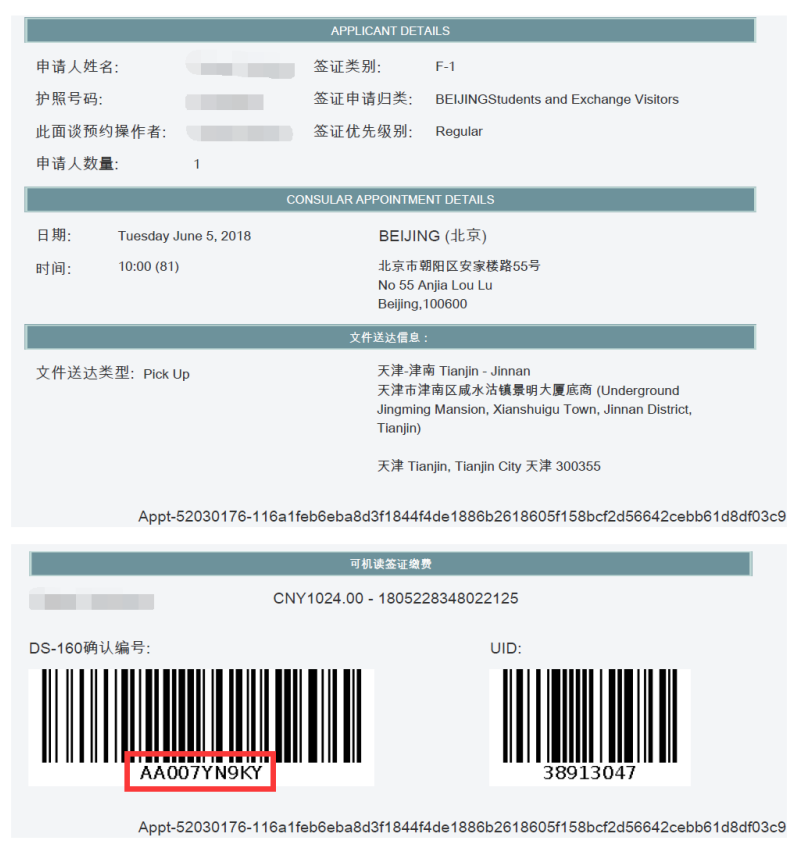
(Visa Interview Appointment Confirmation)
Appointment Confirmation: Ensure the applicant's name is accurate, along with the date and time. If your appointment time on the day differs from the scheduled time, the security staff will not allow you to enter.
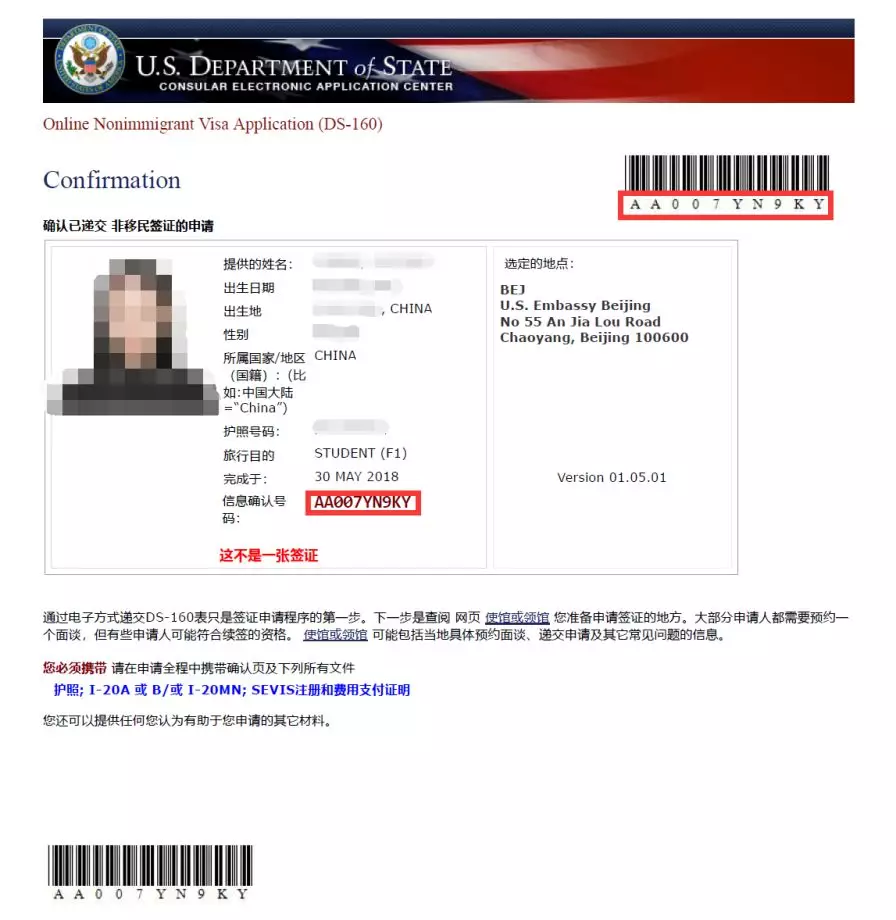
(DS-160)
The DS-160 confirmation page is a form where you enter your personal information, school details, and past travel history before applying for the visa. This form reaches the consular officer 1–2 working days before your interview; they will review your information in advance, so you must fill it out completely and accurately.
Pay attention to the parts highlighted with red boxes in both images—the reference numbers starting with AA must match.
After booking, double-check these numbers. If you had to redo the DS-160 and the AA numbers mismatch, make sure to update it in the appointment system (at least 2 working days before the interview), generate a new confirmation, and print it. This way you avoid canceling and rebooking the interview, which could delay your appointment and prevent entry due to inconsistent records.
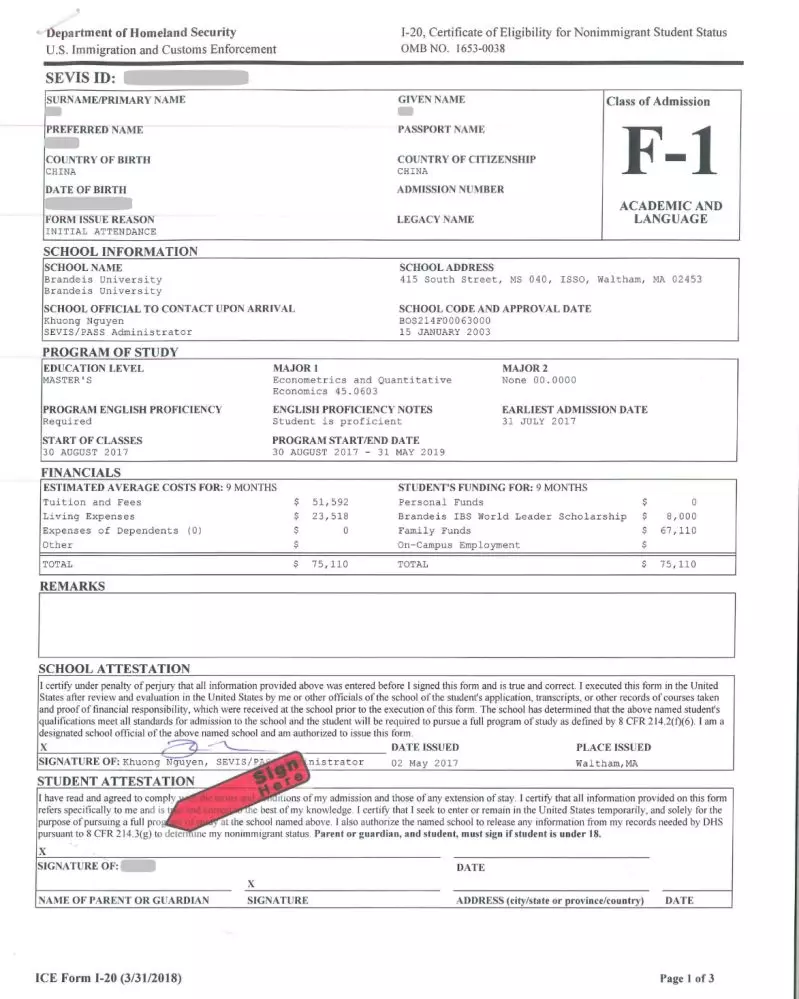
(Original I-20)
Never lose your I-20; it is your personal document proving your legal student status in the U.S. The most critical information is the masked SEVIS ID in the top left corner—this is your unique identification number in the United States.
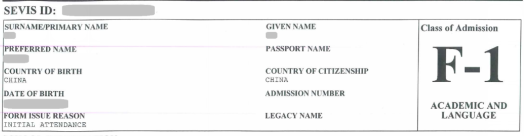
You must memorize the program name, costs, and other details shown on your I-20; they are crucial for both the visa interview and entry. Make backup copies.
Visa Interview Process
1. Arrive at the embassy or consulate (Shenyang, Beijing, Shanghai, Chengdu, Guangzhou) 30–40 minutes early.
2. Enter the embassy gate, get a barcode sticker, and line up according to time slots.
3. Security check: electronic devices, backpacks, prohibited items, etc. are not allowed inside (they will be confiscated).
4. Go to the first-floor office building, scan your barcode, have your fingerprints taken, and verify that your photo meets requirements.
5. Line up outside the office building and wait for your interview.
Tips:
1. If you are not applying at the consulate where you reside, have a reasonable explanation, like traveling and applying at the same time. Do not say you chose it for a higher approval rate—that is not acceptable.
2. Beijing and Shanghai are high-demand locations; book your appointment early.
3. Bring your documents in a transparent bag or an unsealed kraft paper envelope.
4. If you carry personal belongings, you can store them at a service center across from the embassy before entering.
5. It is recommended to arrive 30–40 minutes early and queue outside. June to August is peak visa season with large crowds.
Visa Interview FAQ
After understanding the interview process, CheersYou(清柚教育) has listed several common visa questions and suggested responses. Make sure to take notes.
1. Why are you applying for a U.S. visa?
To study ×
I will pursue the XX program at XX University… √
2. Why study in the U.S. / Why not study in your home country?
To stay and work ×
Highlight the academic atmosphere, faculty expertise, facilities, resources… √
3. How much will your studies cost? Who will pay? What is their occupation?
Memorize the details on your I-20. Bring your parents' income certificates, bank statements, and, if necessary, show property deeds or car ownership documents.
4. Future Plan?
I plan to stay in the U.S. — this is a forbidden sentence. ×
I plan to return to my home country to find a job or start a business because of favorable economic prospects / family responsibilities / marriage plans, etc. √
Tips:
1. Do not answer with just one or two words. Provide complete sentences with all relevant information.
2. Never mention that you want to stay in the U.S. during the interview. Never mention it, never mention it—this cannot be stressed enough.
3. Memorize every detail on your I-20: program name, duration, start date, etc. Know it backward and forward; the officer will quiz you. Be able to recite it smoothly.
4. If you have previously traveled to the U.S., recall what you did, dates, etc. The officer can access this information, so avoid hesitant or incomplete answers.
5. If you have relatives in the U.S., honestly list them. The officer can see this in the system; no need to hide.
Visa Interview Results
There are four possible outcomes:
1. Approved
2. Administrative Processing (no additional documents needed, just wait)
3. Administrative Processing (submit additional documents to the designated email as soon as possible). Prepare and send the required materials promptly.
4. Refused
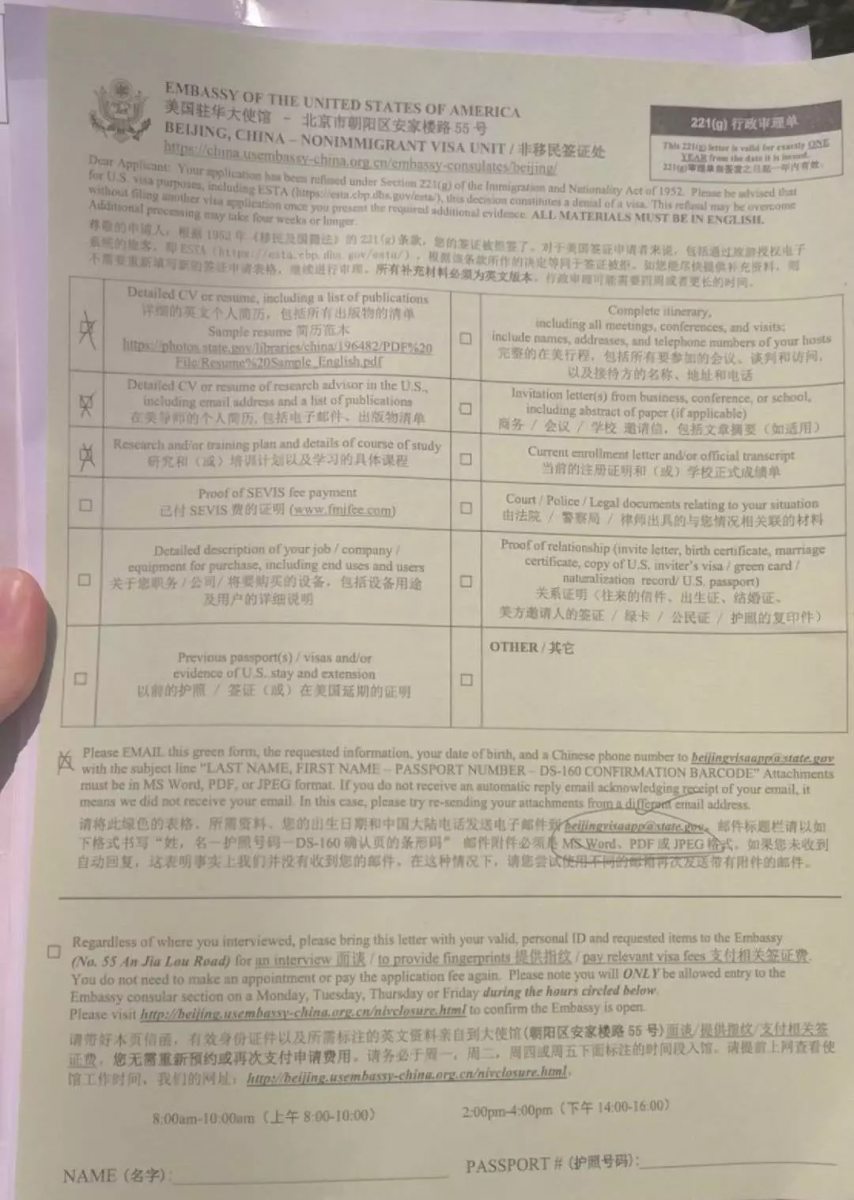
(Administrative Processing: additional materials required)
The image above shows a Beijing administrative processing notice (additional materials needed). Receiving this does not mean you have been refused; it simply indicates that you need to submit further documentation.
The officer will mark the items you need to provide. In the example, the missing items are a CV, advisor’s CV, and research plan—all academic documents. Prepare these in advance to ideally clear the process in one go.
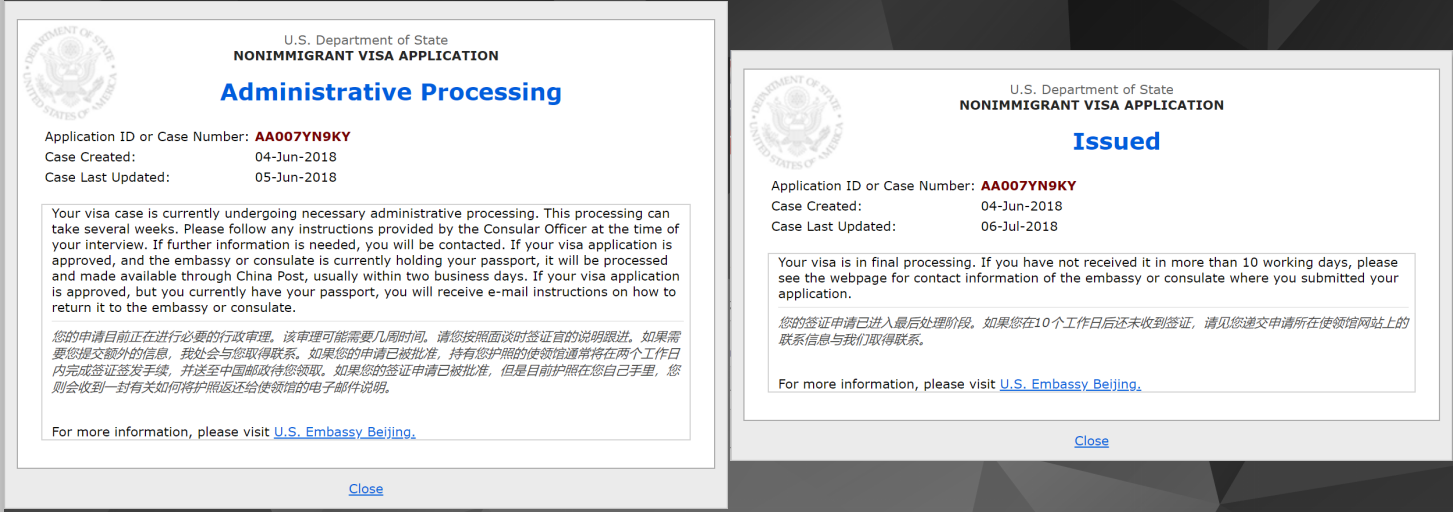
After submitting additional materials, processing typically takes no more than six weeks. Check your status around the 4–6 week mark.
Once approved, you can choose to have your passport delivered to a specified location. We recommend picking it up at a China CITIC Bank branch near your home or school—addresses are shown in the appointment system. This is convenient and relatively fast.
After visa approval, your passport usually arrives at the bank within 5–10 working days. The bank will contact you via phone or text; bring your ID card to collect it.
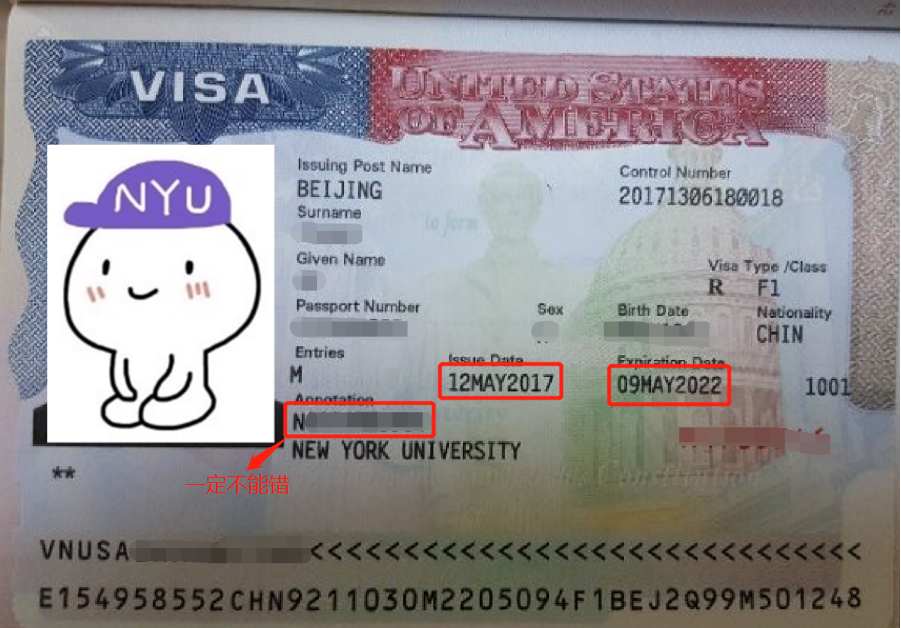
(The actual visa)
3. Vaccinations and Medical Check-up
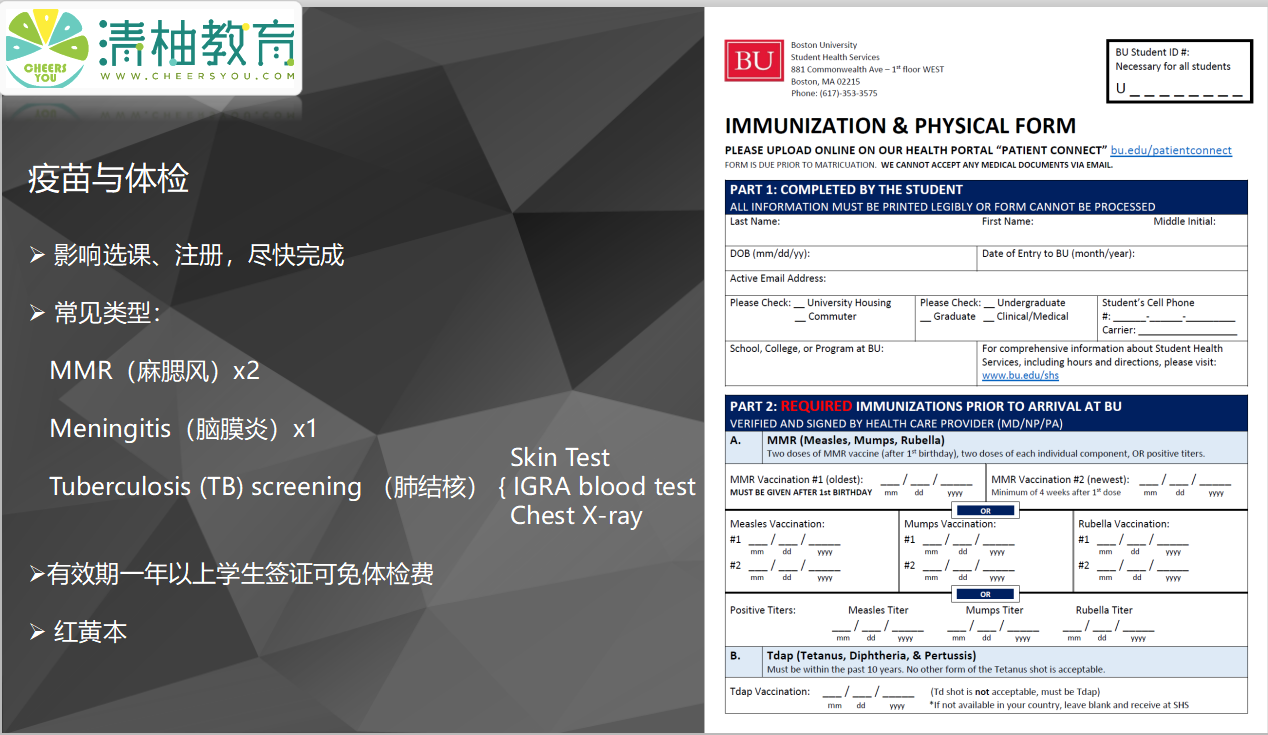
Vaccinations and medical check-ups can affect your course enrollment and registration, so complete them as soon as possible. Delaying might result in limited course availability.
Tips:
1. U.S. universities often request health and immunization documents with the admission letter. Read the school’s requirements carefully; the table on the right is an example of a university’s form.
2. A full physical exam is not mandatory at all U.S. universities, but it is recommended to get one along with your vaccinations to avoid issues during entry spot checks. Note: if you have a visa valid for more than one year, the physical exam fee may be waived.
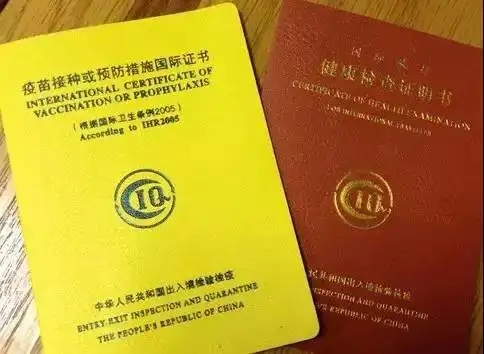
(The Red and Yellow Booklets)
Documents to bring for the medical check:
■ Original passport / original ID card
■ 1–2 passport-sized photos
■ Admission offer letter
■ I-20
■ School vaccination / medical history form
■ Location: search "International Travel Healthcare Center" on Baidu
4. Booking Flights
For luggage preparation, here’s a quick overview:
Checked Luggage:
Dimensions: L + W + H ≤ 158 cm (approx. 29 inches)
Weight: as shown on your ticket; excess weight incurs heavy fees
U.S. flights: max 23 kg per piece
(Depending on the airline, you can check 1–2 bags for free; Chinese airlines often allow two free checked bags.)
Carry-on Luggage:
Rolling bag: L + W + H ≤ 115 cm (20 inches) or
Medium backpack: 40L–55L
Weight: 5–7 kg
(Laptops are usually not counted in this weight limit.)
When purchasing tickets, note the following:
a. Avoid risky airlines: Russian carriers known for takeoffs without taxiing, AirAsia dubbed the "Titanic of the skies," and one-way flights on Malaysia Airlines.
b. Flight route: Check if layovers are required and the layover duration. 3–5 hours is optimal.
c. Baggage allowance: Contact the airline and present your I-20 and offer letter to access additional student baggage allowance, often an extra checked bag.
d. Arrival date: Ensure your arrival date aligns with when your dormitory allows move-in. If arriving early, notify the school in advance—on-campus housing may not be available.
e. Airport pickup: Arrange airport pickup after booking your flight.
In the U.S., pickup services come in two types—paid and free:
1. Paid pickup services:
Among the materials sent by your school, there is usually a form asking whether you need pickup. Some schools require you to fill out a form with flight number, arrival date and time; others provide a contact number, fax, or email to reach the relevant department. Prices vary from over ten dollars to dozens of dollars depending on the location.
2. Free pickup services:
Various student organizations in the U.S. also offer free pickup services, but you need to arrange this in advance. Look on the school’s website for these services.
Essential Items
In summary, items generally considered essential are those that are expensive to replace in the U.S. To help you settle in more easily, we recommend bringing them despite the hassle.
■ Stationery + essential reference books (Chinese)
■ Formal attire (expensive, sizing issues)
■ Portable charger (power bank; cannot be checked)
■ Spare glasses (contact lenses are expensive)
■ Healthy teeth (dental care is expensive)
■ Common medicines: cold medicine, anti-inflammatory, digestive remedies, anti-allergy, wound care, etc.
■ Advised not to bring: Contac NT, Niuhuang Jiedu Pian, traditional Chinese medicine (items containing cocaine).
5. Entry Guide
You’ve finally made it to this step. Stay well-prepared and don’t let your guard down until the very end. To avoid losing the following documents, make backup copies:
■ Original passport (2 copies of the passport bio page + 2 copies of the visa page)
■ Original flight ticket (printout of e-ticket itinerary)
■ Original admission offer letter (2 copies)
■ Original I-20 (2 copies)
■ International travel health certificates (Red booklet * physical exam + Yellow booklet * immunization record)
■ Complete academic credentials (including sealed original transcripts and 2 copies, original graduation certificate + 2 copies, original degree certificate + 2 copies, etc.)
■ 1 Customs Declaration Form (distributed on the plane to be filled out)
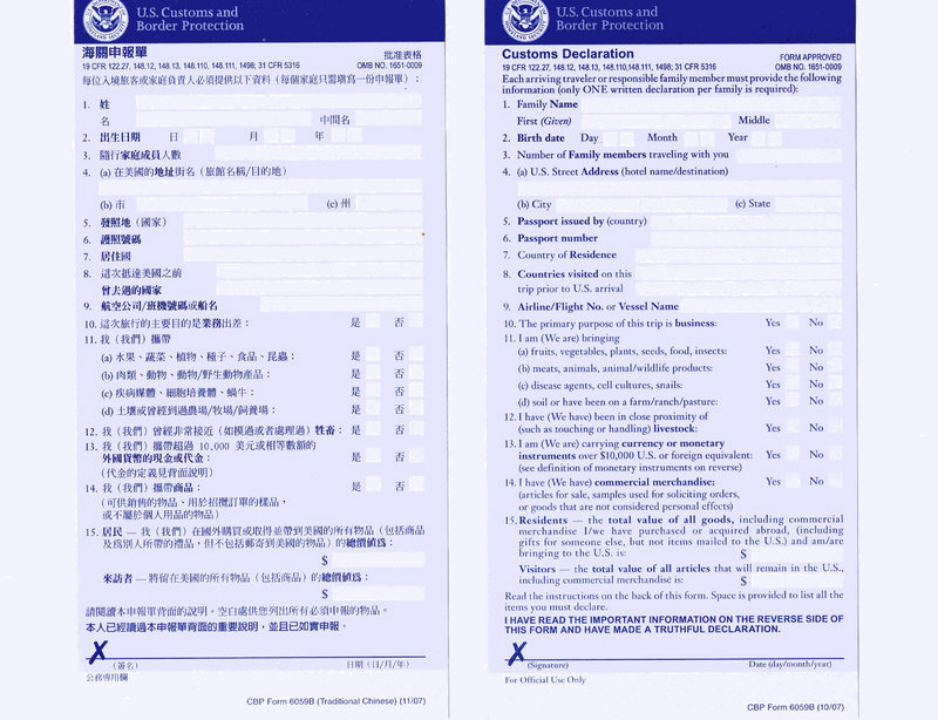
The Customs Declaration Form requires your name, items you are carrying, cash amount, etc. Do not carry too much cash; $3,000–$5,000 is sufficient—excessive amounts may be confiscated.
Declare all items truthfully. Failure to declare may lead to confiscation or fines, and discovering undeclared items could result in denial of entry. Pay close attention to this.
Border officers may ask questions. Having gone through the visa interview, you should be familiar with them. Just review them once more:
1. Is this your first time entering the U.S.?
2. Are you traveling with anyone else?
3. Do you have relatives in the U.S.?
4. Name of the institution you will attend
5. Program name and duration (they will check your I-20)
6. Address of your accommodation
Note: Immigration officers have the authority to question or even deny entry to students who lack sufficient identity proof or communication skills.
6. Life Abroad
Congratulations! You’ve arrived at your dream school. After reaching campus, attend Orientation, complete registration, confirm your course selection, take any placement tests, and handle tuition and other procedures. Be sure to check in with the International Student Office for SEVIS registration and update your information.
Housing
There are two housing options, but note that universities rarely provide on-campus housing for graduate students; it is typically for undergraduates. Some schools require freshmen to live in dorms. Graduate students should arrange off-campus housing as early as possible.

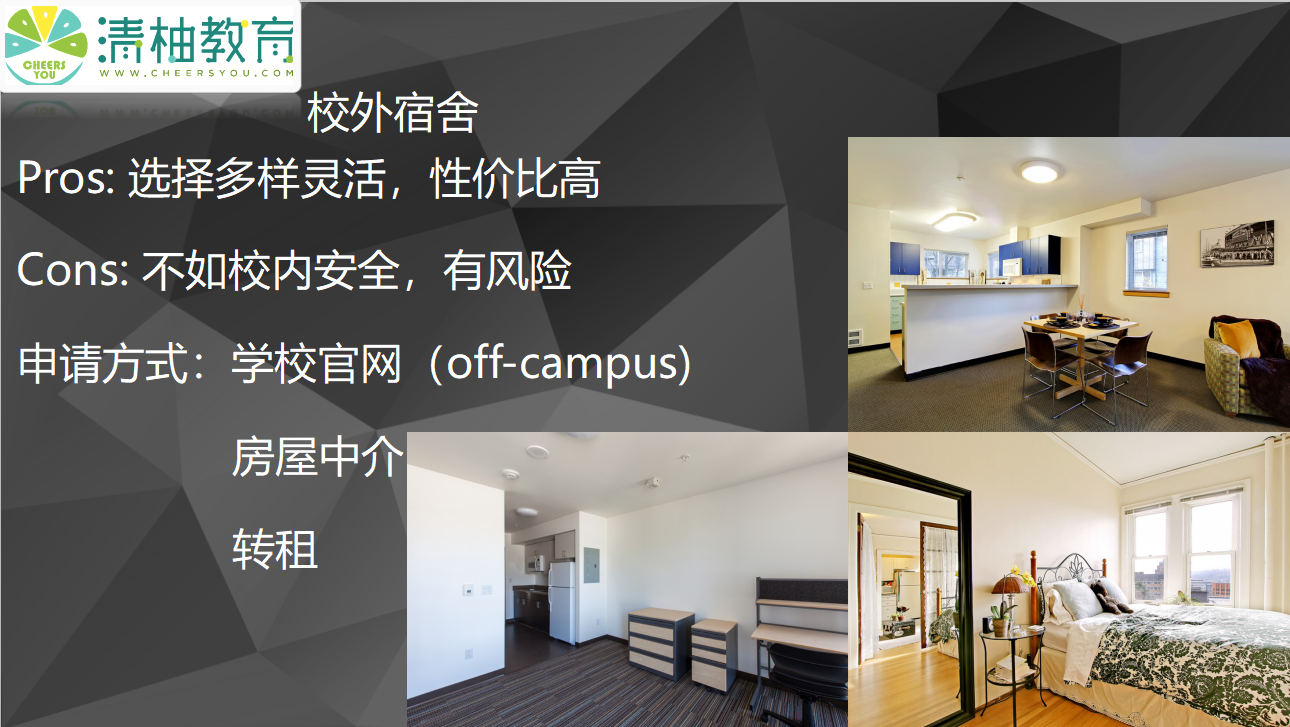
Students typically find rental information through advertisements, agents, or online. However, avoid subletting from a secondary landlord to prevent scams—be vigilant.
We recommend these housing websites:
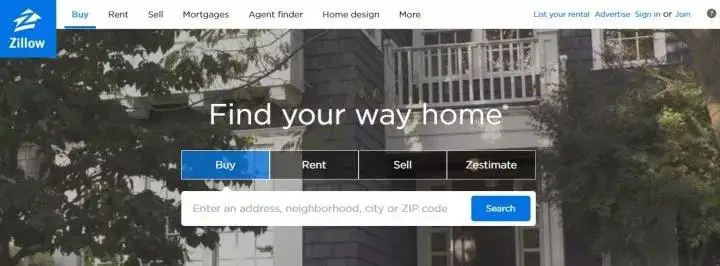
Zillow:
Zillow is a free real estate valuation website. Compared to other housing sites, it is more specialized. After logging in, you can zoom in on satellite maps or search by zip code.
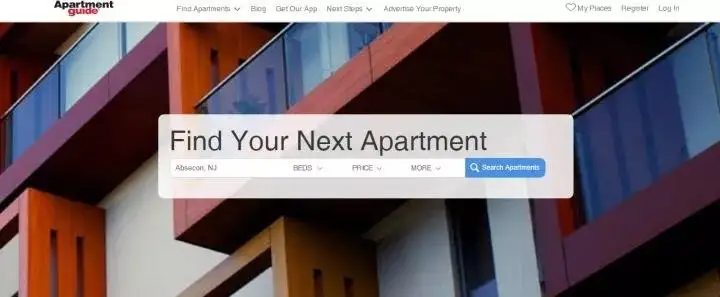
ApartmentGuide:
An Internet Brands company covering about 30% of apartment-hunting users in the U.S. Here you can see ratings and reviews from residents about neighborhoods and properties they have lived in.
When choosing housing, consider the safety of the neighborhood, convenience of nearby public transportation, and accessibility of public facilities like post offices and laundromats.
To avoid rental disputes, bring along an experienced international student or professional. Always sign a contract with the landlord, and after signing, keep the deposit receipt, rental agreement, and all related documents.
That wraps up today's pre-departure guide. CheersYou(清柚教育) wishes all students a smooth journey ahead and a bright future!