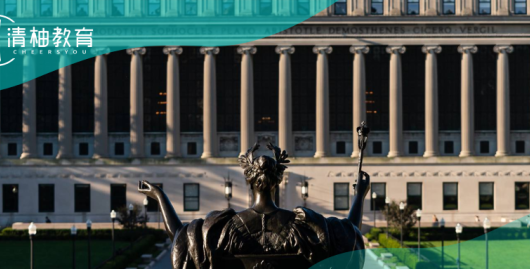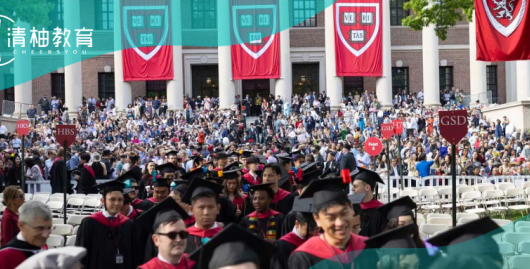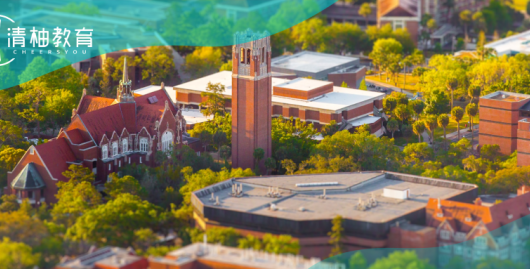
Sunshine, beaches, and coastlines—these images come to mind when people think of California, and many of its schools have earned the “Party School” label.
However, international undergraduates in California know this isn’t the full story. Top institutions like Caltech, Stanford, and USC demand strong self-learning skills, and the quarter system at UC schools keeps a rapid academic pace. Overall, California is a free, open, and diverse place where study and leisure go hand in hand.
Despite the comfortable lifestyle, more and more undergraduates are choosing to pursue graduate studies on the East Coast, leaving many to wonder what compels them to leave this paradise.
Advantages for Humanities and Business Majors
Most of the Top 100 universities are concentrated on the East Coast, and the Ivy League schools hold enormous appeal for students in humanities and business fields—such as finance, economics, history, education, political science, and psychology. Moreover, East Coast schools offer a wider variety of graduate programs, increasing the likelihood of admission to a desired major.
With elite networks in New York, academic culture in Boston, and political ambiance in Washington, D.C., East Coast cities are culturally rich, emphasize traditional social etiquette, and are highly urbanized.
As humanities and business are among the most popular fields for Chinese international students besides engineering, a shift toward the East Coast in graduate school choices is only natural.
Better for Career Development
Compared to the East Coast, California is vast with low population density, limited public transportation, and a car-dependent lifestyle; few pedestrians are out after dark, and interpersonal ties can be more distant.
Many students in California say there are fewer networking opportunities than on the East Coast, making it harder to connect with industry leaders, and that social circles are often confined to the international community, which hampers career development. In contrast, the East Coast’s high population density, robust public transit, and convenient lifestyle foster rich social interaction.
As the saying goes, “a waterfront pavilion gets the moonlight first.” Prestigious Wall Street banks and consultancies in New York, The Washington Post, and Voice of America in D.C. all tend to favor graduates from nearby schools. Studying on the East Coast allows students to network extensively with government agencies, nonprofits, and financial institutions, paving the way to elite circles and future careers.
Pursuing an Ambitious Spirit
An overly relaxed California lifestyle can sometimes sap motivation and foster complacency, straying from the original purpose of studying abroad. California may suit retirees, but ambitious undergraduates who want to make their mark prefer a fast-paced, vibrant environment where they can grow rapidly during a short graduate program.
Cities like New York, Boston, and Washington, D.C., fit this perfectly. Walking through these cities, you see people in suits striding briskly, often on the phone, always seemingly busy. East Coast offices are typically high-rise buildings, offering a more professional atmosphere than California. All this inspires students about to enter the workforce.
Of course, not every undergraduate wants to head East. Most East Coast schools are long-established private institutions with a rigorous academic atmosphere and higher tuition and living costs.
For STEM majors and those drawn to Silicon Valley, staying in California for further study is an excellent choice. According to a report by U.S. hiring platform HiringSolved, among the top 25 universities supplying talent to Silicon Valley, all ten California schools were on the list.
In addition, personality plays a role: students who thrive on innovation, dislike rigid rules, or aspire to entrepreneurship often prefer California over the East Coast.
We recommend that all undergraduates carefully evaluate their own circumstances, weigh multiple factors, and chart a future plan before deciding. Best wishes to all students in securing admission to their dream schools and programs!