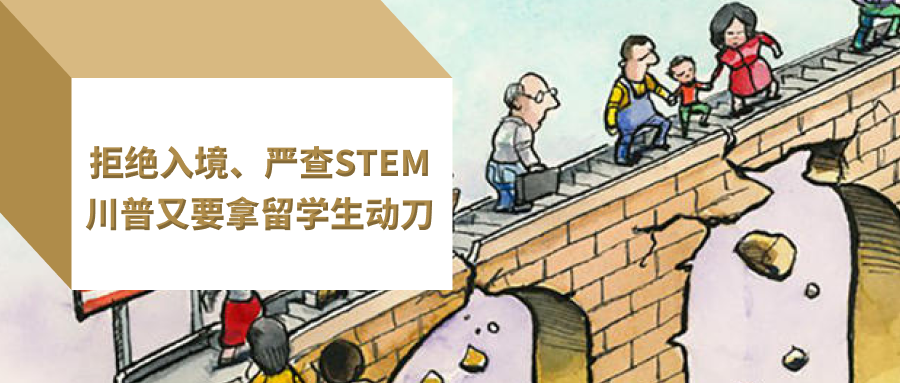
Recently, as the U.S. election draws near, immigration policies have become increasingly strict, and student and tourist visas have also tightened.
Let's take a look at a series of restrictive measures the Trump administration has recently adopted!
Denied Entry
It's back-to-school season again, and many international students are returning to the U.S. They came home for the holidays, reunited with family, and were looking forward to a new semester—only to be stopped at the airport, taken to secondary inspection, and then inexplicably deported.
According to data released by China's Ministry of Education, the visa rejection rate for government-sponsored students studying in the U.S. reached as high as 13.5% in the first quarter of 2019.
A 17-year-old from Lebanon who was about to start at Harvard University never expected to be stopped at Boston Logan International Airport. He was questioned by customs officers for over eight hours and then deported back to Lebanon.
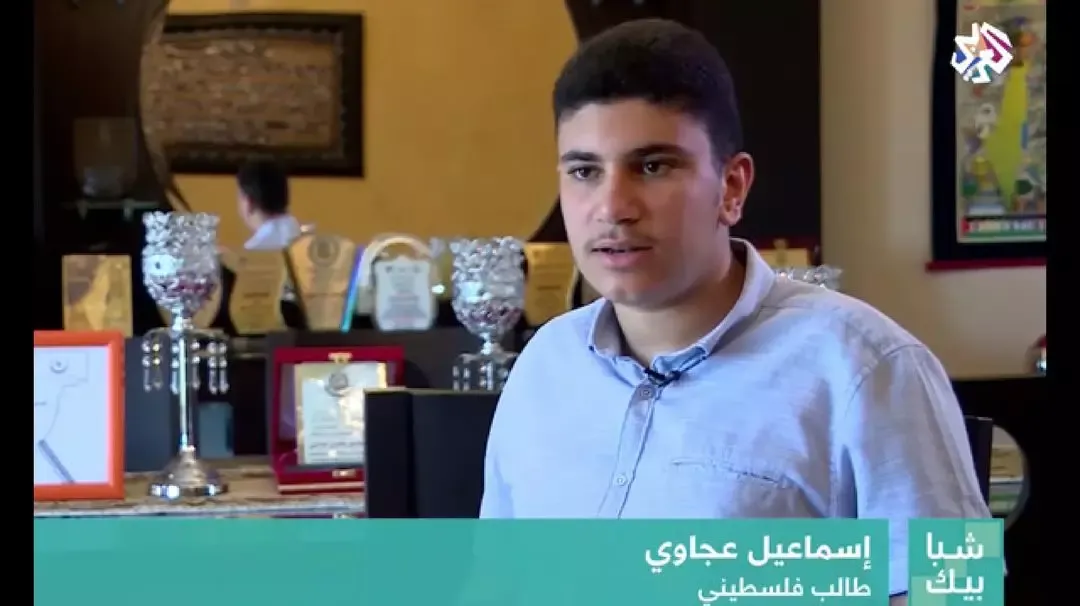
Ajjawi said customs officers searched all his belongings, including his laptop and phone, and then told him that someone in his social network had posted anti-American comments, so he was denied entry.
This situation—where a friend's extreme remarks land you in trouble—has left many international students terrified. Who knows if a friend might post something that triggers U.S. customs?
When did clearing customs become like passing through the gates of hell? One misstep, and your degree could be in jeopardy!
Nine Chinese students from Arizona State University were also denied entry on similarly absurd grounds. They were told at Los Angeles International Airport to fly back to China at their own expense, and some were about to graduate. Not only were the students bewildered, but their professors and university administrators had no idea what happened.
When the university inquired by email, U.S. Customs and Border Protection (CBP) said the nine were denied entry because of "information discovered" during inspection, but did not specify what that information was. This means the students may never know the real reason they were barred from the U.S.
Fortunately, the nine were not deported in the formal sense; they can reapply for visas, and ASU has confirmed they can retain their student status. The university is also coordinating with them to take online courses to make up for the classes they missed.
STEM Targeted
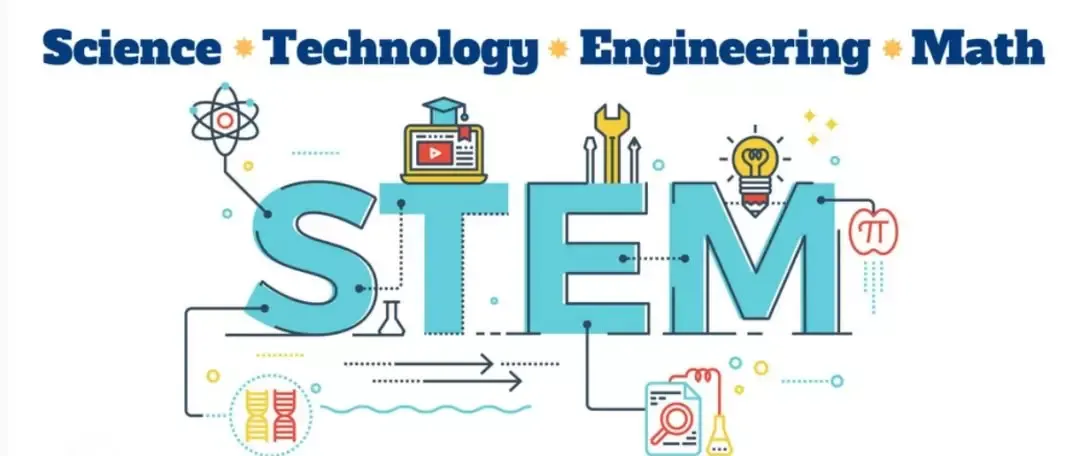
STEM stands for science, technology, engineering, and mathematics. F-1 students in STEM fields get three years of OPT work authorization, the envy of many.
However, just last month, the Trump administration began scrutinizing the legitimacy of STEM OPT. This includes surprise inspections at workplaces that hire foreign students to determine whether STEM OPT students are cheap labor and whether they adversely affect American workers.
If such a determination is made, STEM OPT employees could lose their F-1 visas and be ineligible for other visa types—effectively forced to leave the U.S.
Reports indicate that ICE will notify the company to be visited 48 hours in advance, and the site visit notice will include:
-
Date of the site visit;
-
List of STEM OPT foreign employees to be investigated;
-
A list of required documents, such as copies of the employees' I-983 forms and other training-related documents.
From 2004 to 2016, over 12 years, a total of 1,474,000 people used OPT for work, while H-1B usage was 1,473,000. STEM OPT usage has been growing steadily and has now surpassed H-1B. That's why OPT has become a prime target for the Trump administration.
Green Card Restrictions
This July, the U.S. House of Representatives passed the H.R. 1044 bill, which eliminates per-country caps for employment-based green cards under the "first come, first served" principle. Some Indian applicants may get green cards sooner, while Chinese applicants could face longer waits.
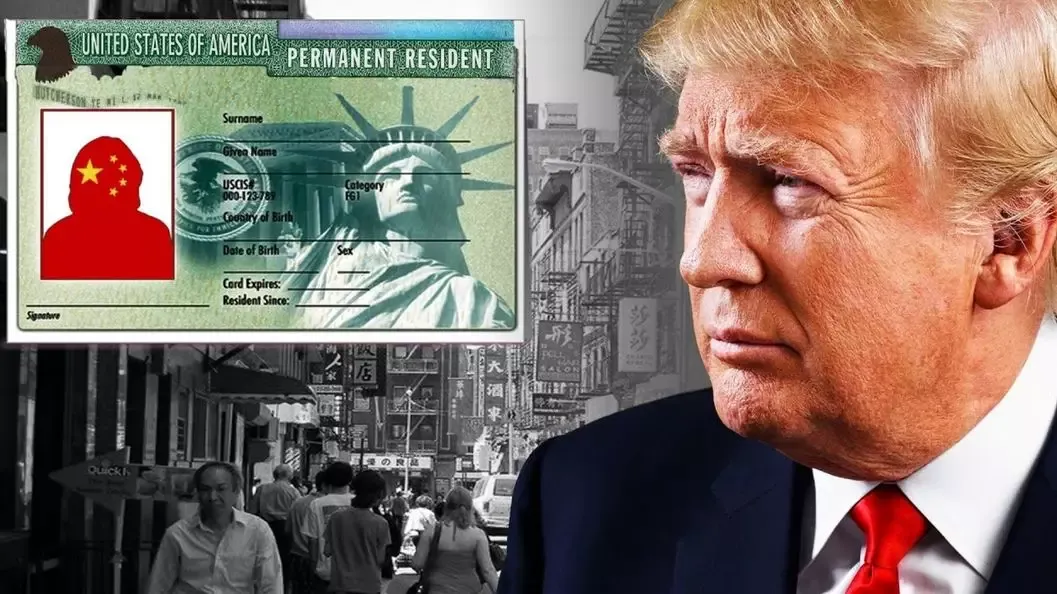
A month ago, a new U.S. visa rule was announced: applicants for U.S. visas (immigrant or non-immigrant) must provide social media handles used in the past five years. Failure to do so will prevent proceeding.
This new rule is arguably the most extreme vetting measure yet, affecting all immigrant and non-immigrant applicants—up to 14 million people. It also means the visa review workload will increase, making visas harder to obtain.
Trump appears to be continually tightening immigration and visa policies to shore up his voter base. Before setting foot on U.S. soil, you may want to clear your social media accounts. Also, never do a favor for friends by carrying goods for them, as it could be misconstrued as unauthorized business or illegal employment.
Absolutely avoid using essay-writing or exam-taking services. Many international students struggle with language barriers and academic pressure and resort to paying someone online to write papers or even take classes.
U.S. customs now employs some Chinese-speaking officers who can search your WeChat for keywords like "代购" (daigou, proxy shopping) or "代写" (ghostwriting). If they suspect you of illegal activity, your student visa could be revoked immediately—a huge loss for a small gain!
If you are certain you have done nothing wrong and have all proper documentation, yet are denied entry without cause, remain calm and avoid arguments with border officers. Upon returning home, immediately inform your school and stay in touch with an immigration lawyer to safeguard your rights through appeals and other legal channels.
We hope all international students in the U.S. can complete their studies smoothly and have a bright future ahead!