On March 11, the World Health Organization (WHO) declared COVID-19 a global pandemic.
Since the beginning of 2020, the pneumonia outbreak has caused immense worry and concern among countless students and parents planning to study abroad.
Will the pandemic affect the admission of Chinese students? What should overseas students pay attention to during the epidemic?
CheersYou(清柚教育) has launched this special column to provide real-time rolling updates on the latest study abroad policy changes in major global destinations, along with official announcements and statements from universities, and to recommend appropriate response measures.
United States
March:
Starting in March, as the outbreak in the U.S. continued to escalate, the nationwide confirmed cases surpassed 1,000.
President Trump stated that all Americans would be able to get tested for COVID-19 and promised to distribute 1.5 million test kits nationwide.
Across the United States, particularly in severely affected areas such as New York, Washington, and California, many universities have announced class suspensions or a shift to online instruction, while officially urging students to stay at home and avoid group gatherings.
What impact does this have on students applying for the 2020 intake?
Currently, aside from a few summer programs (such as at Johns Hopkins University and Cornell University) rejecting Chinese students' admissions, the majority of American schools have indicated that the pandemic will not affect applications for Fall 2020 and beyond. It will not influence the admission standards of admissions officers, nor will they reduce the number of Chinese students admitted because of the pandemic.
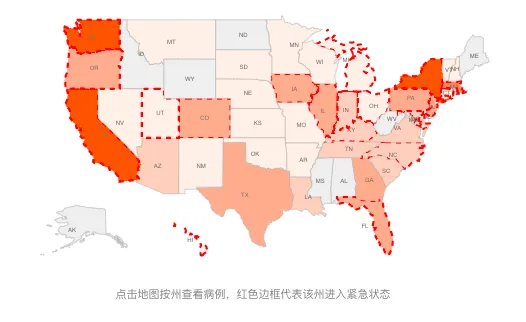
Distribution of confirmed cases in the U.S. (Image source: 1Point3Acres)
For real-time updates, visit: https://coronavirus.1point3acres.com/
U.S. universities that have announced class suspensions or online instruction (Source: CNN)
California
• University of California, Berkeley
• University of California, Los Angeles (UCLA)
• University of Southern California
Connecticut
District of Columbia
Indiana
Maryland
• University system of Maryland
Massachusetts
• Massachusetts Institute of Technology
Michigan
New Jersey
New York
• Columbia University and Barnard College
North Carolina
Ohio
Pennsylvania
Tennessee
Virginia
Washington state
Wisconsin
• University of Wisconsin-Madison
Official notices/emails from major U.S. universities
University of Washington
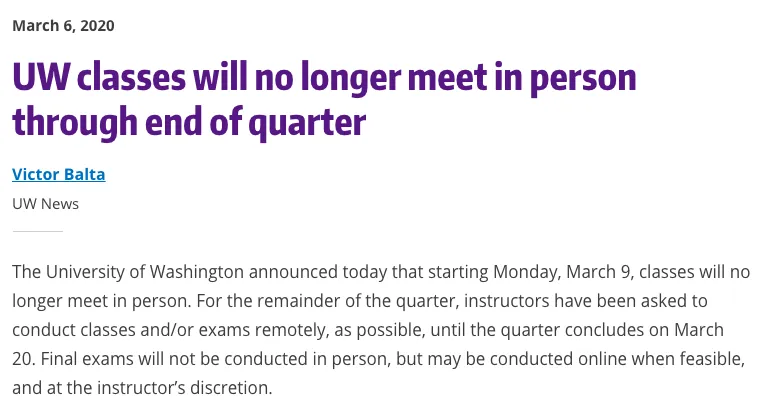
The University of Washington was the first U.S. university to switch to online instruction due to the COVID-19 situation.
The university announced that, starting March 9, all in-person classes would be suspended, lasting until the end of the winter quarter on March 20.
Harvard University
Harvard University announced that, starting March 23, all courses will be moved online, and students should not return to campus after spring break.
Additionally, the school discourages non-essential gatherings of more than 25 people on campus.
.png?x-oss-process=style/opt-webp)
February:
To curb the spread of the epidemic, the United States implemented entry restrictions on February 2, 2020, barring entry to foreign nationals who had been in China within the previous 14 days. Most U.S. airlines also suspended their China-U.S. routes through April.
Who is most affected?
Those who were planning to travel to the U.S. in February or March, including international students with existing F-1 visas who were merely returning to China for vacation, as well as Chinese nationals planning to work or visit family in the U.S. in the near term.
Students holding F-1 visas who returned to China for vacation need not worry, as major U.S. universities are developing plans for deferred enrollment or online instruction. For those in the visa application process, if the visa status is still under administrative processing, they will simply need to wait.
In addition, many who originally intended to return to China to apply for new visas have likely already adjusted their travel plans. The main reasons for returning to apply for a visa were to activate or change status—for example, switching from an F-1 student visa to an H-4 dependent visa, or for those whose H-1B applications from the previous year were finally approved and who planned to obtain an H-1 visa stamp abroad to re-enter and activate their status.
Given the current uncertainties, it is recommended to try to change your status within the United States whenever possible. Currently, USCIS processing times for change-of-status applications range from 4 to 6 months. If you cannot wait that long, or if your “change of status” application for an H-1B was not approved and you must leave the country to obtain a visa stamp to activate your status, you can travel to Canada, Mexico, or any U.S. consulate abroad to apply for a visa and then return.
Another scenario: some students may have transferred to a new school or advanced to a higher degree program during the winter break, with a new I-20 issued but unable to obtain an F-1 visa for the new school before the start of classes. In such cases, it may be possible to re-enter the U.S. using the still-valid F-1 visa from the previous school and the new school's I-20, provided that the current F-1 visa remains valid, the F-1 status has not been terminated, or the status termination has not exceeded five months.
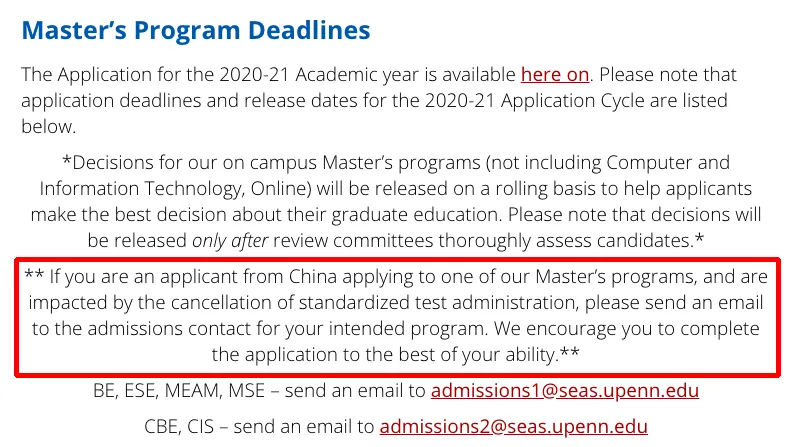
Many schools, aware of the epidemic's potential impact on Chinese applicants, have offered to extend application deadlines for affected students. For example, the University of Pennsylvania, an Ivy League institution, stated: “If you are from China and your application has been affected by the epidemic, please contact us. We encourage you to present your qualifications and complete your application.”
Princeton University also quickly issued a notice, providing detailed epidemic prevention guidelines and implementing health reporting and quarantine measures as required by the U.S. government—a very thorough approach:
.png?x-oss-process=style/opt-webp)
During the SARS outbreak that year, Sanlian Life Week interviewed many U.S. universities, and the schools expressed that they would not be affected by the SARS epidemic, only strengthening on-campus prevention measures.
Therefore, with deadlines looming, if your February test dates were canceled and you cannot register for March, try contacting the schools first. Explain your situation, how the epidemic has affected your application, and when you expect to submit your test scores. The schools will likely understand these exceptional circumstances and provide a solution.
For students who have already received offers for the 2020 intake, please remain calm. It is expected that U.S. visa services will resume normal processing around April, in time for the fall semester start. However, for those starting in the summer, if your visa has not yet been processed, please communicate promptly with your school and request a deferral.
At a WHO meeting, a spokesperson stated that the WHO would stand shoulder to shoulder with the Chinese people in the fight against the virus. The WHO also called on countries to avoid unnecessarily disrupting trade and travel with China.
Currently, most schools’ statements indicate that they are addressing the epidemic situation but have not been influenced to the point of resisting or unwelcoming students from mainland China.
Official notices/emails from major U.S. universities
New York University
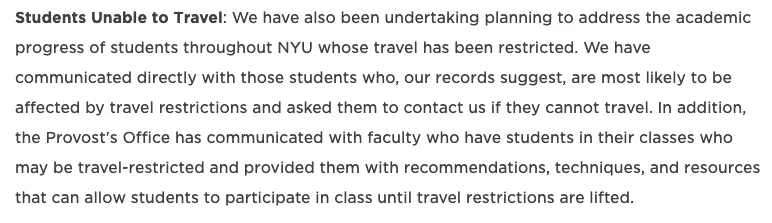
The university is proactively assisting students and staff who, due to travel restrictions, could not return to campus after the holiday break. Solutions include temporary remote options such as Zoom video conferencing and access to course recordings until travel restrictions are lifted.
Tandon School of Engineering
The NYU School of Engineering has indicated it will relax application deadline restrictions. However, any materials submitted after the deadline must still be official transcripts and score reports, and early submission is advised.
.png?x-oss-process=style/opt-webp)
Columbia University
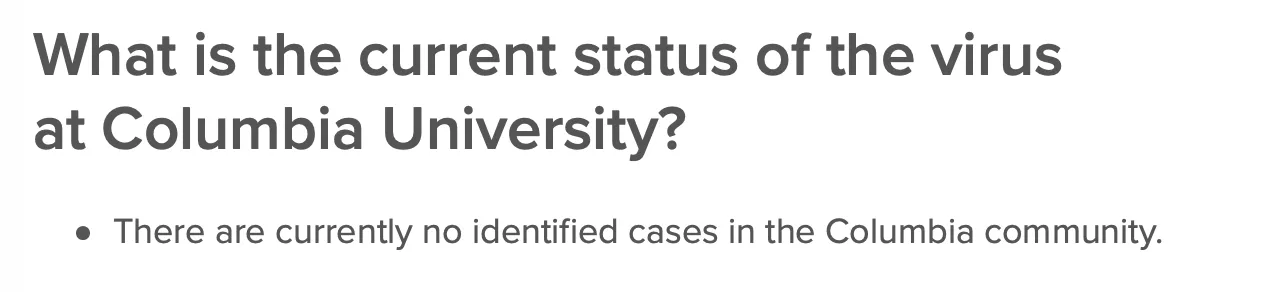
No confirmed cases at present.
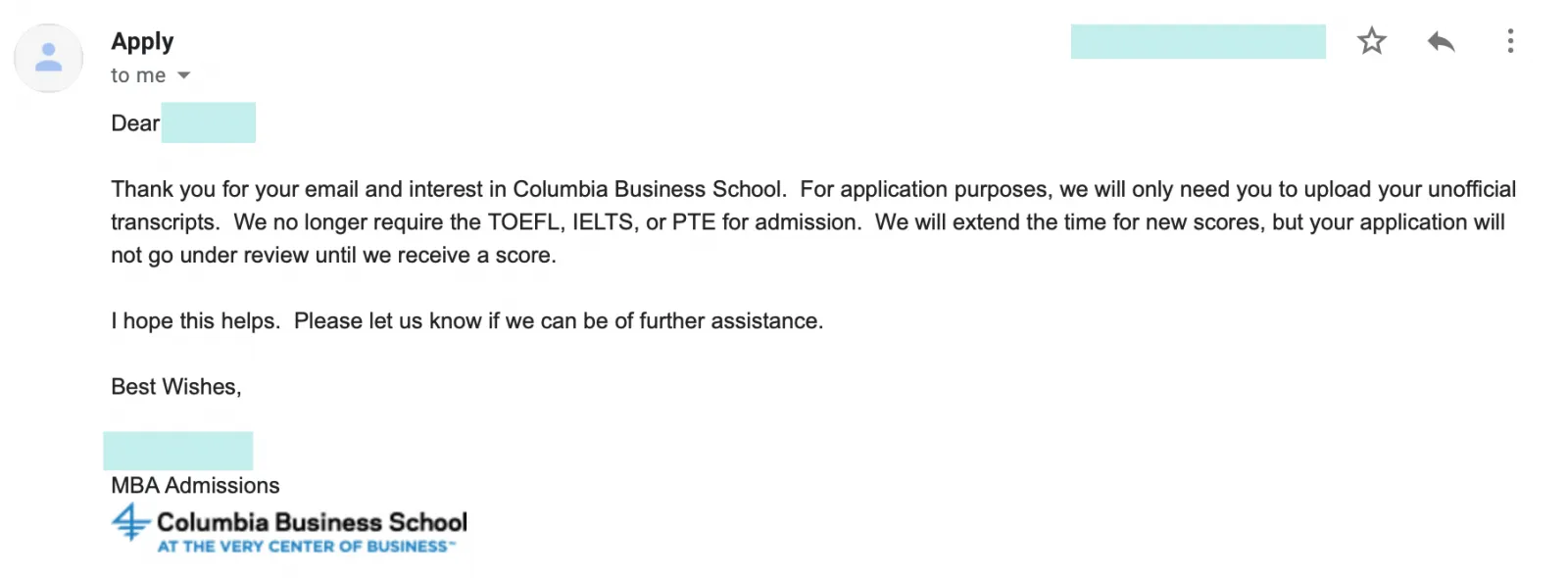
Regarding applications, unofficial transcripts and standardized test scores may be submitted initially, and the deadline for new score submission will be extended. However, application review will only begin upon receipt of official scores.
Columbia Business School
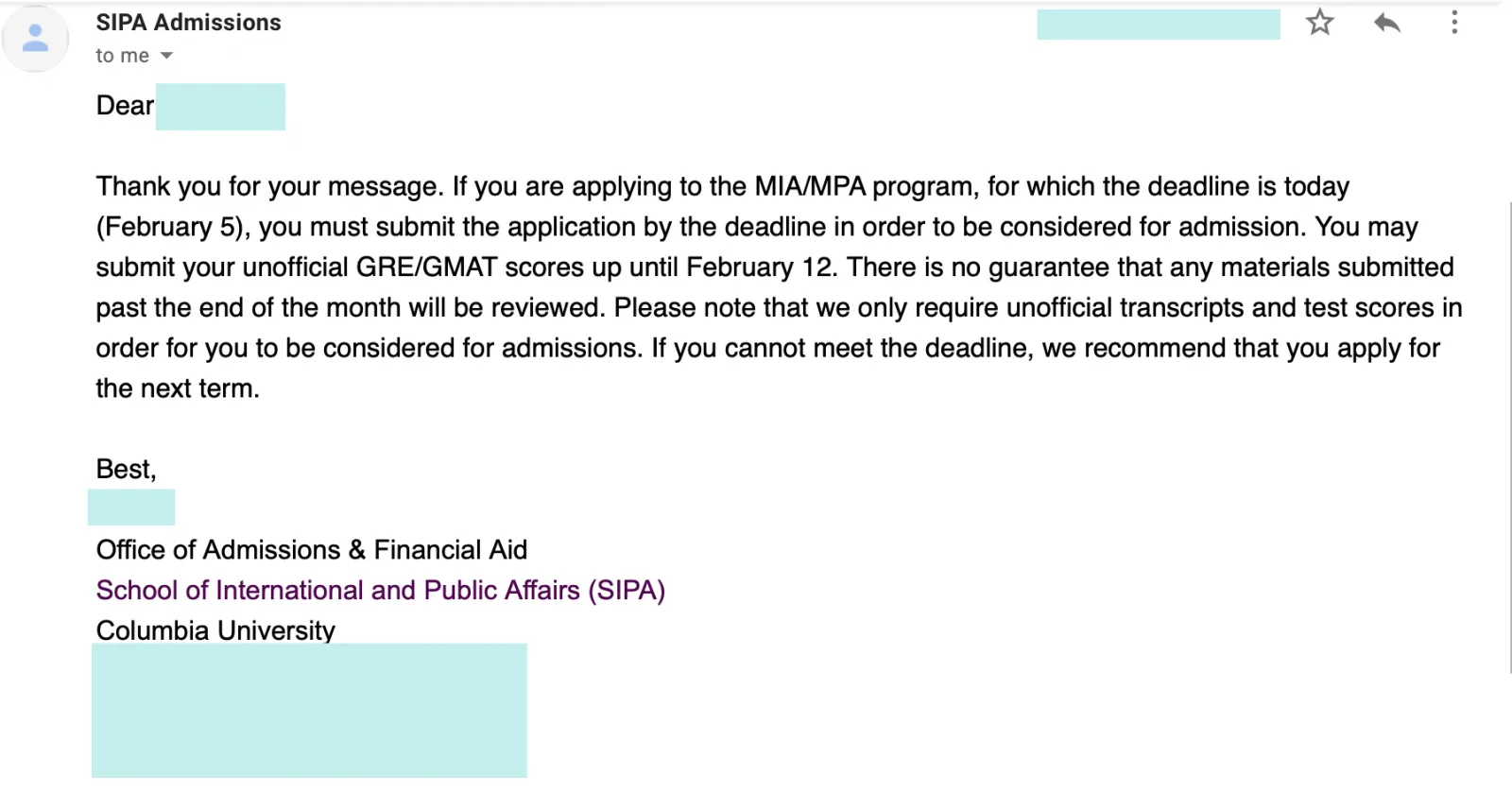
School of International and Public Affairs (SIPA)
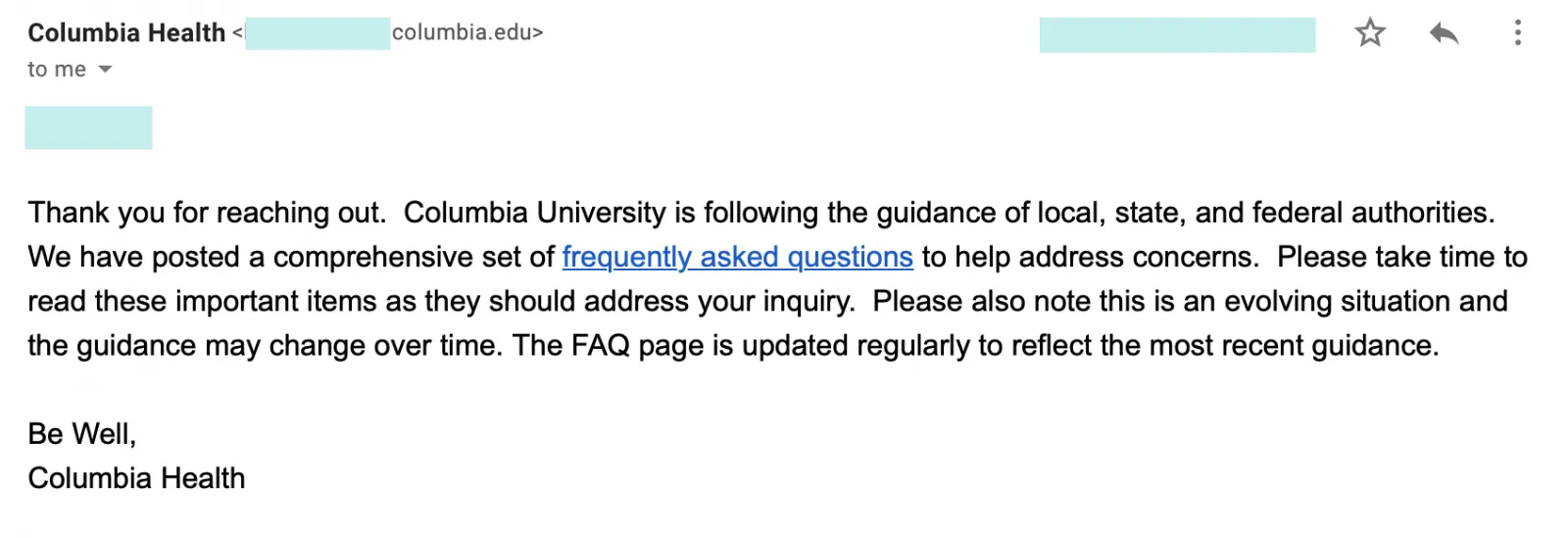
Health Center
Consistent with the measures taken by the authorities, the school currently has no special requirements of its own.
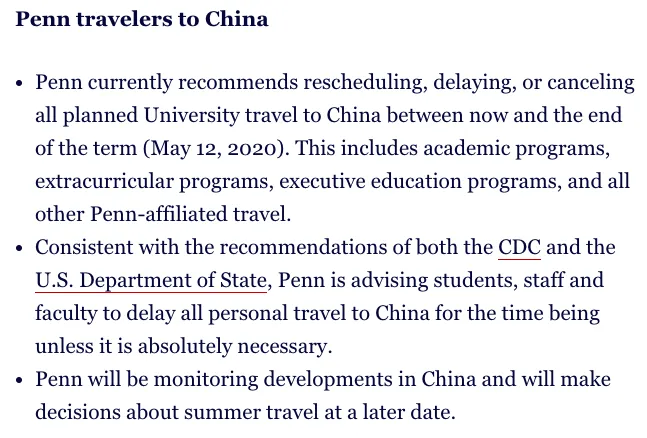
University of Pennsylvania
It is recommended to reschedule, postpone, or cancel all university-affiliated travel to China between now and the end of the semester on May 12, including academic programs, extracurricular activities, and executive education programs.
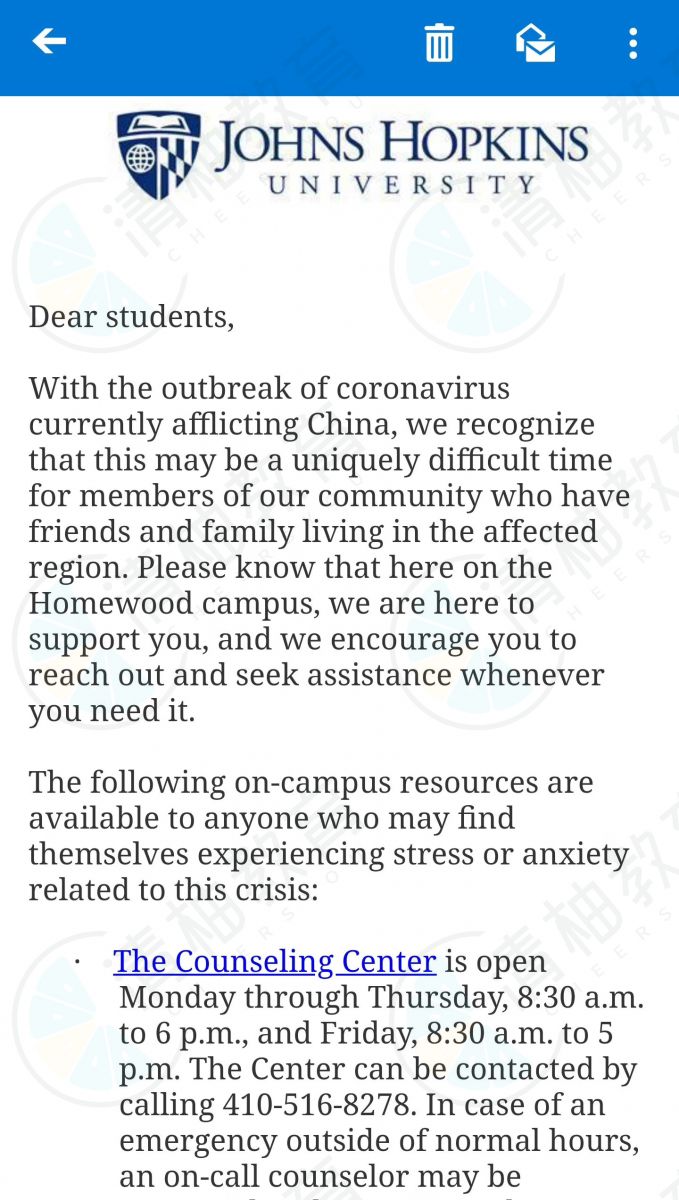
Johns Hopkins University
The university is deeply concerned about the student community affected by the epidemic and encourages students to utilize campus resources for support.
Cornell University
A suspected case has been identified and isolated. The university is actively tracing close contacts of this student and will take further quarantine measures as necessary.
.png?x-oss-process=style/opt-webp)
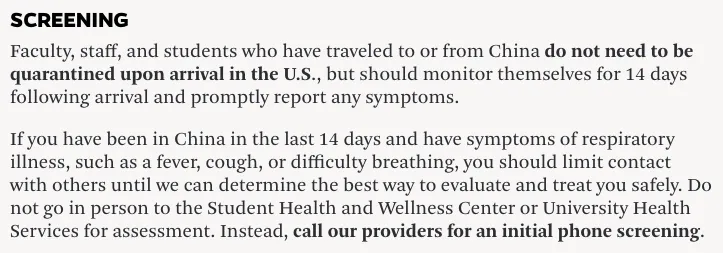
Johns Hopkins University
Mandatory quarantine is not required for students and staff who have recently traveled to China, but they must self-monitor for 14 days and immediately report any symptoms.
The Hopkins-Nanjing Center has indefinitely postponed its on-site programs, with the spring semester starting online on February 24.

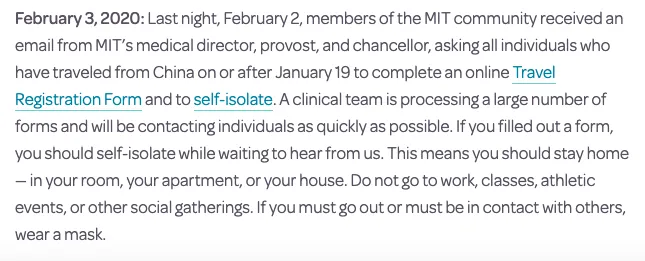
Massachusetts Institute of Technology
All individuals who traveled to China after January 19 are required to complete a form and undergo a 14-day self-quarantine. The community is urged to support and care for those in need.
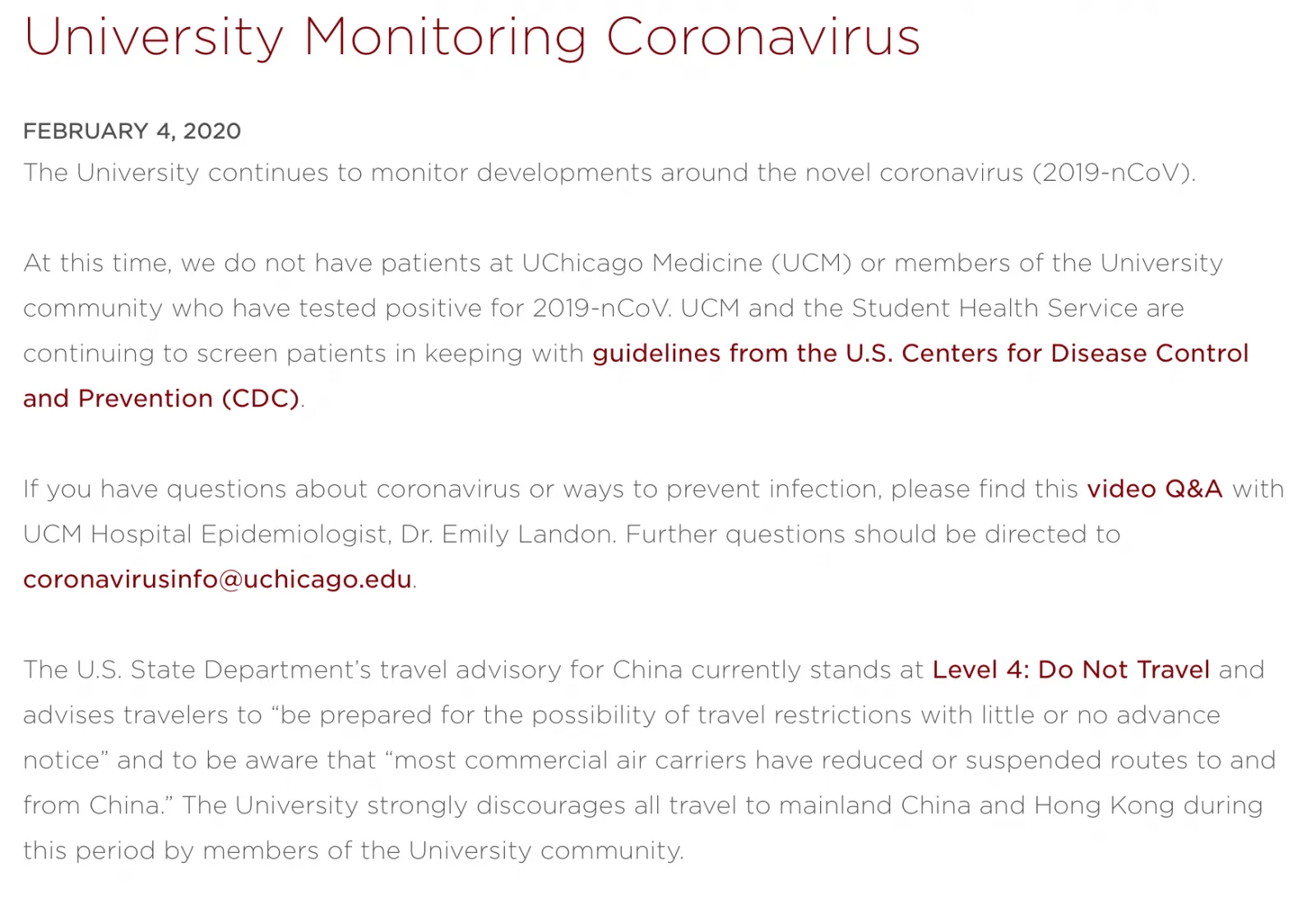
University of Chicago
No cases at present. The university is monitoring the situation and, in line with U.S. Department of State travel advisories, recommends avoiding travel to China for the time being.
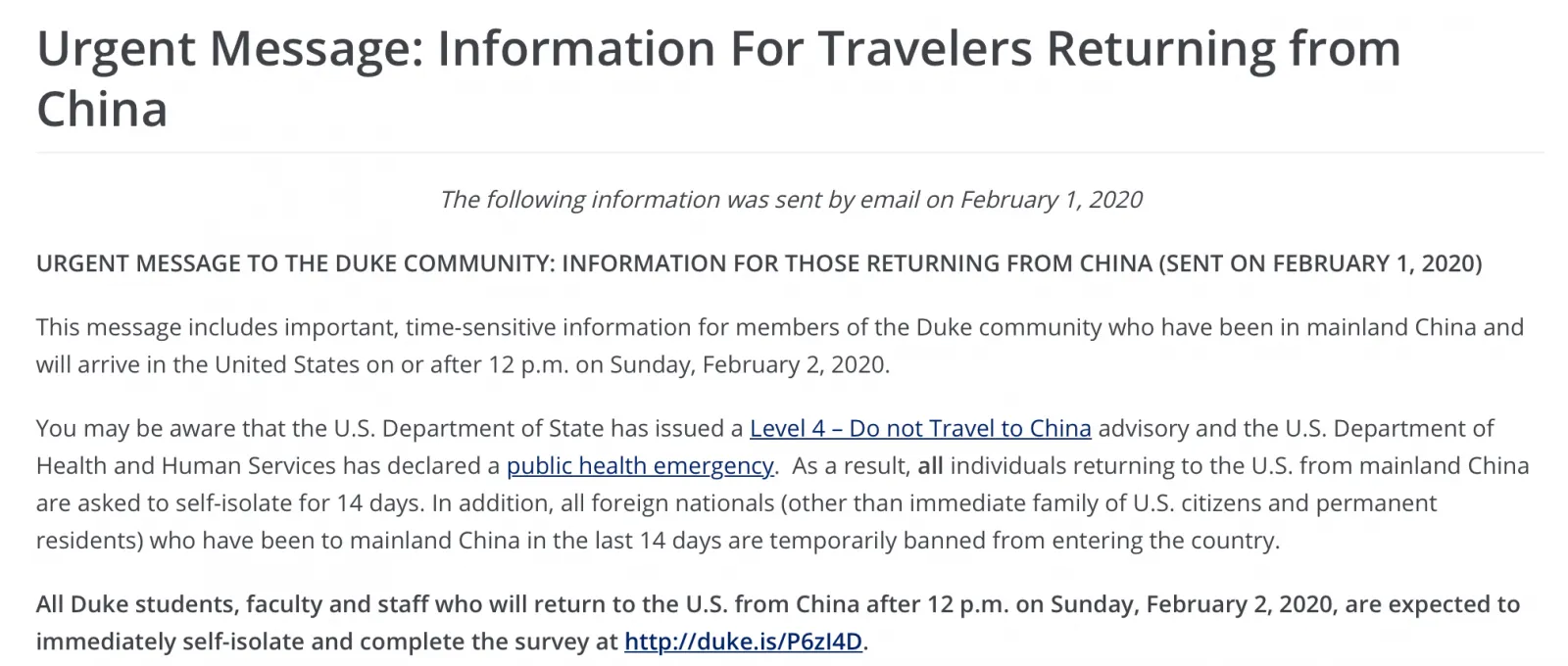
Duke University
Students and staff returning from China after February 2, 2020, are required to undergo a 14-day self-quarantine.
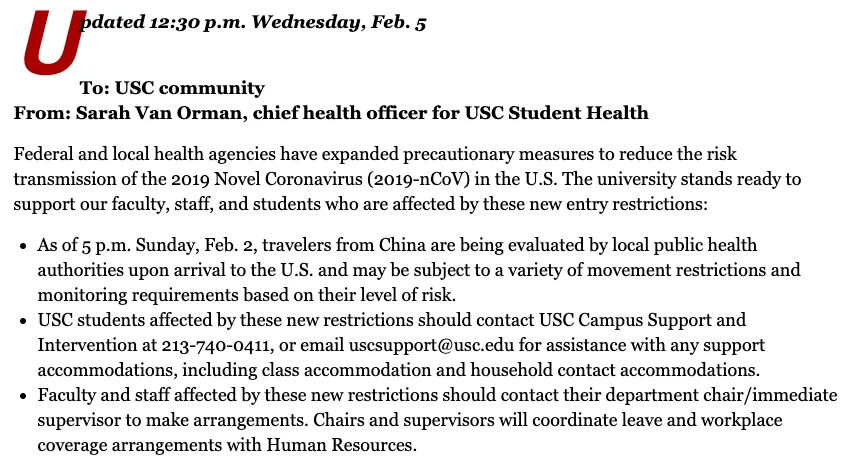
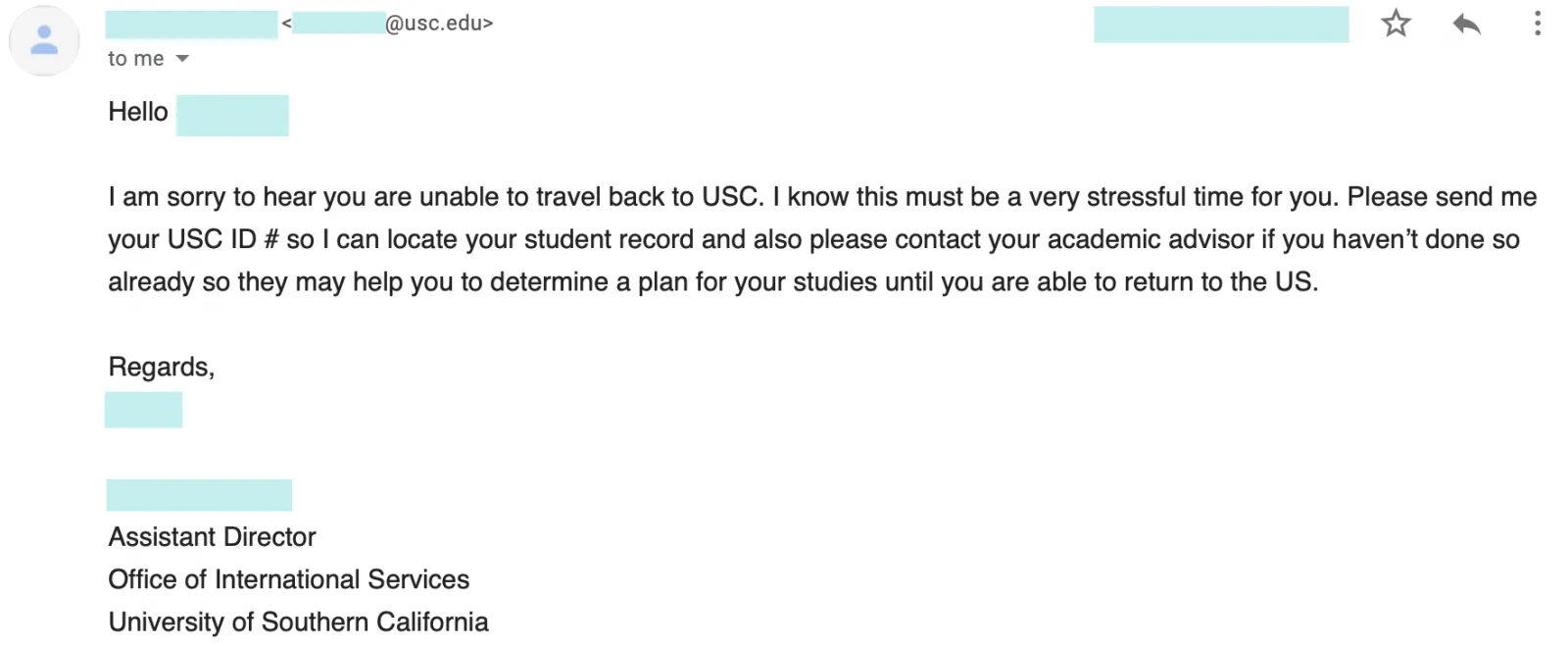
University of Southern California
Actively supporting and assisting students and staff affected by the epidemic, providing them with solutions.
University of Washington
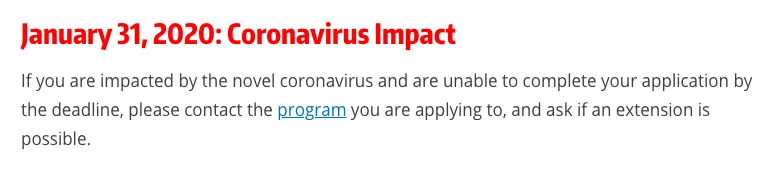
Students unable to submit applications on time due to the epidemic should contact the specific program to inquire about possible deadline extensions.
University of Illinois Urbana-Champaign
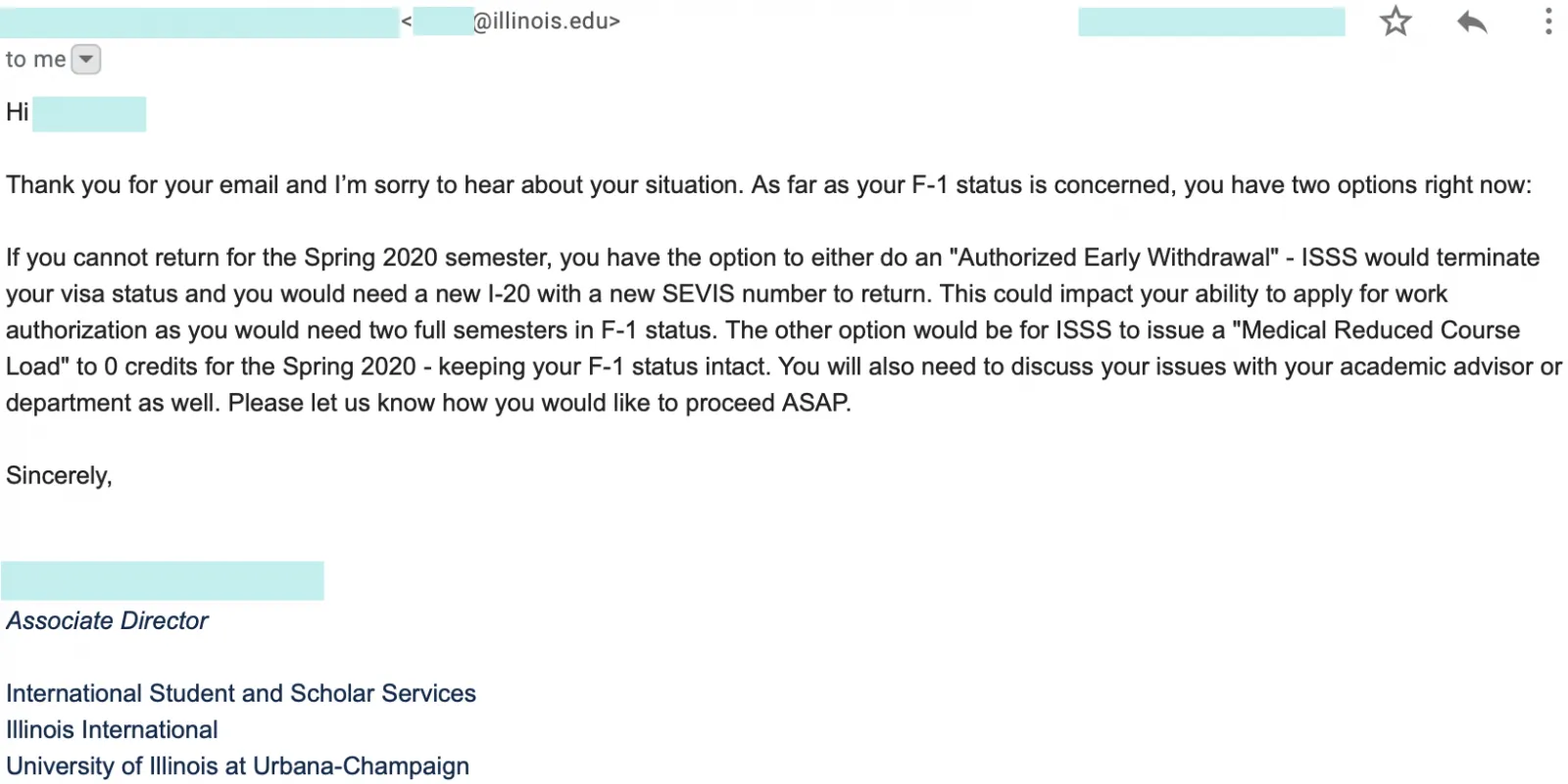
Providing specific solutions for students unable to return to campus:
1. Request an Authorized Early Withdrawal to terminate the visa, then obtain a new I-20 later to re-enter; however, this may affect work authorization.
2. Contact International Student and Scholar Services (ISSS) to apply for a Medical Reduced Course Load, taking 0 credits for the Spring 2020 semester while maintaining F-1 status; but you must discuss the details with your academic advisor or department.
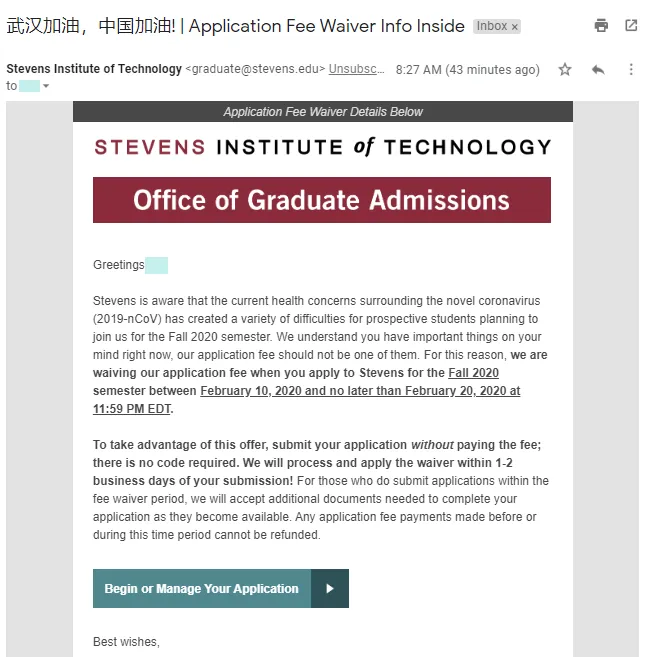
Stevens Institute of Technology
Concerned about prospective students potentially affected by the epidemic, the application fee can be waived from February 10 to February 20.