US one-year master's programs, as the name suggests, are graduate programs that can be completed in about one year.
In the past, such programs were often labeled as "water" degrees. Compared to traditional two-year master's programs, one-year programs have been questioned for not being "hardcore" enough due to their shorter overall teaching time and fewer on-campus internship opportunities.

Indeed, there are individual programs that cater to the "gilding" needs of international students, but it is not reasonable to conclude that "shorter duration equals lower quality."
If you have some understanding of the US education system, you will know that one-year master's programs are more career-oriented. Shortening the teaching time is to enable graduates to complete their studies more efficiently and thus start job hunting or return to the workforce.
CheersYou(清柚教育) analyzes the features of one-year programs for students, examining their pros and cons and suitable candidates, and compiles a list of one-year programs in popular fields in the US for your reference.
.png)
Features of One-Year Master's Programs
US one-year master's programs can last up to 18 months, with the shortest being just 10 months, typically ranging from 13 to 15 months. Due to their fast-paced and intensive curriculum, most business schools that offer master's degrees have one-year programs.
Because these programs are designed to help graduates quickly connect with society, their courses are generally more practice-oriented. The program features can be summarized as follows:
1. Learning content leans toward practice
2. Lower time and money costs
3. Less flexibility in course selection
In order to equip students with the knowledge needed for employment in a shorter time, these programs not only compress the learning time but also reduce financial costs. After all, the longer you live abroad, the higher various living expenses become.

But the shorter duration also has its drawbacks: students have fewer course options. Since the total program duration is not long, it is more important for the school that students complete the required courses rather than cultivate comprehensive qualities. Therefore, students can choose fewer elective courses.
Another common concern for many students is: not enough time for internships. Due to the short duration and heavy coursework, students in one-year programs may not be able to find an internship during the school period.
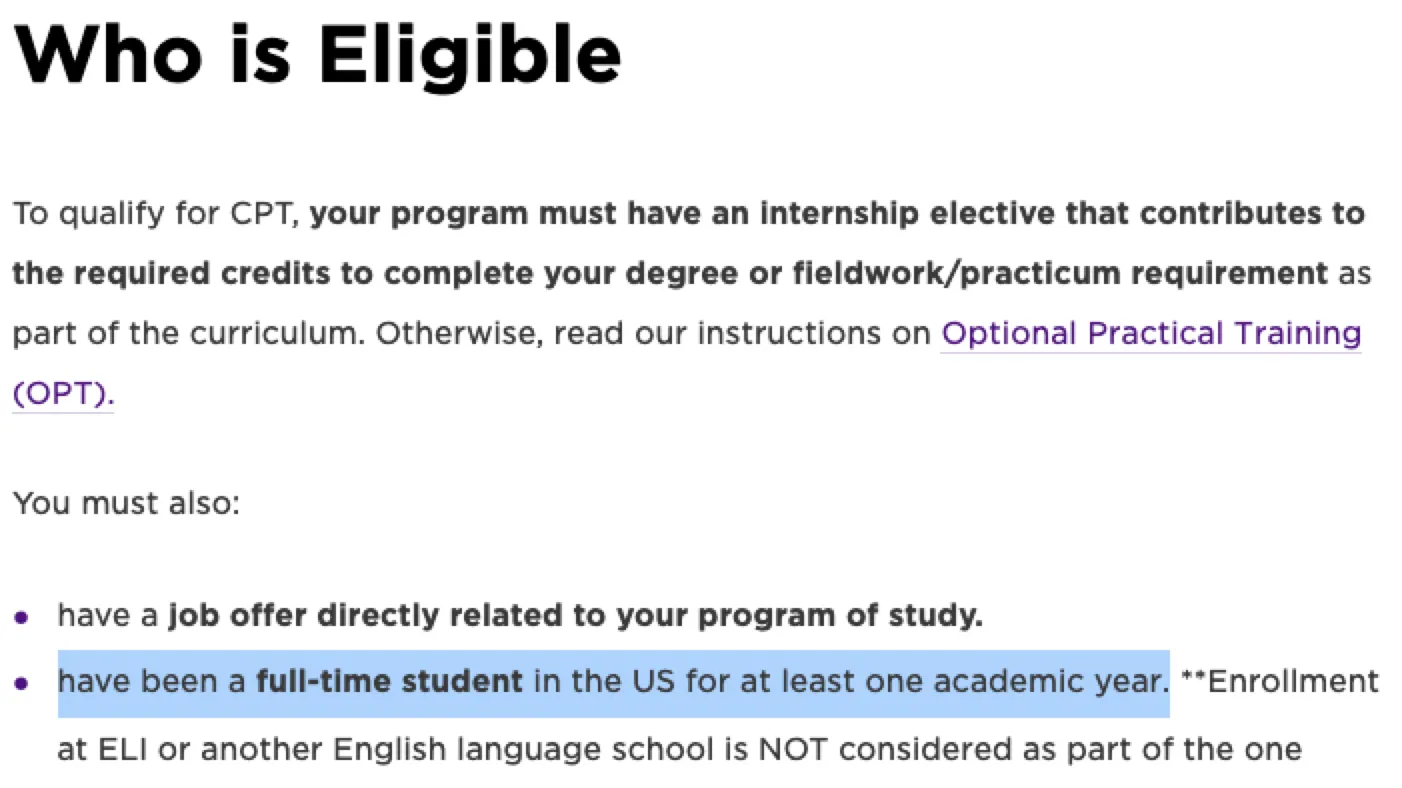
*To apply for on-campus CPT (Curricular Practical Training), you need to complete at least one academic year (9 months) as a full-time student.
However, there are also those who make good use of time, leveraging internship experience accumulated during undergraduate studies to achieve a big breakthrough after completing their master's and directly receive their desired offer.
At the same time, these students also benefit from the intensive one-year study, as the course content is all practice-oriented, allowing them to integrate into the workplace more quickly after graduation.
Suitable Candidates for One-Year Master's Programs
So, what kind of students are one-year master's programs suitable for?
We can analyze from the fundamental reason for the difference in duration: one-year programs have intensive course scheduling, leaving no time for internships.
For students with low self-discipline and poor time management, choosing a one-year program can be disadvantageous; it is more recommended to choose a two-year master's program with ample breaks for internships.

For students with a clear career plan, a one-year program, which emphasizes efficiency, is a "quick, accurate, and ruthless" investment. When you already have a clear career goal, pursuing a master's degree itself is a process of solidifying your foundation and expanding your effective network, achieving twice the result with half the effort.
For those who do not have a clear future plan but choose a one-year program for various considerations, you can also make advance arrangements, such as considering more STEM majors. In this way, even if you do not secure an internship on campus, the up to three-year work period is enough to compensate for this loss.
Compilation of One-Year Master's Programs
Finance

Almost all US finance master's programs are STEM-designated, with durations ranging from 9 to 18 months. Nine-month programs typically start in the fall, spanning two semesters and ending in late May of the following year.
There is generally no undergraduate major restriction for applicants, but higher-ranked schools increasingly value a background in mathematics and computing. Employment fields after graduation include banking, securities firms, and consulting.
Johns Hopkins University Finance
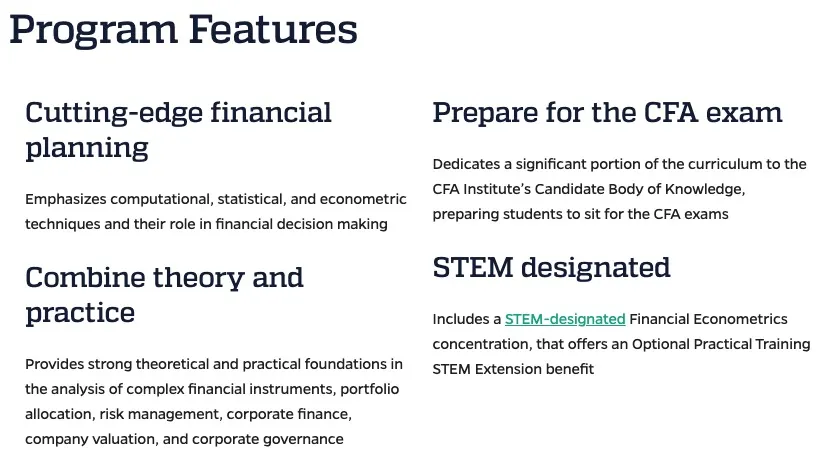
The program duration is 1 year, 36 credits, and is CFA-oriented. The curriculum is relatively traditional with many theoretical courses, and it is also suitable for interdisciplinary applicants with a foundation in business knowledge. Additionally, this program is STEM-designated, allowing students to enjoy a three-year work period in the US.
USC Finance
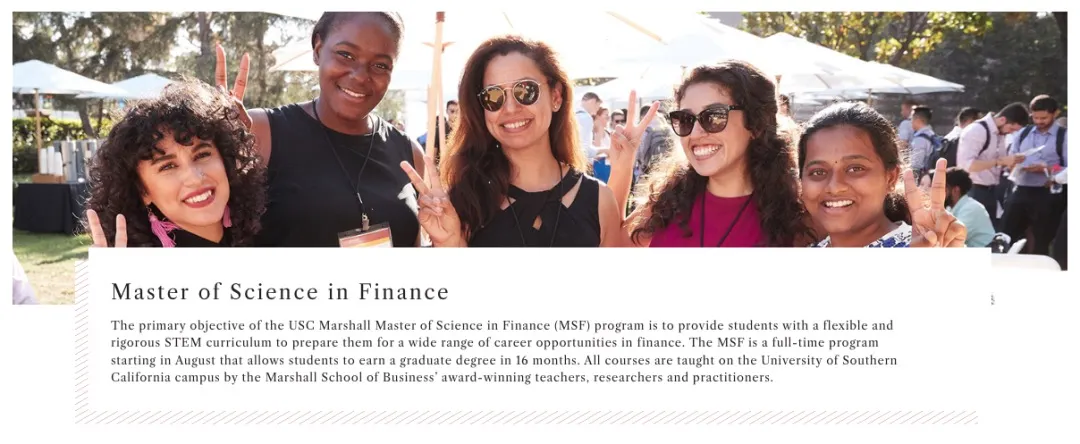
The program lasts 1 year (16 months) and is a STEM program. The curriculum primarily covers traditional subjects such as accounting, asset management, and risk management. There are no restrictions on the applicant's undergraduate major.
Management-Related Fields

US master's programs in management generally have no requirements regarding the applicant's undergraduate major. Employment directions include finance, accounting, marketing, logistics management, human resources consulting, etc.
Washington University in St. Louis
Supply Chain Management
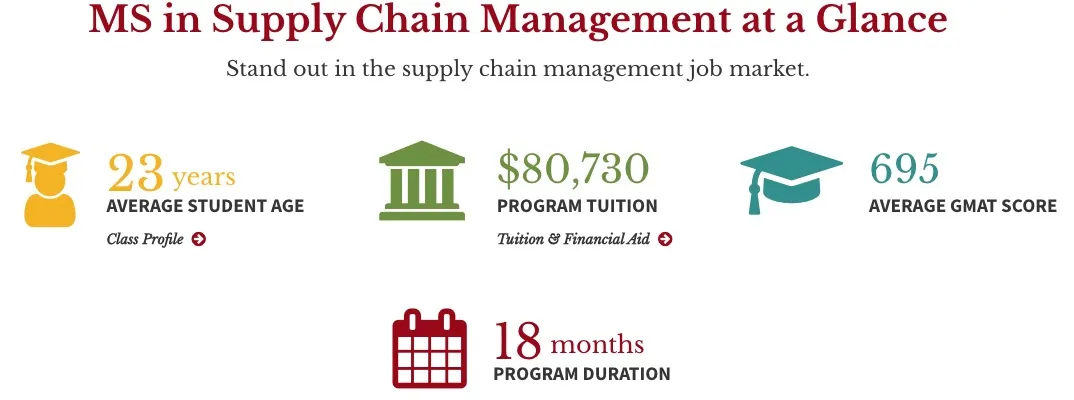
The program duration is 1-2 years, totaling 36 credits. It is a STEM program. Courses include Data Science courses, Strategic Quality Management, Negotiation and Conflict Management, IT and Supply Chain Management, etc. The program has no rigid requirements for students' undergraduate background.
University of Michigan, Ann Arbor Management
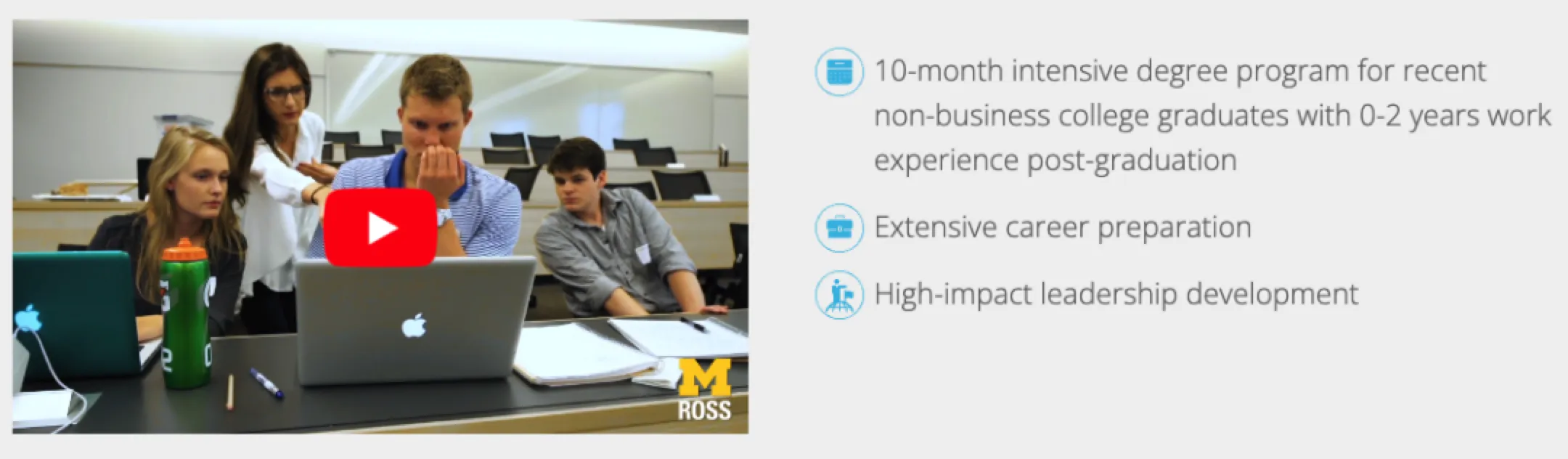
The program is 10 months long, suitable for recent undergraduates or applicants with less than 2 years of work experience. Courses include Market Management, Applied Analytics, Business Communication, and World Economy. The program focuses on career preparation and leadership development.
Accounting

US master's programs in accounting vary in duration from 8 months to two years, depending on the applicant's undergraduate major.
If your undergraduate major is accounting, you can complete the accounting master's program in one year; otherwise, you will need extended time to study prerequisite accounting courses such as financial accounting, managerial accounting, statistics, etc.
Positions in tax, auditing, consulting, financial analysis, and management analysis at various companies are all potential employment directions for accounting graduates.
University of Texas at Austin
Professional Accounting
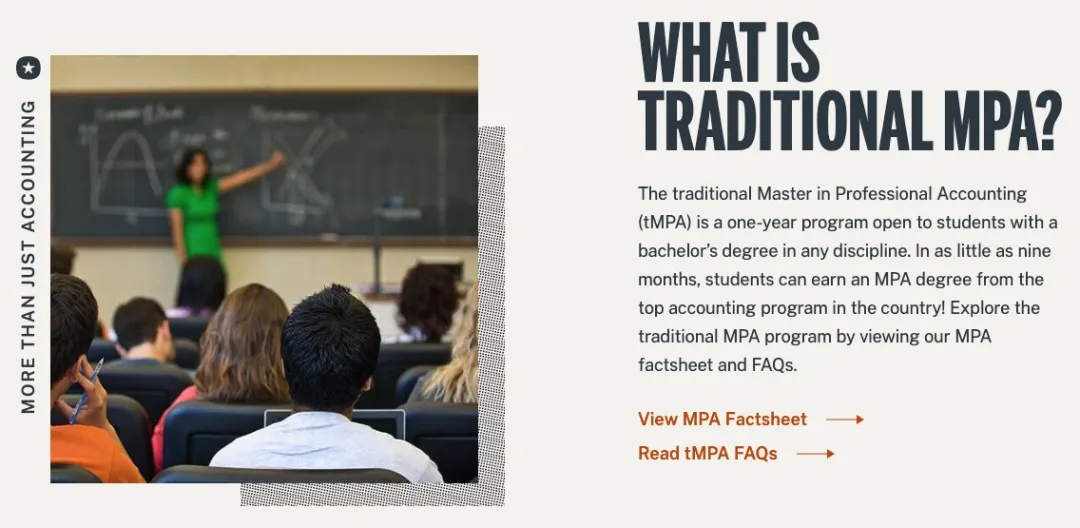
The program duration is 9-13 months, divided into 3 tracks to suit different applicants. The Traditional-MPA track suits undergraduates from any background. The Integrated MPA is designed specifically for undergraduate accounting students from the business school, while the ECON-MPA program is a combined bachelor's-master's program for students majoring in economics who also wish to earn a master's in accounting. There are no major restrictions for applicants, but strong quantitative skills are required.
USC Accounting
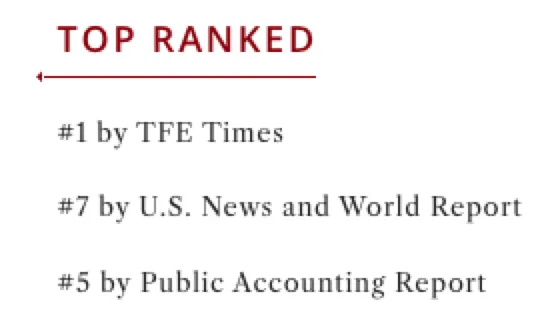
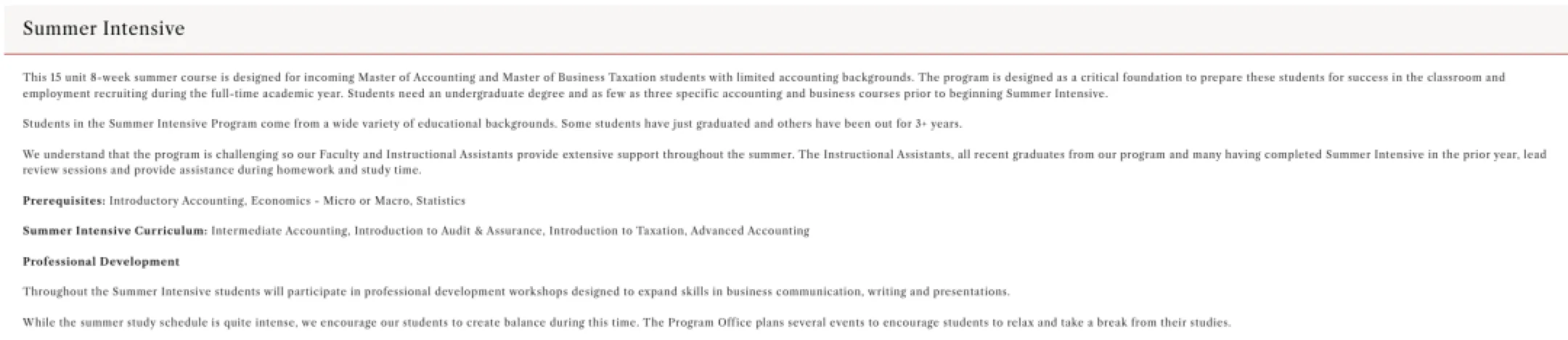
The program length is 2 or 3 semesters, and it is a STEM program. As one of USC's most employable majors, the accounting program is very rigorous, with course difficulty levels averaging at least medium. Non-accounting background students must participate in the school's 9-week intensive summer program. US undergraduates with a GPA above 3.2 may be allowed to waive the GRE.
Marketing

In recent years, marketing is no longer purely liberal arts-oriented; directions related to data analysis are arguably the mainstream of marketing majors today. Most US marketing-related master's programs have no major restrictions for applicants, as long as they have relevant coursework or internship experience, they can generally apply. The employment field for marketing is very broad, including major internet companies, advertising agencies, public relations firms, consulting firms, and more.
Vanderbilt University Marketing
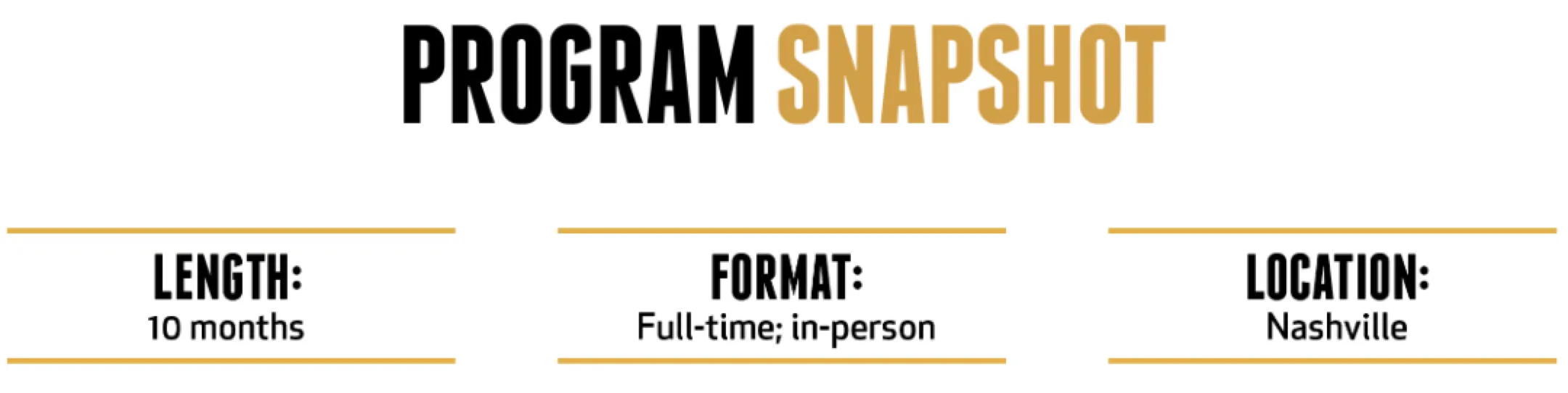
Program duration is 10 months. Courses include Consumer Behavior, Quantitative Analysis in Marketing Decisions, Marketing Strategy, Brand Management, Public Relations, etc.
University of Rochester Marketing Analytics
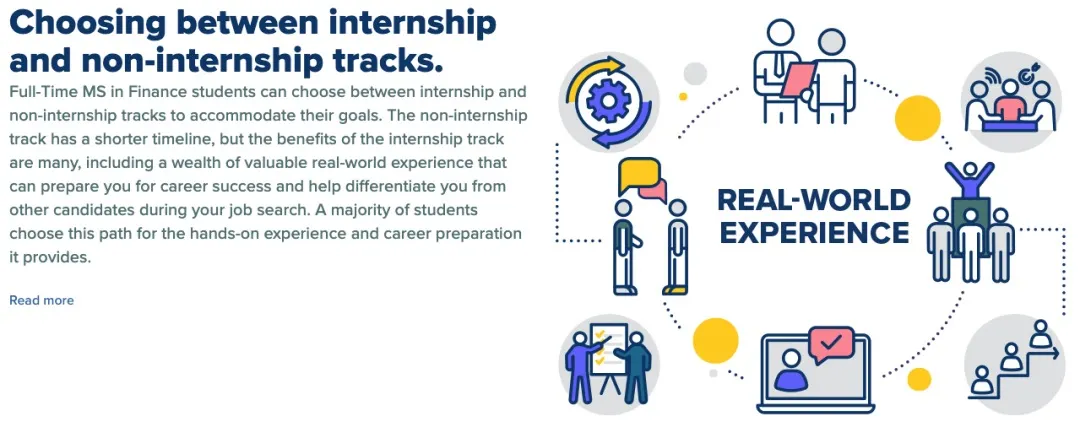
Program length is 11 months or 17 months (Internship vs. Non-internship tracks). For students who want to find an internship or job in the US, they can apply to extend the program to 17 months, allowing more preparation time. It is a STEM program.
Data Analytics-Related Fields

Business analytics is an emerging field that combines business knowledge, mathematical programming, and data analysis to create value through decision optimization.
The curriculum integrates statistics, computer science, and business, aiming to balance quantitative skills and management science.
Most business analytics programs are STEM-designated, with employment opportunities mainly in investment banking, Big Four accounting firms, consulting, technology companies, etc., with wide applications.
Johns Hopkins University
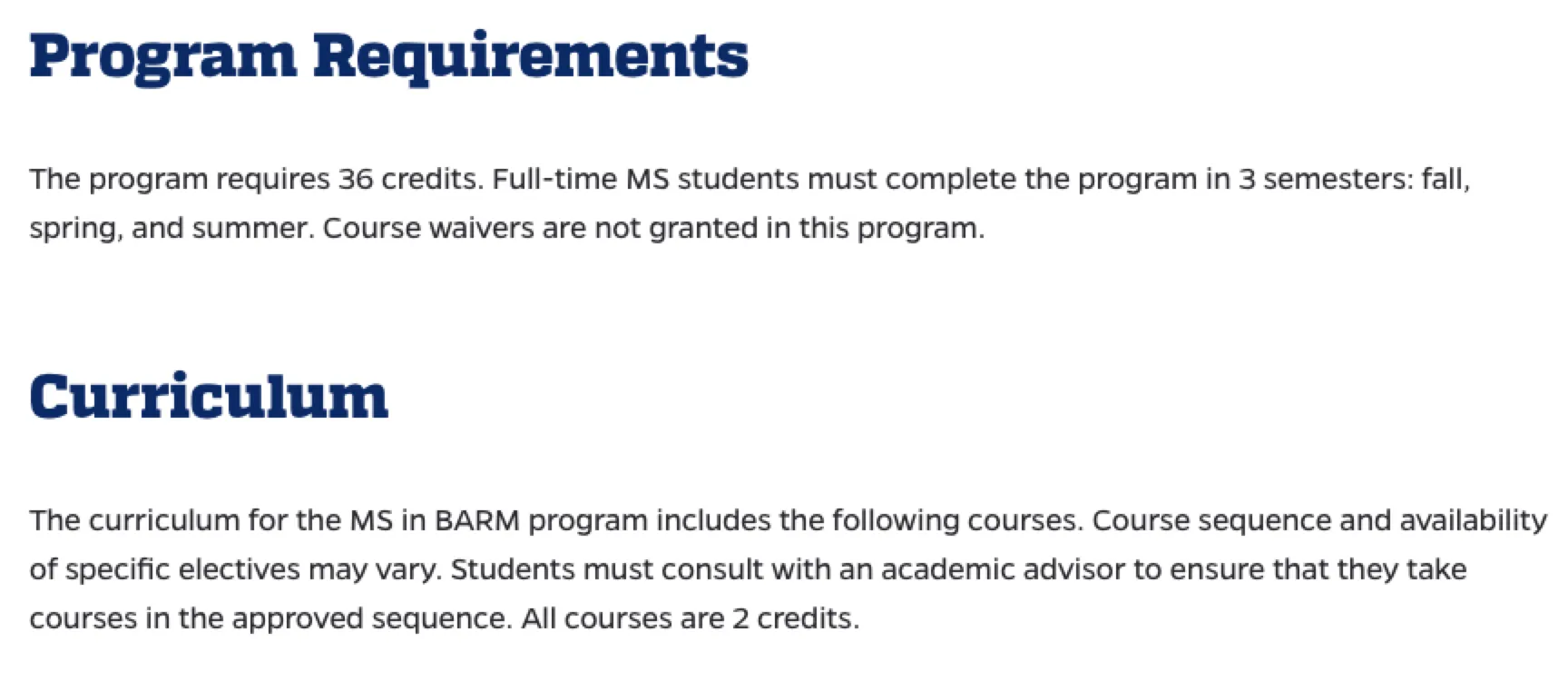
Business Analytics and Risk Management
Program duration is 3 semesters (Fall, Spring, Summer), totaling 36 credits. Required courses include Business Analytics, Corporate Finance, Information Systems, Statistical Analysis, Data Analytics, etc. It is a STEM program.
University of Connecticut
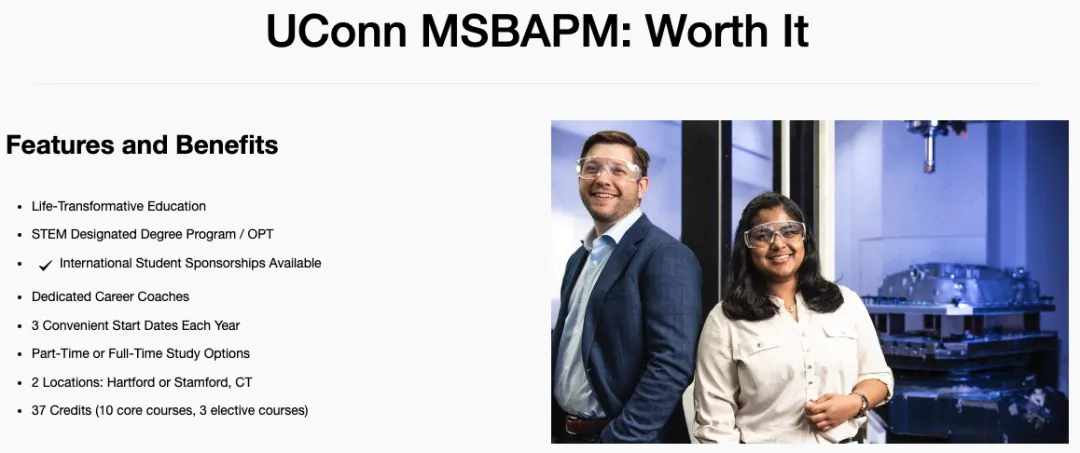
Business Analytics & Project Management
Full-time study can be completed in 3 semesters. Courses include Business Process Modeling, Project Risk and Cost Management, Data Management and Business Decision Modeling, etc. It is a STEM program, with an option for campus location (Hartford vs. Stamford).
Final Thoughts
The value and learning outcomes of a program can never be simply measured by the length of study.
Intensive course scheduling and high academic pressure are the norm in one-year programs, which also greatly test a student's multitasking, time management, and stress resistance abilities.
In fact, whether it's a one-year or two-year program, it's about suitability, not quality.
If you go with the mindset of "just get by," no program will deliver the results you expect.
We hope everyone receives the offer that suits you best!