Financial technology, built on innovations such as big data, cloud computing, artificial intelligence, and blockchain, is reshaping the financial industry. Following the fintech wave, educational technology has become the next focal point. According to an EdTechXGlobal report, the global EdTech market is expected to reach $252 billion by 2020.
Recently, Stanford launched a new Master’s in Education Data Science, and HKU introduced a new Master’s in FinTech, reigniting interest in interdisciplinary programs at the intersection of technology and other fields. What master’s programs in fintech or educational technology are offered by top universities worldwide? Let’s take a look!
Stanford’s New Education Data Science Program
As technology and networks continue to advance, universities with strong technological advantages and rich educational resources have begun launching interdisciplinary programs that explore and promote the integration of technology into the field of education.
Against the backdrop of the big data era, and with the aim of using data to address challenges in education, Stanford University’s Graduate School of Education has established the Master’s Programs in Education Data Science, with the inaugural cohort starting in fall 2021.
Curriculum:
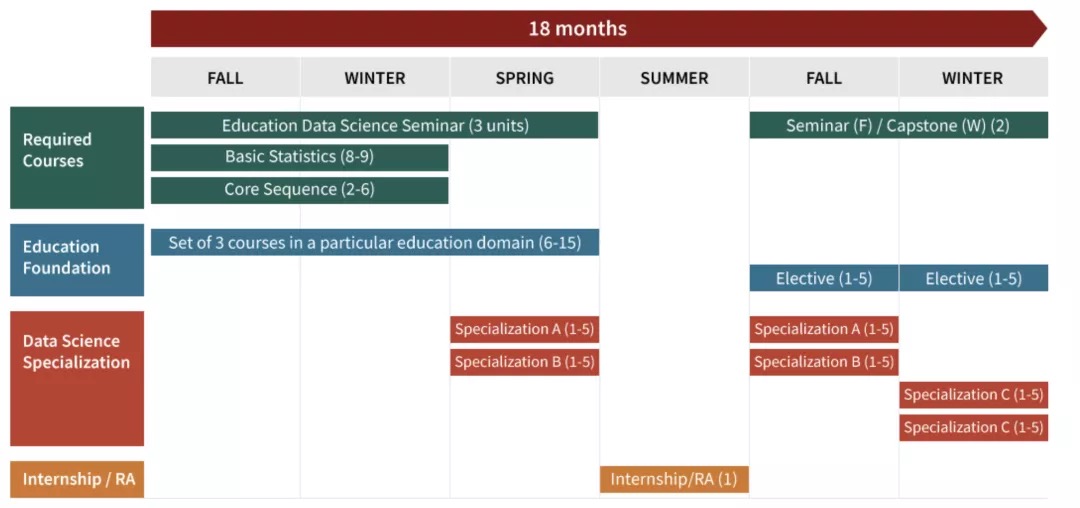
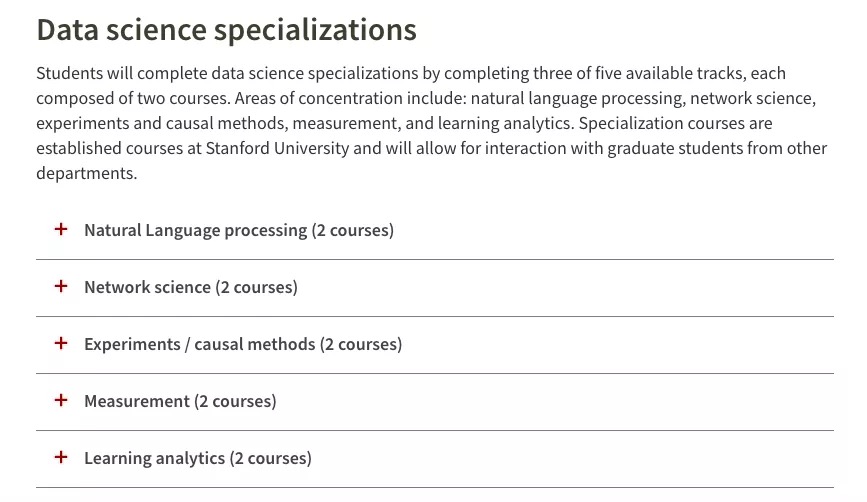
The program lasts 18 months and requires 18 courses totaling 51 credits, including 9 core courses, 3 education foundation courses, and 6 courses in the data science field.
The basic curriculum is as follows:
Basic Admission Requirements:
Bachelor’s degree, no restriction on major background
TOEFL 100, IELTS not accepted
GRE optional (for the 2021–2022 academic year)
Basic programming experience or relevant prerequisite coursework required
Application Deadline:
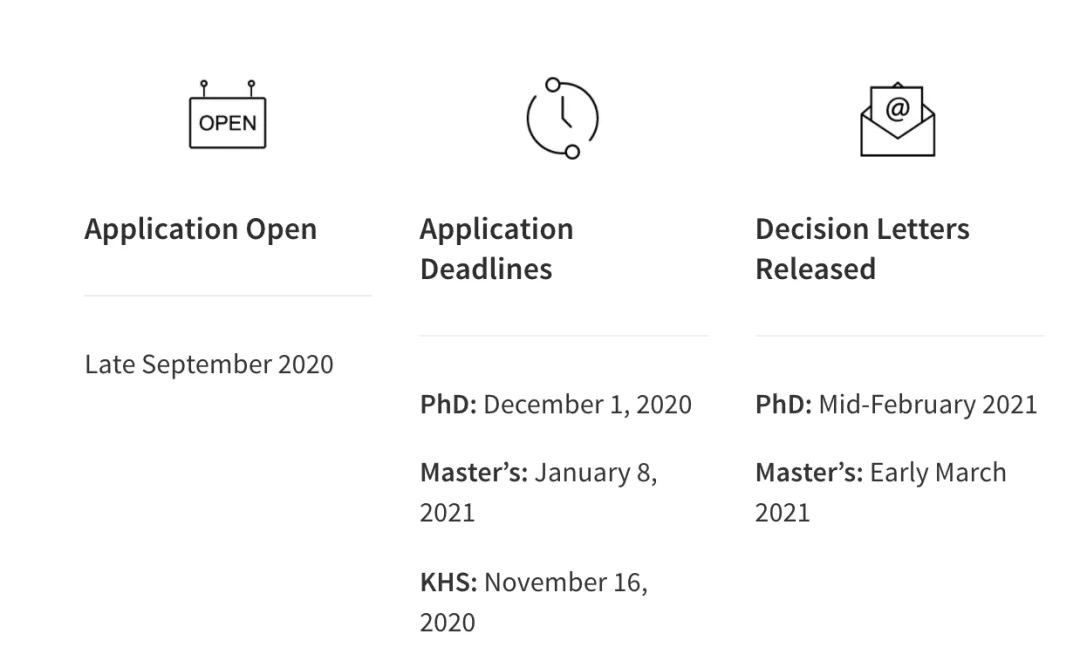
The master’s program deadline is January 8, 2021, with admission decisions released in early March.
Recommended Educational Technology Master’s Programs
Harvard University
Technology, Innovation and Education
The TIE program, housed within the Harvard Graduate School of Education, is designed to develop innovative leaders in education, focusing on the research and design of new technologies and media to promote powerful teaching and participatory learning.
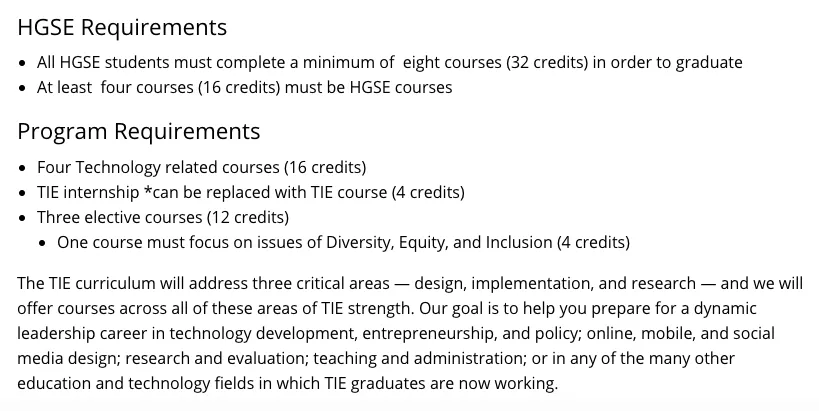
The program is one year long and requires 32 credits, with at least 16 credits taken within the school.
Curriculum Overview:
University of Pennsylvania
Learning Sciences and Technologies
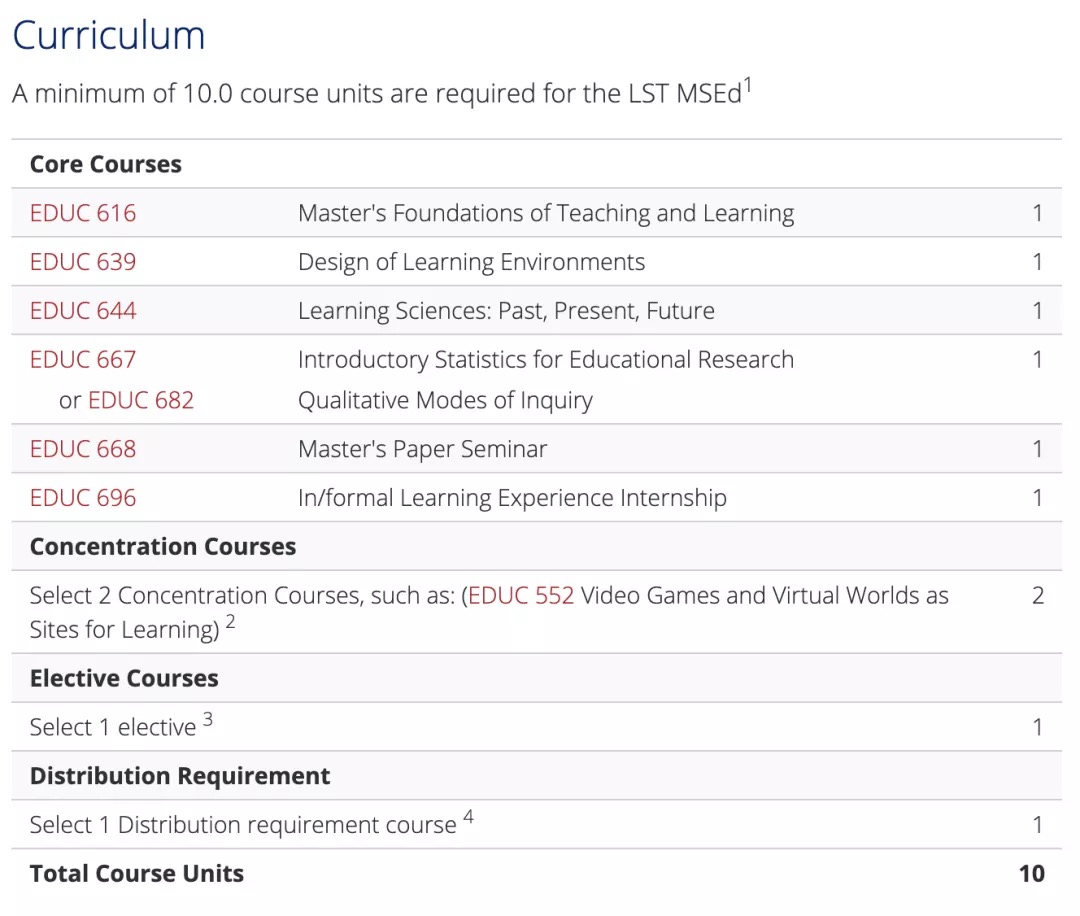
LST is offered by Penn’s Graduate School of Education. This one-year program helps students build a strong theoretical foundation in how to integrate technology and innovative design into the classroom.
Students take 10 courses—7 required and 3 electives—and can participate in a dedicated internship program.
The program is STEM-designated, with a 3-year OPT period for work experience.
Curriculum:
University College London
Education and Technology MA
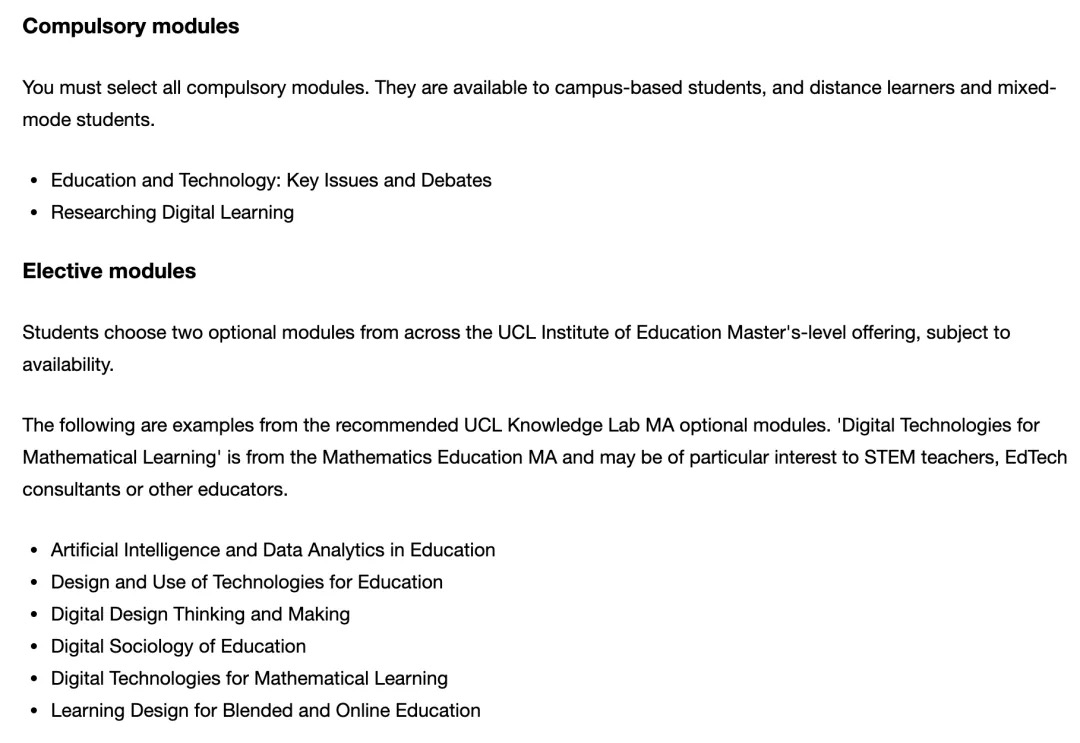
UCL’s Education and Technology MA prepares students to design, implement, and evaluate EdTech in various settings, ensuring that educational technology products meet the needs of educators and enhance teaching value.
Curriculum:
HKU’s New FinTech Finance Master’s
FinTech (Financial Technology) is the combination of finance and technology. With technological progress, emerging technologies such as big data, cloud computing, artificial intelligence, and blockchain are integrated with finance, applied to areas like payment and settlement, trading and investment, and financing management.
The HKU Business School has recently launched an MFin in FinTech program. It provides cutting-edge knowledge in financial technology, covering topics such as portfolio analysis, blockchain technology, cryptocurrency, and financial market management.
The program offers a choice between 1-year full-time or 2-year part-time study, totaling 30 credits.
Curriculum:
12 courses are required—10 core and 2 electives. The detailed course list has not yet been released on the school’s official website.
Basic Admission Requirements:
Bachelor’s degree
2 recommendation letters
TOEFL: 80 / IELTS: 5.5
Preference for backgrounds in computer science, engineering, mathematics, physics, statistics, etc.
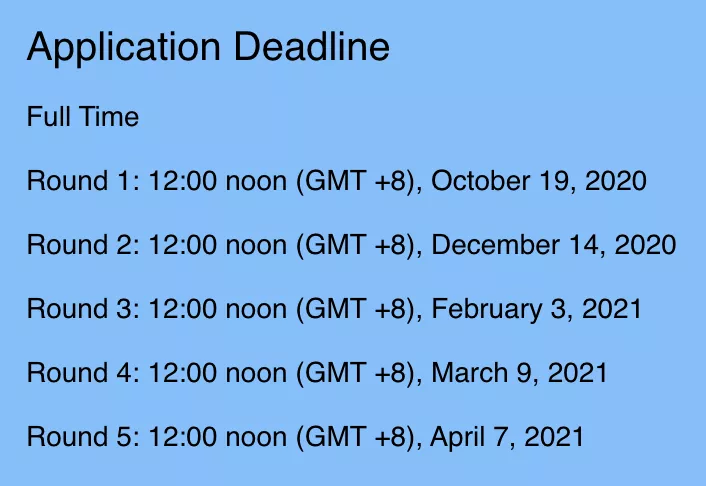
Application Deadline:
Recommended FinTech Master’s Programs
Duke University
Master of Engineering in Financial Technology
Duke launched its FinTech master’s program last year, jointly offered by the Pratt School of Engineering and the Duke Financial Economics Center.
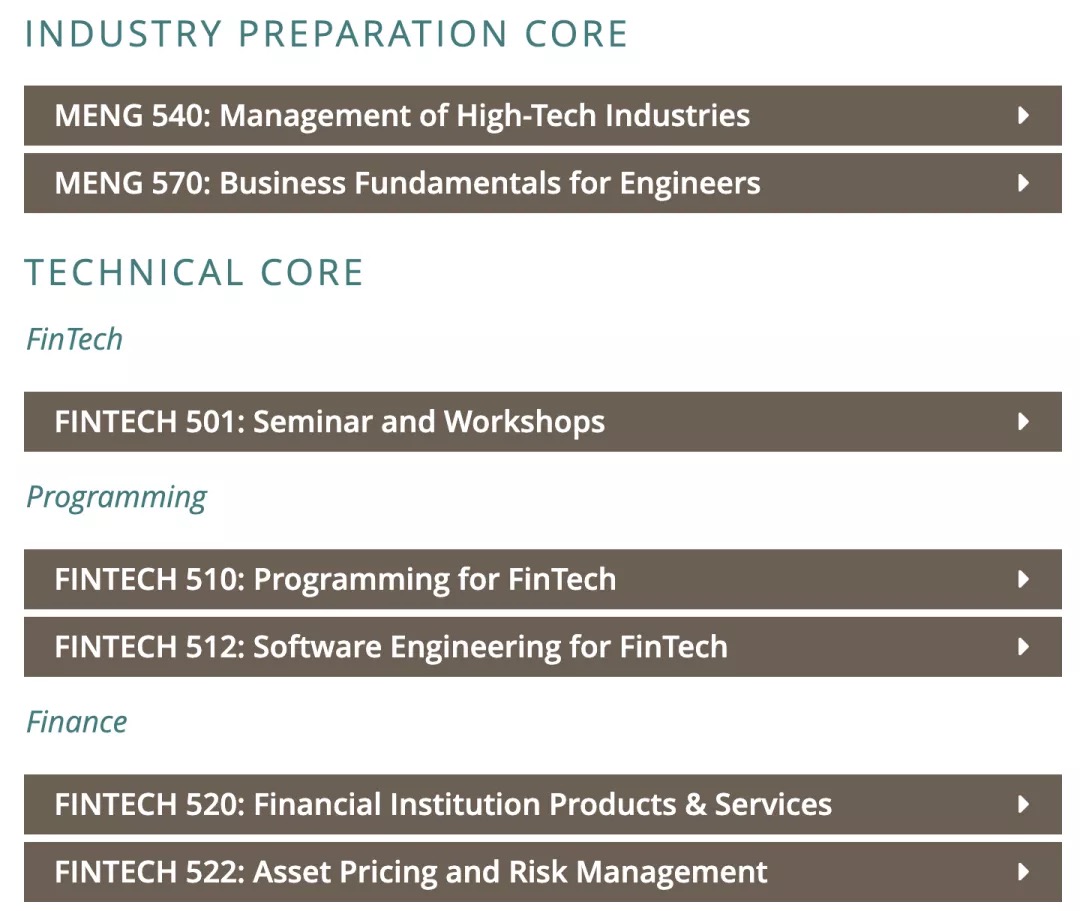
The program lasts one and a half years and requires 30 credits: 10 courses—7 technology-related, 2 business, and 1 capstone course.
Curriculum:
Imperial College London
MSc in Financial Technology
Financial Technology is also a master’s program newly launched by Imperial College London last year. The program provides students with quantitative analytical skills, including coding and programming, and offers hands-on experience through immersive learning.
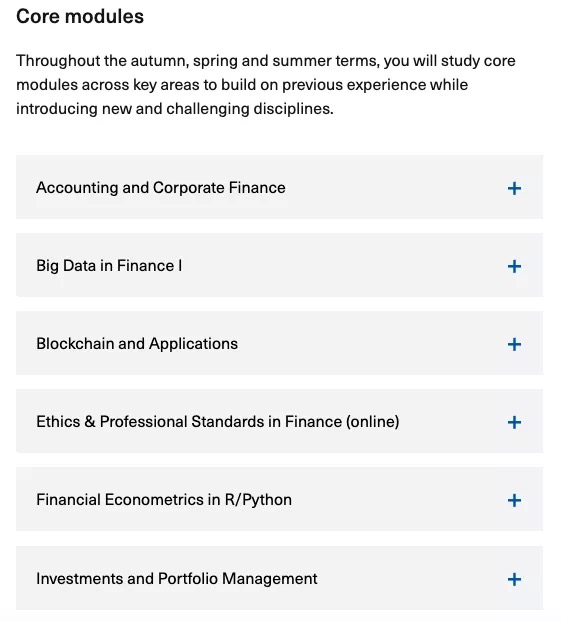
Imperial’s FinTech program is one year long, with core courses covering key areas such as accounting, big data, blockchain, financial econometrics, and investment management.
Curriculum:
Nanyang Technological University, Singapore
MSc in FinTech
NTU’s MSc in FinTech is jointly run by the School of Physical and Mathematical Sciences. Built on data science, artificial intelligence, and information technology, the program equips students with fintech skills to navigate the changing financial industry landscape.
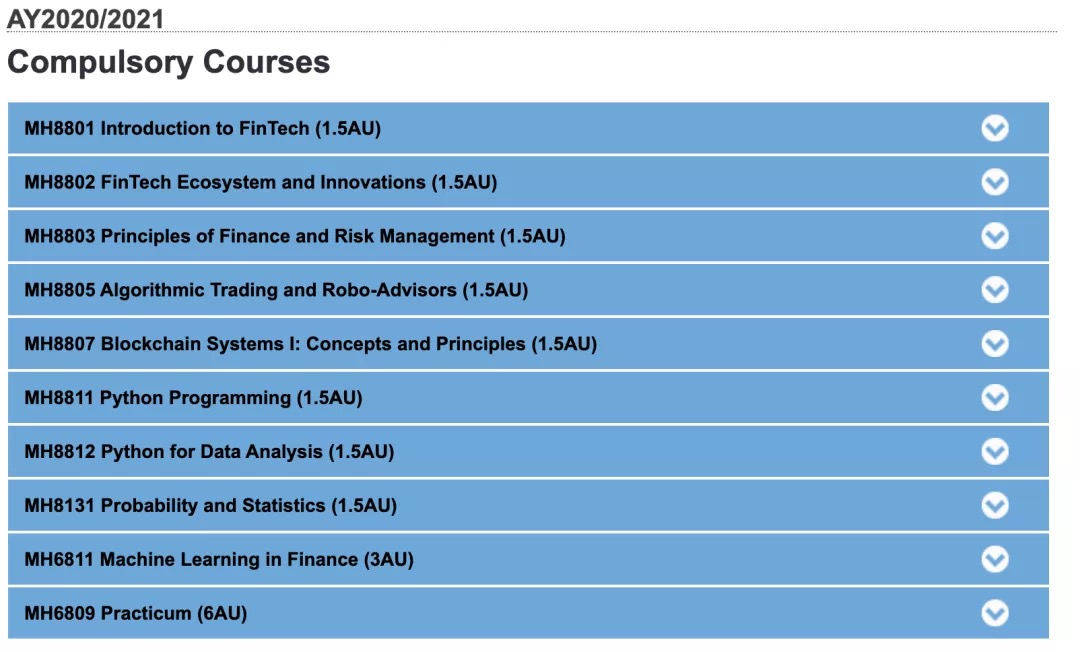
The program is available as 1-year full-time or 2-year part-time, with 33 credits. Courses are organized into two tracks: AI and Operations and Compliance.
Curriculum:
Technological development is influencing every aspect of life, and it also drives innovation in university education. Amid the impact of the pandemic this year, the effective use of technology will be a key focus for the future development of all industries.
Emerging interdisciplinary fields like educational technology and financial technology are expected to continue being new priorities for global universities and new hotspots for student applications.
The new application season has officially begun. Students interested in these two fields should start taking action now!
Precision positioning for top school success!
Scan the QR code below now to start a one-on-one study-abroad consultation~
.jpg?x-oss-process=style/opt-webp)