For seniors, the application season is already upon us. Many students, after overcoming numerous obstacles, suddenly realize they are still missing a strong academic or professional recommendation letter and frantically seek help.
As a required component of study-abroad applications, the importance of recommendation letters is often overlooked. Yet, it is precisely these highly subjective letters that require the most advance planning.
Today, CheersYou(清柚教育) takes you through everything you need to know about recommendation letters, helping you avoid pitfalls and nail the details. Plus, an exclusive bonus at the end!
The Two Sides of Recommendation Letters
For Students: The Preparation Process
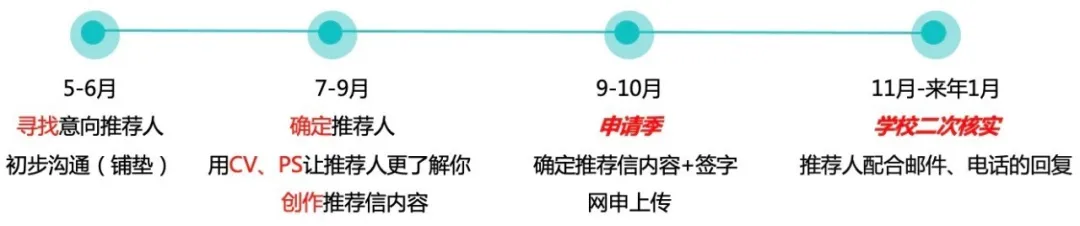
Application season typically opens between September and October. Working backward, it’s best to start identifying potential recommenders around May or June, initiate initial discussions with them, and maintain consistent, positive communication.
Between July and September, students should share their application goals with recommenders and provide their CV and personal statement so the recommenders can craft more targeted letters. This is especially true for professors and supervisors in China, who often prefer to receive your resume or have you help draft the recommendation yourself.
Before submitting online applications in September–October, verify with your recommenders that the content of their letters is fully relevant to your intended field and strongly endorses your abilities.
From November to January of the following year, schools may follow up with recommenders for verification. At this stage, recommenders must cooperate with secondary checks, such as confirming their identity with a business card photo, to prove the letter’s authenticity.
For Schools: The Admissions Committee Review Process
- Receive the online application and create a file
- Automatically match submitted materials and standardized test scores to the file
- Receive mailed materials via the institution or a third-party service and enter them into the system
- First-round academic screening (automated)
- Admissions officer initial review (based on the order in which complete applications enter the system)
- Second-round comprehensive screening and interviews
- Final decisions and offer issuance
- Waitlist and subsequent admissions
Please note: although the school portal may indicate that processing has begun once you submit your application, the admissions committee will not actually add you to the review queue until all materials have been received.
So even if you created your application account early and have all other documents ready, missing just one recommender’s signature means your application will be placed at the back of the line.
How to Choose Your Recommenders?
Academic Recommenders
- Professors with whom you recently collaborated on a project or research
- Professors who know you very well and in whose class you excelled (earned an A)
- Professors you don’t know as well but whose class you did well in
- For interdisciplinary applications, professors highly relevant to your target field
(Listed in descending order of priority)
Advice: Students should prepare 2–3 academic letters of recommendation. The key is to choose recommenders who have had frequent interaction with you and a positive impression. We recommend first selecting five qualifying professors, tempering your expectations, and then narrowing down to 2–3. Be sure to allow ample time—expect to need about a month of sustained communication with each professor.
Professional / Research Recommenders
- Internationally renowned companies / overseas top-tier university research projects
—Highly impactful recommendation letter
- Well-known domestic companies / top domestic university research projects
—Fairly impactful recommendation letter
- Ordinary domestic companies
—Standard recommendation letter
- Irrelevant recommender chosen at random
—Ineffective recommendation letter
(Listed in descending order of priority)
Advice: Students should prepare 1–2 professional or research recommendation letters. The last two categories add little to no value to your application. If you are applying to multiple programs, match your recommenders to each program accordingly. The key is to directly approach two qualified direct supervisors or mentors and clearly state your request.
Important note: Personal email addresses are absolutely unacceptable. Only professional email addresses with an institutional domain should be used.
What Makes a Recommendation Letter Stand Out?
It’s crucial to understand that competition for top programs extends beyond grades to practical experience. Take UCLA’s popular Master of Business Analytics program, for instance. It is extremely competitive, and high scores alone won’t secure admission. Many applicants have GRE scores above 325; what truly sets candidates apart is the strength of their background.
UCLA Business Analytics – Class Profile
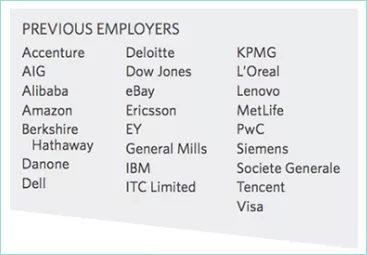
Looking at the previous cohort’s class profile, many admitted students had already worked for industry-leading companies prior to applying. Their strong backgrounds, not just excellent test scores, were key to winning them offers.
Now, let’s examine the recommendation letter requirements for CMU’s Information System program.
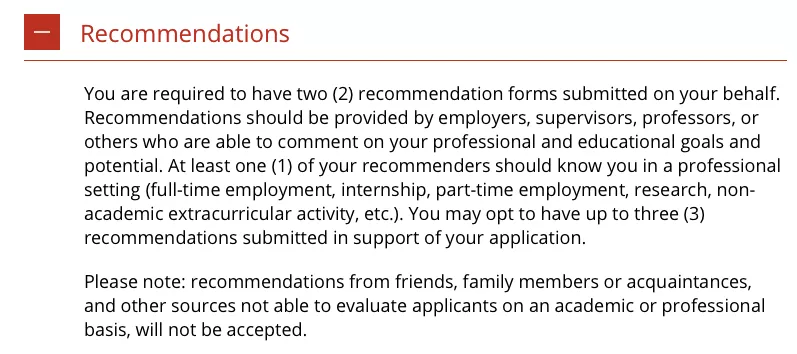
The program requires two letters of recommendation, with the first choice being a professional recommendation (full-time, part-time, internship, or research). Computer-related fields are highly practical, so admissions committees want to see evidence of your problem-solving skills and technical expertise—two things a professional recommendation can convincingly demonstrate.
The Value of Recommendation Letters
Clearly, top schools place great emphasis on practical experience and professional recommendation letters. An outstanding professional recommendation can serve as an undeniable strong reference, potentially offsetting weaknesses elsewhere in your application.
Securing a letter from a well-known professor or a Big Name company can also reflect your networking abilities during undergrad and hint at broader competencies in communication and problem-solving, significantly boosting your chances of admission.
As a new application season kicks into high gear, we wish every student the best of luck in landing their dream offer!
Exclusive bonus!
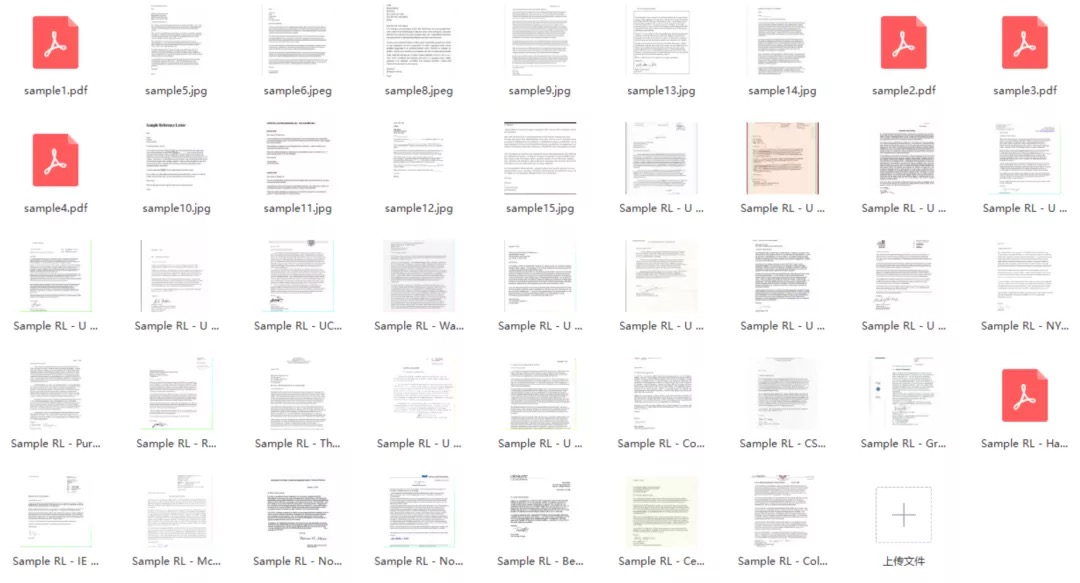
Scan the QR code below, follow CheersYou(清柚教育) Education’s official WeChat account, and reply with “Recommendation Letter”
to receive a free CheersYou(清柚教育) exclusive recommendation letter template package.
Both academic and professional recommendation templates covered!
.jpg?x-oss-process=style/opt-webp)