The fall semester return to the U.S. is just around the corner. After taking online classes for so long, are you still unsure about the current policies on departure, flights, entry, and campus return?
If you're a brand-new student who has never taken an international flight to the U.S., unfamiliar with check-in procedures, worried about transfer hiccups, or lost after getting off the plane?
No worries! We’ve invited our friends from OSU ECHO to share the pick-up diaries of the first returning Chinese students. Students who have safely arrived in Columbus have put together these super-useful tips. Hope they help you!
Student A
01 Departure
I took a direct flight from Xiamen Airlines to Los Angeles on July 27. Had a COVID test taken the day before departure and brought both Chinese and English reports, with passport number and date of birth indicated on the English report.
Before boarding, I was required to fill in an online form about residence info, travel history over the past period, and some COVID-19 symptom questions. After submitting, I got a QR code that was needed for the remaining departure process.
With the flight’s scheduled departure time around 11 pm, the airport opened check-in (offline) + exit procedures around 8–9 pm.
The main checks were for passport, I-20, and COVID test report. Just follow the staff’s instructions. During passport processing, you might want to remind them to use your F1 visa, because sometimes they might flip to the B1 visa page and stamp it—though this didn’t cause any problem for me.
02 Flight
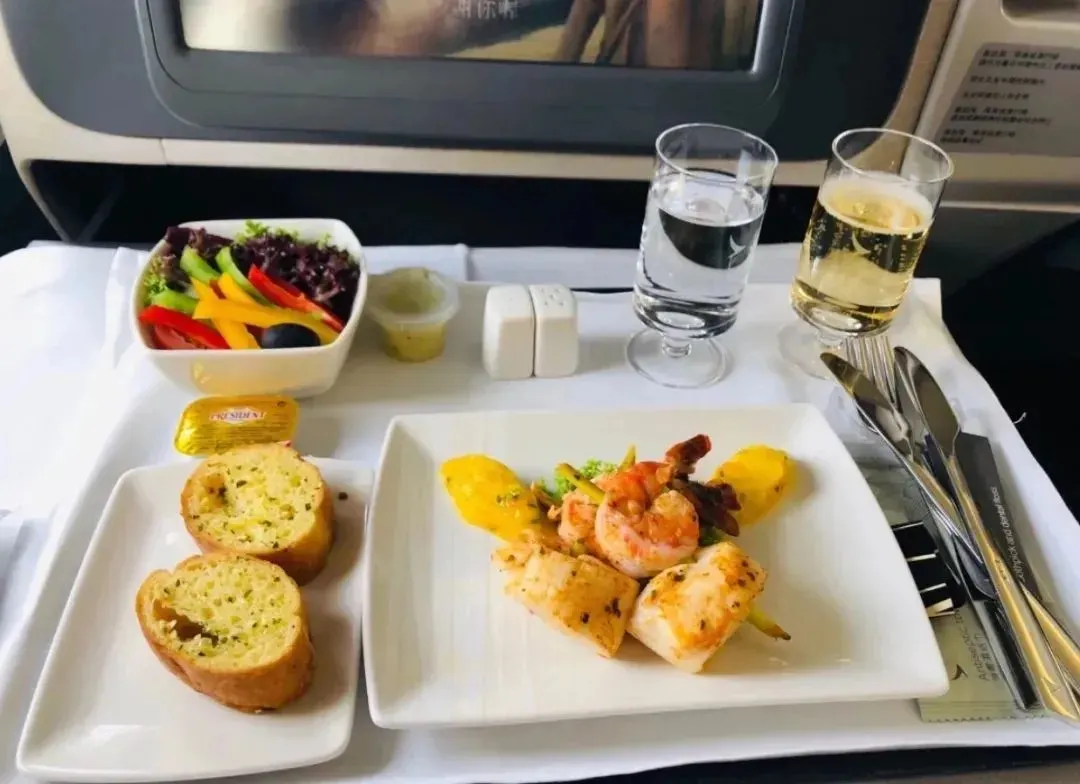
Over 12 hours, one main meal and one breakfast. If you have special dietary needs (vegan, no certain meat, etc.), you should inform the crew before the travel date.
Near the end of the flight, they hand out a customs declaration form. Fill it accordingly. One field is about the value of goods you’re bringing—meaning goods that you’ll leave in the U.S. I put 0, but I’m not sure what’s most standard.
03 Entry
After landing at LAX, we proceeded to U.S. Customs. There were two checkpoints, one for U.S. citizens and one for foreign nationals.
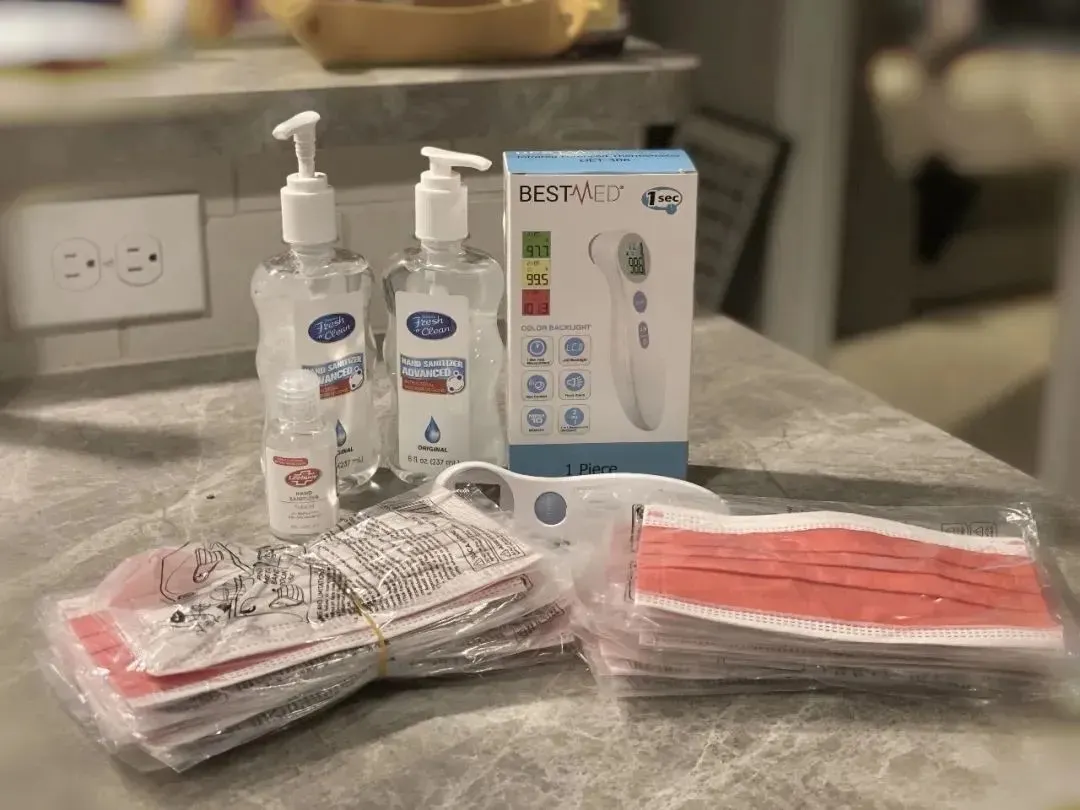
We stood in line for a long time. The line included passengers from all over the world, so we were quite anxious about hygiene. We’d already switched to N95 masks before landing, and some also wore face shields or even protective suits.
At the customs booth, the officer checked my I-20 and passport, and asked me the name of the school I’m attending. The officer I got was quite friendly and easygoing, and didn’t even look at my customs declaration form. But other windows weren’t so lucky—there was a window where several groups of incoming Chinese visitors were taken aside for questioning. You can check which window seems easier while waiting in line. After that, you can pick up your luggage.
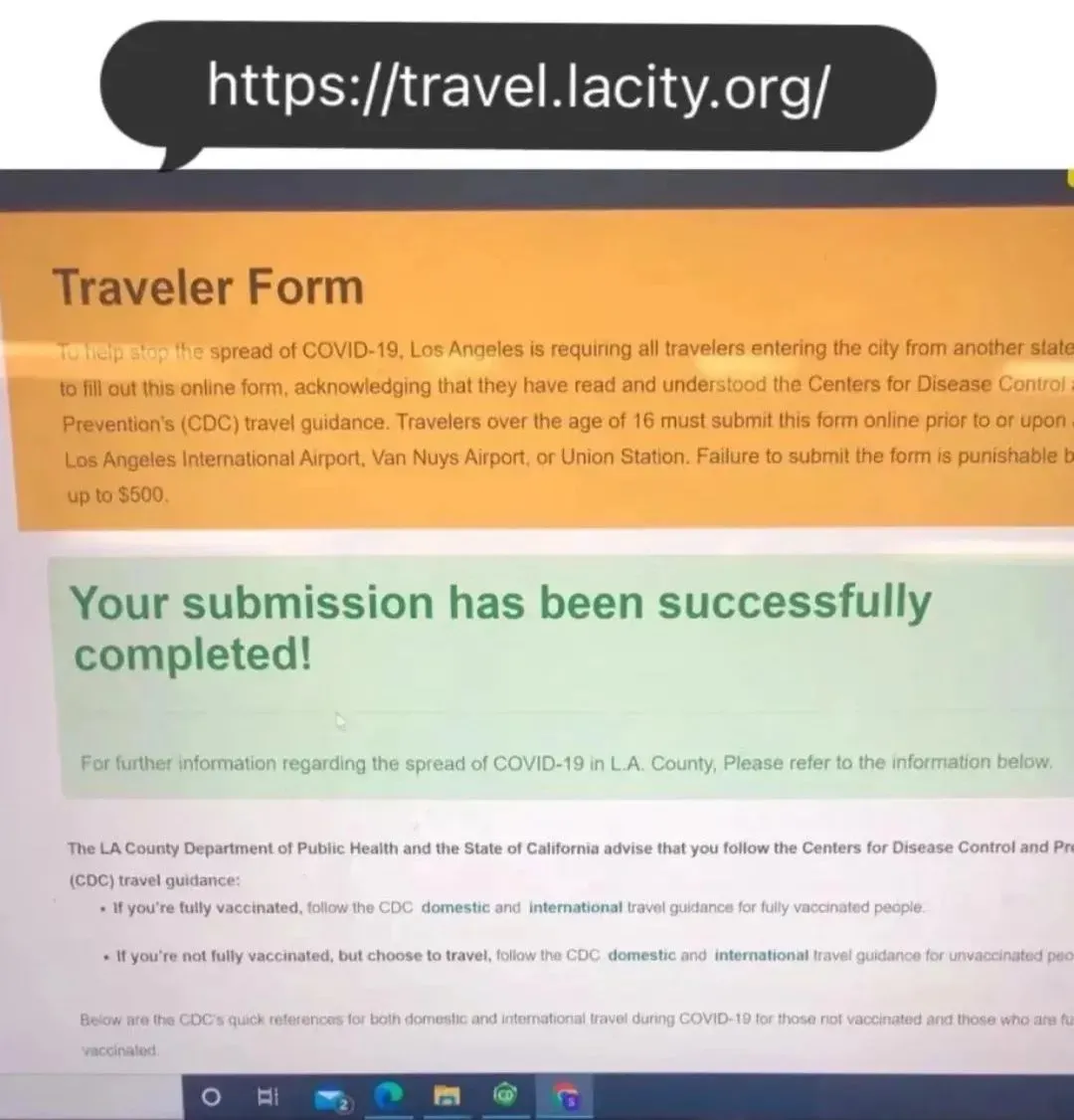
Los Angeles requires foreign passengers to fill out an online form in advance. If you don’t, there’s a $500 fine. I’m not sure if other cities have similar requirements—keep an eye on that text message sent to the phone number you provided when booking.
04 Transfer
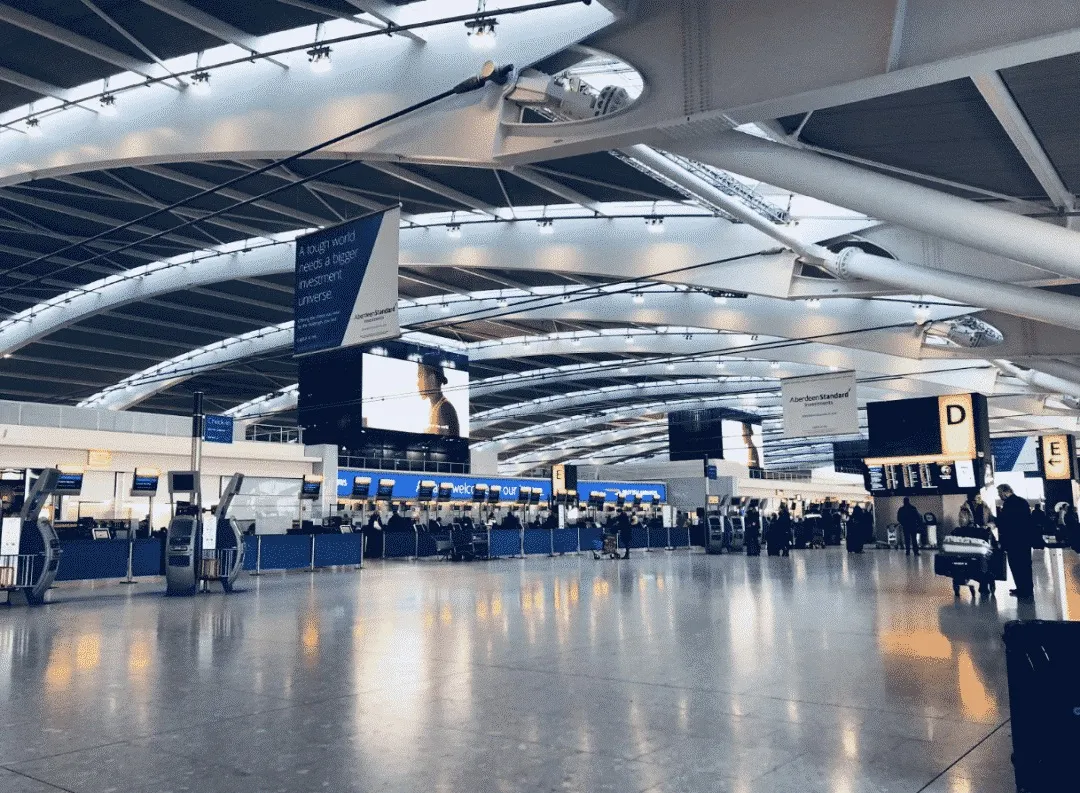
We arrived at LAX around midnight and had a Delta connecting flight at just past 5 a.m. the next morning. We waited at the terminal until after 4 a.m. for the counter staff to show up. If checked baggage isn’t included in your ticket, you pay at the counter—seems to be $35 per piece.
Next, security check again and then boarding. Security here is a bit stricter than in China—need to take off your shoes, and they’ll dig thoroughly into any bottles or jars in your bag.
05 Arrival
We got in touch with local classmates who came to pick us up. After landing and grabbing our bags, we met them right away.
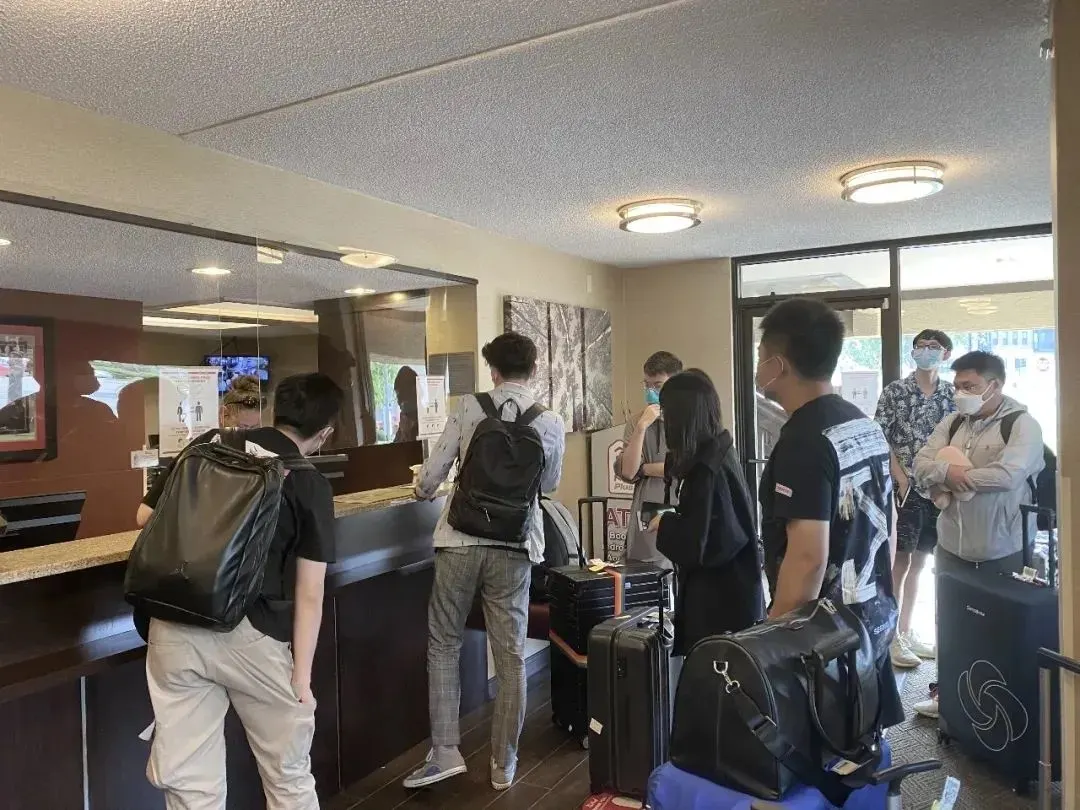
There were five of us and two cars. Everyone was super nice—they helped load our luggage into the cars, drove us to the hotel, assisted with communication during check-in, and helped haul our bags up to the room. It was early evening by then, so they also took us to a nearby restaurant for a meal.
Student B
01 Departure
For this trip I also flew Xiamen Airlines. First, security required declaring through the Customs Pocket Declaration mini-program on WeChat in advance.
Second, during baggage check they inspected the COVID test result, passport, and school I-20. Then, personal security screening: they check what you bring on board. My power bank and electronic devices in my carry-on were allowed.
02 Flight
After security, I entered the waiting area. Flights can be delayed—mine, originally scheduled to depart at 11:30 p.m. Beijing time, was delayed about half an hour.
I didn’t rest very well on the journey. First, eating was off schedule because we left late at night, and second, 12 hours is a long time—my body felt a bit weary. By the time we landed, it was 10 p.m. local time in Los Angeles. (My advice: get good rest before the flight)
03 Entry
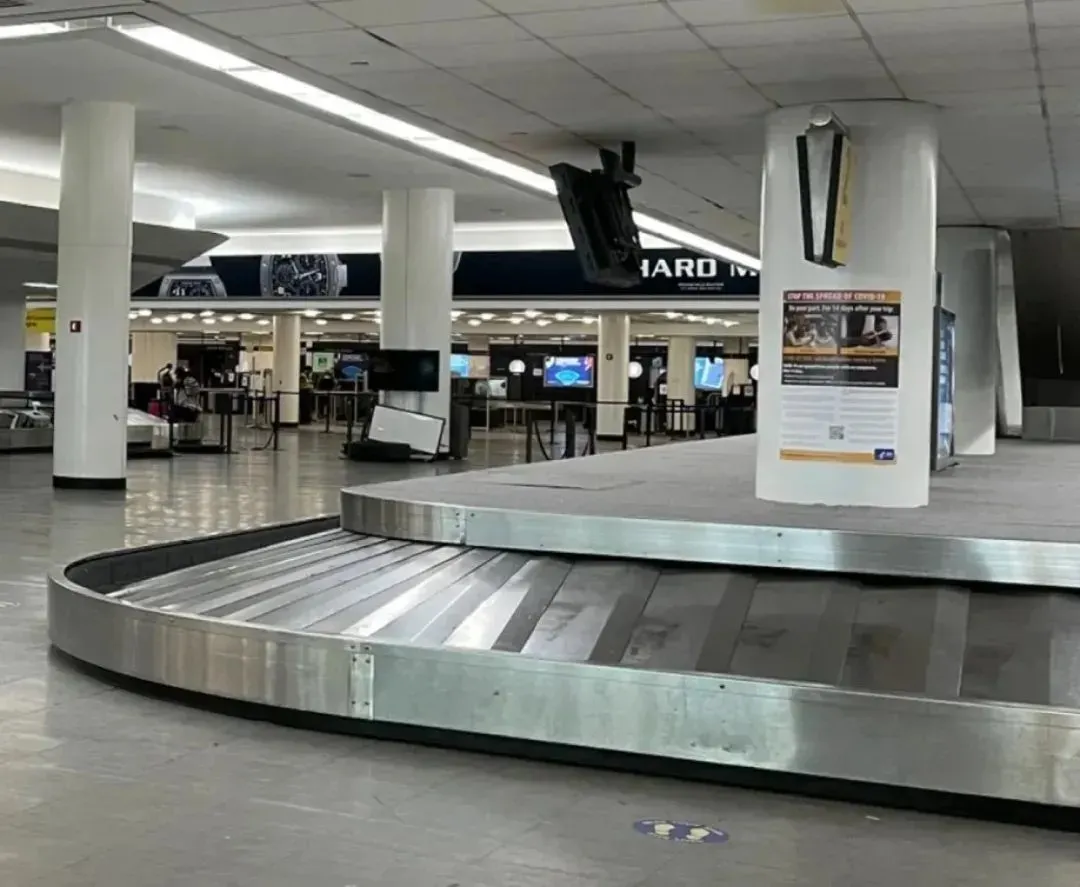
After getting off the plane, we started customs procedures. They check your passport and school I-20, then have you give fingerprints and take a photo. After that, we collected checked luggage. It was pretty cold in L.A., so bringing a jacket might be a good idea.
04 Transfer
The next day, before catching my connecting flight, I had to check my luggage again. We needed to arrive at the departure terminal early to do this—all through a self-service kiosk. On the machine you select number of bags and weigh them, then pay for any excess weight.
If you’re not sure about steps, ask nearby staff for help. After baggage check, another security screening. It’s similar to the one in China, need to take off your shoes. Then from L.A. I flew on to Columbus.
Student C
01 Flight
I took a Xiamen Airlines flight on July 28. The environment on the plane was quite noisy—if there are crying kids, it may not be great for sleeping.
02 Entry
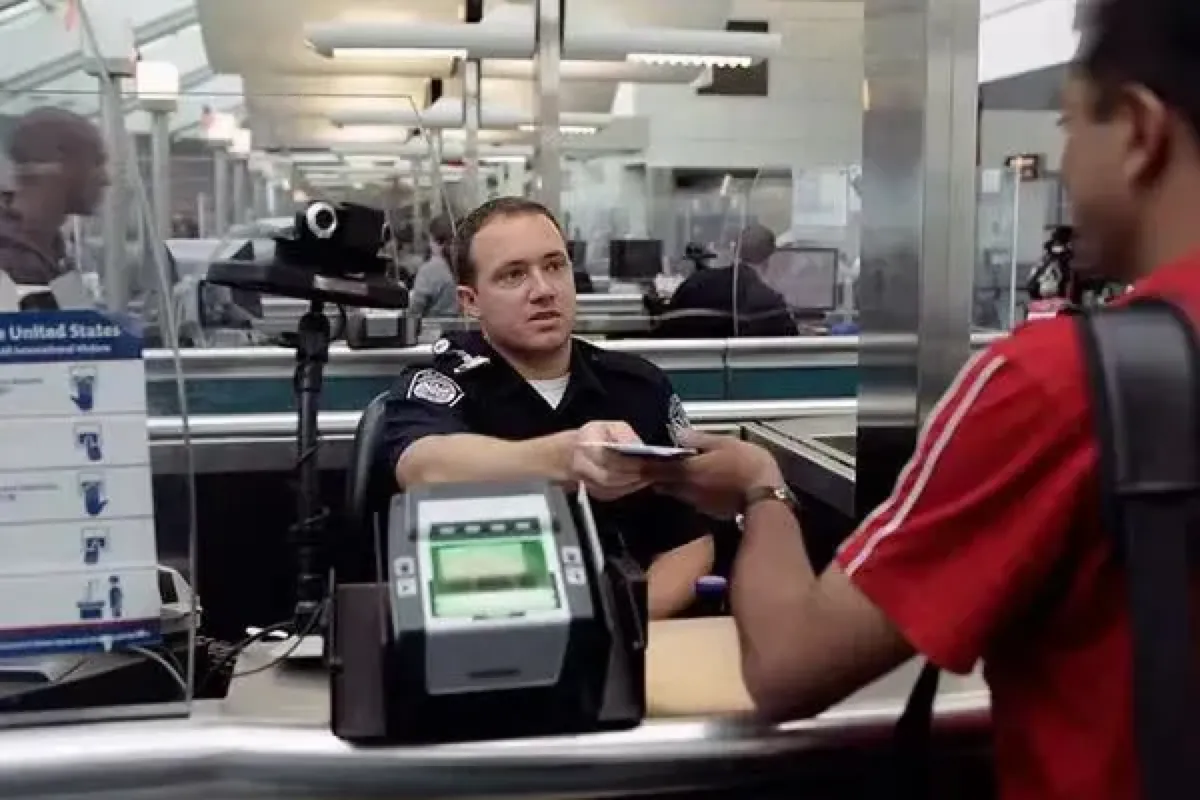
After landing, I went through customs. Be polite when talking to the officer. They may randomly ask some questions about your school or major.
From what I saw, different officers vary in strictness. Some interrogate more thoroughly with many questions; others are looser and might ask nothing at all, just check your passport and I-20 and then send you to the next step—photo and fingerprints.
03 Transfer
China-to-U.S. flights are prone to delays, so be prepared mentally—usually one to two hours late.
When transferring, pay close attention and never go the wrong way. When necessary, ask staff frequently so you don’t waste time on the wrong path. Local U.S. security checks can be a bit more complicated; we need to stay calm, communicate actively, and handle problems.
04 Arrival
During the flight, try to rest as much as possible while also keeping an eye on your valuables. You can buy snacks in advance or get some food along the way to avoid getting hungry on the plane.
After arriving in Columbus, friendly seniors were already waiting at the exit and provided a ride, saving us a lot of trouble. They also helped in many other ways, bringing this trip to a happy conclusion.
With the pandemic still fluctuating globally, U.S. universities are continuing to strengthen their prevention measures to ensure the upcoming fall semester runs smoothly.
So far, most major universities’ plans to return to in-person classes or work remain largely unchanged. More than 650 colleges and universities have already mandated vaccination, and require students and staff to wear masks indoors and in public venues.
Please also pay attention to the latest policies and updates from your own school and relevant authorities, cooperate with all health measures, and welcome the new semester safely and healthily!
Main content reposted from: Echo Studio official account
Special thanks again to our friends at OSU Echo Studio for sharing these experiences.