In fall 2025, US universities are bracing for an unprecedented "cold opening season."
According to the latest data from NAFSA (Association of International Educators), the world's largest international education organization, the number of international students in US higher education is dropping at an alarming rate.
This not only impacts university enrollment but could also severely undermine the US economy and global research competitiveness.
New International Student Numbers Plummet, Economic Losses Could Hit $7 Billion
NAFSA, in collaboration with the US Department of State and SEVIS, reports that in fall 2025, new international student enrollment is expected to drop by 30–40%, with total international registrations falling around 15%.
Source: nafsa
This means US universities will lose tens of thousands of international students, triggering cascading effects and an estimated direct economic loss of $7 billion.
Source: nafsa
Over 60,000 jobs will be affected, spanning university positions, local housing, transportation, retail, and healthcare.
States and schools heavily reliant on international student revenue will be hit first. For example, Missouri is projected to lose over 5,100 students, resulting in $17 million in economic losses and hundreds of job cuts.
Source: bizjournals
Why Aren't International Students Coming Anymore?
America's status as a traditional study-abroad powerhouse is facing unprecedented challenges. Behind this sharp decline are complex, real-world factors.
Visa System Gridlock, Approval as Arbitrary as a Lottery
Since the new administration took office, the US F-1 student visa process has become increasingly cumbersome. Applicants from major source countries like China, India, and Japan commonly report: "Hard to get appointments, long waiting times, high denial rates."
In May and June 2025—normally peak student visa months—F-1 visa issuances plummeted over 80% year-over-year, with some US consulates even temporarily halting operations.
Source: politico
Added to this is the scrutiny of social media content; applicants are forced to "delete posts, wipe accounts" or risk being denied over a single Weibo or tweet.
Click the image to view the original article
Policy Whiplash and an Unstable Study Environment
With a return to power, immigration restrictions have escalated further. Already 19 countries are on the entry ban list, and there are rumors it may expand to 36.
Source: Reuters
At the same time, many US universities have been swept up in "ideological investigation" controversies, with scholarship programs suspended, international admissions placed under strict review, and the situation for international students becoming deeply uncertain.
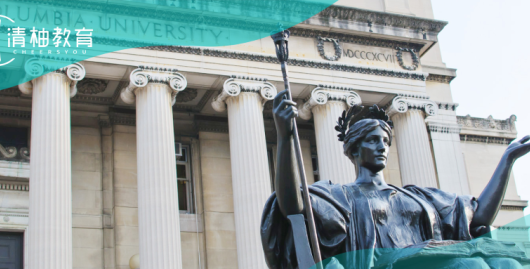
Columbia University has reached a settlement with the government, committing to "reduce financial dependence on international students" and undertake a "comprehensive review" of its international admissions policies, in exchange for the restoration of about $400 million in federal research funding.
This is considered the first instance of a university yielding on international admissions under federal pressure.
Source: Chronicle
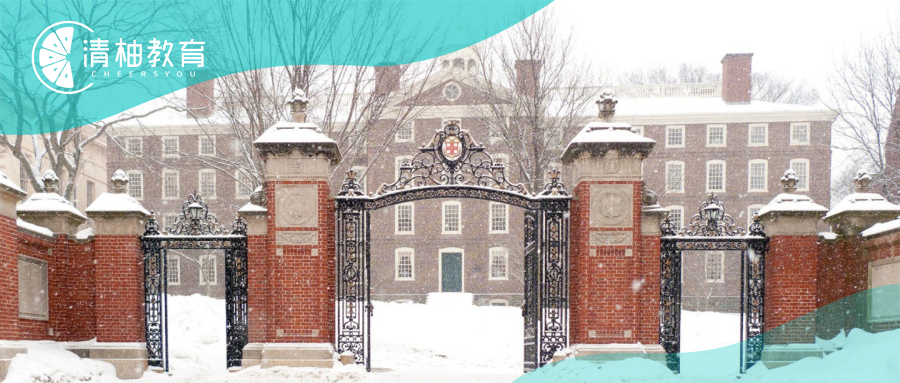
Meanwhile, Harvard University has also been named by the US Department of State for "compliance review," with its eligibility to host exchange visitor and student visa programs (EVP) still under scrutiny.
Source: state.gov
Led by senior White House advisors, similar measures may be rolled out at other universities, potentially affecting international student enrollment and post-graduation employment in the US to varying degrees.
Source: Forbes
High Costs, Uncertain Returns
Tuition at US universities has remained stubbornly high, with sticker price increases of 4% or more being the norm. Both undergraduate and graduate programs are raising costs across the board, sparing no one.
Source: Forbes
Elite institutions including Yale, Duke, University of Pennsylvania, Brown, Stanford, and USC have all seen undergraduate costs exceed the $90,000 threshold for the 2025-26 academic year.
For international students, the vast majority pay full tuition and rarely qualify for government scholarships.
Against a backdrop of vacillating OPT policies, fierce H-1B lottery competition, and a distant green card, the study-work-immigration path is far from clear; studying in the US is no longer a "value-for-money" proposition.
Source: forbes
What Does the Loss of International Students Mean for US Universities?
Widening Financial Gap
International students have long been a crucial pillar of the US higher education system, contributing financial revenue, sustaining research productivity, and representing America's soft power globally. Now, all three pillars are being battered simultaneously.
Full tuition payments from international students have long been seen as "cash cows" for US universities. These revenues not only support daily operations but indirectly subsidize many high-cost humanities, niche language, and arts programs that lack sufficient local student interest.
Data shows the sharp drop in international student numbers is particularly devastating for public universities in the Midwest and South. These institutions already have tight budgets and are highly dependent on international tuition revenue.
Source: brookings.edu
Declining Academic Competitiveness
International students dominate research-oriented master's and doctoral programs, particularly in STEM (science, technology, engineering, and math).
NAFSA notes that the drastic decline in international student numbers means a severe weakening of the foundational workforce in university research teams. This will directly cause US universities to lack "momentum" in the global race for research innovation, with long-term impacts on the engines of technological and economic development.
Source: nafsa
Erosion of Soft Power and Global Influence
Educational exchange has always been a core avenue for the US to export values and enhance its global influence.
For decades, international students have been key participants in America's education industry and important carriers of global elite culture. Today, this bridge to the "American Dream" is becoming precarious.
"America First" policies are shaking young global talents' trust and aspiration toward the US. Increasing numbers of students are turning to alternative destinations like the UK, Canada, Australia, and Singapore.
Source: brookings.edu
The notion that "the US is no longer the sole top choice for studying abroad" is quietly gaining traction.
It's not just individuals and families making this choice—some countries are even proactively shifting state-sponsored study abroad policies. For instance, the Malaysian government has explicitly reassigned some students originally destined for the US to the UK, Australia, Canada, and New Zealand, citing the current unstable policy environment in the US.
Source: The Pie News
The US is currently suffering losses on two fronts: losing convenience in visa and immigration policies, and losing global trust in its educational brand and value proposition.
This is not just a recruitment headache for American universities—it is a systemic drain of the nation's strategic soft power.
US universities and relevant education organizations have already begun actively calling on the government to take measures to alleviate difficulties international students face with enrollment and visas.
Undoubtedly, international students play an irreplaceable key role in the financial support, academic output, and national competitiveness of US higher education. Both American universities and institutional bodies are expected to strive to protect international student rights and enhance the appeal of studying in the US.
On the other hand, we can also anticipate that fall 2026 may present a golden opportunity to "bottom-fish" elite US universities. However, with frequent policy shifts and rising uncertainty, whether to study in the US or pivot to other countries or regions requires everyone to carefully make the decision that best suits them.
In any case, no matter how the broader environment changes, we suggest you always maintain rational thinking, integrate your personal circumstances with long-term goals, and make the educational choice that's best for you.